2025-02-10 11:08
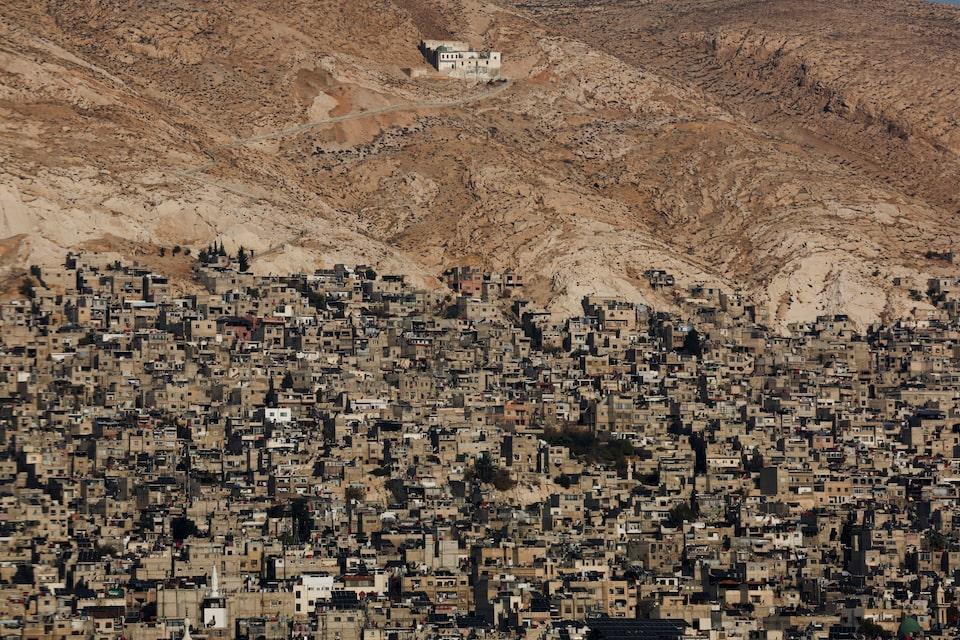
DAMASCUS, Feb 10 (Reuters) - Western sanctions on Syria's banking sector are preventing critical investments in the war-ravaged economy despite huge interest from Syrian and foreign investors since the fall of Bashar al-Assad, the country's investment chief said. "Sanctions have stopped everything. Right now, they are primarily on the Syrian people and are increasing their suffering," Ayman Hamawiye, the 36-year old head of the Syrian Investment Agency, said in an interview at his office. Hamawiye was appointed to the post by rebels-turned-rulers Hayat Tahrir al-Sham after their lightning offensive that ousted former Syrian president Assad last year. He previously ran Syrian crisis response projects and worked on economic policy with HTS' governing body in rebel-held Idlib province. The Syrian Investment Agency was set up in 2007 to court investment as Assad sought to embark on reforms to liberalize an economy that ultimately remained heavily controlled by his family and a group of select businessmen. Hamawiye said he was fielding dozens of requests per day from mostly Syrian, Turkish and Gulf Arab businesses, but also some Europeans, interested in projects ranging from building hospitals to establishing wind power and developing real estate. "But they all say that it is difficult (to invest) given the banking sector remains under sanctions. You can't show up with millions of euros in your suitcase. That is not a way to do business in today's world," Hamawiye said. The U.S. in January issued a six-month waiver to its Syria sanctions, focused on the energy sector and financial transfers to Syrian governing authorities, but kept sanctions in place on the central bank, keeping Syria cut off from the international financial system. The EU in late January also agreed on a roadmap to ease its wide-ranging Syria sanctions, which EU diplomats say may include lifting some measures in place on the banking sector, but details are still being worked out in Brussels. "The steps taken so far on sanctions are inadequate," said Hamawiye. "In my opinion, everyone has an interest in these transactions going through a banking system with oversight and transparency rather than through informal transfer networks," he said. Sign up here. https://www.reuters.com/world/middle-east/sanctions-syrian-banks-choke-recovery-hopes-investment-chief-says-2025-02-10/
2025-02-10 10:55
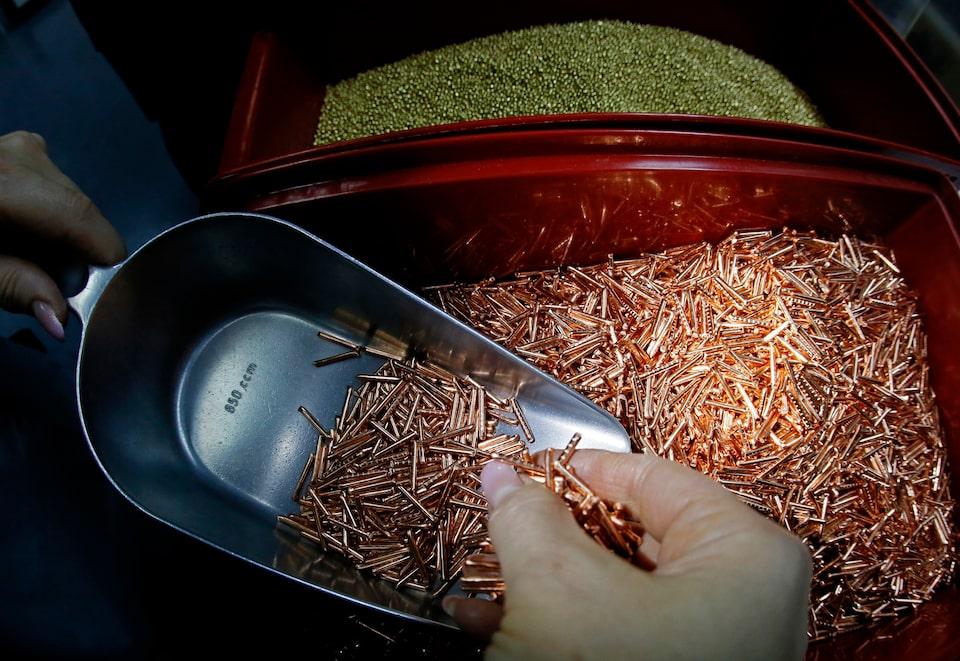
Feb 10(Reuters) - A look at the day ahead in U.S. and global markets by Amanda Cooper. Another week brings another round of tariff surprises from U.S. President Donald Trump. This time, it's a 25% duty on all U.S. imports of steel and aluminium on top of any existing tariffs. Investors are selling off shares in major steelmakers, but so far this has been orderly and price moves have been fairly contained. Tariffs have become part and parcel of the "Trump 2.0" operating manual and although they carry the risk of igniting volatility, the market has become a little less hypersensitive to each individual headline. There are clear signs, however, in the commodities world, where physical raw materials actually change hands, that traders are preparing for trouble. The London gold market has seen traders scramble to move ingots to New York, which has pushed up short-term borrowing rates, out of fear that Trump could train his sights on precious metals as targets for tariffs - however distant a possibility that is. A similar dynamic has emerged in the copper market in recent weeks. Copper has traditionally been viewed as a good barometer for the health of the underlying global economy, given its ubiquity and hence the "Dr Copper" nickname. When the price drops, it is often a sign of trouble that demand is weakening from anywhere from the construction to the electronics industry. Although its track record for predicting recession is not perfect, contractions in copper demand have often preceded slowdowns in global growth. The copper price has rallied to its highest in several months, but analysts say that, right now, this has less to do with optimism over global growth and more with where traders are moving metal to stave off potential tariff risks. In particular, metal is leaving London Metal Exchange warehouses and entering COMEX vaults. Since Trump took office on January 20, stocks of copper in LME warehouses have dropped by 3,600 tonnes, while those in COMEX warehouses have risen by almost exactly that amount. In the meantime, the gap, or spread, between LME and COMEX futures prices has widened to $740 a tonne, its highest in around 35 years, as traders play the arbitrage - selling London futures in favour of buying U.S. ones. When Trump took office, this spread was below $240 a tonne. In a note today, Citi strategists take a look at different ways to trade global tariff risks and the COMEX/LME arbitrage is one of them. Funds have also increased their holdings of COMEX copper futures and options in the latest week. There are other bullish drivers for copper. Crucially, buyers in China, the world's largest consumer, are returning from the Lunar New Year holidays, which is fuelling the rise in prices. For all the correlation between metal demand and the health of the economy, "Dr Copper" may not be able to diagnose how severe the hit might eventually be. Key developments that should provide more direction to U.S. markets later on Monday: * Three- and six-month Treasury bill auctions * Quarterly results from McDonald's, Loews and Vertex Pharmaceuticals * AI Action Summit opens in Paris, France Sign up here. https://www.reuters.com/markets/us/global-markets-view-usa-2025-02-10/
2025-02-10 10:54
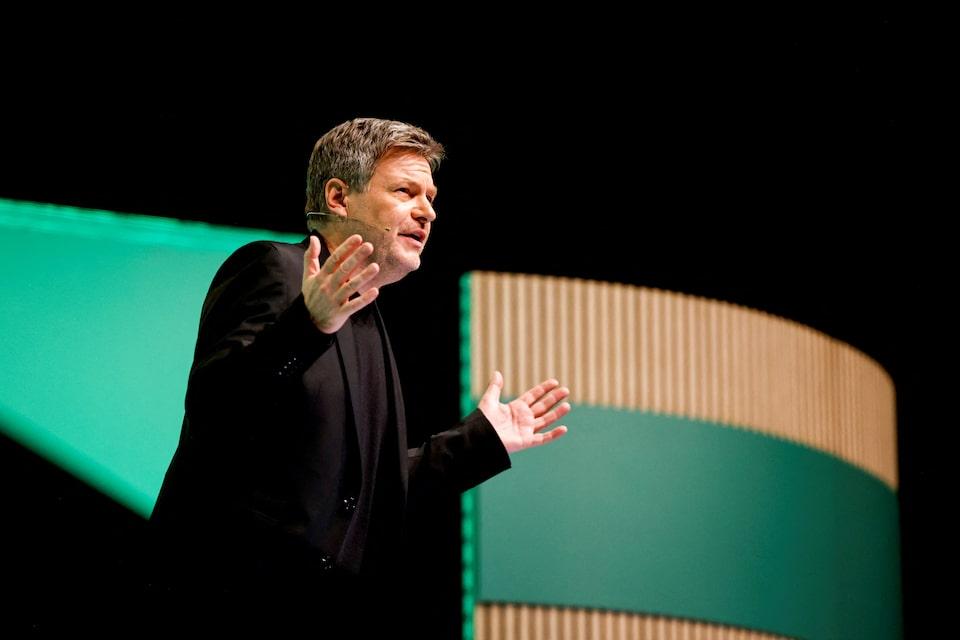
BERLIN, Feb 10 (Reuters) - The German government is working towards avoiding tariff increases threatened by U.S. President Donald Trump, an economy ministry spokesperson said on Monday. Berlin is "working towards ensuring that these measures do not materialise", the spokesperson said, adding that Economy Minister Robert Habeck had met with EU trade commissioner Maros Sefcovic to discuss the issue on Monday. Sign up here. https://www.reuters.com/world/europe/berlin-working-avoid-tariff-increases-economy-ministry-says-2025-02-10/
2025-02-10 10:46
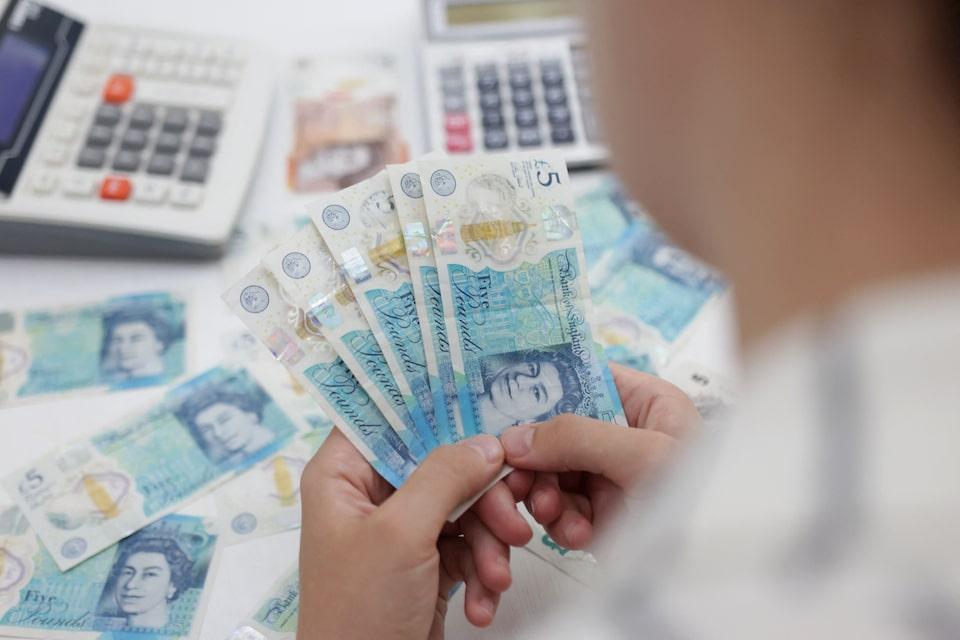
LONDON, Feb 10 (Reuters) - The pound held steady on Monday against both the euro and dollar, largely sitting out the latest round of tariff volatility as traders awaited a speech by hawk-turned-dove Bank of England policymaker Catherine Mann and business activity data. The pound was last up 0.08% on the dollar at $1.2407, broadly in the middle of its recent range. It was also flat on the euro at 83.2 pence to the common currency. The bigger movers in foreign exchange markets Monday were currencies of major steel and aluminium exporters after President Donald Trump said on Sunday he would impose new 25% tariffs on imports of both metals into the U.S. These are of less direct relevance to Britain, although moves were fairly muted anyway, and so did little to help the pound strengthen against the euro. Later in the week there could be more news for sterling. "It will be an interesting week for the pound given the BoE’s Mann speaks about ‘Economic Prospects’ on 11 February and the UK activity data for January on Thursday," said Paul Mackel, global head of FX research at HSBC. Catherine Mann had been seen as the most hawkish member of the Bank of England's Monetary Policy Committee, voting to keep rates steady last year even as her peers voted for cuts. But she surprised investors last week by voting to cut rates by 50 basis points, more than most others. The BoE cut rates by 25 basis points as expected. "Mann said in December that a more ‘activist’ approach on the policy rate might be needed and she voted in that manner last Thursday. What does she now see to have warranted voting in favour of a 50bps reduction in the Bank Rate?" said Mackel. "The likelihood of tepid growth numbers on Thursday could support Mann’s shift and dent the pound but would also be a frustrating reminder for the UK government." Britain reports a raft of economic numbers Thursday, including GDP data. Sign up here. https://www.reuters.com/markets/currencies/sterling-steady-investors-wait-key-speech-data-later-week-2025-02-10/
2025-02-10 10:40
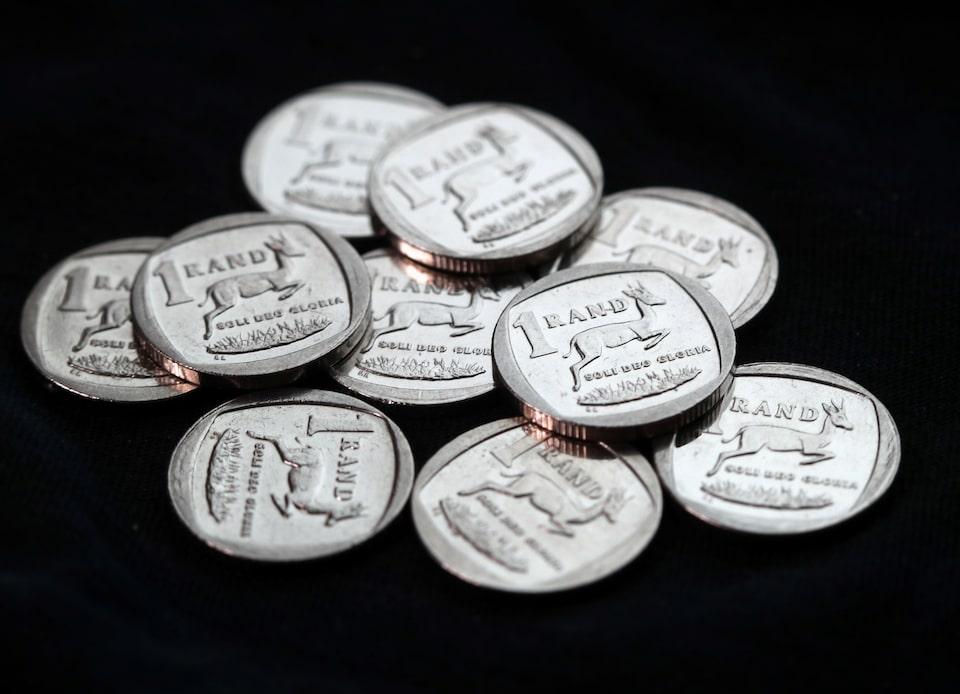
JOHANNESBURG, Feb 10 (Reuters) - South Africa's rand was little changed on Monday after U.S. President Donald Trump announced more tariff plans, adding to worries over a global trade war. At 1543 GMT, the rand traded at 18.42 against the U.S. dollar , near its Friday closing level of 18.4275. Trump said on Sunday he would introduce 25% tariffs on all steel and aluminium imports into the U.S., on top of existing metals duties. "The South African rand is likely to face pressure from President Trump's proposed tariffs on aluminium and steel," Zain Vawda, market analyst at MarketPulse by OANDA, said. "A drop in U.S. demand could reduce export revenues, with emerging market currencies like the rand remaining sensitive to tariff developments and shifts in market sentiment." Analysts said South Africa may face further risks after Trump signed an executive order cutting U.S. financial assistance to the country on Friday, citing disapproval of its land policy and of its genocide case at the International Court of Justice against Washington's ally Israel. South Africa's sovereign dollar bonds were trading flat or slightly higher by 1508 GMT, reversing small early losses, but weak compared to bigger gains for most other African sovereigns, including Angola, Kenya, Ivory Coast and Nigeria. South Africa's benchmark 2030 government bond was weaker, with the yield up 3.5 basis points to 9.1%. On the stock market, the Top-40 (.JTOPI) , opens new tab index closed up about 0.4%. Domestic investors will on Tuesday look to December manufacturing figures (ZAMAN=ECI) , opens new tab for clues on the health of Africa's most industrialised economy. Sign up here. https://www.reuters.com/markets/currencies/south-african-rand-bonds-slip-trumps-new-tariff-threats-2025-02-10/

2025-02-10 10:40
JOHANNESBURG, Feb 10 (Reuters) - South Africa's rand weakened early on Monday in the wake of U.S. President Donald Trump announcing fresh tariff plans, adding to worries over a global trade war. At 0748 GMT, the rand traded at 18.4775 against the dollar , about 0.3% weaker than its previous close. The dollar was little changed, after Trump said on Sunday he would introduce new 25% tariffs on all steel and aluminium imports into the U.S., on top of existing metals duties. Analysts said South Africa may face further risks after Trump signed an executive order cutting U.S. financial assistance to South Africa on Friday citing disapproval of its land policy and of its genocide case at the International Court of Justice against Washington's ally Israel. "SA needs to forge a path without US assistance, which this government must’ve foreseen as a real possibility given its geopolitical position towards Russia, BRICS and Israel/Palestine," said ETM Analytics in a research note. On the stock market, the Top-40 (.JTOPI) , opens new tab index last traded about 0.1% higher. South Africa's benchmark 2030 government bond was weaker in early deals, with the yield up nine basis points to 9.155%. Sign up here. https://www.reuters.com/markets/currencies/south-african-rand-weakens-trumps-new-tariff-threats-2025-02-10/