2026-01-07 11:44
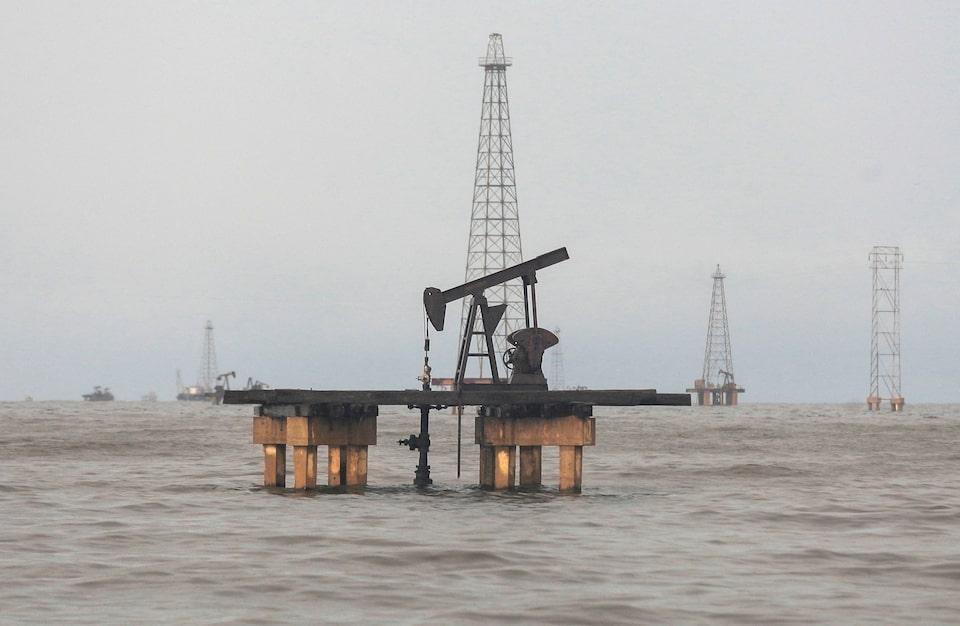
US boarded tanker that escaped blockade and put up Russian flag US also seized second Venezuela-linked tanker Venezuela's main buyer China denounces US 'bullying' Oil prices fall on anticipated supply increase WASHINGTON, Jan 7 (Reuters) - The U.S. seized two Venezuela-linked oil tankers in the Atlantic Ocean on Wednesday, one sailing under Russia's flag, as part of President Donald Trump's aggressive push to dictate oil flows in the Americas and force Venezuela's socialist government to become an ally. After capturing Venezuelan President Nicolas Maduro in a Saturday military raid on Caracas, the U.S. is escalating its blockade of vessels that are under sanctions and going to and from the South American country, a member of the OPEC oil producers group. Sign up here. The White House also said it plans to roll back some of the sanctions Trump placed on Venezuelan oil in 2019 during his first term. A weeks-long chase across the Atlantic ended on Wednesday morning when the U.S. Coast Guard and U.S. military special forces, bearing a judicial seizure warrant, apprehended the Marinera crude oil tanker, which had refused to be boarded last month before switching to Russia's flag, officials said. With a Russian submarine and vessels nearby, the seizure risked more confrontation with Russia, which has condemned U.S. actions over Venezuela and is already at odds with the West due to the war in Ukraine. The Kremlin did not respond to a request for comment on what is a public holiday in Russia. "It was a fake Russian oil tanker," U.S. Vice President JD Vance said in an interview on Fox News. "They basically tried to pretend to be a Russian oil tanker in an effort to avoid the sanctions regime." Earlier on Wednesday, the U.S. Coast Guard also intercepted a tanker carrying Venezuelan oil, the Panama-flagged M Sophia, near the northeast coast of South America, the U.S. officials said, in the fourth seizure in recent weeks. The tanker was fully loaded, according to records of Venezuela's state oil company PDVSA. U.S. TARGETS 'SHADOW FLEET' The Marinera, formerly known as the Bella-1, was empty of oil, but the U.S. says it and the M Sophia belong to a "shadow fleet" of tankers used to transport sanctioned oil from Venezuela and Iran. "The only maritime energy transport allowed will be that consistent with American law and national security," Stephen Miller, deputy White House chief of staff, said in a statement. "There is unlimited economic potential for the Venezuelan energy sector through legitimate and authorized commercial avenues established by the United States." Attorney General Pam Bondi said in a statement that the Marinera crew had made "frantic efforts to avoid apprehension" and "failed to obey" Coast Guard orders, and so faces criminal charges. CHINA DENOUNCES 'BULLYING' Trump's administration was also pressing for a deal with Venezuela to divert supplies intended for China, Venezuela's top buyer, and gain access to $2 billion worth of crude oil. "The United States' brazen use of force against Venezuela and its demand for 'America First' when Venezuela disposes of its own oil resources are typical acts of bullying," Chinese Foreign Ministry spokesperson Mao Ning told reporters. Trump has openly spoken of controlling Venezuela's vast oil reserves, in conjunction with U.S. oil companies, after arresting and jailing Maduro, whom he has cast as a drug-trafficking dictator in league with Washington's foes. Venezuela's interior minister Diosdado Cabello said late on Wednesday that 100 people died in the U.S. attack. Trump said on social media on Wednesday that Venezuela would use the proceeds from its oil deal with the U.S. to buy American products, including farm commodities and medicine. Maduro, 63, pleaded not guilty this week to drug crimes when he appeared in shackles in a federal court in New York. Maduro's Socialist Party allies remain in power in Venezuela, where Acting President Delcy Rodriguez is treading a fine line between denouncing Maduro's "kidnapping" and kick-starting cooperation with the U.S. under explicit threats of further military violence from Trump. Top Trump administration officials, including Secretary of State Marco Rubio and Secretary of Defense Pete Hegseth, held classified briefings on Venezuela on Wednesday for the U.S. Senate and House of Representatives. Democrats said they wanted more information. "They are proposing to steal Venezuela's oil, at gunpoint, and use that leverage, forever, to run the country," Democratic Senator Chris Murphy of Connecticut told reporters. In the Fox interview on "Jesse Watters Primetime," Vance suggested the United States would control the country through its oil reserves. "We control the energy resources, and we tell the regime, you're allowed to sell the oil so long as you serve America's national interest, you're not allowed to sell it if you can't serve America's national interest," Vance said. U.S. PLANS TO SELL VENEZUELAN OIL Trump, a Republican, said on Tuesday that the U.S. would refine and sell up to 50 million barrels of crude oil stuck in Venezuela under U.S. sanctions, a first step in his plan to revive a sector long in decline despite sitting on the world's largest reserves. To enable the deal Trump described, the U.S. is "selectively rolling back sanctions" on Venezuelan oil, White House Press Secretary Karoline Leavitt told reporters on Wednesday. Rodriguez said late on Wednesday that her country is open to a deal with the United States. "Venezuela is open to energy relations where all parties benefit," Rodriguez said in a meeting with the leadership of the country's national assembly. PDVSA confirmed it was in negotiations with the U.S. on Wednesday and said terms on the table are based on "strictly commercial transactions under terms that are legal, transparent and beneficial for both parties." But the Financial Times reported U.S. oil companies are skittish about investing in the country, given the volatility of Trump's foreign policy and will ask for "serious guarantees" at a White House meeting on Friday. Crude oil prices fell on world markets due to anticipated increased supplies released by Trump's plan. China, Russia and leftist allies of Venezuela have all denounced the U.S. attack to capture Maduro, in which dozens of Venezuelans were killed. Washington's allies are also deeply uneasy at the extraordinary precedent of seizing a foreign head of state, with Trump threatening more action, from Mexico to Greenland, to further U.S. interests. https://www.reuters.com/business/energy/us-venezuela-oil-deal-angers-china-pushes-prices-down-2026-01-07/
2026-01-07 11:42
India's GDP growth expected to surpass initial forecasts, driven by government spending Modi's reforms counter U.S. tariffs, boost economic resilience Private consumption and investment to show strong year-on-year growth, stats office says NEW DELHI, Jan 7 (Reuters) - India's economic growth is estimated to surge past most initial private and official forecasts, backed by robust domestic demand and government spending, helping New Delhi cope with punitive U.S. tariffs. The near $4 trillion economy is expected to grow 7.4% (INGDPY=ECI) , opens new tab in the fiscal year ending in March, the National Statistics Office said on Wednesday, above the government's initial projection of 6.3%-6.8%. Sign up here. Indian Prime Minister Narendra Modi, facing steep U.S. tariffs and an uncertain global backdrop, last year accelerated domestic reforms to support growth, including an overhaul of consumer taxes on hundreds of items and implementation of long-delayed labour reforms. "(This growth) reflects that despite rising global uncertainties India continued to perform well," Sakshi Gupta, economist at HDFC Bank, said. The estimate of gross domestic product, which will be revised over time as data coverage improves, will be used as a base for the federal budget due to be announced on February 1. The Indian economy grew 6.5% in 2024/25 and 9.2% in 2023/24. India has edged past Japan to become the world’s fourth-largest economy, the government said last month. Confirmation by the International Monetary Fund is due. In nominal terms, which factor in inflation, the economy is expected to grow 8%, compared with the 10.1% estimate in the annual federal budget announced last February. Private consumption, which accounts for about 60% of GDP, was seen expanding by 7% year-on-year compared to a 7.2% expansion last fiscal year. Government spending is estimated to rise by 5.2% year-on-year in 2025/26, up from a 2.3% increase the previous year, while private investment is seen rising by 7.8%, higher than the 7.1% growth the year before. The United States has imposed 50% tariffs on some of India's key exports to punish it for its purchases of Russian oil. However, the strong growth estimate is possibly due to a limited hit on India’s exports so far, helping steady manufacturing growth, said Madhavi Arora, economist at Emkay Global. Manufacturing, which accounts for about 13% of GDP, is projected to expand 7% year-on-year in 2025/26, compared with 4.5% a year ago, while construction output was seen growing by 7%, down from 9.4% in the previous year, data showed. The output of farms, which employ more than 40% of India's workforce, was estimated to expand 3.1% in the current fiscal year from 4.6% a year ago. https://www.reuters.com/world/india/india-forecasts-202526-economic-growth-74-2026-01-07/

2026-01-07 11:29
OSLO, Jan 7 (Reuters) - Equinor (EQNR.OL) , opens new tab does not plan a return to Venezuela, after leaving the country in the early part of this decade, the Norwegian oil and gas company's CEO told Reuters on Wednesday. "At the moment, that's not on the table," Anders Opedal said on the sidelines of a business conference. "We pulled out of Venezuela because we wanted to reallocate capital." Sign up here. Raising crude output from Venezuela, which sits on the world's largest oil reserves, is a top objective for U.S. President Donald Trump after U.S. forces seized the country's leader Nicolas Maduro on Saturday. Equinor entered Venezuela's oil and gas industry in the mid-1990s, investing billions of dollars onshore and offshore and identifying the country as a core part of its operation, but ultimately pulled out after some 25 years. Donald Trump plans to meet with oil company executives late this week to discuss ways to revive Venezuela's tattered oil sector, three sources familiar with the matter have said. Equinor's Opedal said rebuilding Venezuela's oil industry to extract more of the country's heavy oil will demand huge investment. https://www.reuters.com/business/energy/norways-equinor-does-not-plan-return-venezuela-ceo-says-2026-01-07/
2026-01-07 11:17
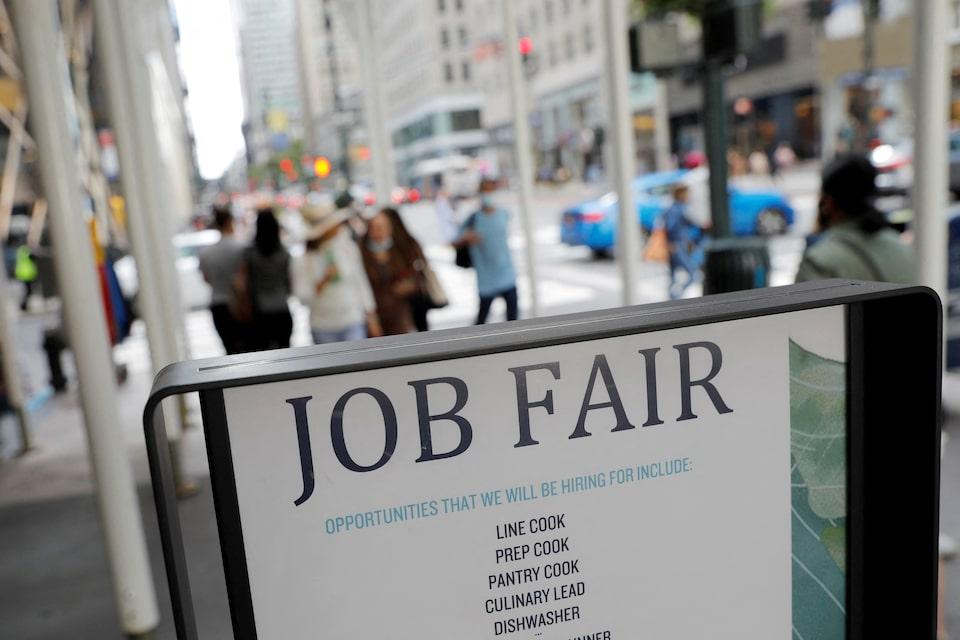
Jan 7 (Reuters) - A look at the day ahead in U.S. and global markets by Amanda Cooper. Oil is in the spotlight this morning, under pressure from U.S. President Donald Trump's announcement on social media that Venezuela will be "turning over" up to 50 million barrels of oil to be sold at its market price following the and capture of long-standing leader Nicolas Maduro. Sign up here. Trump hasn't given any details on how that would work but it's been enough to knock the WTI crude price down towards $55 a barrel. Equities are looking a little softer, but with optimism running high over the potential boost from prospective rate cuts and lower energy prices, analysts say the major indexes are unlikely to retreat very much. We'll get into what's happening today below, but first check out the latest episode of the Morning Bid podcast and remember to subscribe to hear top Reuters journalists discuss the biggest news in markets and finance seven days a week. Today's Market Minute FORGET GEOPOLITICS, IT'S ALL ABOUT JOBS The sense among global investors over the last couple of days is that, while geopolitics can make for more interesting headlines, at the end of the day, it's good old-fashioned macroeconomics that will win out in terms of what gets things moving. Wednesday brings a slew of data, from employment to monthly orders for big-ticket items. None really have the ability to shake up expectations for what the Federal Reserve might do at its late-January meeting, or beyond. But they might help set the tone for the rest of the week, barring any surprises on the geopolitical front, of course. The ADP report is likely to take centre-stage. Economists polled by Reuters expect to see a rise of 47,000 workers on private-sector payrolls in December, after a 32,000 drop the previous month. Economists will always point out that very little - if anything - can be extrapolated from the ADP report about the monthly nonfarm payrolls report that lands two days later. But it nevertheless offers a steer, especially as the after-effects of the 43 day-long government shutdown may still be apparent in data collection. The JOLTS report, meanwhile, is expected to show 7.6 million job openings in November, a measure of demand for labour, down marginally from October's 7.67 million. The October hiring rate came in at 3.2%, while the quit rate, which is often associated with consumer expectations, eased to just 1.8%, suggesting that the labour market is in a state of what policymakers call "no hire, no fire." Fed policymakers have said that employment is their focal point when it comes to deciding what to do with interest rates. Markets right now are pricing in two rate cuts this year, with less than a 50% chance of a third by December. Friday's nonfarm payrolls report is expected to show a dip in the unemployment rate to 4.5% last month, from 4.6% in November, which would theoretically support the idea that rates do not need to fall dramatically. But some analysts say a better measure of the overall jobs market in that report is the U6 underemployment rate, which includes part-time and discouraged workers. That rose to 8.7% in November, the highest in more than four years. This could have captured government employees that were furloughed during the shutdown, but the previous available data for September showed the U6 rate hit 8% for the first time since 2021. Ultimately, there's still a lot of noise in the payrolls data and the smaller reports tend not to be hugely reliable guides for what's happening on a national level. But when investors are only able to shrug off geopolitics because the macro numbers are telling a story they like, any shift in the narrative could whip up volatility for markets. Chart of the day Silver was the runaway winner of 2025 in terms of performance. It jumped 150%, its biggest annual gain on record, topping even gold, which, with a 64% rise, marked its strongest year since 1979. There appears to be no stopping the so-called "Cinderella metal" in 2026 so far either. It's gained another 12% since the start of the month and is just shy of late December's record $83.62 an ounce. It now takes just 56 ounces of silver to buy an ounce of gold, the smallest amount since 2013. This number was closer to 100 just over six months ago, highlighting the speed at which silver has appreciated in price relative to gold. Silver has a lot going for it right now. It's cheaper than gold and enjoys a structural physical deficit - less supply than the world needs. It's benefitted both from concerns about enthusiasm over AI generating bubbles of risk in the equity and debt markets and from the global build-out of those very AI datacentres, given its use in electronics. But there's always a catch. Silver prices are highly volatile and while they generally mirror moves in gold, whatever gold does, silver does bigger and faster. Today alone, the gold price is down around 0.6%, while silver is down 1.6%. Today's events to watch * December ADP private employment * October durable goods orders * December ISM non-manufacturing survey * November JOLTS report * Federal Reserve Vice Chair for Supervision Michelle Bowman speaks https://www.reuters.com/world/china/global-markets-view-usa-2026-01-07/
2026-01-07 11:15
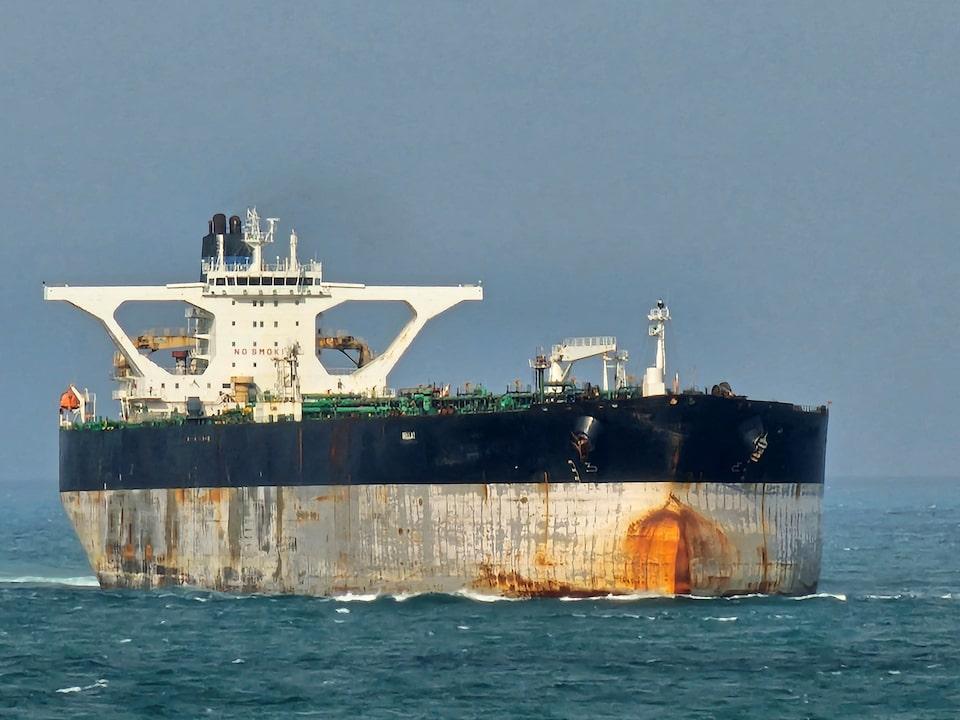
Jan 6 (Reuters) - Russia has deployed a submarine and other naval vessels to escort an empty, ageing oil tanker that has been trying to evade the U.S. blockade near Venezuela, the Wall Street Journal reported on Tuesday, citing a U.S. official. The tanker, formerly known as Bella 1, has been evading interception since the U.S. Coast Guard attempted to board and seize it in December, following Washington's blockade of sanctioned oil shipments to and from Venezuela. Sign up here. Russia has asked the U.S. to stop pursuing the vessel, the Journal said, citing three other U.S. officials. Reuters could not immediately verify the report. The White House and the U.S. Coast Guard did not immediately respond to a request for comment outside regular hours. On Tuesday, the Russian Foreign Ministry said it was monitoring the situation surrounding the tanker "with concern", the Journal said, citing Russian state news agency RIA. The U.S. Southern Command, which oversees military activities in Latin America and the Caribbean, said in a post on X on Tuesday that it "remains ready to support U.S. Government agency partners in standing against sanctioned vessels and actors transiting through this region." It did not mention the Journal report or the Russian submarine. The U.S. Coast Guard has continued to trail the ship into the Eastern Atlantic, where it is now sailing about 300 miles south of Iceland toward the North Sea, the Journal added, citing AIS positioning. The tanker changed its name to the Marinera and switched its registration to Russia, the Journal said. U.S. President Donald Trump on Tuesday to refine and sell up to 50 million barrels of Venezuelan oil that had been stuck in Venezuela under U.S. blockade, in a further sign that Washington is coordinating with the Venezuelan government since capturing President Nicolas Maduro in a raid last weekend. https://www.reuters.com/world/americas/russia-sends-submarine-escort-tanker-us-tried-seize-off-venezuela-wsj-reports-2026-01-07/
2026-01-07 11:15
BRUSSELS, Jan 7 - France is seeking support from other governments for a push to exempt fertilisers from the European Union's carbon border levy, which it argues is needed to protect struggling European farmers, a draft document seen by Reuters showed. The EU's carbon border levy, which came into force on January 1, imposes CO2 emissions fees on imports of steel, fertilisers and other goods to ensure they do not have an unfair advantage over goods made in Europe, where producers already have to pay for their CO2 emissions. Sign up here. A draft statement prepared by France and circulated to other EU governments called on the European Commission to temporarily postpone or suspend the carbon border fee for fertilisers. "Such a postponement would ease tensions in the crop farming sector and give economic operators time to restore satisfactory fertiliser supply conditions for the 2026 crop year," said the draft statement, seen by Reuters. The statement said France supports the EU carbon border levy, but warned applying it to fertilisers would hike costs for farmers already struggling with weak cereal crop prices and higher costs from tariffs on Russian fertiliser imports. "Farmers' organisations have been warning of severe tensions over fertiliser supplies for several weeks," it said. "We have high hopes of winning our case," a French agriculture ministry official said. It was not immediately clear which other governments would back the statement. EU countries' agriculture ministers will discuss the issue at a meeting in Brussels on Wednesday, convened by the EU to convince wavering member countries to sign up to a contentious free trade deal with South American bloc Mercosur. France has consistently opposed the deal. While removing fertilisers from the EU carbon border tariff would ease costs for farmers in Europe, it could deal a blow to Europe's own fertiliser producers whom the border levy was supposed to support, by preventing them being undercut by cheaper imports from countries with weaker climate regulations. https://www.reuters.com/sustainability/climate-energy/france-mounts-bid-exempt-fertilisers-eu-carbon-border-levy-document-shows-2026-01-07/