2026-01-07 11:06
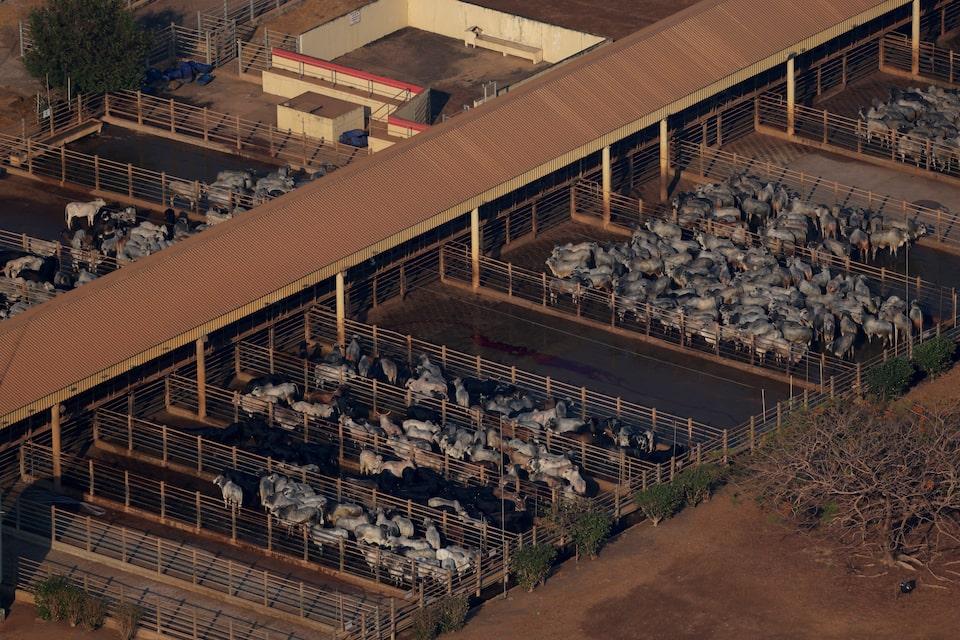
Brazil produced more beef in 2025 than analysts expected Beat U.S. production for first time Increasing productivity boosting beef yields BARRETOS, Brazil, Jan 7 (Reuters) - Brazil surpassed the U.S. as the world's top beef producer last year, according to market estimates, after the South American country beat output forecasts by hundreds of thousands of tons, easing a global supply squeeze and helping limit a surge in meat prices. Brazil was already the biggest beef exporter, shipping meat worth almost $17 billion in 2025, according to government trade data released on Tuesday. Beef production numbers are not due until February, but analysts have recently raised their estimates. Farmers have been sending more animals to slaughter, cashing in on high export demand from countries including China and the U.S., where low supply has pushed beef prices to record levels. Sign up here. Elevated slaughter typically leads to a period of low output as producers hold back animals to breed and rebuild herds. But productivity gains in Brazil may limit or even prevent a downturn, people in the industry say. They noted that farms have been inseminating cattle quicker, fattening them faster and slaughtering them younger. "Ten years ago, the average age of cattle slaughtered in Brazil was five years," said Vinicius Barbosa, a commercial manager responsible for tens of thousands of cattle at the CMA feedlot in Barretos, about 260 miles (420 km) north of Sao Paulo. "Now it is 36 months and going rapidly to 24," he said. Mauricio Nogueira, head of livestock consultancy Athenagro, said Brazilian beef production far surpassed his forecast in 2025. Output grew 4% for the year, where he had predicted a 2.7% drop. The increase of around 800,000 tons was about equal to total annual exports of Argentina, the world's No. 5 beef shipper. Rabobank, which had expected Brazil's beef production to decline in 2025, now sees 0.5% growth to 12.5 million tons carcass weight equivalent. The U.S. Department of Agriculture in December raised its estimate for Brazilian beef output by 450,000 tons to 12.35 million tons. If the official numbers confirm market estimates, 2025 will be the first year that Brazil's output will have surpassed U.S. production, which fell 3.9% to 11.8 million tons in 2025, according to USDA estimates, following years of drought. FEEDLOTS, RISING CARCASS WEIGHT DRIVE OUTPUT U.S. beef production will fall a further 0.9% to 11.7 million tons in 2026, the USDA said. In Brazil, the USDA and Rabobank project a decline in output, but Nogueira said rising productivity could actually boost Brazil's production by around 300,000 tons. Almost 28% of cattle slaughtered in Brazil will be fattened in feedlots by 2027, up from 22% in 2025, according to consultants Scot Consultoria. "Feedlots do in 100 days for cattle what pasture does in between 18 and 24 months," said Barbosa, adding that CMA's Barretos feedlot would process 80,000 cattle in 2026, up from 65,000 last year. Brazil's booming corn ethanol industry is generating a byproduct known as dried distillers grains that has higher protein than corn and helps cattle fatten faster, analysts said. Cows are becoming pregnant more often as farmers adopt more efficient insemination techniques, allowing producers to slaughter more animals without reducing herd size. Scot Consultoria expects Brazil's pregnancy rate - the proportion of females that become pregnant during a breeding season - to rise to 54% in 2027 from an expected 50% in 2026. Better genetics are also improving cattle growth and boosting meat quality, analysts say. And Brazil still has not matched the 90% proportion of cattle passing through feedlots as in the U.S., or Australia's 40%. If Brazil's pregnancy rate rose to 66%, equivalent to neighbouring Argentina, the number of calves birthed each year would rise from an estimated 32 million to 40 million, according to consultants Datagro. The pregnancy rate in Canada is 96%, they said. Government data show Brazil has 238 million cattle, well over double the 94 million in the U.S. Higher productivity would allow output to expand without increasing cattle numbers or the area of pasture land. That could ease one economic driver of deforestation of the Amazon rainforest. Brazil's cattle herd is expected to grow just 4% between 2024 and 2034 while beef production increases 24%, according to Brazilian beef exporter group ABIEC. U.S. beef production will rise 3.5% and cattle numbers will grow 5% over that period, by USDA estimates. BRAZIL KEY AS TOP PRODUCERS SCALE DOWN Global beef prices will hinge on whether Brazil can avoid a production downturn this year. The USDA expects output in the world's six biggest producers to fall in 2026 by a combined 2.4% - the biggest annual drop in decades - after rising 0.4% in 2025. These producers are Brazil, the U.S., China, the European Union, Argentina and Australia. The list excludes India, which the USDA names as one of the six top beef producers even though that country produces buffalo meat rather than beef. The USDA expects Brazilian production to fall 5.3% to 11.7 million tons carcass weight equivalent this year. If Nogueira's estimates are confirmed and output rises instead to around 12.6 million tons, the decline in the top six producers would be just 0.2%. "There has never been so much international demand for Brazilian beef," said Guilherme Jank, a Datagro analyst, adding that local beef packers have also ramped up capacity. "We are witnessing firsthand a significant shift in how the beef cattle supply system works in Brazil, in terms of quality, scale, efficiency, and productivity," he said. https://www.reuters.com/world/china/brazil-surpassing-us-top-beef-producer-easing-global-supply-squeeze-2026-01-07/
2026-01-07 10:15
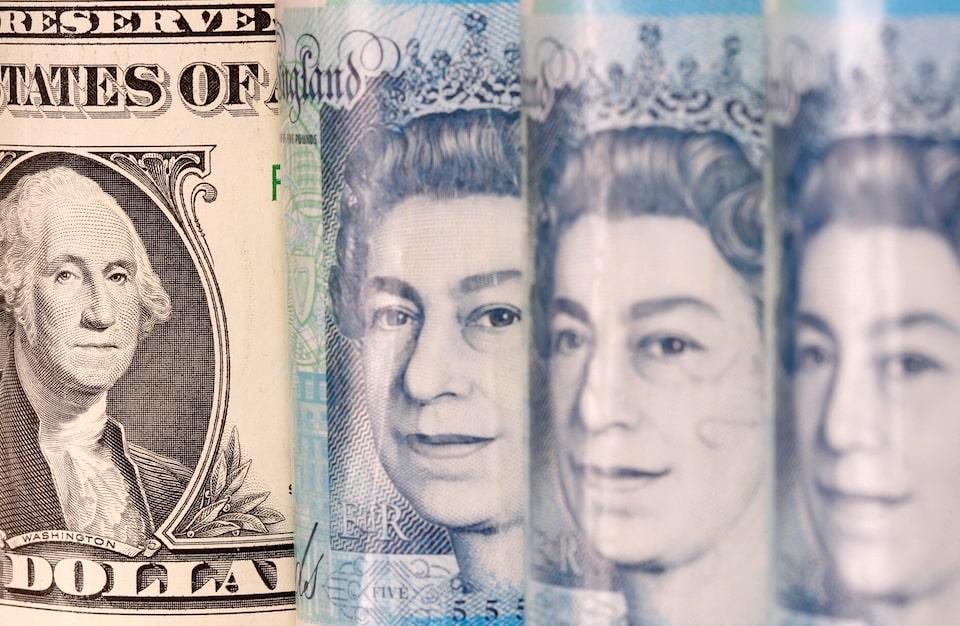
Jan 7 (Reuters) - Sterling held near its highest level in over three months against the euro and dollar on Wednesday, as steadying risk appetite left European stocks little changed following a three-day rally that pushed them to record highs. The pound often correlates positively with global equity markets and other risk-sensitive assets, as the UK economy is open and heavily reliant on global trade and financial flows. Sign up here. However, this relationship can weaken during UK-specific developments. Some analysts recently flagged that the British currency had now recovered all the losses incurred in the run-up to last year's budget, benefiting from the reduction in UK fiscal and political risks. The pound was flat at $1.3500 against the dollar , after hitting $1.3567 on Tuesday, its highest level since September 18. The greenback was roughly unchanged on Wednesday as investors awaited key U.S. economic data later in the session. "Barring any surprises here, we think that the pound/dollar pair could trade around the 1.35 level for now, as markets weigh up the possibility of another Bank of England rate cut as soon as its March meeting," said Matthew Ryan, head of market strategy at Ebury, mentioning the next economic data as a possible trigger. "Sterling has caught a bid against the dollar as markets unwind modest safe-haven flows amid a remarkably sanguine reaction to the Maduro ousting over the weekend," he added. Markets fully priced in a BoE rate cut and a 60% chance of an additional easing move by year-end. Traders expect the European Central Bank to keep rates unchanged through early 2027. The euro was flat at 86.60 pence . It hit 86.44 pence on Tuesday, its lowest since mid-September. "(Sterling recent outperformance suggests) speculators are continuing to exit the short positions built in the approach to the UK's November budget," said Jane Foley, senior forex strategist at Rabobank. "This may have a little further to run near-term, though the release of monthly UK November GDP data on January 15 should provide fresh direction," she added. https://www.reuters.com/world/uk/sterling-holds-near-highest-level-over-three-months-ahead-us-data-2026-01-07/
2026-01-07 08:16
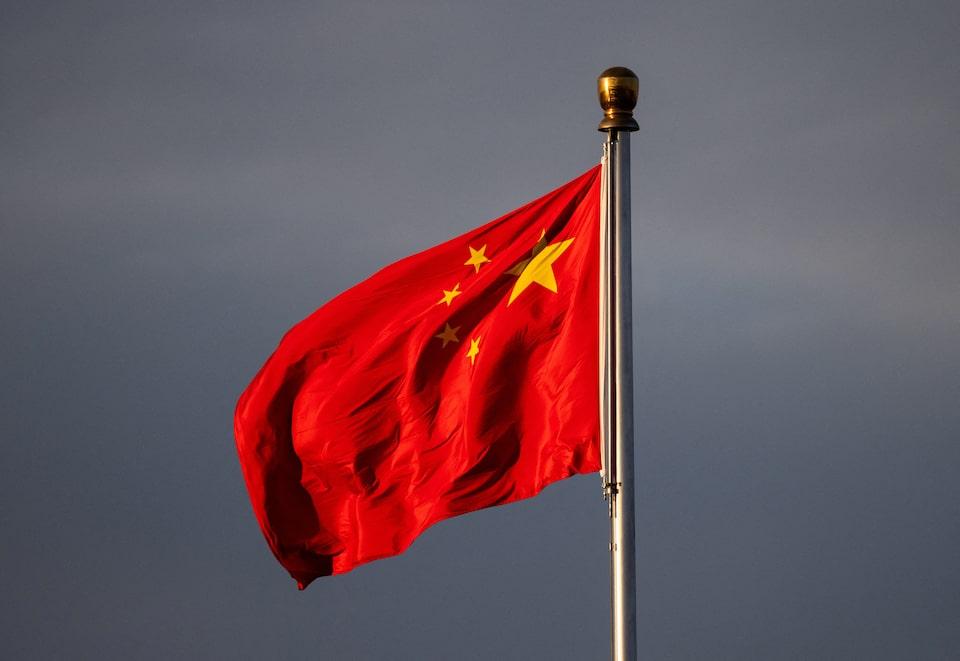
BEIJING, Jan 7 (Reuters) - China's foreign exchange reserves rose slightly less than expected in December, official data showed on Wednesday, as the dollar weakness persisted. The country's foreign exchange reserves, the world's largest, increased by $11.5 billion last month to $3.358 trillion, against a Reuters poll forecast of $3.36 trillion. The reserves totalled $3.346 trillion in November. Sign up here. The yuan fell 1.22% against the dollar last month, while the dollar weakened 1.23% against a basket of other major currencies . https://www.reuters.com/world/asia-pacific/china-december-forex-reserves-rise-slightly-less-than-expected-2026-01-07/
2026-01-07 08:10
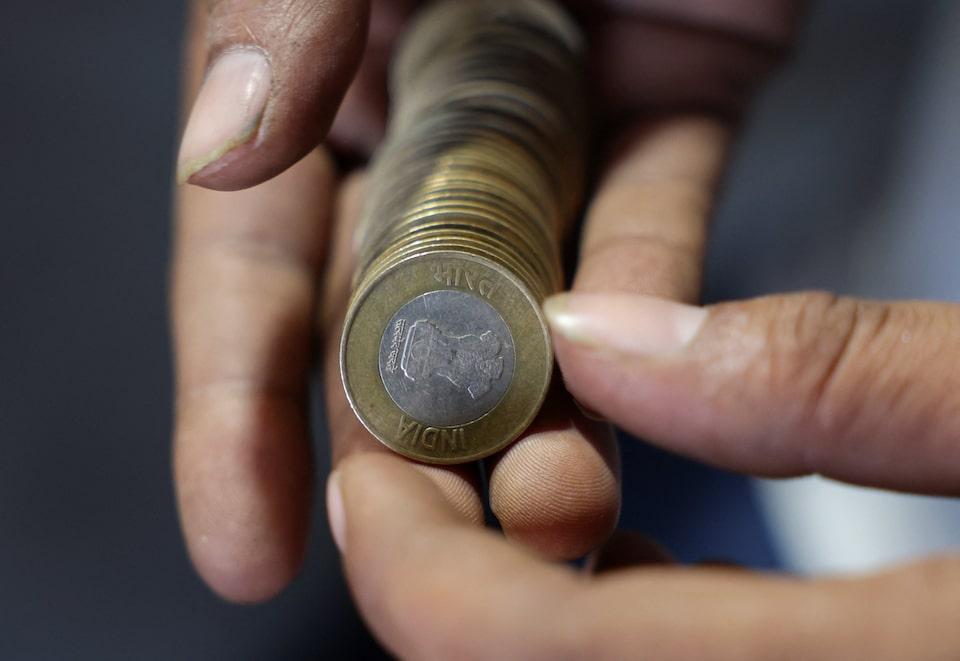
MUMBAI, Jan 7 (Reuters) - UBS Investment Bank expects the Indian rupee to weaken to 92 per U.S. dollar by March, making the case that any relief from a potential U.S.–India trade deal announcement would likely be undermined by the central bank replenishing foreign exchange reserves. From near 90 per dollar levels currently, UBS's forecast implies a roughly 2% depreciation over three months, well beyond the March forward rate that's near 90.55 and a marked change from its November 2024 call of 87. Sign up here. While "a trade deal will help at the margin," according to Rohit Arora, head of Asia FX & rates strategy at UBS, a key factor limiting any sustained rupee recovery will be the recent drawdown of the Reserve Bank of India's foreign exchange reserves. The RBI can be expected to restore those reserves in periods of stability, Arora said in a media conference call on Tuesday. The central bank's large short dollar position in the forward market -- while alleviating immediate pressure on the local currency -- creates a requirement to buy dollars in the near future, weighing on the rupee down the road. A CAPITAL FLOW, GROWTH ISSUE India’s equity outflows accounted for much of the rupee’s nearly 5% fall in 2025, with lingering U.S. tariffs adding to the pressure. Arora argues that pressure on India’s capital account stems more from growth concerns than trade uncertainty, with relatively expensive equity valuations playing a key role. Though India has reported robust real GDP growth, slower nominal growth figures have weighed on earnings expectations, contributing to record selling of Indian equities by foreign investors last year. https://www.reuters.com/world/india/ubs-cuts-indian-rupee-march-forecast-92-expects-short-lived-us-trade-deal-relief-2026-01-07/
2026-01-07 07:51
SYDNEY, Jan 7 (Reuters) - Australia’s south sweltered through a brutal heatwave on Wednesday that delivered temperatures above 40 degrees Celsius (104 degrees Fahrenheit) in some cities, triggering health warnings, straining power grids and causing bushfires to flare. Meteorologists said the conditions were at their worst in six years, when catastrophic bushfires destroyed wide swathes of southeastern Australia, killing 33 people, in what became known as the Black Summer. Sign up here. The nation's weather bureau issued severe or extreme heat warnings for the states of New South Wales, Victoria, South Australia and Tasmania. It also warned of extreme fire danger across Victoria and South Australia. "These elevated fire dangers are being driven by a very hot air mass that extends all the way from Western Australia with maximum temperatures in excess of 45 degrees," said Senior Meteorologist Sarah Scully. In Victoria, where temperatures reached up to 44 C, and 41 C in the state capital Melbourne, authorities advised residents to stay indoors and keep hydrated. Victoria's Emergency Management Commissioner Tim Wiebusch said firefighters were battling several fires across the state and conditions would worsen on Friday. "We already have a statewide advice warning message out for severe to extreme intensity heatwave, and are now seeing those conditions kick in across the state," he said. "We are particularly wanting Victorians to make sure they are alert to their conditions, make sure you are staying in cool places." Temperatures also soared to 31 C in Sydney, 32 C in Perth and 43 C in Adelaide. Some public spaces like libraries extended their opening hours to help residents stay cool, while others like the Monarto Safari Park were forced to shut for the day. More than 2,000 homes lost power in Adelaide. "I think psychologically you have to keep calm in the heat and not panic. It’s only two or three days. And then it goes down again," Adelaide resident Valdine Tuckwell told national broadcaster ABC. https://www.reuters.com/sustainability/climate-energy/intense-heatwave-grips-australias-southern-states-fans-bushfires-2026-01-07/

2026-01-07 07:04
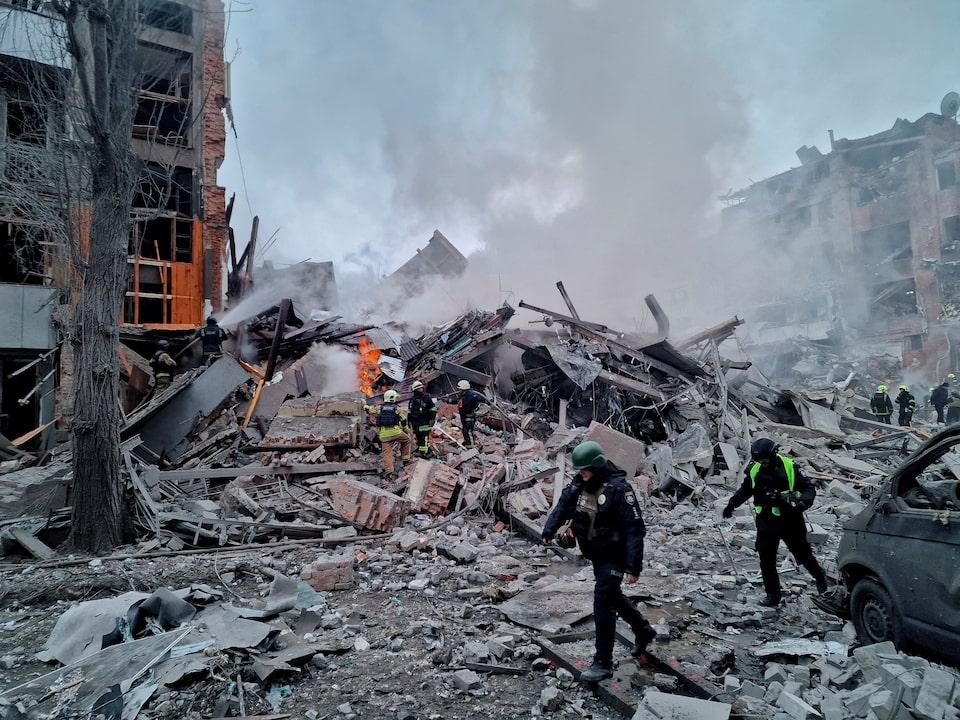
LONDON, Jan 7 (Reuters) - The eyes of the world have been glued to the twists and turns of the ongoing talks to end the conflict between Russia and Ukraine, but the real story for investors is what comes after. If U.S. President Donald Trump is successful in pushing through a truce, a massive reconstruction boom could begin almost immediately. Hardly a day passes without a new headline on the tug of war between the major parties in the ceasefire negotiations. Trump wants to end the conflict quickly, on almost any terms, his Russian counterpart Vladimir Putin looks to turn a battlefield stalemate into a win, and Ukrainian President Volodymyr Zelenskiy continues to fight for territorial integrity while his European allies seek to contain the broader Russian threat to the continent. Sign up here. Yet, amid all this coverage, little ink has been spilt on the investment needs of Ukraine if a ceasefire is reached. Ukraine's civil infrastructure and economy have been severely damaged over the past four years. In November, the World Bank began its latest annual assessment of the destruction and will present its findings next month. Its estimate at the end of 2024 put direct physical damage at $176 billion, with up to $589 billion more for economic damage from lost output and increased costs. Following another year of war, the numbers will only be higher. Rebuilding is expected to cost around $524 billion over the next decade, and it will likely be financed mainly by the European Union and the private sector. Brussels has signalled that, in exchange for its support, it expects European companies to win the bulk of rebuilding contracts. Washington is likely to attach similar conditions, steering any money invested in Ukraine’s reconstruction back toward U.S. contractors. Putting aside the over $140 billion that private Ukrainian businesses are expected to invest using funds from donor nations, international investment will likely be concentrated in three sectors: energy infrastructure, housing, and transport infrastructure. Reconstruction of Ukraine's energy system , opens new tab has already begun, with efforts focused on repairing the power grid and building new wind and solar farms. Ukraine will likely seek to make its energy system more resilient, given that the country will remain vulnerable to future Russian aggression. Kyiv may therefore increase its focus on decentralised renewable technologies. A single Russian attack can take out a nuclear or gas-fired power plant that supplies a large portion of the country's energy. But if Russia wants to destroy similar wind and solar capacity, it would need to destroy dozens of sites. Companies that build renewable energy infrastructure thus could be the early winners of a ceasefire in Ukraine. However, many European cement companies like Heidelberg Materials (HEIG.DE) , opens new tab or Holcim (HOLN.S) , opens new tab and manufacturers of wind and solar power equipment like Siemens Energy (ENR1n.DE) , opens new tab got a large boost in 2025 from Germany's infrastructure spending plans, meaning their valuations have already jumped. Indeed, companies in these sectors make up a large part of the UBS Ukraine reconstruction index, which was up more than 50% in 2025. However, other European companies with valuations below the heavyweight components of the UBS index are poised to take advantage of the rebuilding opportunity. For example, Austria's Wienerberger (WBSV.VI) , opens new tab makes everything from bricks to water pipes and operates factories close to Ukraine in Poland and Hungary. It could potentially become a major supplier not just for water infrastructure, but also for housing reconstruction in Eastern Ukraine. Austria’s largest construction company, Strabag (STRV.VI) , opens new tab, is also well situated. Its core competency is building roads, bridges, and railway tracks, and, importantly, it operated in Ukraine until 2018. It had to exit because it was classified as a Russian company, given oligarch Oleg Deripaska's 25% ownership stake. But since 2018, the company has taken steps to reduce his shareholding and stands ready to re-enter the country. Strabag has outperformed the UBS index over the past year but has faster earnings growth and a lower valuation than many of the biggest companies in the index. There is, of course, no guarantee that a ceasefire agreement will be reached and it remains unclear what exactly the post-war business environment in Ukraine will look like. But as investors in 2026 start to focus more on "the day after" in Ukraine, reconstruction themes are likely to move centre stage. (The views expressed here are those of Joachim Klement, an investment strategist for Panmure Liberum.) Enjoying this column? Check out Reuters Open Interest (ROI), , opens new tab your essential new source for global financial commentary. ROI delivers thought-provoking, data-driven analysis of everything from swap rates to soybeans. Markets are moving faster than ever. ROI , opens new tab can help you keep up. Follow ROI on LinkedIn, , opens new tab and X. , opens new tab https://www.reuters.com/markets/europe/rebuilding-ukraine-could-be-top-european-investment-theme-2026-2026-01-07/