2025-02-06 00:06
LONDON, Feb 6 (Reuters) - Britain on Thursday promised to free more sites for nuclear energy developments across England and Wales, seeking to attract private investment into Small Modular Reactors (SMRs) as part of its push to decarbonise the power network. Prime Minister Keir Starmer's office announced plans to expand the list of possible sites for nuclear development and set out other reforms to streamline the planning process. "This country hasn’t built a nuclear power station in decades. We’ve been let down, and left behind," he said in a statement. Successive British governments have championed the benefits of SMRs - effectively small-scale nuclear plants - in search of a way to avoid the high upfront costs, planning delays and difficulty of securing investors associated with larger plants. But to date, no SMR projects have been built. Attracting private capital is central to Starmer's overall plan for government following his election win in July, after he inherited a sluggish economy and then imposed rules on spending and borrowing to promote economic stability. His bid to generate growth has already seen the announcement of planning broader reforms, particularly for large infrastructure projects. There are currently eight sites approved for nuclear development. The new plan would encourage developers to put forward other possible sites and promises flexibility that could see SMRs located alongside power-hungry Artificial Intelligence data centres. The new nuclear policy document builds on a consultation undertaken by the previous, Conservative government last year and will be subject to further consultation and parliamentary scrutiny before it is adopted. A government competition to develop SMRs has been running since 2023, with four bidders still in the race for what could be multi-billion-pound technology development contracts. They are Rolls-Royce (RR.L) , opens new tab, Westinghouse, Holtec Britain and GE-Hitachi Nuclear Energy - an alliance between General Electric Co (GE.N) , opens new tab and Japan's Hitachi Ltd (6501.T) , opens new tab. A previous SMR competition was launched in 2016 but did not proceed beyond the information-gathering stage and closed in 2017. Sign up here. https://www.reuters.com/world/uk/uk-pledges-open-up-new-sites-mini-nuclear-power-stations-2025-02-06/

2025-02-05 22:44
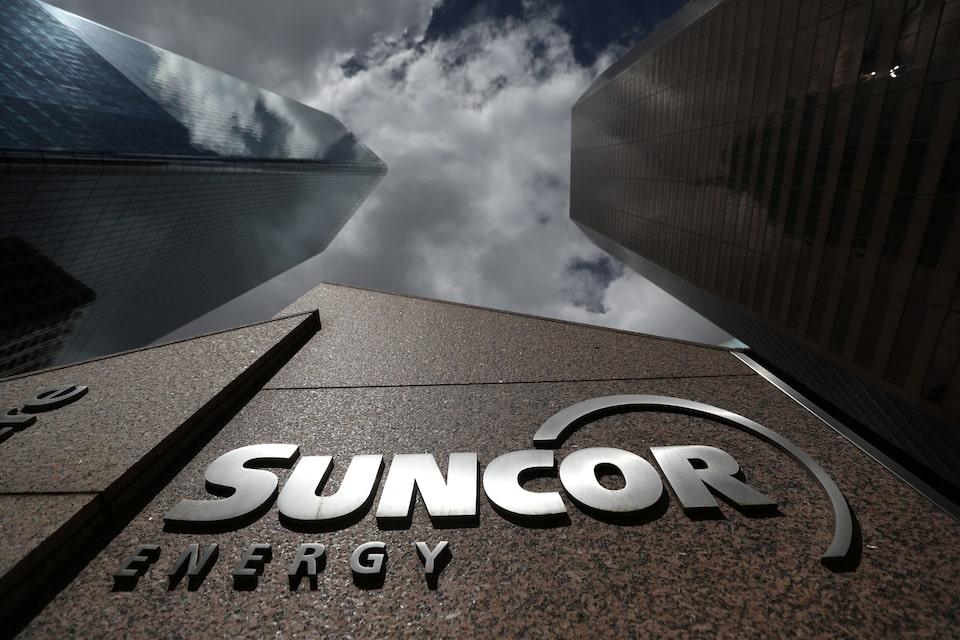
Feb 5 (Reuters) - Canada's Suncor Energy (SU.TO) , opens new tab beat analysts' estimates for fourth-quarter profit on Wednesday, as the integrated oil and gas firm benefited from higher oil production and strong refined product sales volumes. The country's oil producers benefited after the Trans Mountain Pipeline expansion project began commercial operations last year, as it increased their transportation capacity and opened up market access to refineries in Asia and the U.S. West Coast. The expanded pipeline has nearly tripled the flow of crude from Alberta's oil sands to British Columbia on the Pacific Coast to 890,000 barrels per day. Calgary, Alberta-based Suncor's upstream production rose to 875,000 bpd during the fourth quarter from 808,000 bpd a year ago. The company said its refinery throughput rose to 486,000 bpd during the quarter, while its refinery utilization more than doubled. Suncor also achieved record refined product sales, up 6% at 613,300 bpd. The Canadian crude industry is now bracing for the impact from U.S President Donald Trump's planned imposition of tariffs on the country. A major part of Canada's crude exports go to the U.S. Suncor reaffirmed its forecast of higher oil and gas production as well as lower spending in 2025. On an adjusted basis, the company earned C$1.25 ($0.8733) per share, compared with the average analyst estimate of C$1.10 per share, according to data compiled by LSEG. ($1 = 1.4313 Canadian dollars) Sign up here. https://www.reuters.com/business/energy/suncor-q4-profit-beats-estimates-2025-02-05/
2025-02-05 22:42
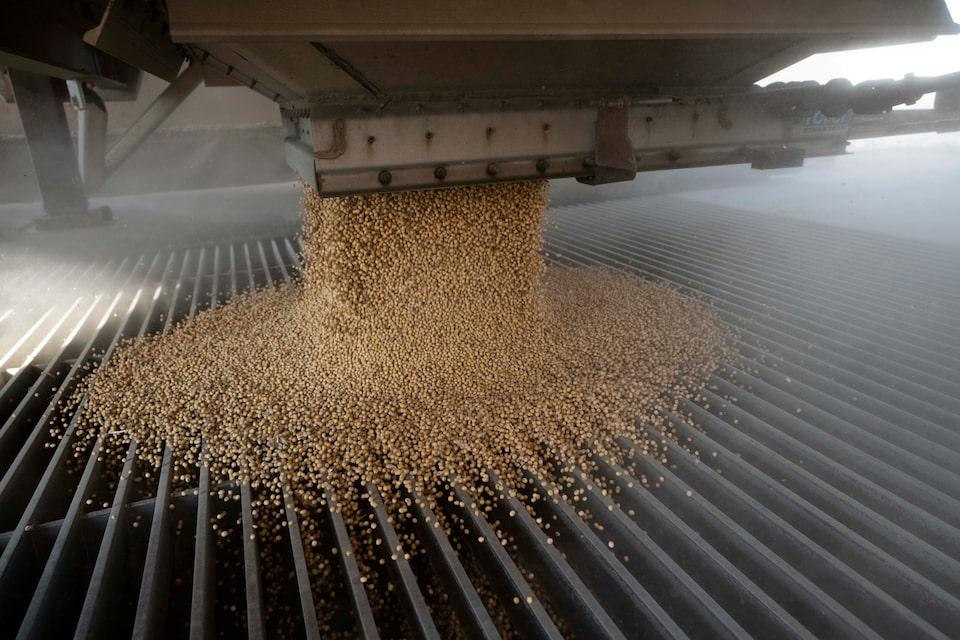
NAPERVILLE, Illinois, Feb 5 (Reuters) - Most global importers last year took advantage of plentiful and cheaper U.S. bulk agricultural commodities, including soybeans and corn, the top-ticket items. But China somewhat sat out on that rush. Milestones were notched among the top U.S. bulk grain destinations in 2024 as average export prices fell by more than one-fifth versus 2023. Lower prices meant this group of commodities pulled in 5% less revenue than a year earlier, but the quantity was up significantly according to U.S. Census Bureau data published on Wednesday. By volume, U.S. bulk agricultural exports in 2024 surged 22% on the year, the biggest annual rise in a decade. Tonnages to No. 2 Mexico and No. 4 Colombia smashed records, rising 29% and 20% above the previous highs, respectively. Bulk exports to No. 3 Japan and No. 5 South Korea were up 43% and 107% on the year, respectively, with those volumes reaching six- and three-year highs. These four countries accounted for 44% of the total exported volume. China was narrowly the largest destination for U.S. bulk exports last year, accounting for 24% of the total, though the volume was down 5% on the year. This marked a five-year low, but excluding trade war years, it was an 11-year low. The trend with China is a bit unsettling following this week’s tariff escalation. However, heavier involvement from other importers is a positive sign, especially as some industry participants have feared some markets might be weaning off U.S. agriculture, especially other Asian destinations. BIGGER PICTURE By value, U.S. agricultural and related product exports totaled $191 billion in 2024, up fractionally from 2023. That is the third-largest on record in nominal dollar terms, down from 2022’s high of $213 billion. Canada, which along with China and Mexico comprise the top three markets for U.S. agriculture, was the leading destination for U.S. farm goods in 2024. The three countries accounted for $91 billion or 48% of U.S. agricultural exports last year, and that percentage share is consistent with the previous three years. Although bulk commodity prices were down in 2024, export prices for other top farm goods were higher on the year and pulled in more revenue versus 2023 despite mixed trends in volumes. Prices for beef, pork, tree nuts and dairy products all rose on the year, grossing $37 billion in exports, some 19% of the total. These four commodities were among the top seven farm exports along with corn, soybeans and forest products. Aside from Mexico and Colombia, U.S. farm export values last year reached at least decade-high – if not record – levels to the United Kingdom, India, the Dominican Republic and Guatemala, to name a few. Although the size of these markets pales in comparison with China's, maintaining and expanding them never hurts, especially when trade with larger partners is in question. Karen Braun is a market analyst for Reuters. Views expressed above are her own. Sign up here. https://www.reuters.com/markets/commodities/us-grain-oilseed-exports-surge-2024-without-boost-china-braun-2025-02-05/
2025-02-05 21:56
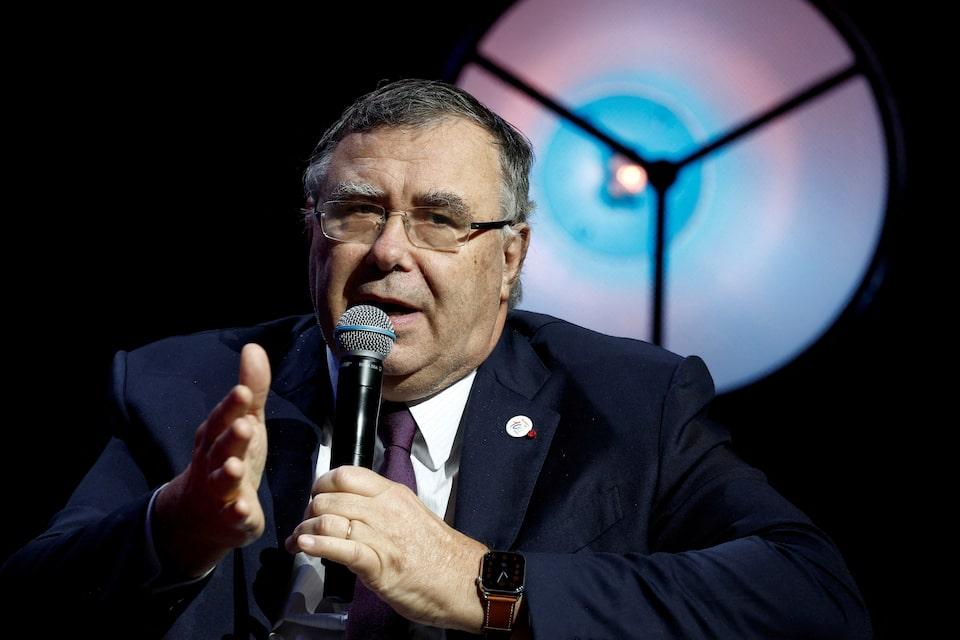
Plans to expand Cameron, Rio Grande projects over next decade CEO says Trump will be pragmatic Company LNG portfolio can handle trade disruptions Urges Europe not to ban Russian LNG before 2027 LONDON, Feb 5 (Reuters) - TotalEnergies (TTEF.PA) , opens new tab will expand its investment in U.S. liquefied natural gas over the next decade as the French company seeks to cement its position as a major exporter of U.S. LNG, its CEO told Reuters on Wednesday, dismissing fears by American market watchers that more exports could boost U.S. gas prices. In an interview with Reuters, TotalEnergies CEO Patrick Pouyanne said he believed President Donald Trump’s administration will implement pragmatic policies that will support U.S. energy production even as the world faces a new era of tariffs and trade wars. “What they want is very simple: jobs and billions of dollars in the U.S,” he said. Since becoming CEO in 2014, Pouyanne has shifted Total’s focus away from Russia to low-cost oil and gas production in the Middle East, Brazil, and the U.S., while also growing electricity and renewables. Total reported on Wednesday that it made $18.3 billion last year, as a strong LNG trading division offset weak oil refining profits. While rivals including Chevron, Exxon Mobil and BP invested heavily over the past decade in shale oil and gas production, the French firm has largely opted to invest in LNG projects that have given it access to more than 10 million metric tons of U.S. LNG annually to supply global customers. “We have enough to grow the U.S. position for the next decade, and I’m sure we’ll do it,” he said. Pouyanne, 61, said TotalEnergies could invest in expansion projects at its Cameron and Rio Grande LNG facilities on the Gulf of Mexico. “We can extend Cameron LNG," he said, adding a fourth train, or production facility. "We can extend Rio Grande," he said, to include a fifth, sixth or seventh train. The U.S. is expected to nearly double its LNG export capacity by the end of the decade. Some economists have warned this could constrain domestic supplies and lead to higher energy bills for Americans, which could then prompt Trump to reconsider his stance on LNG exports. Pouyanne said that the U.S. has abundant gas supplies due to its vast shale reserves, but that the country needed to invest in pipeline infrastructure to deliver the gas to demand centers along the coasts. “If you look at the history of the evolution of the U.S. gas price, the spikes are more linked to the lack of infrastructure than the lack of resources,” he said. EUROPEAN SUPPLY WORRIES Europe has become the main buyer of U.S. LNG since losing access to Russian supplies following Moscow’s invasion of Ukraine in February 2022. While Total has become a major supplier of that American LNG, the company has also continued to supply Russian LNG to Europe from that country's Yamal LNG export facility. Pouyanne said Total’s ability to source the superchilled gas from all geographies will help it minimize the risk to profits from tit-for-tat tariffs like those between China and the U.S. “Fundamentally it’s a political game, because China’s purchase of U.S. energy is quite limited – in fact, they purchase from portfolio companies like us. What we will do is take more LNG from Qatar or from Australia, and the US LNG we will send to other customers,” the CEO said. Even so, Pouyanne cautioned Europe away from banning Russian LNG before 2027, saying the market would not be able to reroute 18 million tons of Russian supply until new projects start up worldwide. He instead urged the European Union to negotiate with Trump for guaranteed LNG, sign more long-term contracts and to reconsider its carbon taxes, which have driven up the cost of electricity. Sign up here. https://www.reuters.com/business/energy/totalenergies-ceo-doubles-down-us-lng-downplays-trump-tariff-fears-2025-02-05/
2025-02-05 21:49
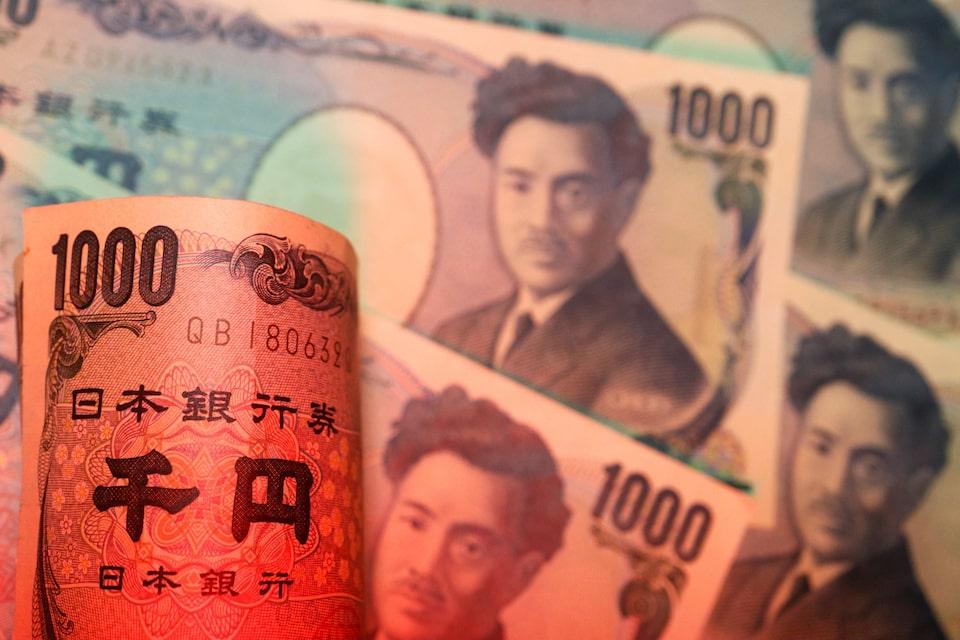
Feb 6 (Reuters) - A look at the day ahead in Asian markets. Famous last words, but an air of resilience is enveloping world markets. Fears of a global trade war are rife, shares in some of the U.S. 'Big Tech' firms are slumping, safe-haven gold has climbed to another all-time high and the Japanese yen is marching higher. Yet risk assets refuse to lie down. This resilience - or 'bouncebackability' - can partly be explained by ample market liquidity, and lower dollar and U.S. Treasury yields. It's a combination that loosens U.S. and global financial conditions and spurs risk-taking activity across markets. There's a danger, however, that investors' benign view of falling U.S. bond yields suddenly flips, and they see it has a worrying reflection of deteriorating growth or a weakening labor market. Or both. If that happens, the air of resilience could quickly become an air of despondency. U.S. labor market data on Friday, or an unexpected announcement from U.S. President Donald Trump on tariffs may provide the trigger, but until then, investors' glass seems to be half full. Shares in Google's parent company Alphabet fell 7% on Wednesday - their worst day in a year - and AMD shares tumbled 6%, yet the Nasdaq recovered opening losses to end the day slightly higher. The 'FAANG' index of major tech shares closed in the green to end near its recent all-time high. Attention in Asia remains fixed on China and its next response to Trump's 10% tariffs on Chinese imports, after it formally launched a dispute at the World Trade Organization. Chinese markets were relatively calm on Wednesday after the Lunar New Year holiday, but the yuan is under pressure. The spread between the central bank's daily dollar/yuan fixing and the spot market rate popped back up, and a further widening of only 4 basis points would take it back to recent historic highs just above 14 bps. Elsewhere in currencies, the yen rallied more than 1% on Wednesday to an eight-week high against the dollar after strong national wage figures prompted investors to price in tighter Bank of Japan monetary policy. That move could accelerate if BOJ board member Naoki Tamura, who has called for raising short-term rates at least to 1.0%, delivers customary hawkish remarks in a speech and news conference on Thursday. Japan's earnings season rolls on and among the companies reporting on Thursday are Mitsubishi, Nikon and Nippon Steel. Auto shares could be sensitive to further fallout from the news that the proposed Nissan-Honda merger may not go through. Here are key developments that could provide more direction to Asian markets on Thursday: - Australia trade (December) - Thailand inflation (January) - South Korea current account (December) Sign up here. https://www.reuters.com/markets/asia/global-markets-view-asia-graphics-2025-02-05/
2025-02-05 21:49
TSX ends up 1.2% at 25,569.84 Tech sector gains 2.9% Materials group adds 1.9% Gold climbs to new record high Feb 5 (Reuters) - Canada's main stock index closed up on Wednesday, led by gains for technology and metal mining shares, as Canada's reprieve from U.S. trade tariffs continued to bolster sentiment ahead of domestic and U.S. jobs data at the end of the week. The S&P/TSX composite index (.GSPTSE) , opens new tab ended up 290.49 points, or 1.2%, at 25,569.84, its second straight day of gains. It follows news earlier this week of a 30-day pause on U.S. trade tariffs which had been due to take effect on Tuesday. "The market believes that the tariffs aren't going to happen ... they'll come to some agreement before the end of the month," said Allan Small, senior investment advisor of the Allan Small Financial Group with iA Private Wealth. "Now we're all waiting for the big jobs number on Friday." U.S. and Canadian jobs employment data for January is due on Friday, which could help guide expectations for additional interest rate cuts from the Federal Reserve and the Bank of Canada. Economists forecast that Canada's economy added 25,000 jobs, downshifting from roughly 91,000 in December. The technology sector rose 2.9%, with shares of electonics firm Celestica Inc (CLS.TO) , opens new tab up 8.8%. The materials group, which includes fertilizer companies and metal mining shares, climbed 1.9% as copper prices rose and gold moved to a new record high. All ten major sectors ended higher, including a gain of 0.8% for heavily weighted financials, clawing back some recent declines. Real estate was up 1.7% as bond yields fell. Home sales in the Greater Toronto Area, which includes Canada's most populous city, rebounded 10% in January as new listings climbed. Sign up here. https://www.reuters.com/markets/tsx-futures-rise-safe-haven-demand-boosts-gold-prices-2025-02-05/