2026-01-06 22:09
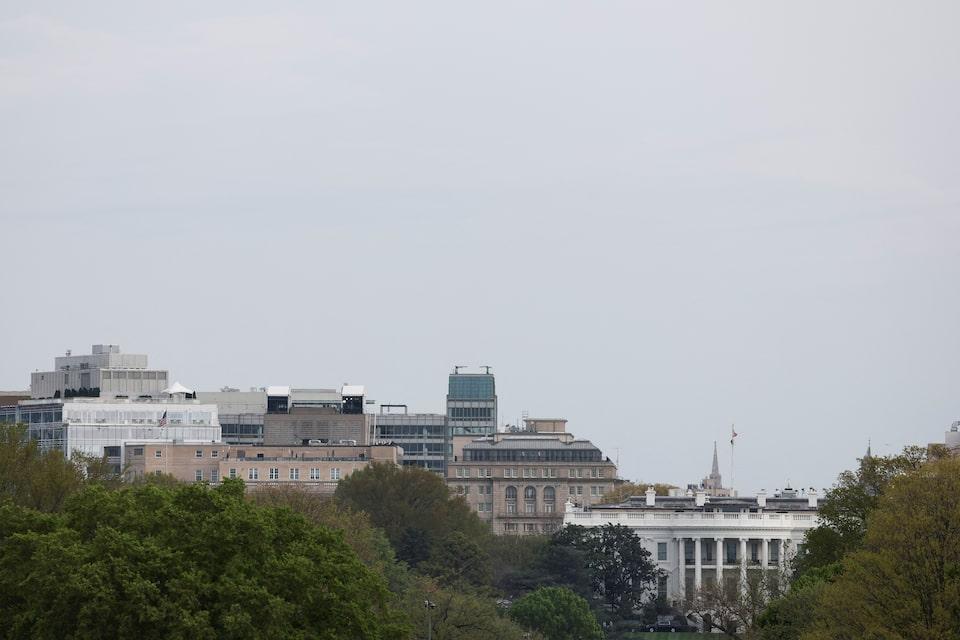
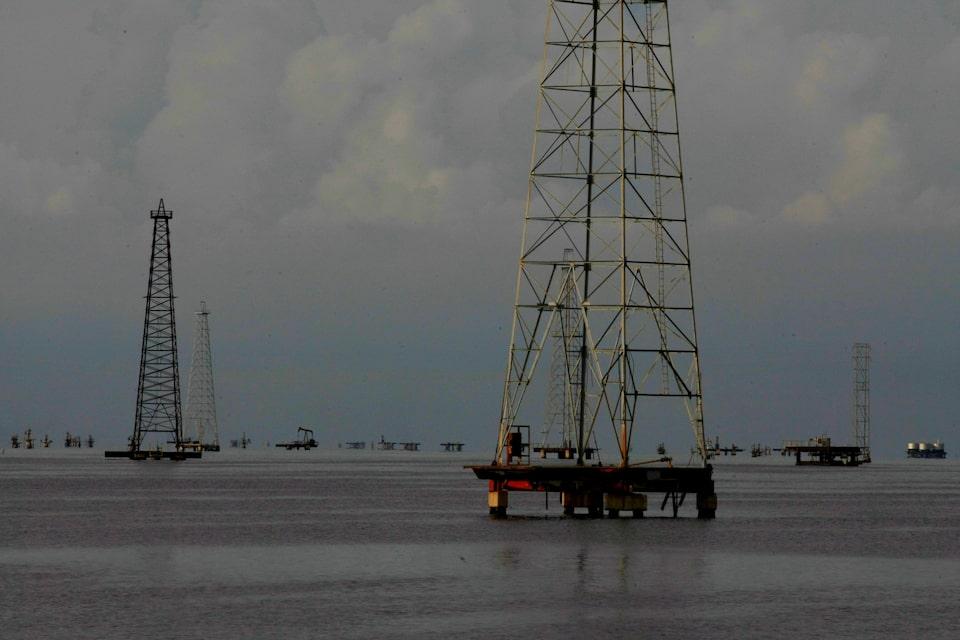
Oil executives to meet Trump this week, likely on Friday, sources say Interior secretary says equipment could provide a boost Trump mulls subsidies for oil companies to return Industry skeptical due to high costs, obstacles WASHINGTON/MIAMI, Jan 6 (Reuters) - U.S. President Donald Trump will meet with oil company executives at the White House late this week to discuss ways to revive Venezuela's tattered oil sector, according to three sources familiar with the matter. Two of the sources told Reuters the meeting was likely to happen on Friday. It was not immediately clear who would attend. Sign up here. The White House did not have an immediate comment on the matter. Raising crude output from Venezuela, which sits on the world's largest oil reserves, is a top objective for Trump after U.S. forces seized the country's leader, Nicolas Maduro, in a raid on its capital Caracas on Saturday. Venezuela's exports have fallen below 1 million barrels per day from more than 3 million bpd two decades ago amid a prolonged lack of investment that has left its infrastructure in shambles. Administration officials have dismissed estimates by analysts and industry executives that it would take years to ramp up Venezuela's crude production, saying there were ways to quickly boost the country's oil sector with fresh equipment and technology. Chevron (CVX.N) , opens new tab is the only U.S. oil major now operating in Venezuela's oil fields. Exxon Mobil (XOM.N) , opens new tab and ConocoPhillips (COP.N) , opens new tab were major producers in the country before their projects were nationalized by former President Hugo Chavez nearly two decades ago. The companies have not commented on whether they would be willing to return to Venezuela. 'ENORMOUS' BUSINESS OPPORTUNITY U.S. Interior Secretary Doug Burgum said one option to boost Venezuelan oil output in the near term was for Washington to lift sanctions that had prevented the country from accessing crucial oil field equipment and other technologies to maximize production. "Some of these things could be done very quickly," he told Fox Business Network in an interview. "The opportunity on the business side here is really enormous." Trump has said the U.S. industry could expand operations in Venezuela in less than 18 months, possibly with the help of subsidies. "A tremendous amount of money will have to be spent, and the oil companies will spend it, and then they'll get reimbursed by us or through revenue," Trump told NBC News on Monday. Trump said on Tuesday in remarks to U.S. House Republicans that increasing Venezuelan production could also reduce energy costs for Americans. "We got a lot of oil to drill, which is going to bring down oil prices even further," Trump said. DEGRADED INFRASTRUCTURE, COSTLY DEVELOPMENT Oil analysts and executives have been skeptical about a quick revival of Venezuela's oil sector, pointing out that its degraded infrastructure would require billions of dollars and years to rebuild. Venezuela's oil reserves are also among the world's costliest to develop because the oil is so thick and heavy it requires specialized equipment to extract, transport and refine into usable fuels. With global oil prices relatively low by historical standards, around $60 a barrel, producers have been focusing on reserves that are cheaper and easier to develop. "It's hard to imagine increases beyond 300,000 to 400,000 barrels a day in the next year, just given the degraded state of the infrastructure, especially the upgraders," Daan Struyven, co-head of global commodities research at Goldman Sachs, said at the Goldman Sachs Energy, CleanTech and Utilities Conference. He said it would take until the end of the decade for Venezuela to reach 1.5 million to 2 million bpd, and likely only with significant support from the U.S. government. "I wouldn't rule it out, but it will require time, significant institutional changes," he said. Energy Secretary Chris Wright is scheduled to speak at the Goldman Sachs conference in Miami on Wednesday morning, while ConocoPhillips CEO Ryan Lance is scheduled to make closed-door comments immediately afterward. https://www.reuters.com/business/energy/trump-administration-says-there-are-ways-us-can-lift-venezuelan-oil-output-2026-01-06/
2026-01-06 22:03
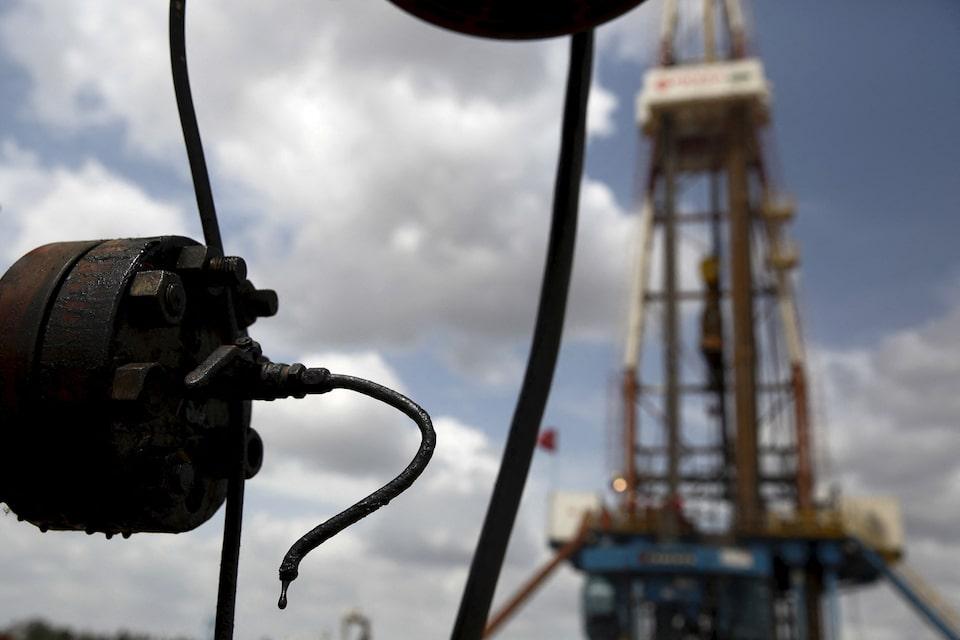
ORLANDO, Florida, Jan 6 (Reuters) - The S&P 500 and many stock indexes around the world clocked fresh highs on Tuesday, propelled by optimism around AI, while copper prices also hit fresh records, as investors brace for a flurry of U.S. jobs data later this week. More on that below. In my column today I look at one of the motivating factors behind the U.S. military intervention in Venezuela: Washington's desire to maintain the global dominance of the 'petrodollar'. Sign up here. If you have more time to read, here are a few articles I recommend to help you make sense of what happened in markets today. Today's Key Market Moves Today's Talking Points * Can AI go up a gear? It can One might have expected the AI boom that drove Wall Street and world stocks higher in the second half of last year to cool at the start of this year. But it has gone up a gear, renewing the debate around its longevity. A UBS note on Monday nicely encapsulates the bull case. Generative AI is fueling the largest infrastructure build-out in modern market history - $420 billion in data center investment last year and rising 35% to $570 billion this year, bringing the total since 2022 to $1.4 trillion. That sets the ground for earnings growth to kick in and drive 12% upside for the AI theme, UBS reckons. Too optimistic, or fair? * A job lot The next few days could be critical for the U.S. interest rate outlook, with the release of four U.S. employment data reports - private sector ADP jobs and "JOLTS" job openings on Wednesday, weekly jobless claims on Thursday, and non-farm payrolls on Friday. The job growth figures and unemployment rate on Friday are the most important numbers. Economists expect fairly solid job growth and a dip in the unemployment rate. All told, the labor market picture that emerges will go a long way to determining Fed policy in the coming months. * Copper-bottomed defense Investors are shrugging off the U.S. military action in Venezuela and the heightened geopolitical risk that entails - world stocks are hitting record highs, oil and safe-haven gold are up a bit, but the Swiss franc is down. Yet scratch the surface, and "risk-off" - or "war" - trades are emerging. In three trading days, European defense stocks are up 8%, the iShares aerospace & defense ETF is up 7%, and copper - the industrial metal likely to be lifted more than most by a global wave of defense spending - is soaring to new highs. These markets had a great 2025, but could have an even better 2026. Trump's Venezuela oil grab revives 'petrodollar' debate There were likely many motives behind America's capture and arrest of Venezuelan President Nicolas Maduro on Saturday, but one little-discussed factor could be the White House's concerns about the waning global prominence of the "petrodollar." Venezuela's oil output is currently modest at barely 1 million barrels per day, but its reported reserves of around 300 billion barrels - 17% of the global stock – are the world's largest. President Donald Trump has made it clear that the U.S. is interested in tapping this enormous potential, stating that he plans to have U.S. energy majors revitalize the Latin American country's flailing oil industry. Keeping all this future production within the U.S. orbit could impact more than just energy markets, however, as it would create a lot more petrodollars – a tool that has long helped the U.S. maintain its dominance in the global financial system. RISE AND FALL OF THE PETRODOLLAR The term "petrodollar" was coined in the mid-1970s when the U.S. and Saudi Arabia agreed that global oil sales would be denominated in dollars, creating a new source of demand for the greenback and cementing U.S. strategic, economic, and political power. The period between 2002 and mid-2008 - when oil almost reached $150 a barrel – potentially marked the peak of the petrodollar's powers. At that time, the U.S. was the world's largest importer of crude, enabling oil-producing countries to amass huge trade surpluses, much of which was recycled back into the vast U.S. Treasury market. This put downward pressure on U.S. and therefore, global, bond yields and interest rates. Fast forward to 2026, and the environment looks very different. Thanks to the shale oil revolution, the U.S. is now the world's largest oil producer and has been a net exporter since 2021. Meanwhile, many producer nations like Saudi Arabia now use their oil-driven trade surpluses to plug their own widening domestic budget deficits. Moreover, the rise of China's economic power and new geopolitical rifts have reduced the percentage of the global oil trade denominated in dollars. There are no official figures, but it is estimated that as much as 20% of the world's crude trade is now priced in currencies other than the dollar, such as the euro or Chinese yuan. The link between the dollar and oil has also shifted. Analysts at JPMorgan estimate that during the 2005-2013 period, a 1% appreciation of the U.S. trade-weighted dollar reduced the price of Brent crude by about 3%. In the 2014-2022 period, a 1% rise in the dollar reduced the price of Brent by just 0.2%. And last year, the dollar and oil both fell, rather than moving in opposite directions. So whether one is looking at oil producers' official holdings of Treasuries or oil revenues as a share of global capital flows, it is clear that the power of the petrodollar is on the decline. TRUMP PUSHES BACK This mirrors the dollar's slow but steady decline in global status over the past few decades. The greenback's share of foreign currency reserves is currently the lowest in 25 years, and while it remains the preeminent currency of global trade, that position is starting to fray also. The Trump administration is pushing back, however. While the White House may want the dollar's exchange rate to be lower, it is keen to maintain its dominance in global markets – and the recent events in Venezuela could be part of this wider effort. Until Trump returned to office almost a year ago, there appeared to be little appetite in Washington to push back against the global tide of geopolitically driven diversification away from the dollar. But the Trump administration has taken a stronger stance. It is promoting dollar-pegged "stablecoins" to strengthen the dollar's role in digital payments and global finance more broadly. It has also threatened to impose tariffs on countries seeking to develop alternatives to the dollar, most notably the BRICS group of developing nations. Gaining a degree of control over the world's largest proven oil reserves could be part of this effort, especially as it involves muscling out China and Russia – the Maduro regime's allies - in the process. "The dollar is still the key currency in the oil market, and the U.S. is trying to preserve this," says Hung Tran, nonresident senior fellow at the Atlantic Council. Richard Werner, professor of banking and economics at the University of Winchester, agrees that Washington's actions in Venezuela are likely aimed at bolstering the petrodollar system. Ultimately though, he believes these extreme actions could be seen as a sign of "desperation" that could accelerate the decline of the petrodollar if BRICS nations and others in the "Global South" baulk at Washington's use of military force to maintain currency dominance. That, of course, remains to be seen. What could move markets tomorrow? Want to receive Trading Day in your inbox every weekday morning? Sign up for my newsletter here. Opinions expressed are those of the author. They do not reflect the views of Reuters News, which, under the Trust Principles , opens new tab, is committed to integrity, independence, and freedom from bias. https://www.reuters.com/world/china/global-markets-trading-day-graphic-2026-01-06/
2026-01-06 21:11
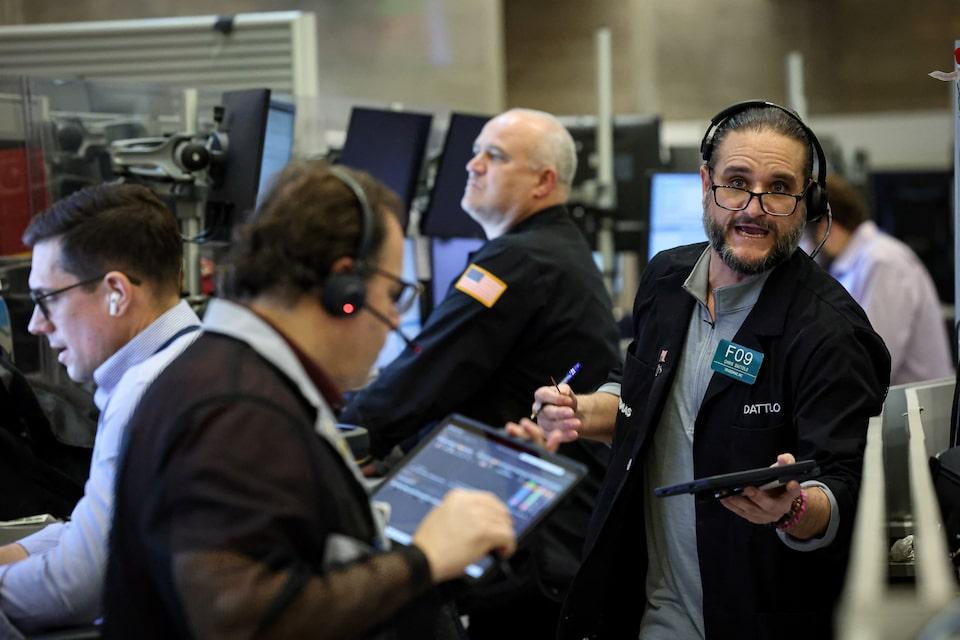
BRASILIA/SAO PAULO, Jan 6 (Reuters) - The Brazilian government still does not know whether beef in transit to China will be considered part of the new import quotas that were announced by Beijing last week, a government official said on Tuesday. Herlon Brandao, head of the statistics department of Brazil's trade ministry, said the volumes of Brazilian beef in transit, based on available information, would represent "a small" amount in relation to the roughly 1.5 million metric tons of beef that the South American country exported to China last year. Sign up here. China has imposed an additional 55% tariff on beef imports that exceed quota levels from key suppliers, including Brazil, Australia and the U.S., as part of a move to protect its domestic beef industry. Brazil's beef sector is worried about the uncertainty surrounding the rules. "Chinese authorities have made it clear that the volume will be calculated based on actual entries into the country from January 1, 2026, regardless of previously signed contracts, cargo in transit, or products already shipped," Sindifrigo-Mato Grosso, a beef trade lobby in Brazil's Mato Grosso state, said in a statement on Tuesday. The group added that if this "interpretation is confirmed without any revision," Brazil will have to deduct approximately 350,000 tons from its assigned 2026 quota, which is the volume it estimates of cargos held in Chinese ports awaiting customs clearance, on ships in transit, or stockpiled at Brazilian ports. Brazil's Agriculture Ministry did not have an immediate comment regarding the concerns expressed by the country's beef industry. Around 53% of Brazil's beef exports went to China in 2025, bringing in $8.8 billion in revenue, according to fresh trade data. China has set the new import quota for Brazilian beef at 1.106 million tons for 2026. It will gradually rise to 1.128 million tons in 2027 and 1.151 million tons in 2028, according to Beijing's announcement. https://www.reuters.com/world/asia-pacific/brazil-unclear-whether-beef-transit-china-subject-new-import-quotas-2026-01-06/
2026-01-06 20:59
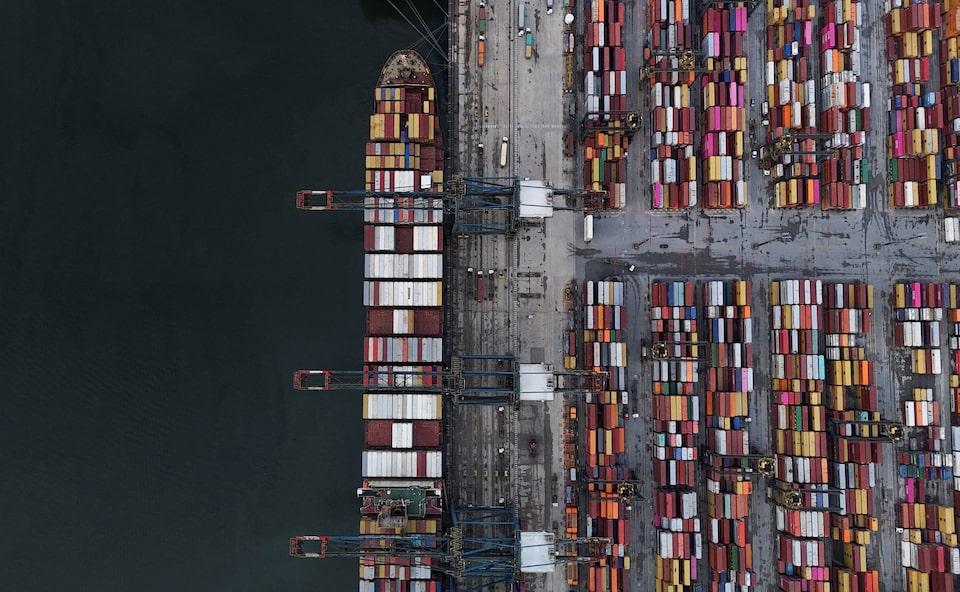
Deal would redirect Venezuelan oil exports to US from China Exports would stem further cuts to Venezuelan output Chevron only US firm currently authorized to export Venezuelan oil Talks focus on possible sale terms, US licenses for PDVSA partners US Interior Secretary says US Gulf refiners would take advantage HOUSTON/WASHINGTON, Jan 6 (Reuters) - Government officials in Caracas and Washington are discussing exporting Venezuelan crude to refiners in the United States, five government, industry and shipping sources told Reuters on Tuesday, a deal that could divert supplies away from China while helping state company PDVSA avoid deeper output cuts. The talks are the first sign that the Venezuelan government is responding to President Donald Trump's demand that they open up to U.S. oil companies or risk more military intervention. Trump has said he wants interim President Delcy Rodriguez to give the U.S. and private companies "total access" to Venezuela's oil industry. Sign up here. Venezuela has millions of barrels of oil loaded on tankers and in storage tanks that it has been unable to ship due to a blockade on exports imposed by Trump since mid-December. The blockade was part of rising U.S. pressure on the government of Venezuelan President Nicolas Maduro that culminated in U.S. forces capturing him this weekend. Top Venezuelan officials have called Maduro's capture a kidnapping and accused the U.S. of trying to steal the country's vast oil reserves. A potential deal to sell the trapped crude to the U.S. could initially require reallocating cargoes originally bound for China, two sources said. The Asian country has been Venezuela's top buyer in the last decade and especially since the United States imposed sanctions on companies involved in oil trade with Venezuela in 2020. "Trump wants this to happen early so he can say it is a big win," said one of the oil industry sources. The White House, Venezuelan government officials and PDVSA did not immediately comment. CHEVRON IN CONTROL OF VENEZUELAN OIL FLOWS TO US The supply would increase the volume of Venezuelan oil exported to the U.S., a flow that is currently controlled entirely by Chevron (CVX.N) , opens new tab, PDVSA's main joint venture partner, under a U.S. authorization. Chevron, which has been exporting between 100,000 and 150,000 barrels per day (bpd) of Venezuelan oil to the U.S., is the only company that has been loading and shipping crude without interruption from the South American country in recent weeks under the blockade. It was not immediately clear how sanctioned PDVSA would receive money from oil sales. Sanctions mean the company is excluded from the global financial system, its bank accounts are frozen and it is blocked from executing transactions in U.S. dollars. Rodriguez, sworn in as interim president on Monday, is herself under U.S. sanctions imposed in 2018 for undermining democracy. TALKS INVOLVE POSSIBLE AUCTIONS WITH US BUYERS The officials have been in talks this week about possible sales mechanisms, including auctions to allow interested U.S. buyers to bid for cargoes, and issuing U.S. licenses to PDVSA's business partners that could lead to supply contracts, two sources said. Those licenses have in the past allowed PDVSA's joint venture partners and customers, including Chevron, India's Reliance (RELI.NS) , opens new tab, China National Petroleum Corporation (CNPC) and European Eni (ENI.MI) , opens new tab and Repsol (REP.MC) , opens new tab, to have access to Venezuelan oil to refine or to resell to third parties. This week, some of those companies have begun making preparations for receiving Venezuelan cargoes again, two sources said. The U.S. and Venezuela have also discussed if Venezuelan oil can be used in the U.S. Strategic Petroleum Reserve in the future, one of the sources said. INCREASED OIL FLOWS WOULD BE 'GREAT NEWS' U.S. Interior Secretary Doug Burgum said on Tuesday that an increased flow of Venezuelan heavy oil to the U.S. Gulf would be "great news" for job security, future gasoline prices in the U.S. and for Venezuela. "Venezuela has an opportunity now to actually have capital come in and rebuild their economy and take advantage," he told Fox News, when asked about this story on the talks between the governments on oil exports. "With American technology, American partnership, Venezuela can be transformed." U.S. refineries on the Gulf Coast can process Venezuela's heavy crude grades and were importing some 500,000 barrels per day (bpd) before Washington first imposed energy sanctions on Venezuela. PDVSA has already had to cut production due to the embargo, because it is running out of storage for the oil. If PDVSA does not find a way to export oil soon, it would have to cut production more, one of the sources said. Oil traders reacted to news of the talks on Tuesday. Differentials for some heavy oil grades in the U.S. Gulf slipped around 50 cents per barrel on Tuesday on the prospect of more Venezuelan supplies. https://www.reuters.com/business/energy/venezuela-us-talks-export-venezuelan-oil-us-sources-say-2026-01-06/
2026-01-06 20:48
Jan 6 (Reuters) - U.S.-based nuclear fuel supplier Centrus Energy (LEU.N) , opens new tab said on Tuesday the U.S. Department of Energy selected the company for a $900 million task order to expand uranium enrichment capacity at its Piketon, Ohio, site, as Washington moves to reduce reliance on Russian supply. The award forms part of $2.7 billion in enrichment-related task orders the Energy Department announced on Monday to three companies —American Centrifuge Operating, a Centrus Energy unit, General Matter and Orano Federal Services. Sign up here. The agency said the awards aim to boost domestic uranium enrichment over the next decade. The award will help Centrus move to commercial-scale production of High-Assay, Low-Enriched Uranium, or HALEU, a fuel seen as vital for advanced nuclear reactors and energy systems. "This award will catalyze additional private investment and supports the prospect of further expansion as the market continues to grow," said CEO Amir Vexler. Centrus also said the DOE funding will support its previously announced multibillion-dollar expansion at Piketon to add capacity for low-enriched uranium, or LEU, used in existing reactors. The company said it has secured $2.3 billion in LEU purchase commitments from utilities, including U.S. and export customers. In December last year, Centrus began domestic centrifuge manufacturing at its Oak Ridge, Tennessee, plant to support planned expansion, with the first new capacity expected online in 2029. https://www.reuters.com/business/energy/centrus-secures-900-million-task-order-us-energy-department-2026-01-06/

2026-01-06 20:17
Jan 6 (Reuters) - U.S. Oil CEOs are expected to visit the White House as early as Thursday to discuss investments in Venezuela, according to three source familiar with the planning. The details and timing of the meeting are still under discussion, one of the source said. Sign up here. https://www.reuters.com/business/energy/oil-ceos-expected-visit-white-house-early-thursday-discuss-venezuela-2026-01-06/