2025-02-03 05:42
NAIROBI, Feb 3 (Reuters) - Unidentified attackers raided cattle camps in a southeastern area of South Sudan last week, killing at least 35 people and wounding 46, a community leader said. Cattle raiding linked to competition for scarce resources is one of the main triggers of conflict between ethnic groups in the country awash with weapons after decades of war. "On January 31, the Dinka Bor cattle camps were attacked," the leader, Mayom Ateny, told Reuters on Sunday, giving details of the deaths and injuries in the four camps targeted. He added that 11,000 head of cattle were taken. Olum Pole Pole Ataruk, the commissioner of Magwi county, the site of the attacks, and Elia John Ahaji, the information minister of Eastern Equatoria state home to the county, did not immediately respond to a request for comment. Cattle are an important indicator of wealth and status in South Sudan, and are usually given as a bride price to a woman's family as gifts ranging in number from fewer than 10 head to several hundred. Nicholas Haysom, the head of the United Nations Mission in South Sudan (UNMISS), expressed concern about escalating violence between cattle keepers and farming communities in Eastern Equatoria. "Such attacks and counter-attacks must stop," Haysom said in a statement that condemned the violence and urged all parties to show restraint. A civil war in South Sudan from 2013 to 2018 caused hundreds of thousands of deaths and although the main belligerents have since been at peace, clashes continue among armed groups. Sign up here. https://www.reuters.com/world/africa/attack-south-sudan-cattle-camps-kills-35-community-leader-says-2025-02-03/

2025-02-03 05:36
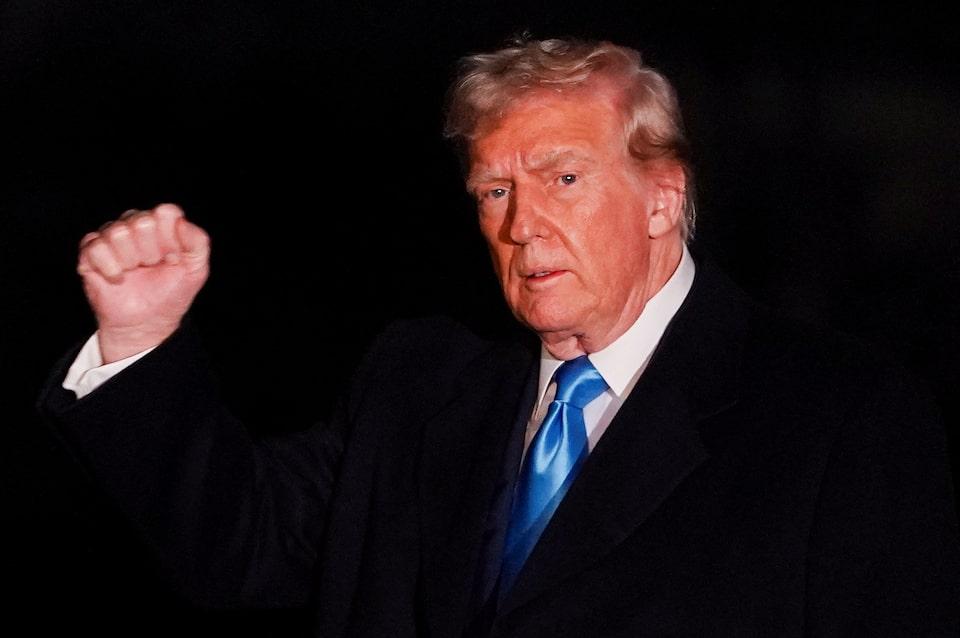
A look at the day ahead in European and global markets from Kevin Buckland Whatever investors expected from Donald Trump's tariff threats, or from the target countries' responses, they may have ended up with more than they bargained for. Equity indexes met with aggressive selling in Asia and looked headed for steep drops globally, based on futures prices for the U.S. S&P 500 and pan-European STOXX 50 . Short-dated bonds sold off, as did pretty much every currency barring the U.S. dollar. Some investors had expected that Trump would water down his threat of 25% levies on neighbours Canada and Mexico, and possibly put off additional duties on China - or that, if the tariffs went ahead as stated, they would be quietly accepted. But that wasn't how things played out. The U.S. tariffs, which go into effect on Tuesday, will affect $1.3 trillion of goods, or more than 40% of all U.S. imports. Canada and Mexico immediately vowed retaliatory taxes, while China pledged to challenge the tariffs at the WTO. The Wall Street Journal reported that Beijing's countermeasures would include promises of more U.S. investment and a commitment to do more to curb exports of fentanyl precursors. The White House said repeatedly last week that Trump would go ahead with the well-telegraphed punitive levies on Saturday but Wall Street's losses on Friday were only half a percent for the S&P 500 (.SPX) , opens new tab. Fast forward to Monday, and S&P 500 futures are pointing to a tumble of 2%. Europe's outlook is even worse, with STOXX 50 futures sliding 2.4%, which may not be surprising considering Trump said at the weekend that tariffs on the EU will "definitely happen". In Asia, mainland Chinese markets remain shut until Wednesday for the Lunar New Year holiday but trading resumed in Hong Kong (.HSI) , opens new tab, although shares there fell far less than in many other bourses in the region, including Australia (.AXJO) , opens new tab, Japan (.N225) , opens new tab and especially Taiwan (.TWII) , opens new tab. The reason mooted by some analysts is that Trump's tariff decision puts the ball in Beijing's court, making investors hopeful for more stimulus. Key developments that could influence markets on Monday: -Reaction to U.S. tariffs -Euro zone flash HICP (Jan) -Julius Baer earnings -St Louis Fed chief Musalem and Atlanta Fed chief Bostic speak at separate events Sign up here. https://www.reuters.com/markets/europe/global-markets-view-europe-2025-02-03/
2025-02-03 04:23
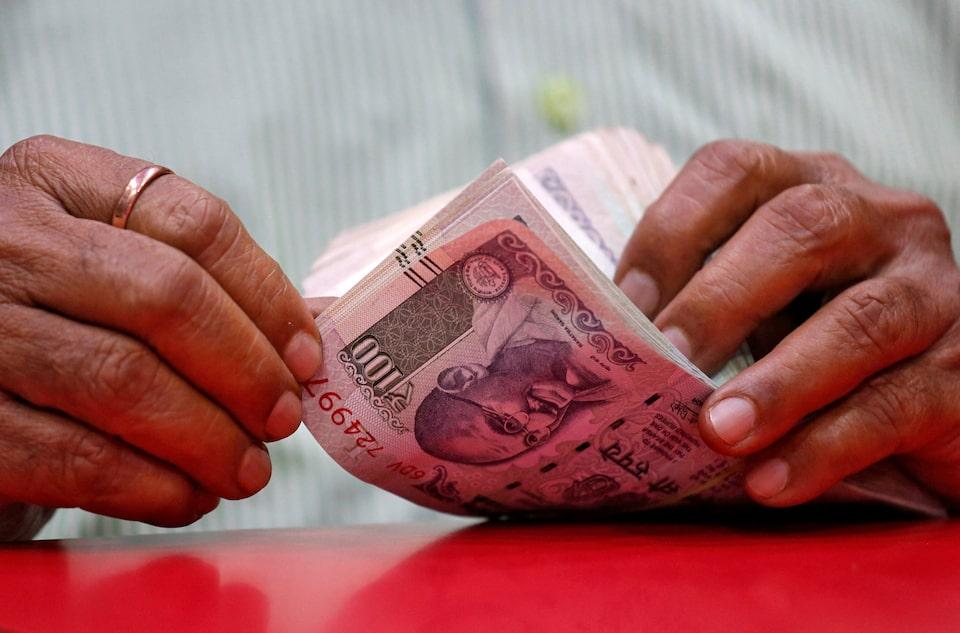
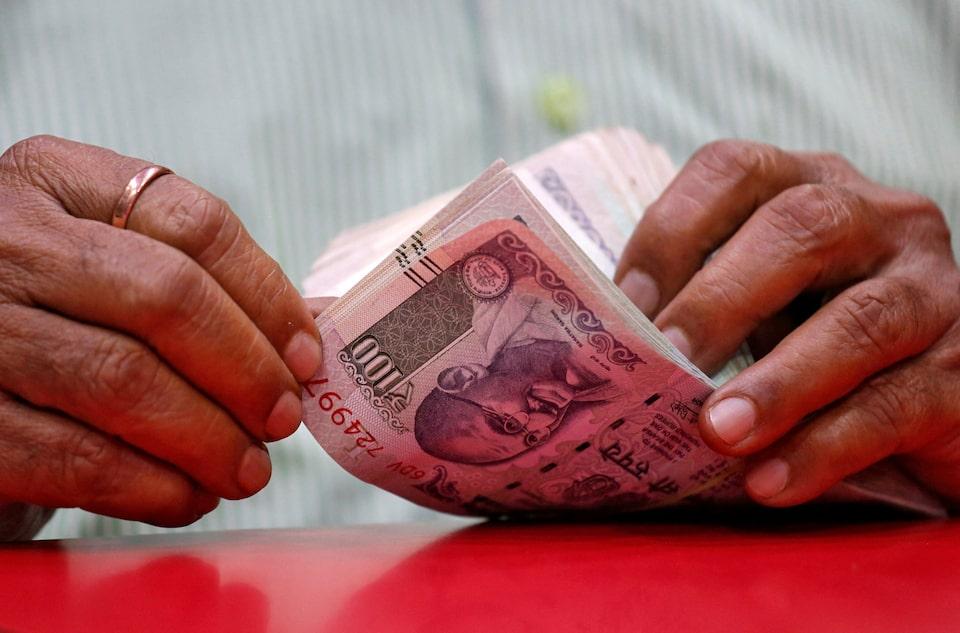
MUMBAI, Feb 3 (Reuters) - The Indian rupee weakened past 87 to the U.S. dollar for the first time ever on Monday in the wake of a slump in Asian currencies and equities after U.S. President Donald Trump's tariff threats became a reality. The rupee dropped to an all-time low of 87.1450 per dollar, down 0.6% from Friday. The rupee's losses since the beginning of October are now approaching 4%. "The macros look stacked up against the rupee and we expect it to stay under pressure over the next 6-8 weeks," said Anshul Chandak, head of treasury at RBL Bank. "Since it's a new regime in the U.S. under Trump and considering the rupee has been a relatively better-performing currency in the EM (emerging market) bucket over the last two years, we see the scope for more depreciation." On Saturday, Trump levied tariffs on Canada, Mexico and China, drawing an immediate response from Canada and fuelling worries of a trade war. Mexican President Claudia Sheinbaum said she would be implementing retaliatory tariffs. "The risk of our worst fears materializing has risen," Morgan Stanley said in a note. "Risks are skewed towards further escalation. Asia will be exposed on account of high trade orientation and seven economies run large trade surpluses with the U.S." Asian currencies, shares and U.S. equity futures tumbled. The Korean won, Malaysian ringgit, Indonesian rupiah and Thai baht dropped 0.9% to 1.2%. EQUITY FLOWS Foreign investors have already been taking out money from Indian equities on account of the country's softening growth rate. That may pick up as Trump's tariffs are likely to fuel fears about global economic growth. The pressure on outflows from debt and equities can continue and a "reduced intervention strategy" by the RBI will further weigh on the rupee, RBL's Chandak said. Sign up here. https://www.reuters.com/markets/currencies/rupee-drops-past-87usd-first-time-after-trumps-tariffs-wreck-asia-2025-02-03/
2025-02-03 03:45
MUMBAI, Feb 3 (Reuters) - The Indian rupee weakened past 87 per U.S. dollar for the first time on Monday, as Asian currencies slumped after U.S. President Donald Trump imposed tariffs on the country's largest trading partners, driving a surge in the U.S. dollar. The rupee dropped 0.5% to a low of 87.07 in early trade, with traders expecting the currency to face further losses throughout the day. Trump, in three executive orders in the weekend, imposed 25% tariffs on Mexican and most Canadian imports, and 10% on goods from China, starting on Tuesday. The dollar index was up 0.3% at 109.8, while Asian currencies weakened, with the offshore Chinese yuan - a closely watched counterpart of the rupee - down 0.5% at 7.35 per U.S. dollar. Sign up here. https://www.reuters.com/markets/currencies/rupee-drops-past-87usd-trump-tariffs-rattle-asian-currencies-2025-02-03/
2025-02-03 03:09
MUMBAI, Feb 3 (Reuters) - The Indian rupee is poised to open at an all-time low against the dollar on Monday, tracking a slump in Asian currencies and risk aversion on worries over a trade war between the U.S. and its trading partners. On the interbank order matching system, the rupee was quoting at 86.92-86.94 to the U.S. dollar, down from 86.6050 on Friday and past the 86.6475 lifetime low hit in mid January. The Korean won, the Malaysian ringgit, the Indonesian rupiah and the Thai baht were all down about 1%, each, and the offshore Chinese yuan declined past 7.36. To take rupee past the 86.60-86.65 zone, "big news was needed and we now have it", a currency trader at a bank said. "The 87 figure does look in sight. However, in most likelihood, the Reserve Bank of India will at least put up a fight." U.S. President Donald Trump slapped tariffs on Canada, Mexico and China, raising fears of a trade war that will hold implications for world growth and inflation. In response, Canadian Prime Minister Justin Trudeau said his country would impose 25% tariffs on $155 billion of U.S. goods, while Mexican President Claudia Sheinbaum said she was instructing her economy minister to implement retaliatory tariffs without providing details. The Canadian dollar and the Mexican peso dropped to multi-year lows. The dollar index rallied, approaching the 110 mark, while the S&P 500 Index futures slipped 2%. The net impact to markets, including in Asia, from tariffs will depend on factors such as how long these tariffs are sustained for, MUFG Bank said in a note. "The path of least resistance for now is for Asian currencies and risk assets to weaken, together with a higher risk premia to account for future meaningful tariff moves beyond what we have seen." KEY INDICATORS: ** One-month non-deliverable rupee forward at 87.12; onshore one-month forward premium at 18 paise ** Dollar index climbs to 109.80 ** Brent crude futures up 0.5% at $76 per barrel ** Ten-year U.S. note yield dips to at 4.51% ** As per NSDL data, foreign investors sold a net $202.6mln worth of Indian shares on Jan. 30 ** NSDL data shows foreign investors bought a net $16.2mln worth of Indian bonds on Jan. 30 Sign up here. https://www.reuters.com/markets/currencies/asia-fx-slump-trade-war-fears-puts-rupee-verge-87usd-2025-02-03/
2025-02-02 23:41
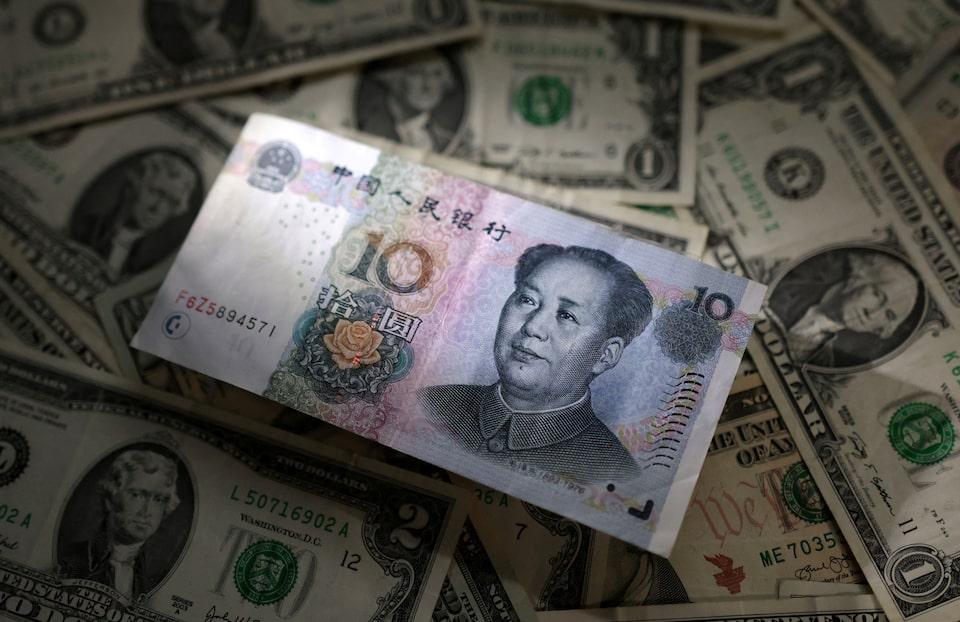
U.S. pauses new tariffs on Mexico for one month Delay boosts Mexican peso U.S. dollar index lower NEW YORK, Feb 3 (Reuters) - The dollar index was lower on Monday after U.S. President Donald Trump paused new tariffs on Mexico for one month, after the country agreed to reinforce its northern border with 10,000 National Guard members to stem the flow of illegal drugs, Trump said. Mexico and the U.S. will use the month-long suspension to engage in further negotiations, Trump said. The delay boosted the Mexican peso . It was last up 1.25% against the dollar at 20.4196. Earlier, it fell to its lowest in nearly three years at 21.2882 per U.S. dollar. Meanwhile, the dollar index was down 0.5% at 108.96. It had touched a three-week high of 109.88 in early trading. "This delay to Mexico plays into this idea that the tariffs are just a transactional tool," said Marc Chandler, chief market strategist at Bannockburn Global Forex. As Trump promised last month, the U.S. over the weekend announced it would hit Canada and Mexico with 25% duties and China with a 10% levy starting on Tuesday, calling them necessary to curb immigration and narcotics trafficking. Trump said on Monday he had spoken with Canadian Prime Minister Justin Trudeau and would do so again at 3 p.m. ET (2000 GMT). The tariffs on Canada and China remain poised to take effect on Tuesday, and Canada has announced retaliatory tariffs. A senior Canadian official told a New York Times reporter that Ottawa is not optimistic that a similar reprieve is in the offing, the reporter said on X. The Canadian dollar rose to 1.4568 per U.S. dollar, after earlier falling to a level not seen since 2003. China said it would challenge Trump's levies at the World Trade Organization. The U.S. dollar was at 7.3254 yuan in the offshore market , having earlier pushed to a record high of 7.3765 yuan. Markets in China remain closed for the Lunar New Year and will resume trading on Wednesday. The tariffs are widely expected to push up U.S. inflation, supporting the dollar by keeping U.S. interest rates higher for longer. Economists say the Republican president's plan would also slow global growth and drive prices higher for Americans. "What it seems like the U.S. is trying to do is build its hegemonic power back and then force the rest of the world to pay for U.S. public goods, which is typically not how government works," said Mark McCormick, head of foreign exchange and emerging market strategy at TD Securities. Markets pared expectations of rate cuts from the Federal Reserve in the wake of the tariff news, with futures pricing in just a 50% chance of two cuts this year . Canada's and Mexico's economies are at risk of recession once the tariffs are in place, some analysts say, while the euro zone economy faces further stagnation if tariffs kick in. Trump said over the weekend that tariffs on the European Union would go ahead, but did not say when. EU leaders at an informal summit in Brussels on Monday said Europe would be prepared to fight back if the U.S. imposes tariffs, but also called for reason and negotiation. The euro plunged as much as 2.3% to $1.0125 - the lowest since November 2022 - as investors braced for tariffs on Europe from the Trump administration. The single currency was last down 0.73% against the dollar at $1.0286. The Australian dollar hit a five-year low on Monday, while the New Zealand dollar fell to its lowest since October 2022. The two Antipodean currencies are often used as liquid proxies for the Chinese yuan. Japan's yen , conversely, was resilient, with the dollar sliding 0.24% against the yen to 154.845. Bitcoin rose back above the $100,000 level after earlier in the day hitting its weakest in nearly three weeks. Sign up here. https://www.reuters.com/markets/currencies/yuan-hits-record-low-mexican-peso-canadian-dollar-tumble-trump-tariffs-2025-02-02/