2025-01-31 19:49
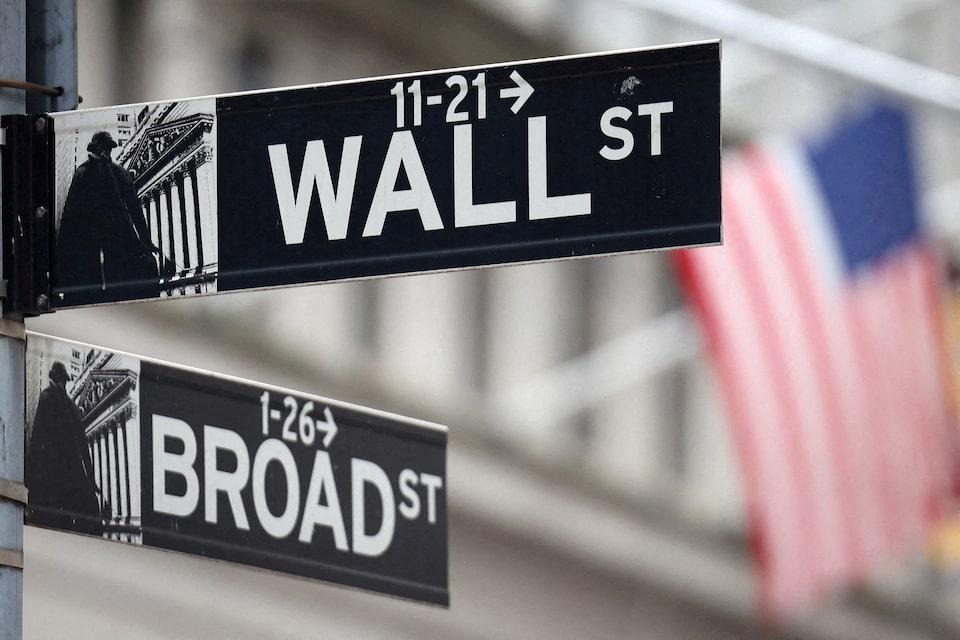
Trump has set Saturday deadline for new tariffs Tariffs could lead to 2.8% drag on S&P 500 earnings, Barclays estimates New duties could drive up inflation, sway Fed rate outlook NEW YORK, Jan 31 (Reuters) - Investors are bracing for a looming hit to U.S. corporate profits and pressure on inflation if President Donald Trump makes good on his tariff threats, with markets seen as not fully factoring in risks from higher levies on foreign imports. President Donald Trump is vowing to issue tariffs as soon as Saturday on Canada, Mexico and China, the three largest U.S. trading partners. As the tariff deadline nears, investors have been trying to gauge whether the potential duties on imports might be a negotiating tool, as Trump and members of his administration have addressed the topic over the past week. "It's adding a lot of volatility to expectations because of the back and forth and the rhetoric on a daily basis," said Leo Harmon, chief investment officer at Mesirow Equity Management. Harmon said he expects some level of tariffs to be implemented with the market reaction dependent on the extent of the duties. "If those tariffs come in higher than expectations... there could be a potential for a day or two of risk-off leadership in the market," Harmon said. Trump has set a Saturday deadline for issuing 25% tariffs on imports from Mexico and Canada, unless they move to halt flows of illegal immigrants and the deadly opioid fentanyl into the United States. He has also said he would impose a 10% tariff on Chinese goods over that country's role in the fentanyl trade. On Friday, Trump said nothing could be done by the three countries to forestall the tariffs, although he did reference a potential carve out for oil from Canada. Barclays strategists estimate that the tariffs could lead to a 2.8% drag on S&P 500 company earnings, including the projected fallout from retaliatory measures from the targeted countries. "You're having global supply chains that are going to have to be reworked or rethought," said Matthew Miskin, co-chief investment strategist at John Hancock Investment Management. "It can increase cost structures for companies." Some tariffs will be passed on to consumers in the form of higher prices, LPL Research analysts said earlier this month. Goldman Sachs economists have estimated that across-the-board tariffs on Canada and Mexico would imply a 0.7% increase in core inflation and a 0.4% hit to gross domestic product. The potential to drive up consumer prices is a particularly sensitive area for investors, who are worried about a revival in inflation causing the Federal Reserve to stop cutting interest rates. The U.S. central bank this week paused its rate-cutting cycle, while Fed Chair Jerome Powell said officials were "waiting to see what policies are enacted" with the new president. Gene Goldman, chief investment officer at Cetera Financial Group, said he expected weakness in equity markets if Trump goes through with tariffs this weekend. "The combination of high valuations ... and the inflation-inducing effect of tariffs and the consequent effect on Fed policy would cause stocks to sell off," Goldman said. Jim Smigiel, chief investment officer at SEI, said markets could start factoring in the possibility of interest rate rises if tariffs set off inflation. "The non-zero probability of a hike I think has crept into investors' minds," Smigiel said. With the S&P 500 near all-time highs, the index could move 3% to 5% in either direction in the short term, depending on what Trump announces with tariffs, Evercore ISI strategists said in a note. Colin Graham, head of multi-asset strategies at Robeco in London, said the firm was debating closing a position in long-duration Treasuries before the weekend. "This is one of these big geopolitical events that you can’t predict," Graham said. "They just happen and you have to figure out afterwards what you’re going to do." Some Wall Street analysts said the potential tariffs appeared to be being used more as a negotiating tactic. “I think Trump is more bark than bite, and is trying to use the threat of penalties to hammer out better trade agreements with our major partners," said Talley Leger, chief market strategist at The Wealth Consulting Group. Investors had braced for Trump to move swiftly to implement tariffs when his second term began on Jan. 20, and the lack of tariffs so far has been a relief for markets. Tariffs are seen as one of the more negative potential policies for stocks countering benefits stemming from Trump's expected pro-growth agenda of reduced taxes and regulations. BCG Global Chief Economist Philipp Carlsson-Szlezak said 25% tariffs on Canada and Mexico "would be a jolt." But, he said, "it would also at least bring some clarity of, how does the administration want to play tariffs?" Sign up here. https://www.reuters.com/markets/us/looming-tariffs-worry-wall-street-over-earnings-hit-inflation-pressure-2025-01-31/
2025-01-31 19:44
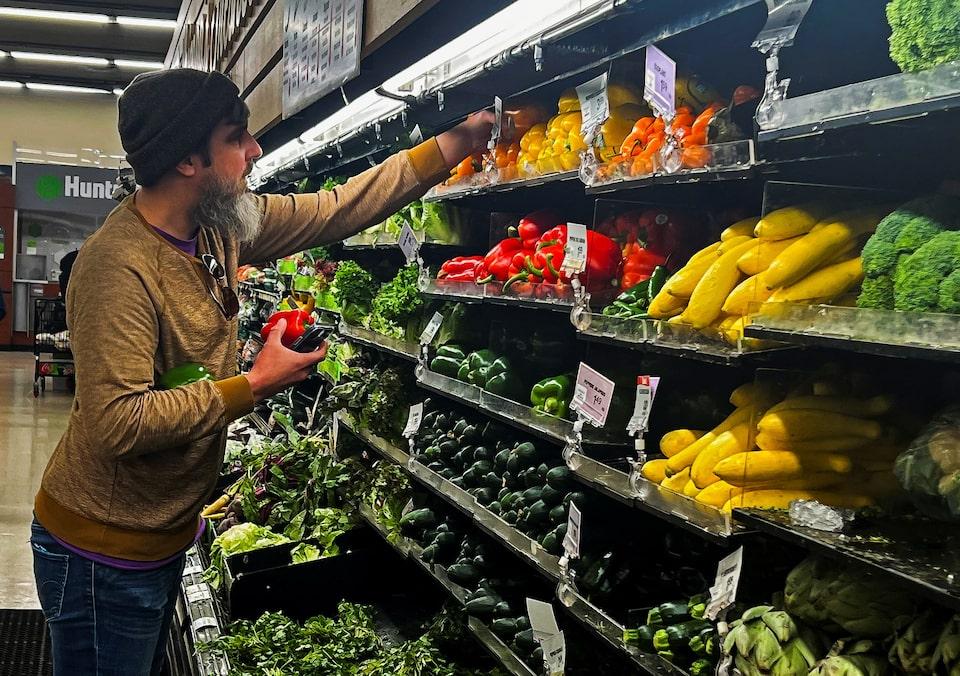
Trump expected to announced tariffs on Canada and Mexico Duties will raise beef prices that are high, experts say About two-thirds of US vegetable imports come from Mexico CHICAGO, Jan 31 (Reuters) - U.S. consumers grappling with soaring prices for beef and eggs will face even higher costs for meat, vegetables and fruit if President Donald Trump imposes tariffs on Canadian and Mexican imports, economists and food industry executives said. Consumers have struggled with high inflation since the COVID-19 pandemic and voted for Trump in part due to discontent with higher prices. Trump pledged to bring down costs for ordinary Americans. The White House said on Friday that the new tariffs on Canada and Mexico will take effect on Feb. 1, denying a Reuters report that they would be delayed until March 1. Tariff-related price increases would hit consumers' wallets at a time when beef prices are near record highs and costs for eggs have climbed after bird flu eliminated millions of egg-laying hens. Bird flu cases in dairy cows have also reduced milk output in top-producer California. Shortly after taking office last week, Trump set the Feb. 1 deadline for imposing 25% tariffs on imports from Mexico and Canada unless the countries move to halt flows of illegal immigrants and the deadly opioid fentanyl into the U.S. He also said he would impose a 10% tariff on Chinese goods over that country's role in the fentanyl trade. "Any increase in expenses in the form of a tariff subsequently serves as a 'food tax' on consumers for imported products and is not a workable solution," National Grocers Association spokesman David Cutler said. Tariffs are paid by importers, not exporters, who either pass on the costs to consumers or face lower profits. The Trump administration says its planned tariffs will not cause higher prices in the U.S. Vice President JD Vance said on Sunday that consumer prices will start coming down, but it might not happen immediately. Supply disruptions due to tariffs would highlight how reliant the nation has become on its neighbors for feeding its population. The United States imported $195.9 billion of agricultural goods from suppliers around the world in 2023, according to U.S. Department of Agriculture and U.S. Customs data. That included nearly $86 billion from Mexico and Canada, the top two suppliers representing 44% of the total. Up to 40% of fresh produce sold in U.S. food stores is imported, according to the National Grocers Association "We import most of our fresh fruit and vegetables from Mexico and Canada so you will definitely see inflation on those products," said Rob Fox, an economist and director of CoBank's Knowledge Exchange. "These are products that are not easily replaced," he said. "I can't go out and plant tomatoes in Illinois in January and hope to replace them." About two-thirds of U.S. vegetable imports and half of its fruit and nut imports come from Mexico, according to the USDA. That includes nearly 90% of its avocados, as much as 35% of its orange juice, and 20% of its strawberries. Avocados from Mexico, a marketing arm of Mexico's avocado industry, was shipping 52 to 53 million pounds of avocados each week to the U.S. in December, CEO Alvaro Luque said. That climbs to more than 70 million pounds ahead of the U.S. Super Bowl football game which this year is on Feb. 9, he said, highlighting America's demand. The threat of tariffs alone can be inflationary, said David Ortega, an economist at Michigan State University. "Food companies are scrambling to come up with contingency plans in terms of where they might source these products should these tariffs come into place, and that adds cost to their operations," he said. HIGHER BEEF PRICES The U.S. normally imports more than 1 million cattle from Mexico annually, though Washington has blocked shipments since late November due to the discovery of a pest in Mexico. Canadian cattle also are shipped into the U.S. to be fattened and slaughtered. Tariffs or trade disruptions could affect products ranging from ground beef to steaks, analysts said. Uncertainty over tariffs has encouraged U.S. meat buyers to lock in purchases of domestic supplies or imports before Feb. 1, said Bob Chudy, a consultant for beef importers. "If it goes through anything like threatened, it will definitely push U.S. beef prices up significantly higher," he said of tariffs. U.S. retail prices for ground beef hit a record high of $5.67 per pound in September and were a little below that last month, according to the Bureau of Labor Statistics. Prices for the hamburger meat are up 42% from four years ago. U.S. beef demand hit a 38-year high in 2024 despite record prices, said Lance Zimmerman, senior animal protein analyst for RaboResearch Food & Agribusiness. An increase in imports and heavier cattle weights have compensated for smaller domestic herds. U.S. cattle inventories dropped to their lowest in decades after drought reduced grazing lands. It takes roughly two years to raise a new cow to be ready for slaughter. "Beef prices are high right now and trade disruptions can introduce some chaos into the markets," Zimmerman said. Sign up here. https://www.reuters.com/markets/us/trump-tariffs-stoke-us-food-inflation-despite-pledge-lower-costs-2025-01-31/
2025-01-31 19:41
Infinity shares jump about 11% at open Oil & gas firm raises $265 mln in 2025's third energy IPO Buyout firms Pearl, NGP among Infinity's backers Jan 31 (Reuters) - Infinity Natural Resources (INR.N) , opens new tab was valued at $1.30 billion after its shares jumped nearly 11% in their NYSE debut on Friday, underscoring a rebound in energy listings against the backdrop of a more fossil fuel-friendly Trump administration. President Donald Trump plans to maximize oil and gas production and had declared a national energy emergency last week to accelerate permitting of oil, gas and power projects, roll back environmental protections and withdraw the U.S. from the climate pact. Shares of West Virginia-based Infinity opened at $22.16, above the initial public offering price of $20 apiece. They were last up at $22.08. The oil and natural gas producer, backed by buyout firms Pearl Energy Investments and NGP, sold 13.25 million shares within the marketed range of $18 and $21 apiece to raise $265 million. Shares of oilfield services provider Flowco (FLOC.N) , opens new tab, which went public earlier this month, were up 20.7% from the offer price, as of last close. Founded in 2017, Infinity has grown over the years through a series of acquisitions. It has amassed about 93,000 net acres and its operations are located in the Appalachian basin in the northeastern U.S. "Infinity seems to be a fundamentally solid company, with strong margins and growth backed by its continued increases in production and acquisitions," said Renaissance Capital senior research analyst Nicholas Smith. The company has more than doubled its profit in the first nine months of 2024. Infinity, which counts Marathon Oil, BP America and Blue Racer Midstream among its major customers, has exposure to both oil and gas assets, allowing it the flexibility to shift its drilling efforts based on commodity price changes. "Flowco's solid performance thus far could encourage the IPOs of some of these energy services or tool companies (e.g. HMH Holding, Hornbeck Offshore Services) that are less directly tied to the volatility of oil and gas prices," Smith said. Sign up here. https://www.reuters.com/business/energy/infinity-natural-resources-valued-13-bln-nyse-debut-2025-01-31/
2025-01-31 19:40
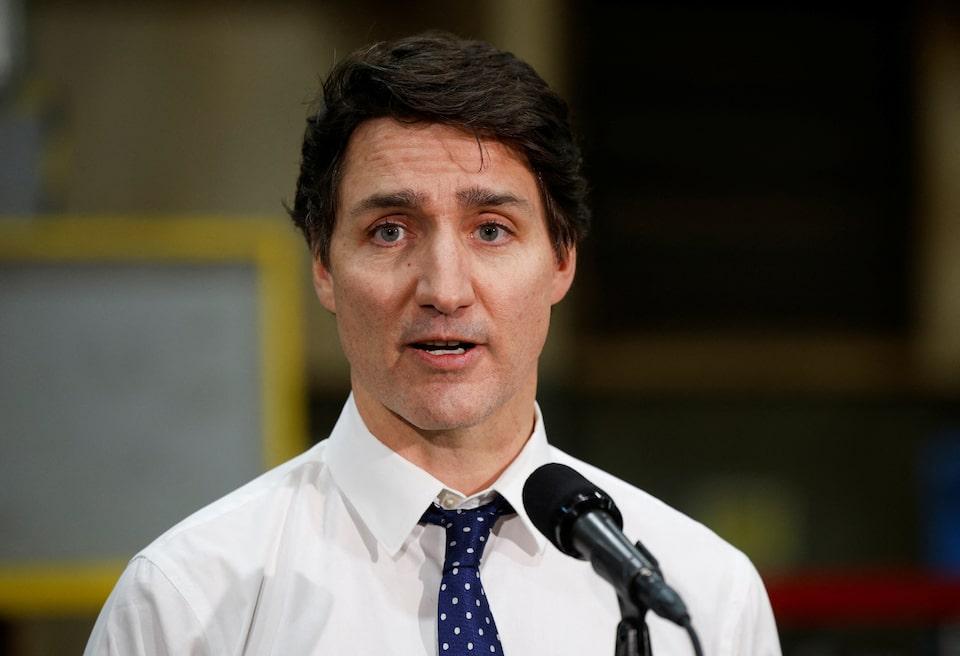
OTTAWA, Jan 31 (Reuters) - Canada will respond immediately and forcefully if the United States goes ahead with a threat to impose tariffs, Prime Minister Justin Trudeau said on Friday, warning Canadians that they could be facing tough times. President Donald Trump has set a Saturday deadline to slap a 25% tariff on imports from Canada and Mexico. He says he wants stronger action to halt the flow of illegal immigrants and the deadly opioid fentanyl into the United States. Trudeau, speaking to an advisory council on Canada-U.S. relations, said the country was at a critical moment. "We're ready with a response - a purposeful, forceful but reasonable, immediate response. It's not what we want, but if he moves forward, we will also act," he said in televised remarks, adding that all options were on the table. Canada sends 75% of all its goods and services exports to the United States and the economy would be badly hit by Trump's promised tariffs. "I won't sugarcoat it - our nation could be facing difficult times in the coming days and weeks," Trudeau said. "I know Canadians might be anxious and worried, but I want them to know the federal government, and indeed, all orders of government, have their backs," Trudeau said. Sign up here. https://www.reuters.com/world/americas/trudeau-says-canada-would-respond-immediately-any-us-tariffs-2025-01-31/
2025-01-31 19:30
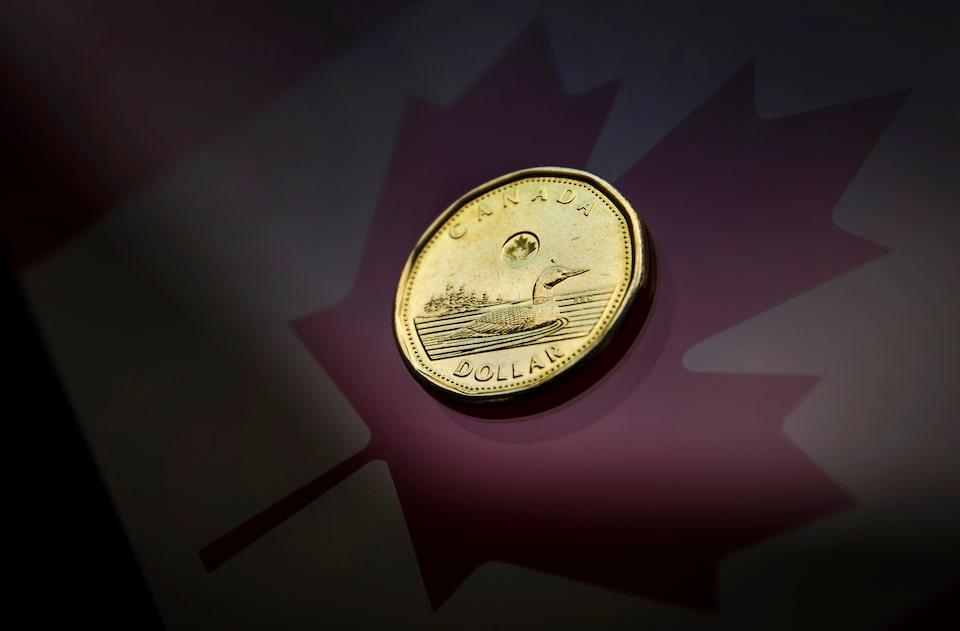
Canadian dollar falls 0.2% against greenback Trades in a range of 1.4374 to 1.4558 10-year yield hits a 7-week low at 3.062% Jan 31 (Reuters) - The Canadian dollar added to its monthly decline against its U.S. counterpart on Friday in volatile trading as investors braced for the expected start of U.S. tariffs on Canadian goods, including on oil which some expected to gain an exemption. The loonie ended 0.2% lower at 1.4524 per U.S. dollar, or 68.85 U.S. cents, after moving in a range of 1.4374 to 1.4558. For the month, the currency was down 1%, its fifth straight month of declines. That is the longest monthly losing streak since 2016. On Thursday, it touched its weakest level in nearly five years at 1.4592. "How much mileage does it (USD-CAD) have on the upside is the obvious question that comes into play," said Amo Sahota, director at Klarity FX in San Francisco. "Tech analysts are pointing to the highs from 2020 and 2016, which come in just shy of 1.47. Other people are targeting that it is going to skip through that with some ease and we'll be facing 1.50." U.S. President Donald Trump said he expects his administration to impose tariffs related to oil and gas around Feb. 18 and it could lower levies on some Canadian crude to 10%. Equity markets did not like the inclusion of oil, Sahota said. Canada's main stock index closed 1.1% lower, with energy shares pacing a broad-based decline. Earlier in the day, the White House said Trump will implement tariffs of 25% on Canadian and Mexican imports on Saturday and 10% tariffs on Chinese goods with immediate effect. The Bank of Canada on Wednesday said that most of the loonie's decline in recent months was due to rising uncertainty around trade policies as it cut its benchmark interest rate by 25 basis points to 3% to support the economy. The Canadian 10-year yield was down 3 basis points at 3.092%, after earlier touching its lowest level since Dec. 11 at 3.062%. Sign up here. https://www.reuters.com/markets/currencies/canadian-dollar-dips-volatile-trading-tariff-implementation-uncertainty-2025-01-31/
2025-01-31 19:28
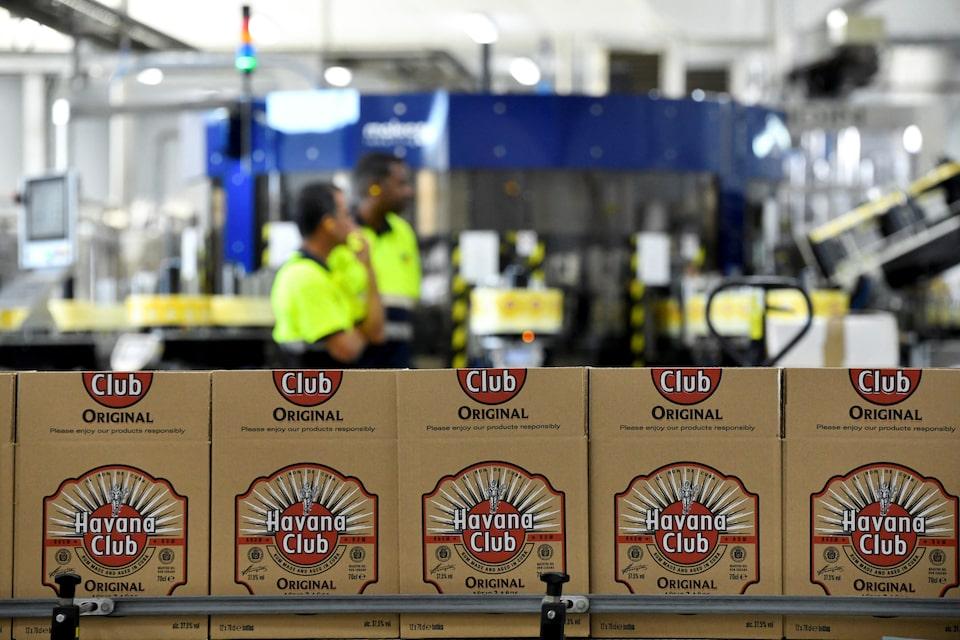
SAN JOSE DE LAS LAJAS, Cuba, Jan 31 (Reuters) - Havana Club will keep churning out its famously smooth rum even as Cuba's sugar cane harvests plummet to historic lows and tensions ratchet up between Washington and Havana, the company's top executive said this week. Havana Club International - a joint venture between state-owned Cuba Ron and France's Pernod Ricard (PERP.PA) , opens new tab - says it exports rum to 125 countries. However, a U.S. Cold War-era trade embargo and related sanctions have long prohibited the import and sale of Cuban rum in the United States. Those sanctions - hardened in his first term by recently inaugurated U.S. President Donald Trump - also contribute to a crippling economic crisis and falling cane harvests on the Caribbean island. "I think it is indeed a difficult environment although it is not really new," Christian Barre, CEO of Havana Club International, told Reuters in an interview. "We have (contingencies) in place to operate, whether with this U.S. president or with another." Revenues from Havana Club - whose top export markets include Germany, France, Spain and Italy - are a key source of foreign currency for the communist-run government. Havana Club officials have said sugar cane production for its trademark rum is guaranteed despite a string of record-breaking low harvests on the island. Sugar was long "king" in Cuba as a hundred mills churned out raw sugar for domestic consumption and export. But fuel, fertilizer, machinery and labor shortages that have plagued Cuba's broader farm sector have hit the sugar industry especially hard, with year after year of record-breaking low output. Barre said the company continues to work closely with the state sugar company, AZCUBA, to assure future supply. "We are the rum of Cuba," Barre said. "There can be no export strategy, no development without having a (firm) base in Cuba." From July 2023 to June 2024, the rum maker's sales grew 8%, the chief executive said. Havana Club, which has its largest rum factory in San Jose de las Lajas outside Havana, has set its sights on increasing sales in China, which Barre described as "the market of the future." Sign up here. https://www.reuters.com/business/retail-consumer/havana-club-keep-rum-flowing-even-cuba-us-tensions-grow-2025-01-31/