2026-02-12 11:26
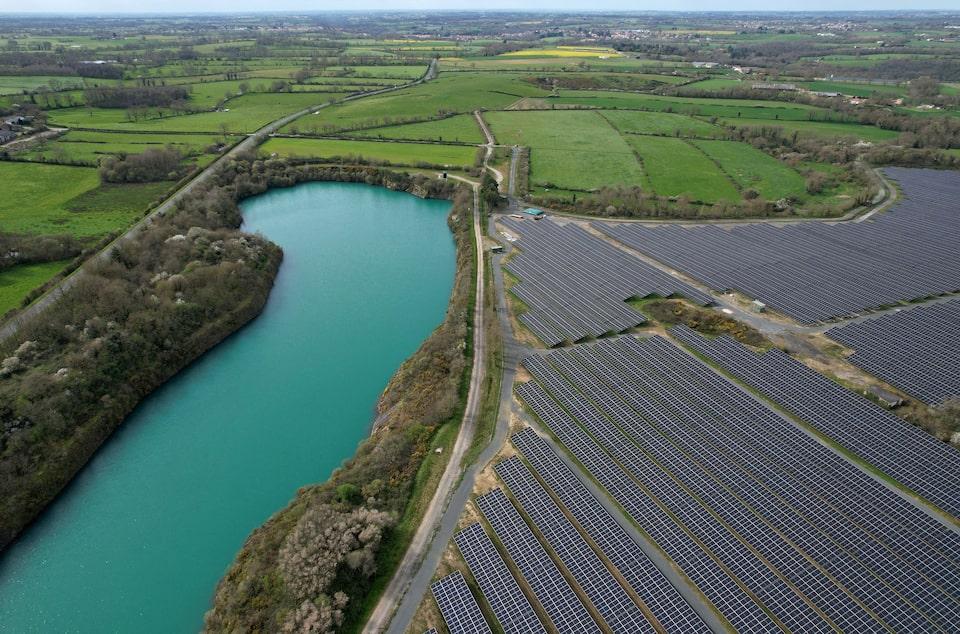
PARIS, Feb 12 (Reuters) - France trimmed its planned installation of total wind and solar capacity up to 2035 by as much as a fifth, under a new 10-year energy planning law (PPE) announced by the finance minister on Thursday, as electricity demand growth was set to slow. The law also reverses a previous legal mandate to shut down 14 nuclear reactors. Sign up here. "We need to stop our internal family squabbling. We need both nuclear and renewables," Roland Lescure told reporters. The PPE, which forecasts power demand and governs wind and solar tenders for the sector, is three years late. It was published by decree, due to a divide between lawmakers that has pitted support for renewable subsidies against President Emmanuel Macron's plans to finance at least six new nuclear reactors. Previous drafts had planned for 133 to 163 gigawatts of total wind and solar capacity, which has been revised down to 105 to 135 GW of installed capacity by 2035, representing a 17% to 21% cut. France will aim to have 15 GW of installed offshore wind capacity in 2035, down from 18 GW the government had submitted for consultation in 2024. The target for total installed onshore wind capacity by 2035 will be 35 to 40 GW, down from the 45 GW previously communicated. Solar capacity will be between 55 and 80 GW by 2035, the report added, compared to a previous forecast of 75 to 100 GW. https://www.reuters.com/business/energy/france-trims-wind-solar-targets-by-up-20-new-energy-law-2026-02-12/
2026-02-12 11:16
BENGALURU, Feb 12 (Reuters) - The European Central Bank will keep its deposit rate at 2.00% at least through the end of this year, a Reuters poll showed, extending its longest spell of steady borrowing costs since the negative-rate era despite heightened geopolitical risks. Inflation fell to a 16-month low of 1.7% in January, prompting some policymakers to warn price growth could slow too much and that the ECB must be ready to act. Even so, the economy has remained resilient. Sign up here. Economists in the February 9-12 poll broadly kept their long-held expectations of steady rates, near-target inflation and stable growth. The ECB, which left rates unchanged for a fifth straight meeting last week, is expected to stay on hold until at least 2027, according to 66 of 74 forecasters, an outlook unchanged since October. If realised, that would mark the longest run of unchanged rates since the pandemic, when the near-decade stretch of negative rates was in its final stages. Record inflation later forced the ECB to lift rates quickly. "The ECB is now in a sort of textbook perfect situation for a central bank .... It's also very clear over the next six months, the ECB is either staying at 2% or cutting," said Claus Vistesen, chief euro zone economist at Pantheon Macroeconomics. The euro zone economy, which expanded 0.3% in the final quarter of 2025, is expected to grow at a similar pace through 2026, with a slight pickup later in the year. It is forecast to grow 1.2% this year and 1.4% in 2027 after last year's 1.5% rise, an outlook steady since August and partly supported by optimism around infrastructure spending. Inflation, which the ECB targets at 2%, is expected to average 1.7% this quarter, rise to 1.9% next quarter, and hover around that level through 2026, the survey showed. It is forecast to average 1.8% this year and 2.0% next, views broadly unchanged since March last year. "Our baseline assumes the domestic resilience will dominate the external vulnerabilities and the ECB will be able to stay on hold. But it's fair to say that uncertainty around the path of monetary policy is high," Deutsche Bank economists said. Some say a stronger euro could add disinflationary pressure. But in trade-weighted terms, which the ECB watches more carefully, the currency is not flashing warning signs. After falling around 1.6% from its recent peak above $1.20, the euro is expected to regain those losses over the coming year, a separate Reuters poll found. (Other stories from the Reuters global economic poll) https://www.reuters.com/business/ecb-extend-its-longest-interest-rate-pause-since-below-zero-days-2026-02-12/
2026-02-12 11:13
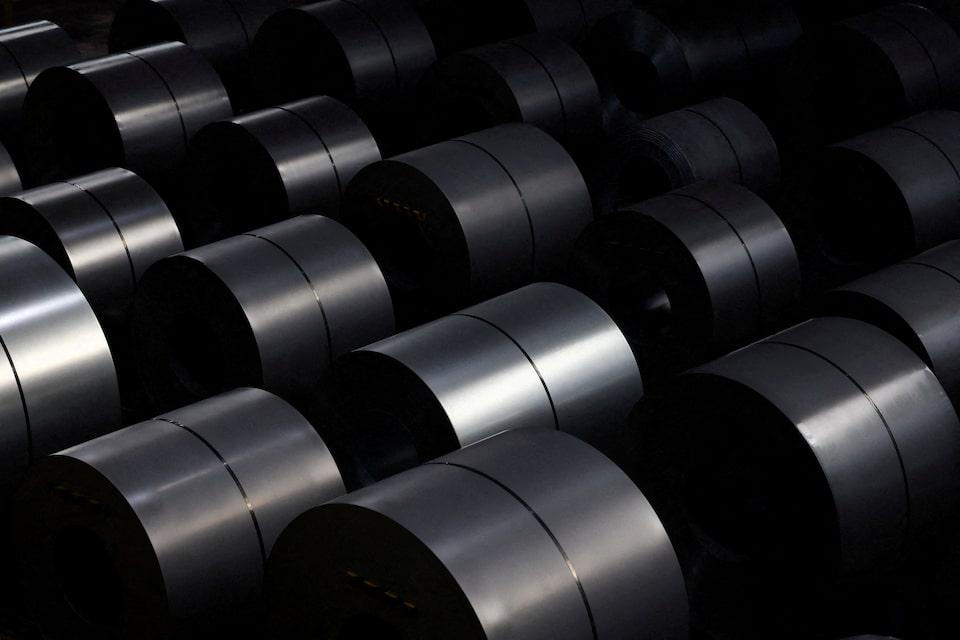
FRANKFURT, Feb 12 (Reuters) - Stricter upcoming quotas and tariffs on steel imports into Europe have boosted sentiment on beaten steel stocks, the CEO of Thyssenkrupp said, adding this was also reflected in current talks to sell the firm's steel division to India's Jindal Steel. "There is a clear positive sentiment here," Miguel Lopez, who currently seeks to sell a majority in Thyssenkrupp Steel Europe to Jindal Steel International, told analysts after presenting first-quarter results on Thursday. Sign up here. He said the improved situation, which he said had materialised over the past four months, would be part of the "conversations with our colleagues from Jindal, no doubt about that". https://www.reuters.com/business/steel-sentiment-boost-reflected-ma-talks-with-jindal-thyssenkrupp-ceo-says-2026-02-12/
2026-02-12 11:10
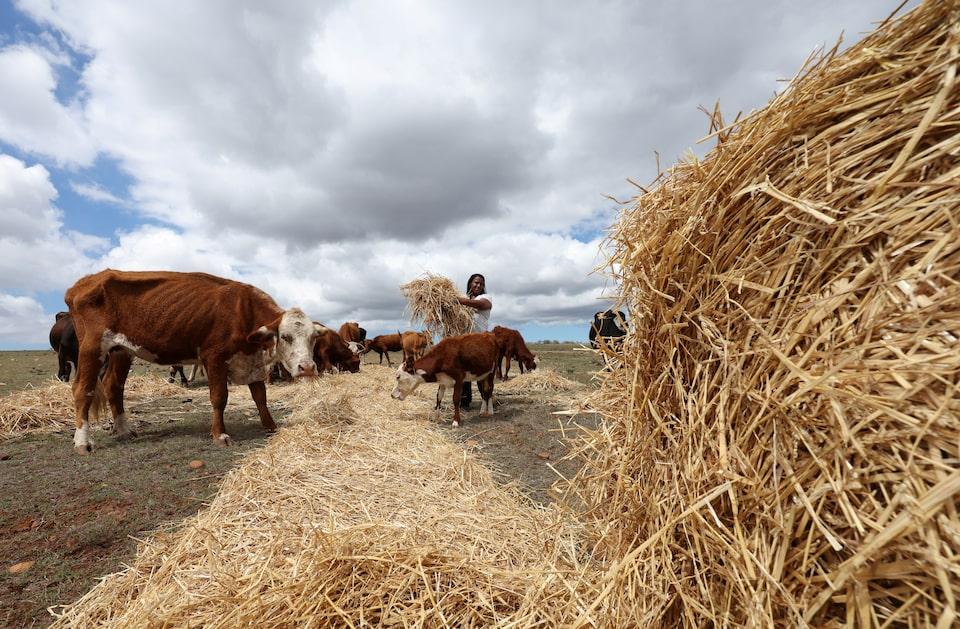
Drought in country's south follows flooding in north Scientists say intensity of both is increasing Farmers try to adapt but lose livestock KNYSNA, South Africa, Feb 11 (Reuters) - In South Africa's most visited and affluent province, Western Cape, one of the worst droughts in living memory is drying up dams, scorching grass and killing livestock, prompting the government to declare a national emergency this month. Scientists say climate change is causing worsening droughts in the province, which draws tourists to its vineyards, beaches and the lush slopes of Table Mountain above Cape Town, but lies on the edge of the advancing semi-desert Karoo. In 2015, a drought almost dried up the taps in the city; farmers say this one has been even more brutal than a decade ago. Sign up here. Over the weekend, mixed-race couple Christian and Ilze Pienaar were distributing feed to keep their hungry cattle alive. One cow had recently starved to death, its bones visible through its skin. "The drought before wasn't this bad because there was still ... grazing," Ilze, 40, told Reuters. "Now there's nothing, the dams are dry ... (and) we're spending all our money on feed." She said she'd lost 16 cattle and 13 sheep since January alone. The drought, which has also ravaged parts of Eastern Cape and Northern Cape, comes weeks after floods blamed on climate change and cyclical La Niña weather washed out the northeastern part of South Africa and killed 200 people across the region. "The intensity and duration of both droughts and floods in this corner of the world is increasing," Anton Cartwright, an economist with the African Centre for Cities, said. "Farmers (here) are very good at adapting to weather (but) ... the weather is just becoming much less predictable," he said. "Seasons aren't occurring, starting, ending at the same time of the year. It's probably going to get worse." https://www.reuters.com/sustainability/cop/south-africas-affluent-western-cape-farmers-lose-cattle-drought-2026-02-12/
2026-02-12 10:53
LONDON, Feb 12 (Reuters) - The pound edged up against the dollar on Thursday even as data showed that the UK economy barely expanded in the last quarter of 2025 and markets took stock of Britain's simmering political crisis. Sterling was last 0.1% higher against the dollar at $1.3639, with the greenback slightly weaker across the board. Sign up here. The euro was steady against the pound at 87.08 pence, below the three-week high struck on Monday, when British Prime Minister Keir Starmer's position seemed to be on shaky ground. Some tensions about Starmer's future appear to have eased, with the prime minister on Tuesday pledging never to walk away from his job. Nevertheless, political strife has not created a positive backdrop for the pound, Nick Rees, head of macro research at Monex, said, adding that the story would likely continue to play out in the coming days. "If we get the repeated stories about Keir Starmer's judgments that resurrects the commentary and the speculation about him potentially being replaced, ... that's still negative," Rees said, adding that the latest UK economic data added to the prime minister's difficulties. Figures published on Thursday showed that Britain's economy eked out 0.1% growth in the last quarter of 2025, the same pace as in the previous three months and below expectations. Sterling was little changed after the data. Rees noted the figures were relatively old, and often volatile. "So from our perspective, we don't think there's much signal to be taken from this as far as projecting forwards and how the UK economy is going to do in the early part of 2026. But the headlines that we expect to see today are 'the UK economy has grown less than expected,' and that's just another piece of bad news to the Prime Minister," he said. https://www.reuters.com/world/uk/sterling-nudges-higher-economic-data-political-tensions-dominate-2026-02-12/
2026-02-12 09:25
HONG KONG, Feb 12 (Reuters) - World Liberty Financial, a crypto venture backed by the family of U.S. President Donald Trump, said on Thursday it plans to roll out a new foreign exchange and remittance platform, offering simplified services with lower fees. The firm will launch the platform, World Swap, soon, Zak Folkman, co-founder of World Liberty told the audience of the Web 3 event Consensus in Hong Kong. Sign up here. "There's over $7 trillion of money moving around the world from currency to currency, and all of this has been taxed very heavily by the incumbent players," he said. The crypto firm said it wants to connect users directly to debit cards and bank accounts around the world and settle foreign exchange remittances at what it says will be "a fraction of" the fees charged by competitors. World Liberty Markets - World Liberty's lending platform, which launched four weeks ago as part of a push for greater usage of its USD1 stablecoin - has recorded $320 million in lending and more than $200 million borrowed, Folkman said. World Liberty fuelled a sharp increase in income for the Trump family business, known as the Trump Organization, including from foreign entities, in the first half of last year, Reuters reported in October. The growth of the Trump family's crypto initiatives as Trump oversees U.S. crypto policy constitutes a conflict of interest, government ethics experts have said. The White House has denied that any such conflicts exist. https://www.reuters.com/business/finance/trump-linked-world-liberty-financial-launch-forex-remittance-platform-2026-02-12/