2025-01-29 06:15
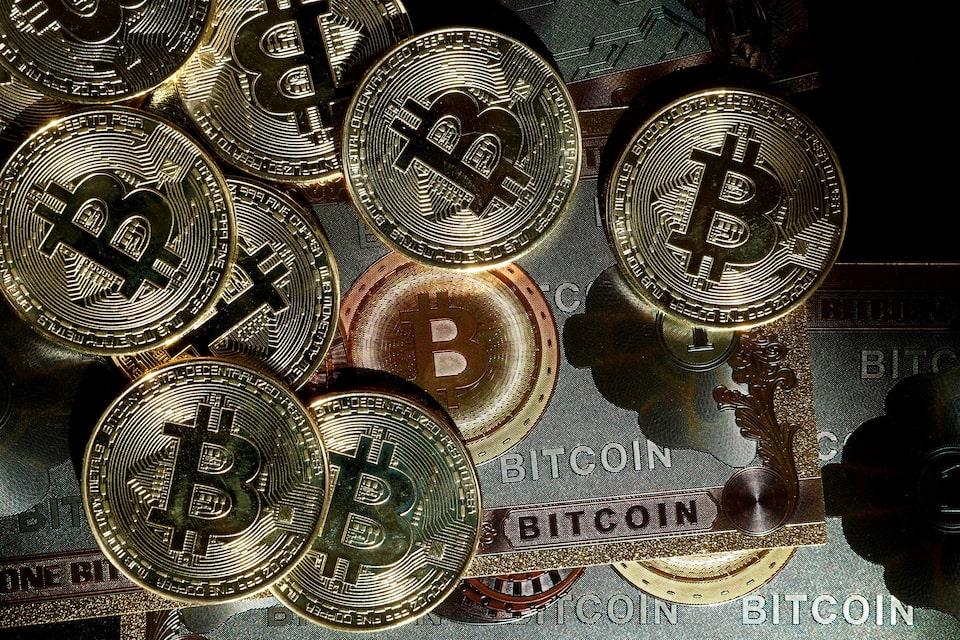
Jan 29 (Reuters) - The Czech National Bank will consider holding billions of dollars worth of bitcoin in its reserves, Governor Ales Michl said on Wednesday, potentially the first shift into the cryptocurrency by a western central bank if it went ahead. Michl said the idea was still under analysis and no immediate decision was forthcoming. Central banks traditionally park reserves in more conservative assets and some have warned about the risks of using cryptocurrencies in public coffers. Since taking the helm of the Czech central bank in 2022, Michl has led a drive to diversify the bank's hefty reserves through the gradual gold purchases and shifting a bigger share of the portfolio into equities to create sustained profits. He plans to present the consideration of including bitcoin to the bank's seven-strong board on Thursday, he told the Financial Times in an interview published on Wednesday. If approved, the bank could eventually hold as much as 5% of its 140 billion euro ($146 billion) reserves in bitcoin, he said. In a later post on X, Michl added more analysis and discussion was still needed before any decision. "No decision is imminent," he said. "Bitcoin has significant volatility, which makes it harder to take advantage of its current low correlation with other assets. "That's why I will ask our team on Thursday to further assess Bitcoin’s potential role in our reserves. Nothing more, nothing less." Separately Michl told the FT it was "very likely" the bank would cut interest rates by 25 basis points next week, resuming an easing drive paused in December. In the FT story, former investment fund manager Michl said investment in bitcoin could prove to be worthless or it could have an "absolutely fantastic value". He said bitcoin would trend higher even without the backing of U.S. President Donald Trump since it is an alternative investment for many people. Bitcoin hit a record high earlier this month when Trump, who has pledged to be a "crypto president", was sworn in. Trump last week ordered the creation of a cryptocurrency working group to draft new regulations and explore the possibility of creating a national crypto stockpile. Bitcoin has more than doubled in value in 2024. Michl, too, highlighted wider investor interest in bitcoin since BlackRock and other firms last year launched bitcoin exchange traded funds, according to the FT. Swiss cryptocurrency advocates recently launched an initiative to make the Swiss National Bank hold bitcoin and gold in its reserves. The SNB has expressed skepticism about holding bitcoin as a reserve. European Central Bank policymakers, too, have been adamant they don't see bitcoin as a possible reserve asset and occasionally compare it to tulip bulbs during a 17th-century trading mania in the Netherlands. In an opinion piece published this month, two ECB advisers said Bitcoin was too opaque, risky and concentrated for the public coffers and that it was a "speculative bubble that will burst". South Africa’s central bank governor also criticized the idea of a bitcoin stockpile on a Davos panel last week, saying that crypto industry lobbyists should not influence which assets governments hold. ($1 = 0.9580 euros) Sign up here. https://www.reuters.com/technology/czech-central-bank-governor-present-plan-hold-reserves-bitcoin-ft-reports-2025-01-29/
2025-01-29 06:11
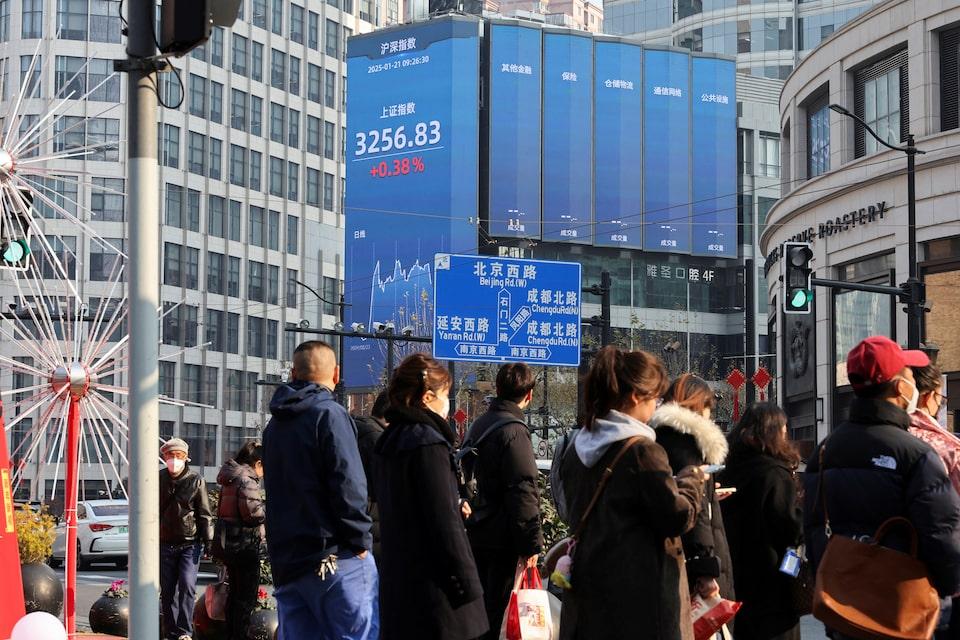
Global funds opt for smaller, nimbler China investments Once-reliable growth outlook turns cloudy No clear consensus for trading China in 2025 SINGAPORE, Jan 29 (Reuters) - Global investors who have historically bet on China's economic development are ditching grand narratives of long-term prosperity and instead adopting more modest views that see the market as an opportunity for smaller bets with quicker payoffs. Frustration over Beijing's efforts to shore up faltering growth and fading investor conviction over where the economy is headed have kept stocks moving sideways, despite some initial excitement over promises of stimulus last year. The lack of investor consensus and increasing policy uncertainty have fundamentally changed the way analysts and money managers see China's domestic markets and have tightened their investment horizons. "People basically take China as a trading market," said Goldman Sachs' China equity strategist Kinger Lau. "If they see the catalyst, they will come in, but after a short period of time, they will sell and take profits." Lau is positive but says clients want to "wait and see," and it's hard to engage them on China until there's clarity on both President Donald Trump's plans on China and Beijing's response. Last September, the benchmark Chinese stock index (.CSI300) , opens new tab surged 40% in two weeks after the Communist leadership and regulators signalled stimulus was in the offing. The yuan jumped and a long rally in the bond market, driven by risk aversion and economic gloom, was stopped in its tracks. But Beijing's eventual measures - headlined so far by plans to restructure local government debts, among other more modest initiatives, and for the central government to borrow more - lacked detail and urgency, underwhelming markets. By October, hedge funds that enjoyed the market surge had mostly gotten out, according to Goldman Sachs. A Bank of America survey of fund managers shows only 10% of investors expect a stronger Chinese economy in a year's time, down from 61% in October and almost a quarter say they are underweight on China. The bond rally has resumed in earnest and the yuan, though lately enjoying a fillip from a dip in the dollar, is not far from post financial-crisis lows. Half the gains in the CSI300 index have vanished and four years into a bear market the index trades where it did a decade ago. It is down 3% through January and overall, those who have waited patiently since China's post-pandemic reopening two years ago have lost 7% in Chinese stocks. FRAUGHT OUTLOOK Making things harder for the traditional long-term investor is an increasingly volatile macro outlook. While Trump has started his term with a softer-than-expected stance on China, most expect a tariff hit is on the way. Meanwhile, a detailed Chinese stimulus plan remains elusive. HSBC's head of Asia research, Joey Chew, said domestic issues and external risks mean the outlook for the currency is "very tricky." "Domestically, I think what would help is if we get more clear signs of fiscal stimulus and that could kind of spur growth, because we've been seeing capital outflows again," Chew said. Amid the numerous competing pressures, Chinese policymakers face a difficult task anchoring market expectations. The central bank, for example, must balance interest rates, keeping them low enough to encourage growth but not so low as to drag the currency to ever deeper multi-month troughs. Earlier this month, People's Bank of China Governor Pan Gongsheng said rates and bank reserve rules would be adjusted to supply liquidity, in what markets saw as a hint that the bank would cut rates. Yet, the PBOC also acted to temper markets' enthusiasm about looser policy and a weaker currency: it suspended its own bond buying programme, lifting yields, and announced a plan to own more reserves in Hong Kong. "Beijing wants a stable exchange rate, lower interest rates, no capital outflows, and an economic recovery," said Arthur Budaghyan, chief emerging markets and China strategist at BCA Research. "It will be impossible to achieve all of these simultaneously." To be sure, some investors say Chinese markets are still relatively cheap - with a forward price-to-earnings ratio around 11 for the Shanghai Composite compared with 22 for the S&P 500 and that opportunities abound for stock picking. "It's not for everyone," said Ken Peng, head of Asia Pacific investment strategy at Citi Wealth. "But I do think that China is going to be a very rich source of alpha for this year," he said, noting domestic tourism and some areas of online education as apparent bright spots. Others see unpredictability as reason to avoid stock picking. "Things can change quickly," said Karsten Junius, chief economist at Switzerland's Bank J. Safra Sarasin, which has a neutral position on Chinese equities. "What we recommend is not trying to pick the winner. We cannot in advance, identify sectors that might either be favoured by the Chinese authorities or fall out of favour." More broadly, however, the market's inertia is holding buyers back. Even an announcement last week that mutual funds and big insurers would be directed to increase stock buying, something Citi analysts anticipate could drive at least an extra 820 billion yuan in annual inflows, didn't drive much of a boost. The Shanghai Composite rose just 0.5% after the announcement. "To me, it (China) is something people trade versus invest in," said Rob Almeida, global investment strategist at MFS International, pointing to problems from real estate to demographics. "We do have some assets there - a couple of video game companies, a couple of consumer staple companies, but it's very, very selective." Sign up here. https://www.reuters.com/markets/growth-engine-or-casino-global-investors-rethink-china-playbook-2025-01-29/
2025-01-29 06:05
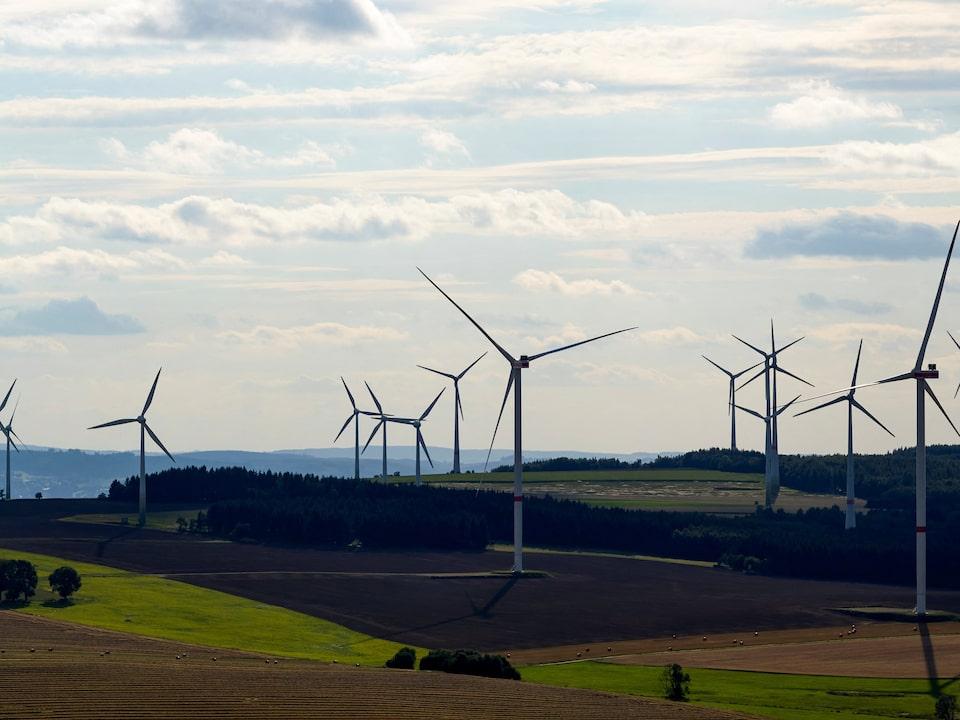
LITTLETON, Colorado, Jan 29 (Reuters) - Wind power generation in Germany - Europe's largest wind producer - is on track to record its longest stretch of below-normal production since early 2021 due to a spell of low wind speeds since October. Wind power is Germany's primary source of electricity, and wind output historically peaks over the winter months when wind speeds at turbine level tend to hit their highest for the year. However, the current four-month long period of sub-par output has forced German power firms to sustain high levels of output from fossil fuel power plants to balance system needs, and to boost power imports from neighbouring nations. In turn, higher German power imports have contributed to a rise in regional power prices across Europe, which have started 2025 at their highest in nearly two years and roughly 70% above their average from 2020 through 2021, according to LSEG. If Germany's wind farms continue to generate at below capacity, German power firms may be forced to further increase fossil-fired power output and imports, and trigger a further tightening in Europe's power markets as 2025 unfolds. WIND WOES German wind electricity output contracted by 3% in 2024 from 2023's levels to around 131 terawatt hours (TWh), according to data from Ember. That was only the second year-over-year contraction in wind production since 2015, and came despite an increase in German installed wind generation capacity in 2024. The shortfall in wind production versus 2023 came mainly during the final quarter of 2024, when cumulative wind electricity output dropped by 22% from the same months of 2023 due to sharply below-normal wind speeds across wind farm areas. Those lackluster output levels have extended into 2025, with wind power generation over the first 28 days of January amounting to around 590,000 megawatt hours, according to LSEG, and 16% less than the same dates in 2024. To compensate for that dip in wind output, German power producers have increased output from fossil fuel-fired plants. Cumulative production from lignite, hard coal and natural gas plants was around 587,000 megawatt hours over the first 28 days of 2025, which is up 4.5% from the same period in 2024. In addition, Germany power firms have increased overall power imports and reduced power exports so far in 2025 from January 2024, according to industry portal energy-charts.info. PRICE IMPACT Reduced natural gas supplies from Russia since late 2024, as well as increased jitters among power suppliers about potential gas scarcity in 2025, have helped stir up bullish power price sentiment across Europe so far this year. So far in January 2025, German spot wholesale base power prices have averaged around 113 euros per megawatt hour (MWh), which is up 47% from January 2024, according to LSEG. Because of the scale of Germany's power needs - the largest in Europe - other regional power prices have trended higher in tow, with the average price across 21 countries tracked by LSEG also holding around 113 Euros/MWh. Power prices in Italy and The Netherlands have also climbed by over 40% from a year ago, while power prices in France - the region's largest net power exporter - are up by 33%. FORWARD GUIDANCE Wind power generation in Germany has peaked during the first quarter in four of the past six years, and has otherwise peaked during the final quarter of the year, Ember data shows. In all years, wind generation tends to contract to annual lows during spring and summer, when wind speeds are lowest. For German power suppliers, that means Germany's wind farms still have the potential to lift output from current levels this winter, and could allow for a rise in overall power output as well as potential cuts to fossil fuel use. However, the latest wind generation forecasts through mid-February continue to call for below-normal wind output levels, according to LSEG. That suggests that Germany's overall clean power output may remain constrained this year despite steady additions to renewable generation capacity. If that's the case, then additional use of fossil fuels in power generation can be expected, which will raise power emissions, as well as further power imports that will continue to tighten regional power balances and prop up prices. The opinions expressed here are those of the author, a market analyst for Reuters. Sign up here. https://www.reuters.com/business/energy/germanys-weak-winds-stoke-europe-wide-power-market-worries-maguire-2025-01-29/
2025-01-29 05:58
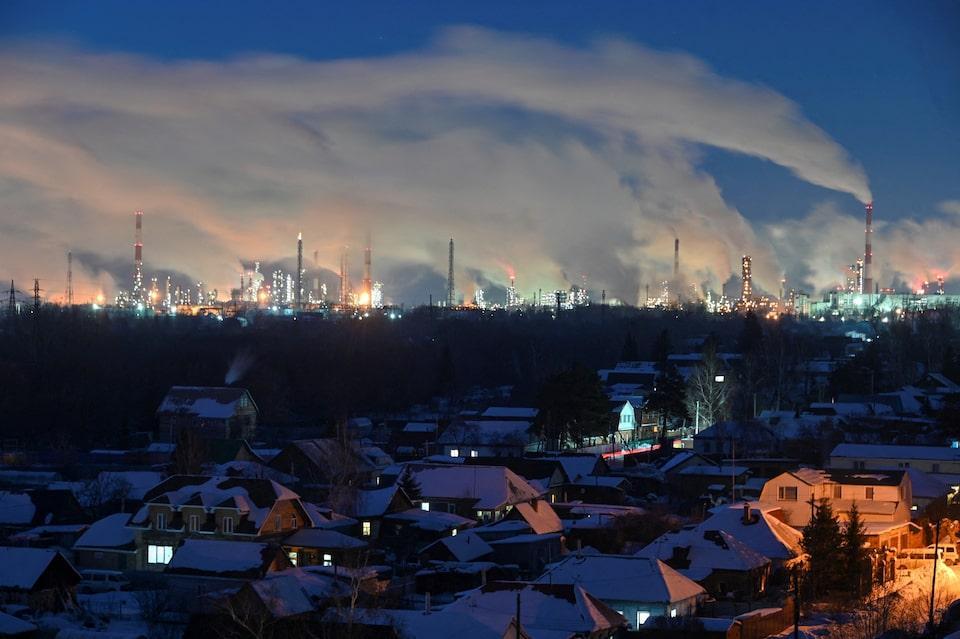
LAUNCESTON, Australia, Jan 29 (Reuters) - The crude oil market is adapting quickly to the new sanctions against Russia's shadow fleet of tankers, albeit by creating both short- and medium-term winners and losers. The short-term winners are the oil exporters of the Middle East, who have seen demand for their crude rise as refiners in India and China seek alternatives to Russian cargoes. Tanker owners are also benefiting from higher rates for vessels that aren't part of sanctions imposed by the United States and other Western countries on Russia's crude exports. On the other side of the ledger, Indian and Chinese refiners are the losers, with their costs rising as they replace Russian crude with more expensive alternatives. The cash price of Middle East benchmark Dubai crude ended at $81.25 a barrel on Tuesday, a premium of $3.63 to Brent futures . Dubai usually trades at a discount to Brent, but has been at a premium of more than $3 a barrel since the outgoing administration of former U.S. President Joe Biden announced tough new measures against Russia, including sanctions on tankers operating as part of Moscow's so-called shadow fleet. Indian refiners are reported to be struggling to source Russian cargoes for March delivery, with Anuj Jain, the head of finance for top refiner Indian Oil, saying during an earnings call on Tuesday that the company expects lower arrivals from Russia. India is the biggest buyer of Russian crude, taking 1.71 million barrels per day (bpd) in 2024, or nearly 40% of its total imports, according to LSEG Oil Research data. China is the second-biggest buyer of Russian crude, taking 1.09 million bpd from the seaborne market and up to 1 million bpd from pipelines in 2024, according to LSEG. India takes mainly Russia's Urals grade, which is exported from ports in Europe, while China buys predominantly ESPO crude, which is shipped from Russia's far east. It's likely that India faces more difficulties in continuing the trade with Russia, given tankers loading at Russia's European ports have to pass through the waters controlled by countries imposing sanctions. The shorter sea voyage from Russia's far east to China will make it easier for China to continue buying ESPO crude, although vessel availability will be the major short-term challenge. The short-term impact of the new sanctions on Russia's crude exports are so far clear, a lift in the prices of Middle East crudes relative to other grades, and a squeeze on tanker rates and availability. IMPORT RISKS The longer-term implications are less clear. Firstly, it's likely that Russia's oil traders will once again find ways to work around the sanctions and keep crude flowing, even if they have to cut prices and trim margins in order to do so. But the biggest impact may be that both China and India pare back crude imports in coming months. China, the world's biggest oil importer, has a track record of easing back on imports if refiners deem that prices have risen too high, or too quickly. They can do this given ample stockpiles, and the current soft state of fuel consumption amid tepid economic growth. China's independent refiners may also choose to idle plants if their access to cheaper crude from Russia is limited. Many of these refiners are also facing higher costs of using alternatives, such as fuel oil, after Beijing cut rebates on consumption tax paid for feedstock imports. The situation is more complex for India's refiners, given their smaller inventories, but they may be tempted to cut processing rates if they can't source enough crude at competitive prices. Refining margins are under pressure from the recent surge in oil prices, which hasn't fully been reflected in product prices given the soft state of demand for fuels such as gasoline and diesel in many Asian countries. The refining margin for processing a barrel of Dubai crude at a typical Singapore refinery ended at $1.53 a barrel on Tuesday, up from the recent low of a loss of 3 cents on Jan. 21, but still well below the moving 365-day average of $4.46. The views expressed here are those of the author, a columnist for Reuters. Sign up here. https://www.reuters.com/business/energy/russia-oil-sanctions-create-different-winners-different-times-russell-2025-01-29/
2025-01-29 05:52
US futures settle at lowest so far this year US crude oil inventories rose last week, EIA says US still plans to impose tariffs on Canada, Mexico Saudi and other OPEC+ ministers meet next week Jan 29 (Reuters) - Oil prices fell on Wednesday, with the U.S. benchmark settling at its lowest year to date, after domestic crude stockpiles in the world's top petroleum producer and consumer rose more than expected last week. Brent crude futures settled down 91 cents, or 1.2%, at $76.58 a barrel. U.S. crude futures fell $1.15, or 1.6%, to $72.62, their lowest settlement price so far this year. Crude oil stockpiles in the U.S. rose by 3.46 million barrels last week as refiner intake slumped for a third consecutive week, data from the Energy Information Administration showed. Analysts polled by Reuters had expected a 3.19-million-barrel increase. The White House on Tuesday reaffirmed President Donald Trump's plan to impose 25% tariffs on imports from Canada and Mexico from Feb. 1. Near-term oil trade should remain choppy as investors digest the tariff threats, sanctions on Russian energy flows, and economic growth concerns in top consuming nations, UBS analyst Giovanni Staunovo wrote to clients on Wednesday. "Considering the many prevailing uncertainties, we think a prudent approach is still warranted," Staunovo wrote. "While we expect prices to stay supported at current levels, news flow related to Trump is likely to drive volatility in the near term." The U.S. Federal Reserve held interest rates steady on Wednesday. The Fed gave little insight on when it plans to lower borrowing costs, which could boost economic activity and oil demand. Traders are also looking ahead to an OPEC+ ministerial meeting scheduled for Feb. 3, with the group's plan to increase supply from April in focus. Trump last week called on OPEC+ to lower oil prices. The group has yet to respond, but delegates said policy changes are unlikely at the February meeting. Supply concerns have eased after Libya's National Oil Corp said on Tuesday that export activity was running normally after it held talks with protesters who had demanded a halt to loadings at one of the country's main oil ports. "Libyan supplies will remain a risk as the country remains engaged in a civil war, but for now, the risk has been mitigated temporarily," StoneX analyst Alex Hodes said. Sign up here. https://www.reuters.com/markets/commodities/oil-prices-steady-investors-weigh-impact-trump-tariffs-2025-01-29/
2025-01-29 05:37
The Federal Reserve held interest rates steady on Wednesday Powell says Fed watching new Trump policies Jan 29 (Reuters) - Gold prices slipped on Wednesday as the dollar and bond yields rose after the U.S. Federal Reserve held interest rates steady, as widely expected, providing little clarity on the timing of future rate cuts. Spot gold fell 0.4% to $2,753.86 per ounce by 02:56 p.m. ET (1956 GMT), while U.S. gold futures settled 0.1% higher at $2,779.80, widening the premium over spot gold rates. The dollar gained 0.3%, making gold expensive for other currency holders, while yield on the 10-year U.S. Treasury notes rose, making non-yielding gold less attractive. "Asset markets are leaking a little bit after the statement leaned a little more hawkish than expected with gold marginally lower," said Tai Wong, an independent metals trader. The Fed held interest rates steady and gave little insight into when further reductions in borrowing costs may take place in an economy where inflation remains above target, growth continues, and the unemployment rate is low. The decision to hold the policy rate steady was widely anticipated following three consecutive rate cuts in 2024 that reduced the Fed's benchmark rate by a full percentage point. "There's probably some level of asserting Fed independence in light of President Trump's demand for lower interest rates," said Peter Grant, vice president and senior metals strategist at Zaner Metals. "But I think that the policy path remains largely unchanged. So in that sense, rate cuts on hold probably through mid-year." After the release of the statement, short-term interest rate futures showed that investors expect the central bank to hold off on cutting rates again until June. Fed Chair Jerome Powell said it is too soon to say what President Donald Trump's policies will do and the central bank will take its time assessing what the new government policy regime means. Gold prices neared all-time highs last week after Trump called for lower interest rates. Bullion tends to thrive in a low-interest-rate environment as it yields no interest. Elsewhere, spot silver gained 1.2% to $30.76 per ounce, platinum also added 0.5% to $946.35. Palladium was up 0.8% to $962.75. Sign up here. https://www.reuters.com/markets/commodities/gold-holds-steady-investors-eye-fed-decision-trump-tariff-moves-2025-01-29/