2025-01-29 05:33
A look at the day ahead in European and global markets from Kevin Buckland Calmer heads appear to be prevailing after China's DeepSeek triggered a sell-off in AI-related shares, with a relief rally overnight rippling into the few Asian markets not closed for Lunar New Year holidays. Investors are converting to the idea that the startup's cheap AI assistant won't pull the rug out from under valuations for Nvidia and its ilk, just as they prepare to assess the parade of earnings that begin today from the so-called "Mag 7" tech megacaps. Facebook owner Meta Platforms (META.O) , opens new tab, Microsoft (MSFT.O) , opens new tab and Tesla (TSLA.O) , opens new tab are on deck for today, and Apple (AAPL.O) , opens new tab tomorrow. Japan's Nikkei (.N225) , opens new tab was up about half a percent at the midday break, on track to snap a three-day losing run. Australia's stock benchmark (.AXJO) , opens new tab gained 0.9%, with additional momentum from a mild inflation print that boosted the odds for a rate cut when the Reserve Bank meets next month. Asia's equity markets were understandably cautious, however, considering the marquee Wall Street earnings ahead this week and a barrage of central bank policy decisions that include the Fed today and the ECB tomorrow. Added to that is fogginess over how severe U.S. President Donald Trump's looming tariff announcements might be. After Trump's comments late last week that he'd prefer not to slap Beijing with additional levies, following a "friendly" call with Xi Jinping, the White House reaffirmed that duties on Canada and Mexico are coming this Saturday, while Chinese tariffs are still under consideration. It makes for a bit of a tense Lunar New Year celebration, with mainland markets on holiday until the middle of next week. The dollar has been on a yo-yo string since Trump's inauguration, reacting mainly to shifting tariff expectations. The dollar index is up about 0.4% so far this week but down 2% from the two-year peak reached on Jan. 13. Traders expect the Fed to stand pat on monetary policy today, even with Trump demanding lower rates. Market pricing doesn't factor in a quarter-point reduction until June, followed by one more by year-end. In contrast, the ECB is widely expected to cut tomorrow, followed by rapid-fire reductions in March, June and possibly October. Europe is also in Trump's tariff cross-hairs, so Saturday's announcement on Canada and Mexico could bring unwelcome news for the bloc as well. Data due today include German GfK consumer sentiment surveys, Spanish and Belgian GDP, Italian business and consumer confidence, and Portugal's jobless rate. Sweden also has GDP figures, and the Riksbank is widely tipped to cut rates by a quarter point. Later in the day, the Bank of Canada is considered almost certain to cut rates by a quarter point as well. The Bank of England doesn't announce a policy update until Feb. 6 but Governor Andrew Bailey will be giving evidence on the Financial Stability Report to a parliamentary committee. Key developments that could influence markets on Wednesday: -US earnings from Meta, Microsoft, Tesla -Policy decisions from U.S. Fed, Riksbank, Bank of Canada -BoE Governor Bailey testifies to parliamentary committee Sign up here. https://www.reuters.com/markets/europe/global-markets-view-europe-2025-01-29/
2025-01-29 05:02
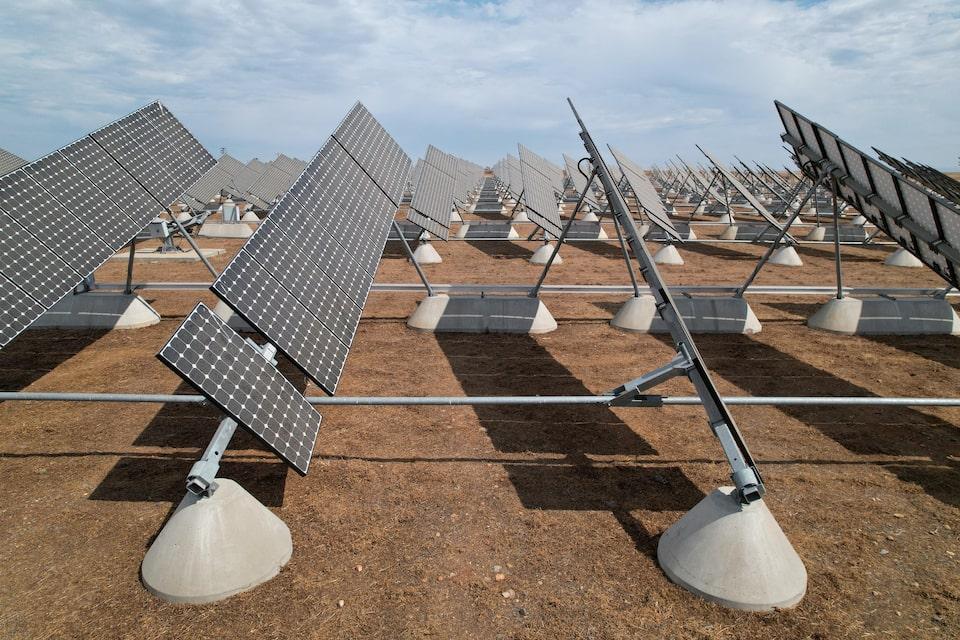
Jan 29 (Reuters) - A U.S. solar industry group on Wednesday unveiled an aggressive goal to deploy vast amounts of energy storage capacity by 2030 to help renewables serve power-hungry customers. WHY IT'S IMPORTANT Large energy users have been investing in nuclear, geothermal and natural gas power plants to meet soaring demand for electricity from data centers. Energy storage, primarily large lithium-ion batteries, can help zero-emitting resources like wind and solar serve those needs by storing power when the sun is shining and the wind is blowing so that it can be used later. BY THE NUMBERS The Solar Energy Industries Association said it wants to see 700 gigawatt-hours of energy storage on the grid by the end of this decade -- about 55% more than current forecasts. SEIA aims for 20% of all storage installations to occur in the residential, commercial, and community segments, with the other 80% connected to the grid. WHAT'S NEXT SEIA called on policymakers and regulators to implement measures to speed the growth of energy storage. They include: supporting domestic battery manufacturing, enabling storage to compete in wholesale markets, creating state procurement programs and maintaining a federal subsidy for energy storage systems created in former President Joe Biden's climate change law, the Inflation Reduction Act. CONTEXT President Donald Trump is pushing for faster permitting of energy infrastructure but has expressed disdain for renewables including solar. Last week he issued an executive action suspending federal leasing and permitting for wind projects. Sign up here. https://www.reuters.com/business/energy/us-solar-group-seeks-major-energy-storage-expansion-2025-01-29/
2025-01-29 04:44
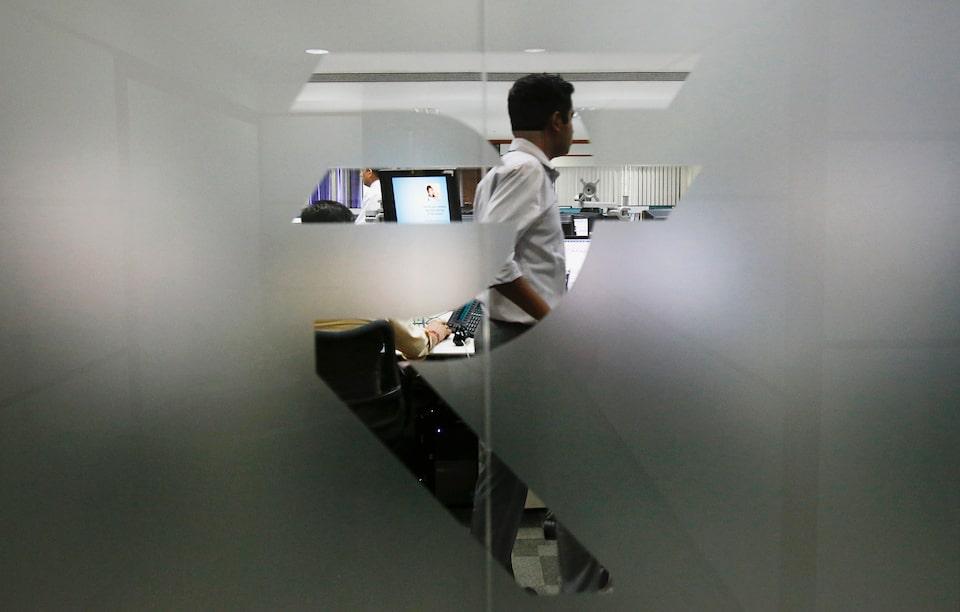
MUMBAI, Jan 29 (Reuters) - The Indian rupee weakened on Wednesday on the back of strong dollar bids related to importers' month-end payments, while a decline in the cost of hedging against the currency's decline added to the persistent headwinds troubling the currency. The rupee was at 86.5850 against the U.S. dollar as of 10:00 a.m. IST, down about 0.1% on the day. The currency is hovering within touching distance of its all-time low of 86.6475 hit earlier in the month. The heightened demand to buy dollars at the daily reference rate published by the Reserve Bank of India (RBI), called the fix, troubled the rupee in early trading, traders said. Meanwhile, a fall in dollar-rupee forward premiums due to the Reserve Bank of India's measures to inject liquidity into the banking system could magnify pressure on the rupee amidst persistent portfolio outflows and jitters about U.S. President Trump's tariff policies. The 1-month dollar-rupee forward premium hit a more-than-one-month low of 15.50 paisa on Wednesday, nearly halving from the over-two-year peak of 28.25 paisa hit earlier in the month. Similarly, the 1-year dollar-rupee implied yield has declined about 60 basis points from a peak of 2.74% hit earlier in the month. Lower forward premiums can spur a pick up in hedging demand from importers and also cuts the cost of betting against the rupee, traders said. The currency has declined 1.1% over January so far, the most among major regional peers. Later in the day, the focus will turn to the Federal Reserve's policy decision, due during U.S. market hours. The Fed is widely expected to keep rates unchanged and investors will keep a close eye on commentary from Fed Chair Jerome Powell. The dollar-rupee pair is expected to trade between 86.20 and 86.80, with the latter acting as a strong resistance, said Amit Pabari, managing director at FX advisory firm CR Forex. Sign up here. https://www.reuters.com/markets/currencies/rupee-dips-drop-hedging-costs-adds-headwinds-2025-01-29/
2025-01-29 02:03
Fed holds rates; Powell says no rush to cut rates again Dollar supported by elevated US yields, policy outlook uncertain Mixed 'Mag 7' earnings from Microsoft, Meta, Tesla; Apple next Europe stocks hit record highs US crude settled at lowest this year as Trump tariffs loom TOKYO/LONDON, Jan 30 (Reuters) - Global shares rose as investors digested earnings from Microsoft (MSFT.O) , opens new tab and Meta (META.O) , opens new tab in the wake of this week's rout in technology stocks, while the dollar was steady against most other currencies after the Federal Reserve left rates unchanged. The exception was the yen, which strengthened across the board, as expectations mount for the Bank of Japan to keep raising interest rates while others cut theirs. The U.S. central bank, meanwhile, held rates steady overnight as widely expected, with Fed Chair Jerome Powell saying there would be no rush to cut them again. President Donald Trump's policies remain a risk for the Fed's policy outlook, and Saturday is likely to see new tariffs slapped on Canada, Mexico and possibly China. "Powell was unwilling to be drawn on the potential economic impact and monetary policy response to tariffs, immigration and regulatory change, but clearly the tails of the risk distribution related to these factors are long and heavy," said Elliot Clark, head of international economics at Westpac. "Powell made clear in the press conference though that, while strong, the economy is not overheated." On Wall Street, after-the-bell earnings reports from members of the Magnificent Seven megacap tech stocks were a mixed bag. Microsoft (MSFT.O) , opens new tab beat quarterly revenue estimates, while Tesla's (TSLA.O) , opens new tab fourth-quarter profit margin missed expectations. Meta (META.O) , opens new tab forecast first-quarter revenue below market estimates. Apple (AAPL.O) , opens new tab reports results later Thursday. Microsoft shares fell 3.7% in premarket trading, while those in Meta and Tesla rose 3.1% and 3.5%, respectively. The results did little to further the debate on Chinese startup DeepSeek's potential threat to U.S. dominance in artificial intelligence, and the big spending behind it - questions that triggered a rout in global tech stocks on Monday. "Microsoft, Tesla, and Meta are all making massive AI investments, but investors are now demanding real results," Jacob Falconcrone, Saxo chief investment strategist for Europe, said. U.S. stock indexes ended slightly lower on Wednesday, and tech (.SPLRCT) , opens new tab was the biggest drag on the S&P 500 (.SPX) , opens new tab, as the benchmark slipped 0.5%. Stock index futures pointed to a brighter start later on, up 0.5-0.8% , . In Europe, the STOXX 600 (.STOXX) , opens new tab hit a new record high, rising 0.5%, in a heavy earnings day. Some of the big names reporting results included lenders Deutsche Bank (DBKGn.DE) , opens new tab, BBVA (BBVA.MC) , opens new tab and CaixaBank (CABK.MC) , opens new tab reported results, along with energy producer Shell (SHEL.L) , opens new tab and retailer H&M (HMb.ST) , opens new tab. In the foreign exchange market, the dollar held steady against most other major currencies, with the euro down 0.1% at $1.0407 ahead of the European Central Bank's policy decision later on. Traders are banking on a quarter-point rate cut, and will be looking for an indication from ECB President Christine Lagarde that the market is correctly pricing in around three more rate cuts this year. Sterling was flat at $1.2440. The yen, however, strengthened about 0.5% to 154.44 per dollar with Bank of Japan Deputy Governor Ryozo Himino saying in a speech that the central bank will continue to raise interest rates if the economy and prices move in line with its forecasts. Traders currently expect one more quarter-point increase this year, potentially as soon as July. Oil prices fell, as traders remained nervous about this weekend's deadline of Feb 1, by which Trump has said he will impose tariffs on Canada and Mexico, the two largest suppliers of crude to the United States. U.S. crude futures Sign up here. https://www.reuters.com/markets/global-markets-wrapup-17-2025-01-29/
2025-01-29 01:11
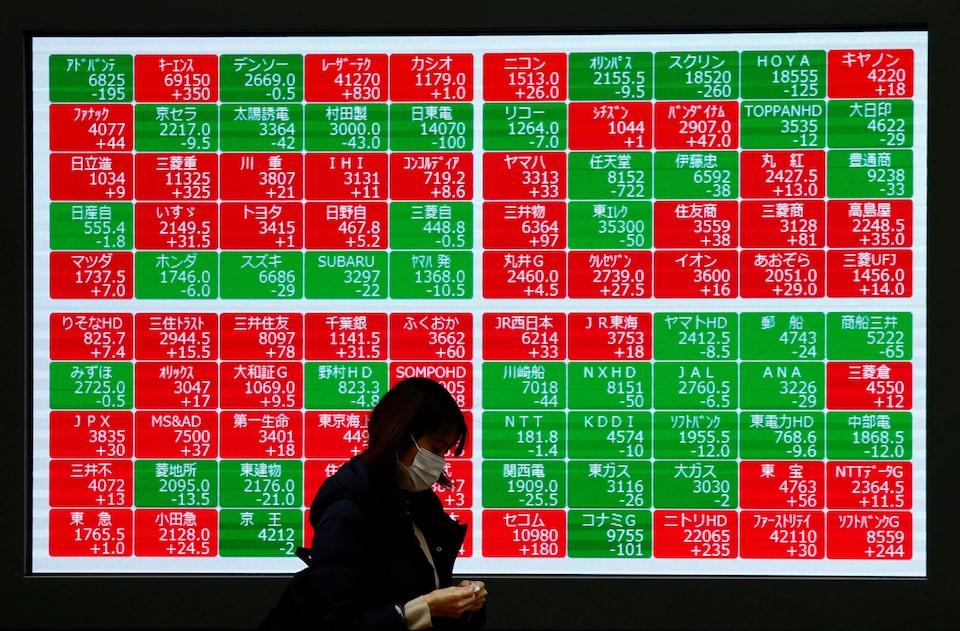
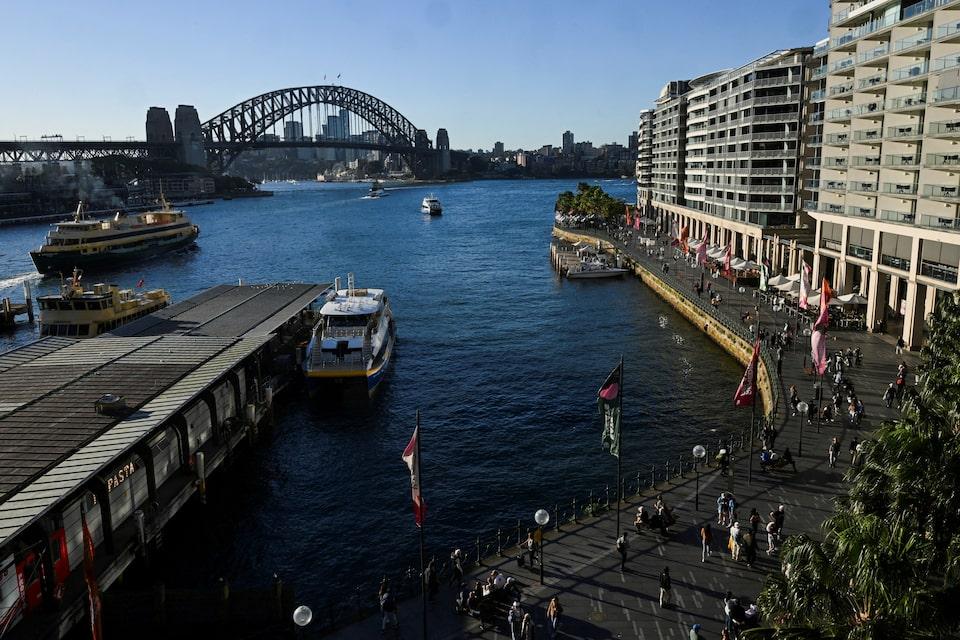
Annual CPI lower than forecast at 2.4% in Q4 Core inflation slows to 3.2%, near RBA's 2-3% target band Markets wager RBA to cut rates at Feb. 18 meeting SYDNEY, Jan 29 (Reuters) - Australian consumer prices rose at the slowest pace in almost four years in the December quarter, while a pullback in housing costs helped cool core inflation and open the door to a cut in interest rates as early as next month. Wednesday's benign price report saw markets price in an 80% probability the Reserve Bank of Australia would cut the 4.35% cash rate by a quarter point when it next meets on Feb. 18. That would be the first policy change in more than a year and the first easing since the depths of the pandemic. A fall in borrowing costs would also be welcomed by the Labor government which faces a tough election this year. Local bonds rallied in reaction, while the Aussie dollar dipped 0.3% to $0.6228 . The data from the Australian Bureau of Statistics showed the consumer price index (CPI) rose 0.2% in the fourth quarter, under forecasts of a 0.3% increase. Some of the moderation was due to government rebates on electricity and other subsidies, which will tend to reverse once they expire. Annual inflation dropped to 2.4%, from 2.8% the previous quarter and a peak of 7.8% in late 2022, leaving it bang in the middle of the RBA's 2-3% target band. Crucially, a key measure of core inflation, the trimmed mean, increased by just 0.5% in the fourth quarter, the smallest rise since mid-2021. The annual pace slowed to 3.2%, helped by an easing in the cost of buying, building and renting homes. The central bank also likes to look at core inflation over two quarters annualised, and that was down at 2.6%. "If trimmed mean CPI keeps rising at the same pace as it has over the second half of last year, it will reach the mid-point of the band by mid-year, whereas the RBA's current forecasts assume that benchmark won't be met until end-2026," said Abhijit Surya, an economist at Capital Economics. "The upshot is that we now expect the Bank to begin its easing cycle in February, rather than May." Just last month, the RBA board surprised many by saying it was more confident inflation was slowing as hoped and that might allow it to ease policy at some stage. Major central banks around the world have been cutting rates for some months, leaving the RBA lagging the pack as it waited for domestically-driven inflation to recede. Wednesday's data showed prices in the services sector did ease somewhat to 4.3% in the fourth quarter, while inflation for goods dropped to the lowest since 2016 at 0.8%. Arguing against the need for a near-term cut in rates is the strength of the labour market, with unemployment holding around an historically low 4.0% for much of the past year. Yet the high demand for workers has been met in part by an influx of skilled migrants, preventing an upward spiral in wages. The government's main measure of wage growth has slowed to 3.5%, from a peak of 4.3%, even as employment galloped ahead. Sign up here. https://www.reuters.com/markets/australia-inflation-cools-q4-opens-door-rate-cut-2025-01-29/
2025-01-29 00:04
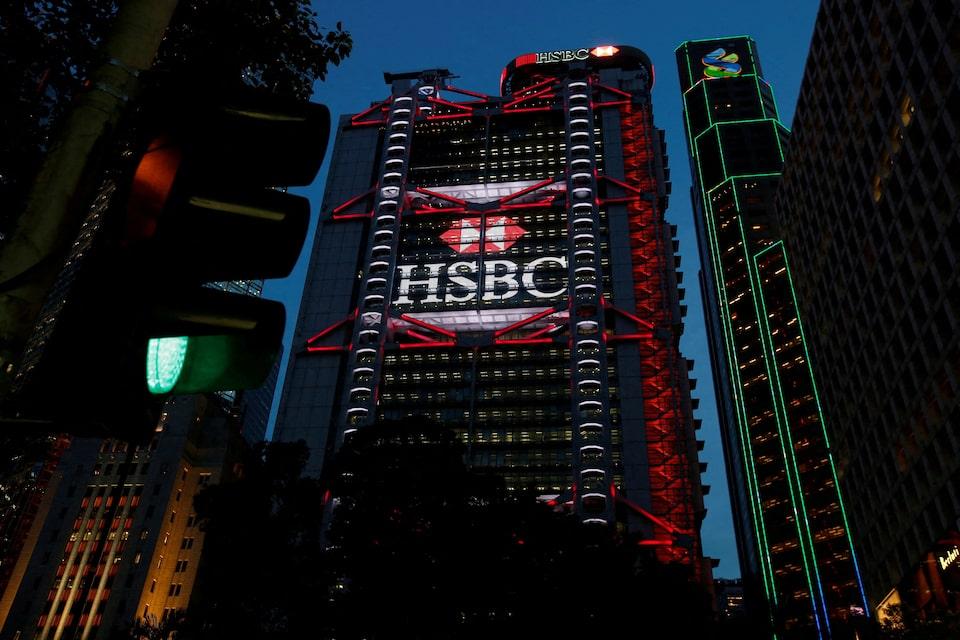
HSBC tackles long-term investment bank laggards Impact on debt financing franchises unclear Decision seen as stark choice between East and West LONDON, Jan 29 (Reuters) - HSBC Chairman Mark Tucker leaned into the microphone at a vast conference table in Beijing, telling British business leaders and senior Chinese officials that he spoke for all UK businesses present in hoping for stronger economic ties. Tucker, chairman of Europe's largest bank, was flanked by UK finance minister Rachel Reeves, who had invited him to lead a delegation aimed at enlisting Chinese support for Britain's growth agenda. "It is more important than ever that we accelerate and sustain the forward momentum with a clear focus on the material and mutually beneficial agenda," he told Chinese Vice Premier He Lifeng and others at the opening of the UK-China Financial Services Summit, news footage of the event on Jan. 11 showed. Just a few weeks later, the lender would reveal plans to wind down its mergers and acquisitions and equity capital businesses in Europe and the Americas, capitulating to Wall Street rivals who have dominated the scene in recent years. More importantly, the decision unveiled on Tuesday marked a decision to prioritise Asian corporate clients over companies in the West. Insiders were stunned at the timing of HSBC's biggest investment banking retrenchment in decades as U.S. President Donald Trump's pro-business agenda has fuelled hopes of a dealmaking bonanza this year and beyond. Some HSBC veterans, however, said the teams of specialist bankers advising big companies in the West on their corporate deals had rarely been profitable on their own, and HSBC Group CEO Georges Elhedery was boldly culling expensive sacred cows his predecessors had opted to keep. "We are one of the last remaining truly global banks standing that provides its clients leading banking products and services which span transactional banking to capital markets," Michael Roberts, CEO of HSBC Bank Plc and of Corporate and Institutional Banking, said in an emailed statement. "We are committed to serving our clients globally." Elhedery, appointed to the top job last September, is a pragmatist who is going through HSBC's business "line by line", cutting back parts that do not pay their way or personnel who do not bring significant client relationships, said a former executive who had oversight of the equity capital markets and M&A business lines. HSBC's European and U.S. ECM and M&A businesses collectively likely only accounted for 19% of the lender's overall investment banking revenue and just 0.3% of total group revenue, analysts at Citigroup estimated on Tuesday. GEOPOLITICAL TENSIONS The numbers will have caught the attention of Pam Kaur, HSBC's chief financial officer who has also been helping Elhedery identify where the bank should cut. Still, HSBC's exit from its Western dealmaking businesses underscores how its strategic pivot to Asia is gathering momentum, and the challenge the bank faces to reconcile the planned cuts with its pitch to be a global wholesale bank. "Our strategy supports our ambitions to be the preferred international financial partner for our clients," HSBC said in an undated summary of its strategy on its website that highlighted how its global presence facilitates cross-border trade and capital flows. HSBC's move shows it forsaking anaemic growth in Britain and Europe in favour of Asia's more dynamic and higher potential economies, said Samuel Gregg, political economist at the American Institute for Economic Research. Geopolitical tensions are also making it harder for the bank to straddle East and West while staying politically neutral, he said. "The Trump Administration, while insisting that it wants to do deals with China, is going to adopt a more aggressive approach towards China. Some businesses believe that this leaves them with no choice but to pick a side," he said. Geopolitical tensions came to a head for HSBC in May 2023 when its then-biggest shareholder Ping An Insurance of China lobbied for the bank to spin off its Asian business, a proposal ultimately defeated at HSBC's annual shareholder meeting. The bank's move this week to further cut back its European presence would seem to vindicate Ping An's stance that HSBC's global businesses had limited synergies and that it should focus more on Asia. Ping An did not respond to a request for comment on the eve of China's Lunar New Year holiday. HSBC's shares barely moved in the hours after Tuesday's announcement, a sign that most investors were reserving judgment on the potential benefits or harm of Elhedery's boldest restructuring move so far. The bank has not shared details on cost savings or job cuts. The risk for HSBC is that firing rainmakers and equity fundraising bankers in the West could prompt some of its highest-flying corporate clients to reconsider if the bank is still best placed to advise them on other business activities such as debt financing, trade or foreign exchange. Strategically, the decision appears rational as the competitiveness of HSBC's investment bank was challenged, said one of the bank's 20 biggest shareholders. If cost of capital is not being achieved, it is logical HSBC would retrench as other European investment banks have done in other areas, the investor said. Sign up here. https://www.reuters.com/business/finance/hsbcs-global-brand-balance-it-doubles-down-asia-bet-2025-01-29/