2025-01-23 22:22
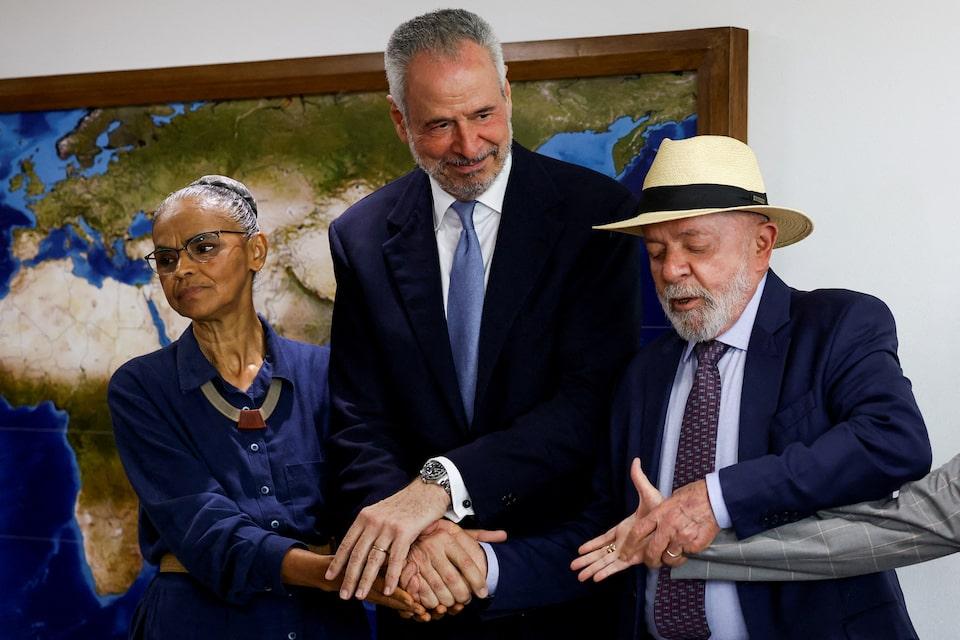
U.S. withdrawal complicates climate finance negotiations at COP30 Developing countries are united in blocking calls to expand donor base BRICS may aid Brazil in rallying developing nations at COP30 Jan 23 - As world leaders grapple with the U.S. withdrawal from the Paris Agreement, Brazil, the host of this year’s COP30 global climate summit, sees an opportunity to amplify the voices of developing nations in what will be a fierce dispute over who will pay for the global transition to cleaner energy sources. During last year’s summit, in Azerbaijan, a bitter fight that pitted wealthy nations against lower-income countries ended with a pledge from wealthy countries to provide $300 billion a year to support developing nations by 2035. While the target is triple what the current target of $100 billion, it is only a fraction of the $1.3 trillion per year developing countries say are needed. The fight is likely to continue this year. “It was already hard to get to $300 billion with the United States in the negotiation,” said Andre Correa do Lago, the newly appointed president of COP30, in an interview with international media outlets on Wednesday. He noted that, under President Joe Biden, the U.S. implemented new policies to fight climate change and worked to strengthen the role of multilateral development banks, such as the World Bank, to increase financing of projects to curb global warming. Without all that action, Correa do Lago added, increasing climate finance “will certainly be harder now.” Despite those challenges, Correa do Lago added, developing countries are “very united” in blocking calls from wealthy nations to expand the base of countries that financially support efforts to mitigate climate change and adapt to its impacts around the world. In recent years, European leaders have been calling on emerging economies that are big polluters and increasingly wealthy, such as China and Gulf states, to make mandatory contributions to help poorer countries cope with climate change. China, the second most populous nation on Earth, is by far the world’s largest emitter of greenhouse gases. “What developed countries want isn’t to increase the financial resources, they want to lower their contribution in donating financial resources and that is naturally and profoundly wrong,” Correa do Lago said. The U.S. withdrawal also stirred questions about which countries will help steer the outcome of the global climate summit this year. As one of world's biggest economies and emitters, the U.S. has been central to negotiating the outcomes of COP meetings, along with the European Union and China. Commenting on the expected U.S. exit from the Paris Agreement at last year's COP29 climate summit, China's climate envoy Liu Zhenmin said "Everyone expects China and the EU to work together to fill this gap," according to state-run newspaper The Beijing News. "Which is a beautiful wish, but it is actually difficult to do." Correa do Lago pointed to the BRICS group - which gathers Brazil, China and other emerging economies – as a forum that may help Brazil build a consensus among developing nations to not back down on their calls for more contributions from wealthy nations, which are historically the biggest emitters of greenhouse gases. Brazil also holds the BRICS presidency this year. “We are going to seek also in BRICS to obtain some consensus and provoke certain discussions,” Correa do Lago said. During the G20 summit in Brazil last year, Brazil and other developing countries managed to block an attempt by wealthy nations to include a call for emerging economies to help in climate finance. Correa do Lago was one of the lead negotiators then. Correa do Lago made a strong defense of what emerging economies are already doing to combat climate change with their own budgets, highlighting Brazil’s efforts to curb deforestation, a major source of greenhouse gas emissions, and the trillions in Chinese investments in clean energy technology. “China is providing infinitely more resources to the developing world by massively reducing the price of solar panels and the cost of electric vehicles,” he said, adding that these investments are a lot more meaningful to poorer countries than if China "were just contributing symbolic amounts." Sign up here. https://www.reuters.com/business/environment/cop30-brazil-set-spotlight-developing-countries-climate-finance-needs-2025-01-23/
2025-01-23 22:12
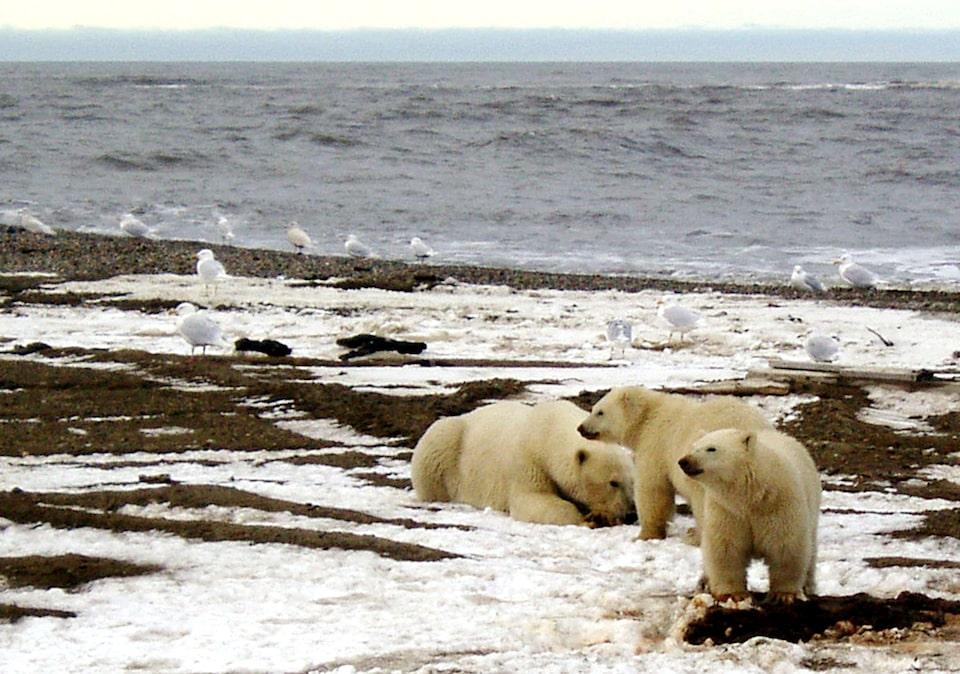
Oil companies cautious on Alaska as policy reversals possible US oil production already at record levels Industry seeks long-term certainty beyond executive orders HOUSTON/WASHINGTON, Jan 23 (Reuters) - U.S. oil and gas companies are unlikely to expand development in Alaska and the Arctic following President Donald Trump's executive order enabling them to do so, company officials and industry representatives told Reuters, noting a future president could easily reverse Trump's move. U.S. oil production is already at record levels due largely to increased production in more accessible areas like Texas and New Mexico, and companies have limited spending on new projects to focus on returning cash to shareholders. Analysts said drillers may not be in a hurry to take advantage of Trump's order on Monday titled "Unleashing Alaska’s extraordinary resource potential." , opens new tab The executive order would reopen vast areas for drilling and mining, and expedite permits for projects, part of Trump's sweeping plan to maximize oil and gas production while reversing former President Joe Biden's policies encouraging the transition to renewable energy sources to fight climate change. "Many of these areas have been closed for a good long while," said Dustin Meyers, senior vice president of policy at the American Petroleum Institute, a trade organization that represents major oil firms including Exxon Mobil, Chevron Corp, and ConocoPhillips. "There is always the risk that these areas could be reclosed after the next election cycle," he said, adding that is the key issue that could temper interest from oil companies in the short term to pursue new drilling projects there. Drilling in the Arctic and Alaska is a high-risk endeavor, involving decades of work and billions of dollars of investment. Exxon (XOM.N) , opens new tab, Chevron (CVX.N) , opens new tab, Conoco (COP.N) , opens new tab, and Occidental Petroleum (OXY.N) , opens new tab did not comment. Conoco is among the most active oil companies in Alaska’s Arctic, and secured a federal approval from the Biden administration for its $8 billion Willow project there in 2023, angering environmental groups. The U.S. drilling industry trade group AXPC also did not comment. A source at one major U.S. oil company, who asked not to be named discussing the matter, said many companies are unlikely to pursue projects in Alaska based on Trump's executive order alone, seeking long-term certainty like an act of Congress. Energy consultancy Rystad said Trump’s use of the "drill, baby, drill" mantra in his inauguration speech overestimates the industry's willingness to prioritize growth over generating shareholder returns. Drilling in Alaska's pristine Arctic refuge has long been a source of friction between Alaska lawmakers and tribal corporations seeking to open more acres to drilling to spur economic growth, and Democratic presidential administrations that sought to preserve the local ecosystem and wildlife. A 2017 tax law during Trump's first term mandated oil and gas lease sales in the Arctic National Wildlife Refuge, a 19 million-acre sanctuary for species including polar bears and Porcupine caribou. But interest has been sparse. The Biden Interior Department received no bids from energy companies last year when it offered 400,000 acres of the refuge, the minimum amount required. ANWR’s wild landscape lacks roads and public facilities, but its 1.6 million-acre coastal area along the Beaufort Sea is estimated to have up to 11.8 billion barrels of recoverable oil, enough to supply the U.S. for more than a year and a half at current rates. Before leaving office this month, Biden banned new offshore oil and gas drilling in federal waters off the East and West coasts, the eastern Gulf of Mexico and portions of the northern Bering Sea in Alaska. The move was considered mostly symbolic since it mainly covered zones that have no important prospects. Trump issued an order seeking to repeal those protections. Still, the energy industry is "cautiously optimistic" that the Trump administration will continue easing regulations that have hampered oil and gas development, said API's Meyers. "The administration deserves a lot of credit for at least doing everything that they can do to send the signal that these areas are going to be open for development," he said. Sign up here. https://www.reuters.com/business/energy/oil-industry-unlikely-rush-alaska-despite-trumps-call-drill-2025-01-23/
2025-01-23 21:48
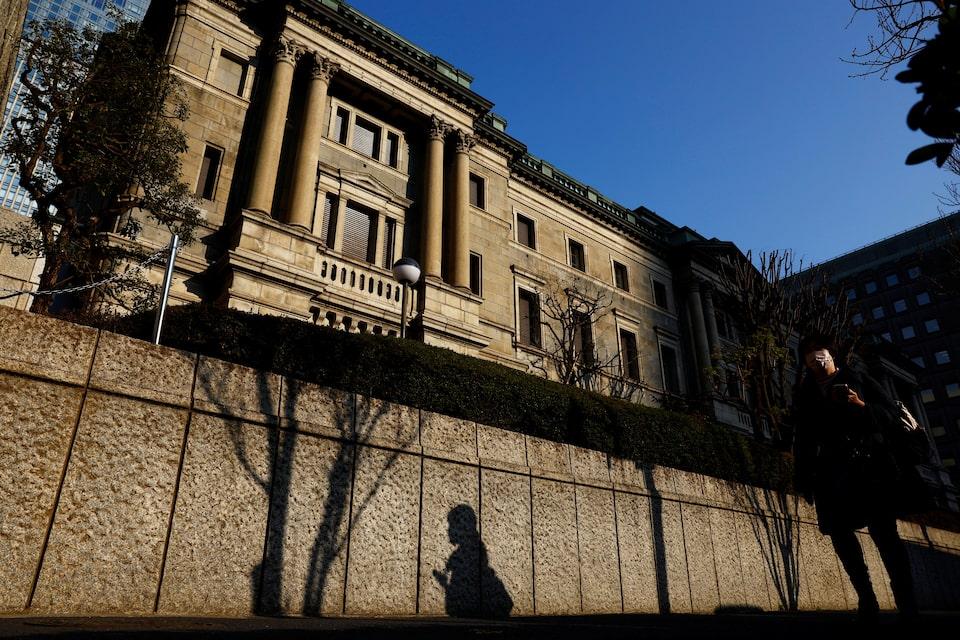
Jan 24 (Reuters) - A look at the day ahead in Asian markets. Investors divert their focus away from Washington on Friday for the first time since President Donald Trump's inauguration on Monday, towards Tokyo and the Bank of Japan, which is widely expected to raise interest rates to a 17-year high of 0.5%. Assuming the BOJ does raise rates by a quarter of a percentage point - a 95% certainty, according to market pricing - that focus will narrow in even more on Governor Kazuo Ueda's press conference and the signals he sends about future policy steps. The ideal scenario for asset prices in Japan and beyond would probably be a "dovish hike," with Ueda more inclined to cool rather than fuel investor expectations about the pace of further tightening, even though wage growth is gathering steam. Japanese money markets are erring on the cautious side, pricing in only another 25 bps of tightening this year after Friday's expected increase. Even if one sets aside the BOJ's historical scars and institutional anxiety when it comes to raising rates, Ueda himself has struck a measured tone in recent public remarks, most notably on Dec. 25 and a week earlier in his press conference after the BOJ kept rates on hold. Calming the equity and bond market horses, however, is not without risk - it may inject unwanted volatility into the currency markets, pushing the yen back down towards the 160.00 per dollar area and the intervention danger zone. Ueda's dovish stance after the BOJ's December meeting pushed the yen down to 158 per dollar, the lowest since July. A weaker exchange rate may give the Japanese stock market a lift, but the yen is perilously close to all-time lows and finance minister Katsunobu Kato and other officials have recently warned against speculative selling. Of course, a rapid appreciation of the yen isn't in anyone's interest either. That is often associated with - and can trigger - bouts of wider market turbulence. Japan is the world's largest creditor with some $3.3 trillion of net foreign assets, and the risk of Japanese repatriation flows quickly becoming a torrent is one officials will be well attuned to. While events in Japan top the agenda on Friday - Japan also releases inflation figures - Trump is still making headlines, insisting on Thursday that global interest rates and oil prices come down. He also said he expected the Fed to listen to him and that he would consider speaking to Fed Chair Jerome Powell about the matter. His comments took the wind out of the dollar and oil's sails, and lifted the S&P 500 to a record closing high. They also brought U.S. bond yields off their highs but concern over the fiscal outlook continues to weigh heavily on Treasuries. Here are key developments that could provide more direction to markets on Friday: - Japan interest rate decision - Australia, India PMIs (January) - Taiwan GDP (Q4) Sign up here. https://www.reuters.com/markets/asia/global-markets-view-asia-graphic-2025-01-23/
2025-01-23 21:36
Jan 23 (Reuters) - Cholula hot sauce maker McCormick (MKC.N) , opens new tab forecast annual sales and profit below analysts' estimates on Thursday, hurt by flat-to-low demand for its spices and condiments, especially in China, as well as higher marketing expenses. Packaged food companies including McCormick, General Mills (GIS.N) , opens new tab and Conagra Brands (CAG.N) , opens new tab have also faced slowing demand across geographies as sticky inflation has compelled budget-conscious customers to hunt for value even for essential items such as groceries. "The environment in China remains challenging," McCormick CEO Brendan Foley said on a post-earnings call, but he expects to see gradual recovery in the region through the year. Foley also added McCormick was working towards making changes to product formulations including removal of artificial colors and sodium reduction after the U.S. Food and Drug Administration banned the use of a synthetic food dye that has shown to cause cancer in laboratory rats. "These are areas that we have been working on, well up and prior to 2025," Foley said. For fiscal year 2025, the company expects sales to be flat or grow as much as 2%, compared with analysts' estimate of a 2.4% rise, according to data compiled by LSEG. Sales had risen 0.9% in fiscal 2024 and 4.9% in 2023. McCormick now projects annual adjusted profit to grow 3% to 5%, below expectations of 6.5%, according to data compiled by LSEG after posting a 2% rise in selling and general expenses in the fourth quarter. Shares of the company, however, rose 2% after it reported a narrow beat for sales and profit in the fourth quarter ended Nov. 30. The company posted net sales of $1.8 billion for the quarter, beating estimates of $1.77 billion, while it earned adjusted profit of 80 cent per share compared with analysts' estimates of 77 cents. Sign up here. https://www.reuters.com/business/retail-consumer/cholula-maker-mccormick-forecasts-tepid-annual-sales-profit-slowing-demand-2025-01-23/

2025-01-23 21:18
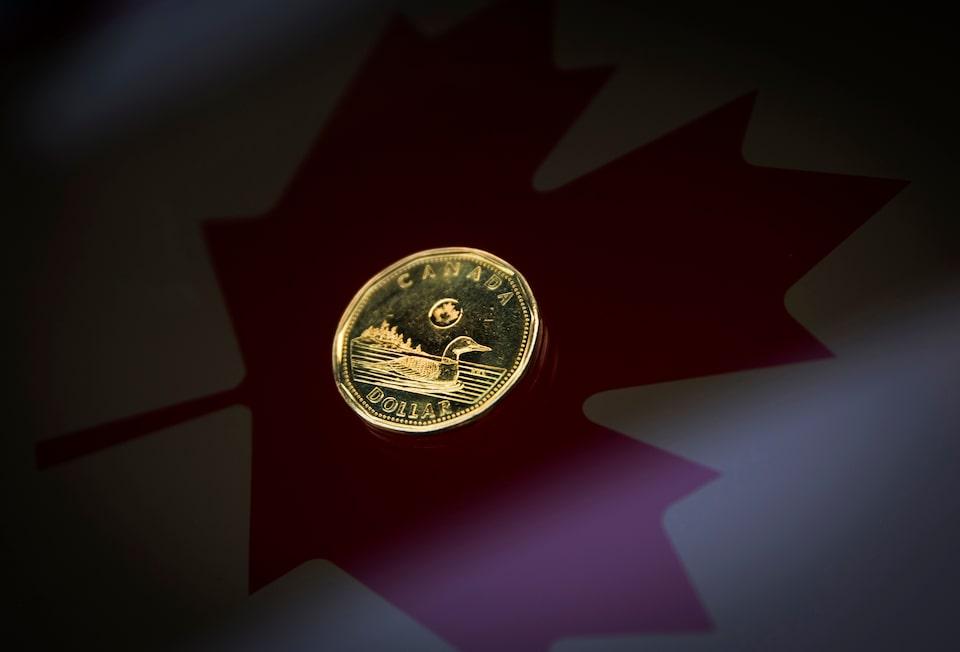
Canadian dollar gains 0.1% against the greenback Trades in a range of 1.4375 to 1.4413 Flash estimate shows retail sales up 1.6% in December 10-year yield rises 1.6 basis points TORONTO, Jan 23 (Reuters) - The Canadian dollar steadied against its U.S. counterpart on Thursday as investors weighed U.S. President Donald Trump's comments at the World Economic Forum and preliminary domestic data showed retail sales jumping in December. The loonie was trading nearly unchanged at 1.4375 per U.S. dollar, or 69.57 U.S. cents, after trading in a range of 1.4335 to 1.4413. "I think Trump's comments at the World Economic Forum today helped euro-dollar recover and put some pressure on the (U.S.) dollar more broadly," said Silver Gold Bull Erik Bregar, director, FX & precious metals risk management at Silver Gold Bull. Trump said the United States would guarantee supplies of liquefied natural gas to Europe, even amid worries that the booming export industry could boost prices of gas for U.S. consumers. The U.S. dollar (.DXY) , opens new tab was modestly lower against a basket of major currencies as Trump also called for lower interest rates while providing no clarity on proposed trade tariffs, including a potential 25% tax on imports from Canada. "Absent any further detail, the market is starting to take these tariff threats less seriously," Bregar said. Canadian retail sales were flat in November. That missed forecasts for a gain of 0.2% but a flash estimate showed sales surging 1.6% in December when a sales tax holiday began. The price of oil, one of Canada's major exports, settled 1.1% lower at $74.62 a barrel. Canadian bond yields were mixed across a steeper curve, with the 10-year up 1.6 basis points at 3.322%. Sign up here. https://www.reuters.com/markets/currencies/canadian-dollar-steadies-tariff-threat-details-stay-lacking-2025-01-23/
2025-01-23 21:02
GE Aerospace rises on upbeat 2025 profit forecast Elevance gains after Q4 profit beats estimates American Airlines falls on downbeat 2025 profit forecast S&P 500 banks index touches record high Indexes: Dow up 0.92%, S&P 500 up 0.53%, Nasdaq rises 0.22% Jan 23 (Reuters) - The benchmark S&P 500 rose to a record closing high on Thursday, as investors assessed a mixed bag of corporate earnings and digested comments from President Donald Trump, including a call for cuts in interest rates and oil prices. At the World Economic Forum in Davos, Switzerland, Trump demanded that OPEC lower oil prices and that central banks reduce interest rates, while he warned global business leaders they will face tariffs for products made outside of the U.S. While investors have been cautiously monitoring Trump's comments about tariffs, they "like the idea of interest rates coming down, of oil prices coming down," said Lindsey Bell, chief strategist at 248 Ventures. "All in all, the market is optimistic the more they hear about Trump policies. We're just seeing a reflection of that optimism," said Bell. However, investors have been concerned that tariffs could add to inflation pressures and slow the pace of interest rate cuts by the U.S. Federal Reserve. The Fed is expected to leave interest rates unchanged next week at its first policy meeting of the year. Peter Tuz, president of Chase Investment Counsel in Charlottesville, Virginia, said the Fed is expected to base rate decisions on economic data rather than presidential demands. "I don't think the Fed is going to pay much attention to this," said Tuz, referring to Trump's comments on rates. "They're looking at the data and they're going to make their decision based on what they see." Tuz saw Thursday's moves as a mix of reactions to earnings reports and new Trump administration policies. All three of Wall Street's major indexes scored their fourth straight day of gains. The S&P 500 (.SPX) , opens new tab gained 32.34 points, or 0.53%, to 6,118.71, The S&P 500 registered its first closing record since Dec. 6 after narrowly missing the milestone on Wednesday. The Dow Jones Industrial Average (.DJI) , opens new tab rose 408.34 points, or 0.92%, to 44,565.07 and the Nasdaq Composite (.IXIC) , opens new tab gained 44.34 points, or 0.22%, to 20,053.68. All 11 S&P 500 sectors ended with gains, after mixed trading earlier. The biggest advance was from healthcare (.SPXHC) , opens new tab, up about 1.35%, followed by industrials (.SPLRCI) , opens new tab, up 0.96%. The S&P 500 banks index (.SPXBK) , opens new tab ended up 0.73% after touching a record high earlier in the day. The utilities sector (.SPLRCU) , opens new tab pared earlier gains to end up 0.47%. Power utilities outperformed after Trump told the World Economic Forum that the United States needs double the energy it has to power rapidly emerging AI operations. Constellation Energy (CEG.O) , opens new tab added 4.1% and AES Corp (AES.N) , opens new tab rose 3.6% while Vistra Corp (VST.N) , opens new tab rose 2.7%. Technology (.SPLRCT) , opens new tab was the smallest gainer, adding just 0.12% after rallying 2.5% on Wednesday following Trump's announcement of a private-sector $500-billion investment in AI infrastructure. On the economic data front, a Labor Department report showed weekly jobless claims stood at 223,000, compared with expectations of 220,000. In earnings, GE Aerospace (GE.N) , opens new tab stock finished up 6.6% after it forecast 2025 profit above estimates and shares in health insurer Elevance (ELV.N) , opens new tab rose 2.7% after beating estimates for fourth-quarter profit. However, Electronic Arts (EA.O) , opens new tab shares sank 16.7% after the video game publisher cut its forecast for annual bookings. American Airlines (AAL.O) , opens new tab shares dropped 8.7% after it forecast 2025 profit below expectations. On U.S. exchanges, 13.54 billion shares changed hands, below the 14.83-billion average for the last 20 sessions. Advancing issues outnumbered decliners by a 1.45-to-1 ratio on the NYSE where there were 255 new highs and 52 new lows. On the Nasdaq, 2,584 stocks rose and 1,807 fell as advancing issues outnumbered decliners by a 1.43-to-1 ratio. The S&P 500 posted 32 new 52-week highs and six new lows while the Nasdaq Composite recorded 77 new highs and 116 new lows. Sign up here. https://www.reuters.com/markets/us/futures-subdued-after-previous-sessions-jump-data-earnings-tap-2025-01-23/