2025-01-23 09:36
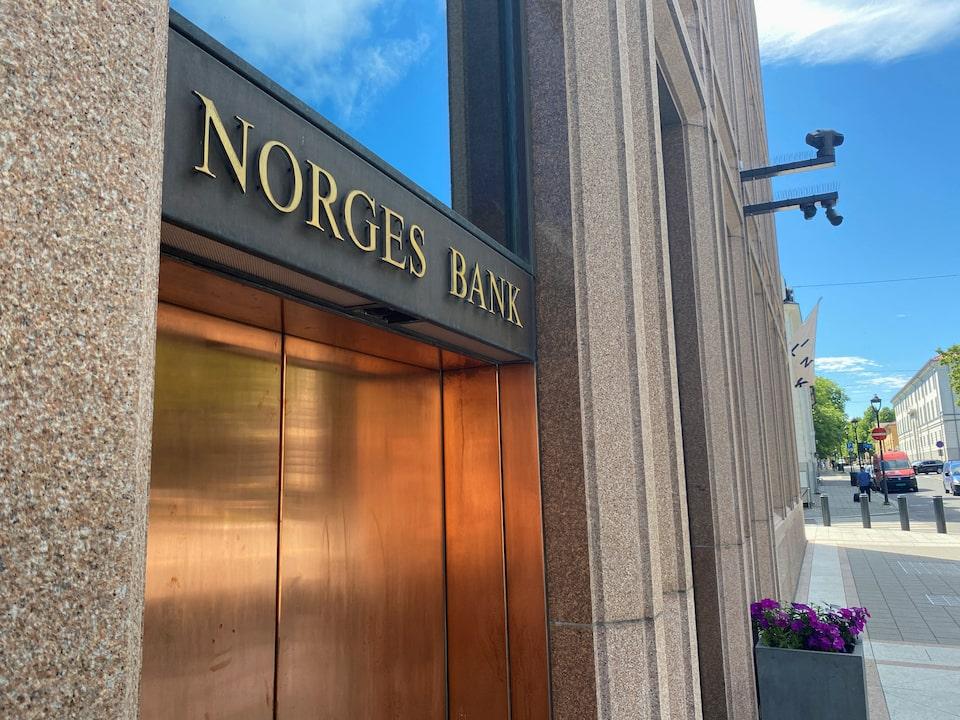
March cut "likely", Norges Bank chief says Inflation has declined but remains above target Sees uncertainty over trade barriers Norway currency weakens slightly OSLO, Jan 23 (Reuters) - Norway's central bank held its policy interest rate unchanged at a 17-year high of 4.50% on Thursday, as unanimously expected by analysts in a Reuters poll, and maintained plans to start cutting borrowing costs in March. Economists expect Norway's monetary policy to start catching up this year with that of other Western central banks, most of which began cutting rates in 2024 as growth slowed and inflation waned. "The policy rate will likely be reduced in March," Norges Bank Governor Ida Wolden Bache said in a statement. It would be Norges Bank's first interest rate cut since May 2020. The central bank last month said it planned to cut rates three times in 2025 to 3.75% by year-end. It is due to release a revised forecast in March. The Norwegian crown had weakened slightly to 11.75 against the euro by 0914 GMT, from 11.74 just before the announcement. In their discussions, Norwegian central bankers expressed concern about the risk of an increase in international trade barriers. "Higher tariffs will likely dampen global growth, but the implications for price prospects in Norway are uncertain," the bank said in the statement. All but one of the 25 analysts in the Reuters Jan. 13-20 poll predicted that a quarter-percentage point rate cut to 4.25% will be announced in March, while a single participant anticipated a 50 basis point cut to 4.00%. The decision and outlook for a March rate cut were as expected, said Oeystein Doerum, chief economist at the Confederation of Norwegian Businesses (NHO). "Therefore the attention at the March rate meeting will first and foremost be about the rate path and the further developments in rates," he said in an emailed statement. The central bank said a restrictive monetary policy was still needed to stabilise inflation around its target, but reiterated that the time to begin easing monetary policy was soon approaching. Core inflation in the Nordic country eased more than economists had expected in December to 2.7% year on year from 3.0% in November, but remains above the central bank's 2% target. "Overall consumer price inflation has been lower than expected. On the other hand, fewer policy rate cuts abroad are now expected than earlier," the central bank said. "Inflation has moved closer to target, but the rapid rise in business costs is likely to contribute to stoking inflation ahead," it added. Sign up here. https://www.reuters.com/business/finance/norway-central-bank-keeps-rate-hold-plans-march-cut-2025-01-23/
2025-01-23 09:27
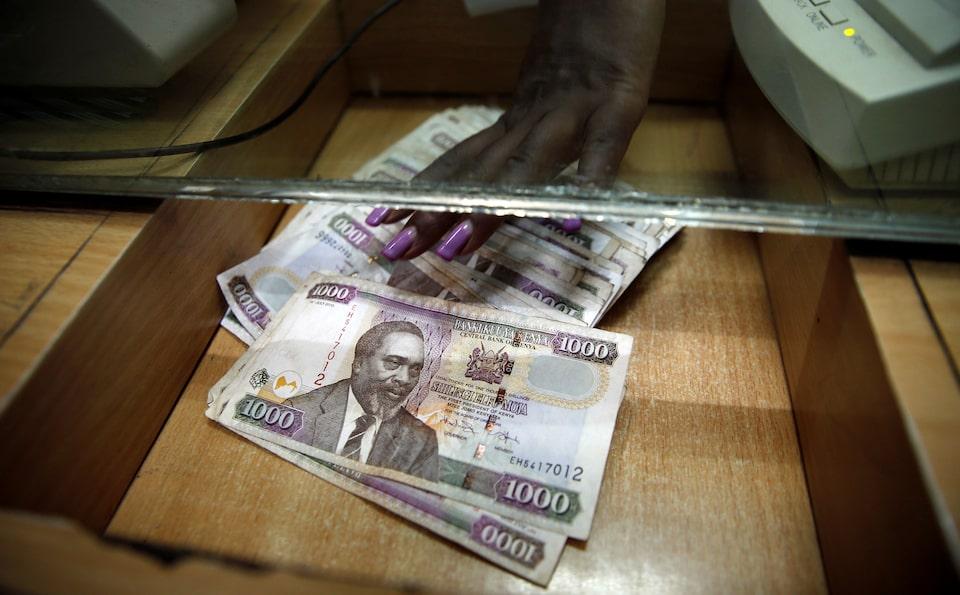
NAIROBI, Jan 23 (Reuters) - Kenya's shilling was stable against the U.S. dollar on Thursday, supported by remittances amid muted foreign exchange demand, traders said. At 0908 GMT, the shilling traded at 129.10/129.60 per dollar, compared to 129.15/129.65 at the close of trading on Wednesday. The shilling has remained relatively stable since August. Sign up here. https://www.reuters.com/markets/currencies/kenyan-shilling-stable-supported-by-foreign-exchange-remittances-2025-01-23/
2025-01-23 08:01
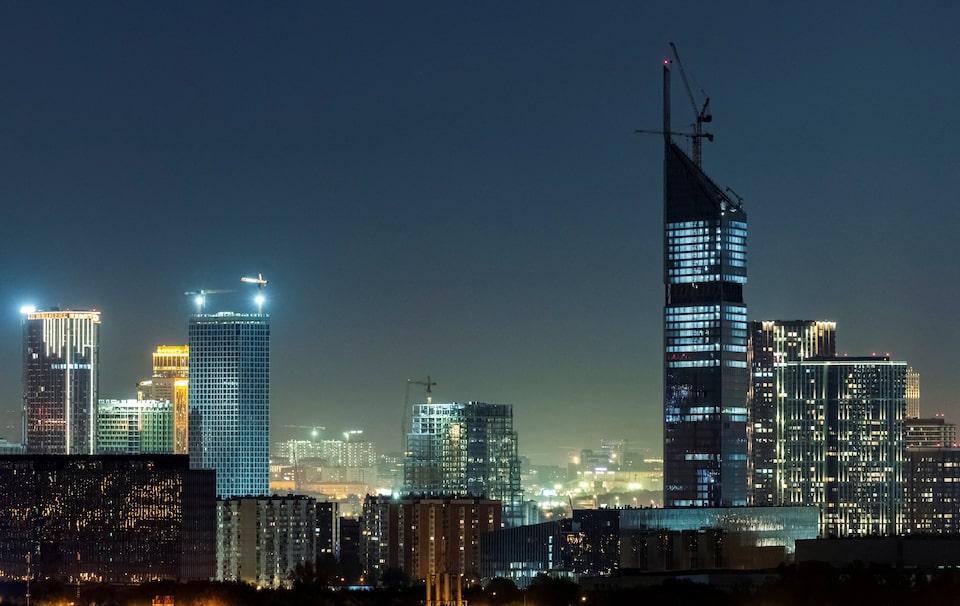
MOSCOW, Jan 23 (Reuters) - The Russian economy has shown resilience during the three years of war in Ukraine and Western sanctions. However, as the war approaches its fourth year, the economy faces major challenges with key economic policymakers at odds on how to address them. Economists describe the outlook for 2025 as an "ideal storm" with multiple negative factors simultaneously at play. "After several years of very strong dynamics, the economy may disappoint in 2025," said Dmitry Polevoy from Astra asset managers. The economic woes add to Russian President Vladimir Putin's case for talks with U.S. President Donald Trump on ending the war in Ukraine. Trump said on Jan. 21 that Putin was "destroying Russia" and pointed out to high inflation. "Russia is interested in reaching a diplomatic resolution to the conflict in Ukraine based on economic considerations," said former deputy governor of the central bank Oleg Vyugin. Below are the five key challenges for the Russian economy in 2025: INFLATION Russian annual inflation reached 9.5% in 2024, driven by high military and national security spending, which is set to account for 41% of total state budget spending in 2025, state subsidies on loans, and spiralling wage growth amid labour shortages. Over the last 15 years, inflation has only been higher in 2022, the first year of Russia's invasion, and during the economic crisis of 2014-15 that followed the annexation of Crimea. Inflation tops the list of economic woes in public opinion polls, with prices for staple foods such as butter, eggs, and vegetables showing double-digit growth last year. It is impacting the incomes of the most vulnerable groups, with real pensions falling by 0.7% from January to November 2024. The central bank is combating inflation by raising interest rates. President Putin has said the interest rate should not be the sole method to combat inflation and has called on the government to ensure a stable supply of goods and services to limit price growth. HIGH INTEREST RATES The Russian central bank raised interest rates to 21% in October, the highest level since the early years of Putin's rule, when Russia was dealing with the chaos following the collapse of the USSR. Critics argue that high rates hurt civilian sectors of the economy, while the heavily subsidized defence sector remains immune. Prominent business leaders say that with the current cost of capital at around 30% and profitability margins at no more than 20% across most sectors, investment has come to a halt. High rates are increasing the risks of corporate bankruptcies, especially in vulnerable sectors such as real estate, which has been hit by measures to slow lending, including a stop to state home loan subsidies. ECONOMIC SLOWDOWN The government projects that economic growth rates will slow to 2.5% in 2025 from around 4% in 2024 as a result of measures to cool down the overheated economy, while the International Monetary Fund (IMF) projects growth at 1.4% this year. The pro-government economic think tank TsMAKP estimated that many industrial sectors outside defence have been stagnating since 2023, raising prospects of stagflation, a combination of high inflation and economic stagnation. The situation is exacerbated by acute labour shortages, which emerged as a result of hundreds of thousands of Russian men joining the army or fleeing the country, becoming a major bottleneck for economic growth. Economists warn that continued injection of money into defence-related sectors at current rates is creating imbalances in the economy and could end with recession and bankruptcies. BUDGET DEFICIT Russia's budget deficit reached 1.7% of GDP in 2024, while the country's National Wealth Fund, the main source of financing the deficit, has been depleted by two-thirds during three years of war. The government raised taxes to bring the deficit down to 0.5% of GDP in 2025, but its revenues could also fall due to the latest U.S. energy sanctions, which targeted Russia's oil and gas sector. Some economists believe that the government will have no choice but to raise taxes further if military spending remains at the same level. ROUBLE VOLATILITY The rouble fell to its lowest level since March 2022 on January 2, following months of volatility linked to the impact of Western sanctions, which hindered Russia's international transactions and disrupted foreign currency inflows. Although a weaker rouble is helping the government narrow the budget deficit, it is set to fuel inflation further in the medium term, increasing the cost of imported goods. Russia's forex market has been transformed by sanctions, with China's yuan becoming the most traded foreign currency, while trade in dollars and euros has moved to the opaque over-the-counter market. Sign up here. https://www.reuters.com/markets/europe/five-key-challenges-russian-economy-2025-2025-01-23/
2025-01-23 08:00
LONDON, Jan 23 (Reuters) - Shell's (SHEL.L) , opens new tab head of downstream and renewables Huibert Vigeveno will step down after 30 years with the energy major and be replaced by insider Machteld de Haan, the company said on Thursday. De Haan, who joined Shell in 1998 and has been executive vice president of Shell's chemicals and products business since 2023, will take on the role on April 1. Shell also said that head of trading Andrew Smith, who previously reported directly to Vigeveno, will be appointed director and join the executive committee alongside de Haan, in a sign of the growing importance of oil, gas and power trading under CEO Wael Sawan. Shell is the world's largest energy trader. Sawan aims to make trading a key engine of the company's energy transition strategy as he pulls back from lower-return renewables assets. Trading is, however, a volatile business that can deliver huge profits and losses, depending on a company's positions and market conditions. Vigeveno had headed the refining and marketing division since 2020. In 2023 Shell added its renewable operations to the division. He was seen as a candidate to succeed CEO Ben van Beurden, who left in 2020. Shell has sharply scaled back its refining operations from a peak of around 50 plants at the start of the millennium to nine today due to weakening profit margins, high carbon emissions and growing competition from new plants. It aims to further reduce its interests in refining to five sites. Last year it sold its refining and chemicals hub in Singapore, one of the world's largest. It is also trying to sell a stake in a German refinery and plans to shut down another plant in Wesseling, Germany. Sign up here. https://www.reuters.com/business/energy/shell-says-director-renewables-energy-solutions-step-down-2025-01-23/
2025-01-23 07:56
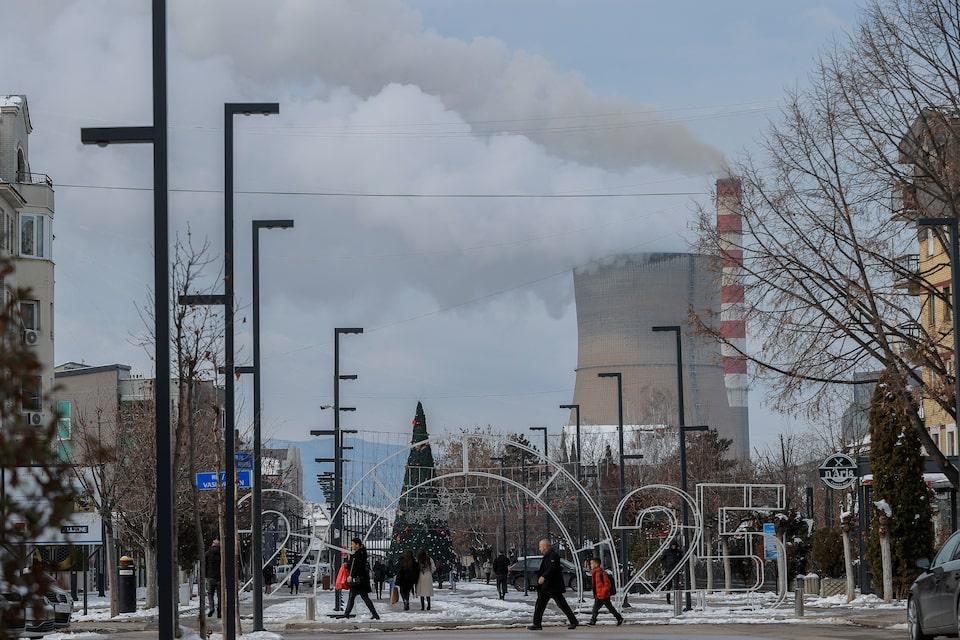
Old coal plants, cars keep Balkan pollution high Health impacts include high pollution-related deaths Economic hardship hinders progress towards reducing emissions OBILIC, Kosovo/BELGRADE, Jan 23 (Reuters) - For 30 years, Shemsi Gara operated a giant digger in a Kosovo coal mine, churning up toxic dust that covered his face and got into his airways. Home life wasn't much better: the power plants that the mine supplies constantly spew fumes over his village. Gara died on Sunday aged 55 after three years of treatment failed to contain his lung cancer. In his final days, unable to walk, he lay on a couch at home, gaunt and in pain, as a machine pumped oxygen into his dying body. "I kept telling him I wanted to help, but I couldn't," said his wife Xhejlane, who mourned in her living room with friends on Wednesday. "He would say 'Only God knows the pain I have'." As much of the world moves to reduce the use of fossil fuels, pollution in Western Balkan countries remains stubbornly high due to household heating, outdated coal plants, old cars, and a lack of money to tackle the problem. Relatively small cities such as Serbia's capital Belgrade and Bosnia's capital Sarajevo have frequently topped daily global pollution charts, according to websites that track air quality worldwide. This has costly health impacts, and could also jeopardise such countries' prospects of joining the European Union, which has stricter emissions standards. "There are no resources in the region for the reduction of air pollution," said Mirko Popovic, a director with the Renewables and Environmental Regulatory Institute think-tank in Belgrade. In the EU, net greenhouse gas emissions have dropped by about 40% since 1990, driven by the embrace of renewable energy, a European Commission report said in November. Western Balkan nations have pledged to reduce carbon emissions but economic hardship has slowed progress. Kosovo, one of Europe's poorest countries, generates more than 90% of its power from coal. The World Bank estimates that a transition to a coal-free economy will cost 4.5 billion euros. SMOG The impact of pollution is clear across the region, especially in winter. Smog has cloaked Belgrade this week, while Sarajevo sits in a valley that acts as a pollution trap. The Bosnian capital's air quality was classed as "hazardous" on Tuesday, the worst in the world, according to IQAir, which tracks pollution levels. In North Macedonia's capital Skopje, mask-wearing locals often lose sight of nearby snow-capped mountains for days. The rate of deaths attributable to ambient pollution is relatively high - 114 per 100,000 people in Bosnia and around 100 in Serbia and Montenegro, World Health Organization data show, compared with just 45 in Germany and 29 in France. Gara was buried on Monday in a cemetery in Obilic, outside Kosovo's capital Pristina. From the graveside, mourners could hear the chug of a nearby conveyor belt transporting coal from the mine to the power plants. Gara's doctor, Haki Jashari, blamed Gara's cancer on his years at the coal mine, and on the polluting power plants. Cancer rates more than doubled in Obilic over the last two years, Jashari said - the result, he added, of a generation of exposure to pollutants. He expects it will get worse. Kosovo's energy ministry told Reuters it was committed to reducing emissions and was investing in renewable energy projects and upgrading existing plants. Jashari only wishes more could have been done sooner. "They would have shut the plants down if we were part of the EU. It is unacceptable." Sign up here. https://www.reuters.com/world/europe/balkan-air-pollution-crisis-threatens-public-health-eu-membership-goals-2025-01-23/
2025-01-23 07:47
Jan 23 (Reuters) - Britain's Harbour Energy (HBR.L) , opens new tab on Thursday said it expects higher production in 2025 compared with last year, driven by the full-year's contribution from its purchase of oil and gas firm Wintershall Dea's assets. Harbour acquired the non-Russian oil and gas assets of the German company last year in an $11.2 billion deal with co-owners BASF (BASFn.DE) , opens new tab and LetterOne, aiming to create one of the world's biggest independent producers. Harbour, the largest British North Sea oil and gas producer, expects 2025 production to be between 450,000 and 475,000 barrels oil equivalent per day (boepd), compared with 258,000 boepd in 2024. The company, in a trading update ahead of its 2024 results on March 6, said its 2025 capital expenditure is expected to be between $2.4 billion and $2.6 billion, reflecting the addition of the Wintershall Dea portfolio. Estimated total capital expenditure in 2024 was $1.8 billion, the company added. Sign up here. https://www.reuters.com/business/energy/harbour-energy-expects-production-boost-2025-2025-01-23/