2025-01-22 07:47
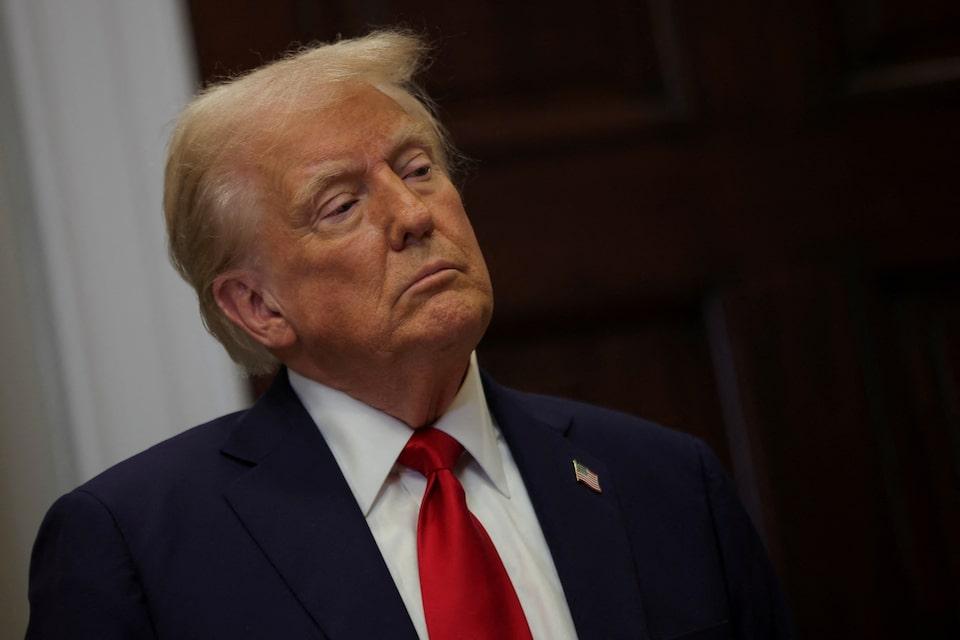
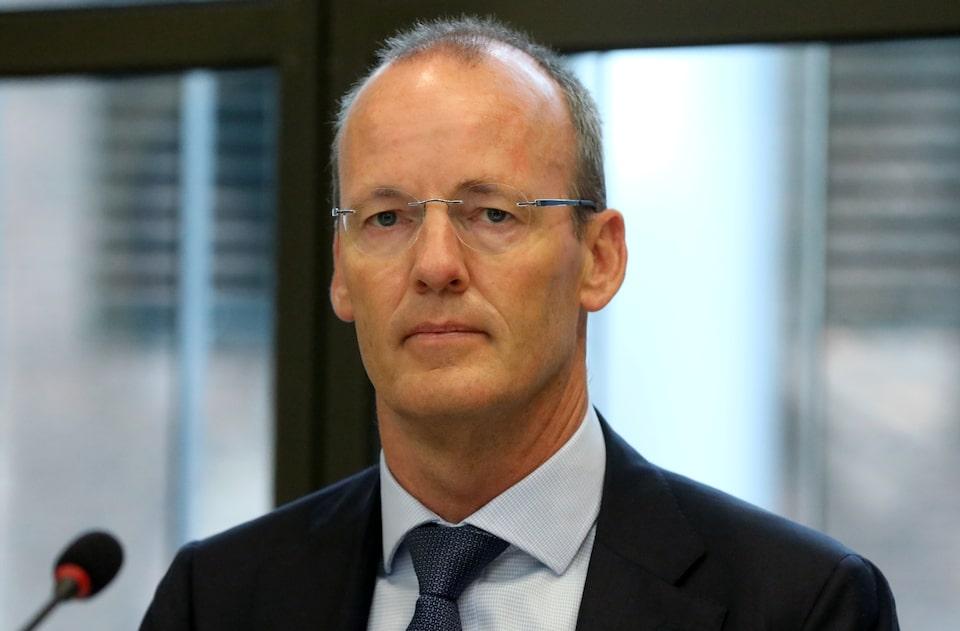
ECB meets on Jan. 30 and rate cut is seen a done deal Markets see 4 moves in 2025 Policymakers back gradual easing towards neutral policy setting FRANKFURT, Jan 22 (Reuters) - European Central Bank policymakers lined up behind further interest rate cuts on Wednesday, indicating that next week's reduction is all but a done deal and further moves will also come even if the U.S. Federal Reserve remains cautious. Having cut rates four times already in response to weak growth and falling inflation, the ECB is expected to keep moving quickly in 2025 with traders even increasing rate cut bets this week after U.S. President Donald Trump did not announce much feared trade tariffs against the bloc. ECB President Christine Lagarde along with policymaking council members Francois Villeroy de Galhau, Klaas Knot, and Yannis Stournaras all backed further policy easing. José Luis Escrivá sounded more guarded but he also made an implicit case for more easing. "The direction is very clear," ECB President Christine Lagarde told CNBC in Davos about interest rates. "The pace we shall see depends on data, but gradual move is certainly something that comes to mind at the moment." Still, Lagarde appeared to argue against going too quick, saying the ECB was not at risk of undershooting its 2% inflation target and it also needed to watch the impact of the weak euro. "There will be interesting phenomenon that we will watch. The exchange rate, for instance, will be of interest and may have consequences," she argued. Villeroy, the head of the French Central bank said the ECB's 3% deposit rate could fall quickly since the bank was confident about getting inflation back to its 2% target. "To expect our policy rate to be around 2% by (this) summer is a plausible scenario," Villeroy told the World Economic Forum in Davos, arguing that 2% was his estimate for the neutral rate, which neither slows not stimulates growth. Knot, the conservative head of the Dutch central bank meanwhile threw his weight behind rate cuts on Jan. 30 and March 6 in light of "encouraging" economic data. "I'm pretty comfortable with the market expectations for the upcoming two meetings and farther than that I find it's too early to comment," the Dutch governor said on Bloomberg TV. "The data is encouraging, it confirms the broad picture that we will return to target in the remainder of the year and hopefully the economy will also finally recover a bit," he said. But he flagged "risks that will play out in the more medium to long term", including "the great many channels through which his (Trump's trade) policy might affect the global economy and the global inflation outlook". Bank of Greece Governor Yannis Stournaras also backed gradual moves, making the case for 25 basis point steps and said the ECB's 3% deposit rate should approach 2% by the end of the year. Big tariffs from the U.S. would pose a risk to growth and could even force the ECB to move quicker, Stournaras added. "It is most likely that (tariffs) would accelerate the reduction in interest rates, since it would further negatively affect the size of the European economy," Greek newspaper Naftemporiki quoted Stournaras as saying. Of all the policymakers speaking, Spain's Escrivá was the most cautious, arguing that developments were in line with projections but the ECB would not pre-commit to any move. However, those projections were predicated on rate cuts this year, suggesting Escriva was also comfortable with further easing. Money markets almost fully price in four further ECB cuts in 2025, bringing the rate the central bank pays on euro zone banks' deposits to 2% by the end of the year. This is near the lower end of a range that ECB economists consider neutral, neither stimulating nor restraining the economy. In her remarks in Davos, Lagarde said the ECB was trying to pinpoint this neutral level and it was anywhere between 1.75% and 2.25%. While some policymakers have raised the prospect of going below such level, Knot remained to be convinced. "If the recovery proceeds, if we approach target by the middle of the year then I'm not convinced yet we need to get into stimulative mode," he said. "Then again, there's a range for neutral ... that gives us some leeway. Let's not get head over heels here, the data will tell us where to go." Sign up here. https://www.reuters.com/markets/europe/ecbs-knot-is-comfortable-with-cuts-next-two-meetings-bloomberg-tv-2025-01-22/
2025-01-22 07:45
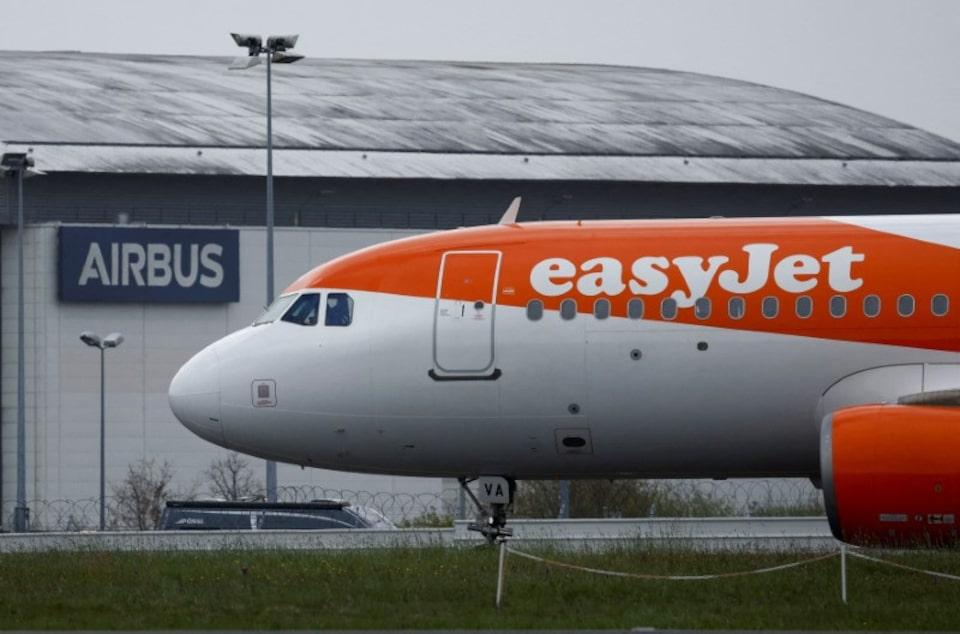
EasyJet shares dip on projected Q2 weakness Reported smaller Q1 operating loss than last year Summer demand projected to be strong FY25 and mid-term guidance remains unchanged Jan 22 (Reuters) - EasyJet's (EZJ.L) , opens new tab shares dropped to their lowest level since October on Wednesday as the company flagged weaker revenue expectations for the second quarter, but the airline cut losses in the first quarter and kept its profit guidance for the year. European airlines are hoping that stable fuel prices and demand will help their performance this year after spiralling costs and geopolitical turmoil weighed on their performance in 2024. European airline shares are broadly down on the year. EasyJet, the first UK airline to report results, produced a smaller first-quarter operating loss on easing fuel costs and strong passenger demand for travel and its holiday packages. It made a loss of 40 million pounds ($49.27 million) for the three months to Dec. 31 versus a loss of 117 million a year earlier. "Looking to this summer, we have seen continuing demand for easyJet's flights and holidays where we have one million more customers already booked, with firm favourites like Palma, Faro and Alicante," new CEO Kenton Jarvis said in a statement. The airline's shares were down around 3% at 0856 GMT, responding to concerns about weaker Q2 revenues tied to increased capacity on longer leisure routes and the Easter rush falling in Q3 instead of Q2, though the summer outlook remained positive. An adjustment for the timing of Easter, which is set for the end of April this year, could help figures for the remainder of the year, analysts said. "While there will be a small mix shift between H1 and H2, our FY25 forecast remains broadly unchanged and easyJet remains well on track to deliver against its medium-term target of £1bn of PBT," said Dudley Shanley, an analyst for Goodbody. The first quarter is usually the weakest for airlines as fewer customers travel between January and March. The carrier said current booking trends were supportive of it meeting the 709 million pound pretax profit forecast for the current financial year by analysts in a company-compiled consensus. The airline also confirmed it remained on track to meet its medium-term target of one billion pounds in pretax profit. Jarvis, who was the airline's finance chief, took over the top role from Johan Lundgren earlier this month with a promise of continuity on executing easyJet's mid-term growth plan. Jarvis said easyJet was set to receive all nine expected new Airbus (AIR.PA) , opens new tab aircraft, which will allow for capacity growth. Many other airlines are facing aircraft delivery delays. New CFO Jan De Raeymaeker also joined easyJet this week from rail freight firm Lineas. Its holiday business, which has helped bolster its profits in the past few years, is set for 25% growth. Stability in the Middle East, including a ceasefire deal between Israel and Hamas, could offer a further respite, allowing carriers to relaunch cancelled routes. EasyJet plans to resume limited flights to Tel Aviv in June and to expand services later on, it said this week. ($1 = 0.8118 pounds) Sign up here. https://www.reuters.com/business/aerospace-defense/britains-easyjet-reports-smaller-q1-operating-loss-festive-demand-2025-01-22/
2025-01-22 07:41
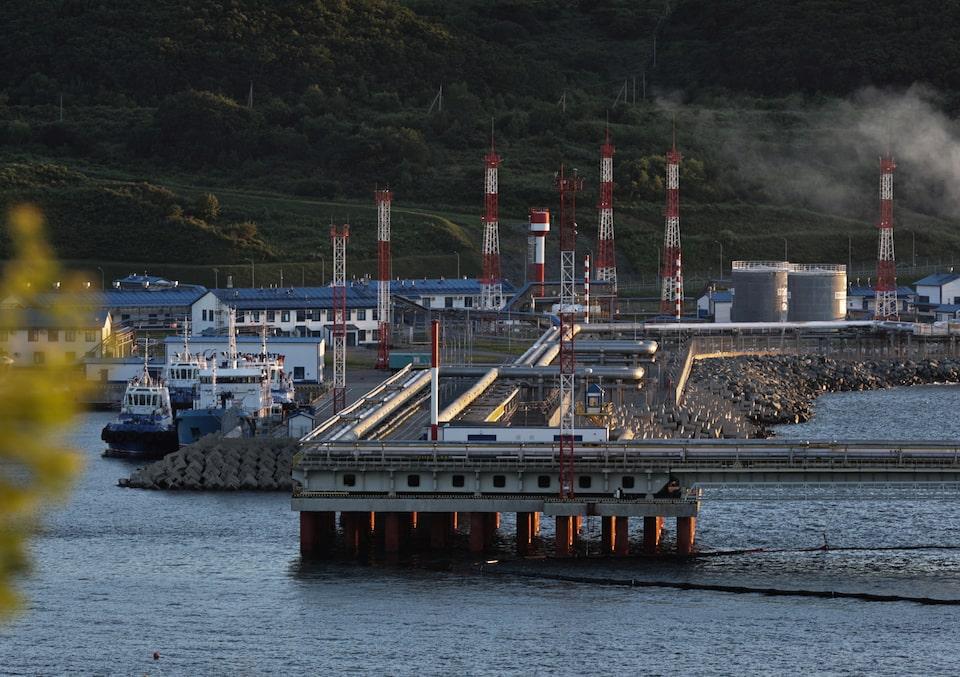
Trump discussed a 10% tariff on Chinese goods from Feb. 1 Iran denies it wants nuclear weapons US crude stocks seen down for 9th week in a row - poll Upcoming: Weekly US oil inventory data from API at 4:30 p.m. ET Jan 22 (Reuters) - Oil prices eased to a fresh one-week low on Wednesday as the market considers how U.S. President Donald Trump's proposed tariffs could affect global economic growth and demand for energy. Brent futures fell 29 cents, or 0.4%, to settle at $79.00 a barrel, while U.S. West Texas Intermediate crude (WTI) traded 39 cents, or 0.5%, lower to settle at $75.44. That puts Brent down for a fifth day in a row for the first time since September and WTI down for a fourth day in a row for the first time since November. Both crude benchmarks closed at their lowest since Jan. 9 for a second day in a row. "Possible sanctions under the new Trump administration remain unclear, with possible tariffs related to Canada and Mexico now seemingly at the forefront of trader uncertainties," analysts at energy advisory firm Ritterbusch and Associates said in a note. Trump said his administration was discussing imposing a 10% tariff on goods imported from China on Feb. 1, the same day that he previously said Mexico and Canada could face levies of around 25%. He also vowed duties on European imports, without providing further detail and threatened new tariffs against Russia if the country does not make a deal to end its war in Ukraine. "The oil market's attention is slowly turning away from U.S. sanctions against Russia towards President Trump's potential trade policy," said ING analysts, adding that the energy complex has come under pressure with the growing threat of tariffs. In Europe, French President Emmanuel Macron and German Chancellor Olaf Scholz sought to project unity at a meeting in Paris, as Europe struggles to respond with one voice to threats of tariffs from the United States. The U.S. president also said his administration would "probably" stop buying oil from Venezuela, a member of the Organization of the Petroleum Exporting Countries under U.S. sanctions. The U.S. imported about 200,000 barrels per day (bpd) of oil from Venezuela during the first 10 months of 2024, up from an average of 100,000 bpd in 2023, according to the latest data from the U.S. Energy Information Administration (EIA). Iran, another OPEC member under U.S. sanctions, delivered a conciliatory message to Western leaders in Davos on Wednesday, with a top official denying it wants nuclear weapons and offering talks about opportunities. In other OPEC news, Saudi Arabia's crude oil exports in November jumped to their highest in eight months. US CRUDE DRAWDOWN SEEN EXTENDING Analysts projected U.S. crude stockpiles fell about 1.6 million barrels last week, ahead of data due from the American Petroleum Institute (API) trade group later on Wednesday and the U.S. Energy Information Administration on Thursday. , Both weekly reports were delayed by a day due to the U.S. Martin Luther King Jr. Day holiday on Monday. If correct, that would be the first time energy firms pulled oil out of storage for nine weeks in a row since January 2018 when they withdrew oil for a record 10 consecutive weeks. That compares with a decrease of 9.2 million barrels in the same week last year and an average 800,000-barrel drawdown over the past five years (2020-2024). Separately, several Texas ports began to resume operations on Wednesday after Winter Storm Enzo disrupted energy and shipping operations earlier this week. Sign up here. https://www.reuters.com/markets/commodities/oil-prices-steady-investors-debate-trump-20-policies-2025-01-22/
2025-01-22 07:23
Slower approach to tariffs a slight relief to markets, industry China, Mexico, Canada in firing line for Feb 1 duties Trade memo calls for April 1 reports on deficits, trade remedies WASHINGTON, Jan 21 (Reuters) - U.S. President Donald Trumpon Tuesday vowed to hit the European Union with tariffs and said his administration was discussing a 10% punitive duty on Chinese imports because fentanyl is being sent from China to the U.S. via Mexico and Canada. Trump voiced his latest tariff threats in remarks to reporters at the White House a day after taking office without immediately imposing tariffs as he had promised during his campaign. Financial markets and trade groups exhaled briefly on Tuesday, but his latest comments underscored Trump's longstanding desire for broader duties and a new Feb. 1 deadline for 25% tariffs against Canada and Mexico, as well as duties on China and the EU. Trump said the EU and other countries also had troubling trade surpluses with the United States. "The European Union is very, very bad to us," he said, repeating comments made Monday. "So they're going to be in for tariffs. It's the only way ... you're going to get fairness." Trump said on Monday that he was considering imposing the duties on Canada and Mexico unless they clamped down on the trafficking of illegal migrants and fentanyl, including precursor chemicals from China, across their U.S. borders. Trump had previously threatened a 10% duty on Chinese imports because of the trade, but realigned that with the Feb. 1 deadline. White House trade adviser Peter Navarro told CNBC early on Tuesday that Trump's Canada and Mexico tariff threat was to pressure the two countries to stop illegal migrants and illicit drugs from entering the U.S. "The reason why he's considering 25, 25 and 10 (percent), or whatever it's going to be, on Canada, Mexico and China, is because 300 Americans die every day" from fentanyl overdoses, Navarro said. Trump on Monday announced a sweeping immigration crackdown, including a broad ban on asylum. APRIL 1 REPORTS Trump on Monday signed a broad trade memorandum , opens new tab ordering federal agencies to complete comprehensive reviews of a range of trade issues by April 1. These include analyses of persistent U.S. trade deficits, unfair trade practices and currency manipulation among partner countries, including China. Trump's memo asked for recommendations on remedies, including a "global supplemental tariff," and changes to the $800 de minimis duty-free exemption for low-value shipments often blamed for illicit imports of fentanyl precursor chemicals. The reviews ordered create some breathing room to resolve reported disagreements among Trump's cabinet nominees over how to approach his promises of universal tariffs and duties on Chinese goods of up to 60%. Trump's more measured approach to tariffs fueled a rally in U.S. stocks that pushed the benchmark S&P 500 index (.SPX) , opens new tab to its highest level in a month, though Trump's new salvo on China and the European Union may deflate that momentum. Trump likely "decided to go a little slower and also to make sure he has as firm a legal foundation as he can get for these kinds of actions," said William Reinsch, a trade expert at the Center for Strategic and International Studies in Washington. "He's figuring out how to best use his leverage to get what he wants." SOFTER TONES Mexico and Canada struck conciliatory tones in response to Trump's Feb. 1 deadline. Mexican President Claudia Sheinbaum said that she would emphasize Mexico's sovereignty and independence and would respond to U.S. actions "step by step." But she added that the U.S.-Mexico-Canada free trade agreement was not up for renegotiation until 2026, a comment aimed at pre-empting suggestions that Trump will seek an early revamp of the pact that underpins over $1.8 trillion in annual three-way trade. Corn farmers are worried about U.S. tariffs and retaliatory duties disrupting trade with Mexico, their top export customer for corn, and with Canada, the top export customer for U.S. corn-derived ethanol. "We understand that he is a negotiating type of person," Illinois farmer Kenny Hartman Jr, board president of the National Corn Growers Association, said of Trump. "We're just hoping that we can come out of this where we don't lose the exports - we don't lose that corn going to Mexico or that ethanol going to Canada." Sign up here. https://www.reuters.com/world/trump-says-he-is-discussing-10-tariff-china-feb-1-2025-01-21/
2025-01-22 07:11
COLOMBO, Jan 22 (Reuters) - Sri Lanka's foreign minister said on Wednesday that the South Asian island nation had signed an agreement with Chinese state energy giant Sinopec (600028.SS) , opens new tab to fast-track a proposed $3.7 billion oil refinery in its southern port city of Hambantota. Sinopec and Sri Lanka will jointly decide the share of refined fuel that will be exported from the facility, Foreign Minister Vijitha Herath told reporters. "This is one of the largest foreign investment projects Sri Lanka has received and we feel it will be important for us," Herath said. "This refinery has been discussed between the two countries for many years and we are committed to taking it forward. We hope to break ground as soon as possible." He declined to provide details on the planned capacity of the refinery. A Sinopec representative in China did not respond immediately to a request for comment and its Sri Lanka office did not answer phone calls. Sri Lanka is currently completely dependent on imported oil, which costs the cash-strapped country billions of dollars every year, though it does have some smaller refineries. The country is looking to attract foreign investment to stabilise its economy which crumpled under a severe foreign exchange crisis in 2022. Sri Lanka posted a faster-than-expected rally after securing a $2.9 billion International Monetary Fund (IMF) programme in 2023. Sinopec and Sri Lanka will work to resolve land, tax and water issues within a month, Herath said, adding that Colombo expects the refinery to assist the Chinese-built Hambantota Port to function as a hub via bunkering services. Last week, China and Sri Lanka signed 15 cooperation documents, including agreements on economic and technological development, when recently-elected Sri Lankan President Anura Kumara Dissanayake met China's President Xi Jinping in Beijing. Dissanayake's visit to debt-ridden Sri Lanka's largest bilateral lender came after he first travelled to Beijing's regional rival India. Specifics of the deals signed between Sri Lanka and China were not disclosed at the signing ceremony. Sinopec's effort to build a refinery in the Indian Ocean island puts it in direct competition with India's interests in expanding its role as an energy supplier to Sri Lanka. Herath said Sri Lanka is continuing discussions with India on a proposed fuel pipeline between the two countries and is open to refinery proposals from India. Sign up here. https://www.reuters.com/world/asia-pacific/sri-lanka-china-agree-fast-track-sinopecs-37-bln-refinery-hambantota-2025-01-22/

2025-01-22 07:05
LONDON, Jan 22 (Reuters) - In many respects, Donald Trump inherited the "golden age" he claims to be ushering in. All he really needs to do is not screw it up. In economic and financial terms, the United States has rarely been in better health. The world's largest economy has been humming at annualized growth rates close to 3% over the past year, its potential growth , opens new tab has increased since before the pandemic and a technology-led performance gap with the rest of the world is stark and widening. Less than 5% of global investors see any chance of a U.S. downturn on the horizon. Jobs are plentiful, the economy remains at full employment by any reasonable definition, and inflation-adjusted annual wage growth is running at twice the 40-year average. The post-pandemic inflation spike that forced a brutal squeeze in borrowing costs has subsided. Inflation has fallen back down near the Federal Reserve's 2% target, and interest rates are declining again as a result. To be sure, part of the steep price paid to get here is the bloated U.S. government deficit, which has expanded to a worrying 6% of national output and nudged the U.S. public debt pile north of a full year's gross domestic product. But thanks in part to the dollar's durable role as the world's dominant reserve currency, creditors at home and abroad remain relatively relaxed, and there have been few signs of stress in government funding channels. In fact, America has been attracting overseas direct and portfolio investment like never before, with its world-beating, mega-sized companies. U.S. equity now accounts for some two-thirds , opens new tab of the entire capitalization of global stock indexes. What's not to like? Even if not "golden," this is a rare period of sustained prosperity that everyone else on the planet seems envious of and wants to invest in. Keep it quiet, but the global investment world has been thinking "America First" in many ways for at least the past four years. RICH 'AGAIN'? And yet, in his inauguration speech on Monday, Trump insisted "the golden age of America begins right now." "We will be a rich nation again," Trump added later. That's an odd aspiration for an economy that is already one of the richest on the planet, with annual GDP per capita of nearly $87,000 last year. That's some 60% more than Germany or Britain, more than twice that of Japan and seven times that in China. Meanwhile, investors don't appear entirely convinced that there will only be sunshine ahead. Since the election, markets have been agitated by the risk that many of Trump's proposed policies - additional tax cuts, fewer migrant workers and resulting higher wages, and elevated import costs due to broad tariffs - could rekindle inflation and add even more to budget deficits. And with an economy operating at near perfect pitch, there is considerable trepidation that over-stimulation at this point could trigger some bad outcomes. One of the biggest fears is that bond markets could react to aggravated inflation and deficits by puncturing the whole bubble with a brutal rise in credit costs - a brief glimpse of which was seen at the turn of the year. The Trump team retort is that inflation risks will be curbed by a mix of oil and gas drilling that cheapens energy prices and swathes of deregulation. Meanwhile, tax cuts will be funded by reducing public spending, downsizing government and hiking import tariffs to bring in overseas revenues. Yet anxiety remains that Trump's policies will ape his hyperbolic rhetoric, prompting the eclipse of a golden era rather than its dawn. MARKET LOOP-THE-LOOPS Investors examining the first 24 hours of the new administration for clues about what to expect in the next four years might conclude we are going to get a lot of fiery speeches and market price loop-the-loops. But it's still far less clear whether the rhetoric will be matched by the scale of the eventual outcomes. In advance of the inauguration, the dollar had risen and overseas stock markets had cowered, partly due to Trump's repeated promise of implementing day-one tariff increases. Yet the speech and related executive orders and directives have contained no specifics. The dollar duly retreated, but then Trump insisted tariffs on Mexico and Canada would come next month, if they do not make further commitments to halt illegal migration and drug trafficking. Implementing universal tariffs and a review of the U.S. relationship with China, he said, would take longer. The dollar and stocks perked up again, with many prices returning roughly to where they were before the inauguration. The upshot is that the tariffs may come, but it's still not entirely clear where or when. And while markets will continue to gyrate around the president's rattling sabre, it's possible that neither the eventual policy measures nor the net market outcomes may ultimately amount to very much. For the economy at large, that may well be the most sensible course Trump's team can take. Plenty of loud headlines around marginal tweaks - but no crash, bang or wallop. That way the golden age Trump aspires to has some chance of mirroring the gilded one he's stepped into. The opinions expressed here are those of the author, a columnist for Reuters. Sign up here. https://www.reuters.com/markets/golden-age-here-already-trump-just-needs-protect-it-mike-dolan-2025-01-22/