2025-01-20 19:20
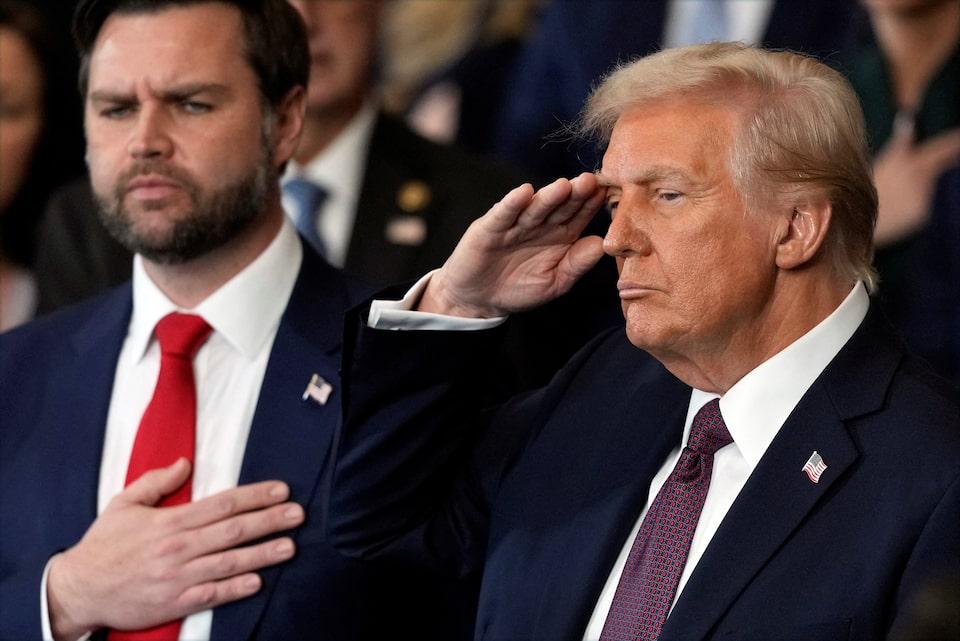
Trump declares national energy emergency to accelerate permitting of oil, gas and power projects President also likely to repeal Biden's actions promoting electric vehicles and withdraw U.S. from climate pact Environmental groups say they intend to challenge the orders WASHINGTON, Jan 20 (Reuters) - President Donald Trump on Monday laid out a sweeping plan to maximize oil and gas production, including by declaring a national energy emergency to speed permitting, rolling back environmental protections, and withdrawing the U.S. from an international pact to fight climate change. The moves signal a dramatic U-turn in Washington’s energy policy after former President Joe Biden sought for four years to encourage a transition away from fossil fuels in the world's largest economy. But it remains to be seen if Trump's measures will have any impact on U.S. production, already at record levels as drillers chase high prices in the wake of sanctions on Russia after its 2022 invasion of Ukraine. "America will be a manufacturing nation once again, and we have something that no other manufacturing nation will ever have: the largest amount of oil and gas of any country on Earth," Trump said during his inauguration speech. "And we are going to use it." Trump later signed executive orders declaring a national energy emergency and withdrawing the United States from the 2015 Paris climate deal, the international pact to fight global warming. He also signed orders aimed at promoting oil and gas development in Alaska, reversing Biden's efforts to protect Arctic lands and U.S. coastal waters from drilling, revoking Biden's target for EV adoption, suspending offshore wind lease sales, and lifting a freeze on LNG export permitting. Trump said he expects the orders to help reduce consumer energy prices and improve U.S. national security, by expanding domestic supplies and also bolstering allies. "We will bring prices down, fill our strategic reserves up again right to the top, and export American energy all over the world," he said. Environmental groups have said they intend to challenge the executive orders in court. The Biden administration had seen electric vehicle and wind energy technologies as crucial to efforts to decarbonize the transportation and power sectors, which together make up around half of U.S. carbon dioxide emissions. Biden's administration sought to encourage electric vehicle use by offering a consumer subsidy for new EV purchases, and by imposing tougher tailpipe emissions standards on automakers. It also sought to encourage clean energy technologies like wind and solar through tax credits that have drawn billions of dollars in new manufacturing and project investments. The Democratic National Committee called Trump's day one agenda a "disaster for working families". "Killing manufacturing jobs and giving a free pass to polluters that make people sick is hardly putting ‘America first,'" said Alex Floyd, DNC spokesperson. POWER INDUSTRY OVERHAUL Trump had said repeatedly during his campaign he intends to declare a national energy emergency, arguing the U.S. should produce more fossil fuels and also ramp up power generation to meet rising demand. U.S. data center power use, a major driver of growing electricity demand, could nearly triple in the next three years, and consume as much as 12% of the country's power to fuel artificial intelligence and other technologies, according to the Department of Energy. Trump's declaration seeks to ease environmental restrictions on power plants to meet that demand, speed up construction of new plants, and ease permitting for transmission and pipeline projects. "It allows you to do whatever you’ve got to do to get ahead of that problem," Trump told reporters while signing the order. "And we do have that kind of an emergency." Sam Sankar, senior vice president for programs at Earthjustice, a non-profit group which is gearing up to fight Trump policies in the courts, said the declaration of an energy emergency in a non-war period is rare and untested, creating a potential legal vulnerability. The first Trump administration had considered using emergency powers under the Federal Power Act to attempt to carry out a pledge to rescue the declining coal industry, but never followed through. Trump's promise to refill strategic reserves, meanwhile, has the potential to lift oil prices by boosting demand for U.S. crude oil. After the invasion of Ukraine, Biden had sold more than 180 million barrels of crude oil from the U.S. Strategic Petroleum Reserve, a record amount. The sales helped keep gasoline prices in check, but sank the reserve - designed to buffer the United States from a potential supply shock - to the lowest level in 40 years. Sign up here. https://www.reuters.com/business/energy/trump-says-he-will-immediately-declare-national-energy-emergency-2025-01-20/
2025-01-20 19:00
SAO PAULO, Jan 20 (Reuters) - A law passed by legislators in Brazil's largest farm state Mato Grosso that changes the classification of endangered biomes inside state borders will likely weaken environmental protections there, according to climate activists. Under the new law, areas currently located in the Amazon biome could be converted into Cerrado areas based on the height of trees. That means that Mato Grosso properties sitting on the Amazon biome, which have to keep 80% of native vegetation as per Brazil's Forestry Code, could be converted into Cerrado areas, which have to preserve a much lower 35%. The measure, approved in the first days of January, is the latest environmental blowback in Mato Grosso -- which produces almost as much soybeans as Argentina and nearly a quarter of Brazilian fresh beef exports. Suely Araujo, public policy coordinator at the Climate Observatory, called the law unconstitutional in a Monday interview, because it conflicts with federal statutes. She said it could be challenged in the courts. "The new legislation could cause an increase in deforestation estimated at 5.2 million hectares... an area the size of Costa Rica," IPAM, the Amazon Environmental Research Institute, said in a statement. The office of governor Mauro Mendes, which has yet to sign the bill into law, said it had proposed something entirely different from the text approved by the state legislature. It declined to comment on a potential veto, saying the bill is being analyzed by executive branch lawyers. Pressure from farm groups to open up more areas for large scale agriculture projects is rising. As a response, Mato Grosso recently passed a law removing tax breaks for grain traders enforcing the "soy moratorium," a voluntary agreement whereby exporters ban farmers who cultivated soy in a deforested area after 2008. Next month, the Supreme Court will rule on whether that law is constitutional. Sign up here. https://www.reuters.com/world/americas/brazils-biggest-farm-state-seeks-weaken-environmental-protections-2025-01-20/

2025-01-20 18:39
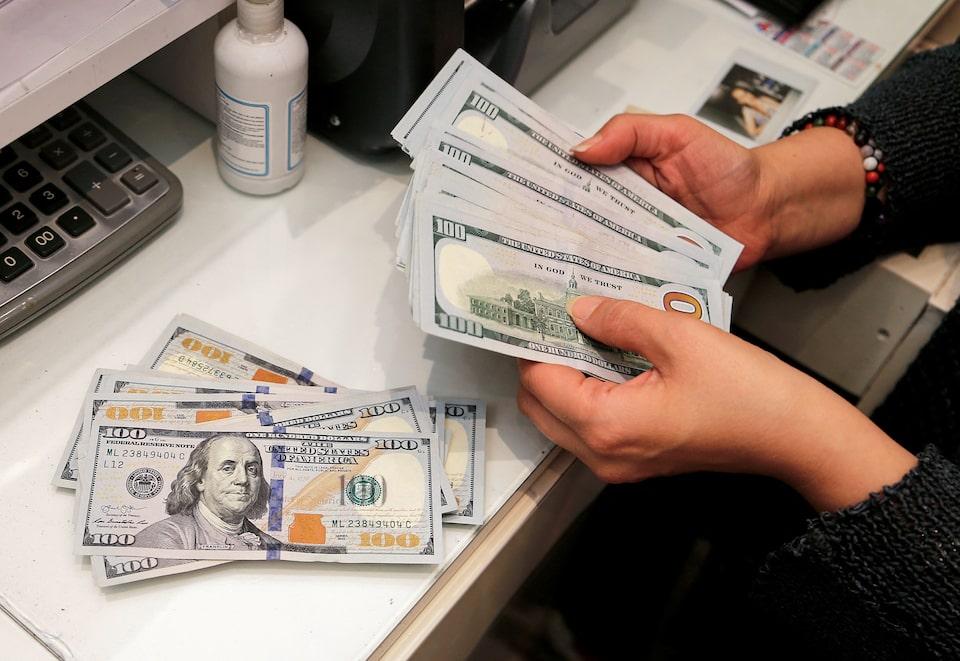
ORLANDO, Florida, Jan 20 (Reuters) - As Donald Trump begins his second term as U.S. president, currency speculators are giving the dollar their strongest backing since before he was first given keys to the White House. The question now is whether this signals more USD strength ahead or marks the peak of the current cycle for the "mighty dollar", as Trump referred to the greenback late last year. The bullish dollar trade has had a remarkable run since late September when investors began betting on a stronger U.S. economy, 'higher for longer' U.S. interest rates, and a Trump victory. In the three and a half months since then, Commodity Futures Trading Commission funds have flipped a leveraged net short dollar position against major and key emerging market currencies worth around $15 billion to a leveraged net long position worth over $35 billion. That's the biggest 'long' since January 2016. A long position is essentially a bet that an asset will rise in value, and a short position is a wager its price will fall. At the same time, the dollar index, a measure of the dollar's value against its G10 peers, rose 10% to its highest level in more than two years, posting multi-year peaks against sterling and the Canadian dollar as well as record highs against emerging market currencies like the Brazilian real and Indian rupee. As the 'Trump 2.0' era begins, the dollar index is some 20% higher than its average over the past quarter of a century and at levels rarely seen since the 1980s. As Societe Generale's Kit Juckes notes, the dollar might be "mighty" but may also be "getting a little bit ahead of itself." TARIFF TENSIONS COOL? Analysts at Morgan Stanley agree, announcing on Friday that they were turning bearish on the dollar and recommend selling it against the euro, sterling and yen. They argue that most of the economic fundamentals and dynamics that have strengthened the dollar recently – and there have been many - are fully priced into the dollar's exchange rate or even over-priced in some cases. They suggest that Treasury yields have topped out, the "U.S. exceptionalism" narrative has little juice left in it, investors are too optimistic on the size and scope of Trump's dollar-friendly tariffs, and the doom and gloom surrounding Europe's fortunes is overdone. Put all that together, and the near-term outlook for the dollar isn't all that rosy, at least from a tactical if not long-term fundamental perspective, especially with fund and investor positioning so one-sided. As Morgan Stanley's FX strategists wrote on Friday, "we acknowledge that there is considerable uncertainty about the sequencing and outcome of U.S. policy. But in the near term, we think the asymmetric risk clearly favors dollar weakness alongside lower yields." Their take on the dollar certainly isn't unanimous. For example, analysts at Goldman Sachs last week upgraded their bullish dollar outlook citing continued U.S. economic outperformance, supportive Treasury yields, and the belief that the dollar-positive impact of Trump's expected tariffs has not yet fully been priced in. Still, given speculators' stretched dollar positions, it might not take much to send the "mighty dollar" sliding from this lofty height. And right on cue, a Trump administration official on Monday said that tariffs will not be slapped on U.S. trading partners immediately. This pushed the dollar down more than 1%, putting it on track for its worst day since August. (The opinions expressed here are those of the author, a columnist for Reuters) Sign up here. https://www.reuters.com/markets/currencies/funds-start-trump-20-era-most-bullish-dollar-since-2016-mcgeever-2025-01-20/
2025-01-20 17:30
ABUJA, Jan 20 (Reuters) - Nigeria plans to rebase its gross domestic product and inflation data by the end of the month to capture changes in certain sectors of the economy and to reflect current consumption patterns, its statistics office said on Monday. The National Bureau of Statistics said some sectors of Nigeria's economy have experienced significant growth since the last GDP rebasing in 2014 and now require proper representation. The marine economy, arts, culture and tourism, information and communication technology and e-commerce activities were among those sectors, it said. While it is too soon to say what the impact of the rebasing might be, economists speculated that Nigeria might want to present a more compelling investment case to lure foreign funds that fled in the wake of its recent crisis. The rebasing in 2014 positioned Nigeria as Africa's largest economy. President Bola Tinubu embarked on Nigeria's boldest reforms after he took office in 2023 by scrapping a decades-old petrol subsidy and devaluing the naira currency in an effort to jump-start growth. Tinubu's reforms have worsened already high inflation and escalated a cost of living crisis in Africa's most populous nation. The statistics office said consumption pattern in Nigeria have changed significantly since the last inflation rebasing in 2009. It plans to use 2024 as the new base year for inflation. Nigeria's inflation rate rose to 34.80% (NGCPIY=ECI) , opens new tab in December from 34.60% in November, the statistics office said last week, noting that food and non-alcoholic beverages contributed the most to price pressures. Tinubu said in a budget speech in December that he expected inflation to fall to 15% this year, helped by lower imports of petroleum products. Sign up here. https://www.reuters.com/world/africa/nigeria-rebase-gdp-inflation-data-by-month-end-stats-office-says-2025-01-20/

2025-01-20 16:54
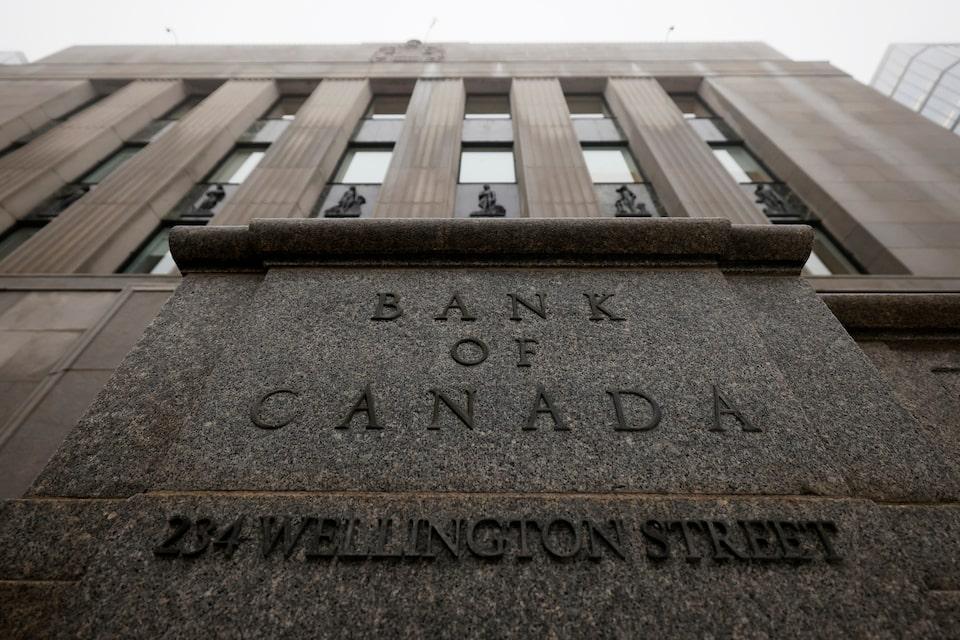
By Promit Mukherjee and David Ljunggren OTTAWA, Jan 20 (Reuters) - Canadian firms see improved demand and sales in the coming year, largely fueled by rate cuts, but are concerned about the potential damage from promised U.S. policies, the Bank of Canada said on Monday. The Bank's fourth quarter business outlook survey said overall business sentiment remained subdued. The survey is closely watched by the BoC as it gives a perspective on investment and hiring intentions of companies. The business outlook indicator - a metric of prospects under current economic conditions - improved to -1.18, its best standing in the last five quarters but continued to be below average. Only 15% of firms are now planning for a recession in Canada over the coming year, down from 16% in the third quarter, it said. "After a period of weak demand, firms expect their sales growth to improve over the coming year. This expectation is largely driven by recent interest rate reductions and the anticipation of further cuts ahead," it said. The outlook was carried out from Nov 7-27, before the bank's most recent 50 basis point cut on Dec 11. U.S. President Donald Trump promised on Nov 25 to impose a 25% tariff on all Canadian imports when he took office. A separate online poll of business leaders the central bank carried out in December showed widespread uncertainty about the potential fallout of U.S. policies, with 40% of respondents saying they expected the effects to be negative. The bank has cut rates by a total of 175 basis points since June in a bid to spark a weak economy and counter rising unemployment. Rates had hit a two-decade high of 5% before the bank started easing policy. "Firms' intentions to increase investment over the coming year have become more widespread and are well above their historical average," the BoC said in the survey. But it cautioned that uncertainty linked to the U.S. trade policy was holding back companies from committing investments, although the energy sector was likely an exception. Companies reported that over the next 12 months they anticipate their selling prices will grow but improved demand conditions will allow them to pass through the cost increases and restore margins. The survey noted that a larger-than-normal share of firms plan keep employment levels roughly flat over the coming year. However, they also do not see need to reduce staff. Canada's economy added nearly four times the number of jobs forecast in December and reached its highest number in almost two years, But unemployment has continued to be at historically high levels. (Reuters Ottawa editorial) Keywords: CANADA CENBANK/ Sign up here. https://www.reuters.com/world/americas/canada-firms-see-better-sales-fret-about-possible-us-measures-central-bank-2025-01-20/
2025-01-20 16:54
MEXICO CITY, Jan 20 (Reuters) - Mexico's headline and core inflation rates will likely land below 4% in January, deputy central bank governor Jonathan Heath told newspaper Excelsior in a story published on Monday, adding that the bank does not need to exaggerate a restrictive posture. The central banker's forecast comes as some brace for upward pressure on prices, as the incoming U.S. president, Donald Trump, has threatened blanket tariffs on its southern neighbor's exports to the United States in addition to mass deportations. Both have the potential to stoke inflation. Heath, one of four members of the central bank's policy-setting board, also told the newspaper that his aim is to lower the Latin American economy's inflation rate to the bank's 3% target In December, Mexico's headline inflation rate eased to 4.21%, according to official data, which also saw the core rate tick up to 3.65%. At the time, Heath hailed the evolution of prices as "good news," as inflation slowed to its lowest rate since October 2023. Sign up here. https://www.reuters.com/world/americas/mexicos-central-banker-heath-sees-inflation-dipping-below-4-january-2025-01-20/