2025-01-20 11:17
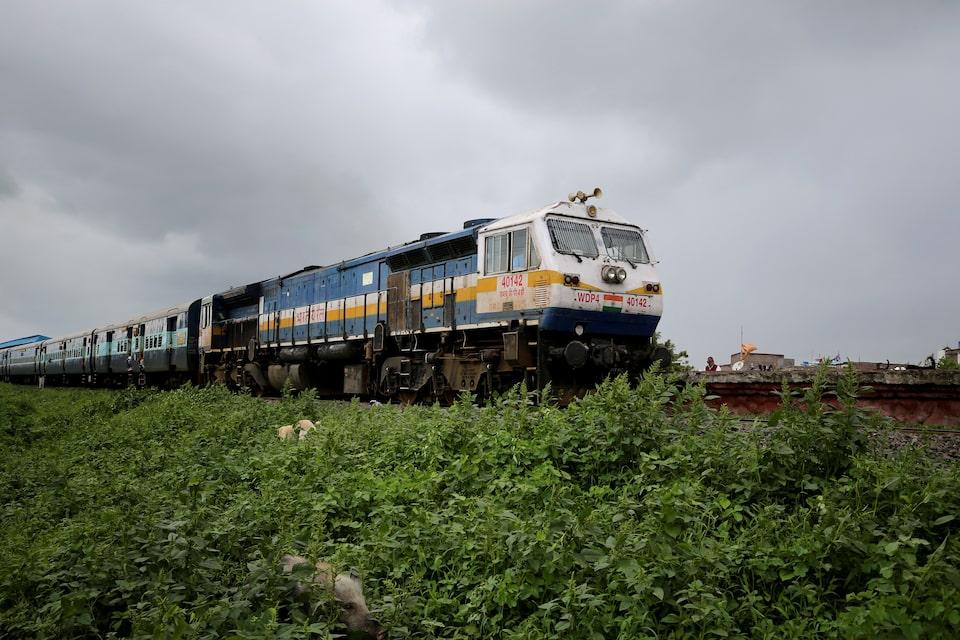
Road transport ministry expects 3-4% hike in budget for 25/26 Railways ministry expects over 15% hike in budget India wants to push high-speed trains, expand rail network Finance minister to present annual budget on Feb. 1 NEW DELHI, Jan 20 (Reuters) - India will bump up spending on the modernisation of its railways in the upcoming federal budget while marginally increasing allocations to road building, two government sources said. Prime Minister Narendra Modi's government has ramped up infrastructure spending, particularly on the road network, since the pandemic to drive economic growth, but execution challenges could see the focus shift to the railways, the sources said. Finance Minister Nirmala Sitharaman will present the 2025/26 budget on Feb. 1. The sources requested anonymity as they are not authorised to speak to the media about the budget discussions. India's finance, road transport, and railways ministries did not respond to emails seeking comment. The railways ministry's budget allocations could rise to between 2.9 trillion rupees and 3 trillion rupees ($33.5 billion-$34.7 billion) for the 2025/26 fiscal year, up from 2.55 trillion rupees, a government source said. The increase would help fund the expansion of state-run Indian Railways' more than 68,000 km of track and a goal of adding 400 high-speed Vande Bharat trains by March 2027, as well as an in rail freight, the source said. The road transport ministry is expecting a 3% to 4% budget increase to about 2.9 trillion rupees ($34.7 billion), after its total spending rose six-fold in a decade, a government source familiar with budget discussions, said. India has expanded its road network by nearly 60% over the period to more than 146,000 km. "Given spending limits and land acquisition challenges affecting new projects, the ministry would be content with a 2%-3% budget hike," the official said, adding the focus is also on raising funds through internal resources. Policymakers have expressed concerns about a drop in spending by the road transport ministry, partly due to project delays caused by last year's national and state elections. The road transport ministry spent only 54% of its full-year budget in the first eight months of the fiscal year through November, government spending data shows, compared to 76% at the railways ministry. The road transport ministry plans to raise additional funds by selling toll collection rights to private firms and monetising road assets. It aims to raise up to 1 trillion rupees annually, to partly fund plans to build 50,000 km of high-speed road network in coming years, the first source said. ($1 = 86.5170 Indian rupees) Sign up here. https://www.reuters.com/world/india/india-shift-focus-railways-road-transport-infrastructure-push-say-sources-2025-01-20/
2025-01-20 11:11
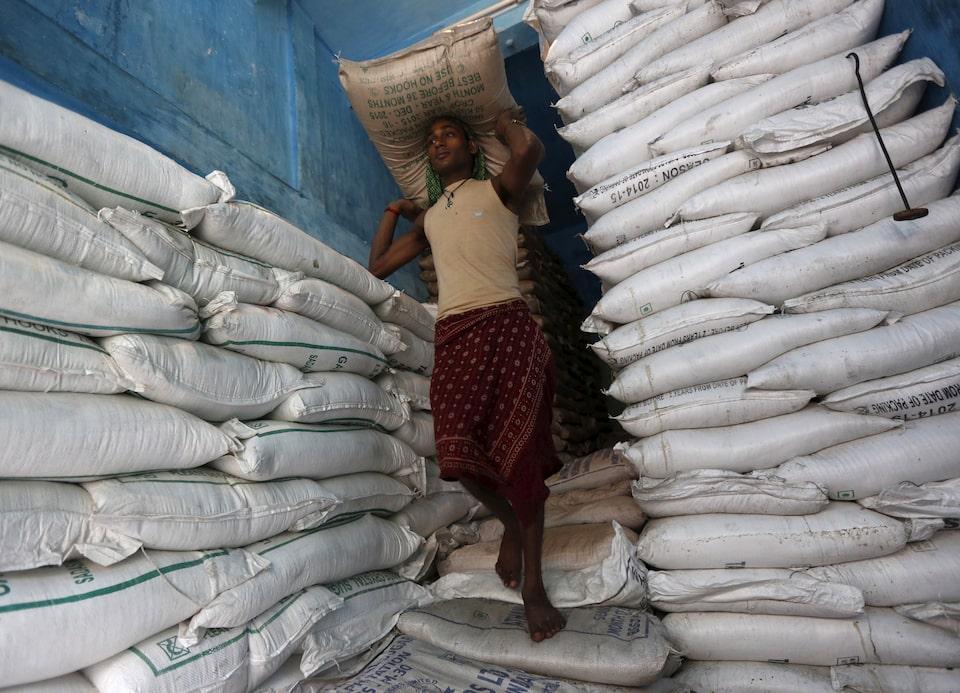
NEW DELHI/MUMBAI, Jan 20 (Reuters) - India on Monday allowed exports of 1 million metric tons of sugar during the current season to September 2025 to help mills of the world's second biggest producer export surplus stocks and help prop up local prices. The decision could put further downward pressure on global prices , , which fell more than 1% on Monday. The government has approved an export quota to strengthen the sugar sector by providing price stability and supporting 50 million cane growers, the Food Minister Pralhad Joshi said. Reuters reported on Sunday that New Delhi was set to allow the exports to support local sugar prices that had come under pressure in recent months. The Food Ministry has allocated mills a uniform export quota of 3.174% of their three-year average production, which they can export directly or via merchant exporters. Exports help sugar mills generate crucial revenue, ensuring timely cane payments to farmers, said Deepak Ballani, director general at the Indian Sugar & Bio-Energy Manufacturers Association (ISMA). Although there had been speculation for weeks that exports would be allowed, the decision surprised some traders as this season's production is expected to fall below consumption for the first time in eight years. Production could fall to around 27 million tons from 32 million tons last year and below annual consumption of more than 29 million tons, according to leading trade houses. India, which sells sugar to Indonesia, Bangladesh and the United Arab Emirates among others, was the world's No. 2 exporter during the five years to 2022-23, with volumes averaging 6.8 million tons annually. It did not allow exports in the 2023-24 marketing year. India's re-entry to the global market sets the stage for significantly higher exports in the next marketing year, beginning in October, said Vishal Nirani, director at Nirani Sugars. Sign up here. https://www.reuters.com/markets/commodities/india-allows-1-million-tons-sugar-exports-this-year-minister-says-2025-01-20/
2025-01-20 11:10
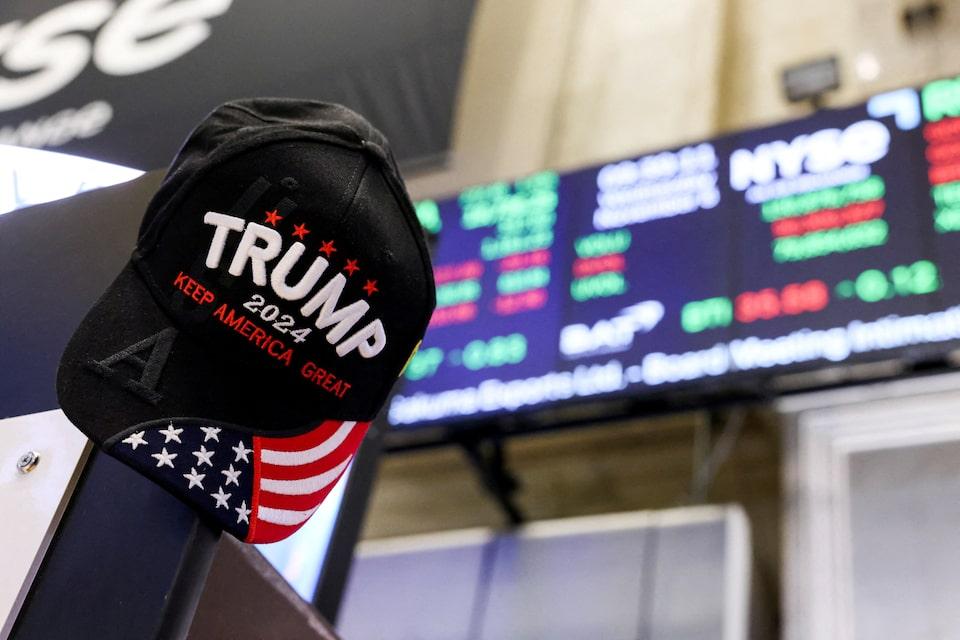
Dollar roughly steady on less aggressive Day 1 tariff threats Relief rally for yuan and China stocks Mexico's peso gives up gains and Canadian dollar steadies S&P 500 rose 19.4% in year one of Trump's first term LONDON/SINGAPORE/NEW YORK, Jan 21 (Reuters) - Investors were tentatively breathing a sigh of relief on Tuesday as U.S. President Donald Trump’s initial policy diktats on tariffs were less stringent than they had feared, despite setting a tone of uncertainty in global markets. Trump had vowed to immediately impose steep tariffs of 10% to 20% on global imports into the U.S. and 60% on goods from China. After assuming office on Monday, he did not immediately impose tariffs - he only issued an order that directed agencies to "investigate and remedy" the U.S. trade deficits. Later on Monday, however, Trump told reporters that he was considering imposing 25% tariffs on Mexico and Canada on Feb. 1. Taken together, it made for a volatile market. The dollar, which fell initially on news that there would be no tariffs, regained some of its lost ground against the Mexican peso and the Canadian dollar once Trump made his remarks. By Tuesday, even that initial move was drawing down as investors thought he was subsequently milder. "The extent of Trump's protectionist policies remains the market's primary focus, and so far, there are early signs that he may be less aggressive than feared," said Matt Weller, head of market research at StoneX. The first 24 hours of the presidency underscored what investors expect to be a new reality for markets – that the only certainty about Trump's second U.S. presidency looked to be uncertainty. Chinese markets were relieved after Beijing avoided an instant blizzard of executive orders, while Mexico's peso and Canada's dollar posted gains on Tuesday afternoon after tumbling the day before. /FRX "Markets are having a shattered glass type of moment," said Callie Cox, chief market strategist at Ritholtz Wealth Management. "Lofty tariffs didn't come on day 1, and concrete details may still be far off." The dollar was roughly flat on Tuesday after plunging during the inauguration, with the tariff warning pushing it to a five-year high against its Canadian counterpart, a rebound that also pushed the euro and pound down in Europe. The S&P 500 (.SPX) , opens new tab was up 0.88% as traders stuck to the view the returning president's "America First" mantra would boost corporate profits. Trump also said he wanted to reverse the U.S. trade deficit with the European Union. Nigel Green, CEO of the deVere financial advisory group, said the consequences of 25% tariffs on Mexico and Canada "could be seismic". Asian investors saw China's yuan and Hong Kong shares push higher on Tuesday. Battery and wind energy stocks dropped though after Trump confirmed he was reversing green energy policies and pulling the U.S. out of the Paris climate accord. An aggressive round of U.S. tariffs - where they exceed current assumptions - could drive economies from Canada to Europe into recession. The unpredictability of U.S. policies, however, is not deterring all investors. "We are active managers so for us this is a great environment, we like uncertainty and we like volatility as it gives us opportunities," Konstantin Veit, a European portfolio manager at bond giant PIMCO, said. PIMCO expects the negative impact of tariffs to drive down interest rates in Europe and elsewhere but could also push U.S. Treasury yields back to a juicy and attractive 5%. OVERHANG Global currency swings illustrate how investors are struggling to assess the impact of tariffs. The dollar hit a five-year high of 1.452 Canadian dollars but remained steady around C$1.43 in afternoon trading. Meanwhile, the Mexican peso gave back much of Monday's 1.5% gains against the dollar, last trading down 0.7% at 20.618. Treasuries rallied, with the 10-year Treasury yield down to 4.574%, while MSCI's 47-country world share index (.MIWD00000PUS) , opens new tab, which has more than doubled in value since Trump's 2016 election win and is now worth nearly $80 trillion, was up about 0.69%. Cryptocurrency markets, which soared in the run-up to Trump taking office, stalled as the lack of any instant crypto-friendly announcements stirred some disappointment. Bitcoin , which came close to $110,000 on Monday, was trading 4.13% higher at $106,759. Jack Ablin, chief investment officer at Cresset Capital, said Trump's policies could spur corporate profits, but at a cost. "We will need to see a lot of earnings growth to make up for even a minor increase in interest rates that could follow higher tariffs." Trump enters office with an ambitious agenda spanning trade, immigration, tax cuts and deregulation which has the potential to boost U.S. corporate profits. But it could also fan inflation and force the Fed into a rethink on U.S. interest rates. "The big question on investors' minds right now is going to be 'how' -- how will he cut costs and lower inflation and lower interest rates," said Josh Strange, president of Good Life Financial Advisors of NoVA, a financial advisory firm. Sign up here. https://www.reuters.com/markets/us/markets-optimistic-trump-returns-white-house-2025-01-20/
2025-01-20 11:05
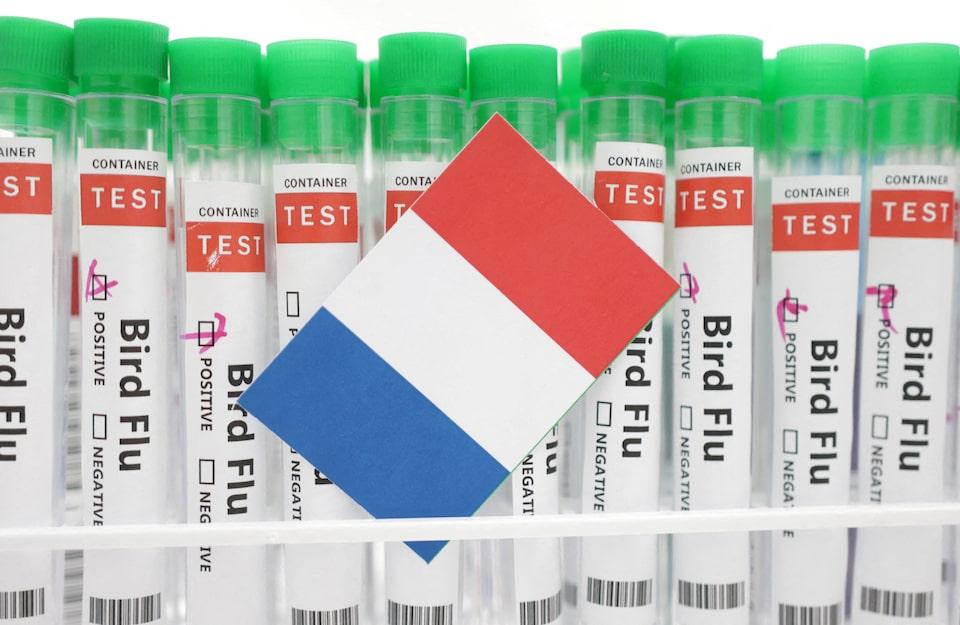
PARIS, Jan 20 (Reuters) - The United States and Canada have lifted embargoes on certain French poultry imports imposed after Paris decided to vaccinate ducks against bird flu in October 2023, the French agriculture ministry said on Monday. Highly pathogenic avian influenza (HPAI), commonly known as bird flu, is a viral disease that has ravaged poultry flocks worldwide in recent years, notably in France and the United States. There has also been evidence of transmission beyond birds, including dairy cows and farm workers in the U.S. France requires vaccination , opens new tab of ducks to try to limit the spread of the disease, making it the world's first large exporter to launch a nationwide vaccination campaign against bird flu. But some countries are concerned that vaccinated birds pose a risk as they may not show signs of infection, meaning it is impossible to determine whether the virus is in a flock. "After more than a year of negotiations, French authorities have succeeded in convincing the U.S. and Canadian authorities of the safety of HPAI vaccination," the agriculture ministry said in a statement. "They have therefore announced the lifting of restrictions on unvaccinated poultry and poultry products/by-products from unvaccinated flocks, while 'maintaining the safety of agricultural trade'," it added. The United States also lifted its embargo on exports of ducks and duck products from other European Union member states, the French ministry said. French health authorities were in contact with their U.S. and Canadian counterparts to finalise the practicalities for resuming exports of avian genetics (hatching eggs and day-old chicks) to these destinations. While French poultry exports to the U.S. and Canada are very small, shipments of avian genetics are more common. Sign up here. https://www.reuters.com/business/healthcare-pharmaceuticals/us-canada-ease-ban-french-poultry-imposed-after-bird-flu-vaccination-2025-01-20/
2025-01-20 11:03
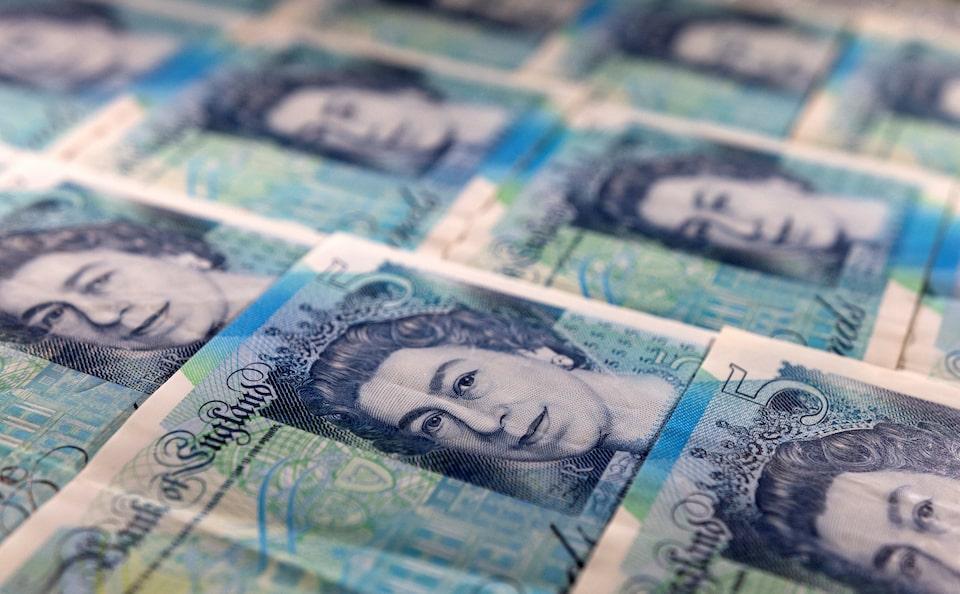
Jan 20 (Reuters) - The pound hit a fresh five-month low versus the euro on Monday, even as it rose against a weakening dollar, as recent economic data and comments from a Bank of England official led investors to increase their bets on future BoE rate cuts. Last week, data showed British retail sales fell by 0.3% in December while analysts expected a rise, core measures of consumer price growth fell sharply, and rate setter Alan Taylor said he expected the BoE to cut rates four times in 2025. Markets are currently pricing 62 basis points of rate cuts in 2025 from around 40 bps before the inflation data. Concerns about the UK's fiscal outlook put pressure on the British pound and bond prices two weeks ago. However, after recent data, investors shifted their focus back to the so-called monetary policy divergence from the Bank of England and other major central banks. The pound fell 0.3% against the dollar to $1.2197, not far from the 14-month low it touched on Monday. The U.S. dollar dropped on Monday before Donald Trump’s inauguration as U.S. president later in the session, with investors focusing on policy announcements that could immediately affect the greenback. "Inflation coming in lower than expected in December and a generally weaker tone in the latest economic releases has revived the prospect of Bank of England cuts, which, of course, is not helping the pound," said Enrique Diaz Alvarez, chief financial risk officer at Ebury. "This week's labour report and PMI data are key, particularly the latter," he added. Investors will focus on November's wage numbers, due on Tuesday, and any evidence of a more sustained acceleration. Meanwhile, they expect further moderation from the Friday Purchasing Managers’ Index data for January on Friday and the GfK consumer confidence indicators. The euro rose 0.36% to 84.71 pence per euro, after hitting 84.73, its highest level since Aug. 26. "Recent softer inflation data has tempered stagflation fears while accelerating expectations for BoE rate cuts," said George Vessey, lead forex strategist at Convera, after mentioning fiscal challenges which weakened the pound recently. Analysts will closely watch fiscal developments after a rise in borrowing costs since the budget has put the government at risk of missing self-imposed targets to balance day-to-day spending. "The solution to the current challenges is sterling-negative," said Chris Turner, head of forex strategy at ING. "To resolve the risk of breaching the fiscal rule, either the government needs to cut spending, the Bank of England to cut rates - lowering Gilt yields - or both," he added. Sign up here. https://www.reuters.com/markets/currencies/sterling-hits-5-month-low-versus-euro-rates-outlook-2025-01-20/
2025-01-20 10:40
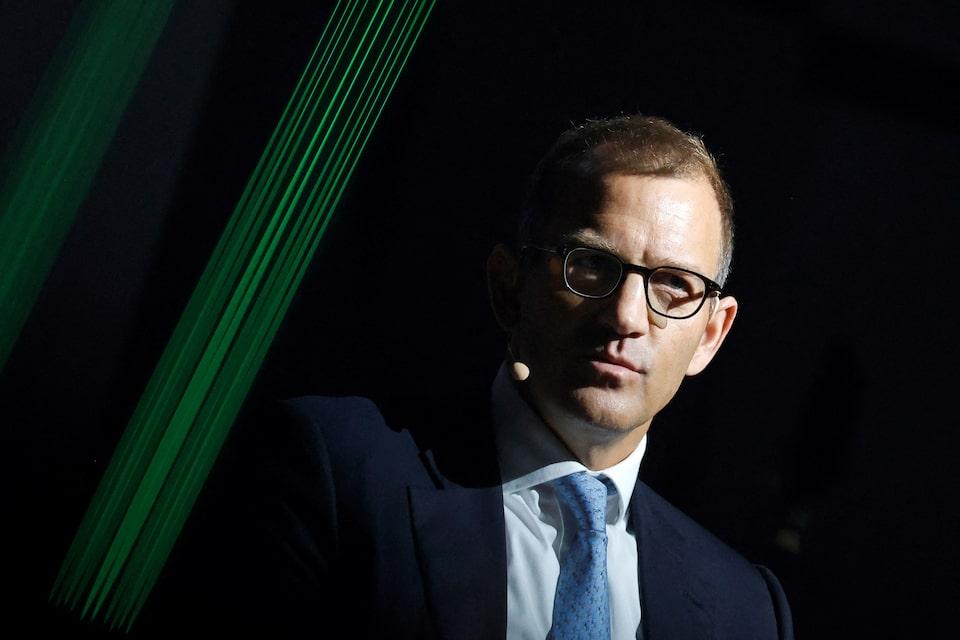
Kretinsky's EPH already operates power stations in Germany EPH is 'part of the process', source says Berlin studying full sale of Uniper stake FRANKFURT/PRAGUE, Jan 20 (Reuters) - Czech billionaire Daniel Kretinsky is among potential suitors approached by Berlin about buying German state-owned utility Uniper (UN0k.DE) , opens new tab, three people familiar with the matter said. Sources have said previously that others approached include New York-headquartered fund Brookfield (BN.TO) , opens new tab, Norway's Equinor (EQNR.OL) , opens new tab and Abu Dhabi's TAQA (TAQA.AD) , opens new tab. Czech energy holding company EPH, which is majority-owned by Kretinsky's investment vehicle EPCG, is "part of the process", one of the sources said, declining to be identified because the talks are confidential. EPH and Uniper declined to comment. A spokesperson for Germany's Finance Ministry, which oversees the government's Uniper stake, said only that Berlin was examining all scenarios to cut its stake, and that no decision on timing and the structure of any deal had been taken. Berlin is looking at divesting its 99.12% stake in Uniper, which had to be nationalised during Europe's energy crisis in 2022, with options ranging from a partial to a full sale of its holding, sources have said. Uniper is currently valued at 19 billion euros ($19.6 billion), meaning a stake sale could rank among Europe's biggest deals in 2025, even though sources have said a sale would likely involve a discount. It would also be the biggest target Kretinsky has taken on so far, though it is possible EPH could team up with a partner. ANTITRUST SCRUTINY EPH purchased some Uniper assets in France in 2019 and is no stranger to Germany's energy sector, having bought Vattenfall's (VATN.UL) local lignite-fired power stations in 2016. In Germany, investment firms controlled by Kretinsky also own a fifth of Thyssenkrupp's (TKAG.DE) , opens new tab steel unit and 45.62% of wholesaler Metro (B4B.DE) , opens new tab. The government has spent 13.5 billion euros on bailing out Uniper in one of Germany's biggest corporate rescues. Any deal involving Uniper as critical infrastructure will face comprehensive regulatory scrutiny, two of the people said. Berlin can critically review, and even block, any attempts by non-EU suitors to buy more than 10% in German power assets. Uniper supplied around a quarter of the gas used in Germany last year and is its largest gas storage operator. It also operates nearly a quarter of the country's so-called systemically relevant power capacity which must be kept on reserve to ensure supply. Under the bail-out deal with the European Commission, Berlin must cut its stake in Uniper to at least 25% plus one share by 2028. Uniper, meantime, must sell a number of assets, including its Datteln coal-fired power plant, by end-2026. Of the 10 asset disposals requested by Brussels in December 2022, Uniper has so far completed seven. ($1 = 0.9699 euros) Sign up here. https://www.reuters.com/markets/deals/czech-billionaire-kretinskys-eph-joins-suitors-uniper-sources-say-2025-01-20/