2025-01-17 07:03
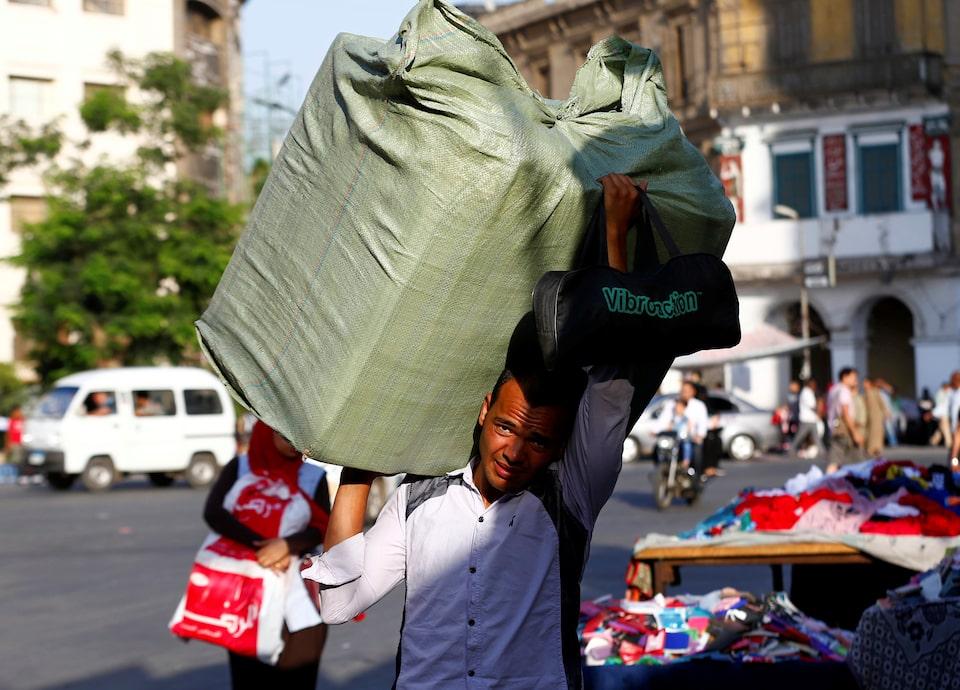
LONDON, Jan 17 (Reuters) - For all the trepidation about world trade, debt and inflation, it could well be worker shortages that define economic trends this year - on both sides of the Atlantic. Immigration curbs and deportations form a central plank of the agenda of President-elect Donald Trump, who returns to the White House on Monday. If he follows through with these plans, up to 1 million illegal migrants could be deported over the next two years and U.S. population growth could slow as a result. Meanwhile, in Europe, there's growing speculation that a durable ceasefire between Ukraine and Russia could see many refugees and migrants currently spread across Europe begin to head home. More than 4.3 million Ukrainians have fled the country since Russia's invasion in 2022, with more than 1 million , opens new tab settling in Germany alone. Many Ukrainians were given legal rights to live and work in Europe in a 2022 European Union directive. The prospect of losing at least some of these workers is already prompting concern in some central European nations. A significant decline in workers at this juncture - when labour markets in many economies remain hot despite the severe borrowing rate spike over the past two years - is rekindling concerns that some countries could face a potentially stagflationary supply squeeze. The prospect of a fresh upturn in wage inflation is just one more headache for central banks that otherwise seem keen to roll back the interest hikes of 2022 and 2023. LABOUR MARKET HEAT The International Labour Organization, a U.N. agency, said on Thursday that the global jobless rate remained at a historic low of 5% last year. It forecast that the rate would stay there in 2025, dipping further to 4.9% next year. And mapping out longer-term ageing and fertility trends to illustrate how ebbing labor supply is affecting that, JP Morgan strategists noted the working-age population in developed economies as a whole looks to have peaked at 746 million in 2023 and is projected to fall by 47 million through 2050 based on U.N. forecasts. This all sets the stage for a year that could see U.S. and European businesses experience an echo of the labour market anxieties that emerged in the wake of the pandemic. Indeed, the heat of the U.S. jobs market doesn't seem to have dissipated much last year. Although difficulty in hiring on an aggregate level appears to have returned to pre-pandemic levels, U.S. small business surveys , opens new tab continue to flag acute worker shortages in key sectors such as transportation, construction and manufacturing. With one-fifth of small firms planning to pick up hiring in the next three months, almost 90% of those looking to recruit reported no or few qualified applicants. And the number of businesses saying labour costs were their single biggest problem was just 2 percentage points below 2021's extremes. This then throws a spotlight back on Trump's proposed migration curbs and deportation plans. Some 8.3 million U.S. workers were estimated to be illegal migrants as recently as 2022. MACRO DRIVER Migration has been a critical macro driver over the past two years and likely a key reason why the U.S. economy was able to continue to create a significant number of jobs without generating an inflation spike. The U.S. Congressional Budget Office last February sharply increased its estimate for net immigration through 2023, forcing economists to rethink their expectations for sustainable payroll growth in 2024. However, those migration numbers have ebbed significantly since then, not least due to a mid-year asylum ban from President Joe Biden's administration that's estimated to have already cut monthly net migration by one-third compared with 2023. Trump's proposed deportations could tighten things much further, and investors are therefore starting to see Trump's migration agenda as potentially more economically important than even his tax or tariff promises. Morgan Stanley reckons Trump's plans could see deportations of about 1 million migrants over one to two years, and a decline in population growth from 1.2% in 2024 to 1.0% or less this year. Schroders economists think "the greater threat to inflation probably comes from a crackdown on immigration, along with mass deportations, if it leads to labour shortages that would ultimately result in higher wages and services inflation." The Schroders team cite Peterson Institute estimates that mass deportations could add 3 percentage points to inflation compared to a bump of one point from a 10% tariff hike. They reckon such a supply shock could cut potential GDP growth down to 1.5% from more than 2% currently. And Invesco argues that if deportation negatively impacts growth and creates a stagflationary environment, "a significant stock market downturn" would ensue. The details surrounding this debate - including whether deportations will be partially offset by working visas for skilled migrants - are numerous. But migration and fears about a shrinking workforce have clearly become a key macro investment variable that perhaps should dominate market thinking around Trump's inauguration next week. The opinions expressed here are those of the author, a columnist for Reuters. Sign up here. https://www.reuters.com/markets/worker-shortages-may-define-2025-economy-mike-dolan-2025-01-17/
2025-01-17 06:54
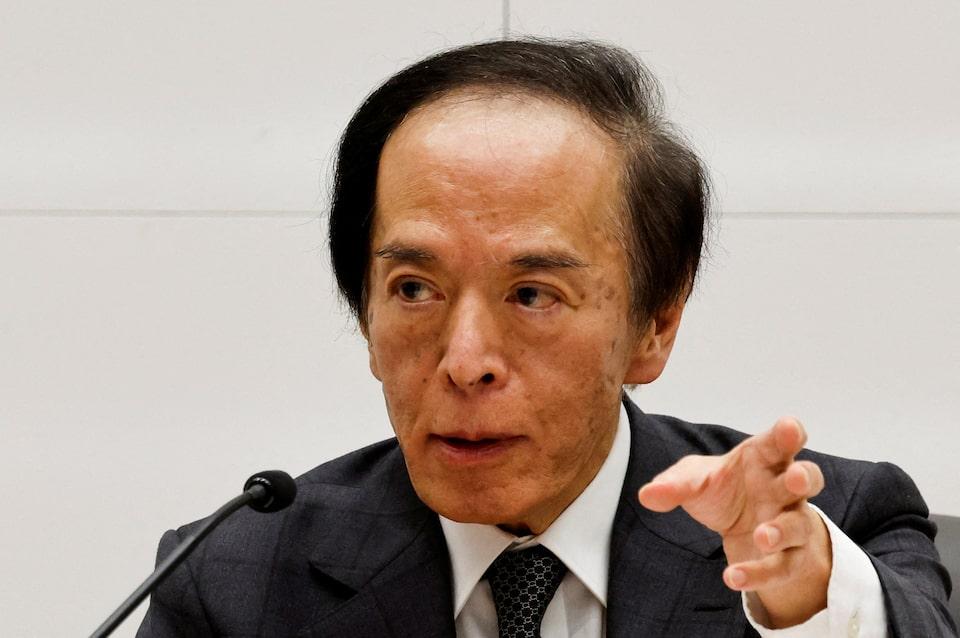
BOJ meets for rate review Jan. 23-24 Absent of a Trump-driven shock, BOJ seen hiking rates to 0.5% BOJ seen raising price f'cast as weak yen keep import costs high BOJ unlikely to give clarity on pace, timing of next move No major change expected in BOJ's hawkish policy guidance TOKYO, Jan 17 (Reuters) - The Bank of Japan is likely to raise interest rates next week barring any market shocks when U.S. President-elect Donald Trump takes office, and maintain a pledge to keep pushing up borrowing costs if the economy continues to recover, said five sources familiar with its thinking. However, the central bank likely won't offer explicit guidance on the pace of future rate hikes or how far it could eventually raise them, the sources said. Under its current guidance, the BOJ pledges to continue raising its short-term policy rate if economic and price developments move in line with its forecasts. "For the BOJ, there's really not much to add or change to this guidance given still very low real interest rates," said one of the sources, a view echoed by another source. Governor Kazuo Ueda and his deputy said earlier this week the BOJ will debate whether to raise interest rates, signaling its intention to take borrowing costs higher at the Jan. 23-24 meeting unless Trump's inaugural speech on Monday upends markets. As a result, markets have priced in a more than 80% chance of a hike in short-term rates from 0.25% to 0.5% next week, which would bring the BOJ's policy rate to levels unseen since 2008. "They're kind of saying, without saying, we're going to hike," Jeffrey Young, chief executive officer of DeepMacro, said on the remarks by Ueda and deputy governor Ryozo Himino. "You have growth at trend, the output gap pretty much closed and becoming positive, and inflation at or above target. Why keep the nominal policy rate at 25 basis points, which is deeply negative in real terms?" Unless Trump's speech and any executive orders he issues next week trigger severe market disruptions, the BOJ will likely proceed, said the sources, who spoke on condition of anonymity as they were not authorised to speak publicly. "The market seems to have gotten the BOJ's message," said one of the sources. "While a hike next week is certainly not a done deal, the only remaining hurdle is what Trump could say and how markets might react," another source said. RATES FAR FROM NEUTRAL With a hike next week seen as a near certainty, market attention is shifting to any clues the BOJ may offer on the pace and timing of further increases. The BOJ will likely raise its inflation forecasts in a quarterly outlook report and may highlight upside risks as a persistently weak yen keep import costs high, the sources said. While many analysts expect the BOJ to hike rates to 0.75% in the latter half of this year, the bank likely won't give much clues on the timing of its next move, the sources said. The BOJ also has no plan, at least for now, to offer details on Japan's neutral rate beyond staff estimates that show it is in a range of around -1% to 0.5% on an inflation-adjusted level. The staff estimates mean if inflation expectations were to stabilise around the BOJ's 2% target, the BOJ could raise its short-term rate at least to around 1% without cooling economic growth. Ueda has refused to pin-point the exact level of Japan's neutral rate, saying it was too hard to come up with credible estimates due to a lack of data. Even if the BOJ were to hike rates next week, short-term rates will remain well below neutral levels, the sources said, adding it was premature to discuss any major change to its guidance on the future policy path. "Given so much uncertainty on the outlook, it is impossible to pre-set a clear path or pace" on future policy moves, a third source said. The BOJ ended negative interest rates in March and raised its short-term rate target to 0.25% in July on the view Japan was on track to sustainably meet the bank's 2% inflation target. Ueda has signalled readiness to raise rates further if broadening wage hikes underpin consumption and allow companies to keep hiking prices not just for goods but services. Sign up here. https://www.reuters.com/world/asia-pacific/boj-likely-keep-hawkish-policy-pledge-raise-rates-next-week-sources-say-2025-01-17/
2025-01-17 06:45
Bullion up 0.5% for the week so far Focus on Trump's inauguration on Jan. 20 Traders pricing in two Fed rate-cuts for the year Jan 17 (Reuters) - Gold prices were pressured by an uptick in the U.S. dollar on Friday, but remained on track for a weekly gain as uncertainties around incoming President Donald Trump's policies and renewed bets of further rate cuts lifted bullion above the key $2,700 level. Spot gold eased 0.4% to $2,701.03 per ounce by 03:10 p.m. ET (2010 GMT), while U.S. gold futures settled 0.1% lower to $2,748.70. "The pullback today is not significant, but more of a profit-taking move than anything else, maybe helped by the dollar being a little higher in the day, adding some light pressure," said David Meger, director of metals trading at High Ridge Futures. Gold hit over one-month high on Thursday, $65.6 away from its all-time high of $2,790.15 hit in October. Prices have gained 0.5% so far for the week, their third straight weekly gain after softer-than-expected U.S. core inflation figures on Wednesday intensified speculation of more than a single rate cut from the Fed. Traders are pricing in two rate cuts by year-end, with Fed Governor Christopher Waller hinting at the possibility of more cuts should economic data weaken further. Markets now keenly await Trump's inauguration on Jan. 20, and his broad trade tariffs are expected to further ignite inflation and trigger trade wars, potentially increasing bullion's safe-haven appeal. "The uncertainty in regard to the policies that President Trump is going to put in place has been one of the supportive factors for gold," Meger added. Non-yielding gold, often seen as a hedge against inflation and political uncertainty, benefits from lower interest rates. "There are question marks about the state of tariffs, how they'll be implemented. Many investors are looking to gold as a way of hedging some of the downside risks, should these new policies be damaging to growth," said Nitesh Shah, commodity strategist at WisdomTree. Spot silver slipped 2% to $30.17 per ounce, palladium rose 1% to $949.99 while platinum added 0.9% to $940.28. Sign up here. https://www.reuters.com/markets/commodities/gold-poised-third-weekly-gain-fed-rate-cut-bets-2025-01-17/

2025-01-17 06:44
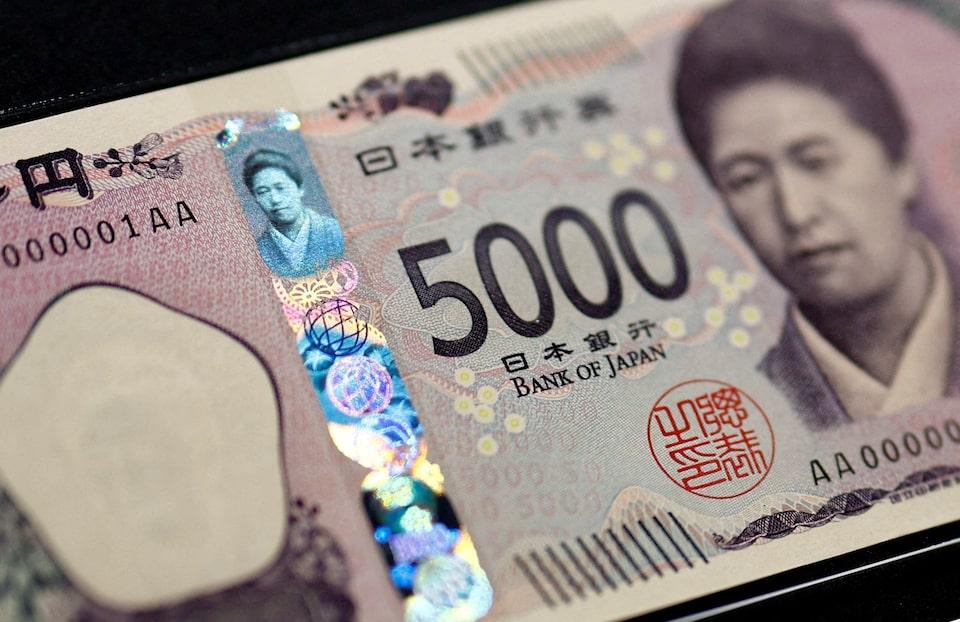
Yen soft after touching one-month high Dollar snaps six-week winning streak on rate views Markets await Donald Trump's return to the White House Yuan steady after GDP data meets 2024 target of 5% NEW YORK, Jan 17 (Reuters) - The dollar held gains against the yen on Friday, but ended the week lower after a six-week winning streak, as investors await Donald Trump's presidential inauguration and clarity on the course of the incoming administration's policies. The yen was poised for its strongest weekly performance in over a month as expectations for a Bank of Japan rate hike next week grow, putting the dollar on the back foot. It climbed more than 1% against the dollar this week, reversing last week's decline, and touched a one-month high of 154.98 per dollar earlier on Friday. The greenback was last up 0.68% against the yen at 156.165. "The yen is going to remain pretty married to U.S. rates," said Brad Bechtel, global head of FX at Jefferies. "I think this cooling we've seen this week has helped take the pressure off dollar-yen. The BOJ seems ready to hike next week, and at the margin, that'll be positive for the yen. But with interest rate differential still very wide, it's hard for dollar-yen to really move significantly lower." Remarks from BOJ officials along with Japanese data that point to persistent price pressure and strong wage growth have helped boost market confidence that a rate shift is in the offing, with traders pricing in an 80% chance of a hike next week. Sources also told Reuters that the central bank is likely to hike rates next week barring any market shocks when Trump takes office. The dollar has surged in the past few weeks on the back of rising Treasury yields, reflecting expectations that President-elect Trump's policies could boost inflation when the U.S. economy is already strong. But bond markets got relief from a relentless selloff after softer U.S. core inflation data on Wednesday, plus remarks from Federal Reserve Governor Christopher Waller on Thursday, who said three or four interest rate cuts were still possible this year if the data supported that. This led markets to up their bets on Fed cuts this year, putting some pressure on the dollar ahead of Trump's return to the White House next week. Money markets currently price in about 40 basis points in U.S. rate cuts in 2025. "In response to softer-than-expected inflation data this past week, market participants increased their rate cut expectations from 25 to 40 basis points," said Uto Shinohara, senior investment strategist at Mesirow Currency Management. "Notably, these market expectations have returned to levels seen just before last Friday's robust employment report, suggesting the two economic releases effectively canceled each other out." It's a pattern that underscores the market's continued sensitivity to both inflation and labor market data, he added. And as the Federal Reserve enters its blackout period, with few major U.S. economic releases scheduled next week, Shinohara said "markets will be focused on the beginning of the Trump presidency and its potential market impacts." Investors are now awaiting Trump's inauguration speech on Monday to get a better sense of his policy steps and expecting volatility. Sterling fell 0.6% to $1.2166, not far from the 14-month low it hit on Monday. British retail sales fell unexpectedly in December, according to data on Friday that raised the risk of an economic contraction in the fourth quarter. The euro was down 0.26% at $1.0276. That left the dollar index , which measures the U.S. currency against six other units, up 0.34% at 109.33, away from a more than two-year high touched at the start of the week. The index was set for a drop of about 0.25% in the week as of the afternoon session, which would snap a six-week run of gains. China's yuan was last trading at 7.3249 per dollar after data showed the world's second-biggest economy grew 5.4% in the fourth quarter, significantly beating analysts' expectations. The results positioned full-year 2024 growth at 5%, meeting Beijing's target. The Chinese currency remains vulnerable to potential tariff risks under a Trump presidency. President Xi Jinping and Trump held a telephone conversation on Friday, state media Xinhua reported on Friday. "The USD remains solely focused on potential tariff announcements as we move into Trump's first days back in office," said Dan Tobon, head of G10 FX strategy at Citi. "While tariffs are somewhat priced into FX markets, potential for elevated moves in the USD – both higher and lower – remain for next week. ... Market participants remain on edge as we await more concrete details on Trump's tariff policy." Bitcoin , which hit a four-week high on Friday, was last up 5.26% at $105,404.13, amid hopes in the crypto industry that the incoming Trump administration will mark a shift in cryptocurrency policies. Sign up here. https://www.reuters.com/markets/currencies/yen-set-best-week-over-month-boj-rate-hike-bets-2025-01-17/
2025-01-17 06:06
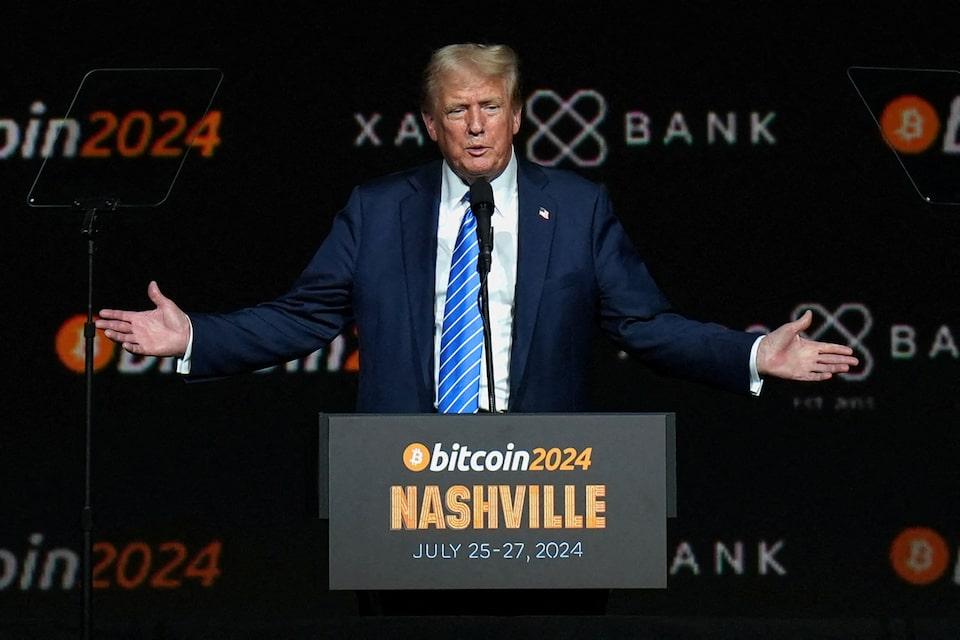
Jan 17 (Reuters) - Advocates and holders of crypto will soon influence U.S. policy on the emerging technology after a slew of nominations and advisory appointments by President-elect Donald Trump, who takes office on Monday. The crypto industry has spent years fighting lawsuits and enforcement actions by the U.S. government. It hopes the incoming Trump administration will mark a shift in policy. Political appointees will be vetted for potential conflicts. Some have committed to selling their interests. The industry is hosting a sold-out black tie ball in Washington on Friday, with tickets ranging from $2,500 to $10,000. David Sacks, Trump's artificial intelligence and crypto czar, is scheduled to attend. Below are some facts on the crypto positions of key members of the incoming administration and Trump's inner circle. SCOTT BESSENT A billionaire hedge fund manager, Trump's pick to be Treasury Secretary has spoken favorably about crypto. "Crypto is about freedom and the crypto economy is here to stay," he told Fox News in July. "I think everything is on the table with bitcoin." According to a financial disclosure , opens new tab filed last month, Bessent holds shares in a BlackRock bitcoin exchange-traded fund worth between $250,001 and $500,000. Bessent will divest his interests in the fund and other investments within 90 days of his confirmation, he wrote , opens new tab last week to the U.S. Treasury. Bessent did not respond to a request for comment. HOWARD LUTNICK Trump's choice for Secretary of Commerce is a vocal supporter of bitcoin. Lutnick is CEO of New York brokerage firm Cantor Fitzgerald, which earns fees to manage billions of dollars' worth of U.S. Treasuries for Tether, the company that issues the eponymous stablecoin. "Do I own bitcoin? Of course I do," Lutnick said at the Bitcoin 2024 conference in July. "Does Cantor Fitzgerald own bitcoin? A shedload of bitcoin." Lutnick did not respond to a request for comment. ELON MUSK The Tesla chief and world's richest man, chosen by Trump to oversee a government cost-cutting effort, the so-called Department of Government Efficiency, has long championed crypto including bitcoin and dogecoin. His public comments and actions of his companies have in recent years influenced the price of bitcoin and dogecoin, a smaller token conceived as a joke during an earlier crypto bubble. The acronym for Musk's cost-cutting agency, DOGE, is a nod to dogecoin, which is now the world's seventh-biggest crypto token based on its circulation of $4.5 billion, according to data provider CoinGecko. In 2021 Tesla bought $1.5 billion of bitcoin, becoming one of the biggest companies to own crypto before selling most of its holdings. It held unspecified digital assets totaling $184 million in September 2024, a company financial report showed. Musk did not respond to a request for comment sent via Tesla on what crypto assets he may hold. VIVEK RAMASWAMY Set to work with Musk at DOGE, the former presidential candidate and entrepreneur is the founder of Strive Asset Management. Strive, which said in September it managed over $1 billion in assets, last month filed to launch , opens new tab an exchange-traded fund that invests in corporate bonds for bitcoin investments. The company's wealth management arm, launched in November, seeks to integrate bitcoin into Americans' investment portfolios, Ramaswamy said in a press release. In June 2023, Ramaswamy held $100,001 to $250,000 of bitcoin and $15,001 to $50,000 worth of the smaller token ether, according to a financial disclosure. He did not respond to a request for comment. DAVID SACKS A former PayPal executive, Sacks was appointed White House artificial intelligence and crypto czar in December, tasked with developing a U.S. legal framework long sought by the crypto industry. Sacks is a co-founder of venture capital firm Craft Ventures. The firm has invested in crypto firms including BitGo and Bitwise, its website shows. Sacks did not respond to requests for comment. STEVE WITKOFF Trump's Middle East envoy Steve Witkoff, a real estate tycoon and donor to the incoming president, founded crypto venture World Liberty Financial in November. World Liberty, which sells a proprietary token, lists on its website Trump as among those entitled to a large share of any of the company's revenues. Witkoff did not respond to requests for comment. ERIC TRUMP, DONALD TRUMP JR., BARRON TRUMP Eric Trump told Reuters last year he was very involved in World Liberty, which he, his elder brother Don Jr. - seen as the most influential family member in the presidential transition - and younger half-brother Barron helped to form. Eric told a bitcoin conference in December the technology was a "financial revolution," and that his father would make the United States the crypto capital of the world. JD VANCE U.S. Vice President-elect Vance held between $250,001 and $500,000 in bitcoin in August 2024, according to a financial disclosure. The venture capital firm co-founded by Vance, Narya, has made investments in Strive, Ramaswamy's asset management company, and video platform Rumble, its website shows. In November, Rumble said it would allocate its excess cash reserves to bitcoin. The company also received last year a $775 million investment from stablecoin firm Tether. Asked for comment on the crypto stances of Vance and Trump's sons, Trump-Vance transition spokesperson Brian Hughes said - without providing evidence - that bureaucrats in Washington had sought to stifle innovation with more regulation and higher taxes. "President Trump will deliver on his promise to encourage American leadership in crypto and other emerging technologies," he said in a statement to Reuters. PAUL ATKINS Atkins, a lawyer and former top SEC official, is Trump's choice to lead the Securities and Exchange Commission and has advocated for deregulation. He is expected to take a softer approach to crypto than current Chair Gary Gensler. Atkins is chief executive of Patomak Global Partners, a consultancy. Patomak advises "cutting-edge crypto-native companies" and traditional financial firms on how to "leverage digital assets for growth," its website says. Atkins did not respond to a request for comment. Sign up here. https://www.reuters.com/technology/trumps-inauguration-marks-new-era-cryptocurrency-2025-01-17/
2025-01-17 06:06
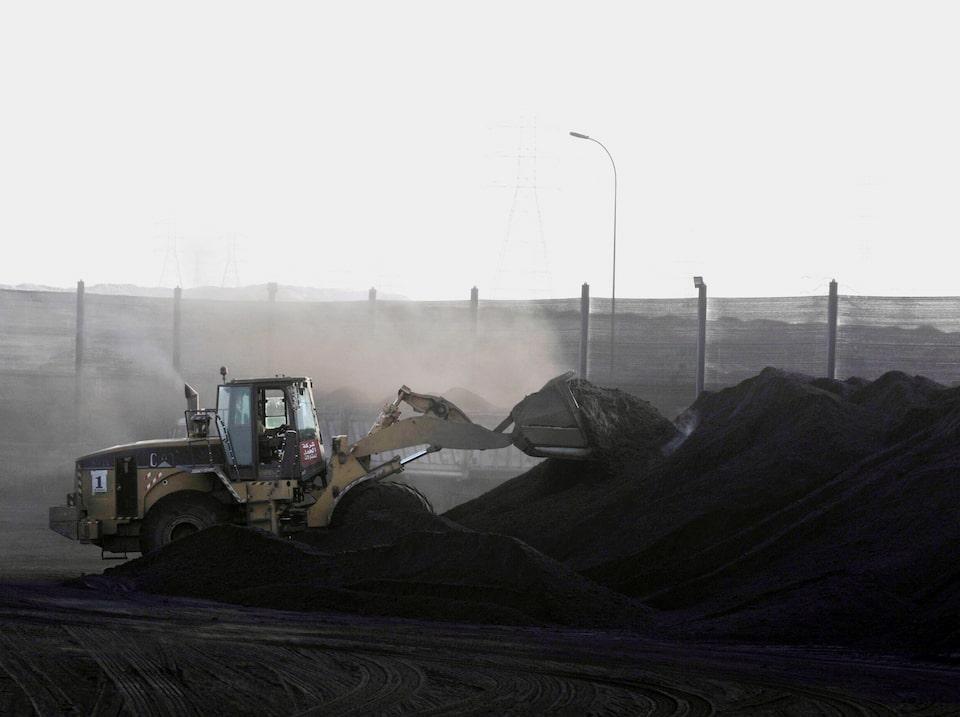
LITTLETON, Colorado, Jan 17 (Reuters) - North Africa's largest economy and second-largest natural gas producer has stepped up the production and export of several highly energy-intensive commodities as part of efforts to accelerate the growth of its industrial sector. Egypt's combined exports of cement, fertilizers and chemicals doubled between 2022 and 2024 and have grown by 350% since 2019 thanks to increased government support aimed at spurring rapid industrial expansion. The higher output in Egypt has emerged just as production of the same commodities has decreased in Europe, and highlights a growing trend in the re-shoring of smokestack sectors away from high energy-cost locations and areas with pollution controls. The juiced-up output across Egypt's heavy industry - which also includes crude oil refining and natural gas processing - has helped create valuable private-sector jobs in the 112 million population country. But the climate impact of the sharp swell in output of such energy-intensive and high-polluting products remains an important unknown, due to relatively lax reporting standards compared to parts of Europe, North America and Asia. EXPORT BOOM Egypt's exports of cement and clinker - a raw material used in cement production - were 9.7 million metric tons in 2024, a record volume nearly three times larger than the amount shipped out in 2022, according to ship tracking data from Kpler. Fertilizer exports from Egypt were also a record in 2024, and showed a 70% jump from 2022 to 8.3 million tons. Production data on Egypt's 2024 cement and fertilizer sectors has yet to be released, but in 2023 the country ranked 11th globally with cement output of around 50 million tons, according to World Cement Association data. Egypt ranked sixth for nitrogen fertilizer output (3.5 million tons) in 2023, according to the International Fertilizer Industry Association. Both the cement and fertilizer sectors have been identified by the Egyptian government as key drivers of economic growth. To support their continued expansion, they and other industrial sectors have been allocated fixed prices for their natural gas supplies, which help them control costs. Large government infrastructure projects are also set to spur higher local demand for cement, while the government recently lifted subsidized local prices of fertilizer to help boost margins for fertilizer producers. The government is also helping sponsor trade missions to several fast-growing regional markets to help drive further sales of its industrial products. BLIND SPOTS Due to limited information sharing by power plants, utilities and heavy industry, it is unclear what the emissions toll is from this expansion in Egyptian industrial output. However, the International Energy Agency estimates that around 0.8 to 0.9 tons of carbon dioxide (CO2) are discharged for each ton of cement production and around 2.6 tons of CO2 are emitted for every ton of nitrogen fertilizer produced. As a result, Egypt's hefty industrial commodity production totals are likely to yield a substantial pollution aftermath. In 2023, Egypt discharged 279 million tons of CO2 from energy production and industrial processes, according to the Energy Institute, the most among North African nations and the 25th largest globally. That said, the emissions picture is complicated by production changes that are underway among international cement and fertilizer manufacturers who are attempting to boost plant efficiency levels and reduce overall emissions. Recent shifts within the international operations footprint of Heidelberg Materials are a case in point. Germany's largest cement producer halted cement output at its Hanover plant in 2024 due to weak local sales, but at the same time upgraded its Helwan cement facility near Cairo. Those moves enabled Heidelberg to better align production levels within key markets, by reducing output in shrinking markets while expanding production in growth areas. However, the production changes also opened the company to accusations of relocating high-polluting operations out of the Eurozone - where emissions standards are becoming stricter - to areas where pollution standards are potentially more lax. The actual resulting emissions impact of these shifts are yet to be reported, but data on Heidelberg's overall emissions footprint indicate that the company has steadily reduced its CO2 discharge, from around 73 million tons in 2019 to 63.2 million tons in 2023, according to LSEG. And the upgrades made to Heidelberg's Helwan plant include a new waste heat recovery system that is expected to reduce both energy use and discharge levels. Of course, Heidelberg is just one of many cement producers with operations in Egypt, and other firms may have different emissions and efficiency standards. But the dynamic shifts underway across Egypt's industrial landscape highlight an important new climate risk stemming from the rapidly growing scale of industrial output in North Africa, even as the heft of those same sectors shrinks elsewhere. The opinions expressed here are those of the author, a market analyst for Reuters. Sign up here. https://www.reuters.com/markets/commodities/beware-egypts-smokestack-onshoring-cement-exports-surge-maguire-2025-01-17/