2025-01-17 05:35
A look at the day ahead in European and global markets from Kevin Buckland The tone in the equities markets was decidedly feeble as the week came to an end, with Chinese markets (.CSI300) , opens new tab getting very little help from GDP figures that topped estimates to hit Beijing's 2024 growth target bang on at 5%. Japanese stocks (.N225) , opens new tab are also struggling, weighed down by the yen's strengthening beyond 155 per dollar for the first time in almost a month as traders ramp up bets for a BOJ rate hike next week. An MSCI gauge of global shares (.MIWD00000PUS) , opens new tab is still on course - for now - for the best week since the start of November, but that rally is really the story of one day - Wednesday - when U.S. bank results got earnings season going with a bang. Caution is likely to reign globally, with Donald Trump's inauguration as U.S. President on Monday looming large and potentially bringing bombshells not only in his speech but in any immediate executive orders, which could include massive tariffs on friends and foes alike. The sharp retreat in bond yields - driven by a revival in bets for a Fed rate cut by June - must be a relief for global investors, although it seems to have offered little to no support for stocks in the latest market moves. IRPR The macro economy is still front and centre for both the fixed income and foreign exchange markets, and the dollar is on the back foot - an unfamiliar position following six straight weeks of gains against a basket of other leading currencies. The beleaguered pound seems to have found its footing this week, as has the euro , vexing bears who thought a plunge to parity with the dollar might be imminent at the start of the week. On the calendar in Europe today, Britain releases retail sales data and the final reading of euro zone consumer inflation is due, both for December. Bank of Spain Governor Jose Luis Escriva gives a speech on central bank independence in Madrid. Wall Street earnings include State Street and Citizens Financial Group. Monday will be a market holiday stateside for Martin Luther King Jr. Day. Key developments that could influence markets on Friday: -UK retail sales (Dec) -Euro zone HICP final (Dec) -Bank of Spain Govenor Escriva speaks -U.S. earnings from State Street, Citizens Financial Group Sign up here. https://www.reuters.com/markets/europe/global-markets-view-europe-2025-01-17/

2025-01-17 05:26
Jan 17 (Reuters) - Glencore (GLEN.L) , opens new tab approached Rio Tinto (RIO.AX) , opens new tab, (RIO.L) , opens new tab late last year about combining the two big copper producers but the discussions are no longer active, a person familiar with the matter said. The companies declined to comment. A merger between the firms has the potential to be the largest ever in the mining industry. Below are details on the companies' businesses and assets: GLENCORE The London-listed miner produces copper, cobalt, zinc, lead, nickel and coal. Copper, of which it produced 1 million metric tonnes in 2023, and zinc are its biggest revenue-generating metals. Glencore's copper assets are largely concentrated in Chile, Peru and the Democratic Republic of Congo. It has zinc, nickel, cobalt, and coal operations in Australia. Its trading division handles coal, oil, liquefied natural gas and related products as well as metals. The business generated around one-third of its operating income in 2023. The company has a market value of roughly $55 billion. Last year, it booked $4.3 billion in net profit on revenue of $217 billion. RIO TINTO The world's No. 2 miner counts including iron ore, aluminium, and copper as its top revenue-generating metals. It is the world's largest iron ore producer, with its operations in the Pilbara region of Western Australia crucial to the global supply of the steel-making commodity. It generated some 328 million tonnes of iron ore last year and 697,000 tonnes of copper. Rio is working towards ramping up production at its Oyu Tolgoi copper mine in Mongolia, one of the world's largest-known copper and gold deposits. It expects an average mined copper production of about 500,000 tonnes per year between 2028 and 2036. Listed in Sydney and London, it has a market value of $103 billion. Last year it made a net profit of $10 billion on revenue of $54 billion. Sign up here. https://www.reuters.com/markets/deals/glencore-rio-tintos-mining-operations-2025-01-17/

2025-01-17 05:18
MUMBAI, Jan 16 (Reuters) - For nearly two years, Indian importers flocked to a commonly used option strategy to hedge their forex risks amid the rupee's tranquillity, but a precipitous slide in the currency's value recently and a surge in its volatility have left them exposed. This strategy, called the 'seagull', allows an importer to hedge their future dollar payments for a lower cost than a regular forward contract but does not lock in a predefined rate, leaving them exposed to any sharp currency declines. A forward contract, on the other hand, might cost more but is rate-locked, making it immune to the rupee's value when the liability is due. "Seagulls, essentially, are designed to reduce the cost of a hedge, assuming that the underlying does not move too far away from the current market price," said Akshay Chinchalkar, head of research at Axis Securities. "They do not work when volatility is high." The rupee has plunged 3% in the two-and-a-half months since Donald Trump won the U.S. elections. The last time it fell this quickly was in December 2022. As a result, importers are now down by 1 rupee to 1.5 rupees on the underlying exposure hedged via a seagull, relative to if they had used a simple forward, an fx derivatives salesperson at a bank estimated. Volatility, meanwhile, has spiked. The 1-month realized volatility has jumped to 2.5% from under 1% before Trump's victory, while the 1-year implied volatility has nearly doubled. The rupee hit an all-time low of 86.6475 per dollar on Tuesday. It was at 86.4800 at 12:10 p.m. IST. "With market uncertainty about Donald Trump's actions on tariffs and their impact, it makes sense, from a risk management perspective, to maintain a healthy hedge ratio," said Sameer Karyatt, Executive Director - Treasury and Markets, DBS Bank. "Importers with structures that do not have protection beyond a certain point (like a seagull) need to revisit the levels where their protection runs out." Sign up here. https://www.reuters.com/markets/currencies/seagull-albatross-indian-importers-option-strategy-hit-by-rupees-plunge-2025-01-17/
2025-01-17 05:11
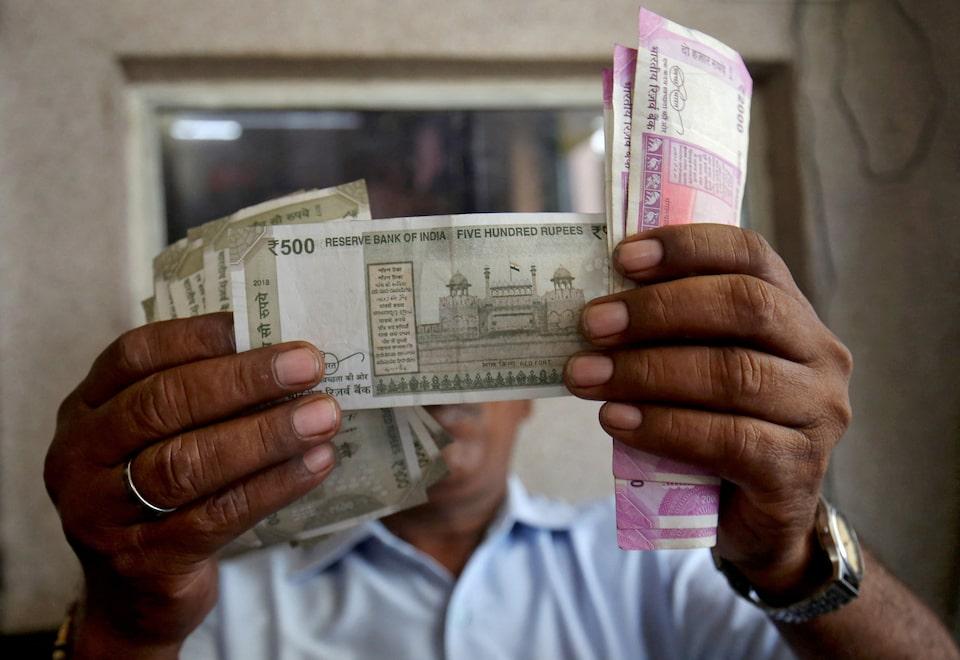
Chinese buyers shift to Brazilian soybeans as tariffs loom Brazilian prices lower than U.S. oilseeds China's Q1 soybean imports seen at 17.3-18.0 mln T SINGAPORE/BEIJING, Jan 17 (Reuters) - Chinese soybean processors have turned to competitively priced Brazilian cargoes instead of U.S. oilseeds, amid fears Washington will impose import tariffs after President-elect Donald Trump takes office on Jan. 20. Worries about revived trade tensions during Trump's second administration have already disrupted trade flows to China, the world's biggest agricultural goods importer, prompting buyers to stockpile inventories and seek alternative suppliers. Chinese processors have secured nearly all of their cargoes from Brazil for first quarter shipment, according to three trade sources. Last year, Brazil accounted for 54% of Chinese first quarter soybean imports, while the U.S. supplied 38%. China takes more than 60% of the soybeans shipped worldwide. "Chinese crushers are now booking Brazilian cargoes for February and March shipment," said a trader in Singapore. "Both state-owned and private crushers, all of them are taking Brazilian beans. It is a 100% shift to Brazil." Trump has threatened tariffs of 10% to 60% on goods from China, which would probably prompt retaliatory Chinese duties on U.S. farm products. In 2018, during Trump's first term, the U.S. and China engaged in tit-for-tat tariffs that led Beijing to take permanent steps to reduce its reliance on American farm goods. The share of China's soybean imports from the United States dropped to 18% in the first 11 months of 2024, from 40% in the whole of 2016, while Brazil's share grew to 74% from 46%, according to Chinese customs data. South American soybeans, which are harvested early in the year, dominate the global trade until U.S. supplies enter the market from August. But this year Chinese oilseed importers have turned to Brazilian beans more quickly and en masse, hitting U.S. suppliers towards the end of their peak marketing season in January. This is likely to leave the U.S., the No.2 soybean exporter after Brazil, with 10.34 million metric tons of beans by the end of the 2024/25 marketing year in August, the highest in five years, according to U.S. Department of Agriculture estimates. CHEAPER BEANS The competitive price of Brazilian soybeans is a key draw for Chinese importers, traders said. "Concerns over potential trade tensions, especially after Trump's re-election, led to increased soybean purchases in Q4 2024, with shipments arriving in late 2024 and Q1 2025," said Lin Guofa, a senior analyst at Bric Agriculture Group, a consultancy. "Favourable weather in Brazil and the depreciation of the real have lowered production costs, encouraging further soybean imports," Lin added. The spread between U.S. and Brazilian soybeans has widened amid expectations of a record crop in the South American country. Soybeans from Brazil are being priced at $420 per ton, including cost and freight, to China for February, while U.S Pacific Northwest cargoes are at around $451 per ton. However, ample domestic supplies are likely to cap soybean demand, traders said. China's first quarter soybean imports are expected to fall to 17.3-18.0 million metric tons, from 18.58 million tons a year ago, according to the average of estimates from four analysts. "The main reason was due to an oversupply of imported soybeans in 2024, and everyone is now waiting for the new Brazilian crops to arrive," said a Shanghai-based analyst, declining to be named as they were not authorised to speak to the media. China imported a record 105.03 million metric tons of soybeans in 2024. While private buyers turn to Brazilian supplies, traders said state stockpiler Sinograin is still in the market for U.S. soybeans, which are preferred for stockpiling due to their higher oil content. Sign up here. https://www.reuters.com/markets/commodities/chinese-buyers-switch-cheaper-brazilian-soybeans-ahead-trump-return-2025-01-17/
2025-01-17 05:07
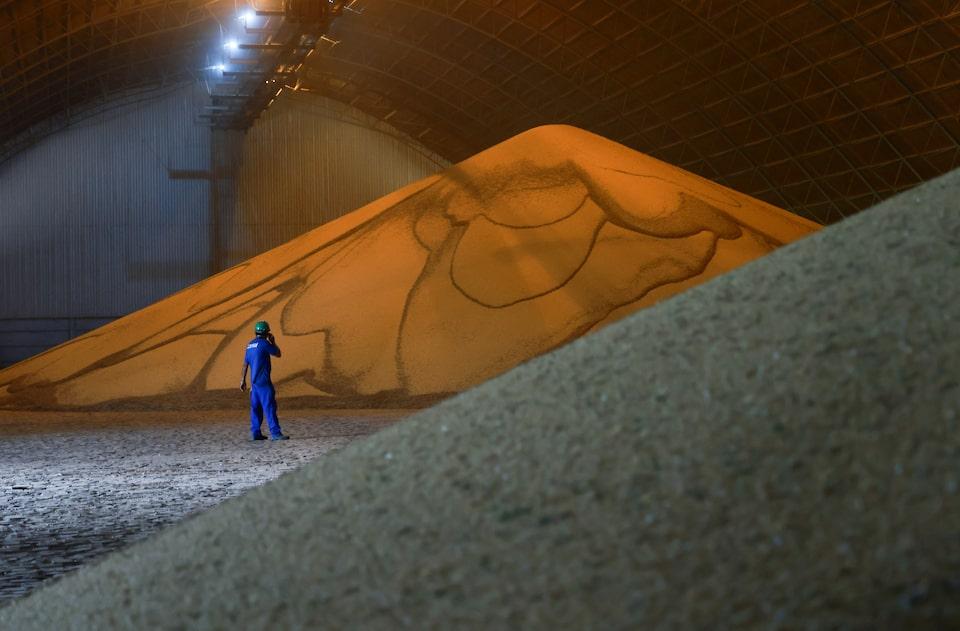
Brent up 1.3%, WTI adds 1.7% in the week Concerns about more supply disruptions as Trump returns to power Potential halt to Houthi attacks on shipping in focus after Gaza ceasefire deal US oil rig count falls by two HOUSTON, Jan 17 (Reuters) - Oil prices settled lower on Friday but notched their fourth straight weekly gain, as the latest U.S. sanctions on Russian energy trade added to worries about oil supply disruptions. Brent crude futures dipped 50 cents, or 0.6%, at $80.79 per barrel, but gained 1.3% this week. U.S. West Texas Intermediate crude futures lost 80 cents, or 1%, at $77.88 a barrel, having climbed 1.7% for the week. "Sanctions on Russia are causing tightness of supply in Europe, India and China," said Phil Flynn, senior analyst with Price Futures Group. The Biden administration unveiled broader sanctions last week targeting Russian oil producers and tankers. Investors are also assessing the potential implications of President-elect Donald Trump's return to the White House on Monday. Trump's pick for Treasury secretary said he was ready to impose tougher sanctions on Russian oil. Money managers raised their net long U.S. crude futures and options positions in the week up to Jan. 14, data from the U.S. Commodity Futures Trading Commission showed on Friday. Speculators raised combined futures and options positions in New York and London by 8,038 contracts to 215,193 over that period. However, weighing on oil prices were expectations of a halt in attacks by Yemen's Houthi militia on ships in the Red Sea following a Gaza ceasefire deal. The Houthis' attacks have disrupted global shipping, forcing ships to make longer and more expensive journeys around southern Africa for more than a year. The Israeli security cabinet approved the ceasefire deal on Friday, paving the way for the return of the first hostages from Gaza as early as Sunday. The accord was still conditional on approval by the full cabinet, which was meeting on Friday afternoon. Expectations for increased demand lent some support to the oil market earlier on Friday. Data this week showed inflation easing in the U.S., the world's biggest economy, bolstering expectations of interest-rate cuts. Traders are also assessing fresh data from China, the world's top oil importer. Its economy fulfilled the government's ambitions for 5% growth last year. However, China's oil refinery throughput in 2024 fell for the first time in more than two decades barring the pandemic year of 2022, government data showed on Friday, as plants tempered operations in response to stagnant fuel demand and depressed margins. Meanwhile, the U.S. oil rig count, an indicator of future output, fell by two to 478 this week, energy services firm Baker Hughes said. A blast of Arctic air is set to cover much of the United States with temperatures below freezing starting on Friday and into next week, and is set to drive up heating oil demand and likely impact some productionoperations. Sign up here. https://www.reuters.com/markets/commodities/oil-prices-climb-supply-fears-fed-rate-cut-hopes-2025-01-17/
2025-01-17 04:35
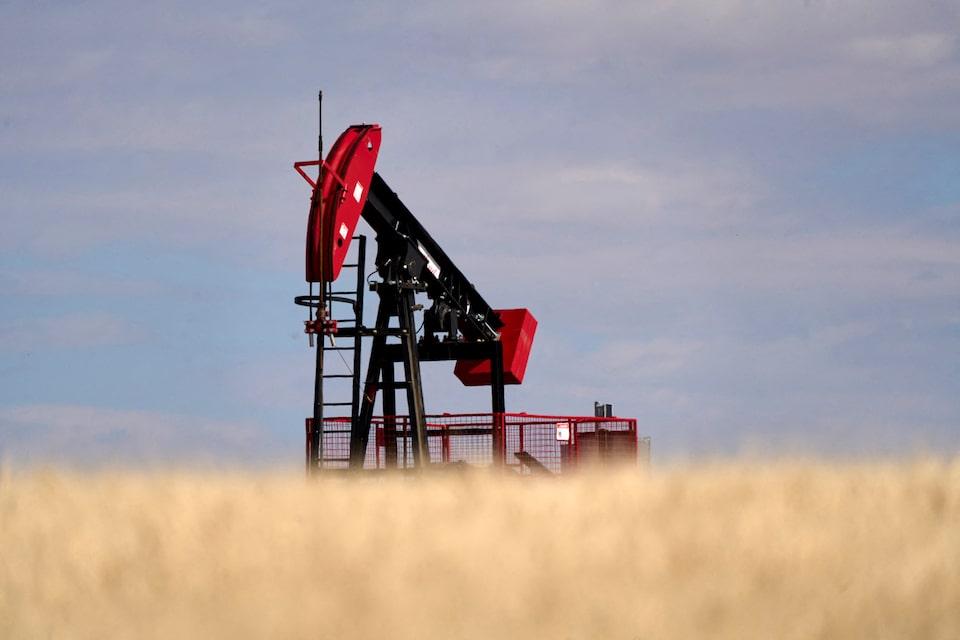
MUMBAI, Jan 17 (Reuters) - The Indian rupee was marginally weaker on Friday as the impact of heightened dollar demand, spurred by the maturity of positions in the non-deliverable forwards market, was blunted by likely intervention by the Reserve Bank of India (RBI). The rupee was at 86.5850 against the U.S. dollar as of 09:55 a.m. IST, down slightly from its close at 86.55 in the previous session. While the rupee was quoted at 86.63 on the interbank order matching system ahead of the local spot market open, likely intervention by the RBI supported the currency and helped it kick off the session nearly unchanged, traders said. Heightened demand to buy dollars at the daily reference rate is likely to keep the rupee under pressure at least till mid-day, a trader at a foreign bank said. The reference rate, or the daily fix, was last quoted at a 0.65/0.90 paisa premium, signalling strong dollar bids, per the trader. The NDF maturity-spurred dollar bids also meant that the rupee was unable to benefit from a broadly softer dollar and a decline in U.S. bond yields. The dollar index was at 109, after declining for the fourth straight session on Thursday, while the 10-year U.S. Treasury yield was near 4.60% in Asia trade after dipping 5 basis points in the prior session. Treasury yields declined after Federal Reserve Governor Christopher Waller said three or four interest rate cuts this year are still possible if U.S. economic data weakens further. Fed officials' median forecasts in December had indicated a total of two rate cuts in 2025. Investors will now keep a close eye on the inauguration of U.S. President-elect Donald Trump on Monday and on any immediate policy measures he announces. The rupee is expected to trade "within a volatile range of 86.20 to 86.80," in the near-term, said Amit Pabari, managing director at FX advisory firm CR Forex. Sign up here. https://www.reuters.com/markets/currencies/rupee-slips-rbi-intervention-blunts-dollar-bids-spurred-by-ndf-maturity-2025-01-17/