2025-01-14 09:57
MUMBAI, Jan 14 (Reuters) - India's central bank will be more judicious in its use of foreign exchange reserves to mitigate domestic currency market volatility amid strong global headwinds, three sources aware of the development said. The Reserve Bank of India will continue to intervene as and when necessary to smoothen volatility, but won't go against the tide and massively intervene to protect any levels, the sources said, asking not to be named as the discussions are confidential. "Reserves were built for a rainy day and RBI has intervened when it has been necessary. But since (Donald) Trump's win, it is clear that there is no point in excessive intervention," one of the three sources said. The rupee has fallen by about 3% against the U.S. dollar since Trump's victory in early November largely due to global factors, a sharp contrast to the near two years of relative stability. "India has hardly had any foreign portfolio inflows for the last three months. RBI cannot keep defending the INR if the macros don't support it," a second source said. India's foreign exchange reserves have declined by about $50 billion from early November levels. The Reserve Bank of India did not immediately respond to Reuters' request for comment. The two sources also said newly-appointed Governor Sanjay Malhotra has been relatively less involved in day-to-day management of the currency, but is constantly in touch with various departments to ensure the rupee is moving in line with fundamentals. "There is no question of trying to manage competitiveness as such, as India is not an export-oriented economy. We are more import-dependent, so it is important that the RBI does not allow runaway depreciation. So to that extent, they will be there in the market," the first source said. Several market sources confirmed that the central bank was making less frequent checks on banks' market activities, and was allowing more flexibility in the size of the positions they can run and on arbitrage activities. Sign up here. https://www.reuters.com/markets/currencies/indias-central-bank-judiciously-handle-fx-reserves-amid-headwinds-sources-say-2025-01-14/
2025-01-14 07:49
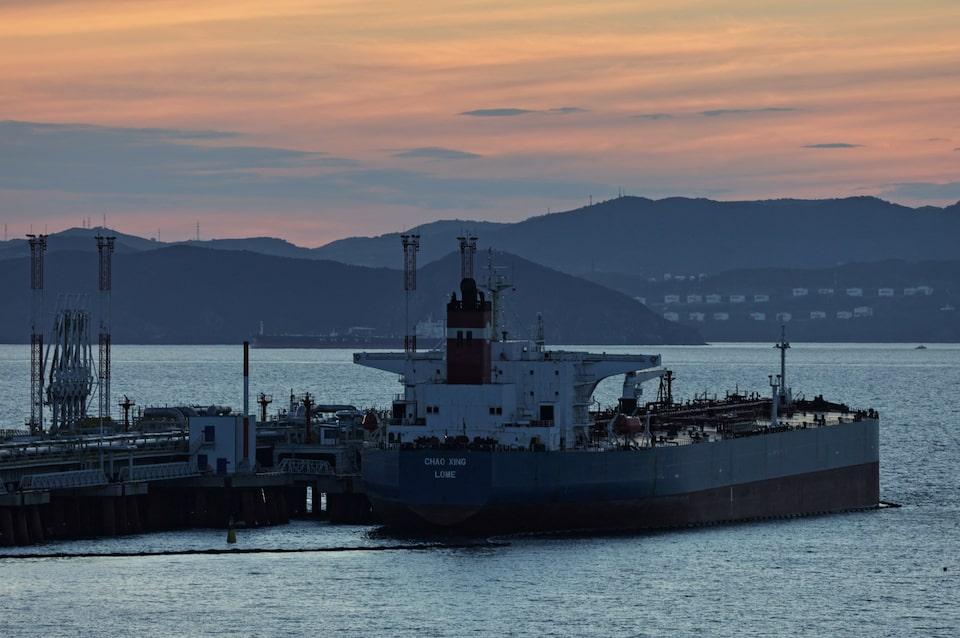
Prices dip after rising close to 10% since the start of 2025 US EIA sees oil demand steady in 2025, 2026 EIA expects supply beyond previous forecast for 2025 Sanctions could take 700,000-800,000 bpd of Russian crude off the market, analysts say HOUSTON, Jan 14 (Reuters) - Oil prices slipped on Tuesday after a U.S. government agency forecast steady U.S. oil demand in 2025 while lifting its forecast for supply. Declines were limited by new U.S. sanctions on Russian oil exports to India and China. Brent futures fell $1.09, or 1.35%, to settle at $79.92 a barrel. U.S. West Texas Intermediate (WTI) crude finished at $77.50 a barrel, down $1.32, or 1.67%. On Monday, prices jumped 2% after the U.S. Treasury Department on Friday imposed sanctions on Gazprom Neft (SIBN.MM) , opens new tab and Surgutneftegas as well as 183 vessels that transport oil as part of Russia's so-called shadow fleet of tankers. On Tuesday, the U.S. Energy Information Administration said the country's oil demand would remain steady at 20.5 million barrels per day (bpd) in 2025 and 2026, with domestic oil output rising to 13.55 million bpd, an increase from the agency's previous forecast of 13.52 million bpd for this year. Phil Flynn, senior analyst with Price Futures Group, said markets were anticipating the EIA short-term energy outlook to see if a predicted gain in supply would be reversed. "They're waiting to see if the glut EIA predicted earlier is still in the forecast," Flynn said. While analysts were still expecting a significant price impact on Russian oil supplies from the fresh sanctions, their effect on the physical market could be less pronounced than what the affected volumes might suggest. ING analysts estimated the new sanctions had the potential to erase the entire 700,000-bpd surplus they had forecast for this year, but said the real impact could be lower. "The actual reduction in flows will likely be less, as Russia and buyers find ways around these sanctions," they said in a note. Uncertainty about demand from major buyer China could blunt the impact of the tighter supply. China's crude oil imports fell in 2024 for the first time in two decades , opens new tab outside of the COVID-19 pandemic, official data showed on Monday. Sign up here. https://www.reuters.com/business/energy/oil-prices-remain-near-four-month-highs-markets-weigh-russia-sanctions-impact-2025-01-14/
2025-01-14 07:45
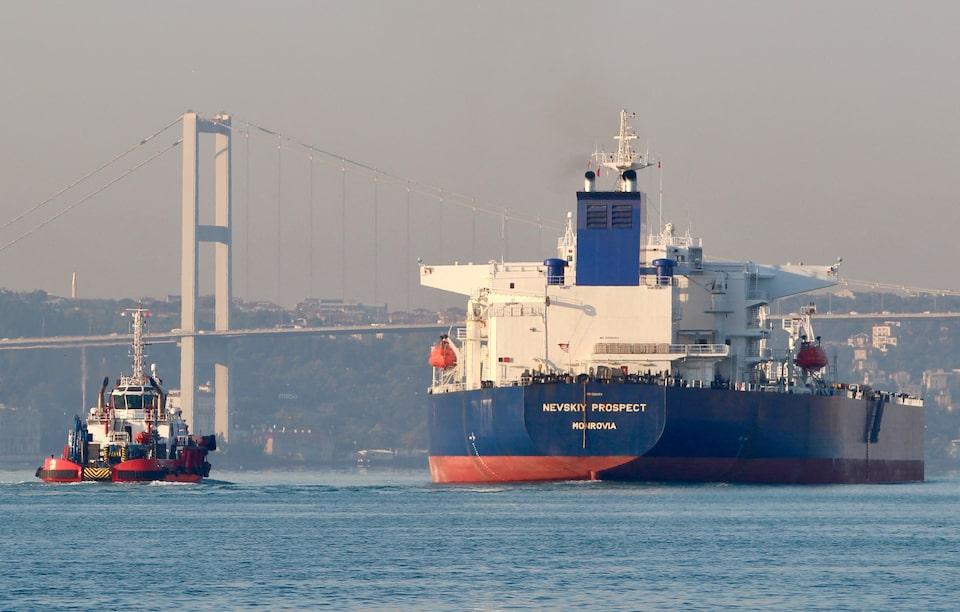
MOSCOW, Jan 14 (Reuters) - Russia's leading tanker group, Sovcomflot (FLOT.MM) , opens new tab, said on Tuesday that new U.S. sanctions would create additional operational difficulties and accused the West of undermining the global system of merchant shipping. "The company's vessels do not belong to the 'shadow fleet'", Sovcomflot said. "The sanctions against Sovcomflot are not motivated by violations on the part of the company and have no legal basis, they are motivated solely by the political interests of individual countries, including the United States." Sovcomflot is the largest shipping company in Russia, and a major tanker operator. "The introduction of new sanctions against Sovcomflot vessels creates additional operational difficulties," it said. "Sovcomflot continues to work systematically to minimise the negative impact of the sanctions on its operations. At the same time, the company will continue to adhere to high standards of safety and quality of maritime operations and comply with all applicable laws and requirements," it said. U.S. President Joe Biden's administration imposed its broadest package of sanctions so far targeting Russia's oil and gas revenues on Friday. The U.S. Treasury identified 69 Sovcomflot vessels , opens new tab - including 54 oil and product tankers and four liquefied natural gas (LNG) tankers - that are blocked. Sign up here. https://www.reuters.com/markets/commodities/russias-sovcomflot-says-new-us-sanctions-create-operational-difficulties-2025-01-14/
2025-01-14 07:42
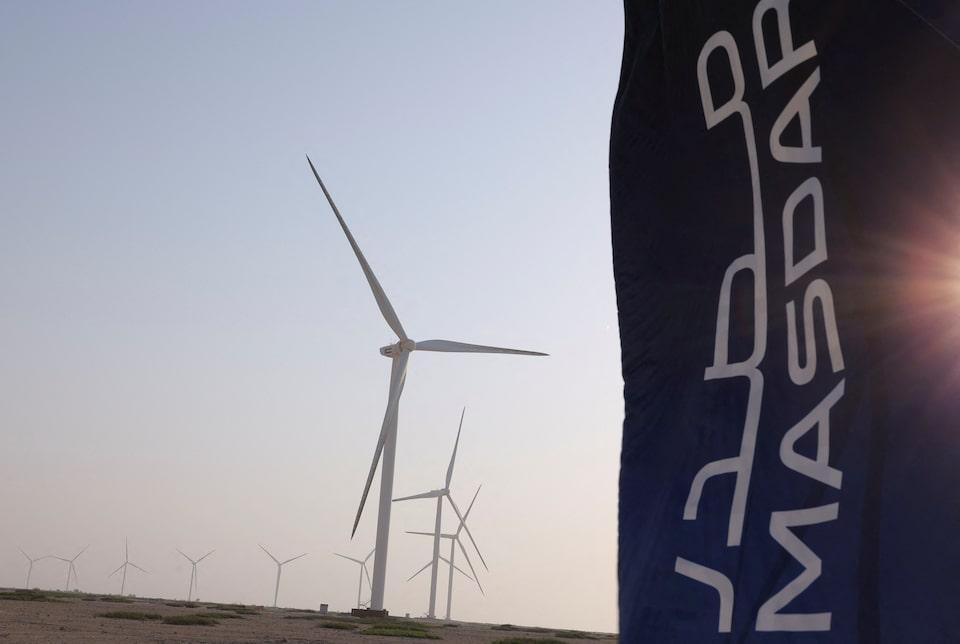
ABU DHABI, Jan 14 (Reuters) - UAE state-owned renewables firm Masdar has launched a renewable energy facility that will produce 1 gigawatt of uninterrupted clean power and that is expected to cost around $6 billion, company executives said on Tuesday. Speaking at the opening of Abu Dhabi Sustainability Week, chairman Sultan Al Jaber, who also serves as the chief executive of energy giant Abu Dhabi National Oil Co (ADNOC) and is the UAE minister of industry and advanced technology, called the project a significant step in transforming renewable energy into baseload power. "This will, for the first time ever, transform renewable energy into baseload energy. It is a first step that could become a giant leap," Al Jaber said. "How can we power a world that never sleeps with energy sources that do? How can we transform renewable resources into reliable power? Today…we have an answer," Al Jaber said before announcing the project. The project is expected to start operations by 2027, Masdar's chief operating officer Abdulaziz Alobaidli said during the event. It is expected to cover 90 square kilometres (34.75 square miles) in "the desert of Abu Dhabi" and cost around $6 billion, he said, adding it will be "equity and project finance debt funded." The facility "is just the beginning for more projects here and in the region, where we can unlock the full potential of solar," the UAE energy minister Suhail al-Mazrouei told the public at a summit taking place in the same Abu Dhabi venue. Earlier on Tuesday, Al Jaber had said that the rapid growth of energy-hungry applications like ChatGPT could lead to a 250% increase in energy demand by 2050, reaching 35,000 GW. This highlights the need for diverse power sources to meet the unprecedented demand, he added. Sign up here. https://www.reuters.com/business/energy/uaes-masdar-launches-facility-produce-1gw-uninterrupted-renewable-energy-2025-01-14/
2025-01-14 07:25
China Q4 GDP seen growing 5.0% y/y, vs 4.6% in Q3 GDP growth seen at 4.5% in 2025, 4.2% in 2026 Inflation seen at 0.8% in 2025, 1.4% in 2026 C.bank seen cutting key policy rate by 10 bps in Q1 C.bank seen cutting RRR by at least 25 bps in Q1 BEIJING, Jan 14 (Reuters) - China's economic growth is likely to slow to 4.5% in 2025 and cool further to 4.2% in 2026, a Reuters poll showed, with policymakers poised to roll out fresh stimulus measures to soften the blow from impending U.S. tariff hikes. Gross domestic product (GDP) likely grew 4.9% in 2024 - largely meeting the government's annual growth target of around 5%, helped by stimulus measures and strong exports, according to the median forecasts of 64 economists polled by Reuters. But the world's second-largest economy faces heightened trade tensions with the United States as President-elect Donald Trump, who has proposed hefty tariffs on Chinese goods, is set to return to the White House next week. "Potential U.S. tariff hikes are the biggest headwind for China's growth this year, and could affect exports, corporate capex and household consumption," analysts at UBS said in a note. "We (also) foresee property activity continuing to fall in 2025, though with a smaller drag on growth." Growth likely improved to 5.0% in the fourth quarter from a year earlier, quickening from the third-quarter's 4.6% pace as a flurry of support measures began to kick in, the poll showed. On a quarterly basis, the economy is forecast to grow 1.6% in the fourth quarter, compared with 0.9% in July-September, the poll showed. The government is due to release fourth-quarter and full-year GDP data, along with December activity data, on Friday. (0200 GMT). China's economy has struggled for traction since a post-pandemic rebound quickly fizzled out, with a protracted property crisis, weak demand and high local government debt levels weighing heavily on activity, souring both business and consumer confidence. Policymakers have unveiled a blitz of stimulus measures since September, including cuts in interest rates and banks' reserve requirements ratios (RRR) and a 10 trillion yuan ($1.36 trillion) municipal debt package. They have also expanded a trade-in scheme for consumer goods such as appliances and autos, helping to revive retail sales. Analysts expect more stimulus to be rolled out this year, but say the scope and size of China's moves may depend on how quickly and aggressively Trump implements tariffs or other punitive measures. MORE STIMULUS ON THE CARDS At an agenda-setting meeting in December, Chinese leaders pledged to increase the budget deficit, issue more debt and loosen monetary policy to support economic growth in 2025. Leaders have agreed to maintain an annual growth target of around 5% for this year, backed by a record high budget deficit ratio of 4% and 3 trillion yuan in special treasury bonds, Reuters has reported, citing sources. The government is expected to unveil growth targets and stimulus plans during the annual parliament meeting in March. Faced with mounting economic risks and deflationary pressures, top leaders in December ditched their 14-year-old "prudent" monetary policy stance for a "moderately loose" posture. China's central bank is expected to deploy its most aggressive monetary tactics in a decade this year as it tries to revive the economy, but in doing so it risks quickly exhausting its firepower. It has already had to repeatedly shore up , opens new tab its defence of the yuan currency as downward pressure pushes it to 16-month lows. Analysts polled by Reuters expected the central bank to cut the seven-day reverse repo rate, its key policy rate, by 10 basis points in the first quarter, leading to a same cut in the one-year loan prime rate (LPR) - the benchmark lending rate. The PBOC may also cut the weighted average reserve requirement ratio (RRR) for banks by at least 25 basis points in the first quarter, the poll showed, after two cuts in 2024. Consumer inflation will likely pick up to 0.8% in 2025 from 0.2% in 2024, and rise further to 1.4% in 2026, the poll showed. (For other stories from the Reuters global long-term economic outlook polls package:) ($1 = 7.3308 Chinese yuan renminbi) Sign up here. https://www.reuters.com/world/china/chinas-growth-seen-slowing-45-2025-us-tariffs-bite-2025-01-14/

2025-01-14 07:11
Capital markets day postponed due to CEO medical procedure Weaker production, refining margins and trading to hit profit Shares down nearly 3% after underperforming peers in past year Jan 14 (Reuters) - BP (BP.L) , opens new tab warned on Tuesday that its fourth-quarter results will be hit by weaker oil and gas production, refining margins and trading, while also delaying a highly-anticipated investor day due to a medical procedure undergone by CEO Murray Auchincloss. The British company said Auchincloss will be back in the office in February after undergoing a planned medical procedure from which he is recovering well. The planned Feb. 11 capital markets day in New York will now be held on Feb. 26 in London. The delay is a further hiccup for Auchincloss, who has struggled to steady the company amid investor concerns over strategy and following the abrupt resignation of his predecessor Bernard Looney in September 2023 for failing to disclose relationships with employees. Shares in the group, which have underperformed those of most of its rivals over the past year, were down nearly 3% in morning trade. BP will still publish its fourth-quarter and full-year results as planned on Feb. 11. Auchincloss is expected at the capital markets event to unveil his strategy for the company, after sharply slowing down investments in renewables and low-carbon energy and focusing on higher-return oil and gas projects since taking office in January last year. "We remain of the view that the incumbent board do not have the courage to change direction and revitalise the strategy," said Panmure Liberum analyst Ashley Kelty. "The pressure on CEO Auchincloss will only continue to build unless he shows that he can be his own man and step out of Bernard Looney's shadow." BP said a drop in refining margins and the impact of turnaround and maintenance activity would result in an up to $300 million drop in profit quarter-on-quarter. The group could see a further $200 million to $400 million reduction in its oil production and operations unit, it said, and it also expects a decline in production. Global gasoline and diesel demand has fallen short of expectations, while the launch of new oil refineries in Asia and Africa has resulted in oversupply. The group's third-quarter underlying replacement cost profit - its definition of net income - was already the weakest since the fourth quarter of 2020, when profits collapsed during the pandemic, at $2.27 billion. Last week, Shell (SHEL.L) , opens new tab warned of weakness across multiple divisions, while Exxon Mobil (XOM.N) , opens new tab signalled a $1.75 billion drop in fourth-quarter earnings. BP expects its net debt at end-December to have fallen quarter-on-quarter, while exploration write-offs are seen falling by $100 million to $200 million. Sign up here. https://www.reuters.com/business/energy/bp-says-drop-refining-margins-dent-q4-profit-2025-01-14/