2025-01-13 12:11
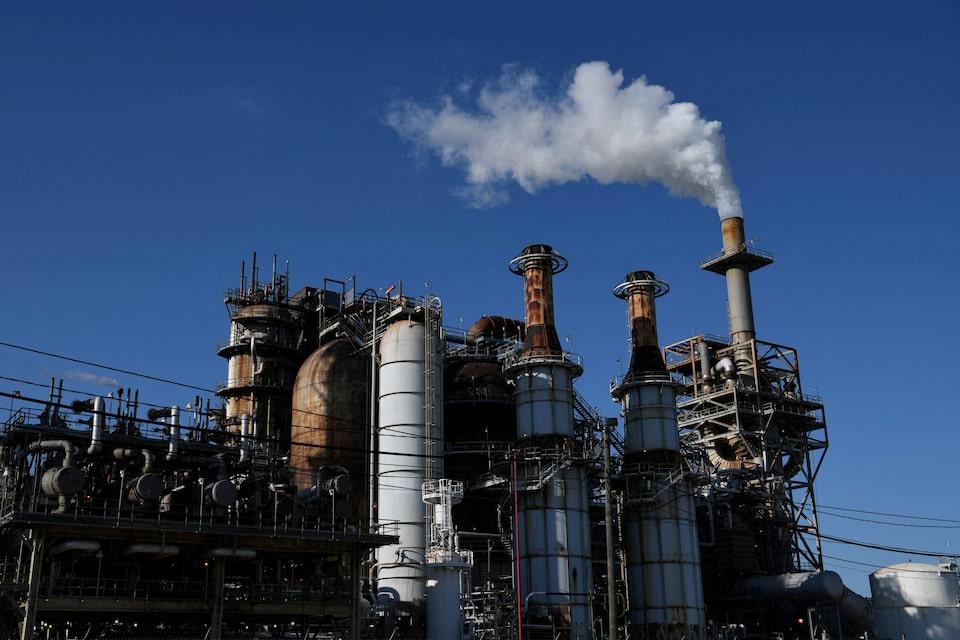
Premiums for Mideast benchmark grades hit highest since Oct 2023 Chinese, Indian refiners buy more crude from Mideast, Africa, Brazil to replace Russian oil Chinese refiner Yulong buys 4 mln bbls Abu Dhabi crude and seeks more SINGAPORE/NEW DELHI, Jan 13 (Reuters) - Chinese and Indian refiners are seeking alternative supplies of crude as new U.S. sanctions on Russian producers and tankers are set to be the most effective yet in curbing shipments to Moscow's biggest customers, numerous traders said on Monday. The U.S. Treasury on Friday imposed sanctions on Russian oil producers Gazprom Neft (SIBN.MM) , opens new tab and Surgutneftegaz, as well as on 183 vessels that have shipped Russian oil, as it targets the revenues Moscow has used to fund its war with Ukraine. Many of the tankers have been used to ship oil to India and China as Western sanctions and a price cap imposed by the Group of Seven countries in 2022 shifted trade in Russian oil from Europe to Asia. In addition, some tankers have shipped oil from Iran, which is also under sanctions. On Monday, China reiterated its opposition to unilateral U.S. sanctions. Whereas Chinese and Indian refiners have adapted to previous sanctions, the severity of the new measures has driven them back to sellers of oil that is not restricted, curbing supply and driving up spot premiums for crude produced in the Middle East to Africa and Brazil. Global Brent crude futures have also risen. On Monday they climbed above $81 a barrel to their highest since August. In an early illustration of the impact on shipping activity, five tankers under sanctions have been anchored off Shandong province since Friday, shipping data on LSEG Workspace showed. Another is on the way. Traders said the ships are not allowed to discharge oil after Shandong Port Group banned tankers under U.S. sanctions from calling at its ports. Over the weekend, new Chinese refiner Yulong Petrochemical bought 4 million barrels of Abu Dhabi's Upper Zakum crude loading in February and March from Totsa, the trading arm of French energy major TotalEnergies (TTEF.PA) , opens new tab, traders said. The cargoes are for its 400,000 barrel per day (bpd) refining complex in Yantai, eastern Shandong province, which started trial runs in September. Yulong, which has previously bought Russian ESPO Blend crude, has purchased Angolan and Brazilian crude in recent weeks, traders said, and is in talks to buy more oil from West Africa as well as Canada. The refiner purchased 2 million barrels of Angolan Girassol and Nemba crude and also 2 million barrels of Brazilian Buzios and Tupi crude, they said. The numerous sources Reuters spoke to declined to be named as they were not authorised to speak to media. Yulong and Totsa typically do not comment on commercial deals. Indian refiners, which bought spot Middle East crude last week before the sanctions were announced, are looking for more cargoes, traders said. India's Bharat Petroleum Corp Ltd (BPCL.NS) , opens new tab bought 2 million barrels of February-loading Oman crude from Totsa via a tender last week, two people familiar with the matter said. India will allow Russian oil cargoes booked before Jan. 10 to discharge at ports, the source told reporters, adding that supply will continue to flow during a sanctions waiver in place until March. The source said Russia may deepen discounts for crude exports to India to comply with the $60 a barrel price cap, allowing them to continue. The strong demand is helping Totsa to reduce an overhang of Middle East crude supplies after it amassed cargoes via the S&P Global Platts' trading platform over the last four months, traders said. Spot premiums for Middle East benchmark grades jumped more than 70% to about $3 a barrel on Monday, traders said, reaching their highest since October 2023. The premiums for sweet grades have also risen, with Brazilian crude for March delivery transacting at premiums of more than $3 a barrel to dated Brent last week, up about $2 from levels seen in early December, one of the traders said. A trading executive involved in the Russian oil business said the biggest disruption would be to shipping, and that complications could arise if a ship is owned or managed by companies involved in operating tankers under sanctions. Over time, the market is likely to see a growing number of middlemen marketing oil from Gazprom Neft and Surgutneftegaz, and there will be more payments in Chinese yuan via China's Cross-border Interbank Payment System (CIPS), the executive said. Also included on Friday's sanction document were two Chinese oil logistics firms - Shandong United Energy Pipeline Transportation Co Ltd and Guangrao Lianhe Energy Pipeline Conveyor Co - both based in eastern China's Shandong province, a refining hub and China's main destination for oil under sanctions. As these companies mostly transport oil from storage tanks to domestic refiners with payments in Chinese yuan, there would be little impact from the sanctions, the trading executive added. Sign up here. https://www.reuters.com/markets/commodities/china-india-refiners-scour-world-oil-supplies-us-sanctions-curb-russian-supply-2025-01-13/
2025-01-13 11:44
HAMBURG, Jan 13 (Reuters) - Germany's meat and dairy exports outside the EU face severe restrictions after the country’s first case of the livestock disease foot-and-mouth was confirmed on Friday, the country's agriculture ministry said. German authorities confirmed the country's first outbreak of foot-and-mouth disease in nearly 40 years in a herd of water buffalo on the outskirts of Berlin. Foot-and-mouth disease causes fever and mouth blisters in cloven-hoofed ruminants such as cattle, swine, sheep and goats and in past decades has required major slaughtering campaigns to eradicate. Measures to contain the highly infectious disease, which poses no danger to humans, are being implemented, German authorities said. The loss of Germany's status as free from foot-and-mouth disease under World Organisation for Animal Health requirements, means many veterinary certificates for exports outside the EU can no longer be issued, Germany’s federal agriculture ministry said. Consequently, exports of milk and dairy products, meat and meat products, hides and skins and blood products are "currently hardly possible", the ministry said, adding that it "assumed third countries would immediately impose bans on such goods from Germany." The immediate goal is to ensure the disease does not spread, German agriculture minister Cem Oezdemir said. German meat exports to the EU were likely to continue because current rules require exports to be stopped only from the region of an EU country directly suffering from a disease, an agriculture ministry spokesperson said separately. Some countries are restricting imports of German meat including South Korea, the spokesperson said. Authorities in Berlin and Brandenburg announced a six-day halt to the transport for animals which can transmit the disease while investigations into the cause continue. The president of the association of German farmers Joachim Rukwied called for urgent and intensive action to prevent the disease spreading and causing more serious financial losses for farmers. The disease occurs regularly in the Middle East and Africa, in some Asian countries and South America. Sign up here. https://www.reuters.com/world/europe/german-meat-exports-face-disruption-after-foot-and-mouth-disease-case-2025-01-13/

2025-01-13 11:27
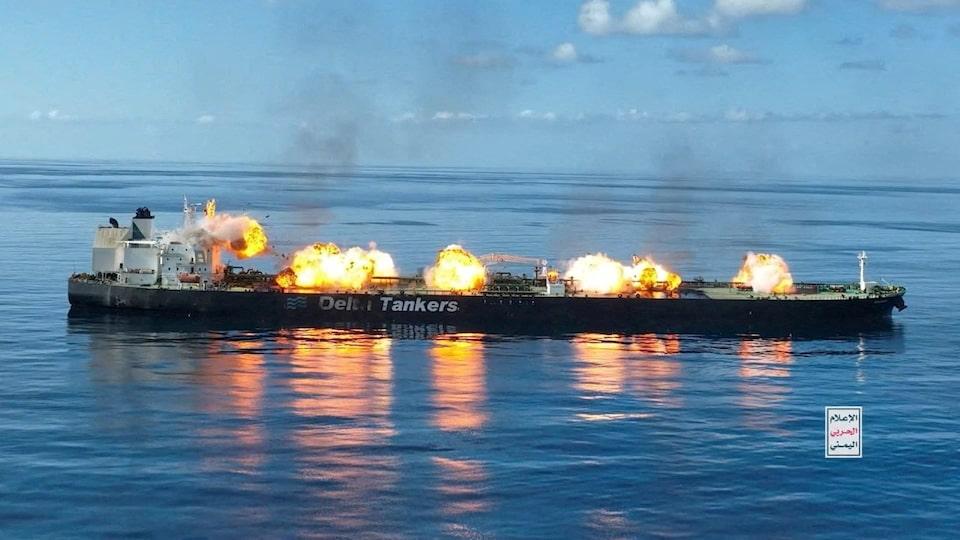
ATHENS, Jan 13 (Reuters) - A risky operation to salvage an oil tanker attacked by Houthi militants in the Red Sea and avert what could have been one of the largest oil spills in recorded history has been completed, British maritime security company Ambrey and Greece have said. The 900-foot Greek-registered MT Sounion, carrying 150,000 tonnes of crude oil, was struck by several missiles and drones and caught fire on Aug. 21, triggering fears of an oil spill that could cause catastrophic environmental damage in the area. Months later, the vessel has been declared safe and its cargo has been removed, said Ambrey, which led the salvage operation. Greece had urged all nations to assist with the case with political negotiations extending from the Houthis, who eventually allowed salvage teams to tow the ship, to Saudi Arabia, a key player in the region. "It's a great relief, mainly due to the environmental disaster risk. It was a very complex operation," Greek Shipping Minister Christos Stylianides told Reuters on Monday. "I feel relieved and content." In mid-September, Sounion, which was hit 58 miles off the Yemeni coast, was towed to a safe location 150 miles to the north by a flotilla of seven salvage vessels escorted by the European Union's naval force Aspides. Extinguishing the fires on board took three weeks in difficult climate conditions, Ambrey said, and the vessel was later towed north to Suez for her cargo to be removed. More than 200 people and six companies - Megatugs Salvage & Towage, Diaplous, Offmain, Fire Aid, Pro Liquid and Ambipar Response, were involved in the projects. As Greek Prime Minister Kyriakos Mitsotakis visited Saudi Arabia on Monday, a Greek government official said the salvage of Sounion was pivotal in boosting bilateral ties. Sign up here. https://www.reuters.com/world/middle-east/tanker-hit-by-houthis-salvaged-red-sea-disaster-averted-2025-01-13/
2025-01-13 11:16
Jan. 13 (Reuters) - A look at the day ahead in U.S. and global markets from Mike Dolan Wall Street's S&P 500 index has all but wiped out its post-election gains, weighed by bond markets fearful of an inflation and interest rate resurgence if the hot economy gets stoked by President-elect Donald Trump's incoming administration. With the fourth-quarter corporate earnings season about to unfold from Wednesday, the S&P 500 clocked another 2% loss for the week and closed on Friday less than 1% from where it ended polling day on Nov. 5. With bond yields and the dollar still chomping at the bit first thing on Monday, S&P500 futures are down 1% ahead of the bell and the VIX 'fear index' topped 22 for the first time this year - also back where it was on election day. The latest cloud over the stormy new year market was rooted in ostensibly good news and another impressive U.S. employment report, where payrolls growth exceeded forecasts and the unemployment rate fall. That's made it clear any lingering Federal Reserve concern about a softening labor market are wide. If the jobs side of the equation is holding up or even tightening, then the Fed - and the Treasury bond market - now has to assess the risk of a re-acceleration of still above-target inflation. That's especially so as Trump plans for deportations of illegal migrants, and tax cuts and tariff rises are expected to aggravate the broader wage and price picture, while potentially adding public debt risks. PIVOTAL MOMENT Trump's inauguration next week now stands as a pivotal market moment, with his Treasury Secretary pick Scott Bessent due for his Senate confirmation hearing this Thursday. But we get a firm reality check on the inflation picture from Wednesday's release of the December consumer price report, while Monday's New York Fed survey of consumer inflation expectations will act as an appetizer. With not even one full Fed rate cut left priced in futures markets for the whole year, the interest rate market is now toying with the idea that the Fed easing cycle is over after just 1 percentage point of cuts - with some now even murmuring about the chances that rates move back up from here. The Treasury market has been running scared for over a month, with benchmark 10-year yields topping 4.8% early Monday for the first time since late 2023 - more than 40bps above the Fed policy rate. In an extraordinary move, 10-year yields have now risen 115 basis point since the Fed began easing in September. Two-year yields vaulted 4.4% for the first time since July. The dollar index (.DXY) , opens new tab keeps building a head of steam as a result, hitting its highest since 2022 first thing Monday. Agitating the price picture even further has been a rebound in U.S. crude oil prices that saw them touch their highest since August on Monday, and with year-on-year gains of 8% the most since July. The latest spur came amid expectations wider U.S. sanctions will affect Russian crude supplies to the world's top and third largest importers, China and India. SANCTIONS The U.S. Treasury on Friday imposed sanctions on Russian oil producers Gazprom Neft (SIBN.MM) , opens new tab and Surgutneftegas, as well as 183 vessels that have shipped Russian oil, targeting the revenue Moscow has used to fund its war with Ukraine. Analysts reckon Russian oil exports will be hurt severely by the new sanctions, pushing top buyers China and India to source more oil from the Middle East, Africa and the Americas, which will boost prices and shipping costs. With the dollar surging across the globe and perhaps reflecting some of those crude oil curbs, India's rupee stood out on Monday with its biggest single-day decline in two years to another record low. Fearful of looming Trump tariffs, China (.CSI300) , opens new tab and Hong Kong (.HSI) , opens new tab stocks fell again on Monday, with Hong Kong shares logging a six-day losing streak. Rising U.S. yields and the widening U.S.-China yield gap are also rankling there. The stock losses came despite news that China's exports gathered pace in December and imports recovered, closing out the year on a positive note. But economists suspect the numbers were merely flattered by front-loading of exports ahead of Trump's inauguration to sidestep expected tariff hikes and were less of a reflection of some demand recovery. The yuan held the line, however, as China announced more tools to support its weak currency, unveiling plans to park more dollars in Hong Kong to bolster the unit and improve capital flows by allowing companies to borrow more overseas. In Europe, rising U.S. debt yields continue to jar, too - with British gilts still at the centre of the storm there. UK 30-year government bond yields jumped to a fresh 27-year high on Monday, extending a selloff into a second week, and the pound hit its lowest versus the dollar since October 2023. British finance minister Rachel Reeves, facing criticism for travelling to China during financial market upheaval at home, said on Saturday she would act to ensure the government's fiscal rules are met. Back stateside, the earnings season looms - with BlackRock, Citigroup, JPMorgan, Wells Fargo, Goldman Sachs, Bank of New York Mellon all due out Wednesday, the same day as the CPI release. For tech watchers, Taiwan Semiconductor Manufacturing Co (TSMC) (2330.TW) , opens new tab updates on Thursday and the main global producer of advanced chips used in artificial intelligence applications is expected to report a 58% leap in fourth-quarter profit. Key developments that should provide more direction to U.S. markets later on Monday: * US December Federal budget, Dec employment trends report, New York Federal Reserve's Dec survey of consumer expectations * Defence ministers of Poland, Germany, Britain, France and Italy meet near Warsaw for talks on Ukraine * NATO Secretary General Mark Rutte speaks at European Parliament Sign up here. https://www.reuters.com/markets/us/global-markets-view-usa-2025-01-13/
2025-01-13 11:13
MOSCOW, Jan 13 (Reuters) - Turkey and Brazil remained the main importers of Russian seaborne diesel and gasoil last year amid the European Union's ban on imports of Russian refined products, data from market sources and LSEG showed. Before the full EU embargo came into effect in February 2023, Europe was Russia's biggest buyer. According to LSEG data, diesel and gasoil export supplies from the Russian ports to Turkey last year increased by a quarter from 2023 to 16.8 million metric tons. Russian diesel exports to Brazil rose to 7.4 million tons in 2024, up by 15% from the previous year, shipping data showed. Diesel and gasoil exports from the Russian ports to African countries exceeded 9.6 million tons lat year, but were down by 6% from 2023. Egypt, Libya, Tunisia, Ghana and Senegal were among the top importers, according to LSEG data. In December 2024, Russian diesel and gasoil export loadings increased almost by 18% from the previous month to 3.4 million tons on rising fuel production and seasonal slow demand in the domestic market, traders and shipping data showed. Turkey and Brazil remain the main importers, totalling 1.2 million tons (-10% from November) and 0.53 million tons (+32% from November), respectively. Meanwhile, traders report the increasing diesel volumes shipped via ship-to-ship (STS) transfers near the Italian port of Augusta and the Greek islands. STS loadings have also become more attractive since recent Western sanctions on the tanker fleet, traders said. In December, tankers carrying around 370,000 tons of Russian diesel were bound for ship-to-ship transfers. T+heir final destinations are as yet unknown. Last week, the U.S. has imposed new Russia-related sanctions, targeting more than 180 vessels and insurance companies. That move could increase ship-to-ship operations, market sources added. Sign up here. https://www.reuters.com/business/energy/turkey-brazil-top-buyers-russian-diesel-lseg-data-shows-2025-01-13/

2025-01-13 11:09
Refiner profits fall as new capacity and normal margins return Gasoline and diesel crack spreads hit lows in December Analysts lower earnings expectations amid weak crack spreads Uncertainty over Trump's tariffs impacts refiner margins and costs NEW YORK, Jan 13 (Reuters) - Investors are souring on the U.S. oil refining sector, citing forecasts for softer fuel demand and worries that President-elect Donald Trump may slap tariffs on imports of crude. U.S. refiner profits started to fall toward the end of 2023 as new refining capacity came online and margins returned to normal levels. This followed two years of bumper profits as refiners cashed in on supply shortages caused by Russia's invasion of Ukraine and a post-pandemic recovery in demand. Shares of major refiners have fallen this year, and on average, analysts have lowered expectations for refiners' fourth-quarter earnings before interest, taxes and amortization (EBITA) by 24% since the start of the quarter, Tudor, Pickering, Holt & Co analyst Matthew Blair said in a note. Blair noted the easing of gasoline crack spreads and persistently low diesel cracks. A crack spread is the difference between the price of a fuel and the price of crude oil. Blair also cited higher refinery utilization. The U.S. gasoline futures crack spread over the cost of West Texas Intermediate (WTI) crude fell below $11 to a one-year low in December. The ultra-low sulphur diesel futures crack spread eased to a near two-month low of under $22 during the month. U.S. refining utilization averaged 90.3% in the fourth quarter, up from 87.6% in the same quarter last year, according to Tudor, Pickering, Holt & Co. "Following a year of negative revisions, analysts are likely to continue bringing estimates lower in 2025 on the back of a weaker forward curve," Jefferies analysts said in a note. Shares of Valero (VLO.N) , opens new tab slipped more than 6% in 2024, while rival Phillips 66 (PSX.N) , opens new tab fell more than 15% during that period. Shares of Marathon Petroleum (MPC.N) , opens new tab closed 2024 down 8% for the year. Analysts polled by Reuters in January lowered their stock target price for all three refiners. WEAKER DEMAND Signs of slowing economic activity in the U.S. and China, the top oil consumer and top importer, respectively, weighed heavily on oil and fuel markets last year. The U.S. is the world's largest exporter of motor gasoline, supplying over 16% of total global exports, according to the U.S. Energy Information Administration. The International Energy Agency increased its 2025 global oil demand growth forecast to 1.1 million barrels per day (bpd) in December, up from 990,000 bpd last month. But it said the gains would continue to be led by countries in emerging economies in Asia, which are not strong markets for U.S. refiners. Moreover, global gasoline demand is expected to peak this year at around 28 million bpd amid surging electric vehicle adoption and improving vehicle efficiency, particularly in China, the world's largest oil importer, according to S&P Global Commodity Insights. MORE VOLATILITY AHEAD Investors are also uncertain about U.S. government policies as they await the inauguration of Trump, analysts also said. Last month, Trump pledged to impose a 25% tariff on all imports from Canada and Mexico until they clamp down on drug trafficking and migration. Tariffs on oil importers would have a big impact on refiners that process Canadian, Mexican and other imported crude, forcing them to pay more for their feedstock. "Margins are going to be weak until we get a clear picture regarding the direction of economic growth and tariffs on Canada," said Tortoise Capital portfolio manager Rob Thummel. "It'll be a challenging environment until then." Tariffs would lead to higher prices and amplify slowing global oil demand, said Austin Lin, refining and oil products analyst at Wood Mackenzie. There may be some support for fuel demand from other Trump policies. Trump's plans to roll back support for electric vehicles and charging stations could slow their sales and bolster gasoline demand, along with his pledges to block imports from China of cars, components and battery materials. Sign up here. https://www.reuters.com/business/energy/us-oil-refiners-brace-tough-year-investor-sentiment-turns-negative-2025-01-13/