2025-01-08 13:11
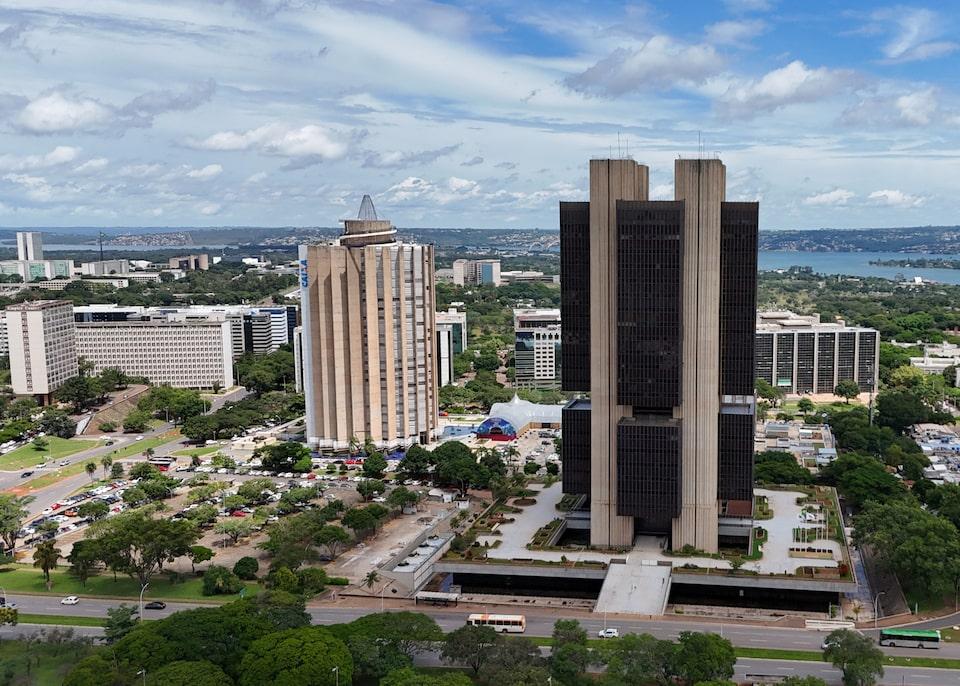
BRASILIA, Jan 8 (Reuters) - Brazilians in 2024 withdrew more from savings accounts than they deposited for a fourth straight year, although the outflow fell significantly, central bank data showed on Wednesday. Net withdrawals of 15.5 billion reais ($2.5 billion) were down from 87.8 billion reais in 2023, 103.2 billion in 2022, and 35.5 billion in 2021. In December, traditionally a positive month for savings, a net inflow of 4.9 billion reais was the smallest December inflow since 2015. Savings accounts serve as a key funding source for real estate credit in Brazil, and the central bank has long been exploring potential changes , opens new tab to their remuneration as typically during periods of higher interest rates other fixed-income investments become more attractive, driving withdrawals. Brazil's benchmark interest rate ended 2024 at 12.25%, up from 11.75% at the start of the year, as policymakers tightened borrowing costs to curb inflationary pressures fueled by robust economic activity and a weakened currency. ($1 = 6.1291 reais) Sign up here. https://www.reuters.com/world/americas/brazils-savings-withdrawals-outpace-deposits-fourth-straight-year-2025-01-08/
2025-01-08 12:48
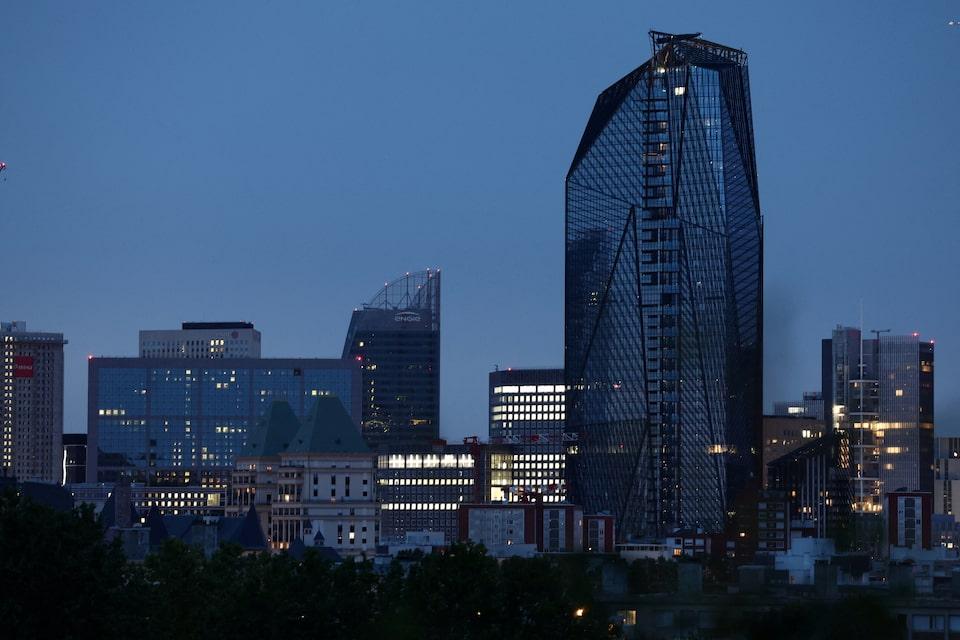
STOXX 600 down 0.7% this month, outperforming 3% S&P 500 fall European equity funds see first weekly inflow since October Low valuations, Trump uncertainties aid European stocks LONDON, Jan 9 (Reuters) - Beaten-down European stocks are luring investors back after a record underperformance versus Wall Street in 2024, as fears about U.S. economic shocks under incoming President Donald Trump boost the appeal of international markets. Amundi, Europe's largest investor, said on Wednesday it had "turned constructive on Europe" because the effect of trade war fears on valuations was exaggerated. Funds that invest in European equities have also just recorded their first weekly net inflow since October, Lipper data showed, after several big banks this week tipped the market for a 2025 turnaround. The STOXX 600 (.STOXX) , opens new tab index of blue-chip European shares has lost 0.7% this month but outperformed the U.S. S&P 500 (.SPX) , opens new tab, which has dropped nearly 3% on fading hopes for U.S. interest rate cuts and policy uncertainty. Barclays on Wednesday said the European market's "risk-reward" profile was improving, citing "emerging anxiety around Trumponomics". Deutsche Bank and Citi this week forecast double-digit returns for the STOXX this year, while Goldman Sachs said the market's lowly-valued companies were likely takeover targets. The STOXX 600 ended 2024 at its biggest discount to the S&P on record, LSEG data showed, as investors flocked to so-called "Trump trades" that bet his policies will lift most U.S. assets. "There's room to take the other side of that trade and one of the main beneficiaries will be international markets," Baird strategist Ross Mayfield said, arguing policy shocks would weaken the dollar and boost U.S. investors' interest in euro-denominated assets. Investors are growing increasingly concerned about tariffs refueling U.S. inflation and prompting the Federal Reserve to hike rates, Bank of America said following its most recent survey of global fund managers. Conflicting reports about Trump's tariff plans drove the U.S. currency sharply lower on Monday and left investors braced for more U.S. market swings. "I've moved from really disliking international markets to saying I think there is a diversification benefit," Raymond James Investment Management chief market strategist Matt Orton said. Cheaply-valued European banks, he said, were now "very attractive", while he also favoured the region's aerospace and defence stocks. The revival in interest in European stocks follows months of gloom as French and German politics plunged into chaos and tariff threats pressure euro zone exporters. The euro zone economy remains weak, but after four European Central Bank rate cuts last year a long-term decline in euro zone business activity has eased. "We should have (had) the trough in the euro zone," Edmond de Rothschild Asset Management portfolio manager Marie de Leyssac said. A European market rebound in 2025 was likely given last year's "extreme underperformance", she added. Janus Henderson multi-asset fund manager Oliver Blackbourn said he was not yet buying into European stocks, but had also become nervous about heady Wall Street valuations. "If we do see more improvements in European economic data then we'd get more positive pretty quickly," he said Sign up here. https://www.reuters.com/markets/europe/beaten-down-european-stocks-lure-investors-back-trump-trades-wobble-2025-01-08/
2025-01-08 12:47
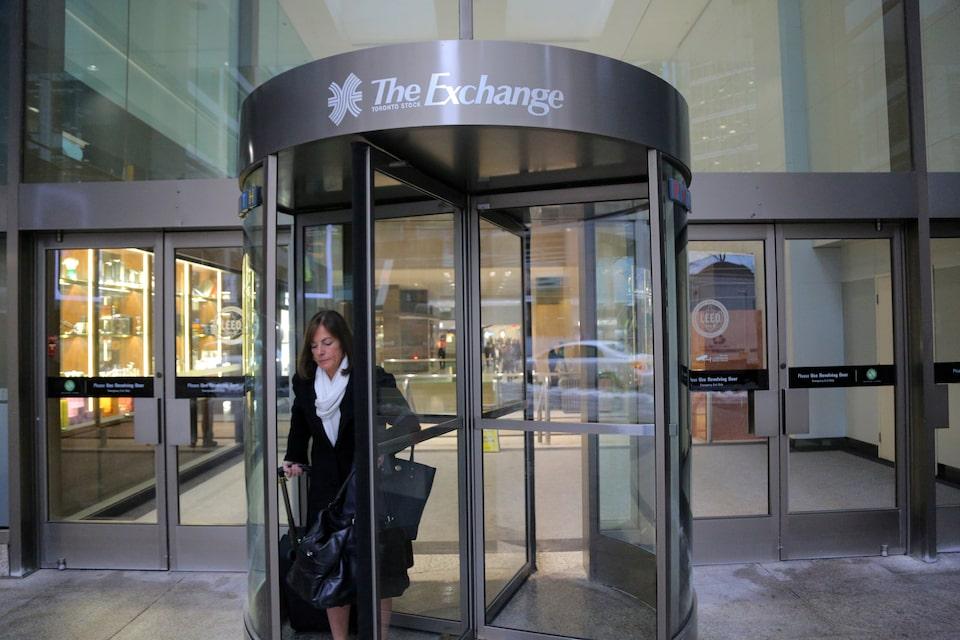
TSX ends up 0.5% at 25,051.68 Technology rises 1.8% Materials group adds 1.7% Jan 8 (Reuters) - Canada's main stock index ended higher on Wednesday, led by gains for technology and metal mining shares, as investors set aside recent caution that has been driven in part by rising prospects of U.S. trade tariffs. The S&P/TSX composite index (.GSPTSE) , opens new tab ended up 121.79 points, or 0.5%, at 25,051.68, after two straight days of declines. It outperformed major U.S. indices which tend to have a higher weighting in high-flying technology companies. "It's encouraging for Canada because sentiment towards Canada has been cautious to say the least for quite some time," said Colin Cieszynski, chief market strategist at SIA Wealth Management. "It's nice to see that perhaps some of the pressure on Canada might be starting to ease a bit." A report said that U.S. President-elect Donald Trump is considering declaring a national economic emergency to provide legal justification for a series of universal tariffs on allies and adversaries. Previously, Trump has threatened to impose a 25% tariff on imports from Canada. The U.S. 10-year yield rose to its highest since April on concerns that policies such as trade tariffs could reignite inflation. The Toronto market's technology sector rose 1.8%, clawing back some of the previous day's sharp decline. Gains were led by electronics firm Celestica Inc (CLS.TO) , opens new tab, which ended 4.6% higher. The materials group, which includes fertilizer companies and metal mining shares, added 1.7% as gold and copper prices rose. Shares of gold producer K92 Mining (KNT.TO) , opens new tab jumped nearly 16% after the company reported record quarterly production. Heavily weighted financials added 0.6%, while energy ended near flat as oil settled 1.25% lower at $73.32 a barrel, giving back some of its recent gains. U.S. crude oil imports from Canada rose last week to the highest on record, data from the U.S. Energy Information Administration showed, ahead of expected trade tariffs. Sign up here. https://www.reuters.com/markets/tsx-futures-flat-after-report-trumps-plan-new-tariffs-2025-01-08/
2025-01-08 12:36
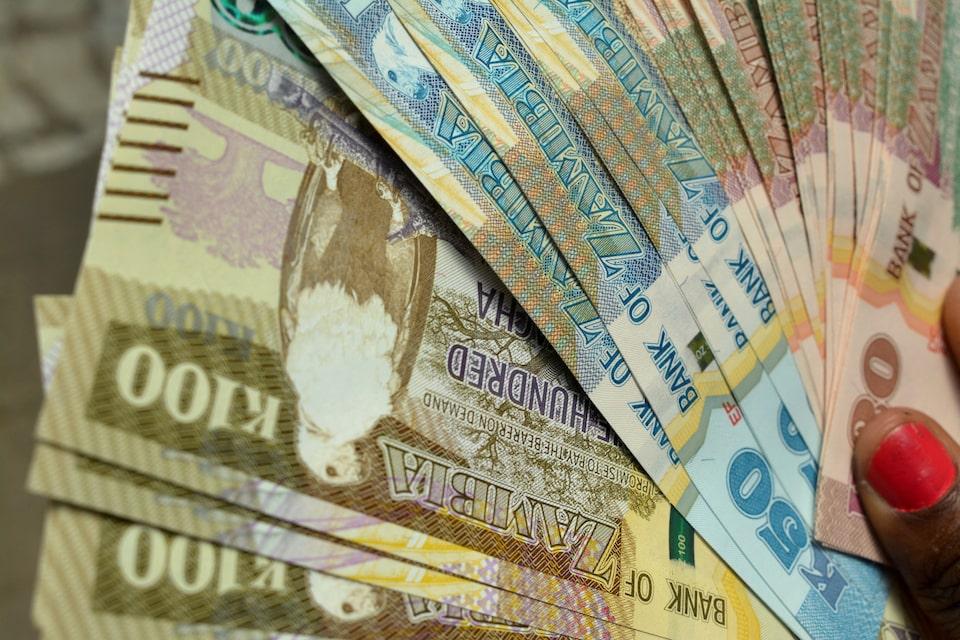
LUSAKA, Jan 8 (Reuters) - Zambia's kwacha has hit a series of record lows since the start of the year as a severe drought keeps the pressure firmly on the copper-producing Southern African country's economy. Analysts had hoped Zambia's emergence from default early last year would have helped sentiment, but the currency is now roughly 3% below where it was before its debt restructuring deal and has fallen nearly 15% over the last six months. At the close of Wednesday's trading session, the kwacha stood at a new record low of 28.13 per dollar, according to LSEG. "In a local market like this one, some big payments for imported electricity, or similar, could easily drive the ZMW," said Charlie Robertson, head of macro strategy at FIM Partners. The strained electricity supply was forcing mining companies to cut production of copper, which is a key hard currency earner, Access Bank Zambia said in a research note. The severe effects of El Niño caused the worst dry spell in southern Africa in a century last year, devastating crop production and forcing Zambia's authorities to cut electricity generation on the Kariba dam, the biggest source of electricity. "The amount of water available for hydropower generation remains insufficient for sustainable operations, especially given the unpredictable nature of regional rainfall patterns," state power firm Zesco said on Tuesday. The kwacha plunged when Zambia defaulted on $11 billion worth of external debt in November 2020, but saw a brief 20% jump last February when it became clear its restructuring efforts were going to be successful. One financial analyst in Lusaka said some companies had sold dollars during Wednesday's session in preparation for local tax payments next week, offering some support to the kwacha. Sign up here. https://www.reuters.com/markets/currencies/zambias-currency-stuck-record-low-drought-persists-2025-01-08/
2025-01-08 12:33
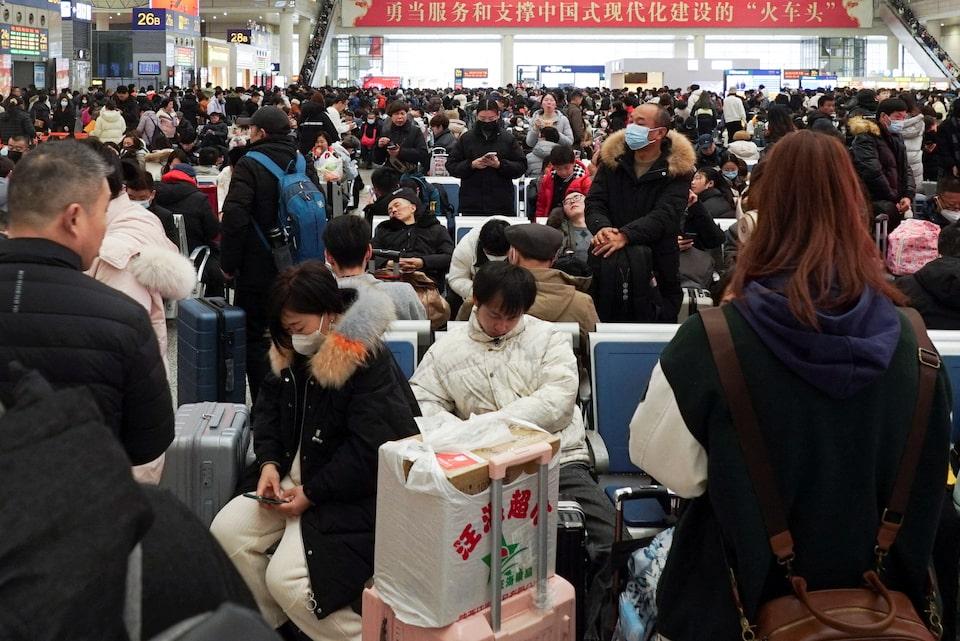
BEIJING, Jan 8 (Reuters) - China expects an increase in the number of people joining the coming Lunar New Year travel rush, with authorities estimating a record 9 billion domestic trips will be made during the 40-day period of festivities, despite the stuttering economy. State media reported the forecast for the travel season that starts on Jan. 14 when people traditionally travel to and from their home towns. Last year, authorities also expected 9 billion domestic trips, but actual numbers fell short with around 8.4 billion total trips logged. Self-driving road trips are expected to make up about 80% of trips this year, followed by train and air travel, Li Chunlin, an official with the National Development and Reform Commission (NDRC), said in a press briefing on Wednesday. This year's Spring Festival comes at a time when China's economy is in the doldrums, struggling to recover from three years of pandemic control and hamstrung by a prolonged property market crisis. Exports are a bright spot in growth but face possible new U.S. tariffs when Donald Trump takes office this month. The government has rolled out a flurry of stimulus measures in recent months, including interest rate cuts and an expansion in the scope of a consumer goods trade-in scheme, but has so far failed to stage a sustained recovery. Annual official tallies of trips made during the New Year travel rush have jumped since the Ministry of Transport revised the metric before the 2023 Lunar New Year to include self-driving road trips on major national expressways. The metric was changed again before the 2024 celebrations to include road trips made on more highways. A total of 2.98 billion trips were recorded in the 2019 Spring Festival travel rush, the year before the pandemic restrictions hampered travel. A record 510 million train trips are expected during the coming 40-day period, up 5.5% year-on-year, Zhu Wenzhong, an official from China's national railway operator, said at the same briefing. Some 90 million plane trips are expected during this year's celebrations, also a record high, the NDRC's Li said. Sign up here. https://www.reuters.com/world/china/china-expects-increase-new-year-travel-numbers-despite-economic-doldrums-2025-01-08/
2025-01-08 12:30
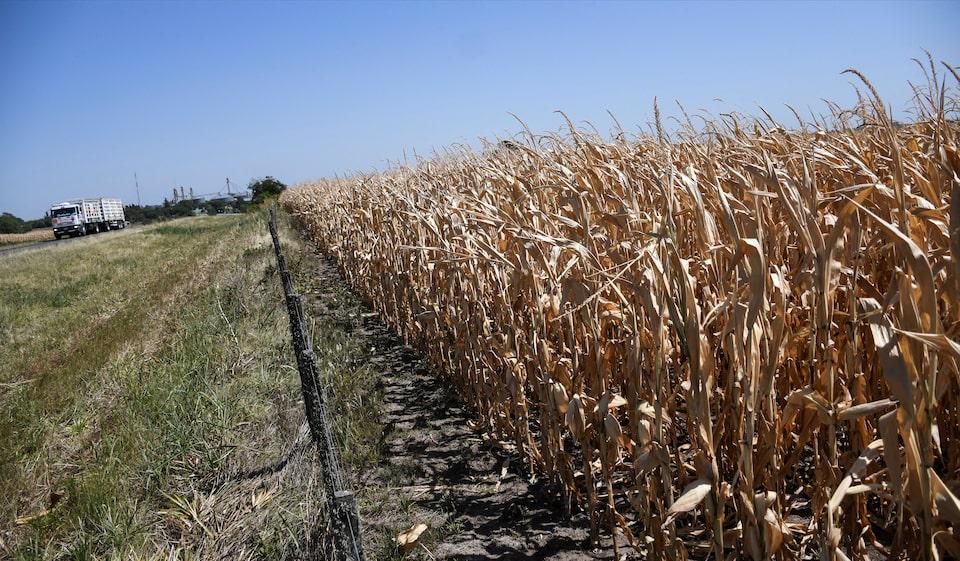
NAPERVILLE, Illinois, Jan 7 (Reuters) - It seems that Argentine farmers simply cannot catch a break. Despite much-needed rainfall during planting, bone-dry conditions are set to grip the country's farmland through at least mid-January, greatly increasing odds that soybean yields will disappoint for a sixth consecutive season. The dryness is not terribly surprising given the presence of La Nina, the cool phase of the equatorial Pacific Ocean. La Nina-induced dry spells have recently damaged multiple Argentine soybean harvests, most notably in 2023. November rainfall across Argentina's grain belt was 30% above normal, seemingly bucking the La Nina doom. But December totals fell right in line with the typical pattern at just 79% of normal. Risks have already been flagged. Both Argentine grains exchanges said last week that the recently hot and dry weather has started to damage crops. Unfortunately, current forecasts suggest the situation could get worse. At best, monthly rainfall across Argentina's grain belt after the third week in January may amount to only a third of normal levels. If that outlook is realized and no relief is seen by the end of the month, crop prospects could quickly turn grim. Argentina's very worst soybean yields also coincided with its driest Januarys. However, only one of Argentina's exceptionally dry Januarys occurred within the last decade (2018). If Argentine soybeans are better at resisting dry conditions now versus ten-plus years ago, this would weaken the relationship between dry Januarys and poor yields. In theory, strong February rains may be able to rescue the soy crop from a bad January, but that may come down to timing. For now, the newly planted soybeans are in decent shape. Exchange data last week showed 53% of the crop in good or excellent condition, a five-year high for the week. Only 4% is in poor condition, more than the year-ago 2% but well below the double-digit readings from the prior three years. However, satellite data shows that vegetation health was in worse shape at the end of December versus a year ago across much of the core grain belt. Soybean yields last year were disappointing despite the normally favorable El Nino pattern, though the crop was nearly twice as large as the prior year, the catastrophic 2022-23 season. SWEATING BEARS? Global soybean and soybean meal prices were already historically high and rising throughout late 2022, so the early 2023 Argentine crop disaster did not significantly shift already-very-bullish market sentiment. Soybean meal prices spiked more than 20% between early December 2022 and mid-February 2023 given Argentina's role as top exporter, and gains for soybeans topped out around 9%. However, speculators late last month forged a record net short position in Chicago soybean meal futures and options, and they have held bearish views in soybeans for a year now. CBOT soybean meal has recently flirted with some of the lowest prices of the last decade. While Argentina's current soybean crop is extremely unlikely to suffer a fate as bad as two years ago, the dry forecast is plenty reason to make soybean and especially soymeal bears a little uncomfortable for now. Karen Braun is a market analyst for Reuters. Views expressed above are her own. Sign up here. https://www.reuters.com/markets/commodities/argentinas-soy-belt-may-be-an-alarmingly-dry-january-2025-01-08/