2025-01-03 22:35
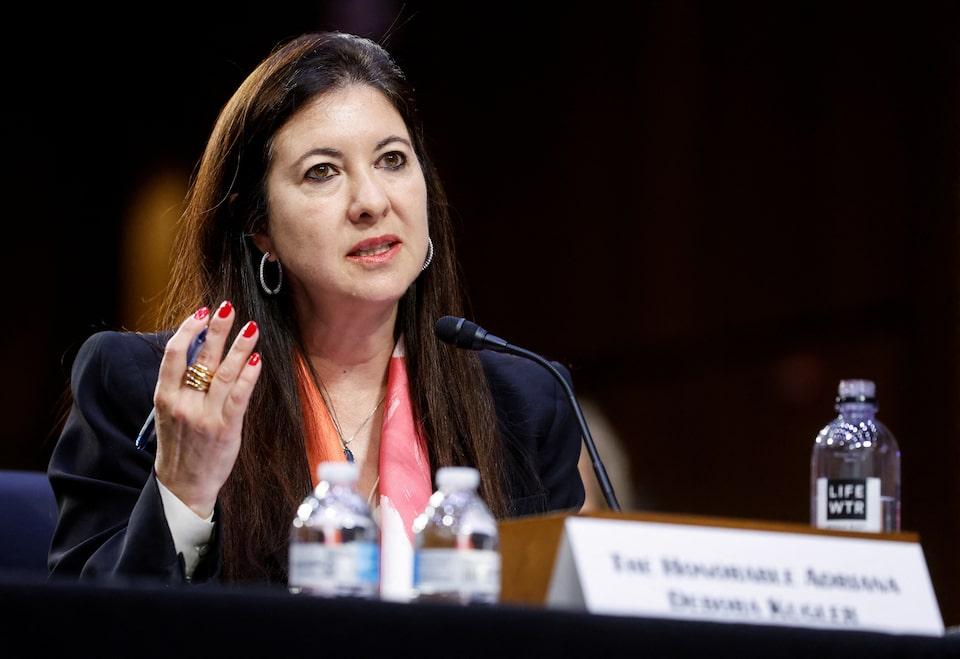
Fed's Kugler tells CNBC data driving Fed policy Fed's Kugler sees economy in good place, job market resilient Fed's Kugler watching for evidence inflation easing again Jan 3 (Reuters) - Federal Reserve Governor Adriana Kugler said on Friday the U.S. central bank is uncertain about what the economy will deliver in 2025 and will let upcoming economic data drive the course of monetary policy. In light of Fed forecasts last month for fewer interest rate cuts in 2025, "there is a view that we can take our time, to slow down" and be more "gradual" while watching the data to see if sticky inflation pressures start to ease again, Kugler said in a CNBC interview. If the resilient job market starts to lose steam, however, "we would be ready to act in a different direction" with monetary policy, she said. "We're always responding" to what happens in the economy "and seeing what is happening in front of us," the official added. In the interview, the central banker said the economy is in a good place and while the job market has cooled, it remains resilient with a still historically low unemployment rate. Asked how she expects the policies of the incoming Trump administration to affect the economy, Kugler noted there are many moving pieces, making it hard to say how things will play out. Kugler's comments on TV were her first public remarks since the central bank's most recent policy meeting, and were among the first made by a central banker as 2025 begins. At the Fed's mid-December Federal Open Market Committee meeting, officials lowered by a quarter percentage point their interest rate target range to between 4.25% and 4.5%. At the meeting, policymakers pulled back on rate cut estimates in 2025 while raising projections of where inflation would stand. For some, the change in outlook called into question why the Fed had cut rates at all given how long officials expect it will be before they hit their 2% inflation target. The new year brings considerable uncertainty for the Fed with the return of Donald Trump to the presidency. The president-elect campaigned on a platform of heavy trade tariffs and deportations, which most economists believe is a recipe to reignite inflation. But officials have been cautious in reacting to the election outcome given a lack of details on what will be implemented and how. "There is a wide set of scenarios and I think everybody's considering that wide set of scenarios," Kugler said. Earlier on Friday, Richmond Fed President Thomas Barkin said that since tariffs could be implemented in many ways, "uncertainty should come down as policies are finalized, although it's easy to imagine an extended period of back and forth" as elected leaders hash out the policy agenda. "I see more risk on the inflation side," Barkin added, while noting the Fed is "well-positioned" on the policy front for whatever the economy sends its way. She signaled a reluctance to further ease policy. "I put myself in the camp of wanting to stay restrictive for longer as opposed to the other school, which would be 'we're done, so why not take rates down to neutral,'" she said. Sign up here. https://www.reuters.com/markets/rates-bonds/feds-kugler-says-data-will-drive-fed-policy-choices-amid-uncertainty-2025-01-03/
2025-01-03 21:29
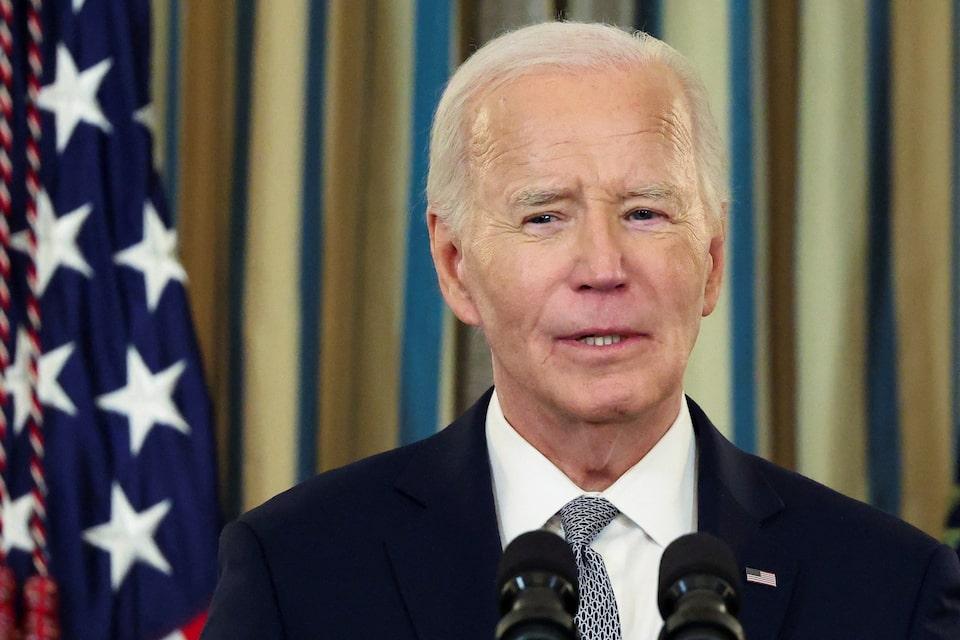
Permit aims to boost U.S. antimony production amid trade tensions with China Perpetua's mine to meet over 35% of U.S. antimony needs by 2028 Nez Perce tribe consulted, concerns about salmon population remain Jan 3 (Reuters) - The Biden administration on Friday issued the final mining permit for Perpetua Resources' (PPTA.O) , opens new tab Idaho antimony and gold project, a move aimed at spurring U.S. production of a critical mineral at the center of a widening trade war between Washington and Beijing. Permitting for the mine, backed by billionaire investor John Paulson, comes after Beijing last month blocked exports to the U.S. of antimony, a metal used to make weapons, solar panels, flame retardants and other goods for which there are no current American sources. The U.S. Forest Service released the final record of decision for Perpetua's Stibnite project - essentially the mine's permit - after an eight-year review process, according to documents published on the agency's website. Shares of Boise, Idaho-based Perpetua gained 9.1% in after-hours trading after Reuters reported the permit decision earlier on Friday. Perpetua's mine will supply more than 35% of America's annual antimony needs once it opens by 2028 and produce 450,000 ounces of gold each year, a dual revenue stream expected to keep the project financially afloat regardless of any steps Beijing may take to sway markets. For example, Jervois Global (JRV.AX) , opens new tab, the owner of an Idaho mine that produces only cobalt, declared bankruptcy on Thursday after Chinese miners aggressively boosted production of that metal in a bid for market share. In its 154-page report , opens new tab, the Forest Service said its Perpetua decision was based on a detailed review of environmental data, discussions with Indigenous groups and consultation with other federal agencies. "I have taken into consideration the degree to which the (mine's) environmental design features, monitoring, and mitigation measures will, where feasible, minimize adverse environmental impacts on (federal lands)," the Forest Service's Matthew Davis said in the report. Perpetua, which changed its mine design three times in response to critics, said it believes it can make the mine - roughly 138 miles (222 km) north of Boise - "the best it can be." "Every detail of this project was examined with a fine-tooth comb," said Jon Cherry, Perpetua's CEO. Perpetua will need to obtain a wetlands permit from the U.S. Army Corps of Engineers, although the Forest Service said its own decision was made in consultation with that agency, implying a smooth review process. FINANCES The Stibnite project was forecast in 2020 to cost $1.3 billion, a number expected to rise due to post-pandemic inflation. The site has estimated reserves of 148 million pounds of antimony and 6 million ounces of gold. The Pentagon committed nearly $60 million to fund permitting for the project, which would entail cleaning and expanding a site that was polluted by World War Two-era mining. Perpetua last April received a letter of interest from the U.S. Export-Import Bank, the government's export credit agency, for a loan worth up to $1.8 billion to fund the Stibnite project. The project has not won the support of Idaho's Nez Perce tribe, which is concerned it could affect the state's salmon population. In statement to Reuters, the Nez Perce tribe said it was still reviewing the final decision, though "not with optimism," adding it believes the Forest Service "has been rushing to approve Perpetua Resource's mine proposal without undertaking its required due diligence." Sign up here. https://www.reuters.com/markets/commodities/biden-administration-issues-permit-perpetuas-idaho-antimony-gold-mine-2025-01-03/
2025-01-03 21:21
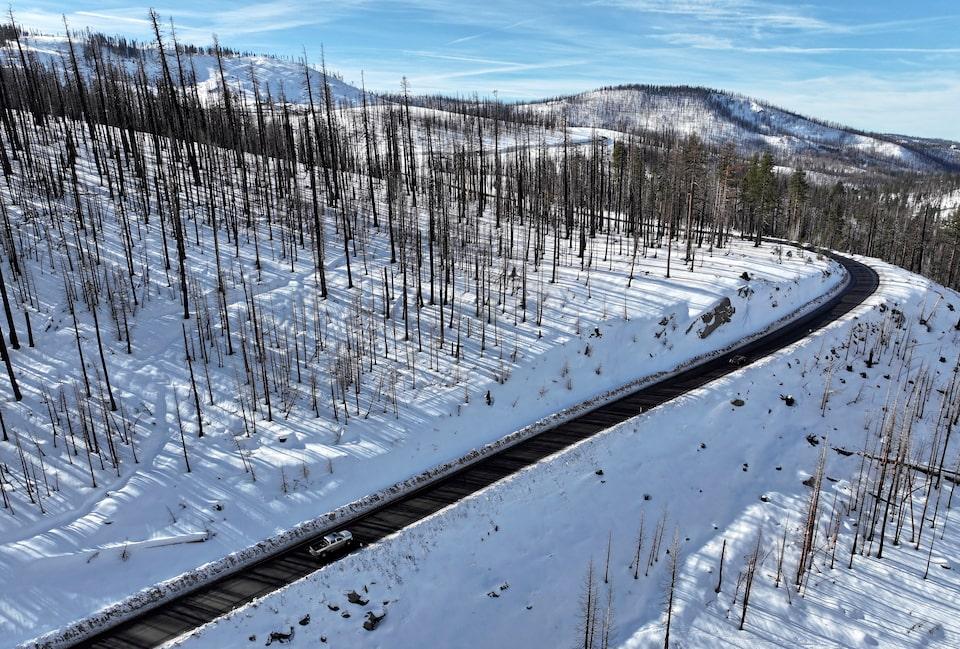
Some 250 million people expected to see frigid temperatures Oil and gas well freeze-offs could hit production Total U.S. gas use, including exports, could hit 156.4 bcfd Jan 3 (Reuters) - Freezing weather and snow storms across the U.S. could cause massive power outages over the next week and boost natural gas demand to its highest levels of the winter, according to energy analysts and reliability coordinators. The bump in demand comes as supplies of gas could drop due to the freezing of oil and gas wells and pipes, known in the energy industry as so-called "freeze-offs." Gas provides about 43% of the nation's power generation and heats about 45% of the country's homes, according to data from the U.S. Energy Information Administration (EIA). The jump in demand coupled with a drop in supply could drive up prices next week. "Appalachia and Rockies production face freeze-off risks as temperatures drop into the single digits or below," analysts at energy consulting firm Gelber and Associates said in a note. The U.S. produces about 105 billion cubic feet per day (bcfd) of gas with about a third of that supply coming from the Appalachia region of Pennsylvania, West Virginia and Ohio, according to data from financial firm LSEG and the EIA. In past winters, freeze-offs have slashed gas output by massive amounts, including the loss of around 16.5 bcfd in January 2024, according to data from LSEG. Frigid temperatures in December 2022 cut supplies by 19.4 bcfd, and in February 2021 hit output by 20.4 bcfd, according to LSEG data. One billion cubic feet of gas is enough to supply about five million homes for a day. As heating demand picks up, LSEG projects total U.S. gas use, including exports, could reach 156.4 bcfd on Jan. 9. That compares with the nation's daily record of 168.4 bcfd hit on Jan. 16, 2024 during another brutal winter freeze. The combination of soaring demand and freeze-offs in January 2024 boosted spot gas prices at the U.S. Henry Hub benchmark in Louisiana to over $13 per million British thermal units (mmBtu). Next-day prices at the Henry Hub were currently around $3.65 per mmBtu, the highest levels since January 2024. POWER COMPANIES PREPARE Some 250 million people will feel frigid air across 40 states in the next week, according to meteorologists at AccuWeather. They warned of significant ice accumulations that could cause power outages in parts of Missouri, Illinois, Indiana, and Kentucky over the weekend and through Monday. U.S. energy company CenterPoint Energy (CNP.N) , opens new tab on Friday said its cold weather action plan was in place for power and gas customers in several states, including Texas, Louisiana, Indiana, Ohio and Mississippi. Earlier this week, the North American Electric Reliability Corp (NERC), the nation's reliability coordinator, urged everyone in the electricity supply chain to take steps now to ensure the highest levels of reliability. NERC said it is "especially concerned about natural gas supply given the significant amount of production in the mid-Atlantic and Northeast." Extreme weather in February in 2021 left millions in Texas without power, water and heat for days and resulted in over 200 deaths as the state's power grid scrambled to prevent the electric system from collapsing. Sign up here. https://www.reuters.com/business/energy/us-winter-storms-could-cause-power-outages-cut-natgas-supplies-2025-01-03/
2025-01-03 21:15
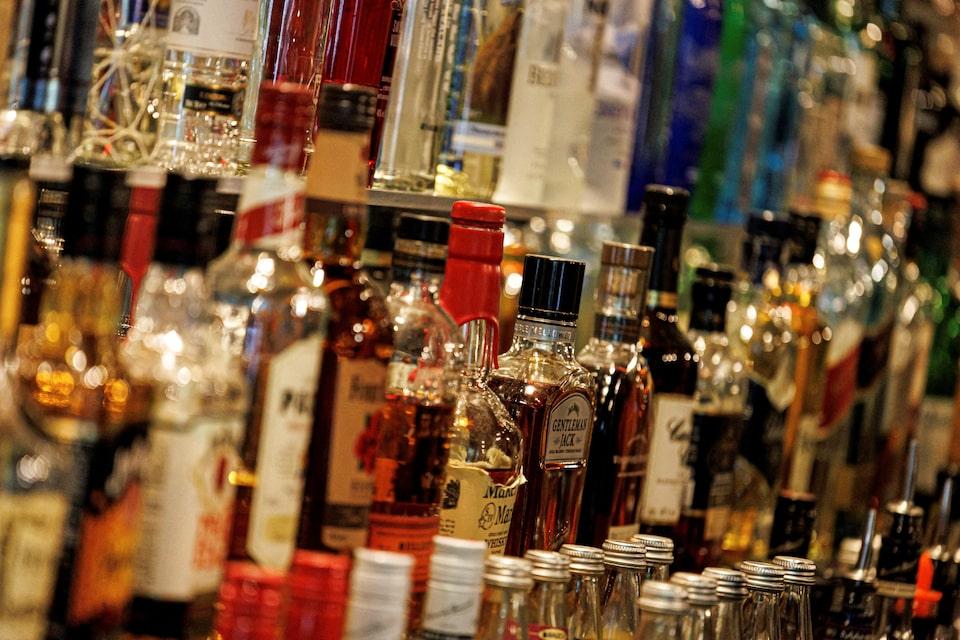
Jan 3 (Reuters) - The U.S. Surgeon General on Friday said all alcoholic drinks, whether beer, wine or spirits, should carry a label warning that consumption increases the risk of cancer. A link between alcohol use and cancer has been recognized at least since 1987, when the International Agency for Research on Cancer first classified alcohol as a carcinogen to humans. Evidence for this link from studies in humans and animals has strengthened since then, according to the Surgeon General's report , opens new tab, which shows risks rising modestly along with consumption. Here is what research has shown about alcohol intake and cancer: WHAT DO DIETARY GUIDELINES SAY ABOUT ALCOHOL CONSUMPTION? U.S. dietary guidelines currently recommend two or fewer drinks per day for men and one drink or less per day for women. For certain cancers, like breast, mouth, and throat cancers, risks may start to increase around one or fewer drinks per day, the report says. WHICH CANCERS HAVE BEEN LINKED WITH ALCOHOL CONSUMPTION? The evidence that alcohol consumption increases the risk of malignancy is strongest for cancers of the breast, colon and rectum, esophagus, liver, mouth, throat, and larynx. HOW DOES ALCOHOL CAUSE CANCER? The Surgeon General's report highlights four ways in which alcohol consumption raises cancer risks. - DNA damage: The body processes alcohol into acetaldehyde, a chemical compound that can damage DNA and prevent cells from repairing the damage, increasing the likelihood of mutations and uncontrolled cell growth that contributes to tumor formation. - Oxidation and inflammation: Acetaldehyde is in turn converted into acetate in a process that involves oxidation, producing dangerous unstable oxygen-containing molecules that damage cells and contribute to cancer-causing inflammation. - Raising risk from tobacco: Carcinogens from other sources, especially particles of tobacco smoke, can dissolve in alcohol, making it easier for them to be absorbed into the body. - Hormone production: Alcohol consumption increases levels of hormones, including estrogen, which can increase risks for breast and ovarian cancers. WHY ARE SOME ORGANS AT HIGHER RISK OF ALCOHOL-RELATED CANCERS? The hormone-related risk for breast cancer is highlighted in the report. In addition, in the mouth and esophagus, and throughout the gastrointestinal tract, alcohol irritates and damages the protective mucosal lining that normally protects cells from carcinogens, including tobacco. The liver processes alcohol, leading to high acetaldehyde concentrations. Chronic alcohol-induced inflammation can also lead to cirrhosis, a major risk factor for liver cancer. Alcohol-induced inflammation can also increase the risk of pancreas cancer. DOES QUANTITY OF ALCOHOL CONSUMPTION AFFECT CANCER RISK? The risk of cancer increases with the level of alcohol consumption. The Surgeon General's report estimates that an alcohol-related cancer will develop in about 10 of every 100 men who consume less than one drink per week, 11 of every 100 who average one drink daily, and in 13 of every 100 who consume two drinks daily. Higher alcohol consumption increases breast cancer risk in women from roughly 11 cases in every 100 of those who consume less than one drink per week, to 13 cases in every 100 who consume one drink per day and 15 in every 100 who consume two drinks per day, according to the report. ARE SHIFTING PATTERNS OF ALCOHOL USE AFFECTING CANCER RATES? Global changes in alcohol drinking patterns by region and sex – including increases in alcohol consumption by women - might account for an increase in alcohol-attributable cancer cases, a 2021 report in The Lancet Oncology , opens new tab suggested. WHAT ARE THE LIMITS OF WHAT WE KNOW? The evidence is strongest for the roles of acetaldehyde and inflammation in raising cancer risks, the report notes, while hormone regulation and alcohol as a solvent are not yet fully understood. Each person's risk for developing cancer, including alcohol-related cancers, is determined by a complex interaction of biological, environmental and social factors. ARE THERE ANY HEALTH BENEFITS OF ALCOHOL? A January 2025 report from the U.S. National Academies of Sciences, Engineering, and Medicine , opens new tab concludes that moderate alcohol consumption is associated with a lower rate of deaths from any cause compared with no consumption. While it did find links between alcohol and cancer, it also found evidence to suggest that consuming moderate amounts of alcohol is associated with lower risks for nonfatal heart attacks, nonfatal strokes, and deaths from heart disease. *The U.S. Centers for Disease Control and Prevention defines one alcoholic beverage as 1.5 ounces of 80-proof liquor, 5 ounces of wine with 12% alcohol, or 12 ounces of beer with 5% alcohol. Sign up here. https://www.reuters.com/business/healthcare-pharmaceuticals/how-alcohol-consumption-impacts-cancer-risk-2025-01-03/
2025-01-03 20:57
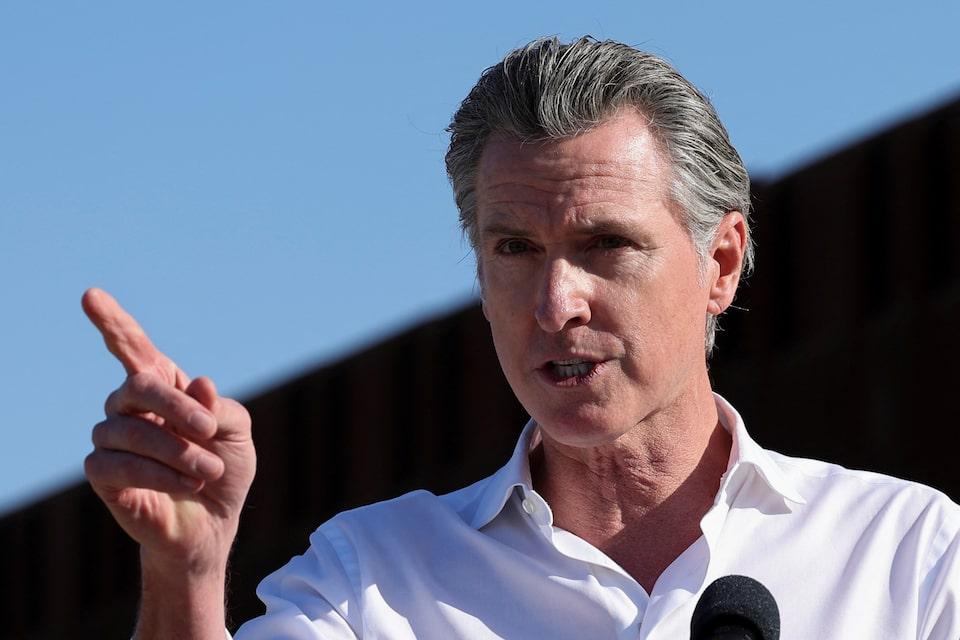
Jan 3 (Reuters) - California Governor Gavin Newsom on Friday issued an executive order aiming to crack down on ultra-processed foods including packaged snacks and sugary beverages, and further investigate the health effects of synthetic food dyes. The order directs exploring the use of public funds from California's hospitals and Medi-Cal Managed Care program to improve local access to fresh, healthy food and advance public health. WHY IT IS IMPORTANT The order cites a new 2025 Dietary Guidelines Advisory Committee report indicating that 73% of U.S. adults aged 20 and older are overweight or obese, and 38% of children and youth aged 12 to 19 are prediabetic. CONTEXT This order follows Newsom's previous healthy food initiatives, including soda and caffeine restrictions in schools and a proposed sugar limit on non-dairy milk, set to take effect in 2025. It comes on the heels of Department of Health and Human Services' slated lead Robert F. Kennedy Jr.'s call to ban certain food additives and remove ultra-processed foods from school lunches. KEY QUOTE "The food we eat shouldn’t make us sick with disease or lead to lifelong consequences," Newsom said. "We're going to work with the industry, consumers, and experts to crack down on ultra-processed foods and create a healthier future for every Californian." WHAT'S NEXT The California Department of Public Health and The Office of Environmental Health Hazard Assessment must provide recommendations by April 1, 2025. Sign up here. https://www.reuters.com/business/healthcare-pharmaceuticals/california-targets-ultra-processed-foods-new-health-initiative-2025-01-03/
2025-01-03 20:48
WASHINGTON, Jan 3 (Reuters) - A U.S. bank regulator told banks to pause dabbling directly in crypto in 2022 and 2023, but did not order them to stop providing banking services to crypto companies contrary to industry complaints of widespread "debanking," according to documents released on Friday. A judge ordered the Federal Deposit Insurance Corporation to provide versions of supervisory "pause letters" , opens new tab it sent to unidentified banks after History Associates Incorporated, a research firm hired by crypto exchange Coinbase (COIN.O) , opens new tab, sued the agency to release them. The FDIC first released the letters in December but was ordered by the judge to resubmit them with more "nuanced redactions." The new batch of 25 letters includes two additional letters sent to unidentified banks that were not included in the original FDIC submission. The litigation is part of a campaign by Coinbase to expose what it and other crypto companies say has been a concerted effort on the part of U.S. bank supervisors to choke off crypto companies from the traditional financial system. Coinbase's chief legal officer, Paul Grewel, said in a post , opens new tab on X Friday that the less redacted letters show a "coordinated effort to stop a wide variety of crypto activity" and called for further investigation by Congress. In a bid to combat those claims, the FDIC also on Friday published a 2022 internal memo , opens new tab detailing how supervisors should assess queries from lenders looking to directly deal in crypto assets, versus offering banking services to crypto companies. Together, the documents provide a rare glimpse into the confidential bank supervisory process. They suggest that while FDIC examiners have been cautious towards the crypto sector, which has been beset by scams, bankruptcies and volatility, they did not order banks to entirely cut off the crypto sector. The documents are being released weeks before President-elect Donald Trump's incoming administration is expected to outline a broad crypto policy overhaul. Trump is expected to issue an executive order directing bank regulators to go easier on the sector, potentially as early as his Jan. 20 inauguration. Several of the FDIC letters show staff directed banks to either pause entering crypto initiatives or refrain from further expanding client crypto services. In others, the FDIC required banks to answer detailed questions before proceeding further with crypto ventures. The internal memo, meanwhile, distinguishes between a bank engaging directly in crypto activities, like holding crypto assets in custody, and offering traditional banking services for crypto clients, like lending and providing deposit accounts. The first category requires stricter scrutiny, it says. The memo echoes comments made in December by FDIC Chairman Martin Gruenberg, who told reporters the agency does not "debank" crypto firms in terms of access to bank accounts, but direct crypto engagement by banks is a "subject of supervisory attention." "Crypto-related activities may pose significant safety and soundness and consumer protection risks, as well as financial stability concerns," the memo notes, adding such risks are still "evolving." Sign up here. https://www.reuters.com/technology/us-regulator-was-cautious-crypto-did-not-tell-banks-choke-off-sector-documents-2025-01-03/