2025-01-03 11:30
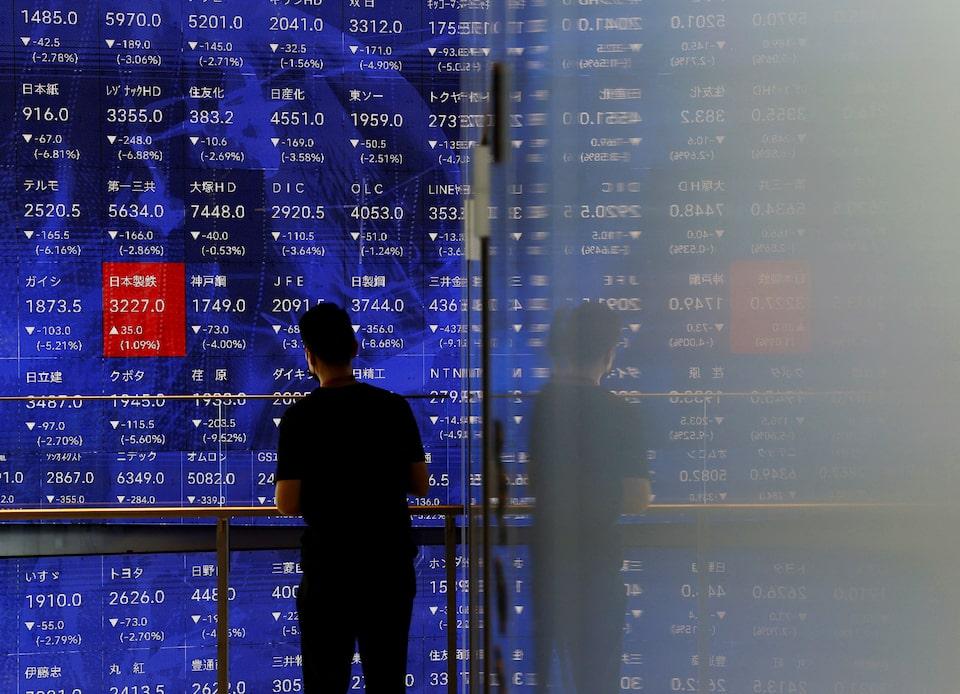
Jan 3 (Reuters) - Sterling struggled to rebound against the dollar on Friday and was on track for its worst week since November, while new data added to indications of a slowing British economy. The pound edged up 0.1% to $1.2395, having slid 1.16% on Thursday. The currency hovered close to the April lows it hit the previous day and looked set to end the week 1.4% lower. Global currencies, including the pound and the euro, recorded steep losses against the dollar on Thursday when investors returned from the New Year holidays. Expectations for U.S. rates to stay higher for longer as markets brace for the incoming Donald Trump administration, whose policies traders think could boost economic growth, has sent the dollar rallying ahead of other global currencies for the past three months. A souring outlook for the British economy, coupled with a more dovish signals from the Bank of England (BoE), has taken another chip off the pound, despite being last year's best performing G10 currency against the greenback. British lenders approved fewer mortgages than expected in November and consumer lending increased at the weakest pace since mid-2022, Bank of England data showed on Friday, adding to indications of a slowing economy. Mortgage approvals fell to 65,720 mortgages in November from 68,129 in October, the lowest reading since August. Francesco Pesole, forex strategist at ING, said concerns over gas prices could also have played a factor in Thursday's slide in both sterling and the euro. Wholesale gas prices in Europe are around their highest in over a year, with temperatures falling, lower levels of gas in storage, and the expiry of a decades-long deal for Russia to supply gas to Europe via Ukraine. Pesole said the pound is the most negatively correlated with gas in the G10: "The UK is...in a way the least prepared economy to another shock in gas prices". "That partly explains why sterling fell a bit more than the euro yesterday." Markets still only price in about 60 basis points (bps) in rate cuts from the BoE next year, while it sees the European Central Bank easing rates with more than 100 bps. Fuelled by the policy divergence, the euro had threatened to weaken to its lowest versus sterling since June 2016 late last year . The euro has edged up since, and was slightly up against the pound on Friday, with one euro at 82.96 pence. Sign up here. https://www.reuters.com/markets/currencies/sterling-tries-rebound-against-relentless-dollar-2025-01-03/
2025-01-03 11:02
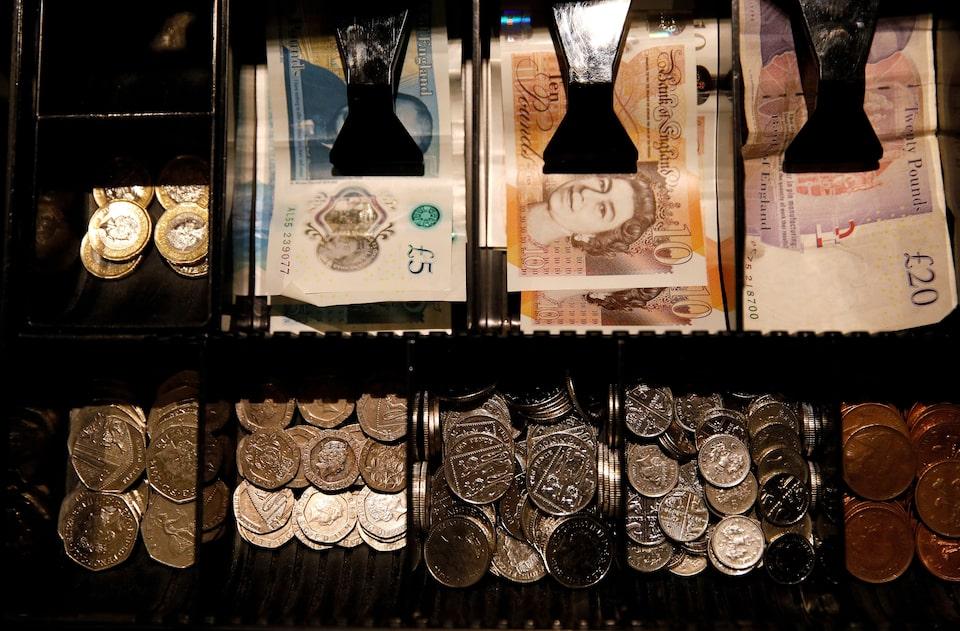
Reuters - A look at the day ahead in U.S. and global markets by Samuel Indyk 2025 has kicked off how 2024 ended: stocks are having a wobble and the dollar remains in charge as investors bet that Fed rate cuts will be few and far between this year. Data on Thursday supported that view, with the number of Americans filing new applications for unemployment benefits dropping to an eight-month low last week. A robust labor market should stamp out any near term expectations for rate cuts from the Fed, with lower borrowing costs now conditional on a worsening employment picture and softer inflation. The chances of a cut at the Fed's January meeting stand at about 11%. With U.S. rates expected to stay higher for longer, it's the dollar that reigns supreme. The dollar index , albeit a touch softer on Friday, remains near its highest level in over two years, pushing the pound to multi-month lows and the euro ever closer towards parity. On Thursday, the single currency fell to its lowest in over two years at $1.0225. Europe remains unloved, for now, with the threat of U.S. import tariffs further weighing on sentiment. The fourth quarter of 2024 marked the worst quarterly showing in more than two years for the pan-European STOXX 600 (.STOXX) , opens new tab. And it's not just Europe that is showing signs of stress. Wall Street is wobbling too. The S&P 500 (.SPX) , opens new tab couldn't hold onto gains on Thursday and fell for a fifth straight trading session, its longest losing streak since mid-April. The Nasdaq Composite also fell for a fifth straight day. Wall St futures are higher before the bell on Friday as they look to end the holiday-disrupted week in the green before a big week next week, which include December's nonfarm payrolls report and flash inflation data from the euro zone. Key developments that should provide more direction to U.S. markets later on Friday: * ISM Manufacturing PMI * EIA Natural Gas Storage Change Sign up here. https://www.reuters.com/markets/us/global-markets-view-usa-2025-01-03/
2025-01-03 10:32
JAKARTA, Jan 3 (Reuters) - PT Freeport Indonesia (PTFI) is in discussions with the government about being able to continue copper concentrate exports until its new Manyar smelter returns to full operations, a spokesperson for the miner said on Friday. The company was allowed to export copper concentrate until the end of December, as its new smelter was then expected to process its mine output domestically. However, the Manyar smelter is currently shut down after a fire in October. Repairs are ongoing and a ramp-up to operations is now expected to begin around mid-year, spokesperson Katri Krisnati said. "This will certainly have an impact on our concentrate storage capacity both at the Amamapare port and at the PTFI smelter, which will be full going forward," she told Reuters. "We are currently discussing with the government to sell concentrate that should be refined at the PTFI smelter abroad until the smelter is fully operational," she added. Energy and Mineral Resources Minister Bahlil Lahadalia told reporters the government is considering PTFI's request and that a decision will be taken in a meeting with President Prabowo Subianto. Local media reported that PTFI CEO Tony Wenas met with officials of the Coordinating Ministry for Economic Affairs on Friday. News site Kontan reported that ministry official Elen Setiadi said they discussed plans to quickly repair the smelter. Sign up here. https://www.reuters.com/markets/commodities/freeport-indonesia-says-talks-with-government-copper-concentrate-exports-2025-01-03/

2025-01-03 10:22
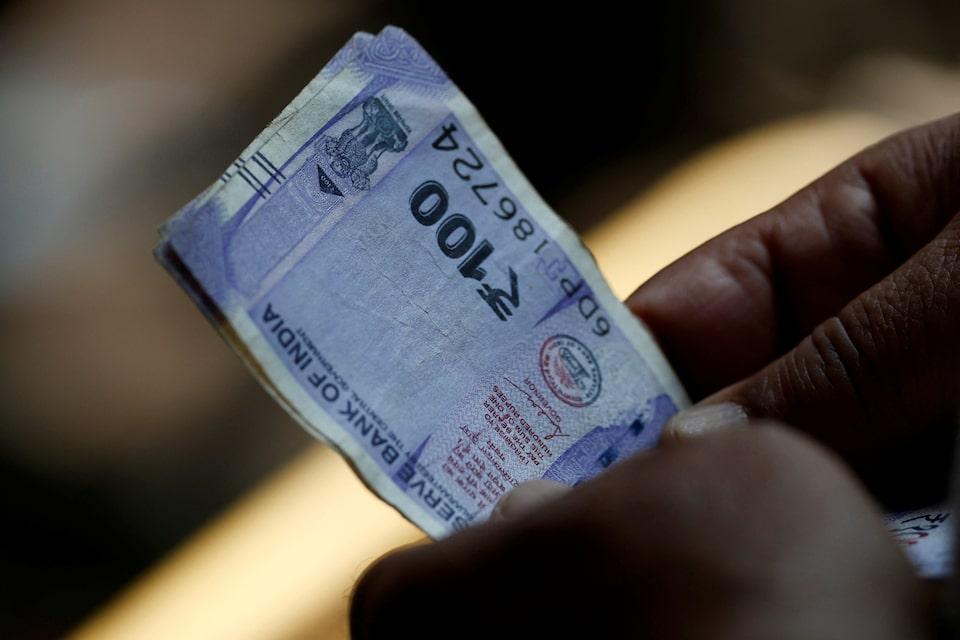
MUMBAI, Jan 3 (Reuters) - The Indian rupee ended at a record closing low on Friday, pressured by a decline in the Chinese yuan, and logged a ninth straight week of losses due to the relentless rise in the U.S. dollar. The rupee ended at 85.77 to the dollar, compared to its previous close of 85.7525. The local unit declined 0.2% for the week. China's yuan slid past the key 7.3 threshold to a 14-month low against the dollar on Friday as crumbling yields, rate cut expectations and the threat of tariffs from incoming U.S. President-elect Donald Trump's administration dented sentiment. The Chinese currency closed the onshore trading session down 0.14% at 7.3093 on Friday, its weakest level since Nov. 3, 2023. Other Asian currencies were broadly lower. "A slide in the yuan exacerbated the rupee's woes," a trader at a private bank said. The Reserve Bank of India's (RBI) likely dollar sales have prevented the rupee's decline below its record low of 85.8075 hit last week, traders said. The currency has been under pressure over the past few weeks due to a broad dollar rally. The dollar index climbed to its highest in more than two years in New York trade on Thursday and is on track for its best weekly performance in over a month. Expectations of fewer Federal Reserve rate cuts this year and the view that the U.S. economy will continue to outperform the rest of its global peers has kept the dollar well bid. Investors will now watch out for the December U.S. jobs report, due next Friday, and U.S. inflation data, which will be out on Jan. 15. The rupee may touch the 86-per-dollar mark in the short term, said Jigar Trivedi, a senior analyst at Reliance Securities, who recommends buying the dollar-rupee pair on every dip. Sign up here. https://www.reuters.com/markets/currencies/rupee-logs-9th-straight-week-losses-analysts-expect-more-weakness-2025-01-03/
2025-01-03 10:04
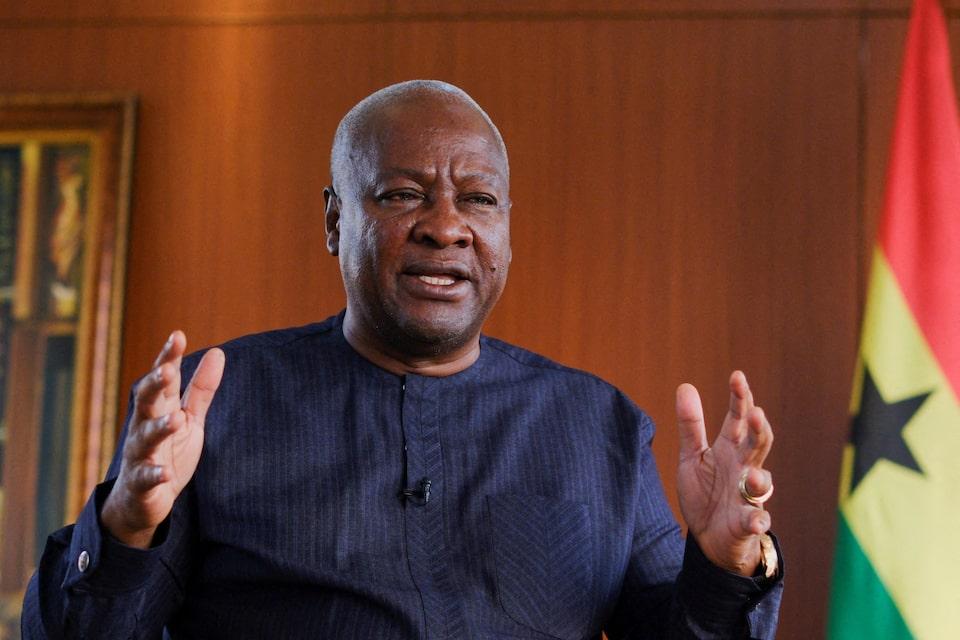
ACCRA, Jan 3 (Reuters) - Ghana's parliament has passed a provisional budget that allows the government to spend 68.1 billion Ghanaian cedis ($4.65 billion) through March, the chamber's speaker said, narrowly averting an unprecedented government shutdown. Parliamentary Speaker Alban Bagbin said the parliament had approved the provisional budget in a sitting that stretched deep into Thursday night. John Dramani Mahama is set to take office as the West African country's president next week after winning a Dec. 7 election, staging a political comeback after serving as Ghana's president from 2012 to 2016. Outgoing President Nana Akufo-Addo was due to present his last state of the nation address later on Friday after eight years leading the gold- and oil-exporting nation. A provisional budget is typically passed in November during election years to cover the gap until the president-elect takes office. But the presentation of the provisional budget had dragged this time after an impasse over whether the outgoing New Patriotic Party (NPP) or the incoming National Democratic Congress (NDC) party has a majority of seats in the House. Finance Minister Mohammed Amin Adam told the joint business and finance committees the late passage of the provisional budget would not affect government business. "It averts a government shutdown and (the) likelihood of worsening Ghana's ongoing debt default saga," Seth Terkper, a former finance minister, told Reuters. Almost a third of the approved amount is earmarked for payments to energy-sector service providers, according to the provisional budget. Mahama, the president-elect, said last month that Ghana was going to face a critical situation in the energy sector, adding that preliminary estimates showed that arrears exceeded $2.5 billion at a time when the power supply was erratic. Mahama, who contested the election as the main opposition leader, is returning to power amid an economic resurgence from Ghana’s worst crisis in a generation. ($1 = 14.6500 Ghanian cedi) Sign up here. https://www.reuters.com/world/africa/ghanas-parliament-passes-provisional-budget-averts-government-shutdown-2025-01-03/
2025-01-03 08:33
LONDON, Jan 3 (Reuters) - The first full trading week of 2025 brings key U.S. jobs data as well as Chinese and euro zone inflation numbers. These come against a backdrop of unease over the U.S. interest rate outlook and potential for policy surprises under U.S. President-elect Donald Trump, with the euro and Chinese yuan already kicking off the new year on a weak footing. Here's what's in store for world markets in the coming week from Rae Wee in Singapore and Alun John, Amanda Cooper, Dhara Ranasinghe and Samuel Indyk in London. 1/ JOB DONE Markets have made their peace - mostly - with the idea that inflation will rise under Trump, given his pledges on tariffs, taxes and immigration. Traders barely expect two Federal Reserve rate cuts in 2025, but still, stocks are within sight of record highs and look set for more of the same this year. What they might find harder to stomach is evidence that growth is slowing. The Jan. 10 December non-farm payrolls report is forecast to show a rise of 150,000, versus November's 227,000 jump. A rise of 150,000 would bring 2024 job creation to 2.134 million. It's hardly shabby, but it would be the lowest annual total, outside of a COVID-driven loss in 2020, since 2019's 1.988 million. And if there's anything the market needs right now, it's proof of the resilience of the world's largest economy. 2/ MORE CHINA GLOOM China faces a precarious start to 2025, as authorities seek to counter Trump's threats of tariffs in excess of 60% on imports of Chinese goods. Its stock market just logged the weakest New Year start since 2016. During Trump's first administration, Beijing allowed its currency to weaken to make exports cheaper and offset trade shocks. The yuan weakened more than 12% against the dollar in just over two years. Economists expect Trump to impose tariffs of nearly 40% this time around, which could potentially slice China's growth by up to 1 percentage point. Beijing is reported to be mulling a weaker yuan , opens new tab again, though the potential magnitude of the tariffs make it almost impossible to resort to the same playbook. Tariffs aside, for the week ahead, China releases December trade and inflation figures, which should provide a sense of how the world's second-largest economy closed out 2024. 3/ INFLATION TEST Investor bets on 100 bps of European Central Bank easing in the first half of 2025 face an early test from Tuesday's December flash euro zone inflation data. German and French inflation numbers are due Monday. Any signs that inflation is easing further would give the ECB scope to loosen policy and support a struggling economy. But analysts warn that early-bird Spain's above-expectations print on the back of energy prices could be replicated elsewhere. Energy could be a thorn in the ECB's side with natural gas prices at 14-month highs. It's not going to be repeat of 2022's surge, but prices look set to remain elevated with less gas in storage compared to recent years, and the end of a decades-long deal for Russia to supply gas to Europe via Ukraine. 4/ LAGGARD AGAIN 2024 tested European equity investors, marking another year where shares lagged global peers, but some reckon relief may be around the corner. There were bright spots -- banks (.SX7P) , opens new tab and aerospace & defence stocks (.SXPARO) , opens new tab which jumped 26% and 33% respectively. Investors are looking for a broadening out this year. There are also risks: uncertainty surrounding Trump tariffs being the main one. But the STOXX 600 (.STOXX) , opens new tab index is cheap, trading at a 41% discount to the U.S. S&P 500 (.SPX) , opens new tab. Britain's FTSE 100 (.FTSE) , opens new tab trades at an even steeper 50% discount to the U.S. benchmark. As the region gets comparatively cheaper it creates opportunity, and some investors are betting that 2025 could be the year where Europe's equity markets rally strongly, if the economic outlook or geopolitical backdrop brightens. 5/ WHICH WAY NEXT? The S&P 500 (.SPX) , opens new tab may have surged over 20% in 2024 and notched up a two-year jump of around 53% in the strongest back-to-back annual performance since 1998, but warning signs flickered as the year ended. Unease that the Fed could pause rate cuts if inflation stays sticky or is pushed up by Trump tariffs is hurting sentiment, and investors liquidated global equity funds at the fastest rate in 15 years in the week to Dec. 18, LSEG Lipper data shows. The coming days will show whether December's risk off sentiment was fleeting or the start of something deeper. Trump's policy signals and the response to his plans from trade partners will be key. Also watch U.S. Treasury yields - they jumped 40 bps in December. Another surge could be the cue for the next round of stock selling. Sign up here. https://www.reuters.com/business/take-five/global-markets-themes-graphic-2025-01-03/