2024-12-23 06:02
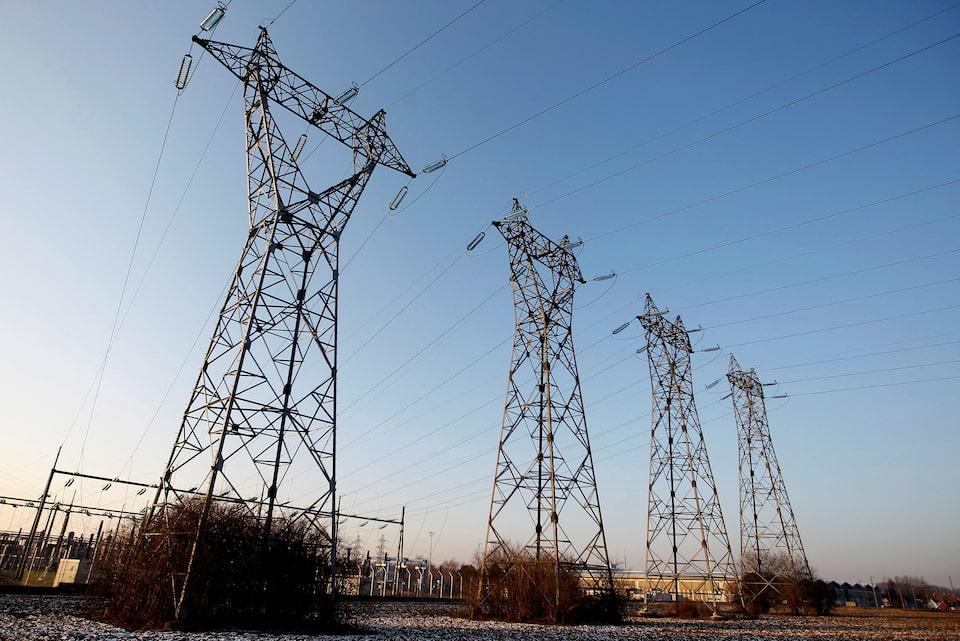
EU drafting measures to support struggling industries Birnbaum urges that any costs unrelated to industry's structure be removed from energy prices EU power prices 2-3 times higher than US, taxes 23% of retail price Many levies are imposed by member states, outside EU control BRUSSELS, Dec 23 (Reuters) - Governments hunting for ways to aid Europe's struggling industries should take aim at the continent's high energy taxes, which are eroding competitiveness, the head of Europe's electricity lobby told Reuters. The European Union is drafting a package of measures to support flagging industries, due early next year, as manufacturing giants from automakers to steel firms warn of plant closures and thousands of job losses. Leonhard Birnbaum, President of industry group Eurelectric, said the woes of Europe's energy-intensive industries are many, including a more fragmented market than China and difficult access to credit - but that policymakers seeking to offer fast relief should "rip out" from energy prices any costs unrelated to the industry's structure. "We appreciate that states always need more money, but if you really want to electrify then you can't have, for example, an over-proportional tax burden on electricity compared to the tax burden on gas," Birnbaum, who is also the CEO of German utility E.ON, told Reuters in an interview. "If we are serious about cost competitiveness, if we're serious about electrifying, if we're serious about decarbonising, I think we need to act on this," he said. EU industries pay power prices 2-3 times higher than those in the U.S. Taxes made up, on average, 23% of the retail electricity price paid by Europe's energy-intensive firms in 2023, analysis by the think-tank Bruegel showed. But many of these levies are imposed by national governments, and outside of the EU's control. Negotiations among EU countries on a proposal to rejig EU tax rules in favour of cleaner energy sources have been stuck since 2021. The EU will publish a plan on affordable energy prices early next year. But with the tax changes stuck, and a recent EU power market reform still being introduced by national governments, some diplomats questioned what else Brussels can offer. A senior official from one EU country said cutting taxes would provide only "limited" help, and broader measures were needed to help European industries compete with China - for example, EU rules requiring public procurement to buy locally-made, greener products. "We have trade policy tools, we have competition policy tools... We need to see a larger context," the senior official said. Wholesale power prices in Europe last month climbed to their highest levels in over a year, although they remain far below their peak in 2022, after Russia invaded Ukraine and slashed gas deliveries to the EU. Sign up here. https://www.reuters.com/business/energy/europes-energy-taxes-are-worsening-industry-woes-power-ceo-says-2024-12-23/
2024-12-23 05:54
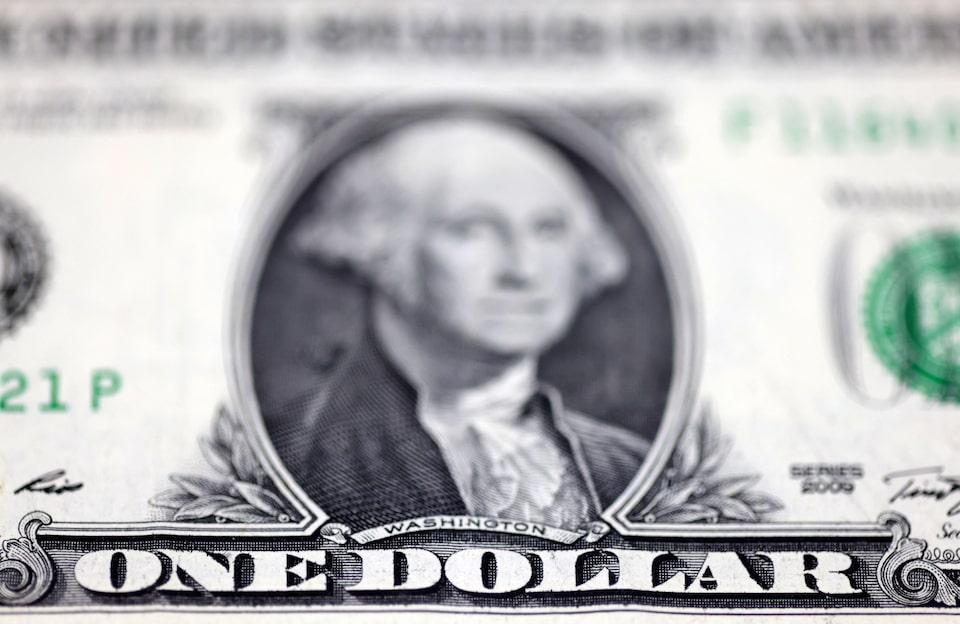
Dollar hovers close to two-year high, euro edges down US government shutdown averted Yen weakens, rekindles intervention worries NEW YORK, Dec 23 (Reuters) - The dollar rebounded while the euro dipped on Monday, as market moves were being dictated by recent global central bank meetings that set expectations for diverging rate cut paths next year. The dollar index , which measures the U.S. currency against six of its largest peers, resumed its upward trajectory. It suffered on Friday its biggest one-day drop in nearly a month following a softer-than-expected reading on inflation that was still above the Federal Reserve's 2% target rate. The greenback is on track for its fourth gain in five sessions, during which it has gained 1.2%. The Fed last week projected a more measured pace of rate cuts than markets had been anticipating, pushing both the dollar and U.S. Treasury yields sharply higher. "The key for the dollar right now is the policy divergence, and (Fed Chair Jerome) Powell going from more worried about unemployment than inflation, and then the flip-flop back to 'the jobs market is OK, but we are more worried about inflation' kind of attitude confuses the market," said Marc Chandler, chief market strategist at Bannockburn Global Forex in New York. Chandler does not expect the dollar to begin to weaken until the market becomes more dovish than the Fed again, and said a soft jobs report in early January would be a start. The dollar index , rose 0.24% to 108.05, holding near two-year highs, with the euro down 0.2% at $1.0408. Also supporting investor sentiment was the passage of spending legislation by the U.S. Congress on Saturday, which sidestepped a government shutdown. Economic data from the Commerce Department showed new orders for key U.S.-manufactured capital goods surged in November due in part to strong demand for machinery in another sign the economy remains on firm ground heading into the new year. However, the Conference Board said its consumer confidence index dropped to 104.7 this month from an upwardly revised 112.8 in November, as enthusiasm over the U.S. election faded and concerns about future business conditions emerged. Traders are pricing in 33 basis points of rate cuts next year, shy of the two 25-bps rate cuts the Fed projected last week. The market is not pricing in more than a 50% chance of a rate cut from the Fed until its May meeting, according to CME's FedWatch Tool , opens new tab. European Central Bank President Christine Lagarde said the euro zone was getting close to reaching the ECB's medium-term inflation goal, according to an interview published in the Financial Times on Monday. Trading volumes were likely to be thin in a holiday- shortened trading week as the year draws to a close. Against the Japanese yen , the dollar strengthened 0.43% to 157.08. The dollar's rise, coupled with the Bank of Japan standing holding rates steady and Governor Kazuo Ueda's comments reducing the odds of a Japanese rate hike next month, have left the yen once again near weak levels that have recently pushed Japanese authorities to intervene to support the currency. Sterling fell 0.33% to $1.2528. The Bank of England on Thursday kept rates on hold, although the split vote was bigger than anticipated. Sign up here. https://www.reuters.com/markets/currencies/dollar-steady-after-benign-us-inflation-eases-worries-over-rates-2024-12-23/
2024-12-23 05:26
Dollar rises 0.4%, hovering near 2-year high Gold dropped to lowest level since mid-November last week Gold has gained about 27% so far this year Dec 23 (Reuters) - Gold prices edged lower in subdued holiday-season trading on Monday, weighed down by a robust dollar and high U.S. Treasury yields as investors awaited clearer signals on the Federal Reserve's monetary policy for 2025. Spot gold was down 0.4% at $2,611.17 per ounce, as of 1:42 p.m. ET (1842 GMT). U.S. gold futures settled 0.6% lower at $2,628.20. The dollar index (.DXY) , opens new tab was up 0.4% against its rivals, hovering around a two-year high, reducing gold's appeal for holders of other currencies, while the benchmark U.S. 10-year yield also gained. "The market continues to digest the results of the Federal Open Market Committee (FOMC) meeting last week. A shallower rate path for 2025 is now getting factored in, probably a pause in January, maybe March as well," said Peter Grant, vice president and senior metals strategist at Zaner Metals. Despite the Fed’s 25-basis-point rate cut last week, its signal of fewer rate reductions in 2025 sent gold to its lowest levels since mid-November last week. While non-yielding gold benefits in low-interest-rate environments, investors are recalibrating expectations for next year. Gold has set multiple record highs this year, rising 27% so far to mark its best annual performance since 2010, driven by robust central bank buying, geopolitical tensions and monetary policy easing by major banks. "The next big impact is the incoming presidency of Trump and the initial presidential decrees that he might declare. This has the potential to add to market volatility and be bullish for gold prices," said Michael Langford, chief investment officer at Scorpion Minerals. President-elect Donald Trump takes office on Jan. 20. Gold, often considered a safe-haven asset, typically performs well during economic uncertainties. Spot silver rose 0.5% at $29.67 per ounce and platinum climbed 1.2% to $937.65, while palladium gained 1.1% to $931.10. Sign up here. https://www.reuters.com/markets/commodities/gold-prices-edge-higher-short-covering-2024-12-23/

2024-12-23 05:10
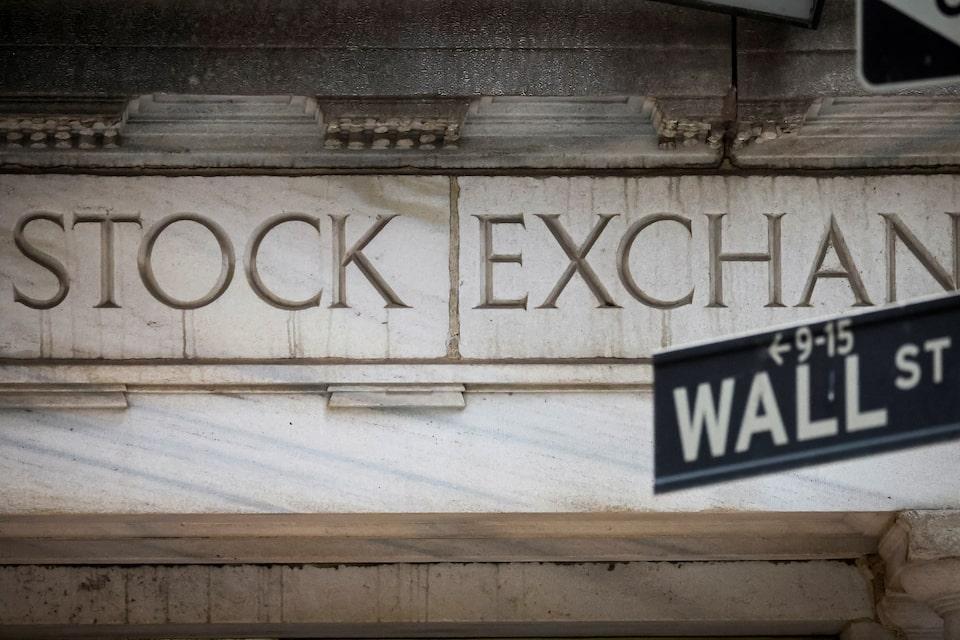
U.S. stocks heading for their second annual gain exceeding 20% Markets exposed to shocks on U.S. rate path, Trump policies European stocks tipped for 2025 rebound, gold shines Bonds set for another challenging year despite rate cuts LONDON, Dec 31 (Reuters) - Markets that began the year with investors expecting a global stock rally to fizzle, swift U.S. interest rate cuts to boost Treasuries and soften the dollar and emerging market currencies to strengthen have firmly defied that consensus. World stocks (.MIWD00000PUS) , opens new tab are set for a second consecutive annual gain of 16%, unfazed by wars in the Middle East and Ukraine, Germany's economic contraction and government collapse, French budget chaos and China's slowdown. That comes mostly thanks to a second year of huge gains for Wall Street stocks as artificial intelligence fever and robust economic growth sucked more global capital into U.S. assets and took the dollar up 6.6% against peers in 2024. U.S. exuberance rose after Donald Trump's Nov. 5 election win, as traders focused on the President-elect's plans for tax cuts and deregulation, with the surge in animal spirits propelling cryptocurrency bitcoin to a 122% annual gain. World markets enter 2025 increasingly exposed to U.S. trends - a risk factor that burst into life after the Federal Reserve roiled markets this month by pointing to fewer rate cuts in the year ahead. That came after weak U.S. jobs data and a surprise midyear Japanese rate hike that pressured dollar-denominated assets and sent a volatility wrecking ball swinging through global markets and sparked a short-lived rout in August. Debt investors, meanwhile, are growing anxious about Trump's proposed trade tariffs refueling inflation and fear excessive White House borrowing that could roil the $28 trillion Treasury market and spark wider government bond disruption. "It's going to be difficult, in the event of a (U.S.) pullback, to find anywhere to hide," Barclays private bank chief market strategist Julien Lafargue said. WALL STREET JUGGERNAUTS Wall Street's S&P 500 share index (.SPX) , opens new tab is 24% higher this year after a similar jump last year, in its strongest two-year streak since 1998. Shares in artificial intelligence chipmaker Nvidia (NVDA.O) , opens new tab rose 178% in 2024, Elon Musk's carmaker Tesla gained 68% while investors' exposure to U.S. stocks hit record levels in December. The combined value of the so-called Magnificent Seven U.S. tech stocks accounts for around a fifth of MSCI's world share index, according to Schroders, raising market threat levels if their earnings or AI technology disappoint. EUROPE'S STRUGGLES The euro slid around 5.7% against the dollar this year while European stocks (.STOXX) , opens new tab performed worse relative to their U.S. peers than they have in at least 25 years. After four European Central Bank rate cuts, the euro zone economy is declining more slowly and some forecasters are tipping Europe for a 2025 rebound. The chances of any international market rallying if the U.S. falters are usually slim. Gold gained 26% in 2024 as investors struggled to find other diversification trades. MIGHTY DOLLAR U.S. tariff fears and dollar strength have hit emerging market currencies particularly hard, exacerbating losses for struggling nations. Currencies in Egypt and Nigeria , fell around 70% against the dollar following devaluations, and Brazil's real weakened more than 27% as worries about government debt and spending intensified . A sparse set of mild annual gains included a 2.8% rise for Malaysia's ringgit . Among the top performers South Africa's rand and the Hong Kong dollar rose 2% and 0.5%, respectively, while Israel's shekel was set for a 1.5% decline for the year. "We continue to be cautious on emerging market currencies, and the main reason behind that is the Trump trade war," said Arif Joshi, co-head of emerging market debt at Lazard Asset Management. CHINA ROLLERCOASTER Chinese stocks (.CSI000300) , opens new tab had a wild year, surging almost 16% in a single week in September after Beijing signaled its readiness to stimulate the weakening economy, with a number of deep weekly falls since. Investors who held on to China in 2024 were rewarded with an 16.5% annual gain but many expect the short-term boom and bust cycle to continue, disrupting markets in Europe and Asia, until Beijing takes direct action. BOND BULLS BRUISED Interest rates fell across big economies this year but bond investors suffered annual losses after spending much of 2024 pricing in more monetary easing than central banks eventually delivered as inflation stayed stickier than expected. U.S. 10-year Treasury yields rose nearly 70 basis points in 2024, Britain's 10-year gilt yield jumped 107 bps and 10-year German yields rose 33 bps. In Japan, where interest rates rose twice this year as inflation accelerated, the 10-year bond yield added 47 bps in its biggest yearly jump since 2003 . Next year looks challenging for bond markets uncertain about how Trump's policies will sway the U.S. Federal Reserve. French debt turmoil last month also signaled the so-called bond vigilantes stand ready to punish governments for excessive borrowing. SURPRISE WINNERS Bond investors' 2024 wins came from some of the riskiest markets. Lebanon's defaulted dollar bonds returned around 100% over the year as investors anticipated Middle East conflict weakening armed group Hezbollah. An ambitious reform programme and the prospect of Trump's White House return powered a 100% return for dollar bonds issued by Argentina, whose leader Javier Milei has close ties with the U.S. president-elect. Boosted by bets that Trump could end Russia's Ukraine invasion, Ukrainian bonds returned over 60%. Sign up here. https://www.reuters.com/markets/global-markets-year-end-graphic-2024-12-23/
2024-12-23 05:00
U.S. dollar hovers around two-year highs Market surplus to drag down oil prices in 2025 Renewed hope on rate cuts after a benign inflation reading NEW YORK, Dec 23 (Reuters) - Oil prices edged lower on Monday in thin trade ahead of the Christmas holiday on concerns about a supply surplus next year and a strengthened dollar. Brent crude futures settled down 31 cents, or 0.43%, at $72.63 a barrel. U.S. West Texas Intermediate crude futures fell 22 cents, or 0.32%, to $69.24 a barrel. Macquarie analysts projected a growing supply surplus for next year, which will hold Brent prices to an average of $70.50 a barrel, down from this year's average of $79.64, they said in a December report. Concerns about European supply eased on reports the Druzhba pipeline, which sends Russian and Kazakh oil to Hungary, Slovakia, the Czech Republic and Germany, has restarted after halting on Thursday due to technical problems at a Russian pumping station. The U.S. dollar was hovering around two-year highs on Monday morning, after hitting that milestone on Friday . "With the U.S. dollar changing from weaker to stronger, oil prices have given up earlier gains," UBS analyst Giovanni Staunovo said. A stronger dollar makes oil more expensive for holders of other currencies. On Friday, U.S. data that showed cooling inflation helped alleviate concerns after the Federal Reserve interest rate cut last week. "With the Fed sending mixed signals and some of these economic data points not being all that robust, the market is listless," said John Kilduff, partner at Again Capital in New York. Brent futures fell by around 2.1% last week, while WTI futures lost 2.6%, on concerns about global economic growth and oil demand after the U.S. central bank signalled caution over further easing of monetary policy. Research from Asia's top refiner Sinopec pointing to China's oil consumption peaking in 2027 also weighed on prices. U.S. President-elect Donald Trump on Friday urged the European Union to increase U.S. oil and gas imports or face tariffs on the bloc's exports. Trump also threatened to reassert U.S. control over the Panama Canal on Sunday, accusing Panama of charging excessive rates to use the Central American passage and drawing a sharp rebuke from Panamanian President Jose Raul Mulino. Sign up here. https://www.reuters.com/business/energy/oil-prices-firm-hopes-us-policy-support-economic-growth-2024-12-23/

2024-12-23 04:45
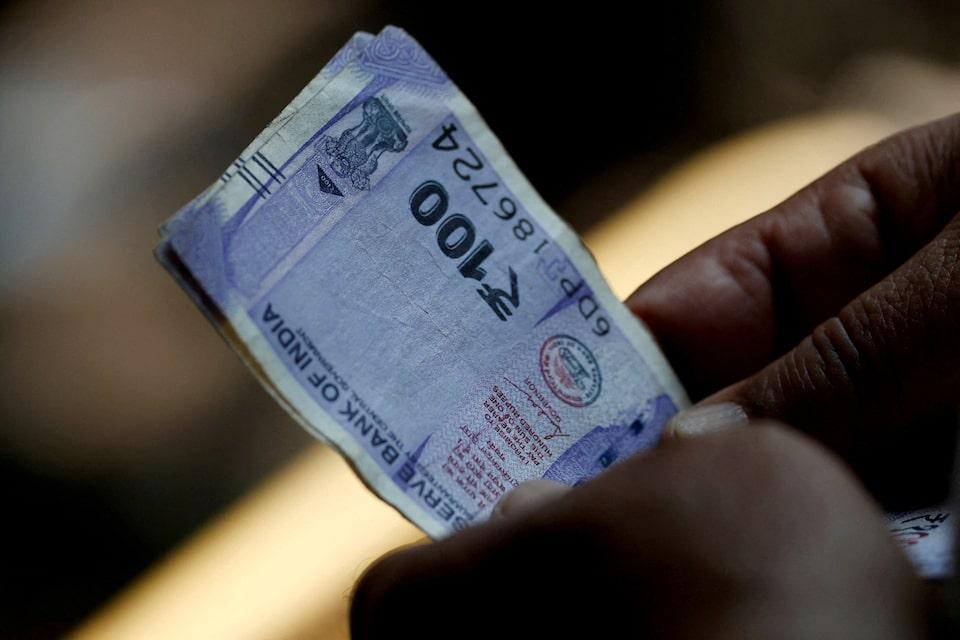
MUMBAI, Dec 23 (Reuters) - The Indian rupee weakened on Monday, pressured by a decline in the offshore Chinese yuan and month-end importer dollar bids, while dollar-rupee forward premiums nudged higher. The rupee was at 85.0575 against the U.S. dollar as of 10:10 a.m. IST, down from its close of 85.0150 in the previous session. The offshore Chinese yuan fell 0.2% to 7.30 as China's bond yields dropped in tandem with softer U.S. yields, with China's 10-year bond yield declining to a record low before stabilizing. Traders expect the rupee to hold a gradual depreciation bias in the near-term with interventions by the Reserve Bank of India likely to continue damping volatility. While frequent central bank interventions have helped the rupee be the least volatile among major Asian peers, they have also weighed on India's foreign exchange reserves - which declined to a near-six month low of $652.87 billion as of Dec. 13. "If you see some inflows, it (USD/INR) may dip towards 84.90 but other than that the upward bias should hold," a trader at a private bank said. Asian currencies were trading mixed while the dollar index was little changed at 107.7. The index had declined 0.5% on Friday following softer-than-expected U.S. inflation data that helped assuage concerns about limited policy easing by the Federal Reserve next year. Traders are now pricing in 38 basis points of rate cuts by the Federal Reserve over 2025, up from about 35 basis points priced in before the data was released. Meanwhile, dollar-rupee forward premiums rose with the 1-year implied yield up 2 basis points at 2.24% while the 1-month forward premiums rose to 20 paisa, aided by an elevated overnight swap rate. Cash dollar inflows related to ongoing initial public offerings (IPO) lifted the swap rate alongside tightness in INR liquidity, traders said. Sign up here. https://www.reuters.com/markets/currencies/rupee-declines-slightly-tracking-weaker-yuan-forward-premiums-nudge-up-2024-12-23/