2024-12-19 22:59
NAPERVILLE, Illinois, Dec 19 (Reuters) - It is not the agricultural market setup one might anticipate: speculators are ending the year long corn just after U.S. farmers smashed the old yield record. But that is precisely where we are as 2024 comes to a close. Meanwhile, Chicago soybean futures dropped to four-year lows this week with a massive Brazilian harvest on deck, yet wheat futures are hovering near recent lows despite a tight global market. So how did we get here? BULLISH FUNDS As it sits now, U.S. corn yield in 2024 topped last year’s record by 3%. But domestic corn supplies by August 2025 are seen shrinking slightly on the year, against preliminary estimates suggesting a 17% rise. Lower corn prices have been stimulating demand all year, causing speculators to go from record bearish CBOT corn bets in July to bullish ones by November as U.S. stocks dwindled. As of mid-December, funds’ net long was the biggest in nearly two years. This bullish position is uncommon for speculators off a near-record U.S. crop, and it is also abnormal for their optimistic corn views to oppose their pessimistic soybean and wheat ones so heavily. This will be a key dynamic to watch heading in to 2025. WEAK PRICES Most-active CBOT corn, wheat, soybeans, soybean meal and soybean oil futures all hit four-year lows within the last few months, officially ending the multiyear rally that began around August 2020. Soybeans and soymeal have taken the biggest hit. Soybeans have lost 26% so far this year, which would be the biggest annual decline in two decades but similar to 2014. Meal has fallen by a similar degree. Both 2014 and 2024 were characterized by huge annual jumps in global soybean output without an equal rise in consumption. Annual losses in corn and wheat were much worse in 2023 than this year as current supplies are not considered burdensome. The easing in soybean oil was also more prominent last year. VEGOILS: SOY VERSUS PALM Palm oil is the world’s most plentiful vegetable oil, but it has been more expensive than rival soybean oil for the last four months. This unusual discount of soyoil to palm oil reflects a shifting dynamic in vegoils. Palm oil production skidded over the last year and the market hopes for recovery into 2025. At the same time, top producer Indonesia continues increasing palm’s use as a biofuel, trimming exportable supplies. Soybean oil’s cheapness is not only reflective of huge global soybean output and processing volumes, but also its relatively disappointing use rates in U.S. biofuels, especially as it competes with cheaper feedstock imports, such as used cooking oil. U.S. SOY TRADE WITH CHINA SLIPPING U.S. soybean exports to China in 2023-24 were a four-year low, and sales to China for 2024-25, which began on Sept. 1, are not looking good. That volume sits below both year-ago levels and recent mid-December averages. Further, only 46% of 2024-25 U.S. soybean sales so far are to China, the lowest non-trade-war share in 18 years. China’s decreasing reliance on U.S. soybeans, which are among the top U.S. products of any kind exported to China, should be alarming for U.S. agriculture. Not only is Chinese demand somewhat stagnant, but top exporter Brazil has had sufficient supplies to cover China’s needs. Next month, Brazil will start harvesting what is expected to be a record soy crop, up more than 10% on the year. LOW WHEAT SUPPLIES = LOW PRICES? By mid-2025, wheat stocks-to-use among major exporting countries are set for 17-year lows. But Chicago wheat futures on Thursday were at six-year lows for the date. The problem is that this multiyear low forecast in major exporter stocks-to-use has been a recurring theme for at least a couple of years. This suggests that despite tighter supplies, global wheat needs are being met sufficiently. Much of that owes to soaring export volumes from top supplier Russia, which has increased the share of its total crop it exports, keeping prices notably cheaper versus its competitors. However, Russia’s winter grains are reportedly in their worst-ever shape. If the winter provides no recovery, the struggling crop could jolt the wheat market in the spring when it emerges from dormancy. Karen Braun is a market analyst for Reuters. Views expressed above are her own. Sign up here. https://www.reuters.com/markets/commodities/five-charts-that-defined-agricultural-markets-2024-braun-2024-12-19/

2024-12-19 22:55
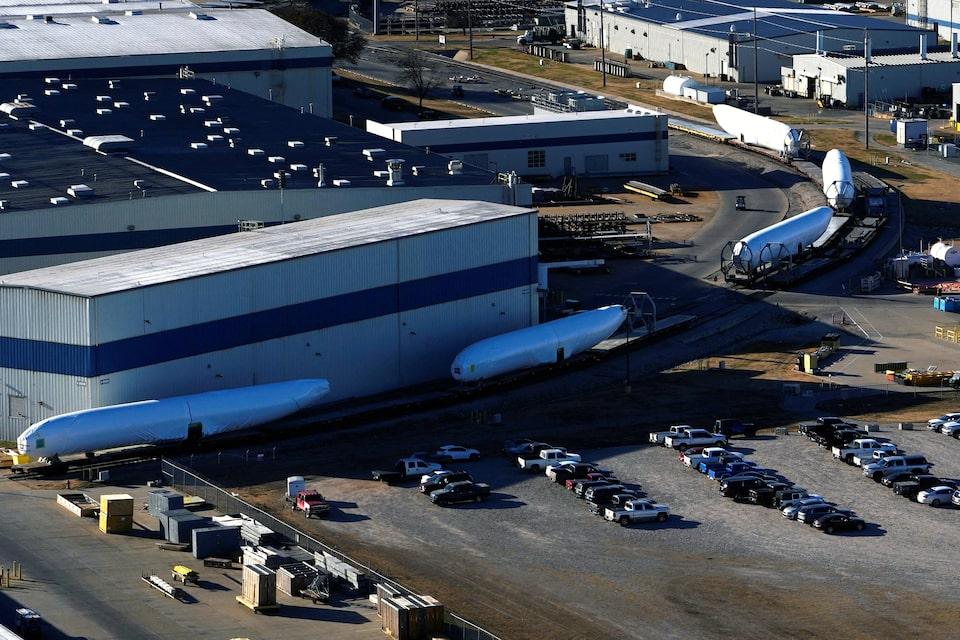
Pegasus Airlines' 737 MAX order is worth nearly $6 billion after discounts, according to industry analyst Boeing still working with FAA to certify 737 MAX 10 and MAX 7 Pegasus will consider firm orders for 100 more jets based on market conditions in coming years Dec 19 (Reuters) - Boeing (BA.N) , opens new tab has secured a firm order from Turkish low-cost carrier Pegasus Airlines (PGSUS.IS) , opens new tab for a hundred 737 MAX 10 jetliners, winning back a major customer from Airbus (AIR.PA) , opens new tab in a boost for the U.S. planemaker's largest single-aisle model. The order, which Boeing said on Thursday includes options for another 100, marks the biggest MAX order this year and caps a tumultuous 12 months for the U.S. planemaker following management and financial upheaval after a mid-air blowout on a nearly new 737 MAX in January. The deal is worth $5.85 billion after typical industry discounts, according to estimated delivery prices from UK-based Cirium Ascend. Boeing shares rose 2.6% on Thursday. Airbus shares were down 0.5% in early trade in Paris on Friday. The unexpected reversal for Airbus comes a year after Pegasus indicated it would stick to its current supplier for its next jet order. The budget airline has long been a battleground between plane giants, driving hard bargains to defect to Airbus about a decade ago and now switching back to its original supplier. "We respect the choice of our customer. We will continue to stand by them and serve them with their existing Airbus fleet," an Airbus spokesperson said. Boeing's mid-air blowout led to stricter regulatory oversight, which exposed significant production safety and quality problems. A strike shut down almost all Boeing jetliner production for seven weeks. The company raised $25 billion to shore up its battered finances. With the strike over, Boeing cautiously restarted 737 production in early December, Reuters first reported. With the Pegasus order, Boeing has orders for more than 4,300 737s, including over 1,200 for the 737-10, the largest model in the MAX family, according to the company. However, the U.S. Federal Aviation Administration (FDA) has not yet certified the MAX 10 and the MAX 7, the smallest model, due to problems related to the engine anti-ice system. Deliveries are expected to begin in 2028, Pegasus said. Planemakers get most of the cash when the jet is delivered to a customer. Boeing expects to continue burning cash next year, CEO Kelly Ortberg said in October. Pegasus, which has seen a rapid recovery in travel after the pandemic, told Reuters this year it was working on a jet order to continue its fast-paced growth into the next decade. The airline will consider converting its options for 100 more MAX 10 aircraft into firm orders in the coming years depending on market conditions and fleet needs, Pegasus Airlines CEO Güliz Öztürk said in a statement. Sign up here. https://www.reuters.com/business/aerospace-defense/turkish-carrier-pegasus-orders-100-boeing-737-max-10-jets-2024-12-19/
2024-12-19 22:25
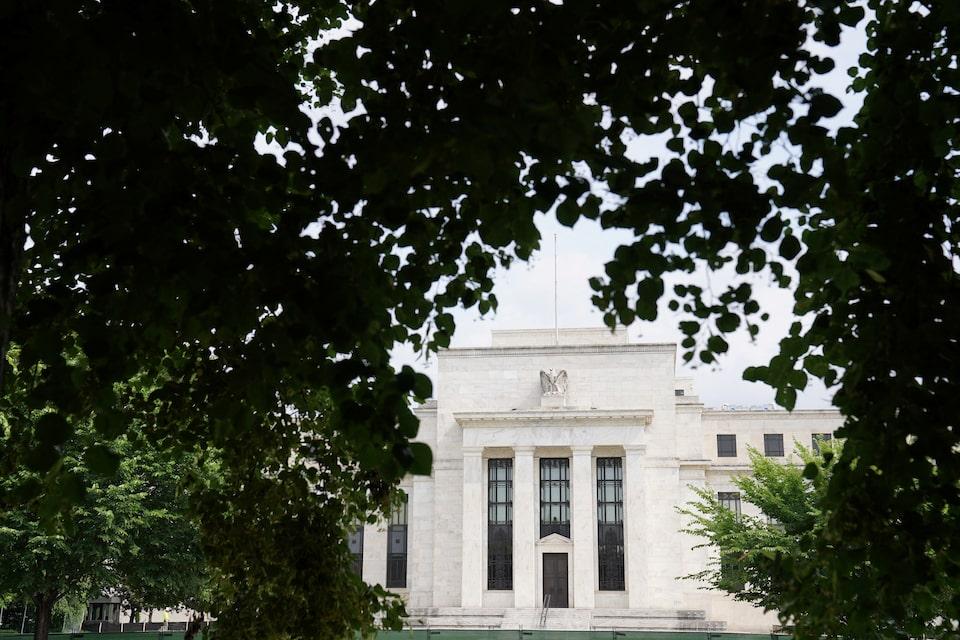
Selloff in EM currencies lead to central bank actions S. Korean won hits 15-yr low, Indian rupee sinks to record low FX intervention a short term fix, analysts say MUMBAI/SINGAPORE, Dec 19 (Reuters) - Central banks from Brazil to Indonesia scrambled to defend their struggling currencies on Thursday, hours after the Federal Reserve jolted markets by indicating it may not cut rates by much next year. The Fed's tacit acknowledgement of the inflationary risks likely to come from incoming president Donald Trump's immigration and trade policies unnerved investors. U.S. Treasury yields rose, sending the dollar to its highest in two years against six major rivals . The South Korean won dropped to its lowest level in 15 years, the Indian rupee to a record low and the Indonesian rupiah to a four-month low. MSCI's index of emerging markets currencies (.MIEM00000CUS) , opens new tab also hit a four-month low. Higher U.S. rates could lead to a return of last year's currency and capital flows problems that emerging markets were barely recovering from. The dollar's yield advantage could drive capital out of their markets while weakening their currencies, potentially spawning inflationary pressures and market volatility. On Thursday, central bankers from South Korea to India to Indonesia were quick to take action, defending their currencies by selling dollars along with strong verbal warnings. India's central bank sold dollars to support the rupee as it plumbed an all-time low, weakening past the 85 to the dollar psychological level. "The pace of the selling in US Treasuries has been a massive green light for FX traders to re-engage with dollar longs, and they have done so liberally, with emerging market FX being carved up," said Chris Weston, head of research at Australian online broker Pepperstone. HSBC's chief Asia economist Fred Neumann said a more hawkish Fed "ties the hands of emerging market central bankers". "While in the short-term, FX intervention by EM central banks in Asia can help soften the impact from the Fed’s hawkish tilt, over time local monetary policy will require adjustment as well," he said. The Brazilian real sank overnight to a lifetime low, and an initial $3 billion intervention on Thursday morning, announced the day before, failed to lift the currency substantially. A second $5 billion intervention did trigger the expected response and the real ended the session up over 2%. Central banks in Indonesia and Thailand said they would act to prevent excessive volatility. Indonesia's central bank voted on Wednesday against a rate cut which would have helped the economy, focusing instead on currency stability, a development analysts said underscores the challenge many other central banks will face. South Korea's won, the worst performing Asian currency this year with a 12% decline, touched a 15-year low, with authorities suspected of defending the 1,450 per dollar level. Onshore won trading closed at 1,451.9 per dollar. The People's Bank of China supported its currency by heavily dampening the daily reference rate, which analysts said was aimed at keeping the dollar in check. The yuan still stayed at a 13-month low, sliding past the psychologically important 7.3 per dollar level. "While Asian central banks can attempt to smooth out the depreciation pressures, reversing them entirely seems unlikely in the near term," said Charu Chanana, chief investment strategist at Saxo. "Previously, high-yield Asian currencies had some support from carry trades, but the current high volatility may threaten the sustainability of this strategy." The Fed's latest rate projections mean it is likely to cut rates only twice next year, down from its previous estimate in September of four cuts in 2025. The Fed's hawkishness is an added burden on emerging markets already reeling from the Trump's tariff threats. Trump's expected trade policies alongside likely tax cuts and deregulation have boosted the U.S. growth outlook, spurring a rally in the dollar and U.S. rates. "The dollar is king right now," said Bart Wakabayashi, Tokyo branch manager at State Street. Sign up here. https://www.reuters.com/markets/currencies/feds-hawkish-tilt-has-emerging-markets-scurrying-save-currencies-2024-12-19/
2024-12-19 21:55
Dec 19 (Reuters) - U.S. pipeline operator Energy Transfer (ET.N) , opens new tab said on Thursday its unit has entered a 20-year LNG sale and purchase agreement with oil and gas major Chevron (CVX.N) , opens new tab. Under the agreement, the unit, Energy Transfer LNG, will supply 2.0 million tonnes per annum (mtpa) of LNG to Chevron from the Lake Charles project in Louisiana. Energy Transfer has been trying to develop the project since 2015 but has not signed enough customers to move ahead with the proposed 16.5 mtpa facility. "We believe that Lake Charles is the most compelling LNG project on the Gulf Coast and we continue to make significant progress towards full commercialization of this project." Tom Mason, president of Energy Transfer LNG, said. The project benefits from its direct link to Energy Transfer's Trunkline pipeline, allowing access to multiple basins, including the Haynesville, the Permian and the Marcellus Shale, the company said. The LNG will be supplied on a free-on-board (FOB) basis and the purchase price will include a fixed liquefaction charge and a gas supply component indexed to the Henry Hub benchmark. Sign up here. https://www.reuters.com/markets/deals/energy-transfers-unit-signs-lng-agreement-with-chevron-2024-12-19/

2024-12-19 21:47
Dec 20 (Reuters) - A look at the day ahead in Asian markets. As the dust settles on a remarkable 24 hours of central bank activity, investors in Asia round off the last full trading week of the year hoping for some respite from the global market selloff sparked by the Fed's 'hawkish cut' on Wednesday. These nerves were partially soothed on Thursday by the Bank of England's surprisingly 'dovish hold' and the Bank of Japan's seeming ambivalence toward raising rates in January. Some of Wednesday's moves reversed on Thursday - volatility cooled, a bit of the froth in implied U.S. rates came off, and FX intervention from several emerging market central banks helped support EM currencies. Brazil's real bounced off a record low and South Korea's won from a 15-year low. But the genie of a 'higher for longer' Fed is out of the bottle. Wall Street failed to rebound, the dollar hit another two-year high, lifted by its gains against the Japanese yen, and Treasury yields leaped again. The 10-year yield nudged 4.60%, its highest since April and up almost 100 basis points since the Fed's easing cycle began in September. Soaring U.S. yields and a booming dollar - and add to that now a notable correction in emerging equities - have tightened EM financial conditions significantly. They are now the tightest since April, according to Goldman Sachs. The heavy selling pressure on EM assets is unlikely to lift much as long as the U.S. dollar and yields stay high, and the threat of large tariffs from the incoming Donald Trump administration in Washington looms large. Analysts at JP Morgan estimate that net capital outflows from EM countries in October totaled $105 billion - $75 billion out of China alone - marking the worst month since June 2022. November and December have continued to post outflows too, albeit more modest. "We do not rule out more outflows in 1Q24 should the dollar continue to strengthen and/or sentiment sour. Central to the outlook will be how residents react. October's data suggest that residents could also be sending their flows elsewhere," JP Morgan's Katherine Marney wrote this week. Friday's calendar in Asia is busy, with Japanese inflation and an interest rate decision in China grabbing the spotlight. BOJ Governor Kazuo Ueda said on Thursday that underlying inflation in Japan remains moderate. But the yen's persistent weakness could soon shift that dial. Economists expect November's annual core inflation rate to have risen to 2.6% from 2.3% in October. Meanwhile, the People's' Bank of China is expected to leave its benchmark one- and five year lending rates on hold at 3.10% and 3.60%, respectively. Beijing has pledged to take a range of fiscal and monetary steps next year to stimulate economic activity, fight off deflation, and support markets. Here are key developments that could provide more direction to markets on Friday: - China interest rate decision - Japan CPI inflation (November) - Malaysia CPI inflation (November) Sign up here. https://www.reuters.com/markets/asia/global-markets-view-asia-graphic-2024-12-19/

2024-12-19 21:44
Dec 19 (Reuters) - United States Steel (X.N) , opens new tab on Thursday forecast a surprise loss for the fourth quarter, sending its shares down nearly 5% in aftermarket trading. The company expects an adjusted loss of between 29 cents and 25 cents for the quarter, compared with analysts' average estimate of a profit of 16 cents, according to data compiled by LSEG. U.S. Steel projected its fourth-quarter adjusted core profit to be about $150 million, which is below its prior forecast of $225 million to $275 million. Steel prices remained depressed and costs related to the ramp up of its Big River 2 (BR2) facility exert pressure on the quarter, while the team works towards increasing prime ton production in its new mill, said CEO David Burritt. The company added that demand and pricing environment in Europe has been weak. To meet production volume requirements after an unplanned downtime from a fire, the company is temporality operating three blast furnaces beginning Dec. 7 but expects to return to two blast furnaces by January, U.S. Steel added. The fourth-quarter core profit for the flat-rolled segment is expected to be lower than the previous quarter due to lower selling prices and volumes, along with increased outage and maintenance activities. Core profit at its mini mill segment is also expected to be lower than the third quarter due to lower volumes. The company sees about $30 million in related start-up and one-time construction costs and $20 million in ramp-related impact from BR2. U.S. Steel looks to steadily ramp to full capacity in 2025. The company's forecast comes at a time when its $14.9 billion buyout offer by Japanese steelmaker Nippon Steel (5401.T) , opens new tab faces opposition from U.S. government officials over national security concern. Sign up here. https://www.reuters.com/markets/commodities/us-steel-forecasts-fourth-quarter-surprise-loss-2024-12-19/