2024-12-18 00:00
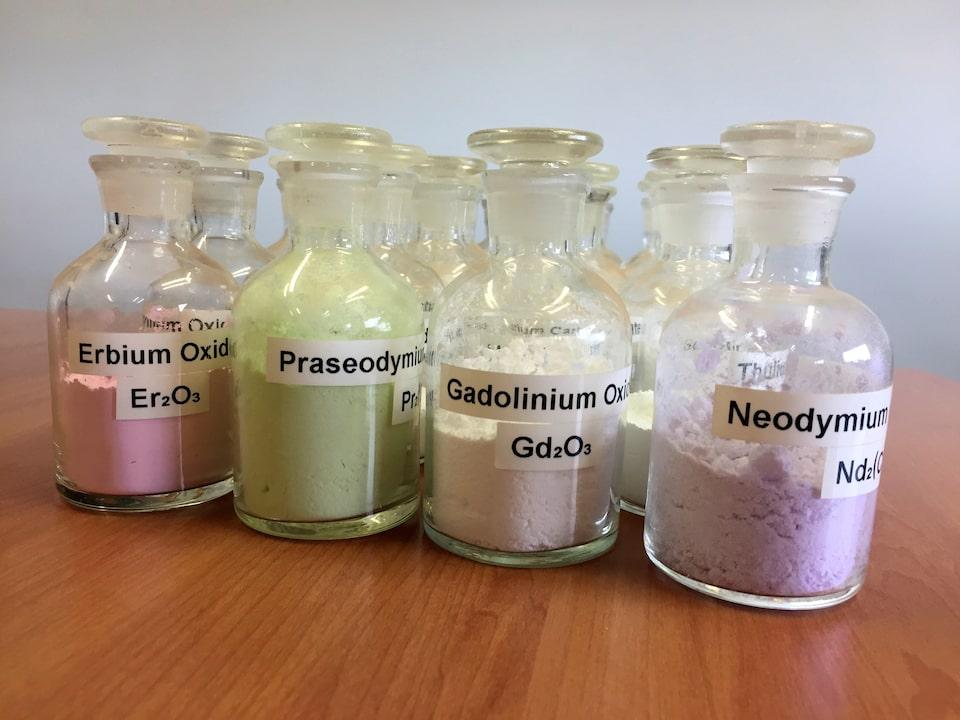
LONDON, Dec 18 (Reuters) - It's clear that critical minerals will be China's weapon of choice in its escalating trade war with the United States. Every time Washington imposes new restrictions on exports of advanced semiconductor chips to China, Beijing responds by tightening controls on exports of the critical inputs for chip manufacturers. A third clamp-down on China's semiconductor industry has drawn a swift response in the form of a full ban on exports of Chinese gallium and germanium to the United States. Exports of antimony, used in photovoltaic glass, are now also banned in what looks like a riposte to U.S. tariffs , opens new tab on Chinese solar panels. This is a carefully calibrated escalation, China using its dominance of critical metals to land like-for-like retaliatory blows for U.S. attacks on its high-technology capabilities. However, the rules of engagement are set to change with the incoming Donald Trump administration threatening blanket tariffs on all Chinese goods. The big question is how well the United States can withstand China's potential metallic response. MARKET DISRUPTION The United States was 100% reliant on imports of gallium last year with China accounting for 21% of metal imports, according to the United States Geological Survey (USGS). U.S. import dependency was 82% for antimony and over 50% for germanium, with Chinese products accounting for 63% and 26% respectively of total imports. Flows of Chinese gallium and germanium to the U.S. have dried up this year after Beijing tightened export controls in August 2023. This month's ban is just official confirmation that China's Ministry of Commerce (MOFCOM) had already stopped approving exports to the U.S. The supply chains of all three metals have been massively disrupted with buyers scrambling to find non-Chinese supply. The price of antimony has rocketed from $13,000 per metric ton at the start of the year to $38,000 after China announced new export restrictions. The germanium price has jumped from $1,650 to $2,862 over the same period. RACE TO BUILD The Biden administration has poured billions of dollars into rebuilding domestic critical minerals production capacity but progress can be slow, particularly when it comes to permitting new mines. The Pentagon is backing Perpetua Resources' (PPTA.O) , opens new tab plans to reopen the Stibnite antimony mine in Idaho but first production is only expected in 2028. The country's only processor, United States Antimony (UAMY.A) , opens new tab, is planning to ramp up production in response to the current price boom but needs to secure enough non-Chinese third-party feed to do so. The U.S. hasn't produced any primary gallium since 1987. Rio Tinto (RIO.L) , opens new tab thinks it may be able to produce the metal at its Saguenay–Lac-Saint-Jean alumina refinery in Canada. It plans to build , opens new tab a demonstration plant with backing from the Quebec government. Rio has a successful track record of finding critical minerals in its smelter waste-streams. It already produces scandium at its titanium operations in Canada and tellurium at its copper smelter in Utah. However, Rio's gallium contribution to the U.S. industrial base will be at least partly dependent on whether Trump makes good on his threat to impose tariffs on his Canadian neighbour. DUAL-USE LIST The big problem facing the U.S. is the extent of China's supply-chain dominance in the critical minerals space. China is the largest source of supply for 26 of the 50 minerals currently classified as critical by the USGS, according to the Center for Strategic and International Studies think-tank. Many of them are on the same MOFCOM military-civilian dual-use export control list as gallium, germanium and antimony. China has multiple channels of attack in the event of further sanctions on its high-tech industries. Tighter restrictions on exports of graphite, announced at the same time as the U.S. export ban, are an ominous sign the tit-for-tat is spilling into the battery metals space. Although graphite doesn't garner the same headlines as other battery metals such as lithium and cobalt, it is a critical battery input in the form of the anode. That makes it an obvious choice for retaliation against U.S. duties on Chinese electric vehicles. Tungsten, also on the list, is another metal in the spotlight after the U.S. announced plans , opens new tab to impose 25% tariffs on some Chinese products from the start of 2025. DECOUPLING Tungsten shows how the metallic decoupling is working both ways. The more China flexes its critical mineral muscles, the more the U.S. uses tariffs , opens new tab to create a price incentive for domestic producers. Import duties on Chinese aluminium and steel have been hiked to 25% this year. Tariffs on Chinese imports of natural graphite will rise to a similar level in 2026. That is, if China doesn't get there first by banning exports to the U.S. before then, just as it has done with gallium, germanium and antimony. The U.S. is walking a fine line between using tariffs to reduce import dependency on China and not being hit with a full retaliatory trade ban before it can build its own replacement capacity. This is a multi-faceted task given each critical metal has its own unique supply profile. The common theme, however, is China's control of global supply and it's only a question of which component of the periodic table is next to be thrown into the escalating trade war. The opinions expressed here are those of the author, a columnist for Reuters. Sign up here. https://www.reuters.com/markets/commodities/critical-metals-will-be-key-battleground-us-china-trade-war-andy-home-2024-12-17/
2024-12-17 23:34
SANTIAGO, Dec 17 (Reuters) - Chile's central bank cut its benchmark interest rate by 25 basis points to 5.00% on Tuesday, extending an easing cycle that began last year while also warning of inflation risks in the short term. The unanimous decision was in line with forecasts from analysts and traders and comes amid cooling inflation, and as the world's top copper producer faces challenges to rev up growth. Annual inflation in Chile eased to 4.2% in November, down from the 4.7% reported in October. That is still above the central bank's target range of 2% to 4%. November's inflation reading came in above the projections in the main scenario of the bank's third-quarter monetary policy report. The short-term inflation outlook has become more challenging due to higher cost pressures, the bank said in a statement announcing the decision, adding that it sees inflation fluctuating around 5.0% in the first half of 2025. "The balance of risks for inflation is biased to the upside in the short term, which highlights the need for caution," the central bank said. The bank said its board would gather information to evaluate the opportunity to reduce the benchmark rate in the coming quarters. Chile began cutting borrowing costs in July 2023 after holding its key rate steady at 11.25%, and has since brought the rate down by 625 basis points in line with falling inflation. Tuesday's statement suggests a pause in the rate-cutting cycle in January, JPMorgan said in an analyst note after the announcement, underscoring its "base case scenario for the next 25 basis point policy rate cut to occur in March." While the bank called for caution in the short term, it sees weaker domestic demand mitigating inflationary pressures in the medium term, which would contribute to a downward trajectory for the rate over the policy horizon. Sign up here. https://www.reuters.com/markets/rates-bonds/chile-central-bank-cuts-interest-rate-calls-caution-2024-12-17/

2024-12-17 23:25
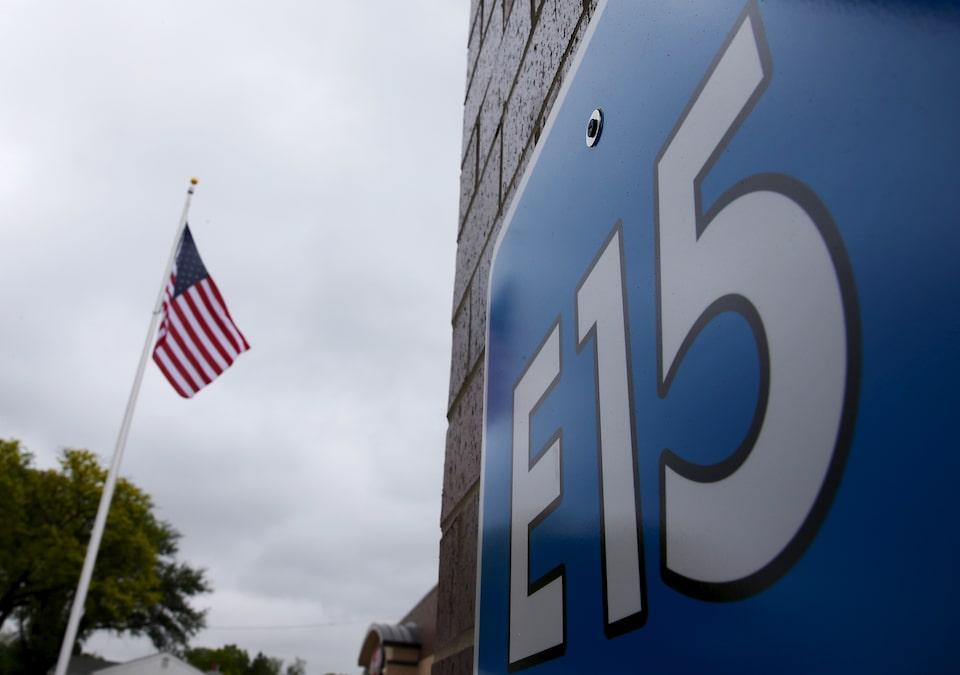
NEW YORK, Dec 17 (Reuters) - A U.S. government funding bill released on Tuesday included a plan that would allow year-round sales of gasoline with a higher ethanol blend, a major win for the corn and ethanol lobbies. The inclusion would mark a hard-fought victory for the ethanol industry, which has wanted year-round E15 sales as a way to boost demand for its products. Reuters reported earlier on Tuesday that the plan was expected to make it into the bill. The plan would also provide credits to some refiners that prove compliance with the U.S. Renewable Fuel Standard (RFS), which mandates that refiners blend billions of gallons of biofuels into the nation's fuel mix or buy credits from those that do, the sources said. Those credits would be given to small refiners who had petitioned the U.S. Environmental Protection Agency, which administers the RFS, for an exemption from the mandates during compliance years 2016-2018 but either had been denied or had an outstanding petition as of Dec. 1, 2022, one of the sources said. The language in the provision follows a bill sponsored by U.S. Senator Deb Fischer from Nebraska, the third biggest corn-producing state. "My bill puts an end to years of patchwork regulations and uncertainty - year-round, nationwide E15 will now be a reality," Fischer said in a statement after the funding bill text was released. The biofuels industry welcomed the provision. "We are very pleased to see that the long-awaited fix allowing year-round E15 is included in this package," said Geoff Cooper, president of the Renewable Fuels Association. "We remain hopeful that the continuing resolution will move swiftly through Congress and to the President’s desk for signature." The plan also includes language that the EPA and the Commodity Futures Trading Commission would review all applicable fuel blending credits, known as RINs, and submit to Congress a report to reduce manipulation of the renewable fuel market. Currently, sales of E15 are effectively blocked from June to September. Adding ethanol to gasoline is known to increase smog pollution in hot weather, but research has shown little difference between E15 and the more-widely available E10 blends. The provision would likely nullify a controversial decision by the U.S. government in February to approve a request from Midwestern governors to allow year-round E15 sales only in their states, starting in 2025. Some oil refiners had argued that allowing E15 in select states as opposed to nationwide could prompt localized fuel price spikes and supply issues. Sign up here. https://www.reuters.com/business/energy/us-funding-bill-include-plan-allow-year-round-e15-gasoline-sales-sources-say-2024-12-17/
2024-12-17 23:04
Congo lodges complaints against tech firm in France and Belgium Apple accused of complicity in conflict minerals trade Apple disputes the allegations Judicial authorities to decide if charges warranted PARIS, Dec 17 (Reuters) - The Democratic Republic of Congo has filed criminal complaints against Apple (AAPL.O) , opens new tab subsidiaries in France and Belgium, accusing the tech firm of using conflict minerals in its supply chain, lawyers for the Congolese government told Reuters. Apple strongly disputes the allegations and says it has told its suppliers they must not use the minerals in question sourced from Congo or Rwanda. Congo is a major source of tin, tantalum and tungsten, so-called 3T minerals used in computers and mobile phones. But some artisanal mines are run by armed groups involved in massacres of civilians, mass rapes, looting and other crimes, according to U.N. experts and human rights groups. Apple does not directly source primary minerals and says it audits suppliers, publishes findings and funds bodies that seek to improve mineral traceability. Its 2023 filing on conflict minerals , opens new tab to the U.S. Securities and Exchange Commission said none of the smelters or refiners of 3T minerals or gold in its supply chain had financed or benefited armed groups in Congo or neighbouring countries. After the cases were filed on Tuesday, Apple said in a statement that it strongly disputes the claims. "As conflict in the region escalated earlier this year we notified our suppliers that their smelters and refiners must suspend sourcing tin, tantalum, tungsten, and gold from the DRC and Rwanda," Apple said in its statement, using an abbreviation for Congo's full name. "We took this action because we were concerned it was no longer possible for independent auditors or industry certification mechanisms to perform the due diligence required to meet our high standards." Apple said that the majority of the minerals in question in its products are recycled. "We recognize the situation in the region is very challenging and we have increased our support to organizations that do vital work helping communities," Apple said. International lawyers representing Congo argue that Apple uses minerals pillaged from Congo and laundered through international supply chains, which they say renders the firm complicit in crimes taking place in Congo. In parallel complaints filed to the Paris prosecutor's office and to a Belgian investigating magistrate's office on Monday, Congo accused local subsidiaries Apple France, Apple Retail France and Apple Retail Belgium of a range of offences. These include covering up war crimes and the laundering of tainted minerals, handling stolen goods, and carrying out deceptive commercial practices to assure consumers supply chains are clean. "It is clear that the Apple group, Apple France and Apple Retail France know very well that their minerals supply chain relies on systemic wrongdoing," says the French complaint, after citing U.N. and rights reports on conflict in east Congo. Belgium had a particular moral duty to act because looting of Congo's resources began during the 19th century colonial rule of its King Leopold II, said Congo's Belgian lawyer Christophe Marchand. "It is incumbent on Belgium to help Congo in its effort to use judicial means to end the pillaging," he said. The complaints, prepared by the lawyers on behalf of Congo's justice minister, make allegations not just against the local subsidiaries but against the Apple group as a whole. France and Belgium were chosen because of their perceived strong emphasis on corporate accountability. Judicial authorities in both nations will decide whether to investigate the complaints further and bring criminal charges. In an unrelated case in March this year, a U.S. federal court rejected an attempt by private plaintiffs to hold Apple, Google, Tesla, Dell and Microsoft accountable for what the plaintiffs described as their dependence on child labour in Congolese cobalt mines. MINERALS FUEL VIOLENCE Since the 1990s, Congo's mining heartlands in the east have been devastated by waves of fighting between armed groups, some backed by neighbouring Rwanda, and the Congolese military. Millions of civilians have died and been displaced. Competition for minerals is one of the main drivers of conflict as armed groups sustain themselves and buy weapons with the proceeds of exports, often smuggled via Rwanda, according to U.N. experts , opens new tab and human rights organisations , opens new tab. Rwanda denies benefiting from the trade. Among the appendices to Congo's legal complaint in France was a statement issued by the U.S. State Department , opens new tab in July, expressing concerns about the role of the illicit trade in minerals from Congo, including tantalum, in financing conflict. The statement was a response to requests from the private sector for the U.S. government to clarify potential risks associated with manufacturing products using minerals extracted, transported or exported from eastern Congo, Rwanda and Uganda. Congo's complaints focus on ITSCI, a metals industry-funded monitoring and certification scheme designed to help companies perform due diligence on suppliers of 3T minerals exported from Congo, Rwanda, Burundi and Uganda. Congo's lawyers argue that ITSCI has been discredited, including by the Responsible Minerals Initiative (RMI) of which Apple is a member, and that Apple nevertheless uses ITSCI as a fig leaf to falsely present its supply chain as clean. The RMI, whose members include more than 500 companies, announced in 2022 it was removing ITSCI from its list of approved traceability schemes. In July this year, it said it was prolonging the suspension , opens new tab until at least 2026, saying ITSCI had not provided field observations from high-risk sites or explained how it was responding to an escalation of violence in North Kivu province, which borders Rwanda and is a key 3T mining area. ITSCI criticised the RMI's own processes and defended its work , opens new tab in Congo as reliable. It has also rejected allegations in a 2022 report by campaigning group Global Witness entitled "The ITSCI Laundromat" , opens new tab, cited in Congo's legal complaint in France, that it was complicit in the false labelling of minerals from conflict zones as coming from mines located in peaceful areas. Apple mentioned ITSCI five times in its 2023 filing on conflict minerals. The filing also made multiple mentions of the RMI, in which Apple said it had continued active participation and leadership, but did not mention the RMI's ditching of ITSCI. In its July statement, the U.S. State Department said flaws in traceability schemes have not garnered sufficient engagement and attention to lead to changes needed. Robert Amsterdam, a U.S.-based lawyer for Congo, said the French and Belgian complaints were the first criminal complaints by the Congolese state against a major tech company, describing them as a "first salvo" only. Sign up here. https://www.reuters.com/sustainability/society-equity/congo-files-criminal-complaints-against-apple-europe-over-conflict-minerals-2024-12-17/

2024-12-17 21:52
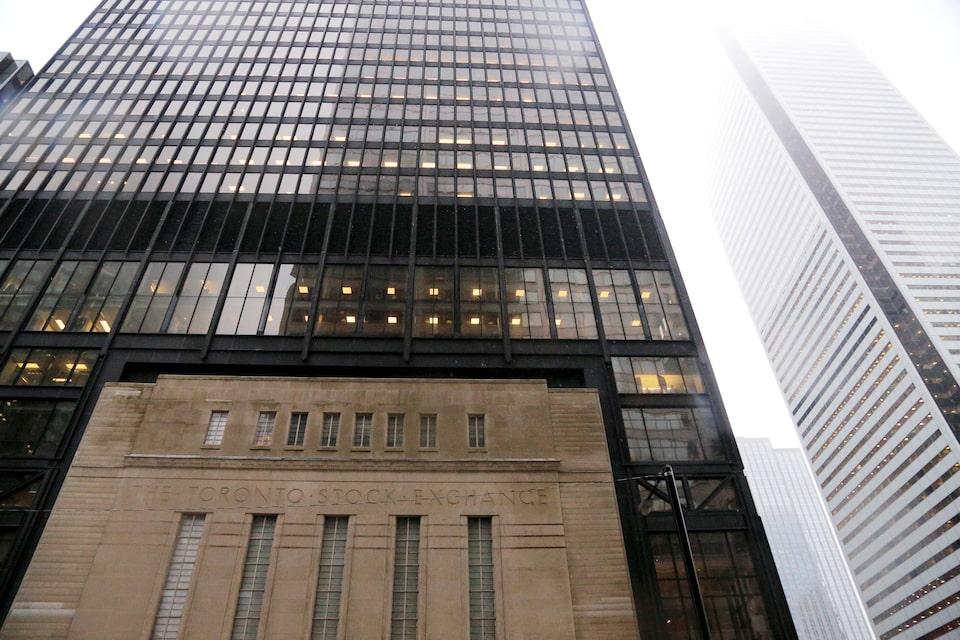
TSX ends down 0.1%, at 25,119.71 Energy falls 0.7%; oil settles 0.9% lower Air Canada shares tumble 9.4% Annual inflation rate slows to 1.9% Dec 17 (Reuters) - Canada's main stock index ended lower for a fourth straight day on Tuesday as lower commodity prices weighed on resource shares and political turmoil added to headwinds for the Canadian economy. The Toronto Stock Exchange's S&P/TSX composite index (.GSPTSE) , opens new tab ended down 27.50 points, or 0.1%, at 25,119.71, its lowest closing level since Nov. 20. U.S. stocks posted bigger declines as investors exercised caution ahead of a Federal Reserve policy announcement on Wednesday. "The Canadian economy is still struggling and it's kind of rudderless at the moment with the threat of tariffs, the turmoil in the government, the currency under siege," said Colin Cieszynski, chief market strategist at SIA Wealth Management. Canadian Prime Minister Justin Trudeau is reflecting on complaints about his leadership by legislators from the ruling Liberal Party who are unhappy that Finance Minister Chrystia Freeland quit, a close ally said. The Canadian dollar weakened to nearly a five-year low against its U.S. counterpart. Domestic inflation data for November was mixed. It showed the annual rate dipping unexpectedly to 1.9% but measures of underlying price pressures watched closely by the Bank of Canada were higher than expected. The energy sector fell 0.7% as the price of oil settled 0.9% lower at $70.08 a barrel on demand worries following the release of negative economic news from Germany and China. Gold and copper prices also fell, while the materials sector, which includes metal miners, lost 0.3%. Heavily weighted financials also ended 0.3% lower. Shares of Air Canada tumbled 9.4% as the company forecast its 2025 adjusted earnings before interest, taxes, depreciation, and amortization in the range of C$3.4 billion ($2.38 billion) to C$3.8 billion, compared with analysts' estimates of C$3.63 billion. Technology was a bright spot, rising 0.9%, helped by a gain of 3.4% for e-commerce company Shopify Inc (SHOP.TO) , opens new tab. Sign up here. https://www.reuters.com/markets/tsx-futures-slip-ahead-domestic-inflation-data-fed-meeting-2024-12-17/
2024-12-17 21:51
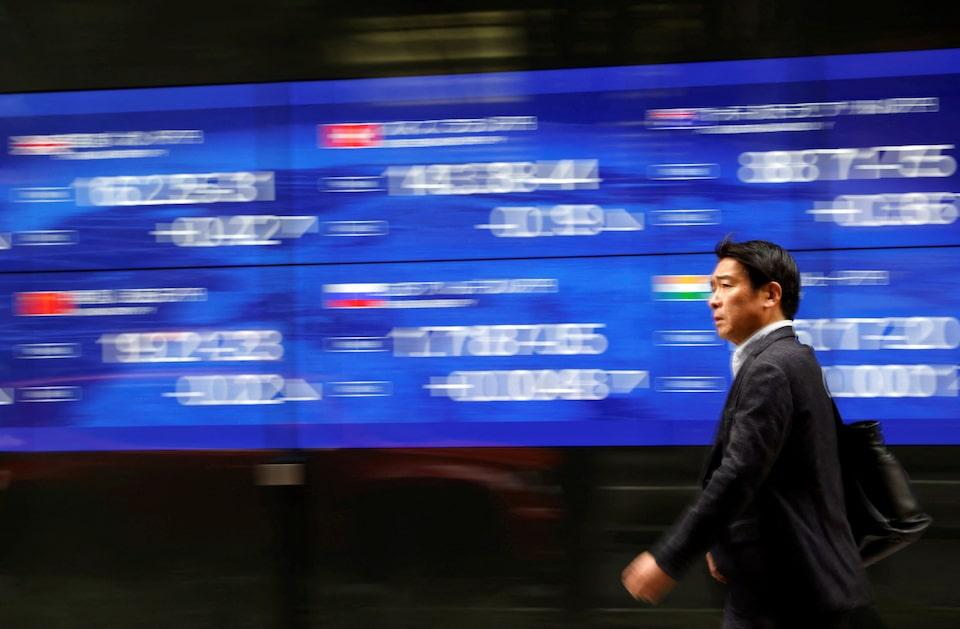
Dec 18 (Reuters) - A look at the day ahead in Asian markets. Investors in Asia on Wednesday enter a crucial 24-hour period in a cautious mood, with stocks in the red and risk appetite subdued ahead of the Fed's interest rate decision later in the day and the Bank of Japan's closer call the following day. Before these two blockbuster calls, the central banks of Thailand and Indonesia also deliver their latest policy decisions - both are expected to keep interest rates on hold at 2.25% and 6.00%, respectively. The 'risk off' tone for Asia on Wednesday was set by global market moves on Tuesday - world stocks and Wall Street posted chunky losses, the dollar held its ground, and the 10-year U.S. Treasury yield hit a one-month high of 4.44% before easing back. World stocks hit a two-week low on Tuesday, Wall Street's big three indices lost between 0.3% and 0.6%, and the Dow clocked up its ninth consecutive daily loss. Remarkably, that is its longest losing streak since 1978. Surprisingly strong U.S. retail sales figures didn't derail near-certain expectations of a quarter-point U.S. rate cut on Wednesday. But it's another solid top-tier economic indicator that will strengthen the perception of 'U.S. exceptionalism' and a relatively hawkish Fed going into next year. Indeed, assuming the Fed cuts rates by 25 basis points on Wednesday, another quarter-point move isn't fully priced into rates futures markets until June. The 2025 curve barely implies 50 bps of easing all year. This is helping support the dollar and Treasury yields, a sentiment-sapping combination at the best of times for emerging markets, never mind with so many central bank decisions on the immediate horizon. Emerging markets will also be sensitive to the rising 'term premium' on 10-year U.S. Treasuries - essentially the risk premium investors demand for lending long to Uncle Sam rather than rolling over shorter-term debt - which is close to making new highs for the year. The dollar is holding up well generally but probably performing better against Asian and emerging currencies - the Brazilian real sank to a new low on Tuesday, India's rupee touched another record low, while the Thai baht and Indonesian rupiah were also on the back foot ahead of their respective central bank decisions. All this points to a fairly subdued day for risk assets in Asia Wednesday. In currencies, the yen is advancing across the board ahead of the BOJ decision on Thursday. Could Governor Kazuo Ueda and colleagues hike rates by 10 bps? Japanese swaps market pricing is split almost 50-50 on this right now. Japanese stocks, meanwhile, are expected to open in the red but a burst of potential M&A activity could lift spirits after Nikkei reported that auto giants Nissan and Honda are to open merger talks. Here are key developments that could provide more direction to markets on Wednesday: - Thailand interest rate decision - Indonesia interest rate decision - U.S. interest rate decision Sign up here. https://www.reuters.com/markets/asia/global-markets-view-asia-graphic-2024-12-17/