2024-12-16 23:40
WASHINGTON, Dec 16 (Reuters) - The U.S. military said it conducted an airstrike on Monday against a command and control facility operated by the Houthis in Yemen. "The targeted facility was a hub for coordinating Houthi operations, such as attacks against U.S. Navy warships and merchant vessels in the Southern Red Sea and Gulf of Aden," the U.S. military's Central Command said in a post on X. Al-Masirah TV, the main television news outlet run by Yemen's Houthi movement, said early on Tuesday that a strike carried out by the United States targeted al-Ardi complex in the Yemeni capital Sanaa. The Iran-backed group in Yemen has been attacking commercial shipping in the Red Sea for more than a year to try to enforce a naval blockade on Israel, saying they are acting in solidarity with Palestinians in Israel's year-long war in Gaza. Sign up here. https://www.reuters.com/world/us-airstrike-hits-houthi-command-control-facility-yemen-2024-12-16/

2024-12-16 22:35
Dec 16 (Reuters) - U.S. steelmaker Nucor (NUE.N) , opens new tab forecast fourth-quarter profit below Wall Street estimates on Monday, citing a slump in earnings in their steel mills segment caused by decreased volumes and lower average selling prices. The company expects fourth-quarter earnings to be in a range of $0.55 to $0.65 per diluted share, lower than analysts' estimates of $0.90 per share, according to data compiled by LSEG. However, it expects earnings in its raw materials segment to increase year-over-year in the fourth quarter. Peer Steel Dynamics (STLD.O) , opens new tab also forecast its fourth-quarter earnings below Wall Street estimates on Monday as the Indiana-based company sees lower realized steel prices and fall in shipments. Sign up here. https://www.reuters.com/markets/commodities/nucor-forecasts-lower-than-expected-fourth-quarter-profit-2024-12-16/
2024-12-16 21:55
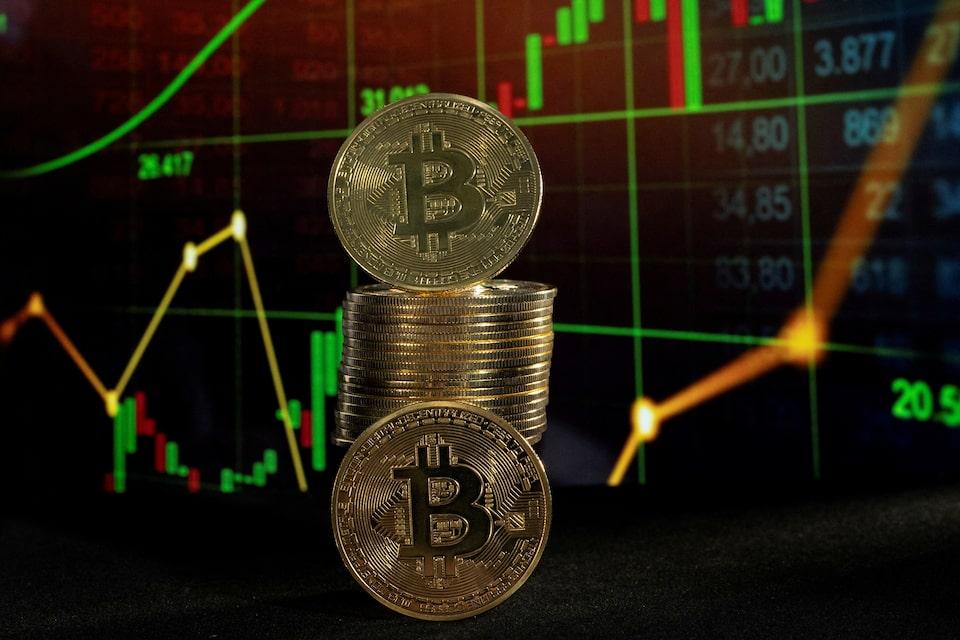
WASHINGTON, Dec 17 (Reuters) - Bitcoin hit a record high above $107,000 on Monday after President-elect Donald Trump reiterated plans to create a U.S. bitcoin strategic reserve, stoking the enthusiasm of crypto bulls. Here's how the plan could work. WHAT IS A STRATEGIC RESERVE? A strategic reserve is a stock of a critical resource which can be released at times of crisis or supply disruptions. The best-known example is the U.S. Strategic Petroleum Reserve, the world's largest supply of emergency crude oil, which was created by an act of Congress in 1975 after a 1973-74 Arab oil embargo throttled the U.S. economy. Presidents have tapped the stockpile to calm oil markets during war or when hurricanes hit oil infrastructure along the U.S. Gulf of Mexico. Canada has the world's only strategic reserve of maple syrup, while China has strategic reserves of metals, grains and even pork products. HOW WOULD A U.S. STRATEGIC BITCOIN RESERVE WORK? Analysts and legal experts are divided on whether Trump could use his executive powers to create the reserve, or whether an act of Congress would be necessary. Some have argued Trump could create the reserve via an executive order directing the U.S. Treasury's Exchange Stabilization Fund, which can be used to purchase or sell foreign currencies, and to also hold bitcoin. The reserve could include bitcoin that the government has seized from criminal actors. That stands at around 200,000 tokens, worth about $21 billion at the current price, according to bitcointreasuries.net. Trump suggested in a July speech unveiling his bitcoin reserve plan that this stockpile could be the starting point, although it remains unclear what the legal process would be for moving them out of the Justice Department. Trump has not said if the government would add to that stockpile by buying more bitcoin in the open market. To do that, the government may have to issue debt, although some proponents of a bitcoin reserve say the United States could sell some of its gold reserves and use the proceeds to buy bitcoin. Currently, the most concrete bitcoin reserve proposal circulating in Washington comes from pro-crypto Republican Senator Cynthia Lummis, who personally holds five bitcoins, she told CNBC last month. In July, she introduced a bill, yet to gain traction, that would create a reserve operated by the Treasury. The bill envisages that the Treasury would create a program to buy 200,000 bitcoins annually for five years until the stockpile hit one million tokens. This would represent about 5% of the total global supply of bitcoin of around 21 million. The Treasury would fund the purchases with profits on Federal Reserve banks' deposits and gold holdings. The bitcoin reserve would subsequently be maintained for a minimum of 20 years. WHAT ARE THE BENEFITS OF A BITCOIN RESERVE? In his July speech, Trump suggested a bitcoin reserve would help the U.S. dominate the global bitcoin market in the face of growing competition from China. Other proponents argue that by holding a stockpile of bitcoin, which they say is likely to continue appreciating over the long term, the U.S. could reduce its deficit without raising taxes, strengthening the U.S. dollar. In November, Lummis told Fox Business that her plan would allow the United States to cut its debt in half in 20 years. "What that does is help us protect ourselves against inflation and protect the U.S. dollar on the world stage," she said. A strong dollar would in turn give the United States more leverage over foreign adversaries like China and Russia, proponents say. WHAT ARE THE RISKS? Crypto skeptics say that, unlike most other commodities, bitcoin has no intrinsic use and is not crucial to the functioning of the U.S. economy. Created in 2008, bitcoin remains too young and volatile to presume its value will continue to rise in the long term, while crypto wallets remain notoriously vulnerable to cyber attacks, they also argue. And given its volatility, any government purchases or sales could have an outsized impact on bitcoin's price. Sign up here. https://www.reuters.com/technology/how-would-us-bitcoin-strategic-reserve-work-2024-12-16/
2024-12-16 21:47
Dec 17 (Reuters) - A look at the day ahead in Asian markets. Asian market sentiment is likely to remain subdued on Tuesday following the release of mixed Chinese economic data the day before, as investors digest unnerving political events in key developed economies ahead of several G10 central bank interest rate decisions later this week. The resignation of Canada's finance minister and vote of no confidence in Germany's Chancellor on Monday come on the heels of a surprise credit rating downgrade for France on Friday. While not impacting emerging markets directly, these could all encourage investors to reduce risk exposure ahead of the central bank policy blitz. On the other hand, the dollar and U.S. bond yields were very well contained and U.S. stocks rose sharply again on Monday - the Nasdaq clocked its 36th closing record high of the year - as investors anticipate a rate cut from the Federal Reserve on Wednesday. The Japanese yen fell for a sixth consecutive day on Monday to a one-month low through 154.00 per dollar as traders cool on the prospect of a rate hike from the Bank of Japan this week or even in January. Some of Japan's recent economic indicators have been fairly strong, which on top of the national wage growth settlements being agreed, would appear to bolster the case for the BOJ moving sooner rather than later. On the other hand, Japan's economic surprises index last week hit its lowest in two and a half years. BOJ officials will also be nervously eyeing the heating up of U.S.-China trade tensions and pondering the potential fallout if Beijing allows a significant depreciation of its currency. A slim majority of economists in a Reuters poll published on Friday said the BOJ will keep borrowing costs on hold again this week. Last month's poll showed a slim majority predicting a hike. Elsewhere in Asian currency markets, the South Korean won sold off again on Monday, as the country's Constitutional Court began reviewing the impeachment of President Yoon Suk Yeol over his Dec. 3 martial law proclamation. The process will decide if he will be removed from office, while investigators plan to question him this week on criminal charges. The won is within sight of the low of 1443 per dollar on Dec. 3, its weakest level in two years. A break below 1445 per dollar will mark its weakest point since March 2009. Sentiment towards Chinese assets remains mixed. Official data from Beijing on Monday showed that foreign institutions cut holdings in Chinese onshore bonds for the third month in a row. The official disclosure chimes with recent figures from the Institute of International Finance, which recorded outflows in both China's bond and equity markets in November. Here are key developments that could provide more direction to markets on Tuesday: - Hong Kong unemployment (November) - Singapore trade (November) - Germany Ifo and ZEW surveys (December) Sign up here. https://www.reuters.com/markets/asia/global-markets-view-asia-graphic-2024-12-16/

2024-12-16 21:33
Shmyhal says Ukraine ready to discuss transit of gas from other countries Slovak PM says gas transit critical for all Europe Slovak economy minister says talks underway to avoid flows stopping Dec 16 (Reuters) - Prime Minister Denys Shmyhal said on Monday that Ukraine was willing to devise a deal enabling gas to transit through its territory to western Europe, but ruled out any extension of an existing deal with Russia. Shmyhal was writing on the Telegram messaging app after speaking to Slovak Prime Minister Robert Fico as some European countries stepped up their search for gas supplies. With two weeks remaining before the gas transit deal with Russia expires, Shmyhal said Ukraine was willing to discuss transit of gas of any origin except Russian. "To this effect, if the European Commission officially approaches Ukraine about the transit of any gas other than Russian, we naturally will discuss it and are ready to reach an appropriate agreement," Shmyhal said. "I stressed that Ukraine's agreement with Russia on gas transit comes to an end on 1st January 2025 and will not be extended." Shmyhal said much had already been done in recent years with EU countries "in order to secure reliable gas supplies and prevent the use of any type of energy as a weapon". Ukraine, locked in a 33-month-old war with Russia, has made it plain for months that it would not extend the gas transit plan with Russia. Slovakia and other countries receiving gas from Russia, transited via pipelines in Ukraine, are in talks to try to avoid those flows stopping when the agreement runs out. Before the two prime ministers spoke, Fico had said that maintaining gas transit was not just a bilateral matter for Ukraine's neighbours but an issue for the whole EU. Fico said last week he aimed to secure continued eastern supplies to avoid paying more in transit fees from other suppliers. Slovakia has a long-term contract with Russian giant Gazprom (GAZP.MM) , opens new tab. Slovakia's Economy Minister Denisa Sakova said earlier in Brussels that European countries and companies had a combined demand for around 15 billion cubic metres of Russian gas next year via Ukraine and were in talks to secure new supplies. Slovakia is hoping a deal could cover gas deliveries for two or three years. The EU has set a target of stopping using Russian fossil fuels by 2027. Some EU countries in eastern Europe are considering securing supplies from Azerbaijan, which could transit through Ukraine, but no deal has yet been clinched. Ukrainian officials have suggested that existing pipelines could be used to ship gas supplied by a county other than Russia. Moldova, Ukraine's small ex-Soviet western neighbour, has also been in talks to secure supplies from Gazprom and, with the expiry of the transit deal imminent, is considering securing Russian gas through Turkey, Bulgaria and Romania. Sign up here. https://www.reuters.com/business/energy/ukrainian-pm-russian-gas-transit-deal-will-not-be-extended-after-dec-31-2024-12-16/

2024-12-16 21:01
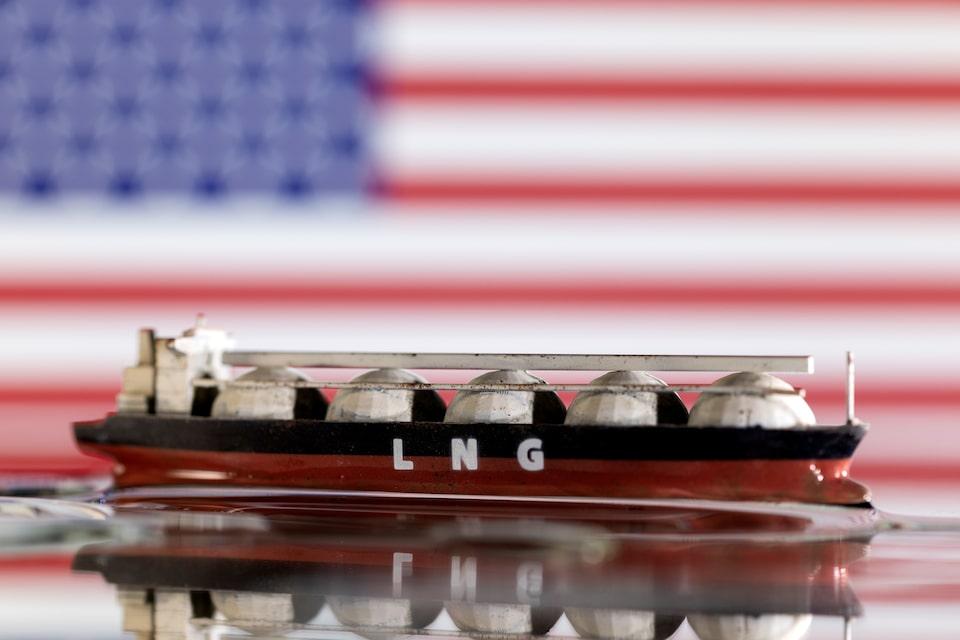
WASHINGTON, Dec 16 (Reuters) - The U.S. will release a draft study as soon as Tuesday on exports of liquefied natural gas, a review that will likely not be finalized before President Joe Biden leaves office, two industry sources with knowledge of the issue said. Biden in January paused the Department of Energy's approvals of U.S. LNG exports to big consumers in Asia and Europe in order for his administration to conduct the study on the environmental and economic impacts of the booming industry. President-elect Donald Trump opposed the pause and has said he would move quickly to overturn it. Trump's transition team is working to roll out an energy package within days of his taking office on Jan. 20 to approve export permits for new LNG projects. The Energy Department did not immediately respond to a request for comment. The study is expected to include scenarios that warn about potential price impacts on domestic natural gas and on the environmental impacts of the boom in U.S. LNG exports, the industry sources said on condition of anonymity. Brad Crabtree, an assistant secretary at the department, told a congressional hearing this month that the study would come with a 60-day comment period. But LNG backers have said if the study is not finalized by the incoming Trump administration it could be harder for opponents to use it as evidence in any legal actions against LNG projects. LNG and natural gas producers had slammed Biden's pause as an election-year stunt that undermined the energy security of allies and partners as Europe reduced its dependence on gas from Russia after Moscow's invasion of Ukraine. The administration countered that the pause did not affect super-chilled gas exports, which are set to more than double by the end of the decade on already approved shipments. The U.S. became the world's largest LNG exporter in 2023. Sign up here. https://www.reuters.com/business/energy/us-study-likely-stop-short-saying-lng-exports-not-public-interest-sources-say-2024-12-16/