2024-12-16 11:22
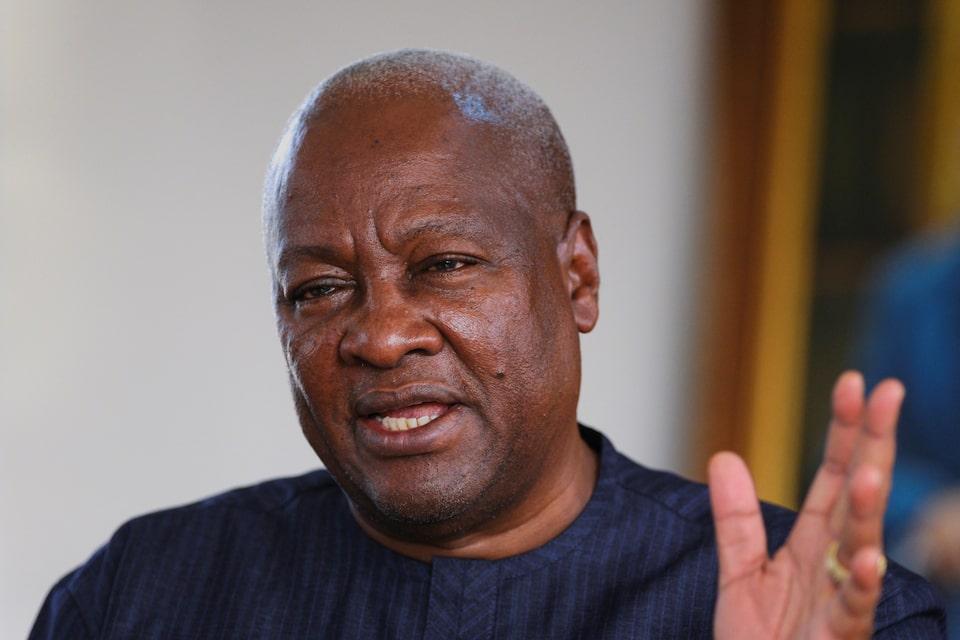
Mahama criticises sector regulator for competing with farmers for profits But previous efforts to break up COCOBOD have failed Mahama takes office on Jan. 7, a month after winning election His party also has majority in parliament ACCRA, Dec 16 (Reuters) - Ghana's president-elect, John Dramani Mahama, has pledged to revamp the cocoa sector and reorganise the state-run regulator, aiming to stimulate growth and improve efficiency in the world's second-largest cocoa producer. In an interview with Reuters on Friday, he criticised the cocoa industry structure where the cocoa marketing board (COCOBOD) competes with farmers for profits. "Can we have a state enterprise that is the regulator and quality controller, and that creates an opportunity where the farmer is getting his money directly?" Mahama said. "We will see how to restructure it (COCOBOD)." The COCOBOD controls all aspects of cocoa production in Ghana – from seedlings to jute bag supplies for packing beans for exports. Previous attempts to break it up have failed. Mahama said his government would work out the modalities of a restructure, hinting at private sector involvement in some areas handled by COCOBOD. A former president, Mahama secured a decisive victory in the Dec. 7 election, driven by voter dissatisfaction with the rising cost of living, instability and falling production in the country's key cocoa and gold sectors. As leader of the National Democratic Congress party, which also secured a wide majority in the parliamentary election, Mahama will take office on Jan. 7, as the economy recovers from its worst crisis in a generation. Mahama said one of his priorities would be to revamp cocoa and crude oil output to help lift growth and increase non-tax revenue. Ghana's cocoa production hit its lowest level in decades last season, dragged down by climate change, tree disease and wildcat gold mining. COCOBOD's spending has also come under scrutiny after it emerged that its administrative costs more than tripled between 2018 and 2023. Mahama blamed what he described as COCOBOD's wasteful spending for depleting cocoa production funds and depriving farmers of optimal prices, leading many to turn to illegal mining or seek alternative livelihoods. His proposed reforms aim to increase efficiency across the cocoa sector's value chain, with the farmer as the primary beneficiary, not the bureaucracy. The International Monetary Fund (IMF), which is administering a three-year, $3 billion rescue package with Ghana, has prompted COCOBOD to propose a turnaround plan to cut costs and increase farmers' share of cocoa revenues. "We're willing to work with anybody if it'll make the cocoa sector more efficient and bring back our cocoa production to what it was before," Mahama said. Sign up here. https://www.reuters.com/world/africa/ghanas-president-elect-plans-reform-cocoa-sector-restructure-regulator-2024-12-16/
2024-12-16 11:21
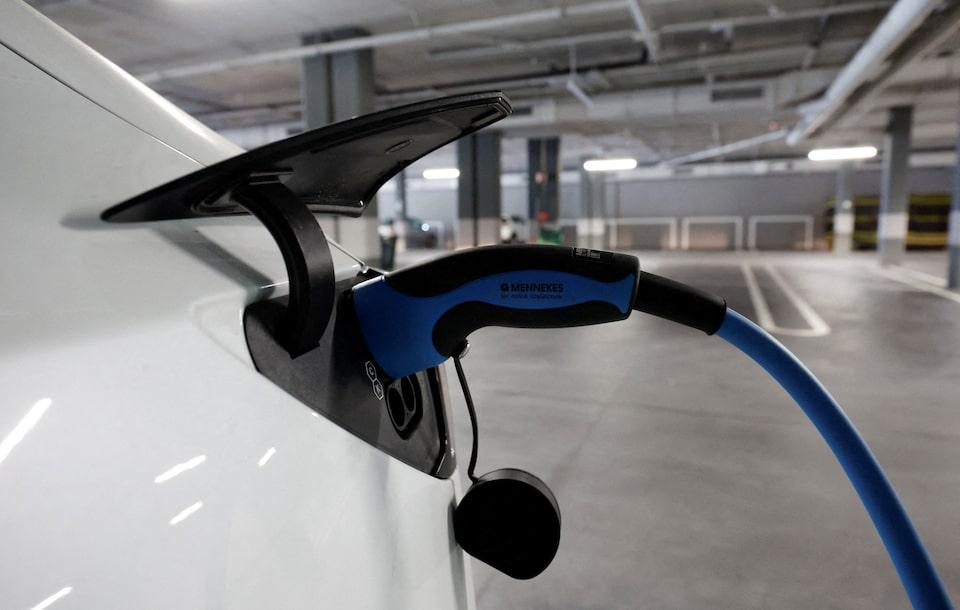
Trump plans to cut EV support, impose tariffs on battery materials Proposals aim to boost U.S. production, redirect funds to national defense Transition team suggests rolling back emissions standards, blocking California's stricter rules Dec 16 (Reuters) - Incoming U.S. President Donald Trump’s transition team is recommending sweeping changes to cut off support for electric vehicles and charging stations and to strengthen measures blocking cars, components and battery materials from China, according to a document seen by Reuters. The recommendations, which have not been previously reported, come as the U.S. electric-vehicle transition stalls and China’s heavily subsidized EV industry continues to surge, in part because of its superior battery supply chain. On the campaign trail, Trump vowed to ease regulations on fossil-fuel cars and roll back what he called President Joe Biden’s EV mandate. The transition team also recommends imposing tariffs on all battery materials globally, a bid to boost U.S. production, and then negotiating individual exemptions with allies, the document shows. Taken together, the recommendations are a stark departure from Biden administration policy, which sought to balance encouraging a domestic battery supply chain, separate from China, with a rapid EV transition. The transition-team plan would redirect money now flowing to building charging stations and making EVs affordable into national-defense priorities, including securing China-free supplies of batteries and the critical minerals to build them. The proposals came from a Trump transition team charged with crafting a strategy for swift implementation of new automotive policies. The team also calls for eliminating the Biden administration’s $7,500 tax credit for consumer EV purchases, a plan that Reuters first reported last month. The policies could strike a blow to U.S. EV sales and production at a time when many legacy automakers, including General Motors (GM.N) , opens new tab and Hyundai (005380.KS) , opens new tab, have recently introduced a wider array of electric offerings to the U.S. market. Jason Miller, a Trump transition senior adviser, said on Tuesday that the recommendations come from “outsiders who have no role in charting administration policy.” Cutting government EV support could also hurt sales of Elon Musk’s Tesla (TSLA.O) , opens new tab, the dominant U.S. EV seller. But Musk, who spent more than a quarter-billion dollars helping to elect Trump, has said that losing subsidies would hurt rivals more than Tesla. The transition team calls for clawing back whatever funds remain from Biden’s $7.5 billion plan to build charging stations and shifting the money to battery-minerals processing and the "national defense supply chain and critical infrastructure.” While batteries, minerals and other EV components are “critical to defense production,” electric vehicles “and charging stations are not,” the document says. The Defense Department in recent years has highlighted U.S. strategic vulnerabilities because of China’s dominance of the mining and refining of critical minerals, including graphite and lithium needed for batteries, and rare-earth metals used in both EV motors and military aircraft. A 2021 government report said the U.S. military faces “escalating power requirements” for weapons and communication equipment, among other technologies. “Assured sources of critical minerals and materials” are “critical to U.S. national security,” the report found. Trump transition spokeswoman Karoline Leavitt said voters gave Trump a mandate to deliver on campaign promises, including stopping government attacks on gas-powered cars. "When he takes office, President Trump will support the auto industry, allowing space for both gas-powered cars and electric vehicles," Leavitt said in a statement. ALLOWING MORE TAILPIPE POLLUTION Automakers globally have been shifting toward electric vehicles in part to comply with stricter government limits on climate-damaging tailpipe pollution. But the transition team recommendations would allow automakers to produce more gas-powered vehicles by rolling back emissions and fuel-economy standards championed by the Biden administration. The transition team proposes shifting those regulations back to 2019 levels, which would allow an average of about 25% more emissions per vehicle mile than the current 2025 limits and average fuel economy to be about 15% lower. The proposal also recommends blocking California from setting its own, stricter vehicle-emissions standards, which more than a dozen other states have adopted. Trump barred California from setting tougher requirements during his first term, a policy that Biden reversed. California has asked the U.S. Environmental Protection Agency for another waiver to incorporate a stronger set of requirements beginning in 2026, which would eventually require all vehicles to be electric, plug-in hybrid or hydrogen-powered by 2035. The Biden administration’s EPA has not approved California’s request. Many of the transition-team proposals appear aimed at encouraging domestic battery production, primarily for defense-related interests. Others appear aimed at protecting automakers, even those producing EVs, in the United States. The proposals include: – Instituting tariffs on “EV supply chain” imports including batteries, critical minerals and charging components. The proposal viewed by Reuters said the administration should use Section 232 tariffs, which target national security threats, to limit imports of such products. The Biden administration recently increased tariffs on Chinese imports of several mentioned in the Trump-transition document, including lithium-ion batteries, graphite and “permanent magnets” used in EV motors and military applications. Those tariffs were issued on economic rather than security grounds. – Waiving environmental reviews to speed up “federally funded EV infrastructure projects,” including battery recycling and production, charging stations and critical mineral manufacturing. – Expanding export restrictions on EV battery technology to adversarial nations. – Providing support for exports of U.S.-made EV batteries through the Export-Import Bank of the United States. – Using tariffs as a “negotiating tool” to open foreign markets to U.S. auto exports, including EVs. – Eliminating requirements that federal agencies purchase EVs. A Biden policy requires all federal acquisitions of cars and smaller trucks to be zero-emission vehicles by the end of 2027. – Ending DOD programs aimed at purchasing or developing electric military vehicles. Sign up here. https://www.reuters.com/business/autos-transportation/trump-transition-team-plans-sweeping-rollback-biden-ev-emissions-policies-2024-12-16/
2024-12-16 11:19
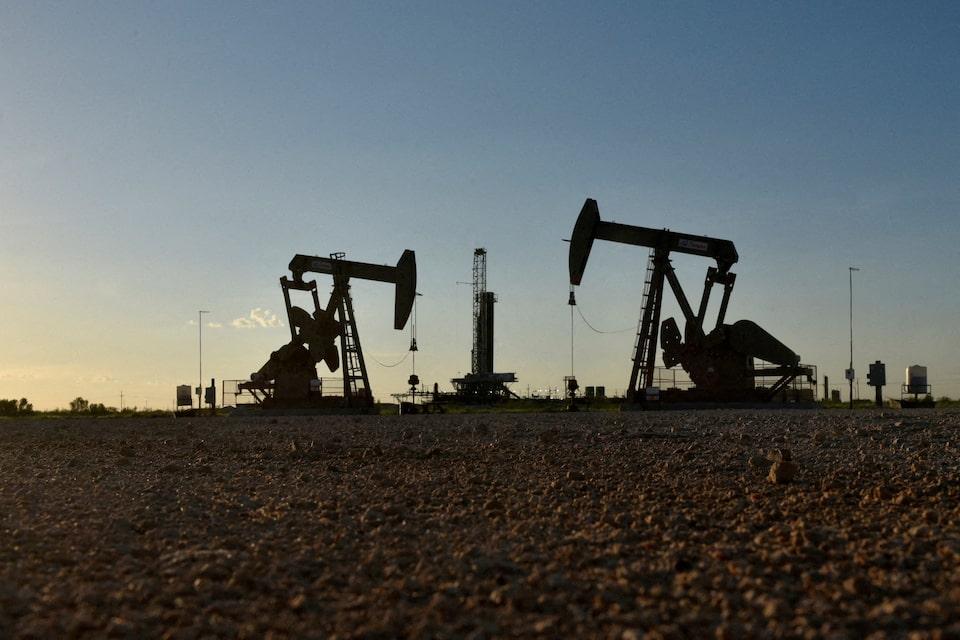
Brent and WTI fall slightly after reaching multi-week highs China's consumer spending data falls short of expectations US Federal Reserve expected to cut interest rates this week US crude, distillate inventories likely fell last week - poll NEW YORK, Dec 16 (Reuters) - Oil futures slipped from the highest levels in several weeks on Monday on weakness in consumer spending in China, the world's largest oil importer, and as investors paused buying ahead of the U.S. Federal Reserve's interest rate decision. Brent crude futures settled at $73.91 a barrel, down 58 cents, or 0.8% lower, after settling on Friday at their highest since Nov. 22. U.S. West Texas Intermediate crude settled at $70.71 a barrel, shedding 58 cents, and also down 0.8% the session after it registered its highest close since Nov. 7. Last week, oil benefited from the expectation that supply would tighten with additional sanctions on crude producers Russia and Iran, while possible lower interest rates in the U.S. and Europe would spur demand. "We feel that last week’s events have been appropriately priced and that this week will be bringing fewer items capable of supporting oil prices," said Jim Ritterbusch of consultancy Ritterbusch and Associates in Florida. Chinese retail sales were slower than expected, keeping pressure on Beijing to ramp up stimulus for a fragile economy facing U.S. trade tariffs under a second Trump administration. "It's just a very bearish scenario where there's not a lot hope of demand growth for crude oil," said Bob Yawger, director of energy futures at Mizuho in New York. The Chinese outlook contributed the decision by oil producer group OPEC+ to postpone plans for higher output until April. "Whatever stimulus is being deployed, consumers are not buying into it; and without a serious sea-change in personal spending behaviour, China's economic fortunes will be stunted," said John Evans at oil broker PVM. Traders also took profits while awaiting the U.S. Central Bank's decision on interest rates this week. IG market analyst Tony Sycamore said that light profit-taking was to be expected after prices jumped more than 6% last week. He noted that many banks and funds are likely to have closed their books given reduced appetite for positions during the holiday season. The Fed is expected to cut interest rates by a quarter of a percentage point at its Dec. 17-18 meeting, which will also provide an updated look at how much further Fed officials think they will reduce rates in 2025 and perhaps into 2026. Lower interest rates can stimulate economic growth and increase oil demand. Oil prices were further pressured by the U.S. dollar, which briefly hovered close to a three-week high versus other major currencies, ahead of the week of central bank meetings. The U.S. dollar and commodities like crude oil tend to trade inversely. Investors were also looking to U.S. oil inventory reports coming up this week for guidance. U.S. crude oil and distillate inventories were expected to have fallen last week, while gasoline stocks likely rose, a preliminary Reuters poll showed ahead of a report from the American Petroleum Institute at 4:30 p.m. EST (2130 GMT) on Tuesday and one from the Energy Information Administration at 10:30 a.m. EST (1530 GMT) on Wednesday Four analysts polled by Reuters estimated on average that crude inventories fell by about 1.9 million barrels in the week to Dec. 13. Sign up here. https://www.reuters.com/markets/commodities/oil-eases-highest-weeks-investors-eye-fed-rate-cuts-2024-12-16/
2024-12-16 11:02
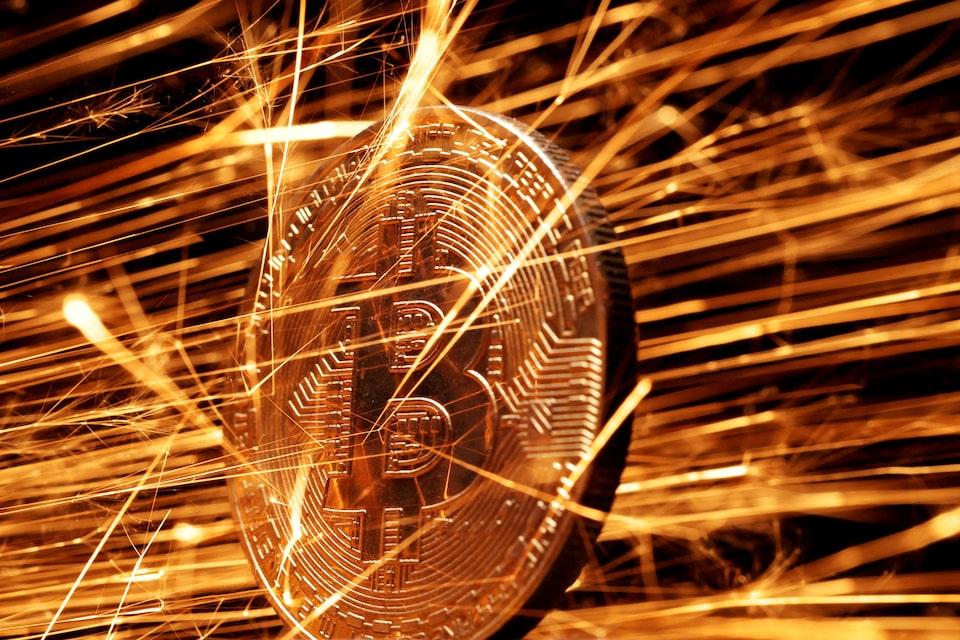
Dec 16 (Reuters) - A look at the day ahead in U.S. and global markets by Amanda Cooper. Bitcoin is back in the headlines today, having vaulted above $105,000 for the first time on record, after a nod from U.S. President-elect Donald Trump to make crypto great again. In an interview on Thursday with CNBC's Jim Cramer , opens new tab, Trump suggested he could go ahead with plans to create a strategic bitcoin reserve, much like the country's strategic oil reserve. "We're gonna do something great with crypto because we don't want China or anybody else - not just China but others are embracing it - and we want to be the head," Trump said. It's fairly vague, but, together with the inclusion of MicroStrategy (MSTR.O) , opens new tab - a software firm that is the world's biggest corporate owner of bitcoin - into the tech-heavy Nasdaq 100, it's been enough to ignite a new push higher in the price on Monday. Next stop - $110,000? MicroStrategy owns nearly 425,000 coins, worth around $45 billion at current levels, equivalent to about 2% of bitcoin's total market value, according to BitcoinTreasuries , opens new tab. Indeed, shares in the company are up around 6% in pre-market trading already. Crypto has been a major beneficiary of flows in the so-called "Trump trade", on the premise that the incoming administration will take a more relaxed approach to regulation in general and with crypto in particular. How a strategic reserve of bitcoin, whose supply is capped at 21 million coins, would work is not clear. Governments own around 13.9% of total supply, according to BitcoinTreasuries, with the United States and China vying for the position of biggest. The U.S. has just shy of 200,000 coins - 0.943% of total market cap -, worth $20.7 billion, while China owns 190,000, or 0.905% of the market. Bitcoin has risen by over 190% this year. The launch of U.S. exchange-traded funds in January linked to the spot price have brought in nearly $35 billion in investment flows, according to LSEG data. BlackRock's iShares Bitcoin Trust has been the largest recipient, with over 500,000 coins, according to BitcoinTreasuries data. BlackRock itself said last week it recommends interested investors allocate as much as 2% of their portfolios to bitcoin, citing, among other things, its potential as a diversifier, given that it tends not to move in lockstep with other major asset classes. Trump said on the campaign trail that, if elected, his administration would commit to keeping 100% of all the bitcoin the government owns or acquires in the future. The snag for crypto devotees is a big reserve would mean fewer tokens for investors to trade. It would also risk creating serious turbulence in the market if the government ever did sell part of that stockpile. Suggestions for how it might work have included the Federal Reserve possibly managing the reserves for the Treasury Department, much as it does with gold. Alternatively, a bitcoin stockpile could look more like the Strategic Petroleum Reserve, where both the president and Congress have varying amounts of control, experts say. Either way, Trump appears keen to display his pro-crypto credentials. He's named former PayPal executive David Sacks as White House czar for artificial intelligence and cryptocurrencies. He's also said he would nominate pro-crypto Washington attorney Paul Atkins to head the Securities and Exchange Commission. Atkins is more pro-deregulation than pro-crypto, specifically, but his appointment would mark a departure from hard-charging SEC Chair Gary Gensler. Key developments that should provide more direction to U.S. markets later on Monday: * December New York Federal Reserve manufacturing survey * December flash S&P Global Purchasing Managers' Index (PMI) Sign up here. https://www.reuters.com/markets/us/global-markets-view-usa-2024-12-16/
2024-12-16 11:00
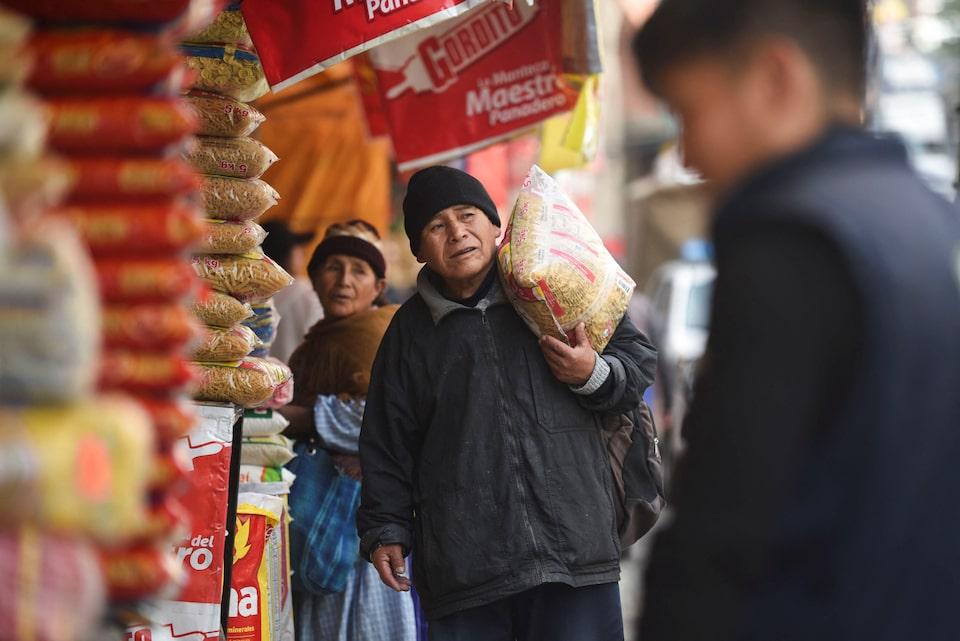
Bolivia's natural gas exports have halved in the last decade Without gas revenue, government spending drained hard currency Dollar reserves plummeted to under $2 bln from $15 bln in 2014 Economic crisis brought protests and a coup attempt this year LA PAZ, Dec 16 (Reuters) - Housewife Yola Chura worried about high food prices while shopping at a market in Bolivia's highland city of El Alto, where she and many others are struggling with rising prices, stagnant wages and a scarcity of dollars that has put the long-stable Andean economy on edge. "We are in a total crisis. Salaries don't increase and so everything is expensive," Chura told Reuters at the market in the city that perches in the mountains above Bolivia's political capital La Paz. "With the excuse that there's no diesel or gasoline, the price of everything has gone up." Inflation is its highest level in over a decade in Bolivia, which was heralded for its commodities-backed "economic miracle" in the 2000s. Now the country faces its worst economic crisis this century with natural gas exports tumbling while the dominant socialist party's spend-to-grow economic model has imploded. Bolivia's gas exports, the key source of foreign income, have halved in the last decade as producers have not found new gas fields to replace those that have been tapped out. Central bank hard currency reserves have drained to nearly zero, which has hit imports of fuel, pushed up prices and strained the boliviano currency. Frustrated motorists often wait in long lines for fuel. Wary investors have pushed bond yields up toward record highs. A black market for dollars, common in crisis-hit neighbor Argentina, has grown in Bolivia for the first time in decades, with savers paying a 60% premium to the official exchange rate. The economic slide has turned Bolivian politics nasty. In June a military faction failed in a dramatic coup attempt. President Luis Arce is locked in a bitter fight with his powerful former ally and boss Evo Morales, who accused Arce of trying to kill him in late October. Anger at the ruling party and in-fighting fueled a recent protest in La Paz. "Where is the diesel, the fuel, the dollars?" farmer Margarita Llanque said at the march. 'FROM GAS TO DEBT' Dollars have been getting scarcer for a decade, but the currency crisis exploded last year. Central bank data showed net foreign currency reserves are under $2 billion, down sharply from $15 billion in 2014. Most of the reserves are actually in gold, with liquid hard currency at just $121 million. "Financial institutions don't have dollars," said local economic analyst Jaime Dunn. He blamed spending by socialist governments that have largely led the country this century, first under Morales and now former economy minister Arce. Flagging gas exports were now making that spending unsustainable. "Their model has now gone from gas to debt," Dunn said. "Default is a ghost that is circling Bolivia." Bolivia's government says it will meet its debt payments. The Ministry of Economy says external debt stands at some $13 billion, equivalent to 27% of GDP. It plans to issue $3 billion of sovereign bonds next year to help meet its obligations. The ministry declined a Reuters request for comment. The dearth of reserves, however, has distorted the local currency that has been pegged to the U.S. dollar for years. "Getting dollars is hard," said Arash Masoudi, citing restrictions put on paying overseas with Bolivian bank cards. "Cards won't accept purchases over $100... It's impossible to pay even if you have millions of bolivianos in your account." The crisis has hit importers and companies operating in the market, including airlines. The International Air Transport Association (IATA) warned this month that , opens new tab airlines were facing increasing issues getting revenues out of Bolivia. "There's a lack of dollars, of diesel and, if this continues, there will be a lack of food," said Jean Pierre Antelo, representative of CAINCO, a major business association in the country. "We need an economic rescue." Sign up here. https://www.reuters.com/world/americas/bolivias-big-state-economic-model-slowly-implodes-fear-total-crisis-2024-12-16/
2024-12-16 10:56
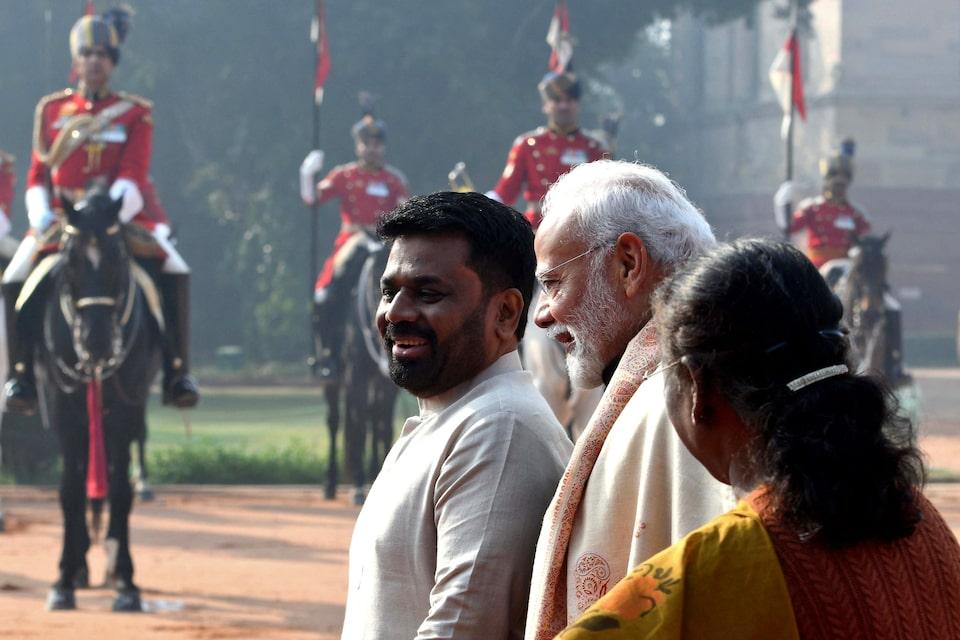
NEW DELHI, Dec 16 (Reuters) - India plans to supply liquefied natural gas to Sri Lanka's power plants and will work on connecting the power grids of the two countries as well as lay a petroleum pipeline between the neighbours, Indian Prime Minister Narendra Modi said on Monday. Modi was speaking at a joint press briefing with Sri Lankan President Anura Kumara Dissanayake in New Delhi. Dissanayake is on his first official visit to Sri Lanka's powerful neighbour after winning the presidency in September and securing a landslide parliamentary election victory last month. Indian state-run firm Petronet LNG(PLNG.NS) , opens new tab has signed a deal to supply liquefied natural gas to Sri Lankan engineering firm LTL Holdings' power plants in Colombo for five years through its terminal in the southern Indian city of Kochi. Both sides also discussed a plan to connect power grids and lay a multi-product petroleum pipeline between the two countries, a joint statement from the Indian External Affairs Ministry said. The two countries also agreed to jointly develop offshore wind power potential in the Palk Straits, an area where India's Adani Green Energy Ltd. (ADNA.NS) , opens new tab already has plans to invest $442 million in two wind power stations. Sri Lanka is reviewing the wind power project along with a $553 million terminal project at the Colombo port also linked to Adani Ports (APSE.NS) , opens new tab. But it was unclear if the projects were discussed during the meeting between Modi and Dissanayake. Last month, U.S. authorities accused Adani Group Chairman Gautam Adani and seven others of being part of a $265 million scheme to bribe Indian officials, and of misleading U.S. investors while raising funds there. The ports-to-power conglomerate has termed the allegations "baseless" and said it would seek "all possible legal recourse". India extended more than $4 billion in aid to Sri Lanka when the island nation's economy plunged into a severe financial crisis in 2022 and entered into a preliminary debt restructuring agreement, along with other bilateral creditors Japan and China, in July. The two countries will now finalise discussions on the bilateral memorandum of understanding needed to complete the debt restructuring process, the joint statement added. Sign up here. https://www.reuters.com/business/energy/modi-says-india-plans-supply-lng-sri-lanka-connect-power-grids-2024-12-16/