2024-12-13 06:26
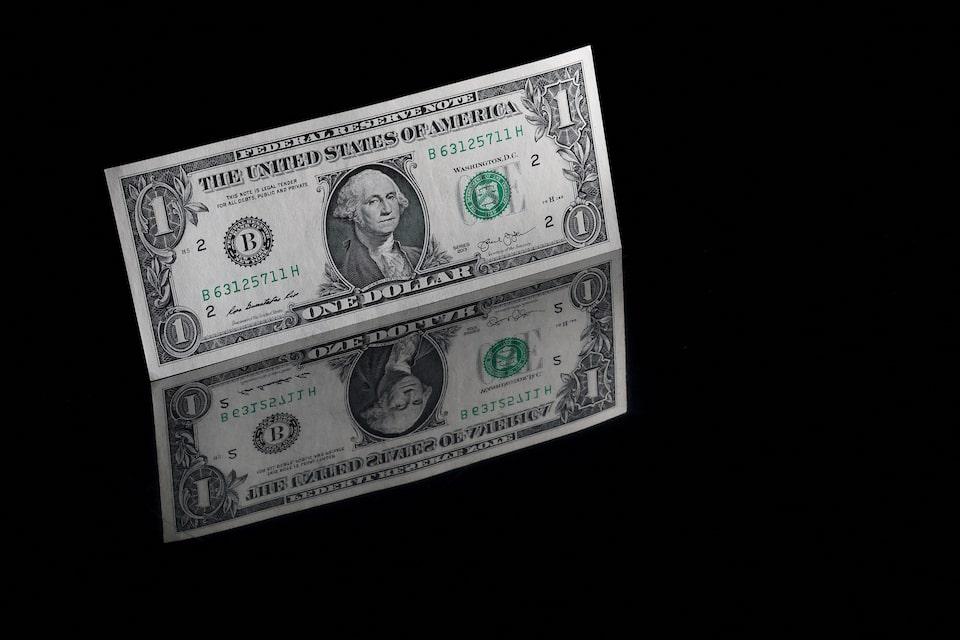
Wall Street stocks end close to flat, Europe ends down Oil prices settle higher, Dollar rises against yen, falls against the Euro NEW YORK/LONDON Dec 13 (Reuters) - MSCI's global equity gauge fell on Friday while bond yields climbed as investors waited for clues about the future path for interest rates from next week's U.S. Federal Reserve meeting. In U.S. Treasuries, benchmark 10-year yields rose to a three-week high and were on track for their fifth-straight daily gain as investors bet that Fed Chair Jerome Powell will signal a pause in policy easing after a widely expected 25-basis-point rate cut next Wednesday. The U.S. central bank is grappling with inflation staying stubbornly above its 2% annual target. Data released on Thursday showed higher-than-expected U.S. producer prices in November. Friday's data showed U.S. import prices barely rose in November as increases in food and fuel costs were partially offset by decreases elsewhere, thanks to a strong dollar. "The market is assuming that Powell cuts next week and then pauses. I think that's the right assumption because we're seeing a tension between the inflationary data and the labor-market data," said Matt Rowe, head of portfolio management and cross-asset strategies at Nomura Capital Management. While bets on a December rate cut are almost unanimous, CME Group's Fedwatch tool , opens new tab implies just two cuts in 2025. “They have to take into account that in an economy where inflation is showing itself at this point to be sticky, and you're very highly likely going to get further fiscal stimulus, deregulation, and some aspect of tariffs coming through, there's just no way you can validate why you keep cutting in that instance,” said Tom Fitzpatrick, head of global market insights at R.J. O'Brien in New York. While a rally in chipmaker Broadcom (AVGO.O) , opens new tab provided a big boost for Wall Street, only the Nasdaq managed a small gain. The Dow Jones Industrial Average (.DJI) , opens new tab fell 86.06 points, or 0.20%, to 43,828.06, the S&P 500 (.SPX) , opens new tab fell 0.16 point, or 0.00%, to 6,051.09 and the Nasdaq Composite (.IXIC) , opens new tab rose 23.88 points, or 0.12%, to 19,926.72. Weekly results were also a mixed bag with the S&P 500 falling 0.64% and the Nasdaq rising 0.34% while the Dow fell 1.82%. MSCI's gauge of stocks across the globe (.MIWD00000PUS) , opens new tab fell 2.27 points, or 0.26%, to 866.14. Europe's STOXX 600 (.STOXX) , opens new tab index closed down 0.53% earlier, breaking a three-week winning streak, as investors sought clarity on Europe's rate policy amid concerns about economic growth and a potential trade war. The yield on benchmark U.S. 10-year notes rose 7.5 basis points to 4.399%, from 4.324% late on Thursday. The 30-year bond yield rose 5.7 basis points to 4.6052%. The 2-year note yield, which typically moves in step with interest rate expectations for the Federal Reserve, rose 5.9 basis points to 4.245%, from 4.186% late on Thursday. In currencies, the dollar index eyed its biggest weekly gain in a month on the prospect of slower U.S. rate cuts. On the day, the index, which measures the greenback against a basket of currencies, fell 0.02% to 106.94. The euro rose 0.32% to $1.0501, clawing back some recent losses in the wake of the European Central Bank's rate cut on Thursday. Against the Japanese yen , the dollar strengthened 0.66% to 153.62, having risen all week as traders scaled back bets on a Bank of Japan rate hike next week. Sterling weakened 0.4% to $1.2619 after a surprise contraction in UK economic activity. In energy markets, oil prices settled at a three-week high on expectations more sanctions on Russia and Iran could tighten supplies and that lower U.S. and European interest rates could boost fuel demand. U.S. crude settled up 1.8%, or $1.27 at $71.29 a barrel and Brent settled at $74.49 per barrel, up 1.5% or $1.08 on the day. In precious metals, spot gold fell 1.2% to $2,649.04 an ounce. Sign up here. https://www.reuters.com/markets/global-markets-wrapup-1-2024-12-13/
2024-12-13 06:02
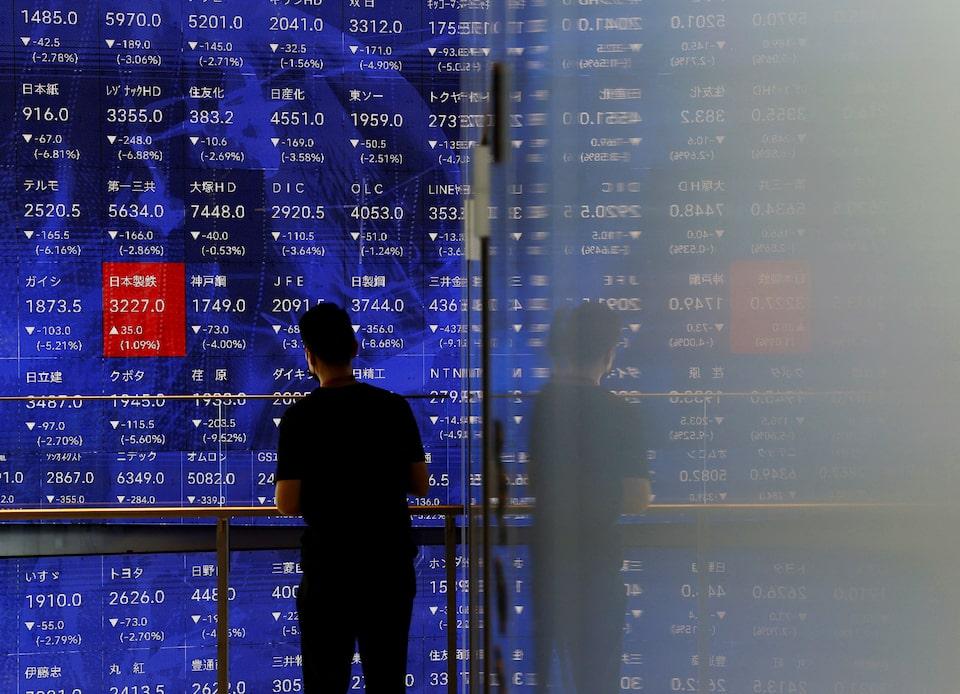
TOKYO, Dec 13 (Reuters) - Japan's core consumer price inflation probably accelerated in November, driven by persistently high rice prices and the phasing out of utility subsidies, a Reuters poll showed on Friday. The core consumer price index (CPI), which includes oil products but excludes fresh food prices, was expected to have risen 2.6% in November from a year earlier, compared with 2.3% in October, a poll of 18 economists showed. "On top of higher prices in rice, food and industrial product prices, energy prices were also pushed up as the government trimmed subsidies for electricity and city gas bills," Mizuho Research & Technologies said in a report. The internal affairs ministry will release November CPI data on Dec. 20 at 8:30 a.m. (Dec. 19 at 2330 GMT). The poll also showed exports are expected to have risen 2.8% in November from a year earlier, slowing from a 3.1% increase in October. Imports were estimated to have expanded 1% from a year earlier, resulting in a deficit of 688.9 billion yen ($4.50 billion). Imports rose 0.4% in October. "Global trade remained sluggish but the yen's weakness since mid-September likely boosted the value of exports," said Takeshi Minami, chief economist at Norinchukin Research Institute. Machinery orders, a highly volatile but leading indicator of capital spending for the coming six to nine months, probably rose 1.2% in October from the previous month, following a 0.7% drop in September, according to the poll. The finance ministry will publish the trade data at 8:50 a.m. on Dec. 18 (2350 GMT on Dec. 17), while the Cabinet Office will announce the machinery orders data at 8:50 a.m. on Dec. 16 (2350 GMT on Dec. 15). ($1 = 152.9800 yen) Sign up here. https://www.reuters.com/world/japan/japan-nov-inflation-likely-accelerated-exports-up-weak-yen-2024-12-13/

2024-12-13 05:40
A look at the day ahead in European and global markets from Stella Qiu The rash of rate cuts over the past few days, with outsized 50 bp moves in Switzerland and Canada and a 25 bp easing by the European Central Bank, has helped to turbocharge the U.S. dollar, which jumped 1% on the euro, 1.6% on the Swiss franc and 1.8% on the Japanese yen. The dollar also drew energy from higher Treasury yields as investors scaled back expectations for aggressive U.S. policy easing next year. Markets are still confident of a cut by the Federal Reserve next week but they have all but given up on a move in January, which is priced at just a 20% chance. A big wild card for the market outlook - U.S. President-elect Donald Trump - will have returned to the Oval Office by the time of the next Fed meeting and may well have pushed out dozens of executive orders with wide-ranging trade and policy implications. The dollar's relentless strength is pressuring currencies in emerging markets, limiting their scope for policy easing. The Indonesian rupiah hit a four-month low on Friday and its central bank had to intervene repeatedly to shore up the currency. India's central bank is seen likely to have been selling dollars via state banks to support the rupee, which is near record lows. The yen has also been major loser, undermined by expectations that the Bank of Japan is unlikely to hike interest rates next week. Small firms' wage woes are one more reason that the BOJ might proceed carefully with any tightening. An additional factor worth noting for U.S. yields and the dollar is that U.S. PPI data released on Thursday was biased upward by egg prices and the core rate was much better behaved, such that analysts have revised down expectations for the crucial core PCE index to around 0.13% from 0.2%-plus. Long-term Treasuries this week have suffered heavy losses, with the 10-year benchmark bond yield up 17 bps while 30-year yields surged 22 bps, the biggest weekly rise in more than a year. Disappointing results from a 30-year bond auction on Thursday were also partly to blame but the climb in yields largely reflects an upward repricing of terminal rates. U.S. rates are seen falling only slowly to 3.8% by the end of 2025, compared with 1.75% for Europe and 2.7% for Canada. In Asia, most stocks are down, with China leading the losses. Hopes had been high for China's Central Economic Work Conference in Beijing after a Politburo meeting changed the stance of monetary policy to "moderately loose", the first such change in 14 years, but nothing specific emerged. Europe is set for a lower open ahead of some secondary economic data, including UK monthly GDP and euro zone industrial production. EUROSTOXX 50 futures were 0.3% lower, while Nasdaq futures rose 0.3%, near a record high. Several ECB officials will be speaking later in the day. The central bank, which disappointed doves that had been hoping for a 50 bp move on Thursday, is expected to cut by a quarter-point at each of its policy meetings until the middle of next year. Key developments that could influence markets on Friday: -- UK monthly GDP data -- Euro zone industrial output -- U.S. import prices data -- Portugal central bank governor Mario Centeno speaks Sign up here. https://www.reuters.com/markets/europe/global-markets-view-europe-2024-12-13/
2024-12-13 05:24
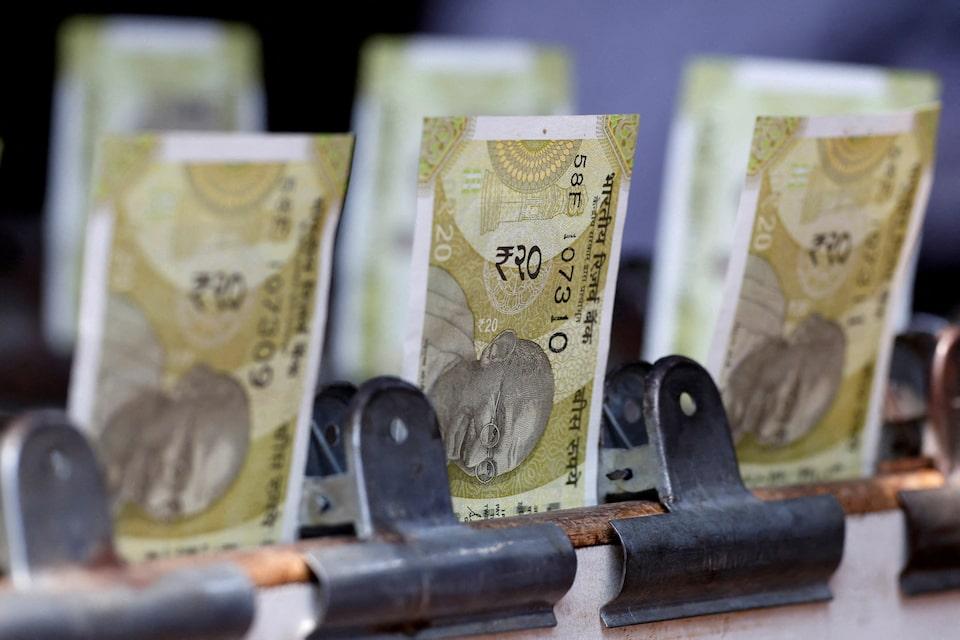
MUMBAI, Dec 13 (Reuters) - The Reserve Bank of India's intervention on Friday helped the rupee avoid the losses that other Asian currencies had to endure in the wake of higher U.S. yields. The rupee was at 84.8300 to the U.S. dollar at 10:42 a.m. IST, marginally up from 84.8575 in the previous session. Other Asian currencies were down 0.2% to 0.4%, and the dollar index inched up to add to Thursday's advance. The RBI likely sold dollars on Friday to support the rupee, as it tends to do often to maintain orderly moves in the currency. The RBI is protecting the rupee "as usual", Anil Bhansali, head of treasury at Finrex Treasury Advisors, said. "The RBI is protecting levels of 84.87/88 for now, however, that will not change the direction of the (dollar/rupee) pair," he said. India's central bank has needed to intervene almost on a daily basis to hold up a currency that is struggling amid weak Indian economic growth, a dollar that has been buoyed by the U.S. election and speculative bets. The abatement in portfolio outflows has done little to boost the rupee. Foreign investors are net buyers of Indian equities and debt this month, per data from NSDL. US YIELDS PUSH HIGHER The 10-year U.S. yield rose on Thursday, and is now up about 16 basis points for the week. This is despite U.S. inflation data that is mostly quite benign and data that indicated a slight softness in the U.S. labour market. Sign up here. https://www.reuters.com/markets/currencies/rupee-holds-up-face-broad-dollar-rally-thanks-central-bank-2024-12-13/
2024-12-13 05:02
EU imposes new sanctions on Russia, US weighs more China stimulus expected to support demand U.S. Federal Reserve expected to cut interest rates NEW YORK, Dec 13 (Reuters) - Oil prices climbed about 2% on Friday to settle at a three-week high, on expectations that additional sanctions on Russia and Iran could tighten supplies and that lower interest rates in Europe and the U.S. could boost fuel demand. Brent futures rose $1.08, or 1.5%, to settle at $74.49 a barrel. U.S. West Texas Intermediate crude rose $1.27, or 1.8%, to settle at $71.29. That was Brent's highest close since Nov. 22 and put the contract up 5% for the week. WTI posted a 6% gain for the week and closed at its highest since Nov. 7. "This strength is being driven by ... expectations of tighter sanctions against Russia and Iran, more supportive Chinese economic guidance, Mideast political havoc and prospects for a Fed (U.S. Federal Reserve) rate cut next week," analysts at energy advisory firm Ritterbusch and Associates said in a note. European Union ambassadors agreed to impose a 15th package of sanctions on Russia this week over its war against Ukraine, targeting its shadow tanker fleet. The U.S. is considering similar moves. Britain, France and Germany told the United Nations Security Council they were ready if necessary to trigger a so-called "snap back" of all international sanctions on Iran to prevent the country from acquiring nuclear weapons. Chinese data this week showed crude imports in the world's top importer grew annually in November for the first time in seven months. They are set to stay elevated into early 2025 as refiners opt to lift more supply from top exporter Saudi Arabia, drawn by lower prices, while independent refiners rush to use their quota. The International Energy Agency (IEA) increased its forecast for 2025 global oil demand growth to 1.1 million barrels per day (bpd) from 990,000 bpd last month, citing China's stimulus measures. New bank lending in China rose by far less than expected in November, highlighting weak credit demand in the world's second-largest economy as policymakers pledge to roll out more stimulus measures. OIL SUPPLY AND DEMAND The IEA forecast an oil surplus for next year, when non-OPEC+ nations are set to boost supply by about 1.5 million bpd, driven by Argentina, Brazil, Canada, Guyana and the U.S. OPEC+ includes the Organization of the Petroleum Exporting Countries (OPEC) and allies like Russia. The United Arab Emirates, an OPEC member, plans to reduce oil shipments early next year as OPEC+ seeks tighter discipline, according to Bloomberg. The price of crude sold to China from Iran, another OPEC member, rose to the highest in years as U.S. sanctions have tightened shipping capacity and boosted logistics costs. U.S. President-elect Donald Trump's incoming administration is expected to ramp up pressure on Iran. Investors are also betting the Fed will cut U.S. rates next week, with further reductions next year, after data showed weekly claims for unemployment insurance unexpectedly rose. U.S. import prices barely rose in November as rising food and fuel costs were largely offset by decreases elsewhere, thanks to a strong dollar (.DXY) , opens new tab. Four European Central Bank policymakers backed further interest rate cuts provided inflation settles at the bank's 2%-goal as expected. Lower interest rates can boost economic growth and demand for oil. Sign up here. https://www.reuters.com/markets/commodities/oil-edges-lower-2025-supply-surplus-forecast-set-notch-weekly-gain-2024-12-13/

2024-12-13 04:51
Dollar heads for strongest week in a month Yen weakens as BOJ seen likely to skip hike next week Euro, Swiss franc slightly higher after rate cuts NEW YORK, Dec 13 (Reuters) - The dollar headed for its best weekly performance in a month on Friday, as investors priced in the possibility of the Federal Reserve cutting rates more slowly next year, while sterling fell after a surprise contraction in UK economic activity. The U.S. currency also rose against the yen after reports that the Bank of Japan could forgo a rate hike at its meeting next week. The dollar index , which measures the currency against six others, was up 0.037% at 107, set for a weekly gain of nearly 1%, its biggest in a month. U.S. data on Thursday showed the job market is gradually cooling in line with expectations, while producer price inflation helped reinforce the market's current scenario of a Fed cut on Dec. 18, but a slower pace of reductions in 2025. Markets fully expect a cut at the upcoming meeting, but only price a roughly 24% chance of another one in January, with March the most likely point for another move, according to CME's FedWatch tool. "I think there will likely be a long pause, perhaps for all of the first quarter of the year from the Fed and then maybe just an incremental interest rate cut here and there as the central bank tries to refine its policy," said Matt Weller, head of market research at StoneX. San Francisco Fed President Mary Daly, for example, said this month that she was comfortable cutting rates in December, but advocated "a more thoughtful and cautious approach" on further reductions. The dollar rose 0.69% to 153.695 yen , its highest since late November. The yen has been the worst performer this week against the dollar, which has gained 2% on the Japanese currency. Traders see just a 23% chance of a quarter-point hike by the BOJ on Dec. 19, following reports by Reuters and Bloomberg that pointed to officials forgoing tightening this time in order to wait for more evidence of wage growth and see how U.S. policy takes shape under incoming president Donald Trump. "While the outcome is uncertain, one thing is clear: a hike exceeding 15 bps would likely trigger a downside move in dollar/yen as the yen strengthens," City Index market analyst David Scutt said. "On the other hand, if the BoJ keeps rates unchanged, there’s a solid chance of a knee-jerk upside reaction." EUROPE UNDER PRESSURE In Europe, the pound fell after data showed the UK economy shrank unexpectedly in October, adding to signs of a bigger-than-expected slowdown. The Office for National Statistics said the economy contracted 0.1% in October, compared with forecasts in a Reuters poll for growth of 0.1%. Sterling was last down 0.45% at $1.2616, around its weakest since the start of the month. The euro pared earlier losses against the dollar and rose 0.26% to $1.04945. The European Central Bank on Thursday cut rates by 25 basis points and kept the door open to further easing. The Swiss franc remained under pressure after the central bank's shock half-point rate reduction the day before. The Swiss franc was last nearly flat at 0.89265 francs. Rate cuts and the threat of the U.S. imposing tariffs have Canada's dollar pinned to a 4-1/2 year low. The Chinese yuan held at 7.281 per dollar in the offshore market. Reuters reported this week China is considering allowing its currency to fall further to counter the impact from any U.S. trade war. Sign up here. https://www.reuters.com/markets/currencies/dollar-set-best-week-month-cut-then-wait-fed-outlook-2024-12-13/