2024-12-11 12:25
Exxon project spending to hit $28 billion-$33 billion a year by 2030 Permian shale output to triple, two new Guyana projects by 2030 Big investment in low carbon business awaits revisions to US hydrogen incentives Company's cost-reduction target increased to $18 billion by 2030 HOUSTON, Dec 11 (Reuters) - (This Dec. 11 story has been corrected to say sequestration could produce solid returns, but are not currently, in paragraph 17) Exxon Mobil (XOM.N) , opens new tab said on Wednesday its annual project spending will rise to between $28 billion and $33 billion between 2026 and 2030, with a goal of lifting oil and gas output by 18%. The top U.S. oil producer laid out a five-year plan to expand output and increase earnings by 2030 by $20 billion over this year's projected $34.2 billion. The new targets come as Exxon is riding high. Its Guyana operations are generating huge profits and its U.S. shale business is on track to double oil production this year through its acquisition of Pioneer Natural Resources. CEO Darren Woods said the increased project spending is expected "to generate returns of more than 30% over the life of the investments." Exxon's focus on producing oil and gas from low-cost fields offers it a unique competitive advantage, he said in a media briefing. Mergers remain a means to accelerate its businesses, Woods, said, adding: "the advantages we're growing in my mind opens the door for M&A (mergers and acquisitions)." Exxon shares dipped 0.7% to $111.92 with many of the projects and targets already known. The higher spending took analysts by surprise. Its prior capital spending excluding Pioneer-related outlays called for $22 billion to $27 billion a year through 2027. WAIT AND SEE "Production plans and the outlook for earnings look broadly in line" with expectations, wrote RBC Capital Markets analyst Biraj Borkhataria. "The market may remain skeptical around the earnings potential until we see further evidence of delivery." The company's cost-reduction target was increased to $18 billion by 2030, said CFO Kathryn Mikells, up from the earlier $15-billion target by 2027. Exxon's strong balance sheet, with $27 billion in cash and equivalents, "provides a buffer against price volatility," said Mikells. Exxon aims to more than triple its production in the Permian, the top U.S. shale field, to 2.3 million barrels per day by 2030 and pump 1.3 million bpd from its lucrative Guyana operations. Overall oil and gas output should hit 5.4 million bpd, up about 18% from 4.58 million bpd currently. Its long-range target is more aggressive than shown by U.S. rival Chevron (CVX.N) , opens new tab, which plans to reduce next year's project spending and slow shale production growth. President-elect Donald Trump's pledge to encourage U.S. oil production and "get out of the way of the industry" bodes well for Exxon and energy producers, Woods said. However, its plans can be revised based on market conditions, he said. Exxon announced two new projects for Guyana by 2030, in line with a previous statement of seven to 10 in total. Its liquefied natural gas production target remains unchanged at 40 million metric tons per annum. SHALE TARGETS In its U.S. shale operations, Exxon expects to achieve $3 billion in cost savings from combining with Pioneer's shale operations. Drilling engineers at Exxon headquarters remotely control the combined 35 drilling rigs operating in the Permian basin, said Vice Chairman Neil Chapman. Improved economies of scale in drilling, water disposal and longer wells also have reduced the number of wells drilled while increasing the amount of oil recovered from each by 20%. Exxon also is using a new fracking material supplied by its refineries to drain oil and gas from shale wells, said Chapman. The new targets aim to assure shareholders that returns can be sustained through oil market price swings. But Exxon’s 12.7% year-to-date share gain is well above the sector’s about 8.4% appreciation as measured by energy mutual fund XLE. Its share-price increase contrasts with double-digit percentage declines in shares in ConocoPhillips (COP.N) , opens new tab and Occidental Petroleum (OXY.N) , opens new tab this year. LOWER CARBON FUELS The company is investing in carbon capture and sequestration operations around the world. It has contracts for collecting 7 million tons of carbon annually, that could earn "very solid returns" from the business, said Woods. Earnings from its low carbon solutions business can increase by $2 billion by 2030 compared to this year. Exxon has not broken out the unit's 2024 profit. The acquisition of Denbury provided a carbon pipeline network that Exxon is using to develop its business helping industry reduce atmospheric emissions of climate-warming carbon dioxide. Exxon will hold off on approving a massive hydrogen project in Texas pending revisions to U.S. incentives for such projects, Woods reiterated. The administration of President Joe Biden set regulations to restrict incentives for hydrogen made from natural gas, a position Exxon opposes. "How far we choose to go to invest will depend on the policies put in place," he said. Cash not invested in the lower carbon businesses can be invested elsewhere, he said. Exxon is considering providing lower carbon energy for data center operators seeking to boost access to electric power. Sign up here. https://www.reuters.com/business/energy/exxon-mobil-forecasts-higher-capital-spending-2024-12-11/

2024-12-11 11:51
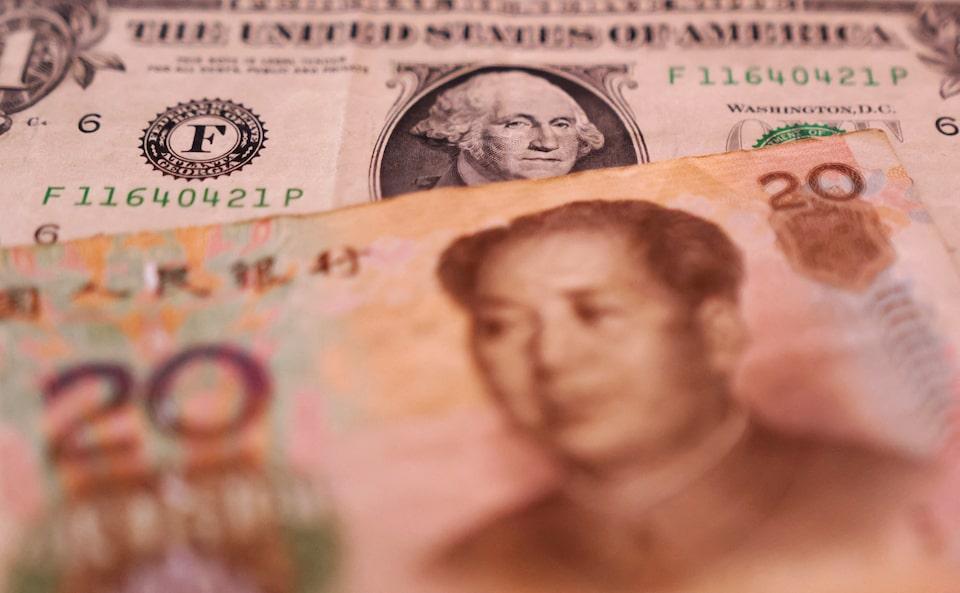
Reuters reports China considering a weaker yuan on trade threats Depreciation highlights broader FX implications of tariffs, economist says Yuan slips, Aussie dollar hits 1-yr low SINGAPORE/LONDON, Dec 11 (Reuters) - High-level discussions in China about allowing its currency to weaken next year underscore the risk for investors and companies that big foreign exchange moves are coming as U.S. tariffs shift global trade and money flows, analysts said. Reuters reported on Wednesday that China was considering letting the yuan fall to weather what is likely to be a sharp hike in tariffs, citing people familiar with the matter. The yuan immediately dipped against the dollar, along with currencies across Asia which are highly sensitive to Chinese demand. While a weaker yuan had been widely expected, with pressure on the exchange rate since the election of Donald Trump as U.S. president, framing it as a policy shift may herald the start of a new round of global tariffs, trade tensions and currency intervention. "Currency adjustments are on the table as a tool to be used to mitigate the effects of tariffs. I think that is clear," said Fred Neumann, chief Asia economist at HSBC in Hong Kong. "Taking the currency weaker might be a signal by China to the rest of the world that there are exchange rate implications of imposing tariffs." A cheaper exchange rate helps exporters by making their prices more competitive internationally. The yuan dipped about 0.3% and as far as 7.2803 to the dollar after the Reuters report. The Australian dollar , which is sensitive to moves in the yuan given its hefty commodity exports, touched a one-year low. Trump has said he plans to impose a 10% universal tariff on imports to the U.S. and a 60% tariff on Chinese goods. Financial markets have been bracing for more volatility from his inauguration on Jan. 20, but have been unsure how seriously to take his threats. Reuters spoke to three people who have knowledge of the discussions about letting the yuan weaken, one of whom said the central bank had considered a fall to about 7.5 to the dollar - roughly a 3.5% depreciation from current levels around 7.25. Still, that is at the weaker end of investment bank expectations, adding to a sense among investors that China is determined to be better prepared for trade shocks this time around. "If they need to revitalise the economy, and they tend to be more interested on focusing on exports, there is quite a compelling logic that they may allow the renminbi to soften," said Jane Foley, head of currency strategy at Rabobank. INTENSE, FAST A complicating factor for China is where any slide would leave the yuan relative to non-dollar currencies, especially in Asia where many neighbours such as Vietnam have grown as hubs for finishing Chinese manufactured goods and avoiding U.S. sanctions. Rong Ren Goh, a portfolio manager in the fixed income team at Eastspring Investments, said he expects China will orchestrate a controlled and gradual depreciation but "Asian currencies, particularly those of export-driven economies, are likely to adjust in tandem with the yuan on a trade-weighted basis." China's exporters have been hoarding dollars with an eye on a rate of 7.5 as a point to start selling, but they have also been seeking ways to avoid taking currency risks altogether by invoicing in yuan and other such workarounds - especially as the yuan has gained this year on peers (.CFSCNYI) , opens new tab. "If China takes the currency aggressively lower, it raises the risk of a tariff cascade," said HSBC's Neumann, if it prompts other economies to put up their own levies to protect their industrial base from extremely cheap Chinese imports. "It could lead to a backlash among other trading partners, and that's not in the interest of China." To be sure, much of the risk lies in the speed or shock value of any U.S. move, and some market participants don't expect Trump will be in a rush to take direct action. "There’s some voices in markets calling for a quick 10-20% depreciation (in the yuan) to help offset tariffs," said ING's Greater China economist Lynn Song. "We don’t expect an intentional and sharp depreciation like this as it will be ineffective to counteract tariffs, given this could easily be categorized by the U.S. as currency manipulation and result in further tariff hikes." Still, at recent analysts' briefings in Singapore, Trump's trade policy was seen as a true wildcard and a weaker Chinese currency was the consensus for analysts at Nomura and MUFG. "My view is that there will be FX flexibility that comes through," said Craig Chan, head of global currency strategy at Nomura, before Reuters' report on China's forex discussions. He recommended a few long dollar positions in Asia. "Long dollar/CNH is one. We have a target of 7.60 by the end of May. It could be intense, could be fast," he said. "That would clearly be the risk to dollar/China - moving higher, faster." And at MUFG, a forecast for a drop to 7.5 per dollar was predicated on the assumption of an average 40% tariff on Chinese goods. "A 60% tariff on China products would require a 10%-12% yuan depreciation against the dollar (since September) to 7.8 or beyond ... everything else being equal," MUFG analysts said. During Trump's first term as president, the yuan weakened more than 12% against the dollar during a series of tit-for-tat tariff announcements between March 2018 and May 2020. Sign up here. https://www.reuters.com/markets/asia/weaker-chinese-yuan-talk-raises-spectre-fx-race-bottom-2024-12-11/
2024-12-11 11:41
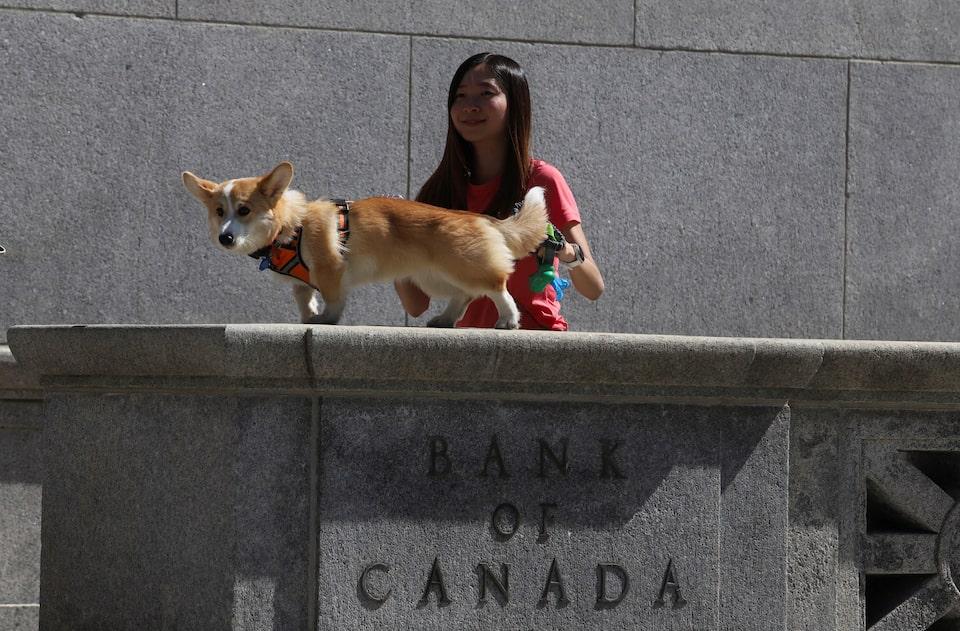
Dec 11 (Reuters) - Futures for Canada's main stock index were flat on Wednesday, as cautious investors awaited the Bank of Canada's highly anticipated policy decision due later in the day. December futures on the S&P/TSX index were up 0.01% at 6:00 a.m. ET (10:00 GMT). The central bank is expected to slash interest rates by a half percentage point, according to a majority of economists polled by Reuters, many of whom increased their bets on a larger cut on news of a sharp rise in unemployment rate. Lower credit conditions make borrowing cheaper, potentially boosting consumer spending and business investments, and enhancing the appeal of equities. The top bank has reduced its key policy rate by 125 basis points since June amid worries about the country's lukewarm economic growth, even as annual inflation came within its target range of 2%. In commodities, oil prices rose with expectations of higher demand in China after the world's largest crude importer announced it would relax monetary policy in an attempt to stimulate economic growth. Meanwhile, gold prices traded mostly flat ahead of U.S. inflation data and copper prices fell tracking a strong U.S. dollar. GOL/MET/L The composite index (.GSPTSE) , opens new tab ended lower on Tuesday, as technology and real estate shares lost ground. Across the border, traders closely watched the U.S. November inflation data, set to be released before the bell, which could influence the Federal Reserve's rate decision this month, with bets for a quarter-point cut standing at 84.7%. In corporate news, forest and wood products firm Canfor Corporation (CFP.TO) , opens new tab announced it has acquired 7% of outstanding shares of its Swedish peer VIDA AB effective today. COMMODITIES Gold : $2694.31; +0.02% US crude : $69.25; +0.96% Brent crude : $72.86; +0.93% FOR CANADIAN MARKETS NEWS, CLICK ON CODES: TSX market report Canadian dollar and bonds report CA/ Reuters global stocks poll for Canada , Canadian markets directory ($1 = 1.4188 Canadian dollars) Sign up here. https://www.reuters.com/markets/tsx-futures-muted-ahead-bocs-rate-decision-2024-12-11/

2024-12-11 11:07
OTTAWA, Dec 11 (Reuters) - The Bank of Canada is poised to cut its key policy rate by another 50 basis points on Wednesday as weak unemployment numbers and poor growth underscore an economy that needs support, economists and analysts said. A minority argued that reducing borrowing costs by 50 basis points two times in a row could create a sense of panic, suggesting that the economy is teetering. Canada's economic growth came in lower than BoC's third-quarter prediction and early indicators show that the GDP might also miss its fourth-quarter target. Four rounds of rate cuts from 5% to 3.75% have not managed to stoke demand. This comes at a time when inflation has continued to stay within the BoC's 1% to 3% target range and unemployment has matched a level not seen since eight years ago outside of the pandemic. "At the end of the day, the bank believes that the economy is operating in excess supply, and that it will operate in excess supply until 2026," said Dustin Reid, vice president and chief strategist, Fixed Income from Mackenzie Investments. "Why wait and not get to your neutral range?" he said, adding that he expects the bank to cut by 50 basis points. The neutral range is considered to be the band within which rates are just enough to not restrictive economic growth but not stimulate it either. The BoC, which considers the neutral range between 2.25% and 3.25%, slashed rates by a super-sized half a percentage point in October, saying it needs demand to pick up so the economy can avoid recession. Another jumbo reduction of 50 basis points would bring rates down to 3.25%, the top end of the neutral rate. The central bank will announce its target for the overnight rate at 945 am ET on Wednesday. In a Reuters poll of economists, 80%, or 21 out of 27 respondents, predicted that the bank will cut the overnight rate by 50 basis points. The rest forecast a quarter-point reduction. Currency markets are betting on the chance of a half a percentage point cut at 88%. But Royce Mendes, head of macro strategy for Desjardins Group, said that a cut of 50 basis points could turn out to be a policy error at a time when there are several unknowns regarding how the economy will evolve. "The story of the Canadian economy and inflation is far more nuanced than the headline GDP, unemployment rate or inflation rate suggest," Mendes wrote in a report. Sign up here. https://www.reuters.com/markets/rates-bonds/bank-canada-likely-reduce-interest-rate-by-50bps-2024-12-11/
2024-12-11 11:03
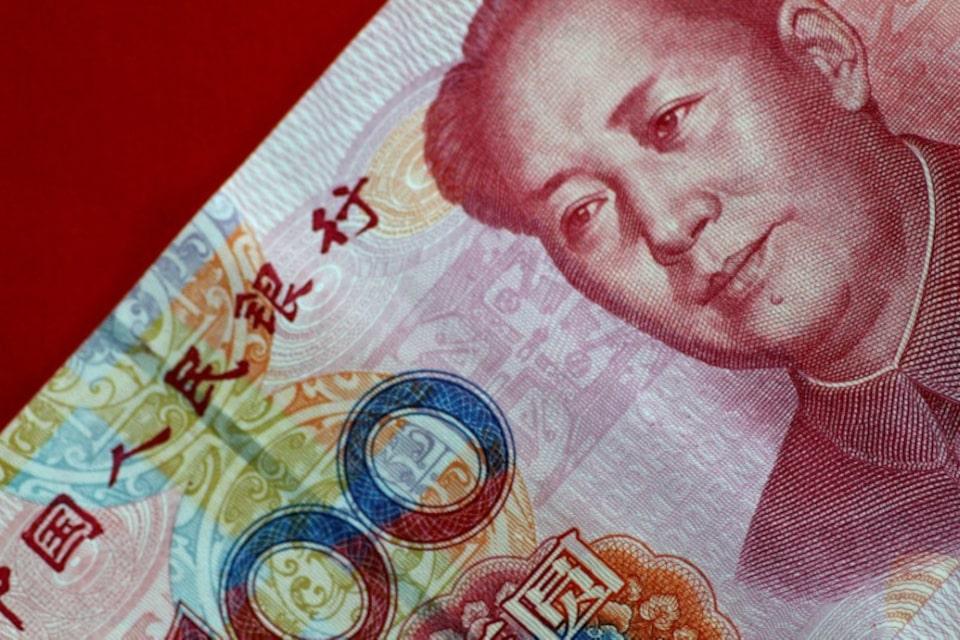
A look at the day ahead in U.S. and global markets by Amanda Cooper. The dollar's supremacy has been one of the big stories of 2024 and, based on U.S. President-elect Donald Trump's proposed "America first" agenda that includes trade tariffs, this story is likely to continue next year. China's top brass are considering letting the yuan currency weaken in 2025 to act as a shock absorber to the higher tariffs that a second Trump presidency could bring. People with knowledge of the matter have told Reuters the idea reflects Beijing's recognition that it needs bigger stimulus to protect against the possible impact of hefty duties on its exports. Trump has said he's planning a 10% universal import tariff and a 60% duty on Chinese imports into the United States. A weaker yuan appeared almost inevitable anyway, but Trump has been vocal in the past about the unfair advantage some countries have in being able to depress the value of their currencies. In theory, Beijing would have to strike a delicate balance between letting the yuan depreciate enough to neutralise some of the impact of tariffs, but not so much that it triggers a full-on currency war. More immediately, however, markets are almost certain the Federal Reserve will cut rates by a quarter point next week. There's just one piece missing from the puzzle to seal the deal - consumer inflation. The November consumer price index (CPI) is due out later today and is expected to show a monthly 0.3% increase for both the headline and core figures, according to a Reuters poll of analysts. The highest forecast in the poll was 0.3%, so no one is expecting a bombshell, but there is also plenty of room for surprise. A number of things beyond the energy sector - where natural gas prices soared 25% last month - picked up in price. Used cars, as tracked by Manheim, staged their biggest monthly rise since July in November, up 1.3%. The Federal Reserve Bank of Cleveland flagged a few weeks ago that rent inflation was unlikely to fall back towards pre-pandemic levels until 2026. Service-sector inflation, as measured by the Institute for Supply Management's (ISM) non-manufacturing survey, barely budged in November, while wage inflation is running at 4%. Fed policymakers are confident inflation, which is running at 2.6% on a headline basis and 3.3% on a core basis, will return to their 2% target reasonably soon. But consumers, who are paying more for their rent, their used cars and their groceries, are not so sure. Unsurprisingly, inflation proved to be a major issue for voters in the November election. The University of Michigan's survey of consumer expectations for inflation in the next year gives a forecast of 2.6% - right where it is now and a forecast of 3.2% in five years. In real terms, wages are rising at a rate of just 1.4%, well below the rate of essentials like food and drink, which are up 2.1%. North of the border, the Bank of Canada is widely expected to cut rates by half a point at its meeting later in the day. A shock rise in the unemployment rate in November prompted traders to up their bets on an outsized drop in rates. Some economists have expressed concern that the BoC risks being overly aggressive with a 50-basis point cut, especially as many other data points paint a picture of a fairly resilient economy. The big question mark, inevitably, is the extent to which the Canadian economy will suffer if Trump delivers on his threat to slap a 25% tariff on imports from its neighbour. Key developments that should provide more direction to U.S. markets later on Wednesday: * U.S. November consumer price index * Bank of Canada rate decision * U.S. 10-year Treasury note auction Sign up here. https://www.reuters.com/markets/us/global-markets-view-usa-2024-12-11/
2024-12-11 11:02
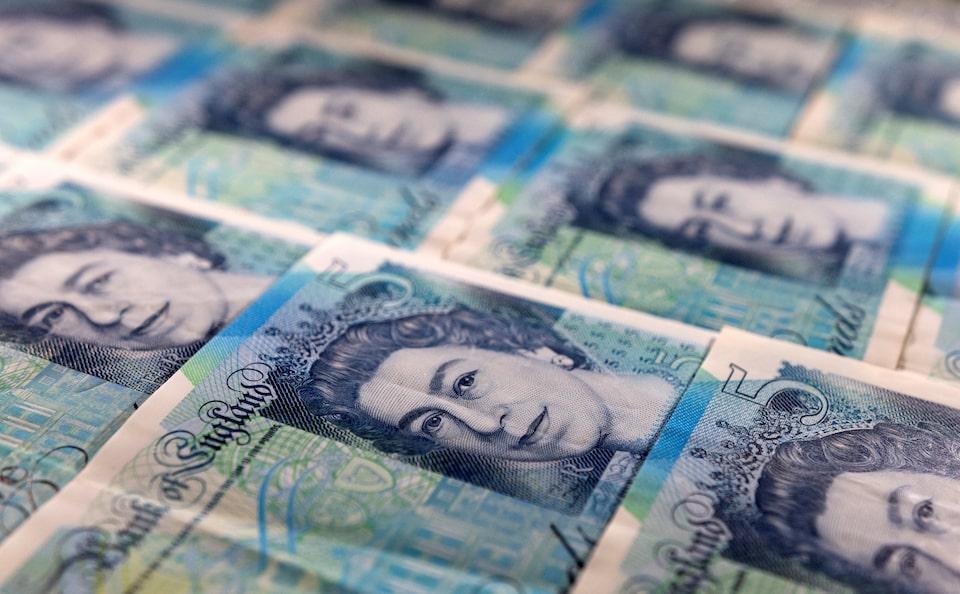
LONDON, Dec 11 (Reuters) - Sterling was at its strongest against the euro in two-and-a-half years on Wednesday, supported by a relatively hawkish Bank of England and political uncertainty in France and Germany, though it dipped against a strengthening dollar. The euro dropped as low as 82.35 pence, its lowest since March 2022, though was last a fraction stronger on the day at 82.50 pence. More notably, a break past March 2022's 82.035 pence would take the euro to its lowest on the pound since June 24 2016, the day of the outcome of Britain's vote to leave the European Union. "A little question seems to have popped up over the last few weeks, perhaps amongst the mainstream press, asking whether or not euro sterling could finally go back down to where it was before the referendum in 2016," said Jane Foley, head of FX strategy at Rabobank. "That would be on the back of this perception that the ECB is more growth-oriented - or lack of growth-oriented - and we've got these political issues, clearly in France and in Germany." "We can sit here and quite easily list out what is wrong with the UK economy and what is wrong with the UK budget ... but at least there is a budget. And given the consensus view that the Bank of England will need to be perhaps more cautious than the ECB, sterling is finding a little bit of support," she said. The Bank of England is expected to leave rates steady next week and be cautious next year. Markets are pricing just three 25 bp rate cuts by the end of next year. In contrast, the European Central Bank meets Thursday and is expected to cut rates by 25 basis points, and analysts expect the ECB to cut at every meeting at least for the first half of 2025, and possibly beyond. Weak economic growth at the heart of the euro zone is contributing the ECB's dovishness, and there is also politics in the mix. The collapse of Prime Minister Michel Barnier's government last week left France's 2025 budget in limbo with ministers scrambling to prepare stop gap legislation to roll over 2024 spending limits until a new budget bill can be drafted next year. Germany's governing coalition collapsed last month. It was a different picture for the pound against the dollar, last down 0.34% at $1.2728. The dollar strengthened across the board on Wednesday, as traders feared U.S. inflation data due later in the day could come in hotter than expected and disrupt bets on a Fed rate cut this month. Sign up here. https://www.reuters.com/markets/currencies/sterling-strongest-euro-since-march-2022-eyes-pre-brexit-levels-2024-12-11/