2024-12-10 05:30
SEOUL, Dec 10 (Reuters) - South Korea's central bank governor said it was difficult for the dollar-won exchange rate to return to levels seen in the past, the Yonhap news agency reported on Tuesday. It is difficult to say the dollar-won rate has stabilised and the market is in a wait-and-see mood, the report cited the Bank of Korea Governor Rhee Chang-yong as saying in a meeting with lawmakers. After the report, the Bank of Korea said in a statement that the governor said it was difficult "for the time being" after President Yoon Suk Yeol's martial law attempt on Dec. 3. Yoon lifted the surprise martial law declaration just hours after imposing it after parliament rejected his attempt to ban political activity and censor the media. The won was quoted at 1,427.8 per dollar as of 0520 GMT, compared with its previous close at 1,435.0 and a two-year low of 1,442.0 hit last week amid political turmoil. Sign up here. https://www.reuters.com/markets/currencies/bank-korea-governor-says-won-unlikely-return-past-levels-yonhap-reports-2024-12-10/

2024-12-10 04:44
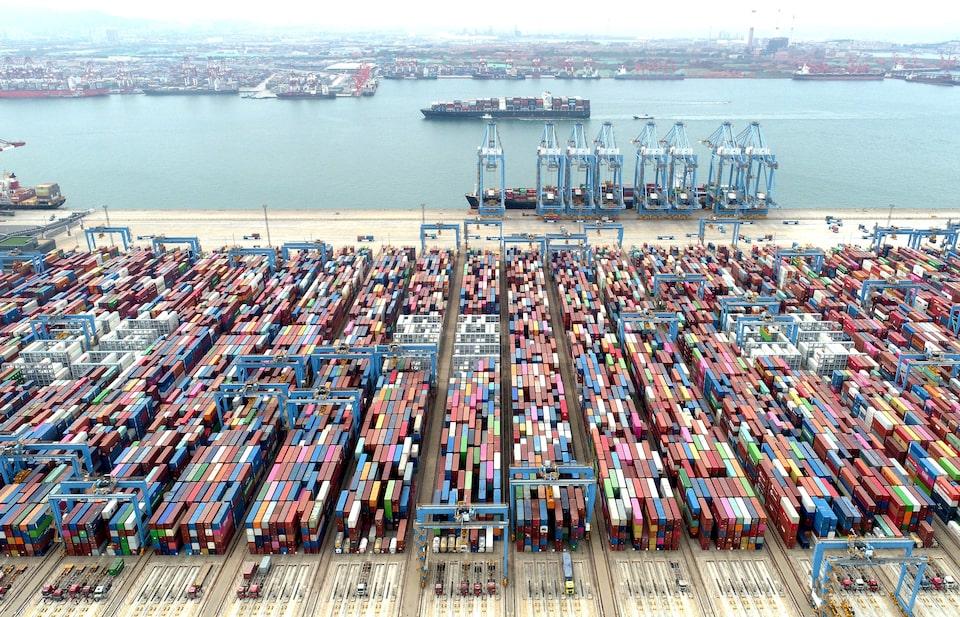
China's exports slowed in November, imports unexpectedly fall Trump's tariffs on Chinese goods pose fresh trade risks China's trade surplus grew to $97.44 billion in November BEIJING, Dec 10 (Reuters) - China's exports slowed sharply and imports unexpectedly shrank in November, in a worrying sign for the world's No. 2 economy as Donald Trump's imminent return to the White House brings fresh trade risks. The disappointing trade figures follow other indicators showing patchy growth in November, suggesting Beijing needs to do more to shore up a faltering economy that is only likely to face further challenges next year. Outbound shipments grew 6.7% last month, customs data showed on Tuesday, missing a forecast 8.5% increase and down from a 12.7% rise in October. Of more concern for authorities, imports shrank 3.9%, their worst performance in nine months and dashing expectations for a 0.3% increase, keeping alive calls for more policy support to prop up domestic demand. Top leaders on Monday vowed to ramp up stimulus in 2025, shifting the language around China's monetary and fiscal settings to more accommodative wording in a bid to rev up demand and entice consumers back into spending. "Global demand is not super strong, data from other major exporters like South Korea and Vietnam point to different levels of slowdown too," said Xu Tianchen, senior economist at the Economist Intelligence Unit. "Early signs of trade frontloading in anticipation of Trump's tariffs next year have started to emerge, but the full impact will not be felt until the coming months, especially December and January," he added. U.S. President-elect Trump has pledged to slap an additional 10% tariff on Chinese goods in a bid to force Beijing to do more to stop the trafficking of chemicals used to make fentanyl. He had previously said he would introduce tariffs in excess of 60%. His threats have rattled China's industrial complex, which sells goods worth more than $400 billion annually to the U.S. Ahead of expected tariff hikes, exporters rushed to shift stock to U.S. warehouses in October, anticipating shipments for fresh orders once global demand recovers. While that trend slowed sharply in November, frontloading ahead of expected tariffs may still support exports. "We expect exports to accelerate again in the coming months, supported by gains in export competitiveness and exporters front-running tariffs," said Zichun Huang, China economist at Capital Economics. However, unresolved tensions with the European Union over tariffs of up to 45.3% on China-made electric vehicles threaten to open a second front in Beijing's trade war with the West. China's trade surplus grew to $97.44 billion last month, up from $95.72 billion in October. CALL TO PIVOT U.S. tariffs pose a bigger threat to China than they did during Trump's first term as the $19 trillion-dollar economy's exports are one of its main growth drivers, with household and business confidence dented by a prolonged property crisis. While manufacturers reported the best business conditions in seven months in a November factory survey, suggesting stimulus is trickling through, they also warned they were receiving fewer export orders. Those trends have prompted calls by analysts and policy experts for a shift away from an economic over-reliance on manufacturing and exports. Government advisors have recommended Beijing keeps its growth target unchanged at around 5% next year and implements more forceful stimulus to mitigate the expected U.S. tariffs by leaning on the country's vast domestic consumer market. China's economic woes prompted policymakers to act in September, with the central bank unveiling its most aggressive monetary easing since the pandemic, cutting interest rates and injecting 1 trillion yuan ($140 billion) into the financial system. China recorded large falls in imports of commodities such as vegetable oils, rare earths and fertilisers. Much of that was due to declines in commodity prices although that also helped volumes, which increased for crude oil, coal and copper. Top policymakers are expected to meet this week to set key targets and policy intentions for next year. Investors will be watching for remarks that suggest Beijing will prioritise the consumer sector in its policies, having focused this year mostly on upgrading its export-reliant manufacturing sector. Economists expect China's imports will recover in the coming months, not least because policymakers are expected to expand the fiscal headroom next year. "Robust fiscal expenditure, much of it likely directed toward investment, should boost demand for industrial commodities in the coming months," Capital Economics' Huang said. Sign up here. https://www.reuters.com/world/china/chinas-export-growth-slows-imports-shrink-ahead-trump-tariffs-2024-12-10/
2024-12-10 00:22
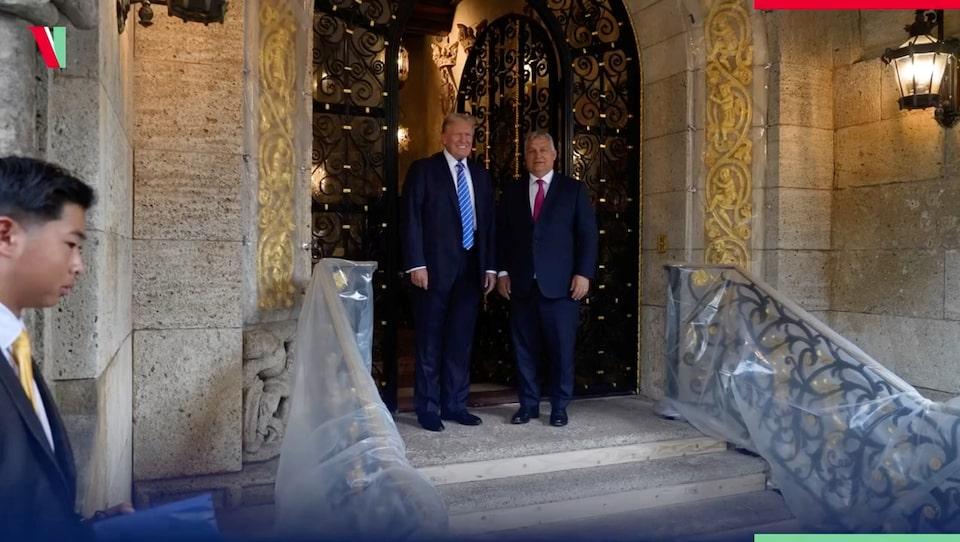
Dec 9 (Reuters) - Hungarian Prime Minister Viktor Orban met with Donald Trump and billionaire Elon Musk at the U.S. president-elect's Mar-a-Lago home in Florida on Monday, the European leader announced on social media platform X. "USA today. The future has begun! An afternoon in Mar-a-Lago with @realDonaldTrump, @elonmusk and @michaelgwaltz," Orban said, without sharing more details. The two leaders also met in July and discussed the "possibilities of peace", a spokesperson for the prime minister had said, as Orban pushed for a ceasefire in Ukraine. Orban, a nationalist leader and long-time Trump supporter, has grown increasingly isolated within the European Union for his ties to Russia and opposition to military aid for Ukraine. He has praised Trump as a "man of peace" who would quickly end the Ukraine war and expects his close personal ties with the president-elect will elevate his standing in a politically fractious Europe and bolster support for his far-right allies, at a time when he faces serious headwinds at home. The Trump transition team did not respond to a request for comment. Sign up here. https://www.reuters.com/world/europe/hungarys-viktor-orban-meets-trump-musk-mar-a-lago-2024-12-10/
2024-12-10 00:18
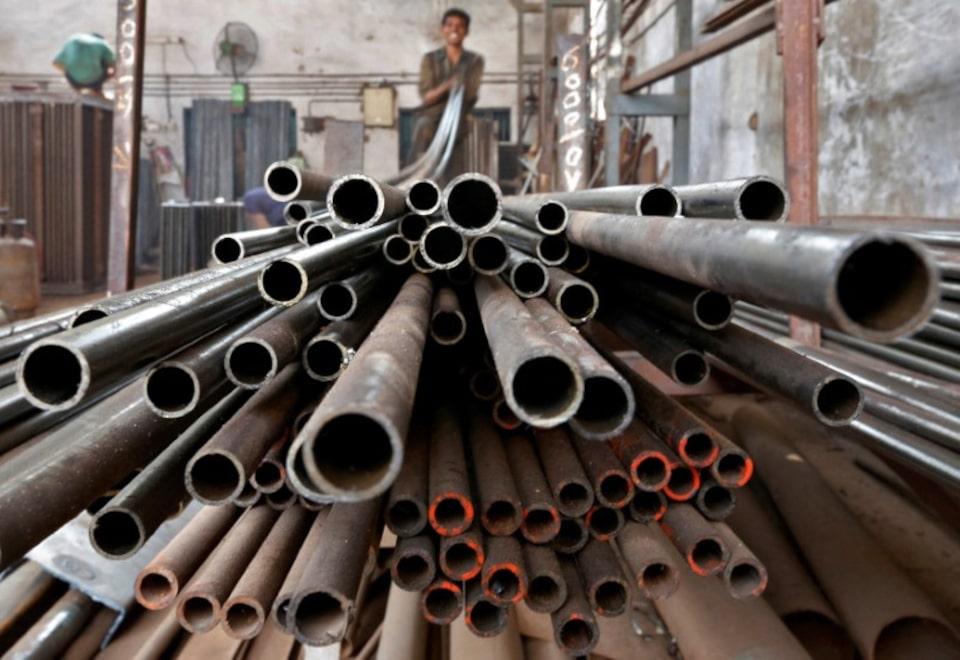
NEW DELHI, Dec 10 (Reuters) - India's plans to ramp up coal-powered steelmaking capacity could impede the country's goal of net-zero carbon emissions by 2070, Global Energy Monitor (GEM) said in a report on Tuesday. India's Prime Minister Narendra Modi has set 2070 as the target for achieving net zero emissions, two decades later than what scientists recommend to avoid catastrophic climate impacts. But a push to produce more steel to meet rising demand driven by India's rapid economic growth and increasing infrastructure spending risks raising greenhouse gas emissions. "India's ongoing investments in new coal-based steelmaking, coupled with a young fleet of emissions-intensive blast furnaces ... jeopardise the country's net zero by 2070 target and risk saddling the country with upwards of $187 billion in stranded assets," said GEM, a US-based research group tracking global energy projects. The additional blast furnace capacity could result in another 680 million metric tons of carbon dioxide-equivalent emissions from India's steel sector, GEM said in its report. India, the world's second-biggest producer of crude steel, aims to reach a capacity of 300 million metric tons by 2030, up from the current 180 million metric tons. India has the world's largest pipeline of steelmaking capacity under development - projects that have been announced or are in the construction phase - totalling around 258 million metric tons per year, GEM said. Steel producers in the world's fastest-growing major economy generate 2.55 metric tons of carbon dioxide per ton of crude steel produced, 38% higher than the global average of 1.85 tons, it said. Currently, 85% of the energy used in the steel sector comes from coal, GEM said. Steelmaking from coal-based blast furnaces accounts for 69% of steel capacity under various stages of development, compared with 13% from electric arc furnaces, it added. Sign up here. https://www.reuters.com/markets/commodities/indias-steel-expansion-could-hinder-net-zero-emission-goal-gem-says-2024-12-10/
2024-12-09 23:52
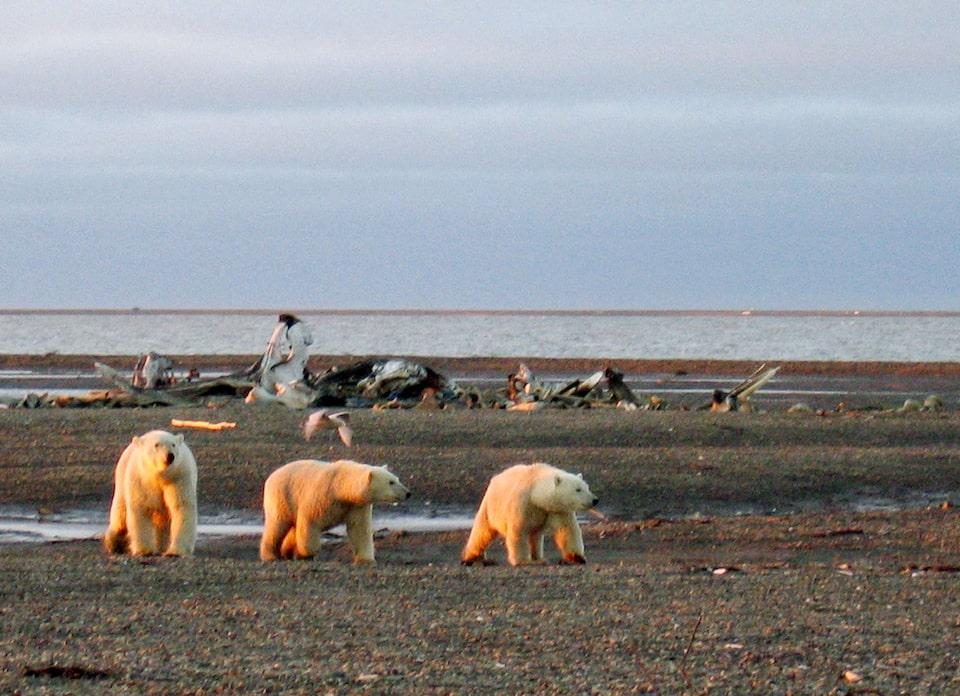
US agency will offer 400,000 acres, the minimum required by law Alaska officials seek jobs, revenue from drilling Environmentalists oppose, citing destruction of ecosystem Dec 9 (Reuters) - The Biden administration will offer oil and gas drilling leases in Alaska's Arctic National Wildlife Refuge at a sale on Jan. 9, the U.S. Interior Department said on Monday. The agency will make 400,000 acres (161,874 hectares) available to drillers at the auction, the minimum required by a law that mandated the sale. ANWR is a 19 million-acre refuge for species including polar bears and Porcupine caribou. The wild landscape lacks roads and public facilities, but its 1.6 million-acre coastal area along the Beaufort Sea is estimated to have up to 11.8 billion barrels of recoverable oil. The Bureau of Land Management, the division of Interior that will oversee the sale, said the acreage on offer will avoid areas important to polar bear denning and caribou calving. Alaska's elected officials have sought for years to open drilling in the reserve to secure jobs and revenue for the state. The U.S. Congress opened up ANWR to oil and gas development as part of the 2017 tax bill. U.S. Senator Dan Sullivan, a Republican from Alaska, complained about the scale of the planned sale and said the administration was ignoring the will of Indigenous people who would benefit from oil and gas development in ANWR. "The good news is we will soon be working with the Trump administration that, unlike Biden-Harris, has a proven track record of responsible oil and gas production and Alaska resource development, and respects the voices of the Iñupiat people of the North Slope," Sullivan said in an emailed statement. A native group, Voice of the Arctic Inupiat, said in a statement that the sale's size undermined potential economic potential for the region. Oil industry group the American Petroleum Institute also criticized the offering, though drillers largely failed to turn out four years ago for the first and only ANWR oil and gas auction. The previous administration of President-elect Donald Trump sold oil and gas leases in ANWR in 2021, but the sale generated just $14.4 million in high bids, with an Alaska state agency as the sole bidder for most of the acreage sold. Biden's Interior Department canceled the leases in 2023, citing a flawed environmental analysis. An Alaska-based environmental group said oil and gas development in ANWR would destroy an important ecosystem. "The Arctic Refuge deserves to remain a place of refuge, not an industrial oilfield lining the pockets of big oil executives," Kristen Miller, executive director of Alaska Wilderness League, said in a statement. The 10-year leases will be sold for a minimum of $30 an acre. Companies that extract fuels on the leases will pay royalties of 16.67% to the U.S. government, according to a sale document. Bids will be opened and read via a livestream on BLM's website. Sign up here. https://www.reuters.com/markets/commodities/us-offer-oil-gas-leases-alaska-wildlife-refuge-jan-9-2024-12-09/
2024-12-09 23:29
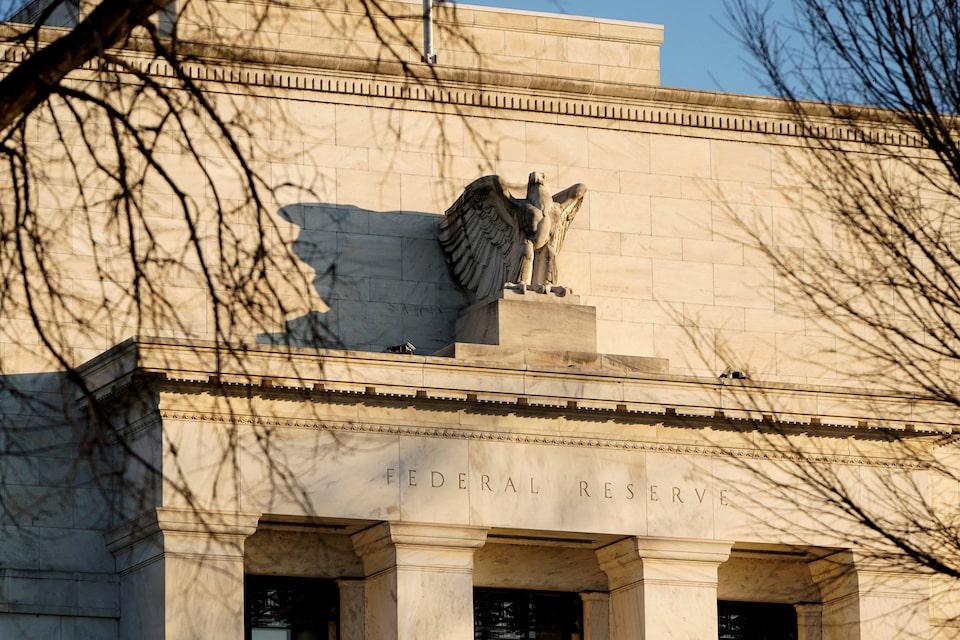
ORLANDO, Florida, Dec 9 (Reuters) - An extraordinary year for investors is poised to end with a monetary policy bang, with almost every G10 central bank scheduled to deliver interest rate decisions over a 10-day period this month. Four of the G10 central banks meet this week and five, including the Federal Reserve, meet next week. Remarkably, four of those - Bank of Japan, Bank of England, Riksbank and Norges Bank - will deliver their policy verdicts on the same day, Thursday December 19. The sweep of decisions and guidance will be felt most acutely in FX markets, where implied volatility across G10 currencies is already at the highest pitch since April last year. Importantly, most of these currencies will be going into these meetings on the back foot. Sterling is the only one that has held its own against the dollar this year, and, even then, only barely. All other G10 currencies are between 4% and 9% weaker against the greenback in 2024. It's easy to see why implied FX 'vol' is so elevated going into the end of the year. Uncertainty over U.S. trade policy following Donald Trump's election victory, rising geopolitical tensions, and the ebb and flow of monetary policy expectations are all playing their part. On that note, in addition to the nine G10 central banks cited above, monetary policymakers in Brazil, Indonesia, Thailand and Colombia also meet within this 10-day period, just as market liquidity will be thinning out for seasonal reasons. It's a different story for stock and bonds, at least in the United States. The VIX, Wall Street's so-called 'fear index', and the 'MOVE' index of implied volatility in Treasuries are the lowest they've been in months. The latter is notable given how much Treasuries have moved since the U.S. presidential election on November 5 and the potential policy changes that could accompany Trump's return to the Oval Office in January. LONG VOL Wall Street analysts are warning that the second Trump administration's agenda could cause FX volatility to outlast the holiday season. In their 2025 outlook, currency analysts at JP Morgan advise clients that "elevated" U.S. policy uncertainty makes a strategic short vol stance "untenable." "2025 will not be a year for the faint-hearted to be short vol," they wrote on Nov. 28, citing President-elect Trump's hardline stance on trade and his threats to slap massive tariffs on some of America's key trading partners. Karen Reichgott Fishman at Goldman Sachs last week echoed these statements, noting, "this makes it a good time to assess the value of hedging any exchange rate exposure in global portfolios". But before Trump is sworn in, currency traders will have to navigate the looming tsunami of rate decisions this month. Mark your calendars for a bumpy year end. Dec. 10 Reserve Bank of Australia: Markets are pricing in a 90% probability that the cash rate will be held at 4.35%, with around 70 basis points of easing expected by the end of next year. The RBA hasn’t yet started its easing cycle. Dec. 11 Bank of Canada: Markets are pricing in a quarter point cut and a 75% probability of a half point move, with around 115 bps of cuts over the next year. The BOC has already cut its Bank Rate by 125 bps in this cycle, the most among all G10 central banks. Dec. 12 European Central Bank: Markets are pricing in a quarter point cut, with around 150 bps of easing expected over the next 12 months. Swiss National Bank: Markets are pricing in a quarter point rate cut and a 65% chance of a half point reduction. Traders are expecting around 85 bps of easing over the next 12 months. SNB Chairman Thomas Jordan recently floated the idea that the SNB could return to negative interest rates, if necessary. Dec. 18 Federal Reserve: Markets are pricing in a 90% probability of a quarter point cut, with around 80 bps of easing expected by the end of next year. Dec. 19 Bank of Japan: Traders expect the key policy rate to be raised by 10 bps, and around 45 bps of tightening anticipated over the next 12 months. Norges Bank: Markets are pricing in a 20% chance of a quarter point cut, with around 120 bps of easing expected over the next year. Riksbank: Markets are pricing in a 70% likelihood of a quarter point cut, with around 100 bps of rate cuts expected by the end of next year. Bank of England: No rate change anticipated at this meeting, but markets are pricing in around 75 bps of easing over the next 12 months. (The opinions expressed here are those of the author, a columnist for Reuters.) Sign up here. https://www.reuters.com/markets/fx-markets-brace-g10-policy-blitz-mcgeever-2024-12-09/