2024-12-05 07:31
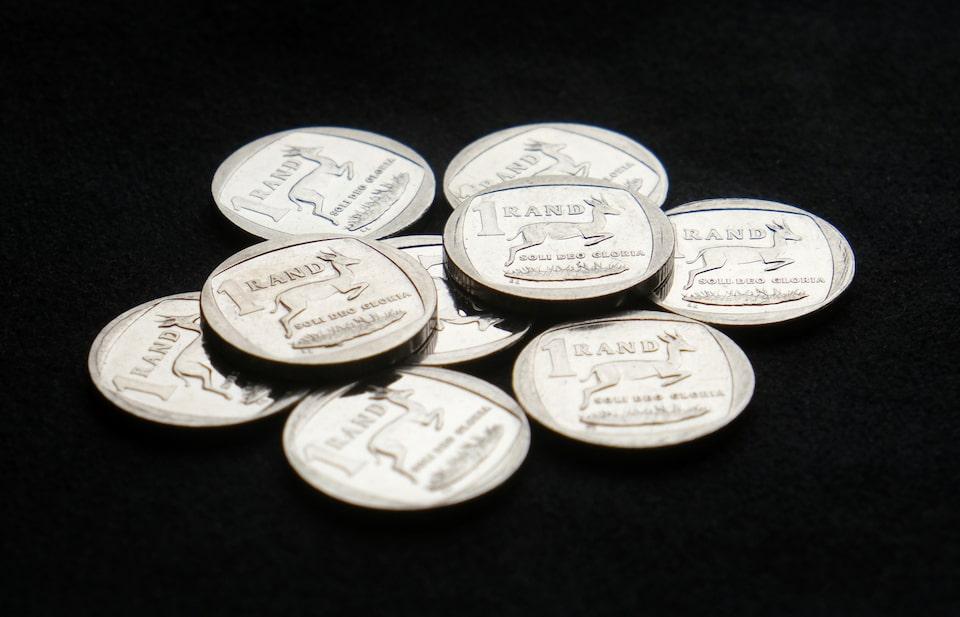
JOHANNESBURG, Dec 5 (Reuters) - South Africa's rand strengthened on Thursday, ahead of the release of local current account data for the third quarter. At 0714 GMT, the rand traded at 18.11 against the dollar , about 0.4% stronger than its previous close. The dollar index was last down 0.2% against a basket of currencies. The South African Reserve Bank will publish the country's third quarter current account data (ZACACT=ECI) , opens new tab at 0900 GMT. Analysts polled by Reuters predict a deficit of 85.5 billion rand ($4.72 billion). On the stock market, the Top-40 (.JTOPI) , opens new tab index was up 0.2%. South Africa's benchmark 2030 government bond was marginally weaker, with the yield up 1.5 basis points to 8.95%. ($1 = 18.1167 rand) Sign up here. https://www.reuters.com/markets/currencies/south-african-rand-firms-ahead-q3-current-account-data-2024-12-05/
2024-12-05 07:26
Three traders replace dozens of middlemen High funding costs in Russia cripple small players Russian oil discounts narrow amid record sales to India Russian oil still cheaper than rivals NEW DELHI/MOSCOW, Dec 5 (Reuters) - Three trading houses have become dominant sellers of Russian oil to India as many smaller players dropped out of the business due to high funding costs in Russia and lack of access to Western funds, according to data and six trading sources. The change reverses a trend of dozens of little-known trading firms flooding the market for oil trade between Russia and key buyers China, India and Turkey, lured by prospects of higher fees to help Russian producers skirt Western sanctions. India has become the biggest buyer of Russia's seaborne crude after Moscow's invasion of Ukraine in 2022, with purchases near record highs at 1.8 million to 2.0 million barrels per day, or more than a third of its crude imports. The recent concentration of trade has allowed Russia to sell record oil volumes to India at the smallest discounts since 2022, though its oil remains cheaper than rival U.S. and Middle Eastern grades, according to six traders and data. The dominance of a few players makes it easier to track them and increases the trade's exposure to further sanctions should the West ratchet up pressure on the Kremlin, traders said. Washington and Brussels have imposed various sanctions on traders, banks and shipowners to cut the Kremlin's income, but new firms quickly replaced the sanctioned entities. That changed in recent months. Most Russian crude is now sold by firms such as the Dubai-based trading arm of Russian oil firm Lukoil, Litasco Middle East, and Dubai-based Hinera Trading and Black Pearl Energy Trading, according to customs data and shipping data seen by Reuters. The development has not previously been reported. Lukoil did not respond to a request for comment. Reuters could not trace contact details for Hinera and Black Pearl Energy. The two firms ship large oil volumes sourced by Russia's largest oil producer Rosneft to India, trade sources say. Rosneft did not respond to a request for comment. Last year, Indian companies were getting Russian oil offers from at least 10 middlemen a month, three of the six sources said. All six sought anonymity as they were not authorised to speak with media. Some of the sources work for Indian refiners and some for traders of Russian oil. Traders such as Dubai-based Starex Trading and Pontus Trading, which were large suppliers of Russian oil to India last year, are no longer offering cargoes, according to customs records drawn from a commercial trade data provider and the three trading sources. Starex Trading and Pontus did not respond to requests for comment. Indian state refiners such as Indian Oil Corp (IOC.NS) , opens new tab rely on spot purchases, unlike private refiners Reliance Industries (RELI.NS) , opens new tab and Nayara Energy, part-owned by Rosneft, which have annual deals to import Russian oil, the sources said. HIGH RATES Russian oil middlemen depend on funding from Russian banks amid Western sanctions and had to abandon the trade after Russia raised interest rates to 21% in late October, the highest since 2003, two of the six traders said. As Russia's oil flows to India became more established, its producers began to seek pre-payments from middlemen of up to two weeks before a cargo is loaded, the two sources said. In 2022 and 2023, by comparison, payments were made weeks after loading as Russian firms were desperate to place barrels in Asia after sanctions closed off European Union markets, the two sources said. The shrinking number of middlemen gave Russian producers more pricing power, the six traders said. Discounts on benchmark Russian oil Urals shrank in recent months to $3 per barrel to $4 per barrel on a delivered ex-ship (DES) basis in Indian ports versus $8 per barrel last year, according to Reuters calculations based on market data. Russian barrels still remain attractive for Indian buyers as they are $3 per barrel to $3.5 per barrel cheaper than rival grades from the United States and the Middle East, the six traders said. Despite stronger prices, volumes of Russian seaborne oil to India remain near record highs, exceeding shipments to China. While the concentration of trade makes it potentially easier for the West to reduce Russian oil sales with additional sanctions, Russian firms could resort again to the strategy of using multiple middlemen if needed, one of the traders said. Sign up here. https://www.reuters.com/business/energy/rising-costs-squeeze-intermediaries-out-thriving-russian-oil-trade-with-india-2024-12-05/

2024-12-05 07:21
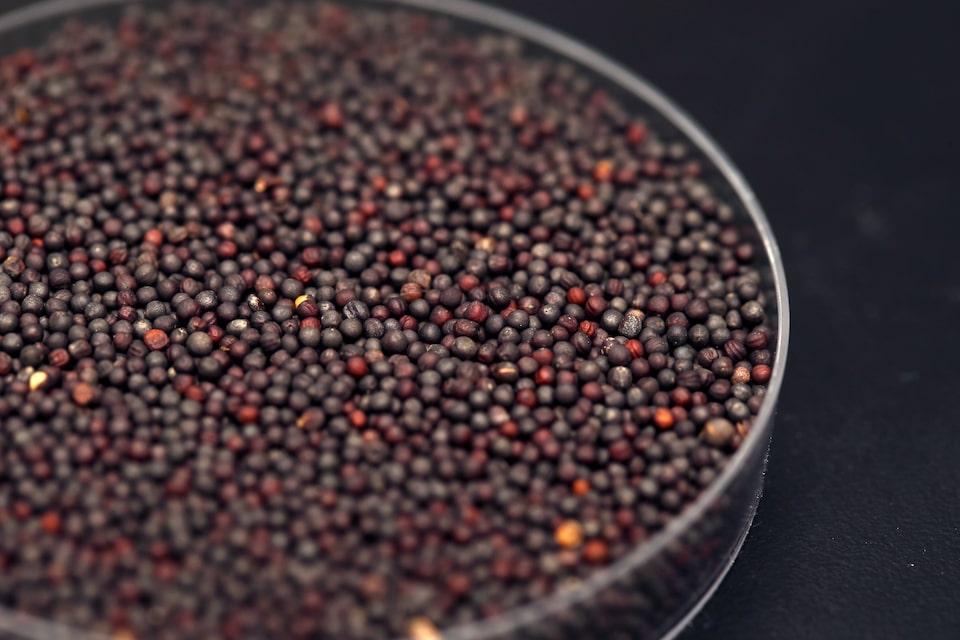
Canadian farmers face US tariff threat amid reduced China demand Some Chinese crushers switch to soybeans due to policy risks Lower imports could further squeeze canola futures SINGAPORE/BEIJING, Dec 5 (Reuters) - Chinese importers are scaling back purchases of Canadian canola with shipments from December likely to plunge as most buyers are reluctant to sign new deals for fear that Beijing could impose retaliatory anti-dumping duties. The canola trade between the two countries is worth about $2 billion a year, but lower imports by China, the world's biggest canola importer, could further squeeze ICE canola futures , which have dropped more than 10% in the past month. China has sufficient canola supply for the coming months, but Canadian oilseed farmers face a double whammy as its reduced buys coincide with import tariff threats by U.S. President-elect Donald Trump, including canola, traders and analysts said. "China has yet to impose any duties but it already has a desired impact as buying of Canadian canola has come to a standstill," said a trader with an international company that sells oilseeds to China. "As of now, supply of canola in China is sufficient, with large imports in the past months." Oilseed buyers in China have been shipping Canadian canola at a record pace since September to take delivery of cargoes contracted before Beijing unveiled an anti-dumping investigation into Canadian imports of the oilseed, in retaliation to Ottawa's tariffs on Chinese-made electric vehicles. Buyers in China have booked to ship just about 250,000 metric tons of Canadian canola, also called rapeseed, for December shipment, two Singapore-based oilseed traders said, after taking around 500,000 tons in November and 863,000 tons in October. "Buyers have been busy ensuring they ship the cargoes booked before Beijing's announcement and before actual duties come into force," the second trader said. Canola is crushed to produce cooking oil and other products, including renewable fuels, and meal for animal feed. China also has plentiful supplies of soybeans to bridge any shortfall in availability of canola, however, traders said. "Some domestic rapeseed crushing plants have been forced to change to crush soybeans," said Gan Quankun, director of agriculture products with trading company Zhangchiyoudao Asset Management in the commercial hub of Shanghai. "Mainly because you (importers) are worried about policy risks, so you don't dare to import rapeseed." While Chinese crushers are switching, retail demand for canola oil is likely to persist as many consumers prefer it to alternatives, despite its higher price. China has enough stocks of canola to last until February, traders said, with buyers likely to switch to other origins, including Australia, in 2025. China imported 5.074 million metric tons of canola between January and October this year, up from 4.27 million a year ago, customs data shows. That includes 4.84 million tons from Canada, 184,555 tons from Russia and 46,366 tons from Mongolia. Sign up here. https://www.reuters.com/markets/commodities/chinese-buyers-slash-canadian-canola-imports-fears-anti-dumping-duty-2024-12-05/
2024-12-05 07:17
LONDON, Dec 5 (Reuters) - Business leaders globally are worried about the risk of recession, labour shortages and rising inflation, despite some signs of improvement in economic conditions, a World Economic Forum survey said on Thursday. Extreme weather events are an increasing concern, following a year of record temperatures, severe flooding and wildfires, including in major economies such as Brazil, Germany, Indonesia and the United States, according to the survey of more than 11,000 business leaders from G20 countries. The WEF Executive Opinion Survey shows "a significant level of anxiety among business leaders in G20 countries", said Carolina Klint, chief commercial officer, Europe at Marsh McLennan (MMC.N) , opens new tab, a WEF partner, along with Zurich Insurance (ZURN.S) , opens new tab. Economic downturn is seen as the top risk for business leaders over the next two years, followed by labour and/or talent shortages and then inflation. Poverty and inequality ranked fourth, and extreme weather events came in fifth, the survey showed. In individual country surveys, concerns about adverse risks from technology, including artificial intelligence, featured highly, coming in as the top risk for doing business in Indonesia, number three in the United States and number four in Britain, the survey showed. Sign up here. https://www.reuters.com/markets/business-leaders-fear-recession-labour-shortages-world-economic-forum-says-2024-12-05/

2024-12-05 07:10
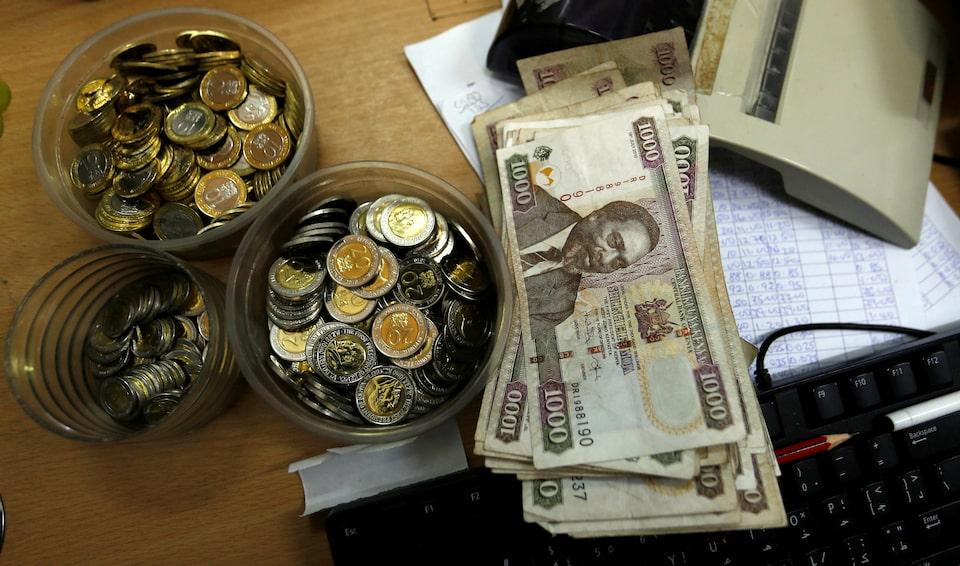
NAIROBI, Dec 5 (Reuters) - The Kenyan shilling was steady on Thursday, supported by dollar inflows from diaspora money transfers and tea exports, traders said. The shilling traded at 129.00/129.50 per dollar at 0657 GMT, the same as Wednesday's closing rate. Sign up here. https://www.reuters.com/markets/currencies/kenyan-shilling-stable-remittance-flows-2024-12-05/
2024-12-05 06:57
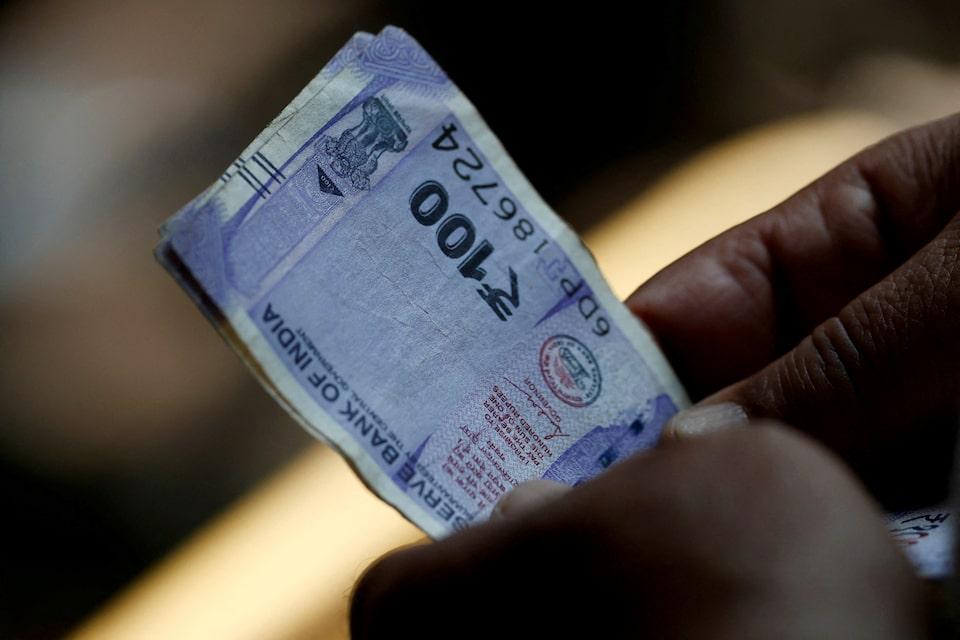
MUMBAI, Dec 5 (Reuters) - The Indian rupee was nearly unchanged on Thursday and held in a narrow range, with traders awaiting the central bank's decision on whether to cut interest rates to support slowing growth. The rupee , which has moved in a less than three paisa range so far during the session, was last quoted at 84.7350 to the U.S. dollar, barely changed from Wednesday. Other Asian currencies were up between 0.1% and 0.4% on the day, helped by growing expectations that the Federal Reserve will lower rates this month. The rupee, which hit an all-time low of 84.7575 on Tuesday, has been struggling amid a slowdown in India's growth, as seen in the July-September quarter, and uncertainty over the impact of U.S. President-elect Donald Trump's policies on emerging market currencies. In light of these challenges, Anil Bhansali, managing director at advisory firm Finrex Treasury Advisors, recommends that the firm's exporter clients hold on to their hedges, while importers take advantage of dips on the dollar/rupee pair. IMPORTANT EVENTS LINED UP Friday will likely be a key day to gauge the rupee's near-term direction. The Reserve Bank of India (RBI) will announce its decision on interest rates, followed by the U.S. November monthly jobs report. A majority of economists expect the RBI to keep rates on hold amid high inflation and weakness in the rupee. A handful, which includes Nomura, reckon that recent growth considerations will prompt the central bank to cut rates. "If there is a rate cut, you will definitely see a quick move up (on dollar/rupee pair), at least initially," a currency trader at a bank said. The November U.S. jobs report will provide cues on whether the Fed will lower rates at its Dec. 17-18 meeting. Currently, the odds are heavily in favour of the Fed cutting rates by 25 basis points. Sign up here. https://www.reuters.com/markets/currencies/rupee-narrow-range-ahead-rbi-rate-decision-asian-peers-rise-2024-12-05/