2024-12-02 07:38
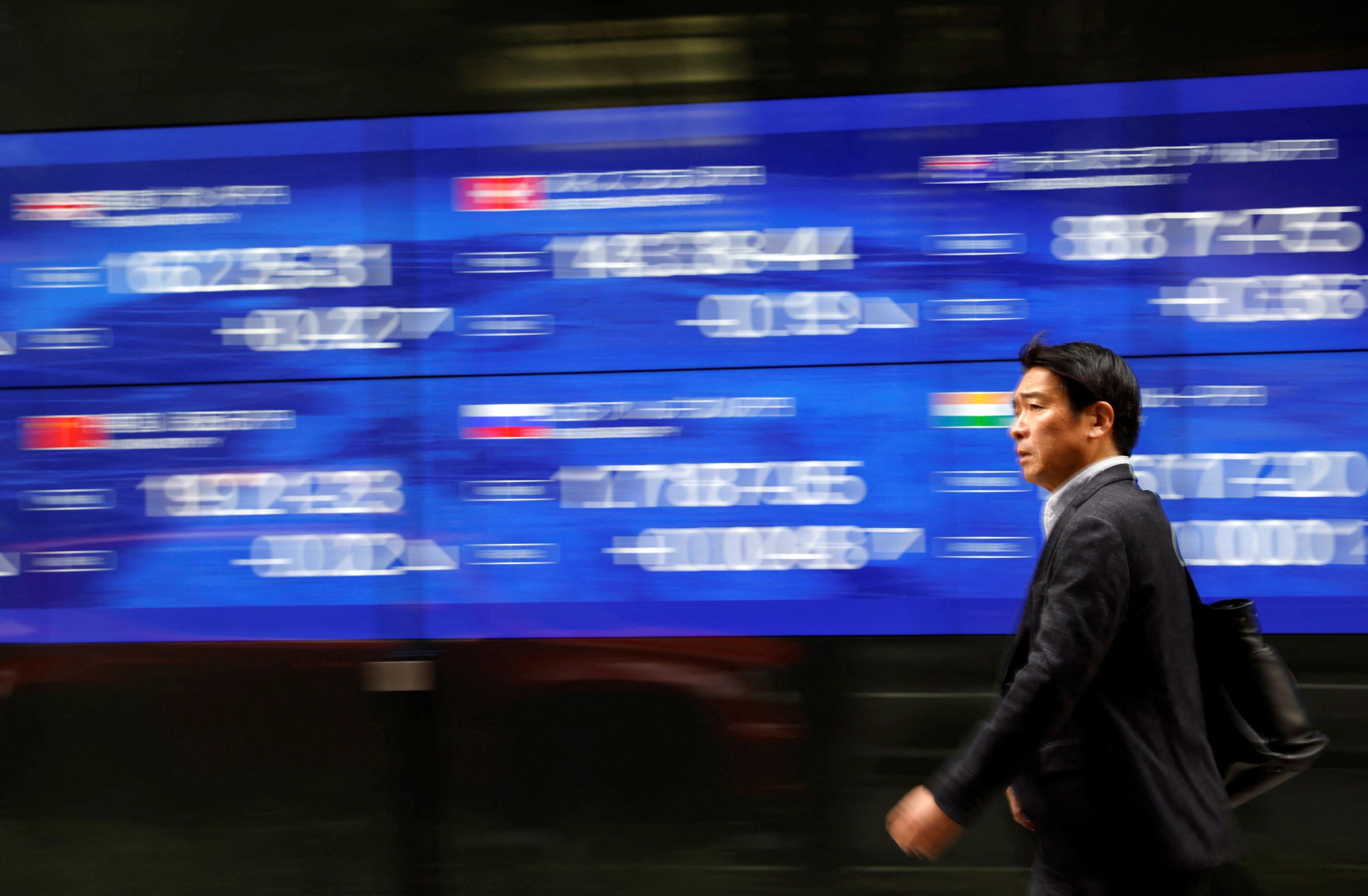
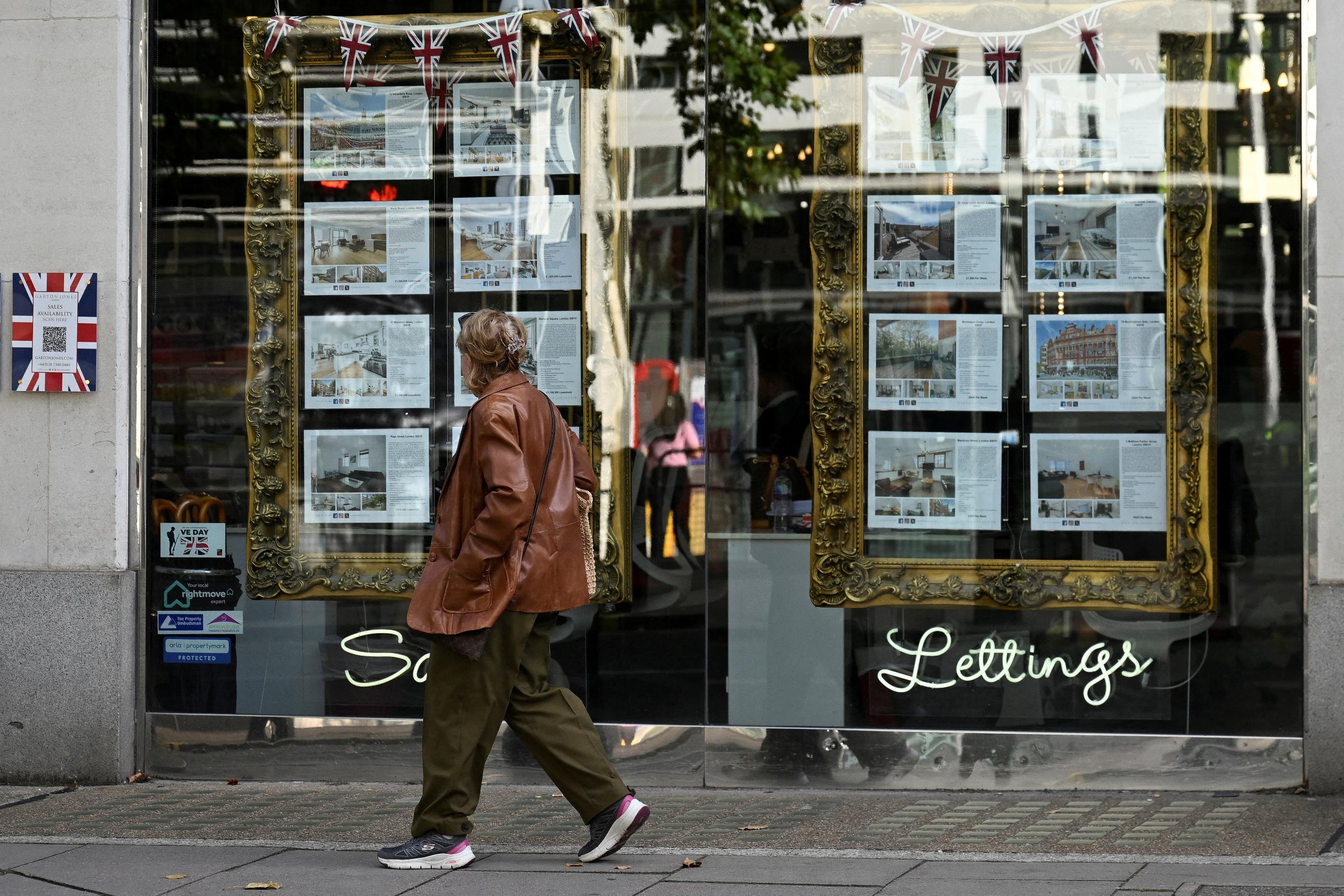
LONDON, Dec 2 (Reuters) - British house prices rose at their fastest annual pace in two years in November, adding to signs of resilience in the property market despite high borrowing costs, data from mortgage lender Nationwide showed on Monday. Prices rose by 3.7% in November compared with the same month last year, Nationwide said, significantly faster than October's 2.4% increase and the biggest jump since November 2022. On a monthly basis, prices surged by 1.2%, up from just 0.1% in October and the biggest increase since March 2022. Both the annual and monthly increases were stronger than all economist forecasts in a Reuters poll. "The acceleration in house price growth is surprising, since affordability remains stretched by historic standards, with house prices still high relative to average incomes and interest rates well above pre-COVID levels," Robert Gardner, Nationwide's chief economist, said. Other housing market measures have also suggested increased momentum. Figures from the Bank of England last week showed lenders approved the most mortgages for house purchases since August 2022. The BoE reduced borrowing costs last month for only the second time in four years and said future rate cuts were likely to be gradual. Elliott Jordan-Doak, senior economist at Pantheon Macroeconomics, said last month's surge likely reflected the impact of BoE's November interest rate cut and finance minister Rachel Reeves' first budget on Oct. 30. "The Chancellor’s decision to end stamp-duty threshold reliefs in April could see homebuyers bringing forward purchases of homes before the deadline, boosting house prices in the short term but leading to weaker demand after than would otherwise have been the case," Jordan-Doak said. Reeves said in October she would not extend a lowering of the threshold at which stamp duty is paid on homes beyond its expiry in March 2025. She also said stamp duty paid on second homes would increase by 2 percentage points to 5% from April. Despite that, Gardner expected the housing market to continue to strengthen. "Providing the economy continues to recover steadily, as we expect, the underlying pace of housing market activity is likely to continue to strengthen gradually as affordability constraints ease through a combination of modestly lower interest rates and earnings outpacing house price growth," he said. Prime Minister Keir Starmer's Labour government, which came to power in July, has promised to boost economic growth and reform the planning system to allow for more construction. It has also set mandatory targets to speed up house-building, though the shortage of home supply is likely to remain a factor pushing up prices in the medium term. Sign up here. https://www.reuters.com/world/uk/uk-house-prices-rose-by-12-november-nationwide-says-2024-12-02/
2024-12-02 07:36
Licensing round delayed after political deal over budget First licenses had been expected to be issued in H1 2025 Election in September could overturn the decision OSLO, Dec 2 (Reuters) - Shares in Norwegian sea bed mining start-up Green Minerals (GEM.OL) , opens new tab fell by 40% on Monday after the government scrapped a first licensing round for deep-sea mining in return for support for its annual budget. A small leftwing environmentalist political party in Norway succeeded on Sunday in blocking plans to mine the Arctic sea bed by supporting the minority coalition's budget on the condition that it stopped the licensing round. Green Minerals's shares were trading at 3.88 crowns ($0.3501) at 1030 GMT, despite the company saying it expected the halt to be temporary. "The company does not change its estimated timeline for first ore, still expected to take place in the very end of the 2020's," Green Minerals said in a statement. The government, which had planned to offer its first deep-sea mining exploration permits in the first half of 2025, said preparatory work would continue, including creating regulations and mapping the environmental impact. Norwegians also head to the polls in September and two opposition parties leading in opinion surveys, the Conservatives and the Progress Party, are in favour of deep-sea mining. Without referring to next year's election, Green Minerals said that after a 12-month delay it expected "a slightly accelerated timeline" which would allow the first round of licenses to be awarded "sufficiently early in 2026" to uphold its timeline for first exploration in the same year. Norway, where vast hydrocarbon reserves have made it one of the world's wealthiest countries, has been a leader in the global race to mine the ocean floor for metals that are in high demand as nations transition away from fossil fuels. Oslo planned to open large areas of its Arctic region for its inaugural sea bed licensing round, despite opposition from green campaigners and a coalition of 32 countries, including Germany, France, Canada and Brazil. Preliminary official resource estimates showed "substantial" accumulations of metals and minerals, ranging from copper to rare earth elements, the government said in 2023. ($1 = 11.0781 Norwegian crowns) ($1 = 11.0840 Norwegian crowns) Sign up here. https://www.reuters.com/markets/commodities/green-minerals-expects-delay-norways-first-deep-sea-mining-licensing-round-2024-12-02/

2024-12-02 07:32
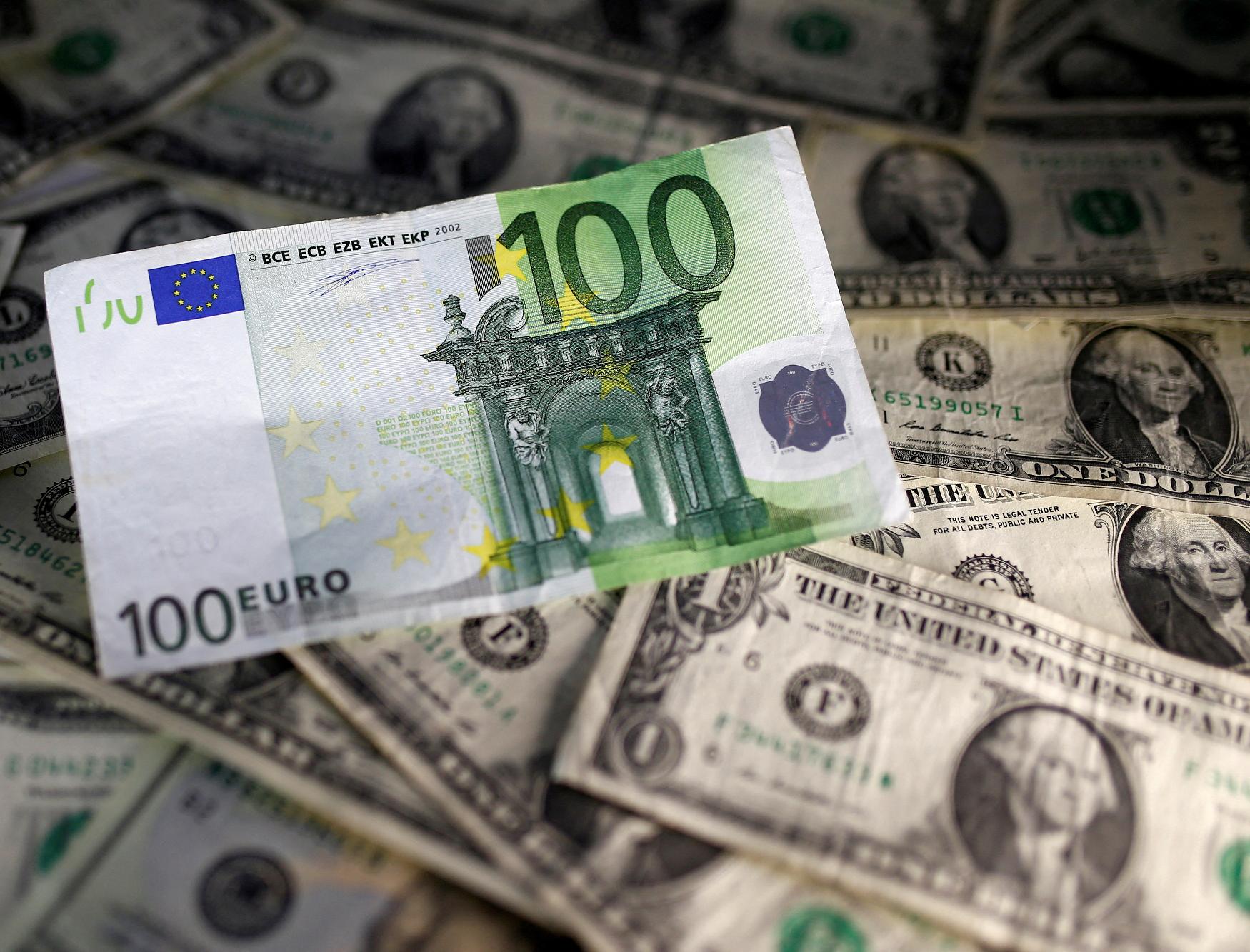
No clear path to reducing French deficits in near-term -analyst Trump comments on the BRICS support the dollar US manufacturing data higher than expected -ISM, S&P Global Fed's Waller says inclined to cur rates this month NEW YORK, Dec 2 (Reuters) - The euro faltered on Monday against a strong U.S. dollar on growing concerns about a possible government collapse in France, which would stall plans to curb a burgeoning budget deficit. The greenback, meanwhile, extended gains after strong U.S. manufacturing data from both the Institute for Supply Management and S&P Global reports. However, despite the generally upbeat data, Federal Reserve Governor Christopher Waller said on Monday he was inclined to cut the benchmark interest rate at the Dec. 17-18 meeting as monetary policy remained restrictive. Monday's rise in the dollar against a basket of currencies followed the U.S. unit's first weekly fall posted on Friday since November 2023. In Europe, the risk premium investors demand to hold French debt rather than benchmark German bonds jumped after France's far-right National Rally (RN) President Jordan Bardella said his party would likely back a no-confidence motion in the coming days unless there were a "last-minute miracle". Leading RN lawmaker Marine Le Pen has given Prime Minister Michel Barnier until Monday to meet her party's budget demands. The euro fell 1% to $1.0469 , on track for its largest daily fall since early November. "Crashing political sentiment in France and another activity data beat in the U.S. have handed the euro a dire start to December," wrote Kyle Chapman, FX market analyst at Ballinger Group, in emailed comments. Ballinger provides currency risk management and trading services. "As expected, the interim government now faces a vote of no confidence that it is likely to lose, and with a new election not allowed until the summer, there is no clear path to reducing the deficit in the near term." The yield spread between French and German 10-year government bonds – a gauge of the premium investors demand to hold French debt – rose 7.6 basis points to 87.3 bps after hitting 90 bps last week, its highest level since 2012, during the euro area's sovereign debt crisis. POSITIVE US DATA; WALLER BACKS FED CUT IN DECEMBER Monday's data once again showed a resilient American economy, with U.S. manufacturing activity improving in November, orders growing for the first time in eight months, and factories facing significantly lower prices for inputs. The Institute for Supply Management's manufacturing PMI increased to 48.4 last month from 46.5 in October, which was the lowest level since July 2023. The S&P Global final manufacturing PMI also rose to 49.7, from the initial 48.8 estimate. "With a solid economic situation in the United States, it makes sense of the U.S. dollar to be thriving as the economies on the other side of the pond face more headwinds," said Juan Perez, director of trading at Monex USA in Washington. "(Positive data) only makes for higher Treasury yields and even lower expectations of the Fed exercising looser monetary policy." Fed's Waller, however, noted on Monday that monetary policy remains restrictive enough that a further cut later this month at their meeting "will not dramatically change the stance of monetary policy and allow ample scope to later slow the pace of rate cuts, if needed." Following Waller's comments, the markets raised the odds of a 25-bp easing this month to 79%, from 66% late on Friday, according to CME's FedWatch. At the same time, rate futures reduced the chances of a Fed pause to 21% from 34% on Friday. The greenback had earlier gained as President-elect Donald Trump marked a shift from his prior advocacy of a weaker dollar by demanding BRICS member countries commit to not creating a new currency or supporting another currency. The Kremlin said on Monday any U.S. attempt to compel countries to use the dollar would backfire. The U.S. dollar index – a measure of its value relative to a basket of its main peers -- rose 0.3% to 106.33. Key to the outlook for rates will be the November payrolls report due Friday, where median forecasts favor a rise of 195,000 following October's weather and strike-hit report, which could also be revised given the low response rate for that survey. The jobless rate is seen edging up to 4.2%, from 4.1%, The dollar slipped 0.2% versus the yen to 149.37 , having shed 3.3% last week in its worst run since July. Over the weekend, Bank of Japan Governor Kazuo Ueda said the next interest rate hikes are "nearing in the sense that economic data are on track," following figures showing Tokyo inflation picked up in October. Sign up here. https://www.reuters.com/markets/currencies/dollar-edges-higher-amid-rate-political-uncertainty-2024-12-02/
2024-12-02 07:20
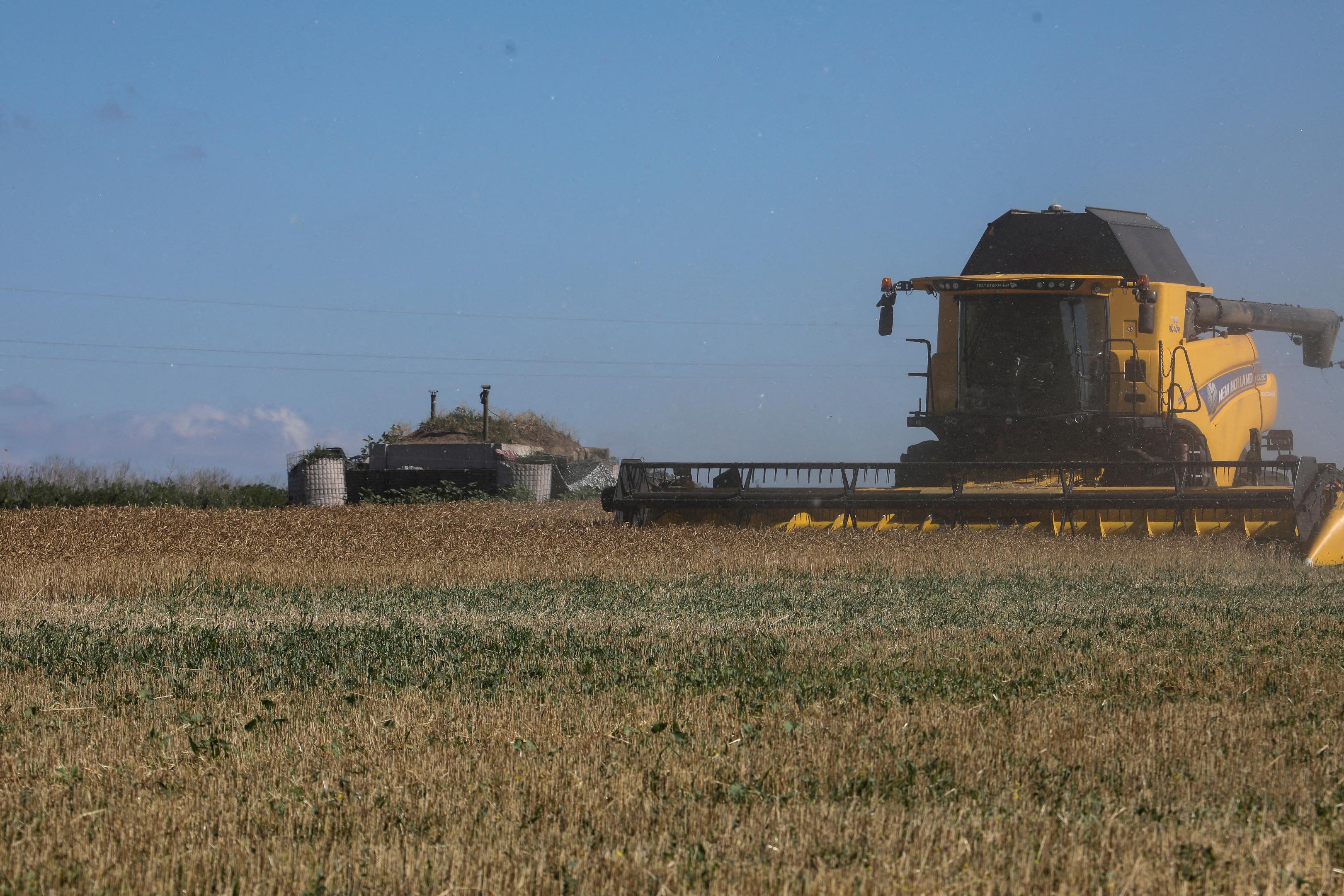
KYIV, Dec 2 (Reuters) - Ukraine has introduced a new system for exporting key agrarian goods, including grains, which implies a ban on exporting consignments of goods at prices below those set by the agriculture ministry. Ukraine is a global major grain and oilseeds grower and exporter and the new system became operational on December 1. The government launched the plan to tackle price distortions linked to Russia's invasion, which has seen an increase in domestic cash purchases of some agricultural products and their subsequent export at artificially low prices to avoid taxes. In line with the new rules, minimum permissible export prices will be calculated on the basis of state customs service data, taking into account the terms of delivery for the previous month and using a 10% discount. The farm ministry has already published the minimum prices at its website https://minagro.gov.ua/ , opens new tab and will refresh it on the 10th of each month. The ministry also said that it has abolished the need for exporters to go through the vetting process and obtain licences to export food products. The mechanism implied mandatory registration of an export company in a special agricultural register and, in the absence of such registration, the need to obtain a licence for each export operation. Sign up here. https://www.reuters.com/markets/commodities/ukraine-introduces-minimum-export-prices-major-agricultural-goods-2024-12-02/
2024-12-02 07:13
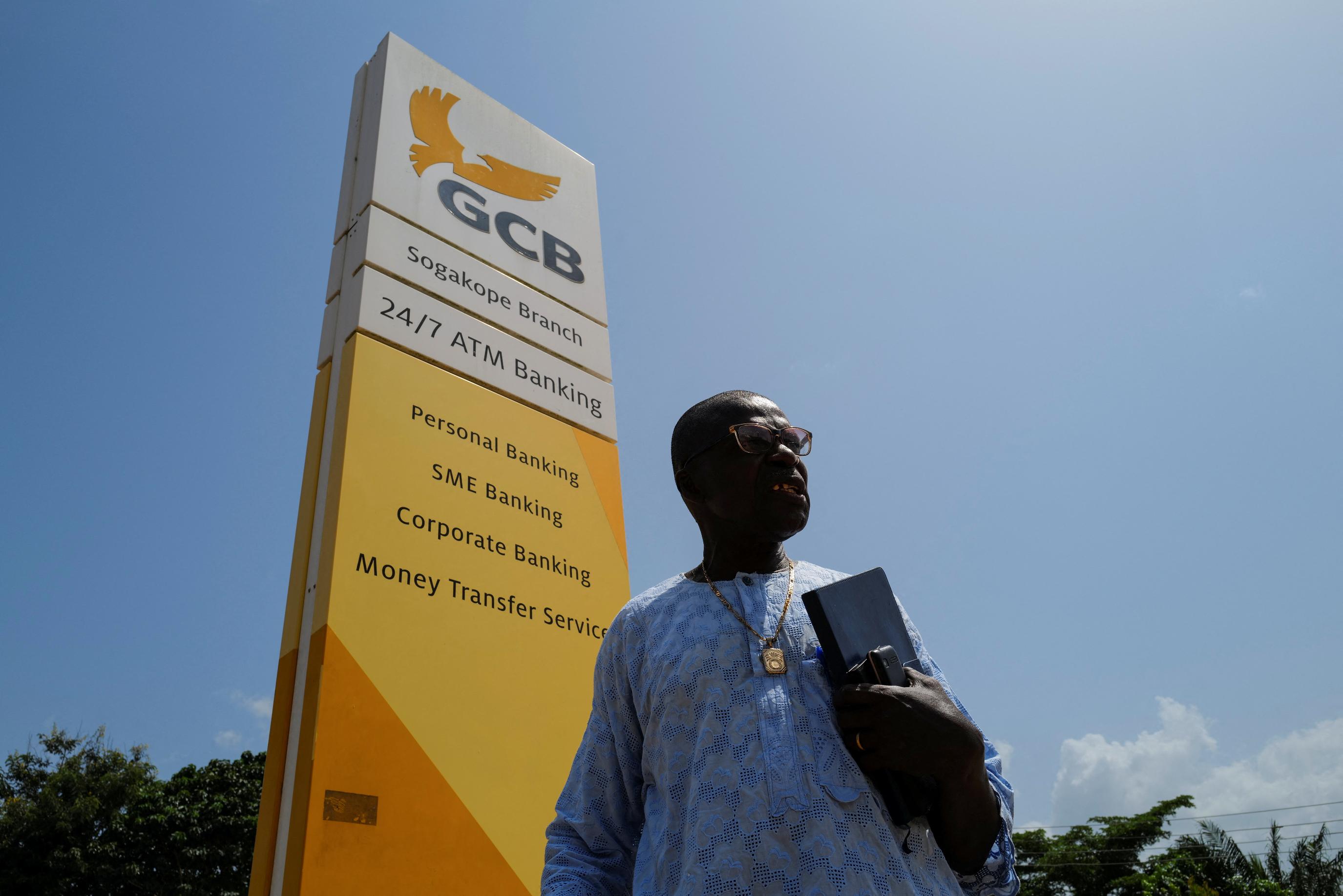
Africa's top gold producer to hold general elections Economy, jobs, and infrastructure are top concerns Debt crisis and cost-of-living weigh on voters' minds DABALA, Ghana, Dec 2 (Reuters) - After serving in Ghana's police force for over three decades, pensioner Emmanuel Amey-Wemegah had a clear retirement plan: invest part of his pension benefits in government bonds, complete the construction of his house, and buy a car. All was going according to plan until Jan. 6, 2023, when he received a call from his bank that Ghana was restructuring bonds he held. "I started sweating," said Amey-Wemegah, 63, recalling the uncertainty and fear that gripped him and other bondholders. The retired chief inspector is one of thousands of Ghanaian private, corporate and foreign investors whose investments in government securities were restructured in 2023 for Ghana to obtain a three-year, $3 billion International Monetary Fund (IMF) bailout to deal with its worst economic crisis in a generation. As over 18 million Ghanaians prepare to vote in a presidential election on Dec. 7, Amey-Wemegah's plight reflects the economic anxiety gripping many in the West African country - the world's number two cocoa producer. Jobs, education, and infrastructure are also key issues. During the current authorities' tenure, Ghana's economy buckled under the impact of the COVID-19 pandemic, the war in Ukraine, higher global interest rates and years of excessive borrowing. Public debt rose from 63% of GDP in 2019 to 92.7% in 2022, the cedi currency suffered rapid depreciation, while inflation peaked above 54%, hitting consumers and forcing businesses to reduce operations. The government's mountain of domestic debt meant that there was no alternative to an IMF deal without restructuring local holdings, something experts said was unprecedented in Africa. A domestic debt restructuring launched in December 2022 required holders to exchange old bonds for new ones with lower yields and longer maturities. "Some of us didn't realize exactly what the consequences were," Amey-Wemegah told Reuters in his Dabala home in southeastern Ghana, where citations for his meritorious service decorate the walls. "They stole our money. I was sad and devastated," he said, describing how the restructuring squeezed his income. He cannot afford to fuel or service his car, and now prioritises spending on his medications. Businesses have also struggled. An Accra-based start-up consultancy firm which requested anonymity, said its 2 million Ghanaian cedis ($130,718) has been held up in the restructuring, straining liquidity and forcing it to cut jobs. FRUSTRATION WITH RULING PARTY The election is set to be a contest between Vice-President Mahamudu Bawumia, representing the ruling New Patriotic Party, and former President John Dramani Mahama of the main opposition National Democratic Congress. Mussa Dankwa of Accra-based Global InfoAnalytics said polls show most Ghanaians are struggling with a cost-of-living crisis, making it a key influence on the election. Voters like Amey-Wemegah and the owner of the consultancy said their challenges with the debt restructuring would inform who they vote for. "We've gone to the IMF 17 times," said Amey-Wemegah, referring to Ghana's fund-assisted bailouts since independence in 1957. "None of those past governments introduced haircuts. Why is it that this government decided to introduce it. Why?" Others, like rice-miller Julius Kwadzo Ameku, are dissatisfied with the authorities' economic performance more broadly. Ameku, whose firm operates in southeastern Volta region, said the ruling party's initiatives to boost agricultural production had failed and he hoped opposition leader Mahama would usher in positive change. "All we need is proper irrigation and flexible loans or grants. The gold, oil and others won't take us anywhere," he said. ($1 = 15.3000 Ghanaian cedi) Sign up here. https://www.reuters.com/world/africa/ghanas-economic-crisis-looms-over-impending-elections-2024-12-02/
2024-12-02 06:36
European stocks choppy as French no-confidence vote planned Trump further buoys dollar with tariff threat on BRICS China stocks boosted by robust manufacturing surveys French government bond risk premium jumps U.S. manufacturing data improves Dec 2 (Reuters) - Stocks in the U.S. and Europe were mixed on Monday, while the dollar gained versus the euro, amid political turmoil in France and positive signals for the U.S. economy. French equities (.FCHI) , opens new tab finished little changed in choppy trading after politicians there planned a no-confidence motion against Prime Minister Michel Barnier, a move likely to cause the French government to collapse this week. Broader European shares (.STOXX) , opens new tab pulled back on the news but still finished the day up 0.66% on the day. In the U.S., data showed manufacturing contracted at a moderate pace in November, with orders growing for the first time in eight months and factories facing significantly lower prices for inputs. More economic data is expected this week, including the key monthly jobs report on Friday. Wall Street stocks were mixed, with a boost from technology shares such as Facebook parent Meta Platforms (META.O) , opens new tab and Amazon.com Inc (AMZN.O) , opens new tab, which gained 3.2% and 1.4%, respectively, although Intel (INTC.O) , opens new tab fell 0.5% after the faltering American chipmaker announced CEO Pat Gelsinger's retirement. The Dow Jones Industrial Average (.DJI) , opens new tab fell 0.29% to 44,782, the S&P 500 (.SPX) , opens new tab rose 0.24% to 6,047 and the Nasdaq Composite (.IXIC) , opens new tab rose about 1% to 19,403. “We are seeing a bit of a reversal of the last few weeks with tech leadership returning and rallies in financials and cyclicals pausing," John Belton, portfolio manager at Gabelli Funds in New York, said in an email. Belton added that data points released over the weekend suggested Black Friday spending was above expectations, with particular strength seen in e-commerce sales. The euro sank around 0.75% to $1.0498, as the dollar got a boost over the weekend as U.S. President-elect Donald Trumpwarned BRICS emerging nations against trying to replace the greenback with any other currency. The euro has lost 14% over three months, partly on concern the euro zone economy might need deeper interest rate cuts than expected from the European Central Bank. Amid the political drama in France, the risk premium that investors demand to hold French government debt jumped. The gap between France and Germany’s 10-year bond yields - a measure of French borrowing costs compared with the euro zone benchmark - rose about 7 basis points to 87 bps, although it remained below last week's 12-year high of 90 bps . "Heightened political uncertainty could also play a role at the margin in keeping alive market expectations for larger 50 bps ECB rate cut this month although the hard economic data is not fully supportive," MUFG currency strategist Lee Hardman said. Global stocks edged higher, leaving the MSCI All-World index (.MIWD00000PUS) , opens new tab up about 0.3%. DOLLAR, U.S. BOND YIELDS FIRM The Federal Reserve is in focus and Friday's monthly payrolls report could be the deciding factor when policymakers consider whether to cut rates again on Dec. 18. A number of Fed officials are due to speak this week, including Fed Chair Jerome Powell on Wednesday. Traders put the odds of a quarter-point reduction at about 60%. Fed Governor Christopher Waller said on Monday he was inclined to cut the benchmark interest rate as monetary policy remained restrictive enough to keep putting downward pressure on inflation, while the labor market was roughly in balance, something the Fed wants to maintain. In Treasury markets, the yield on benchmark U.S. 10-year notes was flat on the day at 4.194%. That has left the dollar index , which measures the currency against six others, up 0.33% at 106.39, having gained 1.8% in November. In Asia, mainland Chinese shares (.CSI300) , opens new tab closed up 0.8%, following a robust reading in a private manufacturing survey on Monday. The yen , meanwhile, was steady near Friday's six-week high of 149.47. Gold slipped 0.6% to $2,637 an ounce, under pressure from the strong dollar, after sliding more than 3% in November, its worst monthly performance since September 2023. Oil prices were steady, as optimism around strong factory activity in China was largely offset by concerns the Fed will not cut U.S. rates again at its December meeting. In cryptocurrencies, bitcoin fell 1.88% to $95,619.00. Sign up here. https://www.reuters.com/markets/global-markets-wrapup-1-2024-12-02/