2024-12-02 04:54
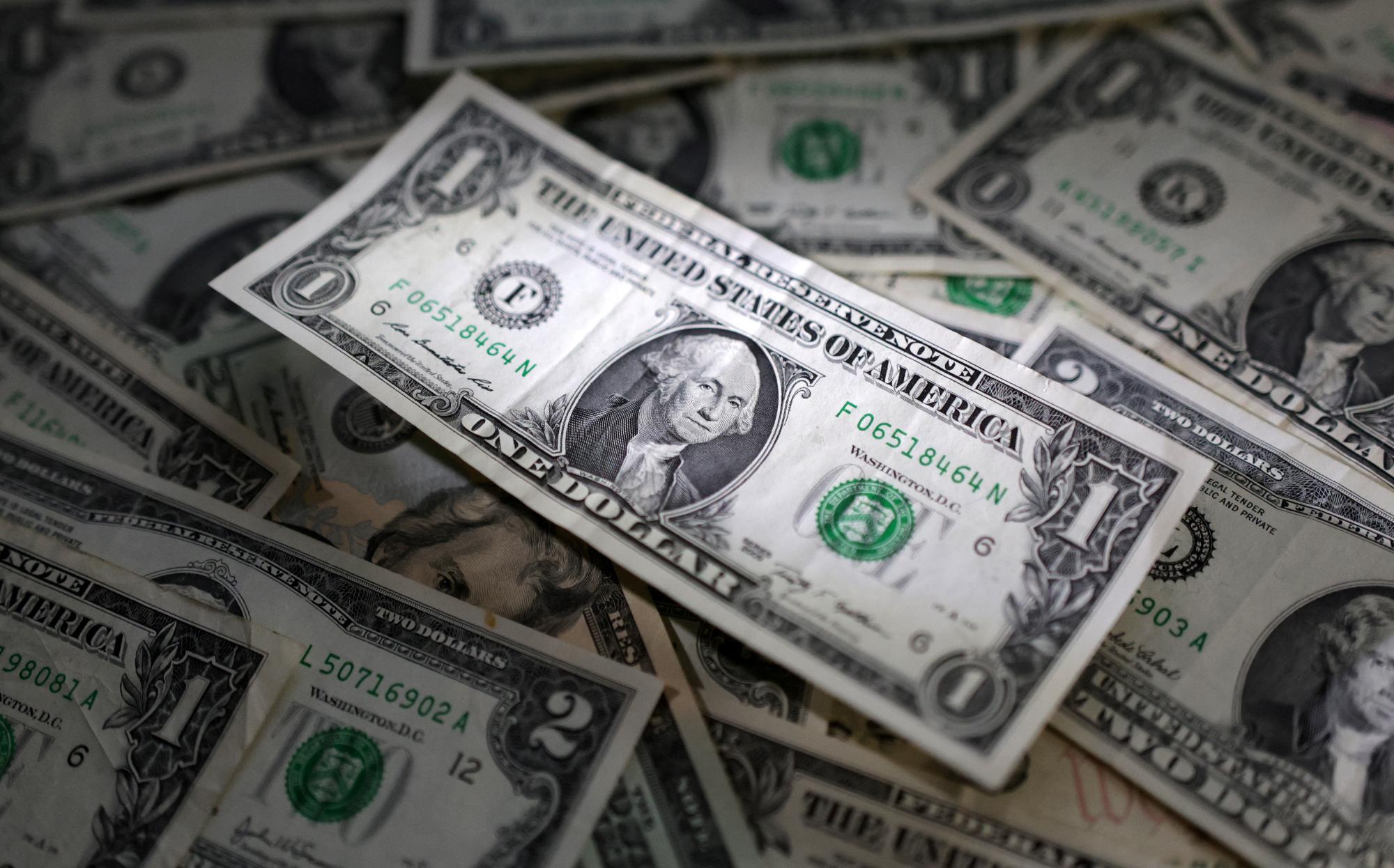
Brent and WTI rose more than 1% earlier in the session China's factory activity expands in November Atlanta Fed President says open mind about whether to cut rates OPEC+ to discuss oil policy on Dec. 5 HOUSTON, Dec 2 (Reuters) - Oil prices were little changed on Monday, as hopes of stronger demand stemming from higher factory activity in China was largely offset by concerns that the U.S. Federal Reserve will not cut interest rates again at its December meeting. Brent crude futures settled 1 cent lower at $71.83 a barrel. U.S. West Texas Intermediate crude rose 10 cents, or 0.15%, to $68.10. A private sector survey showed China's factory activity expanded in November at the fastest pace in five months, boosting Chinese business optimism just as U.S. President-elect Donald Trumphas ramped up trade threats. Meanwhile, a ceasefire between Israel and Lebanon, which took effect last Wednesday, appeared increasingly fragile. The Israeli military said on Monday it was currently striking "terror" targets in Lebanon amid mutual accusations of ceasefire violations between Israel and Lebanese armed group Hezbollah. The Pentagon said that despite some incidents, the ceasefire between Israel and Lebanese armed group Hezbollah was holding. "Increased geopolitical risks remain. Even though the ceasefire is underway in Israel, it seems evident that there are some misconceptions about the legitimacy of the ceasefire," said Dennis Kissler, senior vice president of trading at BOK Financial. Traders also watched developments in Syria, weighing whether recent escalation could widen tensions across the Middle East and affect supply. Both crude benchmarks fell more than 3% last week, pressured by easing supply concerns from the Israel-Hezbollah conflict and 2025 surplus forecasts, despite expected sustained output cuts. The Organization of the Petroleum Exporting Countries and its allies, together known as OPEC+, postponed the group's next meeting to Dec. 5. It will discuss delaying a planned oil output increase scheduled to start in January, OPEC+ sources told Reuters last week. "Attention will be on the potential delay of the planned production hike, as an indefinite delay could alleviate downward pressure on prices," said George Pavel, general manager at Naga.com Middle East. This week's meeting will decide policy for the early months of 2025. "Money managers are sitting on the fence ... the market is looking for clarity between the implication of the forthcoming Trump administration and OPEC+ supply policy," said Harry Tchilinguirian at Onyx Capital Group. Pressuring oil prices, Atlanta Federal Reserve President Raphael Bostic said he has an open mind about whether to cut interest rates again at the Fed's December meeting, with upcoming data on jobs important in shaping the decision. Higher interest rates increase the cost of borrowing, which can slow economic activity and dampen demand for oil.] Also pressuring oil, the dollar pushed higher again, after Trump on Saturday threatened 100% tariffs on BRICS member countries unless they commit to not creating a new currency or supporting another currency that could replace the dollar. A stronger greenback makes dollar-denominated oil more expensive for investors holding other currencies, hurting demand. Sign up here. https://www.reuters.com/markets/commodities/oil-inches-up-upbeat-china-data-shaky-israel-lebanon-ceasefire-2024-12-02/
2024-12-02 04:25
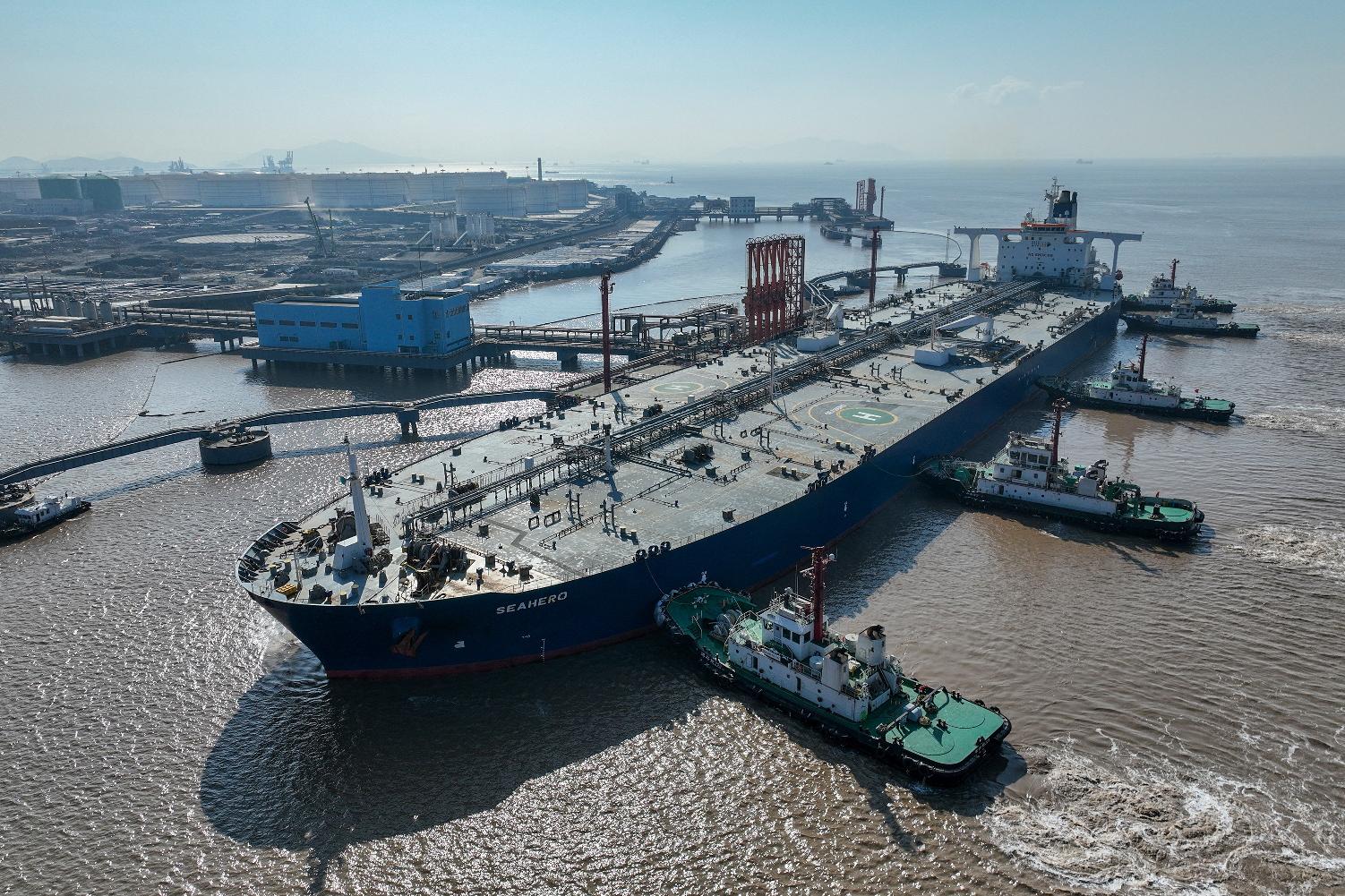
UN's COP16 talks on land use, desertification start To discuss toughening up legal obligations of states Private sector investment crucial, UN executive says RIYADH, Dec 2 (Reuters) - Restoring the world's degraded land and holding back its deserts will require at least $2.6 trillion in investment by the end of the decade, the U.N. executive overseeing global talks on the issue told Reuters, quantifying the cost for the first time. More frequent and severe droughts as a result of climate change combined with the food needs of a rising population meant societies were at greater risk of upheaval unless action was taken, Ibrahim Thiaw said ahead of talks in Riyadh this week. The two-week meeting aims to strengthen the world's drought resilience, including by toughening up the legal obligations of states, laying out strategic next steps and securing finance. A large chunk of the around $1 billion a day that is required will need to come from the private sector, said Thiaw, who is Executive Secretary of the United Nations Convention to Combat Desertification (UNCCD). "The bulk of the investments on land restoration in the world is coming from public money. And that is not right. Because essentially the main driver of land degradation in the world is food production... which is in the hands of the private sector," Thiaw said, adding that as of now it provides only 6% of the money needed to rehabilitate damaged land. "How come that one hand is degrading the land and the other hand has the charge of restoring it and repairing it?," said Thiaw, whilst acknowledging the responsibility of governments to set and enforce good land-use policies and regulations. With a growing population meaning that the world needs to produce twice as much food on the same amount of land, private sector investment would be critical, he said. The talks in Saudi Arabia follow similar U.N. events in October on biodiversity and in November on climate change and plastics, where finance - or the lack of it - played a central role. To hit $2.6 trillion - approaching the annual economic output of France - the world needs to close an annual gap of $278 billion, after just $66 billion was invested in 2022, the U.N. said. LONG PROCESS A U.N.-backed study released on Sunday said land degradation was "undermining Earth's capacity to sustain humanity" and failure to reverse it would "pose challenges for generations". Land totalling around 15 million square kilometres - bigger than Antarctica - was already degraded, and was growing by about 1 million square kilometres each year, it added. Getting agreement on hardening up the legal obligations of states, though, will be among the tougher deals to strike, Thiaw said, adding that some countries were "not ready to have another legally binding instrument" while others felt it was important. While countries had already made commitments to protect around 900 million hectares of land, they needed to set a more ambitious target of 1.5 billion hectares and speed up the pace. Failure to agree on steps to restore degraded land would ultimately hurt parallel U.N.-led efforts to rein in climate-damaging greenhouse gas emissions and protect biodiversity, Thiaw said, with agriculture accounting for 23% of greenhouse gas emissions, 80% of deforestation and 70% of freshwater use. "The resources that we are talking about are not charity," Thiaw said, adding: "So it is important that we see this not as an investment for poor Africans, but as an investment that will keep the world balanced." Sign up here. https://www.reuters.com/sustainability/un-calls-26-trillion-investment-reverse-land-degradation-2024-12-02/
2024-12-02 00:37
SYDNEY, Dec 2 (Reuters) - New Zealand said on Monday that it had suspended all poultry exports after detecting a highly pathogenic variant of avian influenza at a poultry farm on the South Island. Tests confirmed the H7N6 subtype of bird flu at a rural chicken farm in the Otago region, Biosecurity New Zealand said in a statement. It is different to the H5N1 strain that has spread globally and raised fears of human transmission. "Until we've cleaned up the situation on this farm, and assuming no other issues pop anywhere else, then we will be able to export again," Biosecurity and Food Safety Minister Andrew Hoggard told Radio New Zealand after the announcement. "The incubation period is a maximum of 21 days, so we'll know at that point what the situation is." Biosecurity New Zealand said there were no reports of other sick or dead birds on other poultry farms, and no human health or food safety concerns. It added it was safe to consume thoroughly cooked egg and poultry products. "We are taking the find seriously ... our testing shows it is unrelated to a H7 strain that was identified in Australia earlier this year," Biosecurity New Zealand deputy director-general Stuart Anderson said in a statement. Sign up here. https://www.reuters.com/world/asia-pacific/new-zealand-reports-first-case-h7-bird-flu-2024-12-02/

2024-12-01 23:43
MELBOURNE, Dec 2 (Reuters) - Australian gold miner Northern Star Resources (NST.AX) , opens new tab said on Monday it will buy De Grey Mining (DEG.AX) , opens new tab in an all-share deal valuing the smaller miner at A$5 billion ($3.3 billion) as high gold prices spur consolidation in the sector. For Northern Star, the deal offers low-cost, medium- to longer-term growth through access to De Grey's Hemi gold development project in Western Australia, which will ramp up toward the end of the decade. It comes after a rise in gold prices, and Australian-dollar gold prices in particular, which hit a record above A$4,240 a troy ounce in late October, and have rallied by about a third in the past year. "Obviously gold is expensive, but it’s a script deal so we are happy with that," said Baden Moore of CLSA. Northern Star shares sank as much as 5% however, while shares in De Grey rallied as much as 28% before trading at A$1.93. Under the deal, De Grey shareholders will get 0.119 new Northern Star shares for each share held, implying an offer price of A$2.08 per share. The offer price represents a 36.8% premium on De Grey's Friday share close of A$1.52. "De Grey’s Hemi development project will deliver a low-cost, long-life and large-scale gold mine in the Tier-1 jurisdiction of Western Australia, enhancing the quality of Northern Star’s asset portfolio to generate cash earnings," Stuart Tonkin, Northern Star's CEO, said. Hemi has forecast average gold production of 553,000 ounces per annum over the first five years. Northern Star already owns and operates three production centres, comprising its Kalgoorlie and Yandal operations in Western Australia and Pogo in Alaska. Upon completion of the deal, Northern Star shareholders will own about 80.1% of the merged company, while De Grey shareholders will own the rest. The deal presents an attractive opportunity for De Grey shareholders in terms of upfront premium along with retaining ongoing exposure to Hemi and gaining exposure to Northern Star's portfolio, said Glenn Jardine, De Grey's managing director. De Grey's directors have unanimously recommended shareholders vote in favour of the deal, which is expected to close by late April or early May, the two companies said. Shares in Gold Road Resources (GOR.AX) , opens new tab, De Grey's biggest shareholder with some 17% of the company according to LSEG, rose by 10%. ($1 = 1.5356 Australian dollars) Sign up here. https://www.reuters.com/markets/deals/australias-northern-star-resources-buy-de-grey-mining-33-billion-deal-2024-12-01/

2024-12-01 23:23
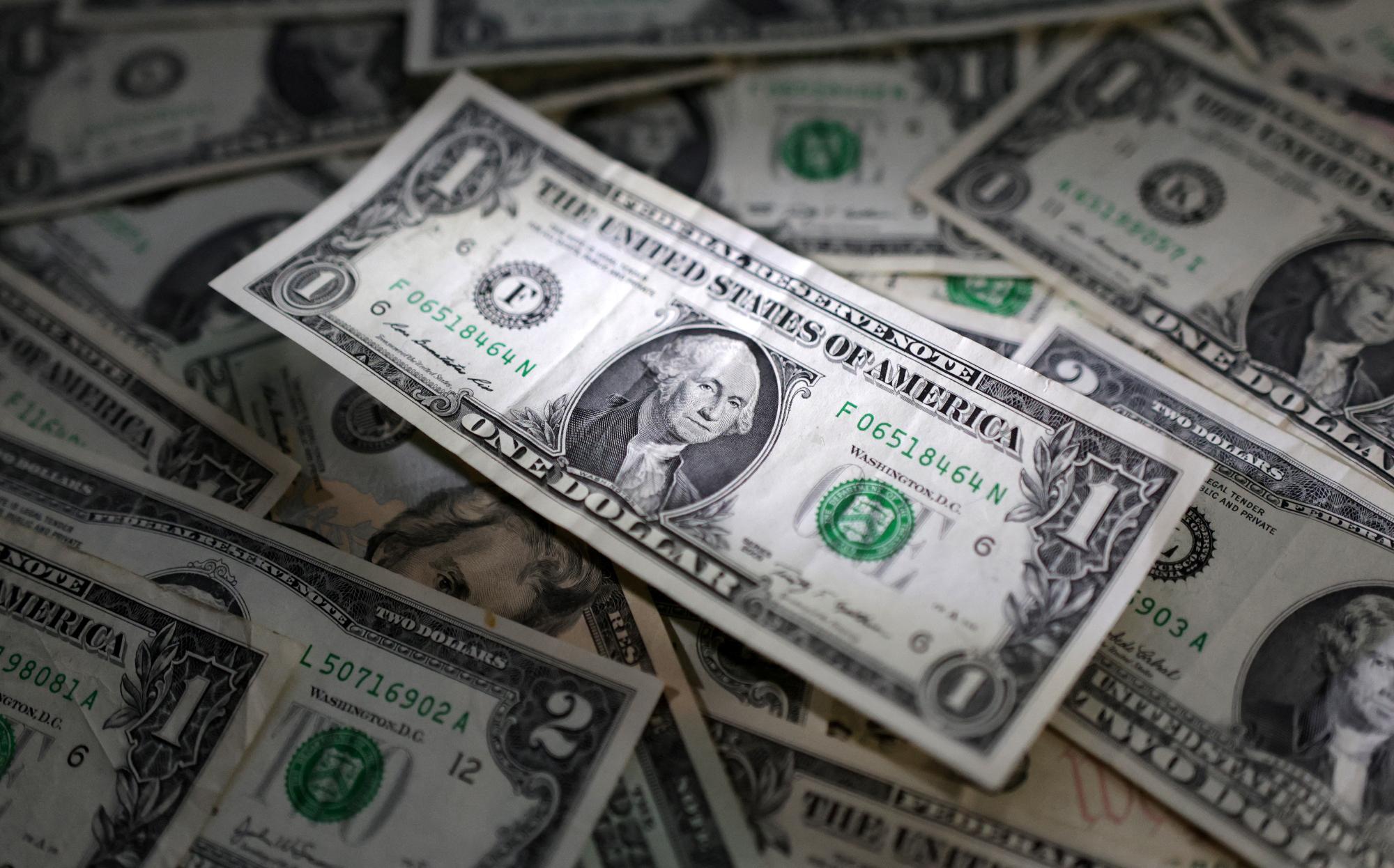
Dollar braces for payrolls, host of Fed speakers Yen bulls bet on Dec rate hike from BOJ Euro grapples with French politics, budget risk SYDNEY, Dec 2 (Reuters) - The dollar started in a cautious mood on Monday in what is shaping up to be a critical week for the prospect of U.S. rate cuts, while the yen's recent rebound was underpinned by wagers on rising rates at home. Over the weekend, Bank of Japan Governor Kazuo Ueda said the next interest rate hikes are "nearing in the sense that economic data are on track," following figures showing Tokyo inflation picked up in October. Markets now imply a 56% chance the BOJ will hike by a quarter point to 0.5% at its policy meeting on Dec. 18-19. Barclays economist Christian Keller said data on labour earnings this week should show a further pick up and all the signs were pointing to another strong "shunto" wage round in February. "The wage and inflation picture continues to support further rate hikes, though whether the BOJ moves in December or January remains a close call," he added. The risk of an early hike was enough to keep the dollar pinned at 149.60 yen , having shed 3.3% last week in its worst run since July. Support lies around 149.40/47 and 147.35. The euro held at $1.0555 , after bouncing 1.5% last week and away from a one-year trough of $1.0425. That left the dollar index flat at 105.790 , having closed out November with a gain of 1.8% even after last week's setback. "Given the continued resilience of the U.S. economy and a worsening outlook elsewhere, we don't think this is the start of a deeper setback for the dollar," said Jonas Goltermann, deputy chief markets economist at Capital Economics. "But the bar for a further shift in expected interest rates in favour of the U.S. in the near term is quite high," he added. "A period of consolidation into year-end looks to us like the most likely scenario, although the risks remain skewed in favour of the dollar over the course of 2025." Key to the outlook for rates will be the November payrolls report due Friday where median forecasts favour a rise of 195,000 following October's weather and strike-hit report, which could also be revised given a low response rate for that survey. The jobless rate is seen edging up to 4.2%, from 4.1%, which should keep the Federal Reserve on course to cut by 25 basis points on Dec. 18. Markets imply a 65% chance of such an easing, though they also only have two more cuts priced in for all of 2025. A host of Fed officials are due to speak this week, including Fed Chair Jerome Powell on Wednesday, while other data include surveys of manufacturing and services. The European Central Bank is also seen cutting rates this month, with markets implying a 27% chance it might even ease by 50 basis points on Dec. 12. Political uncertainty is another drag for the single currency as investors wait to see if France's government can survive the week intact. France's far right National Rally leaders said on Sunday that the government had rebuffed its calls for more budget concessions, raising the chances of a no confidence vote in the coming days that could topple Prime Minister Michel Barnier. The threat of an ever-wider budget deficit saw French yields match those in Greece while the spread over German yields reached the highest since 2012. Sign up here. https://www.reuters.com/markets/currencies/dollar-faces-crunch-week-us-rates-yen-holds-gains-2024-12-01/
2024-12-01 21:53
Dec 2 (Reuters) - A look at the day ahead in Asian markets. The global market spotlight on Monday looks set to zoom in on the dollar, especially its performance against emerging market currencies, after U.S. President-elect Donald Trump's weekend warning against the so-called 'BRICS' nations. In a social media post on Saturday, Trump demanded that the 'BRICS' countries - Brazil, Russia, India, China and South Africa - commit to not creating a new currency or supporting another currency that would replace the U.S. dollar, or face 100% tariffs. This comes after Trump had already injected additional volatility into world currency markets last week by proposing big tariffs against China, Mexico, and Canada - countries the US has some of its largest trade deficits with. The dollar's path on Monday will be fascinating to observe. It snapped an eight-week winning streak last week with its steepest weekly fall since mid-August, as U.S. rate cut expectations cooled and Treasury yields fell. But much of the dollar's downward momentum last week was down to its weakness against the euro and yen. It has been much firmer against other G10 currencies - not least the Canadian dollar - and especially emerging and Asian currencies. Sentiment toward emerging markets as the final month of the year begins is still mostly downbeat. Outflows from EM bond funds remain heavy, and according to analysts at Barclays EM hard-currency bond funds last week registered their second-largest outflow so far this year. But there are more encouraging signs from China that the raft of stimulus and support measures from Beijing in recent months may be beginning to bear fruit. A private survey on Sunday showed that new home prices in China rose at a year-on-year rate of 2.40% in November versus 2.08% in October. And on Saturday, China's official purchasing managers index data showed that factory activity expanded modestly for a second straight month in November, and at its fastest pace in seven months. Is there light at the end of the tunnel for China's domestic economy? With Trump ramping up the trade threats ahead of his inauguration next month, policymakers in Beijing and China bulls will certainly be hoping so. Asia's economic calendar on Monday sees the release of a raft of manufacturing PMI reports, including China's 'unofficial' Caixin manufacturing PMI data for November. Will that reinforce the modestly encouraging signals from the 'official' figures over the weekend? Economists polled by Reuters expect a reading of 50.5, up from 50.3 in October, which would mark the fastest pace of expansion since June. Other regional highlights on Monday include the latest Australian retail sales data and inflation figures from Indonesia. According to a Reuters poll, consumer prices rose at an annual rate of 1.50% in November, cooling from 1.71% the previous month. That would be the lowest rate of annual inflation since June 2021. Here are key developments that could provide more direction to markets on Monday: - China Caixin manufacturing PMI (November) - Australia retail sales (November) - Indonesia inflation (November) Sign up here. https://www.reuters.com/markets/asia/global-markets-view-asia-graphic-2024-12-01/