2024-11-27 20:00
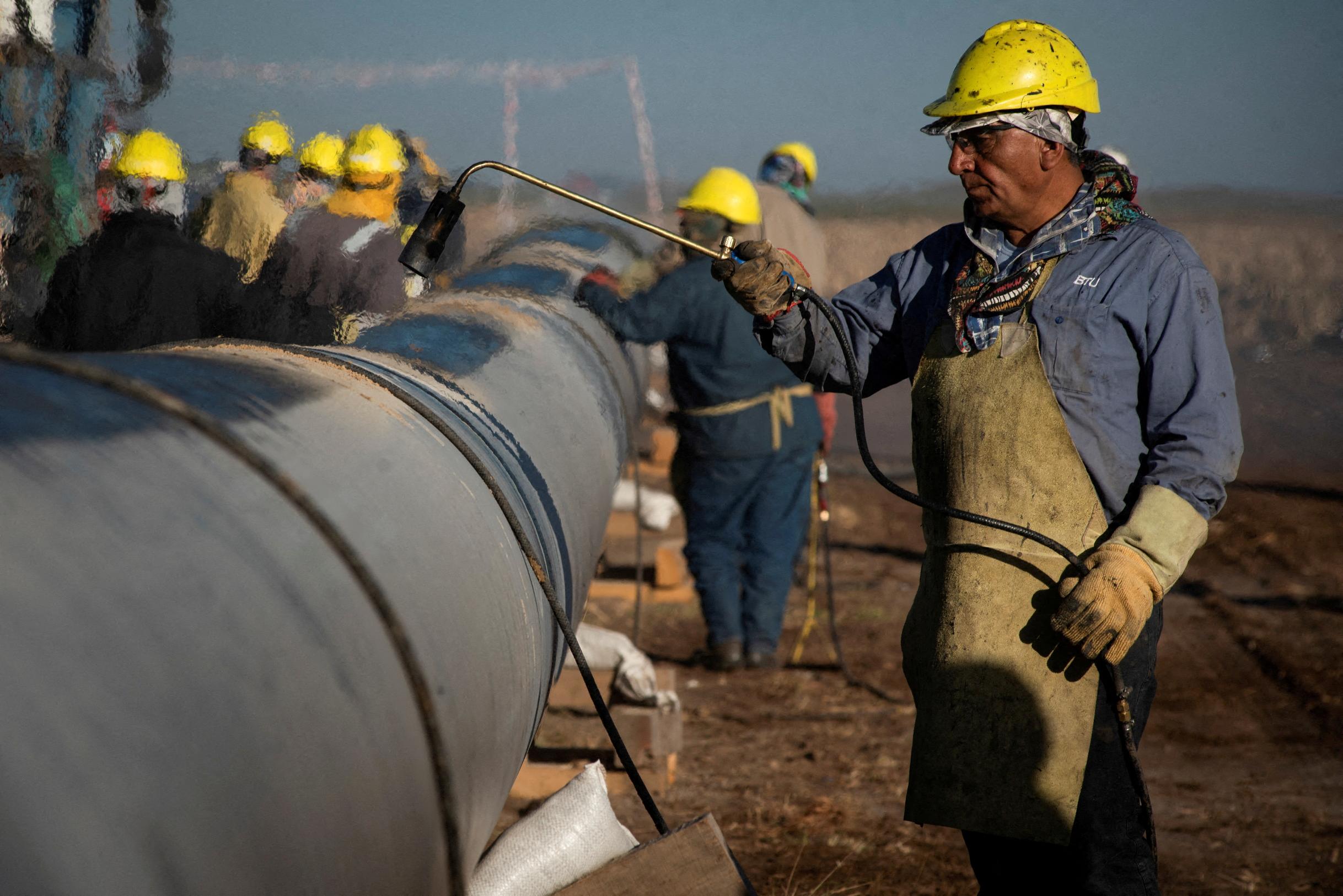
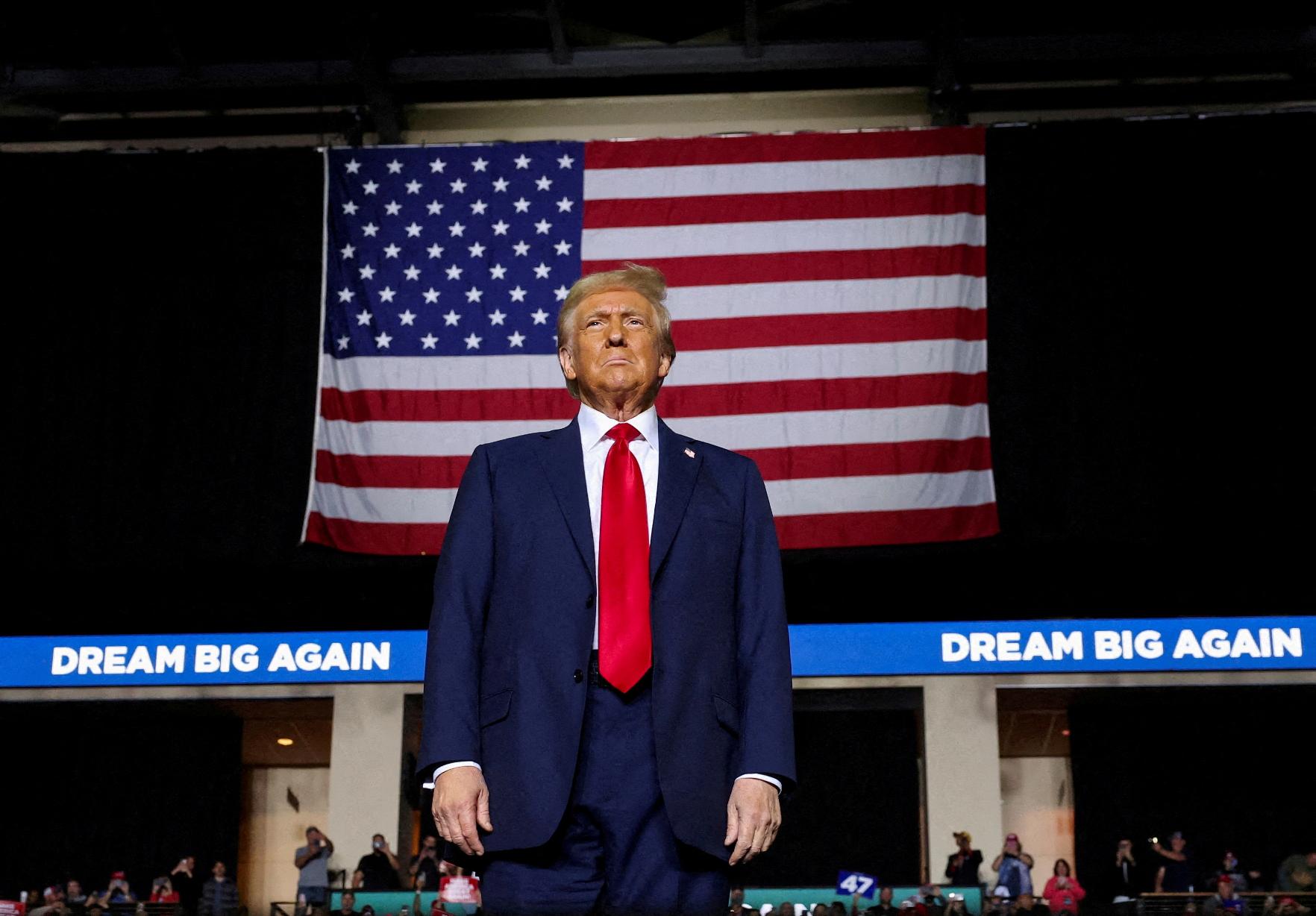
Nov 26 (Reuters) - President-elect Donald Trump on Monday pledged tariffs on the United States' three largest trading partners - Canada, Mexico and China. The proposed tariffs would affect a wide range of industries, including oil, natural gas, agriculture and manufacturing, potentially altering long-established trade patterns and supply chains. Here are commodities and energy sectors which may be affected: OIL Canada exported some $177.19 billion in energy products to the United States in 2023, according to government data. Crude imports from Canada make up more than a fifth of all the oil that U.S. refineries process. About 70% of imported Canadian barrels go to Midwest U.S. refiners that supply an area that includes Chicago and Detroit. Many of those Midwest refiners are configured to run heavier oil and would either struggle to find a direct replacement for Canadian oil or face paying a higher price if that oil is subject to tariffs. That could drive up fuel costs in the Midwest. The U.S. imported about 5.2 million barrels of crude and petroleum products per day (bpd) from Canada and Mexico in 2024, with more than 4 million bpd of that from Canada, data from the U.S. Department of Energy showed. In 2023, Canadian crude oil exports to the United States were above $110 billion, according to the Canada Energy Regulator. GAS The U.S. imported about 8.5 billion cubic feet per day (bcfd) of natural gas during the first eight months of 2024 from Canada and Mexico, according to the latest data available from the EIA. Total natural gas exports were about $6 billion in 2023, according to data from the Canada Energy Regulator. Most of this year's gas imports - about 8.4 bcfd - came via pipelines from Canada. That compares with an annual average of 8.0 bcfd of gas imports from Canada in 2023 and an average of 7.6 bcfd over the past five years (2018-2022). The remaining roughly 0.1 bcfd of gas imports so far this year came from pipelines from Mexico, liquefied natural gas (LNG) from Canada and Trinidad and Tobago, and compressed natural gas (CNG) from Canada. The U.S., meanwhile, exported about 20.8 bcfd of gas during the first eight months of 2024, including about 2.7 bcfd going to Canada via pipeline, 6.4 bcfd going to Mexico via pipeline and roughly 11.7 bcfd going to various countries via LNG, according to the EIA. The value of those U.S. gas exports during the first eight months was around $11.0 billion, according to Reuters calculations using the U.S. Henry Hub benchmark as the spot price of the gas. AGRICULTURE The U.S. imported $40.1 billion of Canadian agricultural products last year, making Canada the second-largest origin of U.S. agricultural imports behind Mexico, according to data from the U.S. Department of Agriculture. The United States imported nearly $3 billion of Canadian beef last year, $1.1 billion of pork and another $2 billion of live animals as part of an integrated, cross-border livestock producing and processing industry. Canada also supplies the United States with nearly half of its imports of vegetable oils and lumber and other forest products. In 2023, the U.S. imported $45.4 billion of agricultural products from Mexico. About two-thirds of all U.S. vegetable imports and half of fruit and nut imports come from Mexico, according to the USDA: nearly 90% of its avocados, as much as 35% of its orange juice, and 20% of its strawberries. U.S. imports of Mexican tequila and mezcal - both used for making cocktails, such as margaritas - totaled $4.66 billion in 2023, up 160% since 2019. Each year, Mexico exports more than 1 million cows across the border to become part of the U.S. beef supply. SUGAR The U.S. imported 521,000 short tons of sugar from Mexico in the 2023/24 season (Oct-Sept), under a bilateral trade deal that reduces the import taxes on sugar from Mexico. It was nearly 15% of all U.S. sugar imports of 3.76 million short tons in the last season. POTASH The U.S. imported about 13 million tons of potash last year, of which 85% came from Canada, according to data from the USDA. Sign up here. https://www.reuters.com/markets/commodities/how-trumps-proposed-tariffs-might-affect-commodities-energy-2024-11-27/
2024-11-27 19:34
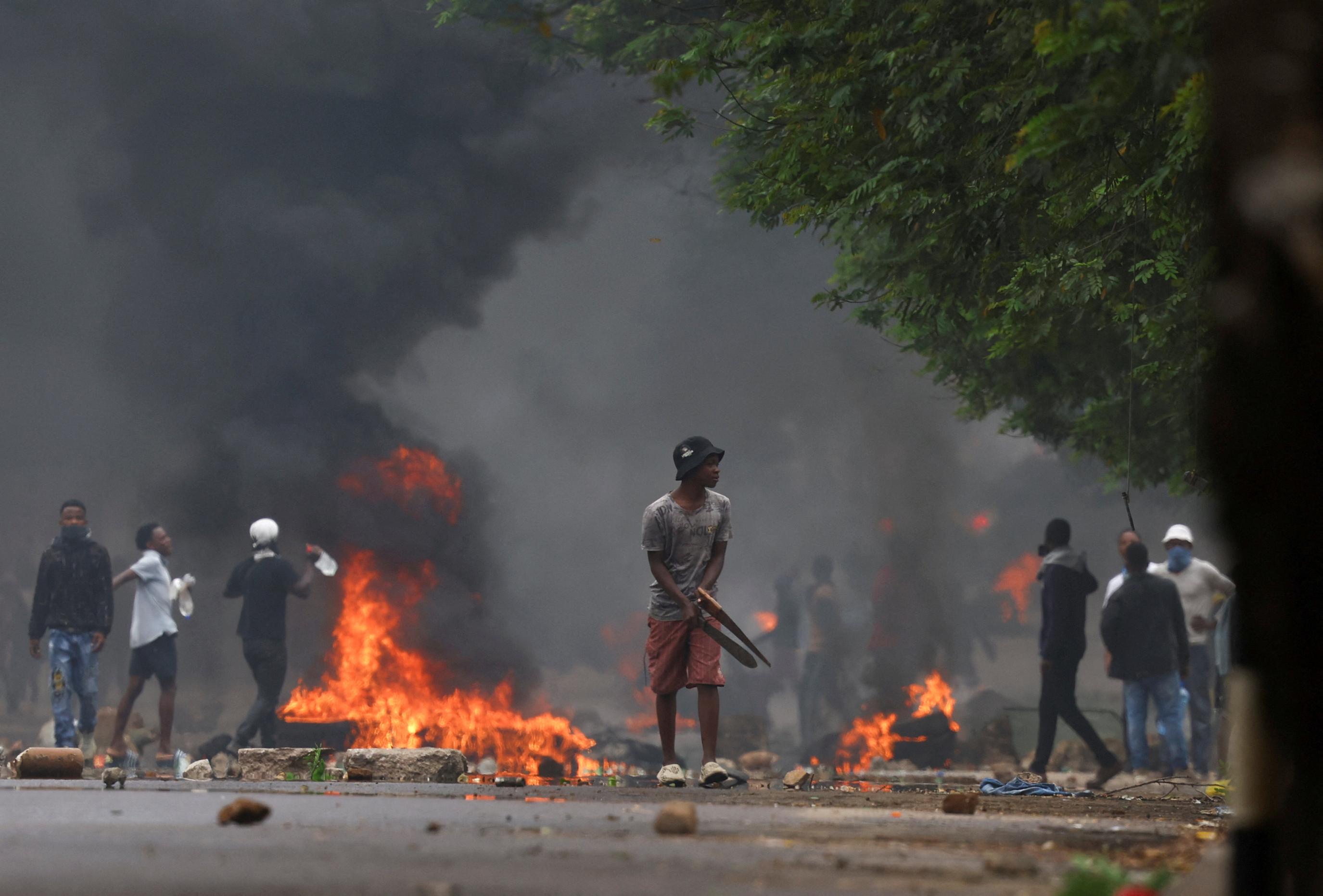
JOHANNESBURG, Nov 27 (Reuters) - The governments of the United States, Britain, Canada, Norway, and Switzerland on Wednesday jointly condemned the escalating violence against civilians in Mozambique, a southern African nation currently embroiled in weeks of post-election protests. "We call on the Government of Mozambique to uphold the role of security forces to protect the people of Mozambique," the countries said in a joint statement. Public outrage has surged after last month's disputed election results, which sparked protests from opposition supporters. The opposition is contesting what they say is a fraudulent victory by Frelimo, the party that has governed Mozambique since 1975. The election result saw Frelimo extend its five-decade rule with its candidate, Daniel Chapo, succeeding President Filipe Nyusi to become Mozambique's fifth president since its independence from Portugal. Footage obtained by Reuters and shared on social media on Wednesday showed an armoured vehicle ploughing through a crowd of protesters in the capital, Maputo, hitting a woman. In response to the incident, Mozambique's army released a statement expressing deep regret over the accident, saying that the vehicle that was part of a properly marked convoy "accidentally ran over a citizen". The embassies of the five countries have called for an investigation into the incident. Local monitoring group Plataforma Decide said last week at least 67 people were killed due to the unrest between mid-October and mid-November. Sign up here. https://www.reuters.com/world/africa/us-britain-others-condemn-escalating-violence-mozambique-2024-11-27/
2024-11-27 19:27
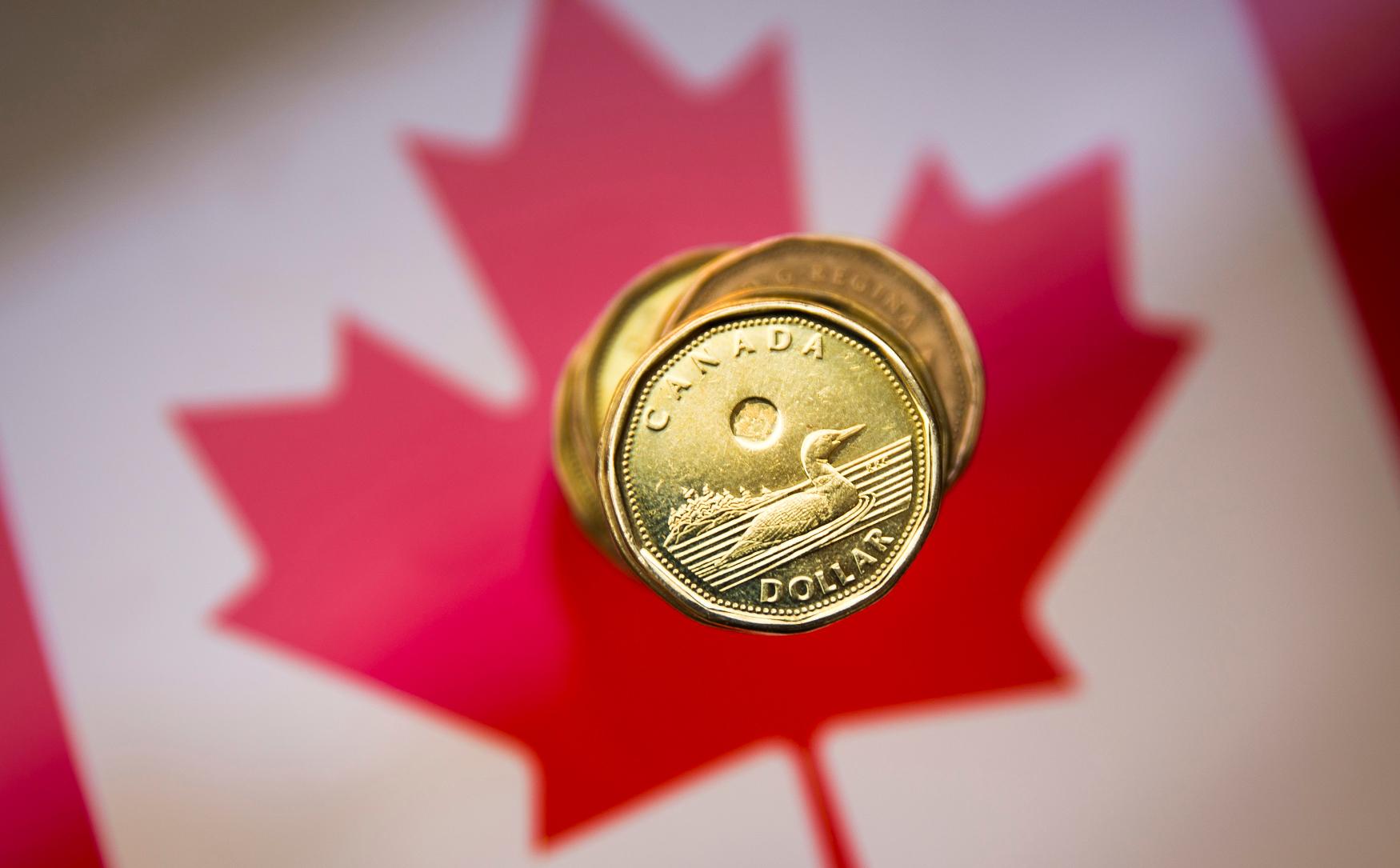
Canadian dollar gains 0.2% against the greenback Trades in a range of 1.4010 to 1.4077 10-year yield eases 6.5 basis points TORONTO, Nov 27 (Reuters) - The Canadian dollar extended its recovery from a 4-1/2 year low against its U.S. counterpart on Wednesday as investors bet on Canada avoiding threatened U.S. trade tariffs through negotiation and looked ahead to domestic GDP data. The loonie was trading 0.2% higher at 1.4025 per U.S. dollar, or 71.30 U.S. cents, after moving in a range of 1.4010 to 1.4077. On Tuesday, the currency touched its weakest intraday level since April 2020 at 1.4177 after U.S. President-elect Donald Trump said he would impose a 25% tariff on imports from Canada and Mexico. "Targeting both countries suggests the threat was likely a strategic opening move in renegotiating the existing free trade agreement between the three nations," said Tony Valente, a senior FX dealer at AscendantFX. "The price action following Trump's remarks support this view, with an initial knee-jerk sell-off giving way to a recovery as investors anticipate a negotiated outcome." The U.S. dollar (.DXY) , opens new tab fell to a two-week low against a basket of major currencies. Still, analysts say that oil producers in Canada and Mexico will likely be forced to reduce prices and divert supply to Asia if Trump imposes tariffs on crude imports from the two countries. Canadian third-quarter gross domestic product data, due on Friday, could offer clues on the pace of further interest rate cuts expected from the Bank of Canada. Economists forecast growth slowing to an annualized rate of 1%. The gross domestic product report along with recent hotter-than-expected inflation data could push the market to reassess the chances of another outsized interest rate cut next month, Valente said. The BoC cut its benchmark rate in October by an unusually large half a percentage point to 3.75%. The Canadian 10-year yield eased 6.5 basis points to 3.221% as investors globally set aside elevated U.S. inflation and worried about the growth outlook. Sign up here. https://www.reuters.com/markets/currencies/canadian-dollar-gains-tariff-threat-shock-fades-2024-11-27/
2024-11-27 19:13
FBI has been investigating Exxon Mobil consultant Cyber spying operation targeted hundreds of Exxon Mobil critics Leaked documents later cited by Exxon Mobil and others in court filings WASHINGTON, Nov 27 (Reuters) - The FBI has been investigating a longtime Exxon Mobil consultant over the contractor's alleged role in a hack-and-leak operation that targeted hundreds of the oil company’s biggest critics, according to three people familiar with the matter. The operation involved mercenary hackers who successfully breached the email accounts of environmental activists and others, the sources told Reuters. The scheme allegedly began in late 2015, when U.S. authorities contend that the names of the hacking targets were compiled by the DCI Group, a public affairs and lobbying company working for Exxon at the time, one of the sources said. DCI provided the names to an Israeli private detective, who then outsourced the hacking, according to the source. In an effort to push a narrative that Exxon was the target of a political vendetta aimed at destroying its business, some of the stolen material was subsequently leaked to the media by DCI, Reuters determined. The Federal Bureau of Investigation found that DCI shared the information with Exxon before leaking it, the source said. Some environmental activists interviewed by Reuters say the hacking operation disrupted preparations for lawsuits by cities and state attorneys general against Exxon and other energy companies. Those lawsuits were modeled on litigation against the tobacco industry in the mid-1990s, which resulted in a watershed settlement and sweeping restrictions , opens new tab on cigarette sales. The stolen material continues to be used today to counter litigation claiming the oil giant misled the public and its investors about the risks of climate change. As recently as April, an industry trade group that has received funding from Exxon cited one of the hacked documents , opens new tab – an internal memo sketching out the proposed litigation strategy of the environmentalists – in an effort to get the Supreme Court to quash a lawsuit filed by the city of Honolulu against Exxon and other energy companies. The case is pending. The group, the National Association of Manufacturers, said it was not aware of the allegation the material had been hacked “and will consider whether to stop using it in future briefs.” Exxon and DCI parted ways around 2020, according to two people familiar with the matter. In a statement, Exxon said it “has not been involved in or aware of any hacking activities,” calling allegations to the contrary “conspiracy theories.” Reuters could not determine whether Exxon itself has also been the subject of the FBI investigation. DCI said: “We direct all our employees and consultants to comply with the law.” The leaks “sent a shudder through the environmental community,” said Kert Davies, director of investigations for an environmental group, the Center for Climate Integrity. Davies was among those targeted by the hackers. Matt Pawa, an attorney whose strategy drove much of the anti-Exxon litigation, said the leaks fueled a legal counteroffensive that nearly knocked him out of business. “Those documents were directly employed by Exxon to come after me with all guns blazing,” he said in a recent interview. “It turned my life upside down.” The investigation into the hack-and-leak operation comes amid growing concern among law enforcement agencies worldwide about how such cyberespionage schemes threaten to taint judicial proceedings. The FBI has been investigating the broader use of mercenary hackers to tamper with lawsuits since early 2018, Reuters has previously reported. The Israeli private detective hired by DCI, Amit Forlit, was arrested this year at London’s Heathrow Airport and is fighting extradition to the United States on charges of hacking and wire fraud. U.S. law enforcement authorities declined to comment on their efforts. They have not spoken publicly about the case against Forlit, which remains under seal. But in court hearings earlier this year, British lawyers acting on behalf of the American government alleged that Forlit had carried out hack-for-hire work for a “Washington-based PR and lobbying firm” and that he worked on behalf of an oil and gas corporation which wanted to discredit individuals involved in climate change litigation. In those hearings, the energy company and the lobbying firm were not identified. Federal prosecutors have secured a related conviction: that of Forlit’s former business associate, private investigator Aviram Azari. Azari pleaded guilty in 2022 to wire fraud, conspiracy to commit hacking and aggravated identity theft, which included targeting the environmental activists. In court files, prosecutors did not assert any link between Azari and Exxon, DCI or Forlit. But one of the sources with knowledge of the FBI investigation said Forlit outsourced the hacking of the environmental activists to Azari. Forlit’s attorneys did not respond to messages from Reuters seeking comment. A lawyer for Azari, Barry Zone, declined to comment. Addressing his victims after he was sentenced last year to 80 months in prison, Azari said that “there will come a day” when he could provide more information about what he had done. “You don't know everything," he said. CODENAME “FOX HUNT” The hack-and-leak operation came on the heels of a series , opens new tab of media reports , opens new tab in 2015 contending that scientists at Exxon knew for decades that fossil fuels were warming the Earth as the company's top executives publicly said otherwise. Exxon has said , opens new tab that its internal research and public positions on climate change have been misinterpreted. Under the hashtag “ExxonKnew,” groups such as Greenpeace called for legal action. So did then-presidential candidate Hillary Clinton, who said the Department of Justice should probe the firm because “there’s a lot of evidence they misled people.” In November 2015, New York’s attorney general, Eric Schneiderman, announced he was investigating Exxon. Other suits followed. With Exxon on the defensive, DCI swung into action to protect what was then one of the firm’s most important clients. Reuters interviewed a dozen former DCI employees to piece together the firm’s relationship with Exxon. Founded in 1996 by veterans of Republican politics, DCI has worked for a variety of tobacco, telecom, hedge fund and energy firms. On its website, DCI says it handles public relations crises, litigation support, and opposition research. Five former DCI employees said Exxon was long one of DCI’s biggest sources of revenue. One ex-employee said the oil giant regularly steered more than $10 million in business a year to DCI. Lobbying work alone for Exxon earned DCI at least $3 million between 2005 and 2016, according to publicly available data gathered by the transparency website OpenSecrets , opens new tab. DCI’s staff in Washington kept track of social media chatter around the ExxonKnew campaign as well as moves made by state attorneys general, according to two people familiar with the matter. DCI also hired the Israeli detective Forlit, who tapped Azari to hack the accounts, according to one of the sources familiar with the FBI investigation. The operation’s code name was “Fox Hunt,” the source said. Azari was the subject of a 2022 Reuters investigation that revealed how he and other private investigators used mercenary hackers in India to help wealthy clients gain the upper hand in legal cases. The report drew on a large dataset of Indian hacking activity, which shows that the spies tried to break into more than 13,000 email addresses over a seven-year period. Among the targets were more than 500 email addresses belonging to environmentalists, their funders, their colleagues and their family members, all of whom were targeted between 2015 and 2018. Some details of the hacking campaign previously have been made public. In 2020 the Canadian digital watchdog group Citizen Lab identified 10 organizations , opens new tab targeted in a sweeping cyberespionage effort, including Greenpeace, the Union of Concerned Scientists and the Rockefeller Family Fund. Reuters has learned the identity of other prominent targets, which include former Democratic presidential candidate and billionaire environmentalist Tom Steyer, and the ex-wife of Schneiderman, New York’s then-attorney general. Steyer's lawyers did not respond to requests for comment. In an email, Schneiderman's ex-wife and former political adviser, Jennifer Cunningham, said she had long suspected that Exxon was behind the hack-and-leak effort. Beginning in April 2016, news reports appeared alleging the ExxonKnew campaign was a politicized effort pushed by wealthy benefactors. Within 24 hours of one another, the Wall Street Journal , opens new tab and the Washington Free Beacon , opens new tab published stories based on an internal memo , opens new tab circulated about a meeting at the offices of the Rockefeller Family Fund. The memo said participants planned to discuss how to convince the public that “Exxon is a corrupt institution” and “delegitimize them as a political actor.” The person with knowledge of the law enforcement investigation said the FBI assessed that the memo was obtained via the Forlit-led hacking operation. Separately, Reuters determined that the memo was subsequently leaked to the media by DCI. Washington Free Beacon editor Eliana Johnson said that the paper did not comment on sourcing. The Wall Street Journal did not immediately return a message seeking comment. Exxon’s lawyers repeatedly drew on the hacked documents to support the company’s litigation. After the New York attorney general filed suit against Exxon in 2018, for instance, the energy company’s lawyers cited the stolen Rockefeller meeting memo to argue that the case should be thrown out. The lawyer representing Exxon, Theodore Wells, told New York’s Supreme Court in his October 2019 opening statement that Schneiderman had improperly formed “a political alignment with activists for the purpose of advancing an agenda directed at energy companies.” New York lost the case two months later, when a judge ruled that the attorney general failed to prove that Exxon had defrauded investors by hiding the true cost of climate change regulation. In an interview, Schneiderman said the leaked documents were used “to great effect” to bolster what he called Exxon’s “baseless claim that we were engaged in a politically motivated ‘witch hunt.’” Wells and his law firm, Paul Weiss, did not respond to messages seeking comment. The memo or other hacked documents were also cited in court filings by Exxon against attorneys general in Massachusetts and the U.S. Virgin Islands, as well as in the company's 2018 effort , opens new tab to depose climate change attorney Pawa and other lawyers. Much of the litigation is ongoing. On Tuesday, Maine became the ninth U.S. state to file a lawsuit accusing oil companies or allied groups of deceiving the public about climate change. Pawa said the industry has continued to invoke the hacked files in its effort to push back. “They were used over and over again,” he told Reuters. The net effect, he said, was “chilling people from exercising their constitutional rights.” Sign up here. https://www.reuters.com/business/energy/exxon-lobbyist-investigated-over-hack-and-leak-environmentalist-emails-sources-2024-11-27/
2024-11-27 18:49
States say firms began pressuring coal companies in 2021 BlackRock says suit is baseless, discourages investment Texas AG decries 'weaponization' of financial industry Nov 27 (Reuters) - BlackRock (BLK.N) , opens new tab, Vanguard and State Street (STT.N) , opens new tab have been sued by Texas and 10 other Republican-led states, which said the large asset managers violated antitrust law through climate activism that reduced coal production and boosted energy prices. Wednesday's complaint filed in the federal court in Tyler, Texas, is among the highest profile lawsuits targeting efforts to promote environmental, social and governance goals, or ESG. The defendants were accused of exploiting their market power and involvement in climate advocacy groups to pressure coal companies to slash output and reduce carbon emissions from coal by more than 50% by 2030, driving up consumers' utility bills. "Competitive markets -- not the dictates of far-flung asset managers -- should determine the price Americans pay for electricity," the states said in the complaint. BlackRock, Vanguard and State Street together have more than $26 trillion of assets under management. In a statement, BlackRock said any suggestion it invested in coal producers to harm them was "baseless and defies common sense. This lawsuit undermines Texas' pro-business reputation and discourages investments in the companies consumers rely on." Vanguard and State Street did not immediately respond to requests for comment. The 11 states also include Alabama, Arkansas, Indiana, Iowa, Kansas, Missouri, Montana, Nebraska, West Virginia and Wyoming. Republicans have long explored using U.S. antitrust laws to target alleged collusion among investment managers to advance climate-related goals. Climate advocates, in contrast, view assessing environmental risks as essential to determining what investments are worth. BIG STAKES IN COAL COMPANIES The states objected to BlackRock, Vanguard and State Street allegedly pressuring coal companies for change starting in 2021. They also criticized the defendants' membership in the Net Zero Asset Managers Initiative, which says members are committed , opens new tab to complying with all antitrust laws, and BlackRock's and State Street's membership in Climate Action 100+. Vanguard left the Net Zero initiative in 2022, while BlackRock and State Street left Climate Action 100+ in February. But the states said the withdrawals did not negate the "ongoing and future threat" of continued pressure. It cited the defendants' investments in nine coal companies, including combined respective stakes of 34.2% and 30.4% in Arch Resources (ARCH.N) , opens new tab and Peabody Energy (BTU.N) , opens new tab, the largest publicly traded U.S. coal producers. BlackRock was also accused in the lawsuit of "actively deceiving" investors about its non-ESG funds by promising to dedicate them to enhance shareholder value, when it allegedly used all its holdings to advance its climate goals. Texas Attorney General Ken Paxton, whose office filed the lawsuit, in a statement accused the defendants of promoting an "illegal weaponization of the financial industry in service of a destructive, politicized 'environmental' agenda." The lawsuit seeks to block the defendants from using their investments to vote on shareholder resolutions and take other steps that could undermine coal output and limit market competition. It also seeks civil fines for violating federal antitrust and Texas consumer protection laws. The case is Texas et al v BlackRock Inc et al, U.S. District Court, Eastern District of Texas, No. 24-00437. Sign up here. https://www.reuters.com/legal/blackrock-state-street-vanguard-sued-by-republican-states-over-climate-accords-2024-11-27/
2024-11-27 18:49
Nov 27 (Reuters) - Grupo Matrix Energia of Brazil and TotalEnergies of Argentina confirmed their first deal with Bolivia's state energy company, YPFB, to transport natural gas from the massive Vaca Muerta shale formation in Argentina as the region faces a supply shift. Under the contract signed on Nov. 22, Yacimientos Petroliferos Fiscales Bolivianos (YPFB) will move Argentine natural gas to Brazil using Bolivian transport infrastructure, representatives from the two companies told Reuters on Wednesday. YPFB had issued a statement on Tuesday saying the deal was a crucial step in enabling gas supplies from Argentina to reach Brazilian consumers and strengthened the "regional energy integration process." Exports from Bolivia, once a prominent producer in the region, have declined rapidly in recent years, forcing neighbors Argentina and Brazil to seek alternatives. Supply to Argentina ceased in September, while volumes to Brazil have been renegotiated in recent years. Argentina has the world's second largest shale gas reserves and is seeking to position itself as a gas exporter, though the country is still developing a pipeline network to transport the fuel and build the commercial framework needed for negotiating tariffs. As part of the deal signed in the Bolivian city of Santa Cruz last week, YPFB said its gas transportation companies are authorized to operate and manage the flow of natural gas through its existing pipeline network that stretches roughly 1,000 km (600 miles) connecting Argentina with Brazil. TotalEnergies, the Argentine unit of the French oil company TotalEnergies (TTEF.PA) , opens new tab, and Matrix Energia also signed a purchase and sales contract. TotalEnergies obtained two permits to export natural gas from the Austral and Neuquen Basins to Brazil, YPFB said. TotalEnergies declined to comment further. Sign up here. https://www.reuters.com/business/energy/brazil-argentina-sign-deal-with-bolivias-ypfb-transport-vaca-muerta-gas-2024-11-27/