2024-11-27 13:00
DUBAI, Nov 27 (Reuters) - United Arab Emirates state oil group ADNOC on Wednesday announced the launch of XRG, an investment company focusing on lower-carbon energy and chemicals, valued at more than $80 billion. The company, which aims to more than double its asset value in the next decade, will initially focus on "transformational" global investments when it begins operating in the first quarter of 2025, its parent Abu Dhabi National Oil Company said in a statement. It will seek to boost its value by taking advantage of "the transformation of energy, exponential growth of AI, and the rise of emerging economies," the statement said. ADNOC has done a string of acquisitions in gas and chemicals, which along with LNG and renewables it considers pillars for its future growth. Earlier this month, German plastics and chemicals maker Covestro said its management and supervisory boards supported ADNOC's $16.3 billion takeover offer. The Covestro deal is one of the largest foreign takeovers by a Gulf state as countries in the region seek to reduce their dependence on oil amid the global switch to cleaner energy. XRG was announced following an ADNOC board meeting, chaired by UAE President Sheikh Mohammed bin Zayed Al Nahyan. The company was created to accelerate ADNOC's international growth and drive greater value, a separate ADNOC statement said. XRG's global chemicals business aims to be among the world's top five, expecting a 70% rise in global demand for chemical and specialty products by 2050, the statement said. XRG's international gas business will seek an integrated portfolio to help to meet a projected 15% rise in natural gas demand in the next decade and 65% increase in demand for liquefied natural gas by 2050. ADNOC's board on Wednesday also approved directing 200 billion dirhams ($54.45 billion) to the local economy over the next five years as part of the oil company's in-country value programme. ($1 = 3.6728 UAE dirham) Sign up here. https://www.reuters.com/markets/commodities/uae-state-oil-group-adnoc-sets-up-international-investment-arm-xrg-2024-11-27/

2024-11-27 12:45
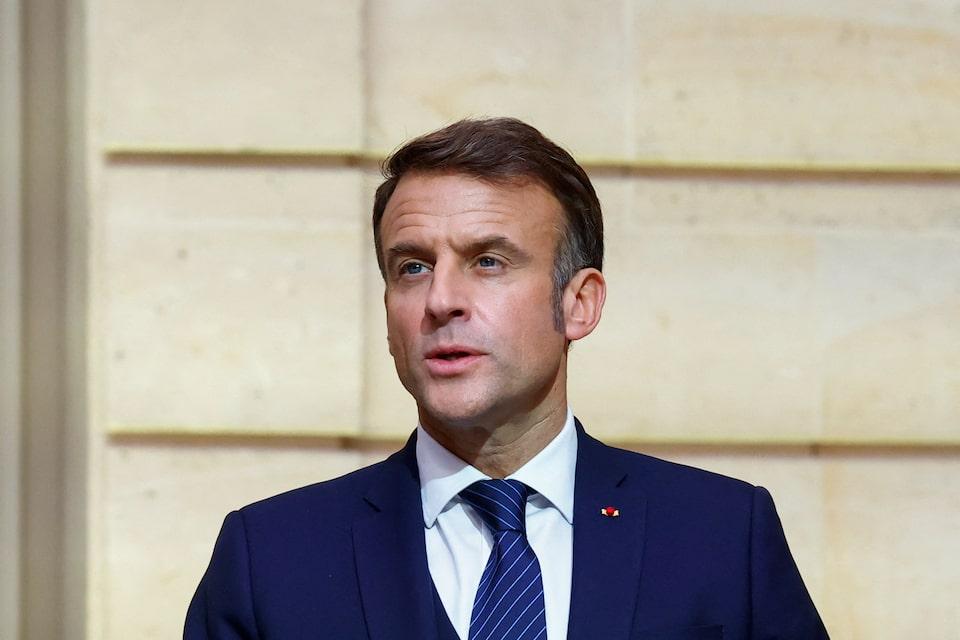
EDF faces financing challenges due to high debt and project delays French government faces no-confidence vote over budget with spending cuts EU approval needed for state aid in nuclear projects PARIS, Nov 27(Reuters) - French officials are drawing up plans to provide an interest-free loan to state-owned power utility EDF to finance a significant portion of the construction of six new nuclear reactors, two people familiar with the matter said. The financing would clear a major hurdle for one of the country's biggest public projects in years. The plans are similar to financing agreed recently for a single reactor in the Czech Republic, and although the size of the loan is not yet known, it shows the growing need for state support in financing new nuclear projects in Europe. The plans also include a long-term guaranteed price for the power generated, known as a contract for difference (CfD), said the people, who declined to be identified because they are not authorised to speak with media. The Ministry of Finance and EDF declined to comment. The discussions on financing the projects that could cost well over 50 billion euros ($52.60 billion) come as the French government faces a potential no-confidence vote over a proposed budget that contains measures to cut spending and raise taxes to contain the country's soaring debt. President Emmanuel Macron announced plans in early 2022 for six new reactors with a total production capacity of about 10 gigawatts to partly replace an ageing nuclear fleet and secure future energy supplies. Construction of the first reactor is due to start in 2027 but Macron has never said who would pay for the project, which at the time was estimated to cost around 52 billion euros. Recent media reports suggest costs may be higher, reaching as much as 67 billion euros. France's current 57 nuclear reactors in operation were largely financed by EDF, which was a publicly-listed company until it was fully nationalised last year. But the company is unlikely to be able to secure private financing for new projects, given its already high debt, and there have been multiple delays and cost overruns at recent projects like Flamanville in France and Hinkley Point in England. CZECH MODEL While there is general agreement to provide a zero-interest loan to EDF during the construction phase, the amount is not yet decided and there are still "intense discussions" on matters such as the sharing of risk between the utility and the state from any additional costs and delays, one of the sources said. The plan also needs approval from the finance minister once EDF submits a final costing for the projects, expected early next year. As a form of state aid, it also needs to be cleared by the European Commission. French officials have been encouraged, however, by Brussels' approval for a similar financing structure for one 1 gigawatt Czech unit at Dukovany, the sources said. Under the Czech arrangement, interest on a state loan increases to at least 2% after the plant begins operating. Europe is seeing a resurgence of interest in nuclear power projects, with nations including Poland and the UK planning new plants to shore up their energy self-sufficiency after a major energy crisis in the region. Financing remains a huge challenge, with construction risks weighing on utilities' balance sheets and credit ratings. The British government recently pledged more than 5.5 billion pounds ($6.93 billion) to help fund early development of the 3.2 GW Sizewell C project. Another project in Britain, EDF's 3.2 GW Hinkley Point C plant, which is expected to cost between 31 billion pounds and 34 billion pounds based on 2015 values, is also backed by a contract for difference scheme. ($1 = 0.9506 euros) ($1 = 0.7931 pounds) Sign up here. https://www.reuters.com/business/energy/france-is-weighing-zero-interest-loan-6-nuclear-reactors-sources-say-2024-11-27/
2024-11-27 12:42
SEOUL, Nov 27 (Reuters) - A fifth round of talks aimed at securing an international treaty to curb plastic pollution had seen slow progress as the halfway point approaches, delegates said on Wednesday, fuelling doubts that a deal can be reached by a Dec. 1 deadline. South Korea is hosting the fifth and final U.N. Intergovernmental Negotiating Committee (INC-5) meeting to yield a legally binding international treaty this week. Although three of a planned seven days of talks have passed, they have yet to yield an agreed text, and talks on financing to help developing countries implement the treaty had not completed line-by-line negotiations, delegates said on Wednesday. Petrochemical-producing nations such as Saudi Arabia and China have strongly opposed efforts to target plastic production, over the protests of countries that bear the brunt of plastic pollution such as small island nations and low- and middle-income countries. "It's very, very clear that countries want this deal," Inger Andersen, executive director of the U.N. Environment Programme, told reporters on Wednesday. "We need to see text on the table tomorrow." Progress appeared slowest on divisive issues such as plastic production caps and waste management. In some cases "discussions have taken us back to the situation of prior meetings", a delegate from Colombia said during a stocktaking plenary session on Wednesday, including in "areas where it should be simpler to find areas of convergence" such as plastic waste management. Many delegates expressed frustration over the slow pace, the multitude of proposals, and disagreements over procedure. "The frustration is very much procedural," said Eirik Lindebjerg, global plastics policy lead at environmental group World Wide Fund for Nature, saying countries that want an ambitious treaty should not bargain with those slowing down the process. Some 220 fossil fuel and chemical industry lobbyists are registered to attend this week's plastics treaty negotiations, outnumbering any other single delegation including South Korea's 140 people, the Center for International Environmental Law said on Wednesday. Civil society organisations complained , opens new tab on Tuesday their participation in the process was hampered by inadequate arrangements such as limited seating availability for observers. Sign up here. https://www.reuters.com/business/environment/fifth-un-plastics-treaty-talks-mired-division-halfway-point-approaches-2024-11-27/

2024-11-27 12:30
Minister says Russian gas-supply decision could be last-minute Says gas supply to Moldovan rebel region could be terminated Gas needed to keep power station in Transdniestria operating CHISINAU, Nov 27 (Reuters) - The termination of Russian gas supplies to Moldova's breakaway region of Transdniestria after Jan. 1, 2025 is a "very realistic" scenario, Energy Minister Victor Parlicov said on Wednesday after talks with Russia's Gazprom (GAZP.MM) , opens new tab. Parliсov spoke with the head of Gazprom on Monday to discuss alternative routes to supply Transdniestria if transit through Ukraine stops. The current gas-transit agreement between Ukraine and Russia ends on Dec. 31 and Ukraine has said it will not extend it. The unrecognised, Russian-backed Transdniestria region depends heavily on Russian natural gas supplied via Ukraine. Parliсov told a press conference in Chisinau that Gazprom was ready to supply gas to Transdniestria via the current route, but that it was up to Moldova and Ukraine to agree on transit. "From discussions with my Ukrainian colleagues, I understand that if there is a decision to continue transit, it may be taken at the last moment," Parlicov said. Moldova receives about 2 billion cubic metres of gas per year from Russia through Ukraine and since 2022, Transdniestria and Chisinau have agreed that all Russian gas received by Moldova will go to the breakaway region. Transdniestria has a large power plant fuelled by Russian gas and Chisinau, in turn, buys electricity from the region at a relatively low fixed price. Parlicov, speaking later on Moldovan TV8 television, said he felt during his talks in St. Petersburg that Russia was less forthright in its commitment to supporting Transdniestria, which it has backed since the collapse of Soviet rule in the 1990s. "This is already not a taboo subject like it was before," he said. As an example, he said, Transdniestria's steel mill, a key exporter, had been left virtually unable to operate after a Russian attack on a power substation in southern Ukraine. He acknowledged that if gas supplies were cut to Transdniestria, the region would need financial help to survive and avoid a humanitarian catastrophe. ALTERNATIVE ROUTE Moldova has said that if Ukraine ends the transit of Russian gas an alternative for Transdniestria could be gas supplied by the TurkStream pipeline to Turkey and then through Bulgaria and Romania. However, Parlicov told the briefing that Gazprom in the talks had linked continued deliveries via alternative routes to its demands that Moldova pay a debt on past supplies, which according to Russian calculations stands at $709 million. Moldova has said its debt is $8.6 million. "We believe that it's incorrect to link the debt problems with supplies (to Transdniestria)," Parliсov said. He said that supply via both Ukraine and alternative routes could stop on Jan. 1 and then Chisinau would need international support to pay for gas from other sources. Gazprom has not commented on the meeting with Moldova's minister. Sign up here. https://www.reuters.com/markets/commodities/moldova-says-end-russian-gas-transdniestria-very-realistic-scenario-2024-11-27/

2024-11-27 12:04
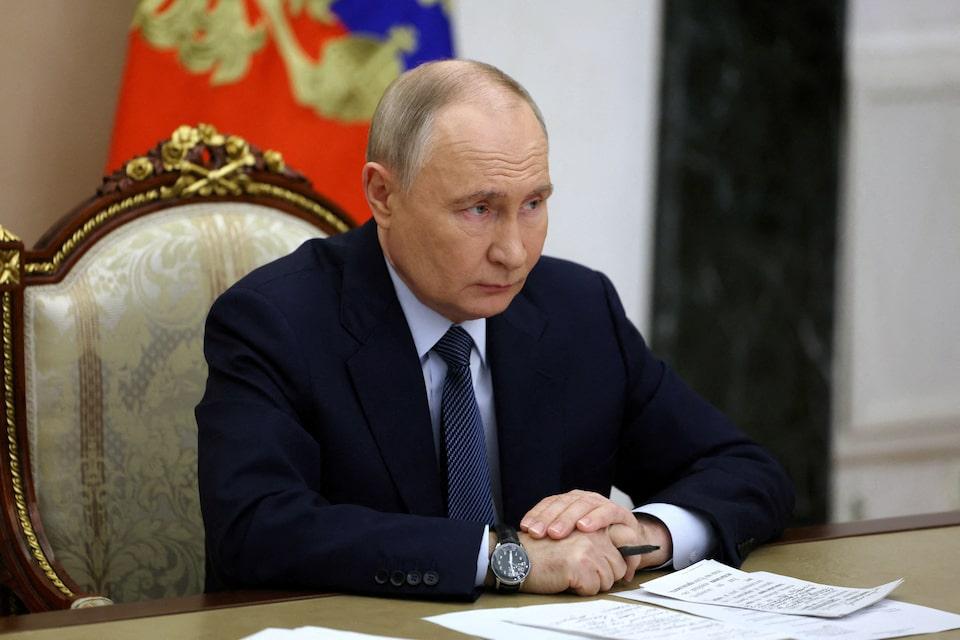
Putin starts 2-day visit to Kazakhstan on Wednesday Kazakhstan, Russia share close economic, security ties Kazakhstan reliant on Moscow for exporting oil to West Astana has also sought good ties with West ASTANA, Nov 27 (Reuters) - Russian President Vladimir Putin will discuss energy ties on a visit to Kazakhstan this week, the Kremlin said on Tuesday, a trip that comes amid trade tensions with the Central Asian nation, which exports most of its oil through Russia. Kazakhstan, which has tried to distance itself from Moscow's war in Ukraine, remains highly dependent on Russia for exporting oil to Western markets and for imports of food, electricity and other products. "Our countries are ... constructively cooperating in the oil and gas sector," Putin wrote in an article "Russia – Kazakhstan: a union demanded by life and looking to the future" for the Kazakhstanskaya Pravda newspaper and published on the Kremlin's website late on Tuesday. Putin's article came after Kazakhstan's energy minister said on Monday his country could sharply increase its crude oil exports out of Turkey's port of Ceyhan, a move that would reduce the share of flows it currently sends via Russia. Underscoring that more than 80% of Kazakhstan's oil is exported to foreign markets via Russia, Putin said he and President Kassym-Jomart Tokayev always focused on "a specific result" in their talks. Kremlin foreign policy aide Yuri Ushakov told journalists on Tuesday that Putin and Tokayev would sign a protocol on extending an agreement on oil supplies to Kazakhstan. He provided no further details. NUCLEAR PLANT Putin also said in his article that Russia's state nuclear corporation Rosatom - already involved in some projects in Kazakhstan - was "ready for new large-scale projects". In October, Kazakhstan, a nation of 20 million, voted in favour of constructing its first nuclear power plant, under a Tokayev-backed plan that faced public criticism and concerns that Russia would be involved in the project. Putin's visit also comes amid agricultural trade tensions following a Russian ban on imports of grain, fruit and other farm products from Kazakhstan in October. Moscow imposed the ban after Kazakhstan barred Russian wheat imports in August. While Tokayev has made a number of gestures welcomed by Moscow such as initiating the creation of an international body to support the Russian language across the former Soviet space, his government has also sought to maintain friendly ties with the West. Last month, Astana said it had no plans to join BRICS, the bloc of emerging economies which Putin hopes to build as a powerful counterweight to the West in global politics and trade. Kazakhstan has also pledged to abide by Western sanctions on Russia, although some Kazakh companies have been caught skirting them. Security was tight in Astana ahead of Putin's scheduled arrival on Wednesday, with whole blocks of the city cordoned off and military helicopters and fighter jets patrolling the sky. Sign up here. https://www.reuters.com/business/energy/putin-talk-energy-ties-visit-kazakhstan-kremlin-says-2024-11-27/
2024-11-27 11:54
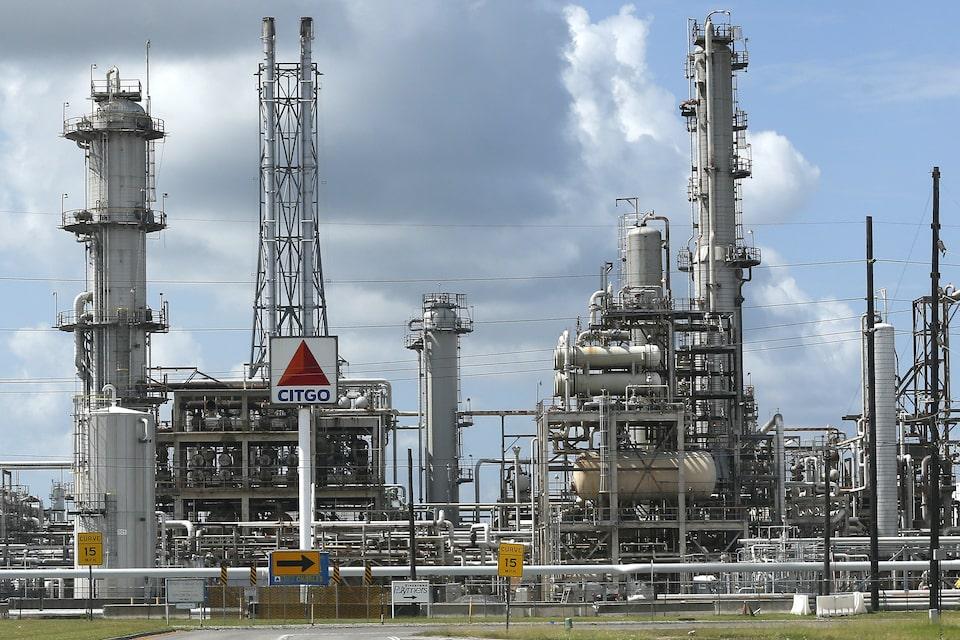
Court adviser proposes new bidding round beginning next month Opposition to Elliott affiliate's offer prompts a re-launch Ownership change at oil refiner Citgo unlikely before mid-2025 HOUSTON, Nov 27 (Reuters) - An auction of shares in a Citgo Petroleum (PDVSAC.UL) parent to pay claims against Venezuela needs to be overhauled, a court adviser recommended on Tuesday, conceding a year-long sale process was in shambles and needed to start fresh. U.S. District Court in Delaware is auctioning shares in PDV Holding to repay $21.3 billion in claims against Venezuela and state-oil firm PDVSA for expropriations and debt defaults. The recommendation in a court filing came after an up to $7.3 billion bid by an affiliate of activist fund Elliott Investment Management failed to win support from creditors. At least two groups had told the court they could present offers if allowed to re-enter the bidding contest. Court adviser Robert Pincus proposed to re-launch the auction after being admonished by the judge for a lack of an agreement that met terms set more than a year ago. The adviser had granted Elliott exclusive negotiating rights and would have let it defer payments, conditions that creditors said unduly favored Elliott. Elliott's wholly owned affiliate, Amber Energy, which in September was named the original auction's winner but never concluded a deal, said in a court filing the proposed terms "will create a chaotic environment that will negatively impact the purchase price." Amber had previously said it would walk away if the judge in the case rejected its terms. A spokesperson declined to immediately comment on its next steps. The adviser's plan for starting afresh largely followed Judge Leonard Stark's prescription for how to revive the sale. But Special Master Robert Pincus recommended against Stark's suggestion that cases seeking the same assets go ahead, saying other bidders likely would not accept the risk of rival claims. Pincus proposed to reopen to bidders Citgo financial and operational data and formally re-launch the auction on Dec. 18 and accept bids for three months. A final recommendation to the court could come in April with judge Stark holding a hearing to confirm any winner in late May, he proposed. Sign up here. https://www.reuters.com/markets/commodities/with-citgo-share-auction-shambles-us-court-readies-plan-start-over-2024-11-27/