2024-11-27 06:06
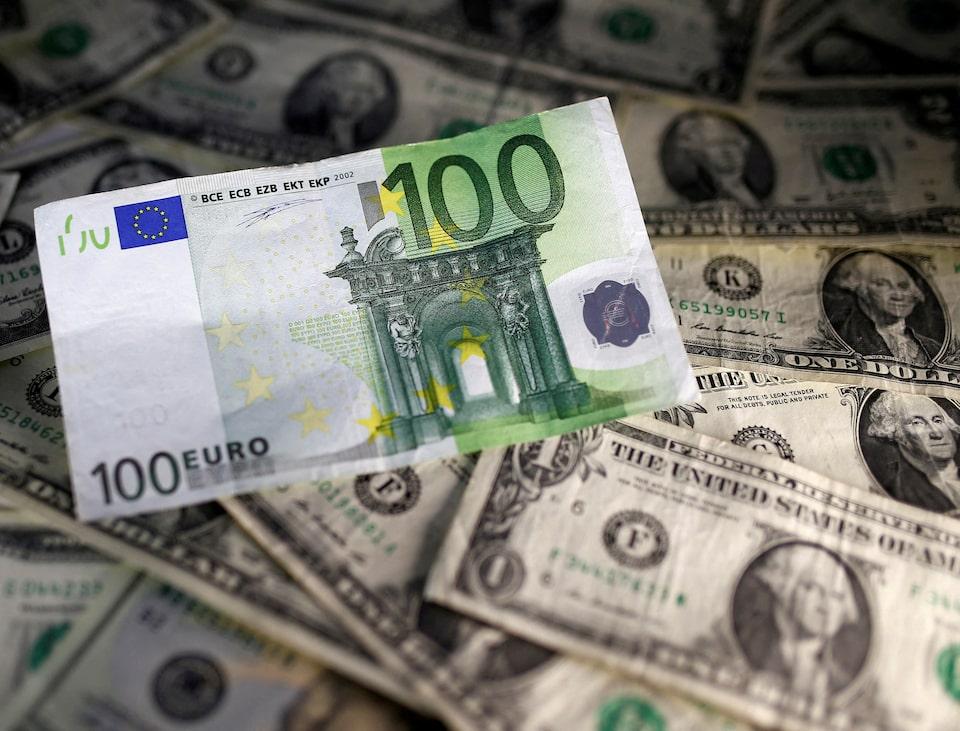
Euro down around 3.8% in Nov, heading towards $1 Analyst views on outlook vary widely 'Trump trades' increase correlation between US stocks and euro Euro seen increasingly volatile if it drops further towards $1 LONDON, Nov 27 (Reuters) - As the euro heads for its worst month since early 2022, analysts warn that a wild ride in the currency could be the next source of global market volatility after gyrations in Japan's yen sparked a bout of cross-asset turmoil in August. Europe's single currency has slumped by just over 3% against the dollar in November. It is now teetering towards the key $1 mark , pressured by U.S. President-elect Donald Trump's proposed trade tariffs, euro zone economic weakness and an escalating Russia/Ukraine conflict, just as U.S. growth bets lift U.S. stocks (.SPX) , opens new tab and the dollar . France's political woes are another potential headwind, with French consumer confidence at a five-month low and the fate of the new government and its budget at risk. Investors and currency traders, however, are divided about what comes next because the dollar is also vulnerable to inflationary tariffs and government debt increases shaking faith in U.S. markets and the economy. This uncertainty could increase if the euro drops further, raising the threat level for unexpected currency shifts that could upend highly popular so-called Trump trades, which bank on the euro falling as U.S. stocks rise, analysts said. "We'll get volatility because people will start to think: Are we breaking through (euro-dollar) parity or will it snap back?" Societe Generale head of FX strategy Kit Juckes said. "The minimum we will see is more debate in both directions about the euro and I don't trust these extraordinarily high levels of cross-asset correlations to continue." August's market rout began with yen-dollar swings that caught hedge funds betting against the Japanese currency off guard and swelled into stock market selling to fund margin calls. Regulators have warned about market fragility to similar events when popular market narratives rapidly shift, because of high levels of leverage in the system. "If we crash through (euro-dollar) parity we'll be having those kinds of conversations again," Juckes said. SPILLOVERS The euro-dollar is the world's most actively traded currency pair and rapid exchange rate shifts can disrupt multinationals' earnings and the growth and inflation outlook for nations that import commodities and export goods priced in dollars. "The euro is a benchmark," Barclays global head of FX strategy Themos Fiotakis said, meaning trade sensitive nations such as China, South Korea and Switzerland could allow their currencies to weaken against the dollar if the euro dropped further so they can compete with euro zone exports. Britain's pound , down just over 2% against the dollar this month to around $1.26, is highly sensitive to euro moves, he added. Market sensitivity to the euro-dollar rate has also risen after what currency strategists said was a rush by traders into options contracts that combine bets on cross-asset outcomes from Trump's policies, such as the euro weakening and the S&P rising. "We've seen a lot of people trying to invest in (these) conditional outcomes," Fiotakis said, which could raise the correlations between currency moves and wider markets. Investors were underestimating that risk, UBS strategist Alvise Marino said. A gauge of investor demand for protection against near-term euro-dollar swings is trading around 8%, well below a level of almost 14% when the euro last slumped below $1 in October 2022. "Realised volatility in FX is likely to be high, and certainly higher than markets are pricing in," Marino said. He is recommending clients hedge against currency swings via derivatives contracts that pay out if euro volatility is higher a year from now. SPLIT VIEWS Long term asset managers, meanwhile, are deeply divided on where the euro and the dollar go from here, underscoring how this crucial exchange rate could be set for a bumpy ride in coming months. "We are looking for the euro to go to 99 cents by the middle of the next year," said Willem Sels, global chief investment officer at HSBC's private banking and wealth unit. But Vincent Mortier, chief investment officer of Amundi, Europe's largest asset manager, said euro zone rate cuts could boost euro zone business and consumer spending and lift the euro to $1.16 by late 2025. Traders in the fast-moving currency options market were late on Tuesday pricing a 56% probability of the euro being higher than its current level of about $1.047 at year-end, despite big banks like JP Morgan and Deutsche Bank saying a move to $1 could happen, depending on tariffs. Rising bets on the European Central Bank lowering rates by half a percentage point to 2.75% next month have weakened the euro. But a popular market narrative that Trump's aggressive growth policies and import taxes will boost U.S. inflation and keep rates high and the dollar mighty is also starting to fray. Eurizon SJL Capital CEO Stephen Jen said the U.S. risked a so-called bond vigilante moment if the White House's lenders in the $27 trillion Treasury market push debt costs higher to try and curb tax cuts funded by excessive borrowing. A consequent tightening of financial conditions "should allow a soft landing in the U.S. economy and lower long-term interest rates," he said, making the dollar overvalued. Sign up here. https://www.reuters.com/markets/currencies/euros-bruising-leaves-global-investors-edge-2024-11-27/
2024-11-27 06:05
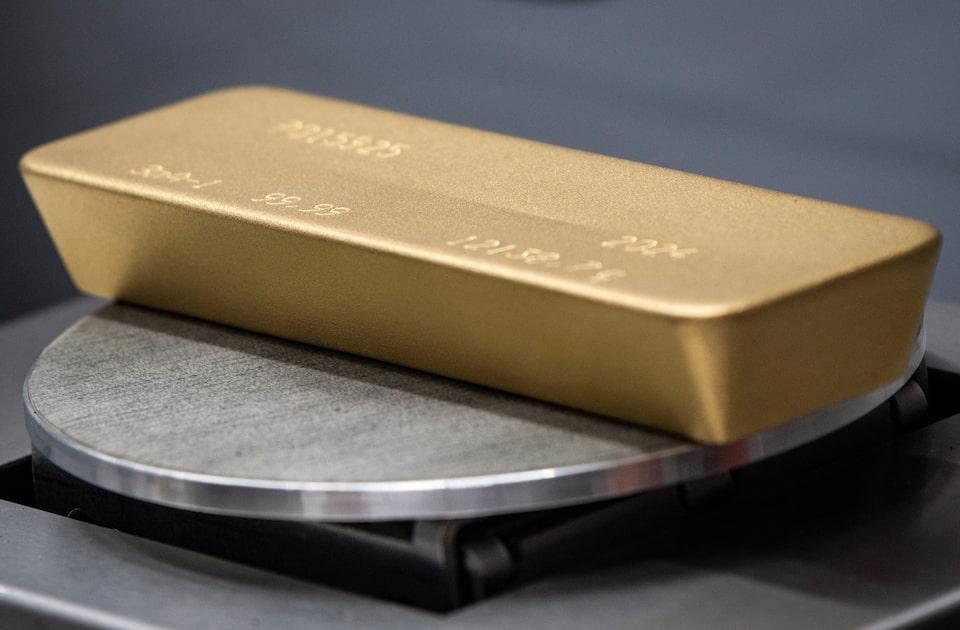
Gold fell to its lowest since Nov. 18 on Tuesday US consumer spending increased solidly in October US dollar down nearly 1%, hits 2-week low Nov 27 (Reuters) - Gold rose on Wednesday, rebounding from an over one-week low hit in the previous session, on a weaker dollar, but trimmed earlier gains after data showed stalled inflation progress, hinting that the U.S. Federal Reserve might be cautious on further rate cuts. Spot gold was up 0.3% at $2,638.90 per ounce, as of 01:41 p.m. ET (1841 GMT). U.S. gold futures settled 0.7% higher at $2,639.90. U.S. markets to be closed on Thursday in observance of the Thanksgiving holiday. U.S. consumer spending increased solidly in October, but progress lowering inflation appears to have stalled in the past months. "We think that the small correction that we just saw in the metals in reaction to data was mostly driven by personal income going up," Phillip Streible, chief market strategist at Blue Line Futures, said. "If the consumer is stronger, even in the face of higher inflation, it shows the resiliency behind it, and that the Federal Reserve may be more reluctant to aggressively keep cutting rates." The dollar index (.DXY) , opens new tab slipped 0.8%, hitting a two-week low, boosting gold's appeal for holders of other currencies. Gold could reach $3,000 into the first two quarters of 2025, barring a sharp inflation spike that forces the Fed to raise rates, which could hurt the bull market, Streible said. Markets now see a 70% chance of a quarter-point rate cut in December. The non-yielding bullion tends to shine in a lower-interest-rate environment. Before the release of the PCE figures, bullion climbed up to 1%. The rebound followed a dramatic $100 plunge on Monday, marking gold's sharpest one-day drop in over five months, as safe-haven demand waned following the announcement of a long-negotiated ceasefire between Israel and Lebanon's Iran-backed Hezbollah. Prices fell to their lowest level since Nov. 18 in the previous session. "Taking a step back from today's price movements, greater volatility could be in store for gold prices in the near term ahead of Donald Trump's inauguration and as the situation in the Middle East develops," said Hamad Hussain, assistant climate and commodities economist at Capital Economics. Spot silver rose 1.1% to $30.09 per ounce, platinum added 0.1% to $928.17, palladium fell 0.4% to $973.76. Sign up here. https://www.reuters.com/markets/commodities/gold-trades-tight-range-ahead-us-inflation-data-2024-11-27/
2024-11-27 06:02
LITTLETON, Colorado, Nov 27 (Reuters) - China's power firms are on track to cut coal's share of annual electricity generation to below 60% for the first time in 2024, which would mark a major milestone in the country's efforts to transition energy production away from fossil fuels. Reduced coal reliance by the world's second-largest economy is a rare bright spot this year for climate trackers, who were disappointed by the recent COP29 meetings and are bracing for the United States' withdrawal from the Paris Accord next year. And given that China's absolute levels of coal-fired generation are at record highs and still rising, the decline in coal's share of China's power mix might appear insignificant. But as China accounts for roughly 40% of all power emissions from fossil fuels, sustained reductions to coal's use in Chinese power production are critical if worldwide pollution trends are to be reversed. That means that China's coal-cutting efforts have global repercussions, which when paired with its unmatched clean energy clout can accelerate worldwide energy transition momentum even without help from other countries. COAL CUTS Out of the 8,234 terawatt hours (TWh) of total electricity generation in China over the first 10 months of 2024, coal plants produced 4,838 TWh or 58.7%, according to Ember. That absolute coal generation total is a new high, but the share is down from 61.6% over the same months in 2023 and is the lowest this century. Coal-fired output is likely to pick up as winter sets in and boosts heating demand, but power firms could still limit coal's share of full-year electricity output to below 60% due to higher wind power output and subdued industrial activity. A sub-60% coal share in electricity production would push China below India and Indonesia among major coal-dependent power systems, and underscore the progress Beijing has made in diversifying the country's power system beyond fossil fuels. WIND AND ECONOMY Two factors will be key in determining whether coal's share of total generation will remain below 60%: The extent of wind power generation during the winter months, and the growth pace of the country's industrial economy. Wind-powered electricity generation through the opening 10 months of 2024 was 799 TWh, which is a new peak and 13% more than over the same period in 2023 due to higher wind generation capacity. The annual peak for Chinese wind generation tends to come in November and December, when wind speeds pick up at turbine level across the country's mammoth wind farms. Higher late-year generation helps boost wind power's share of the generation mix, which peaked at around 11% of total electricity production in November and December last year. This year, the higher capacity footprint has meant that wind farms already generated 11.1% of electricity in October, and could generate more than 12% of the national total in November and December if wind speeds follow seasonal averages. INDUSTRIAL GROWTH The scale and direction of Chinese industrial activity in late 2024 will also impact coal consumption by power generators. So far in 2024, an enduring credit crunch among property developers has stifled the production of construction-related materials such as cement, steel rebar and ceramics. That in turn has curbed power use by those energy-intensive sectors, and reduced overall energy consumption. Those lingering struggles have raised expectations that Beijing will dial up stimulus efforts aimed at reviving economic activity, perhaps before year-end. However, Beijing is unlikely to target fresh rapid growth in construction activity while there remains a massive overhang of unsold properties and while would-be buyers remain wary of further potential property price falls. Instead, Beijing is likely to target shoring up consumer confidence by spurring production among industries with large export markets, such as producers of electric vehicles, batteries and electronics. Those industries are already motivated to lift sales over the near term to capture heightened consumer demand in Europe and North America ahead of Christmas, and before incoming U.S. President Donald Trump raises fresh tariffs on goods imports. If Beijing does opt to help those industries, that would result in greater overall power use, but by industries that are heavy electricity consumers rather than smokestack plants that require their own sources of industrial power. That in turn means that power suppliers will likely be able to meet any resulting rise in demand from the expected climb in wind output and from fairly stable coal-fired generation, and may keep coal's share of the annual power mix to a record low. The opinions expressed here are those of the author, a market analyst for Reuters. Sign up here. https://www.reuters.com/business/energy/chinas-cut-coal-power-share-is-rare-key-climate-win-maguire-2024-11-27/

2024-11-27 05:35
A look at the day ahead in European and global markets from Kevin Buckland Threats of fresh tariffs under a second Trump administration continue to unnerve Asian investors, with Japan again - not China - feeling the biggest effect. There's already the added weight of a stronger yen , which does not help exports. The currency has been among the few to strengthen against the dollar since mid-November. The underperformance of automaker shares, in particular, also point to concerns about Mexican factories reminiscent of 2017. China investors, meanwhile, seem both relieved that the threat of additional 10% tariffs on Chinese goods isn't the 60% levy Trump campaigned on, while also trusting Beijing to ramp up stimulus to cope with any hit to trade. Although the yuan , Mexican peso and loonie are still hovering near multi-month or multi-year lows, the market consensus 24 hours later is that the tariff threats are likely a bargaining tactic and may not materialise come January. Trump's strategy is focused primarily on deal-making. The Fed is in the spotlight again, with the central bank's preferred inflation gauge due for release. Minutes from this month's meeting on Tuesday suggested a cautious approach to rate cuts. Meanwhile, thin trading will get even thinner as Thursday marks the start of a four-day Thanksgiving weekend for many in the United States. European stock futures are flat for the UK FTSE and pointing lower for Germany's DAX and the pan-regional STOXX 50 . Sterling and the euro have been oscillating in narrow ranges either side of flat against the dollar. Britain's minor trade surplus with the United States potentially makes it better positioned than Europe, which Trump has said will "pay a big price" for not buying enough American cars and farm produce. On the economic calendar today, Germany and France have consumer sentiment readings. ECB board member Philip Lane gives introductory comments at a conference in Frankfurt, while Riksbank Deputy Governor Per Jansson gives a talk in Stockholm. Key developments that could influence markets on Wednesday: - Germany Gfk consumer sentiment, France consumer confidence - ECB's Lane, Riksbank's Jansson speak - US PCE price index (Oct) Sign up here. https://www.reuters.com/markets/europe/global-markets-view-europe-2024-11-27/
2024-11-27 05:20
SINGAPORE, Nov 27 (Reuters) - Asia prices of liquefied natural gas could jump to above $20 per million British thermal units (mmBtu) if European gas supply tightens this winter, an analyst at Goldman Sachs told reporters on Wednesday. "That's the near-term dynamic, given this vulnerability of Europe, the lack of spare capacity, the loss of the residual Russian volumes currently going through Ukraine, and I should say, a colder than average start of the winter," said Samantha Dart, co-head of global commodities research at Goldman Sachs. There will also be delays in the upcoming LNG supply projects across the Americas, so Europe and Asia will have access to less LNG next year than originally expected, added Dart. Residual Russian gas flows going through Ukraine are also scheduled to stop after the current transit deal expires at year-end. "Europe is going to start next summer a lot tighter than this past summer." This matters to Asian LNG markets, as Asia consumes more than 60% of global LNG while only producing over 30%, she said. "All the LNG that Asia needs to buy to fill this deficit comes from the Atlantic basin, so Asia prices have to compete with European natural gas prices...if Europe is tight, then Asia LNG prices will be elevated as well." CHINA HIGH In China, the world's largest LNG importer, shipments of the chilled fuel are set to hit a record high of more than 80 million metric tons this year, although year-on-year growth for 2025 will not be as strong as this year, Goldman Sachs forecast. This is due to more normalized economic growth going forward and as the base consumption of gas is larger, said Dart. China imported 63.5 million tons of LNG in the first ten months of this year, customs data showed, versus a record 78.89 million tons in 2021. Increasing utilisation means the Power of Siberia gas pipeline will soon reach capacity, leading to slower growth in Russian piped gas exports to China, she said. "As China's gas consumption continues to grow, this is going to have to be met by higher LNG imports at the margins," she said. China's power sector will be the main long-term driver of LNG consumption, she said. "The consumption of power will grow so much that China will need everything. It will need renewables. It will need coal, it will need natural gas. So even if you keep gas' share of total generation largely unchanged, because the size of the pie is bigger, the slice is bigger as well." Sign up here. https://www.reuters.com/business/energy/asia-lng-prices-could-rise-if-european-gas-supply-tightens-this-winter-says-2024-11-27/
2024-11-27 05:05
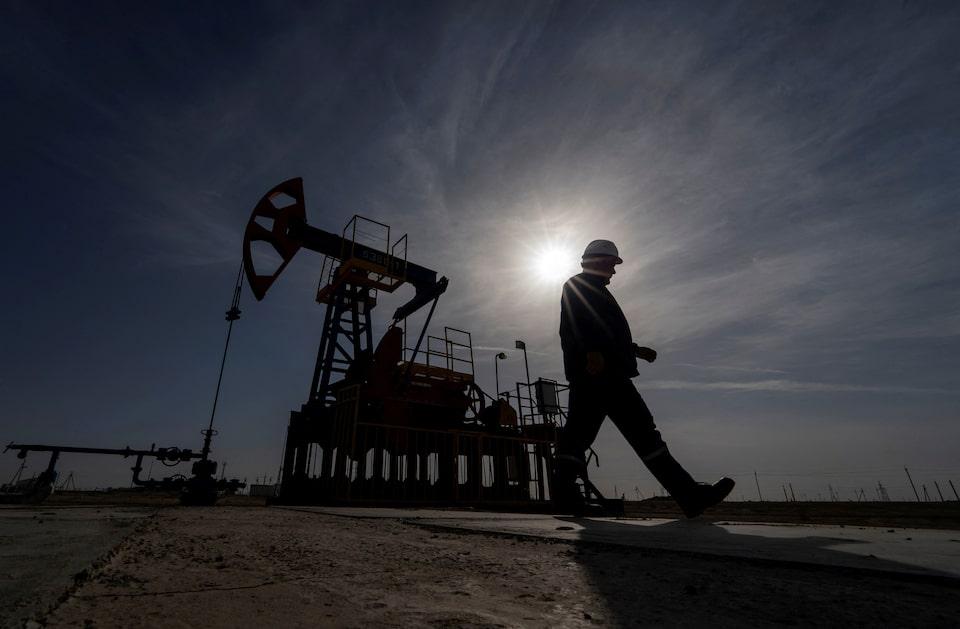
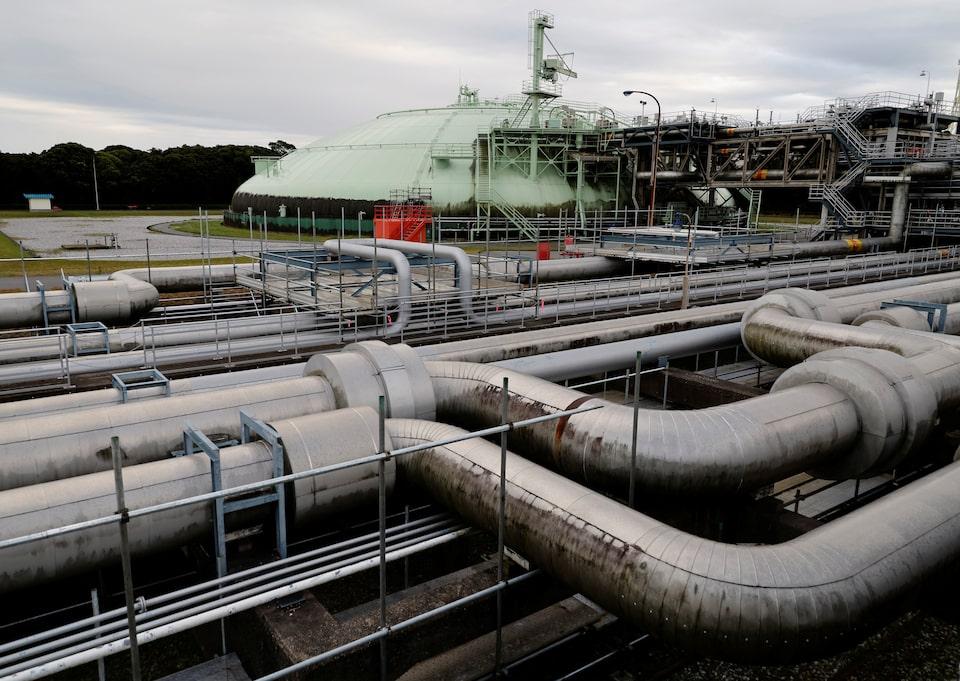
Nov 26 (Reuters) - Crude production from Iraq, Kazakhstan, and Russia has declined in compliance with OPEC+ production cuts, supporting a modest near term upside to Brent prices, Goldman Sachs said. Saudi Arabia is more likely to extend oil production cuts because of the recent price drop and we now think that oil production cuts will last until April 2025 instead of January, the investment bank said in a note dated Tuesday. Goldman Sachs maintained its average Brent price forecast for 2025 at $76 per barrel. OPEC+, which includes members of the OPEC and allies such as Russia, is discussing a further delay to a planned oil output hike that was due to start in January, two sources from the group said. At its most recent meeting on Nov. 3, OPEC+ agreed to delay a planned December output increase by a month. "Any ramp-up in OPEC+ production will be gradual and data-driven," the bank said. Goldman added that rising compliance with OPEC+ production cuts suggests that the group's member countries are working together to stabilize oil prices. Production from Iraq, Kazakhstan, and Russia declined by 0.5 million barrels per day in November, Goldman said. OPEC member countries are unlikely to unwind voluntary production cuts in the short term, executives of global commodity trading giants Vitol, Trafigura and Gunvor said at the Energy Intelligence Forum in London. However, despite OPEC+'s production cuts and delays to output hikes, Brent futures have mostly stayed in a $70-$80 range this year, and were trading below $74 on Tuesday. Last week, Goldman Sachs revised Brent prices to average around $80 per barrel this year, despite a 2024 deficit and geopolitical uncertainty, citing an anticipated surplus in 2025. Sign up here. https://www.reuters.com/business/energy/opec-production-cuts-may-support-oil-prices-near-term-goldman-sachs-says-2024-11-27/