2024-11-26 10:50
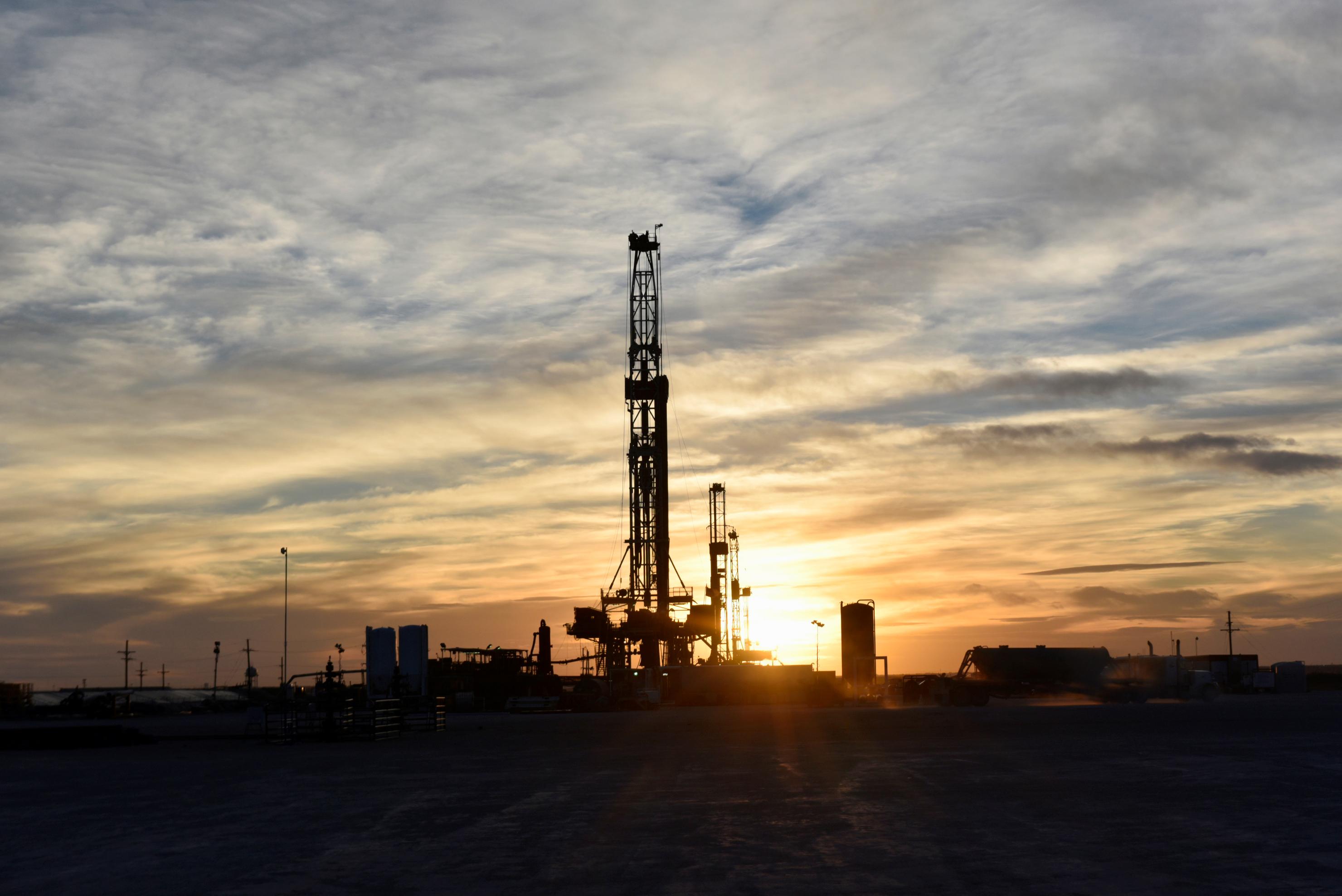
LONDON, Nov 26 - U.S. oil and gas producers are unlikely to radically increase production under president-elect Donald Trump as companies remain focused on capital discipline, a senior executive at Exxon Mobil (XOM.N) , opens new tab said on Tuesday. "We're not going to see anybody in 'drill, baby, drill' mode," Liam Mallon, head of Exxon's upstream division, told the Energy Intelligence Forum conference in London. "A radical change (in production) is unlikely because the vast majority, if not everybody, is focused on the economics of what they're doing," he said. "Maintaining the discipline, driving the quality, driving the information, will naturally limit that growth rate." Trump, who takes office on Jan. 20, pledged during the election campaign to boost domestic oil and natural gas output. Reuters reported on Monday that his transition team was preparing a wide-ranging energy package to roll out in the first days of his presidency. The United States has become the world's top oil producer following a surge in shale oil production, pumping over 13 million barrels per day earlier this year. It is also the world's leading natural gas producer. Relaxing of land permitting processing could provide a short-term boost to production, Mallon said. BP CEO Murray Auchincloss told the conference on Monday that he looked forward , opens new tab to the Trump presidency, saying the Republican leader will help accelerate permitting time for energy projects. Exxon earlier this year completed the $60 billion acquisition of smaller U.S. rival Pioneer Natural Resources, consolidating its position as the largest shale producer. Exxon expects to grow oil production in the Permian shale basin to over 2 million barrels per day, Mallon said. "We see growth beyond the 2 million probably for a couple of years but not at that continuous same rate ... certainly up to 2030 we see it growing," he said. Sign up here. https://www.reuters.com/markets/commodities/us-oil-producers-unlikely-shift-drill-baby-drill-mode-says-exxon-executive-2024-11-26/
2024-11-26 10:29
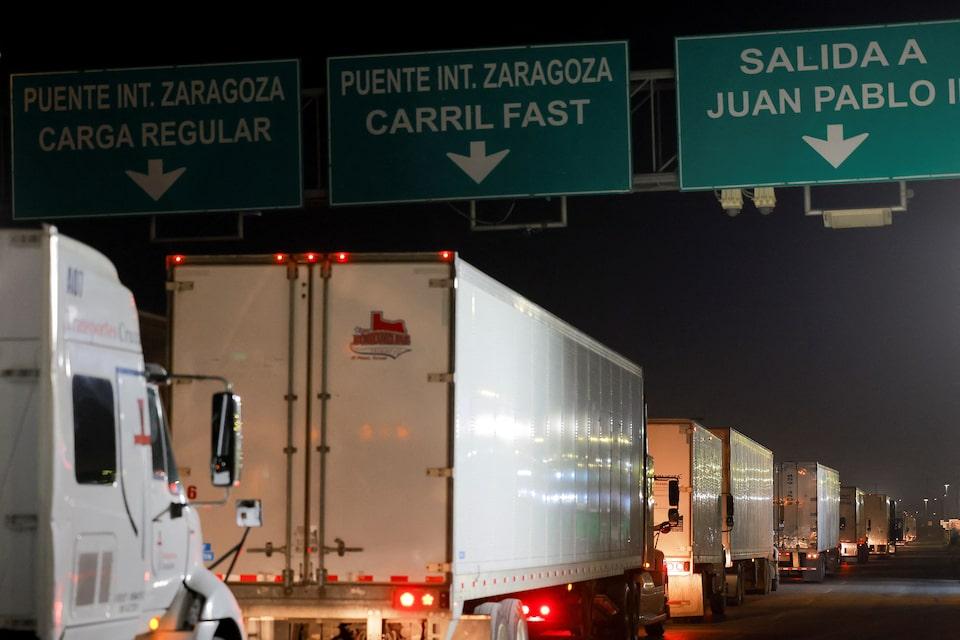
Trump: 25% tariff on Mexico, Canada over fentanyl, migration For China: 'an additional 10% tariff, above any additional tariffs' China: No one will win a trade war Nov 25 (Reuters) - President-elect Donald Trump on Monday pledged big tariffs on the United States' three largest trading partners - Canada, Mexico and China - detailing how he will implement campaign promises that could trigger trade wars. Trump, who takes office on Jan. 20, said he would impose a 25% tariff on imports from Canada and Mexico until they clamped down on drugs, particularly fentanyl, and migrants crossing the border, in a move that would appear to violate a free-trade deal. Trump separately outlined "an additional 10% tariff, above any additional tariffs" on imports from China. It was not entirely clear what this would mean for China as he has previously pledged to end China's most-favored-nation trading status and slap tariffs on Chinese imports in excess of 60% - much higher than those imposed during his first term. The two posts on Truth Social represent some of Trump's most specific comments on how he will implement his economic agenda since winning the Nov. 5 election on promises to "put America first". "On January 20th, as one of my many first Executive Orders, I will sign all necessary documents to charge Mexico and Canada a 25% Tariff on ALL products coming into the United States, and its ridiculous Open Borders," Trump said. The U.S. accounted for more than 83% of exports from Mexico in 2023 and 75% of Canadian exports. The tariffs may also spell trouble for overseas companies like the many Asian auto and electronics manufacturers that use Mexico as a low-cost production gateway for the U.S. market. Trump's threatened new tariffs would appear to violate the terms of the U.S.-Mexico-Canada Agreement (USMCA) on trade. The deal which Trump signed into law took effect in 2020 and continued the largely duty-free trade between the three countries. Canada and the United States at one point imposed sanctions on each others' products during the rancorous talks that eventually led to USMCA. Trump will have the opportunity to renegotiate the agreement in 2026, when a "sunset" provision will force either a withdrawal or talks on changes to the pact. After issuing his tariff threat, Trump held a conversation with Canada's Prime Minister Justin Trudeau in which they discussed trade and border security, a Canadian source familiar with the situation said. "It was a good discussion and they will stay in touch," the source said. Trump could be counting on the threat of tariffs to prompt an early renegotiation of USMCA, said William Reinsch, a former president of the National Foreign Trade Council. "This strikes me more as a threat than anything else," Reinsch said. "I guess the idea is if you keep hitting them in the face, eventually they'll surrender." Mexico's lower house leader Ricardo Monreal, a member of the ruling Morena party, urged "the use of bilateral, institutional mechanisms to combat human, drug and arms trafficking." "Escalating trade retaliation would only hurt the people's pocketbooks and is far from solving underlying problems," he said in a post on social media platform X. Trump's announcement sparked a dollar rally. It rose 1% against the Canadian dollar and 1.6% against the Mexican peso , while share markets in Asia fell, as did European bourses in early trade. S&P 500 futures were little changed. CHINA: NO ONE WINS TRADE WARS On China, Trump accused Beijing of not taking strong enough action to stop the flow of illicit drugs into the U.S. from Mexico. "Until such time as they stop, we will be charging China an additional 10% Tariff, above any additional Tariffs, on all of their many products coming into the United States of America," Trump said. A Chinese embassy spokesperson in Washington said China believed that China-U.S. economic and trade cooperation was mutually beneficial. "No one will win a trade war or a tariff war," Liu Pengyu said. The embassy also cited steps it said China had taken since a 2023 U.S.-China meeting after which Beijing agreed it would stem the export of items related to the production of the opioid fentanyl, a leading cause of drug overdoses in the United States. "All these prove that the idea of China knowingly allowing fentanyl precursors to flow into the United States runs completely counter to facts and reality," the spokesperson said. Chinese foreign ministry said in a statement that China was willing to continue anti-drug cooperation with the U.S. on the basis of "equality, mutual benefit and mutual respect." "The U.S. side should cherish China's goodwill and safeguard the hard-won sound situation of Sino-US drug control cooperation," the ministry said. Chinese Vice President Han Zheng, speaking at a supply chain expo in Beijing on Tuesday, said China was ready to work with other countries to build an open world economic system and maintain the stability of global industrial and supply chains. China's economy is in a vulnerable position amid a prolonged property downturn, debt risks and weak domestic demand. In the run-up to the Nov. 5 election, Trump floated plans for blanket tariffs of 10% to 20% on virtually all imports. He also said he would put tariffs as high as 200% on cars coming across the U.S.-Mexico border. Mexico's finance ministry said of Trump's tariff pledge: "Mexico is the United States' top trade partner, and the USMCA provides a framework of certainty for national and international investors." Economists say Trump's overall tariff plans, likely his most consequential economic policy, would push U.S. import duties back up to 1930s levels, stoke inflation, collapse U.S.-China trade, draw retaliation and drastically reorder supply chains. Sign up here. https://www.reuters.com/world/us/trump-promises-25-tariff-products-mexico-canada-2024-11-25/
2024-11-26 10:15
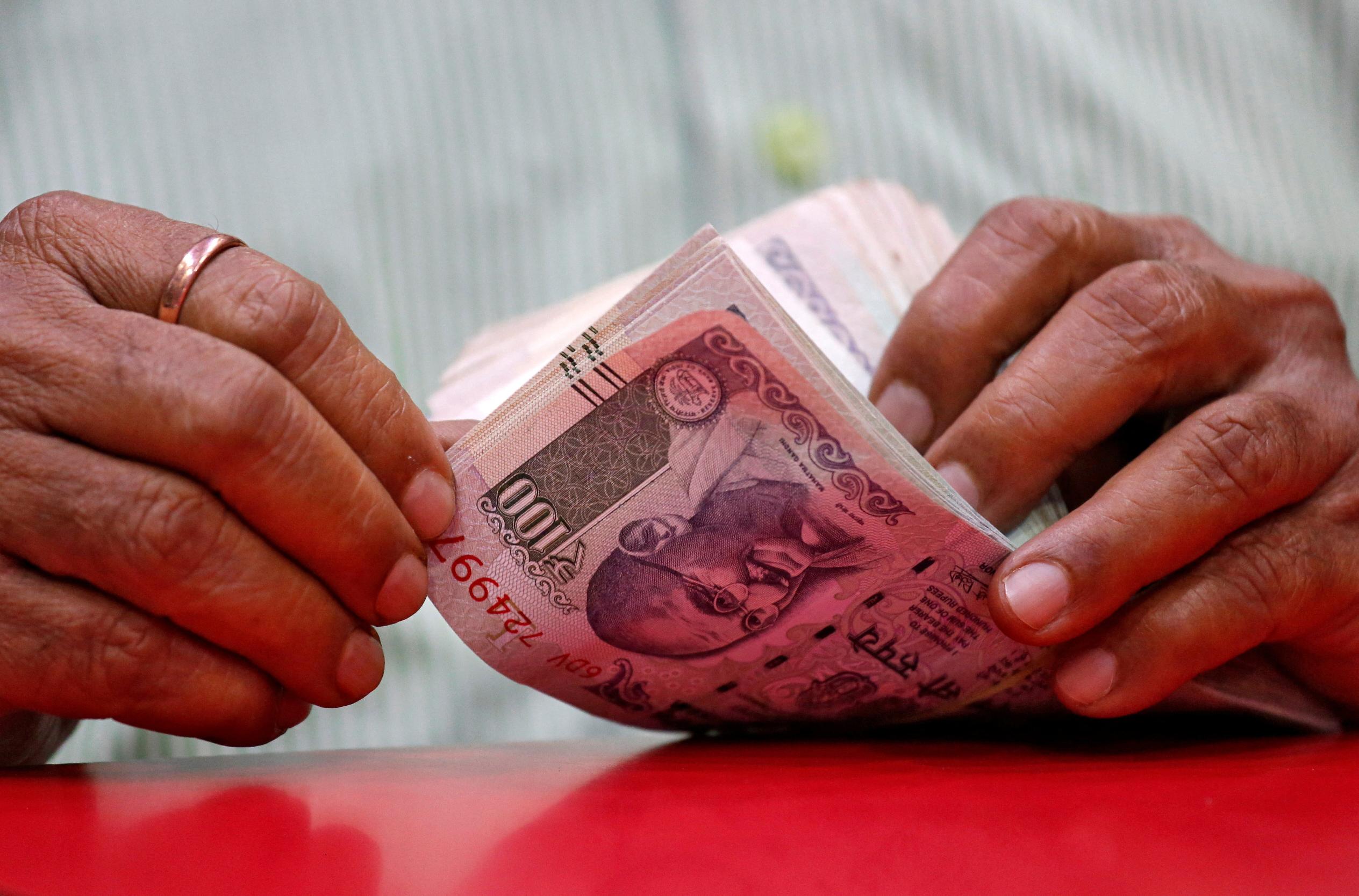
MUMBAI, Nov 26 (Reuters) - The Indian rupee ended slightly lower on Tuesday, weighed down by a decline in its Asian peers after U.S. President-elect Donald Trump pledged to levy tariffs on the country's biggest trading partners. The rupee closed at 84.3275 against the U.S. dollar, compared to its previous close of 84.2875. Trump said he would impose a 25% tariff on imports from Canada and Mexico and outlined "an additional 10% tariff, above any additional tariffs" on imports from China in a social media post. The dollar climbed to its highest level against the Chinese yuan in four months following Trump's comments, while the Mexican peso and Canadian dollar declined 1.2% and 0.8%, respectively. "Although the final outcome of the tariff threat may be less severe once negotiations are concluded, we recommend adopting a defensive stance in FX markets for the time being," ING Bank said in a note. While residual inflows related to the rejig of MSCI's global equity indexes helped the rupee rise a near-three-week high of 84.23, it shed most of its gains later in the session. Dollar bids were present through the day but the rupee started to weaken once foreign banks' dollar sales dissipated, a trader at a private bank said. It's "quite likely that the pullback seen on Monday and Tuesday won't persist and it (USD/INR) will rise above 84.45 by tomorrow or day after," the trader added. Investors now await the release of minutes from the Federal Reserve's November meeting, the first one after the outcome of the U.S. election, to gauge policymakers' thinking on the future path of benchmark interest rates. The odds of a 25-basis point rate cut in December currently stand at almost 60%. Sign up here. https://www.reuters.com/markets/currencies/rupee-weakens-slightly-us-tariff-threat-weighs-asian-currencies-2024-11-26/
2024-11-26 10:10
PARIS, Nov 26 (Reuters) - The new Trump administration's economic policies in the U.S. may have a "relatively limited" effect on European inflation but could have a more noticeable impact on long-term interest rates, ECB policymaker Francois Villeroy de Galhau said on Tuesday. Villeroy, who is head of the French central bank, said that President-elect Donald Trump's plans to hike tariffs and cut taxes increased risks for the world economy, adding to U.S. inflation and weighing on growth abroad. "The inflation effect could be relatively limited in Europe, however long-term interest rates set by the market have a certain tendency to cross the Atlantic," Villeroy told a retail investor conference in Paris. "I don't think it changes much for European short-term rates, but long-term rates could see a transition effect," he added. Sign up here. https://www.reuters.com/markets/europe/ecbs-villeroy-trump-policies-impact-euro-inflation-be-limited-2024-11-26/
2024-11-26 10:04
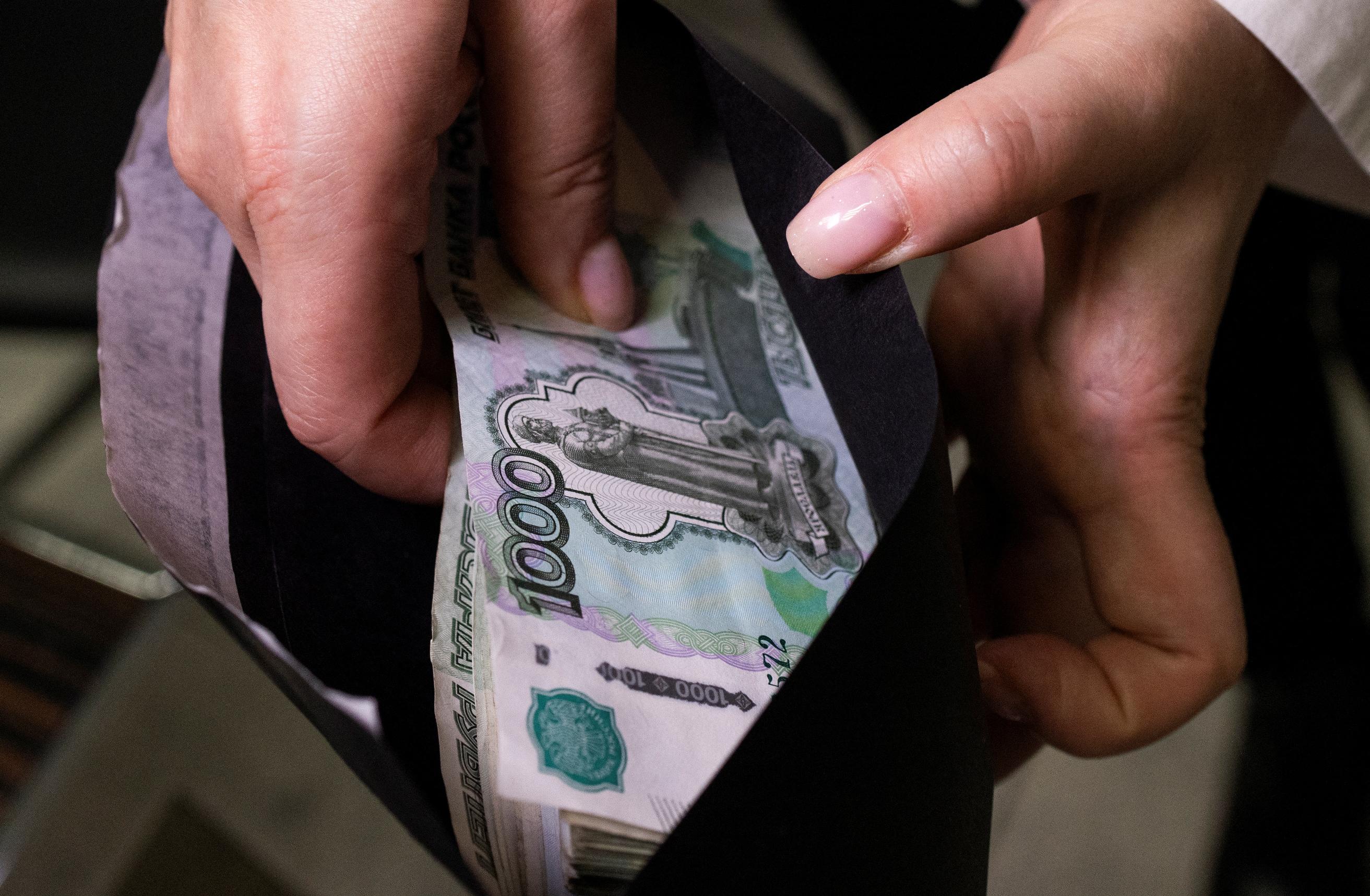
MOSCOW, Nov 26 (Reuters) - The Russian rouble continued to slide, dropping to its lowest since March 2022 against both the dollar and the yuan, and the finance minister indicated the government did not object to the currency's weakness, an advantage for exporters. The rouble hit 14.5 against China's yuan for the first time since March 2022. And by 0930 GMT, the rouble was down 0.8% at 104.85 against the dollar, according to LSEG data, a fresh low since March 2022, the first month of the Ukraine war. The rouble crossed the 110 mark against the euro. During the session, the rouble hit 105.79 against the dollar and 111.07 against the euro. In a rare official comment on the exchange rate, Finance Minister Anton Siluanov said that Russia's weak rouble was benefiting exporting companies, offsetting the negative impact of the central bank's high benchmark interest rate. "I am not saying whether the exchange rate is good or bad. I am just saying that today the exchange rate is very, very favourable for exporters," Siluanov told a financial conference in Moscow. Siluanov's remarks are the first admission from a senior government figure that Russian authorities, at least for the moment, do not object to the exchange rate's weakness. "The key thing is that the exchange rate is more important for exports than the interest rate," Siluanov added. The rouble's official exchange rate, set by the central bank using over-the-counter data, for the first time since March 24 crossed the 103 mark and was set at 103.79 to the dollar. Analysts said the recent U.S. sanctions against Gazprombank, the main bank servicing Russia's energy sector, disrupted some payments for energy exports for the coming months, contributing to the rouble's weakness. The disruption created a shortage of foreign currency in the domestic market and raised costs for international transactions. Some analysts forecast the rouble would hit 110 to the U.S. dollar before the end of the year. The dollar rally following the U.S. election also contributed to the rouble's slide. One-day rouble-dollar futures, which trade on the Moscow exchange and are a guide for OTC market rates, were down 0.2% to 104.73. The Russian currency is expected to receive some support this week from sales of foreign currency by exporting companies ahead of tax payments. Brent crude oil , a global benchmark for Russia's main export, was up 0.7% to $73.52 amid chances for a possible ceasefire in the Middle East. Sign up here. https://www.reuters.com/markets/currencies/russian-rouble-32-month-low-boon-exporters-minister-says-2024-11-26/
2024-11-26 08:22
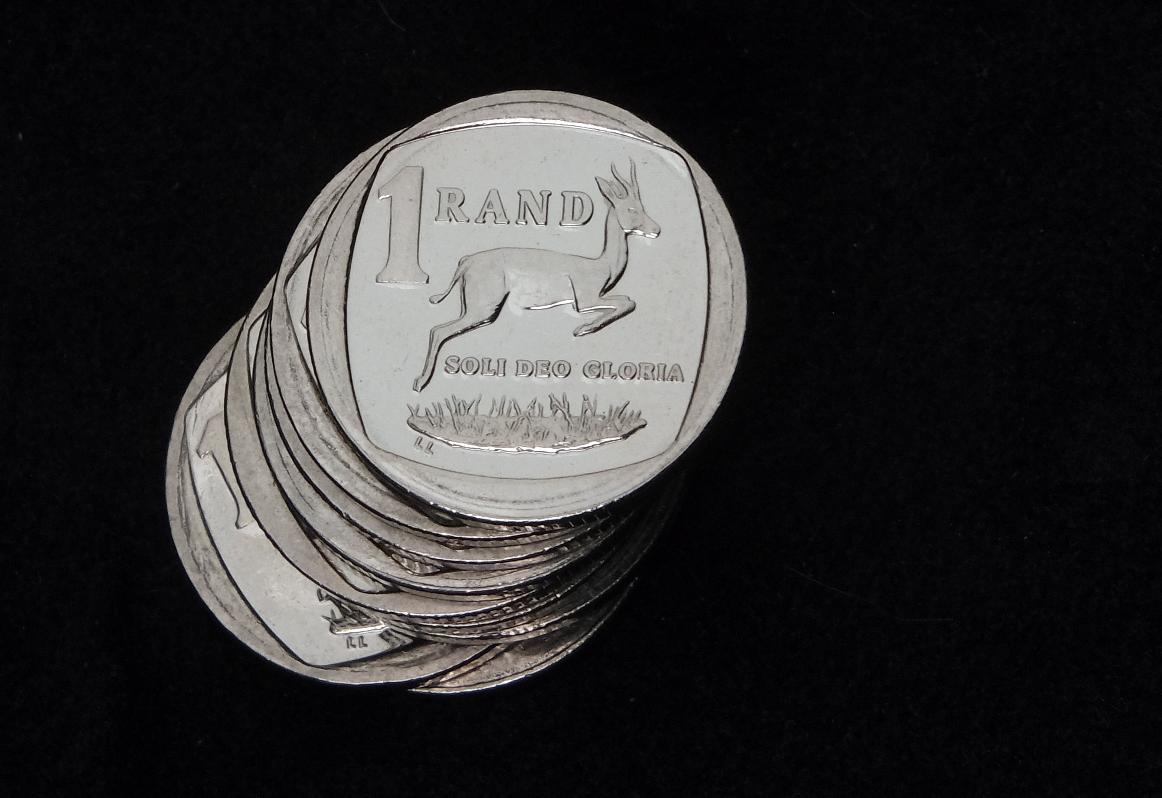
JOHANNESBURG, Nov 26 (Reuters) - South Africa's rand slipped on Tuesday as U.S. President-elect Donald Trump's tariff threat on its neighbours and China weighed on emerging markets. At 1508 GMT, the rand traded at 18.20 against the dollar , about 0.8% weaker than its previous close. On Monday, Trump pledged to impose big tariffs on the United States' three largest trading partners - Canada, Mexico and China - detailing how he will implement campaign promises that could trigger trade wars. Commodity-linked currencies including the rand took a hit following the announcement due to their close ties to China. "China's role as SA's largest trading partner puts the country at risk of indirect consequences," said Andre Cilliers, currency strategist at TreasuryONE. On the stock market, the Top-40 (.JTOPI) , opens new tab index closed up 0.62%. South Africa's benchmark 2030 government bond was weaker, with the yield up 11 basis points at 9.055%. Sign up here. https://www.reuters.com/markets/currencies/south-african-rand-slips-trump-tariff-jitters-2024-11-26/