2024-11-26 08:17
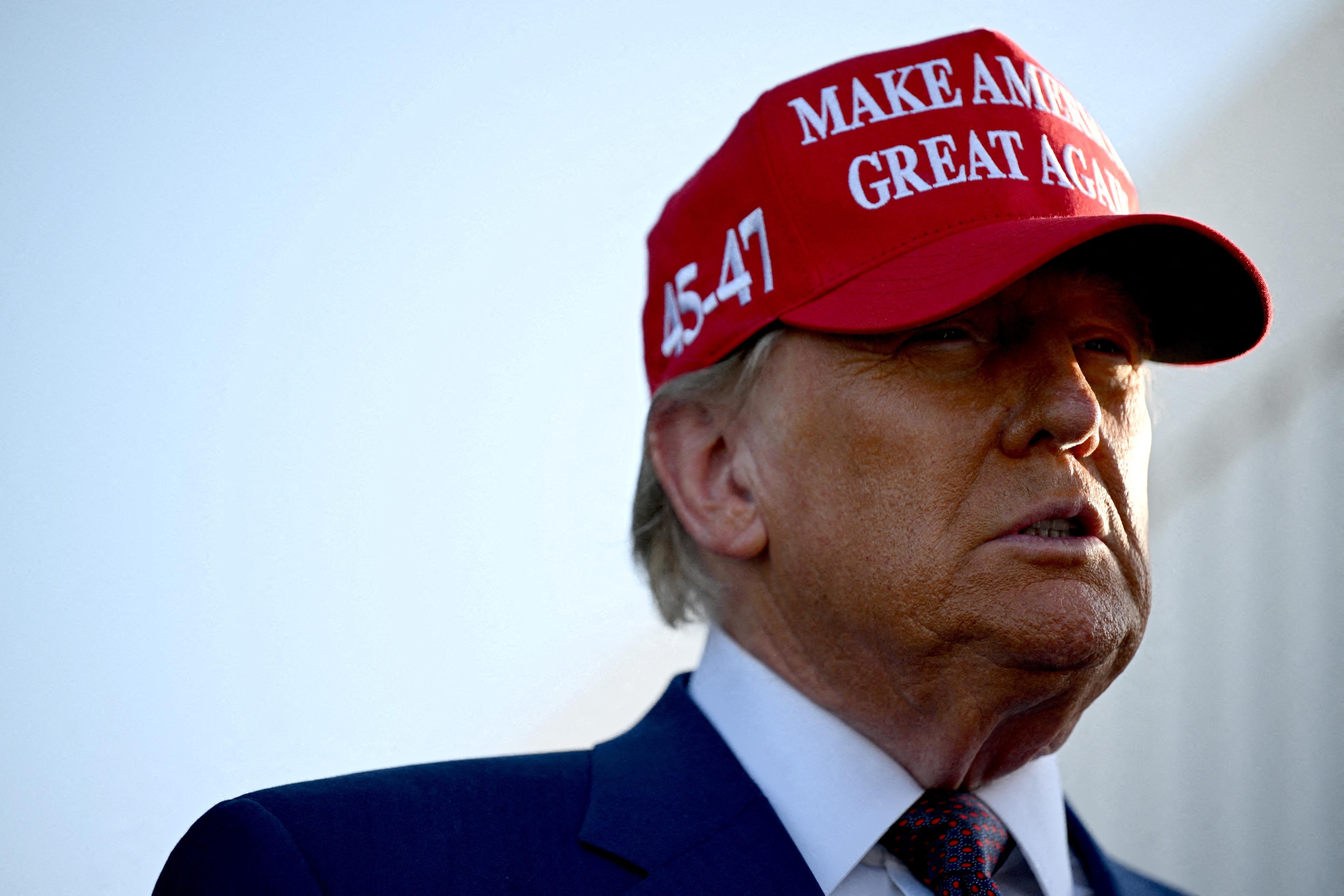
Trump tariffs remind traders of 2016 Investors say they are ready this time Dollar steadies after surge; China stocks rise SINGAPORE, Nov 26 (Reuters) - Investors dusted off their trade war playbooks on Tuesday, confident their portfolios were better-prepared for Donald Trump this time after the U.S. President-elect took to social media and pledged new tariffs on Mexico, Canada and China. Muscle memory, formed over years of gyrating to Trump's tweets and threats in his first term, sent the dollar surging and the peso, loonie and yuan sinking within moments of his posts on the Truth Social app about tariffs he would implement from day one of his presidency. Yet, as traders drew breath, they saw little in Trump's announcements to shift expectations about either his policies or his bluster, including a negotiating style that investors feel better-placed to navigate than they were eight years ago. "The 25% tariff headlines ... are not policies as yet but a good indication that under a Trump presidency they will no longer tolerate the relocation of export manufacturing from China to the U.S. NAFTA partners by Chinese companies," said George Boubouras, head of research at K2 Asset Management. Trump, who takes office on Jan. 20, said he would immediately impose 25% tariffs on imports from Canada and Mexico until they clamped down on drugs and migrants crossing the border. He pledged an additional 10% tariff on Chinese goods, which he also linked to drugs - particularly fentanyl. The dollar jumped more than 2% on the Mexican peso and about 1.4% on the Canadian dollar , before settling around 1% higher on each. The dollar hit a four-month high on China's yuan although share indexes in Hong Kong and China were mostly steady, as investors took Trump's linking of tariffs with drug traffic as reinforcing expectations he was opening a negotiation. "China already has a template to deal with tariffs in reference to Trump 1.0," said Simon Yu, vice general manager at Panyao Asset Management in Shanghai. "Regarding other clampdowns such as tech-related sanctions, China may accelerate the process of self-reliance and import substitution." China said it had told the U.S. of progress in anti-narcotics enforcement and that "no one will win a trade war or tariff war." TIME WARP Mexico's tariff hit seemed to catch markets most off guard and was behind selling in automakers and other manufacturers , opens new tab across Asia that have plants in the United States' southern neighbour. Trump's proposal appears to violate the terms of the U.S.-Mexico-Canada Agreement on trade. Shares in Honda (7267.T) , opens new tab, which sends 80% of its Mexico production to the U.S., fell more than 2% to a 4-1/2 month low, while other car and component makers' stocks fell. The world's biggest electronics contract manufacturer, Foxconn (2317.TW) , opens new tab, which is building a server factory in Mexico with Nvidia (NVDA.O) , opens new tab, saw the biggest one-day drop in its share price in two months, although expectations of negotiations limited the selling. "Any finalised package could be quite different from starting positions," said Robert St Clair, head of investment strategy at Fullerton Fund Management in Singapore, which is positive on both U.S. and Chinese equity markets. "President Trump is anti-inflation and seeks to improve the competitiveness and growth of U.S. manufacturing. These objectives dictate that tariffs on U.S. imports cannot be too widespread nor too extreme." To be sure, the reminders of Trump's unpredictability and his negotiation-by-media style added a new source of background volatility and unease to the financial markets - although investors may feel there is not much they can do about that beyond hedging currencies. "There are no obvious trades but a lot of headline risk in the coming months in the lead-up to Trump taking office," said Jon Withaar, who manages an Asia special situations hedge fund at Pictet Asset Management. "These social media comments create a lot of nervousness as to what is next." To some degree, that is already in the price as currency volatility (.DCVIX) , opens new tab and options-implied volatility have been rising for a few months and traders only need to draw on memories from a few years ago to remember the plays. "It feels like we've just had a time warp back to 2016," said Jason Wong, strategist at BNZ in Wellington, New Zealand. "The market is going to be twitchy ... but this is how he operates." Sign up here. https://www.reuters.com/business/investors-say-they-know-how-trade-trump-20-2024-11-26/
2024-11-26 07:38
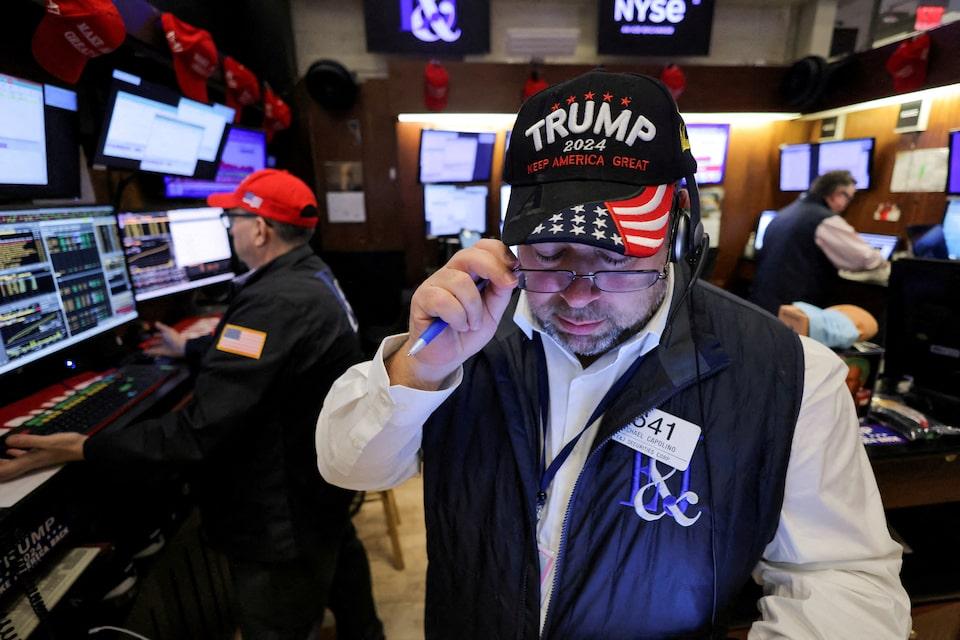
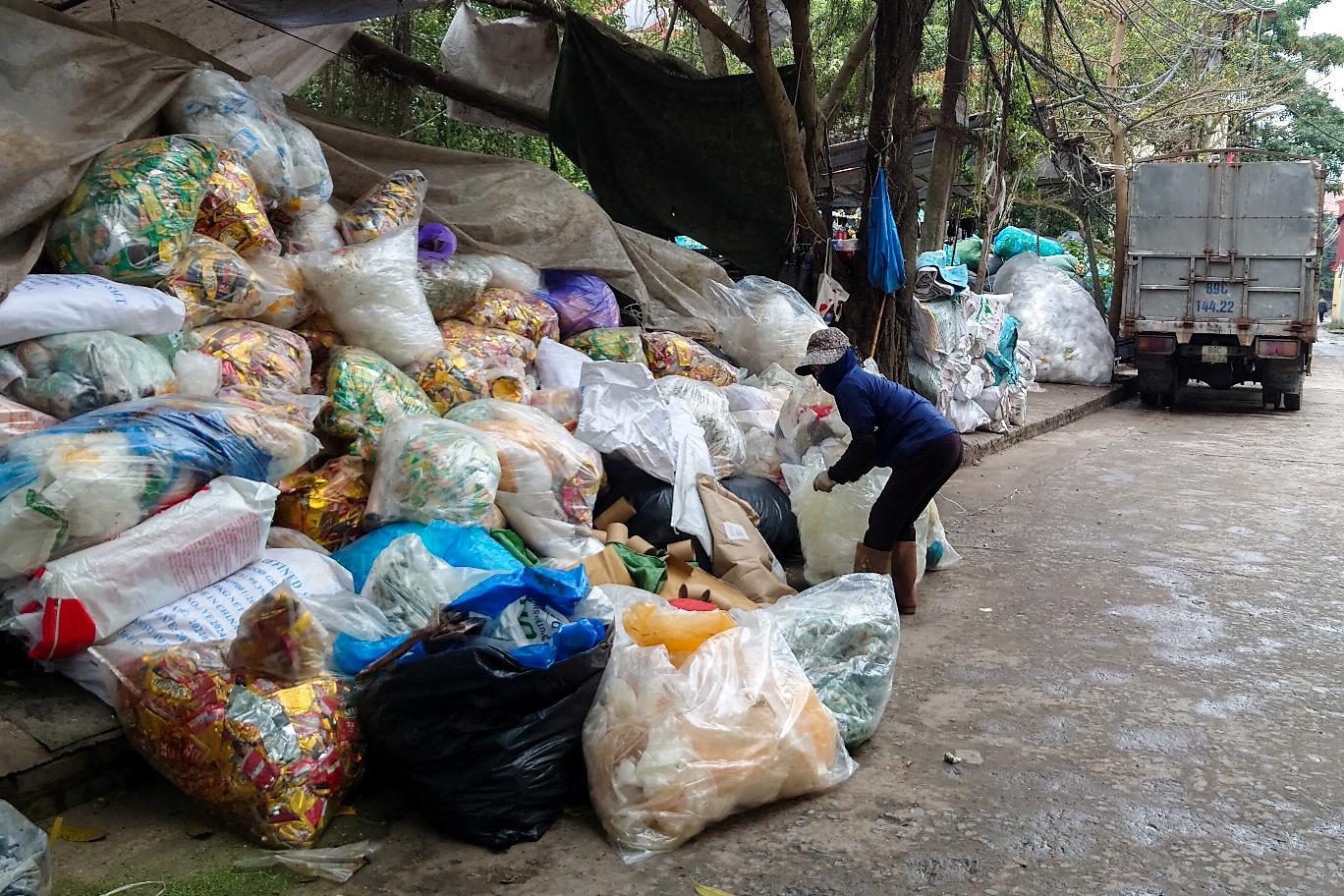
Vietnam is major importer in global plastic scrap trade It imports more plastic waste than it can recycle Excess plastic is dumped in landfills or released into environment MINH KHAI, Vietnam, Nov 26 (Reuters) - Countless discarded bags float on the canal running through Minh Khai village, whose narrow streets are clogged with tall heaps of plastic waste spilling out from villagers' front yards and stacked near furnaces where non-recyclable scrap is burned. This so-called plastic recycling "craft village", an hour's drive from Vietnam's capital Hanoi, is where some of the plastic sorted for recycling in Japan, America and Europe ends up for final treatment. Delegates at a United Nations summit in South Korea this week are discussing new global rules that could limit that trade, which U.N. data shows was worth $3.8 billion last year. Stricter domestic requirements on waste imports will also be applicable in Vietnam from next year. The Southeast Asian nation has emerged as a major importer of plastic scrap in recent years after China, once the top player in the industry, banned imports in 2018. Vietnam was the world's fourth largest importer in 2022, according to the Organisation for Economic Co-operation and Development (OECD). But that surge in imports has taken place as the country is struggling to recycle even its own plastic waste. Additional restrictions could reduce the trade but the large size of the domestic informal industry may make it hard to monitor commercial flows and recycling rates, experts and officials said. FROM SORTING TO LANDFILLS More than one quarter of Vietnam's plastic recycling capacity is concentrated in craft villages like Minh Khai, the World Bank said in a 2021 report, noting that spare capacity to process imported plastic amounted to 300,000 metric tons. That was well short of the 420,000 tons of plastic scrap Vietnam imported last year, which was up 11% from 2022, according to U.N. data, which does not capture the entire volume. Vietnam's environment ministry did not reply to requests for updated figures. Researchers have found that recycling is being hampered by the inability to properly sort plastic waste, both offshore and in Vietnam. Only 30% of plastic waste generated in Vietnam is sorted, said a government-backed WWF report in 2023. As a result, in spite of shipment costs, Vietnam's recyclers rely on higher-quality foreign plastic scrap, according to FiinGroup, a research firm. But estimates suggest Vietnam recycles only up to one-third of the imported plastic waste, said a research paper published in January. That is partly because some imported plastic is often mixed with organic waste that makes it hard or impossible to treat, said one of the paper's authors, Kaustubh Thapa, from the Netherlands' Utrecht University. A recycler at Minh Khai village was more upbeat. "The amount of imported waste that can't be recycled is often about 5% of the volume, but at times it goes up to 25%," said Chi, who declined to give his full name. Most people contacted in the village in person or by phone declined to talk to media for fear of repercussions on their activities. Much of the unrecycled plastic is dumped in "unsanitary" landfills, and about 15% of that is directly released into the environment and the oceans, the WWF report said. "Exporting waste for recycling to destinations without sound recycling capacity raises questions of fairness and sustainability," concluded the research paper by Thapa and co-authors. Sign up here. https://www.reuters.com/sustainability/top-importer-vietnam-struggles-recycle-plastic-waste-2024-11-26/
2024-11-26 07:36
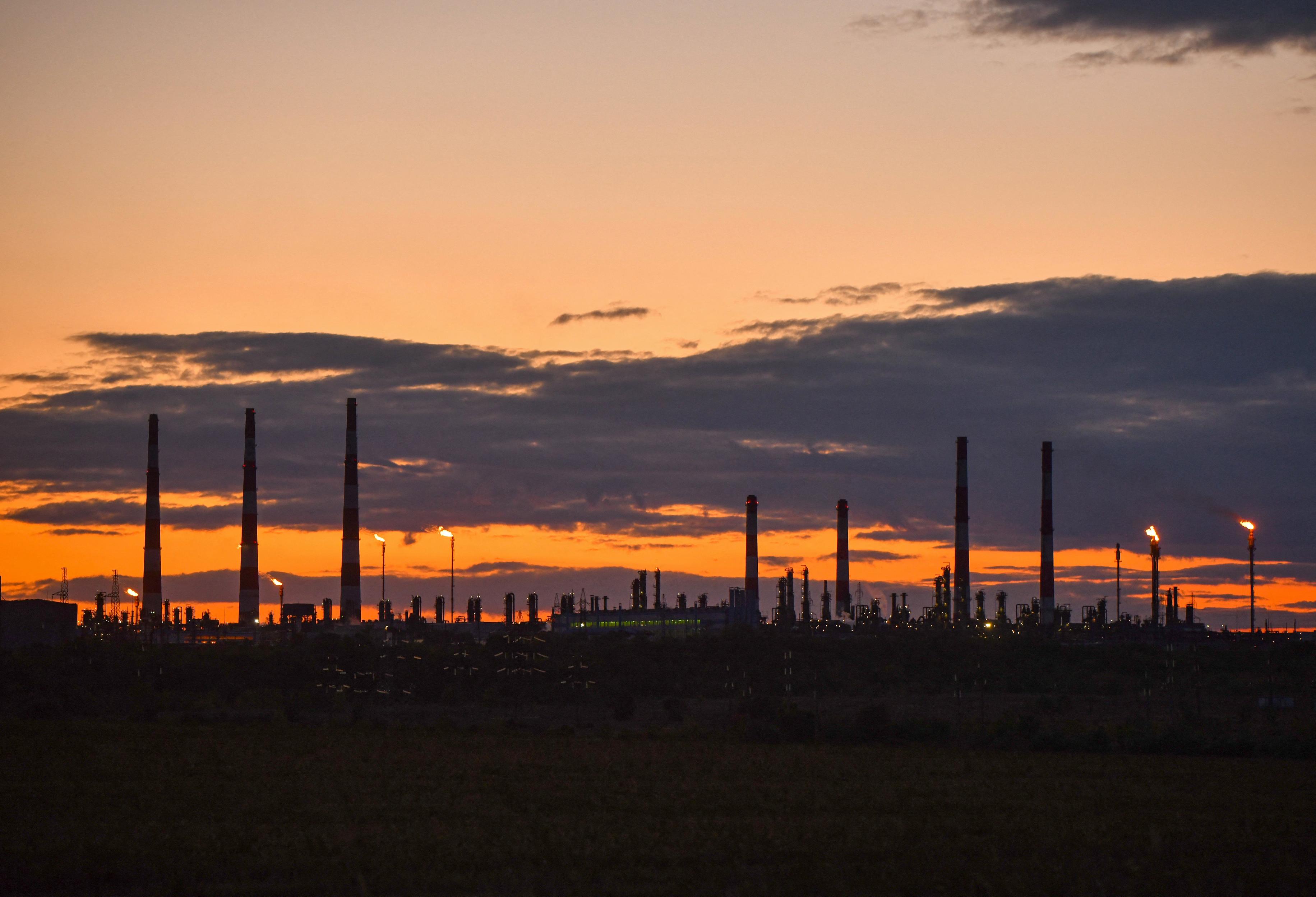
Nominations to Austria from Slovakia up 21% from Monday Gazprom says gas exports via Ukraine to Europe stable Gazprom halted flow to Austria's OMV in mid-November MOSCOW/PRAGUE, Nov 26 (Reuters) - Russian gas exports via Ukraine to Europe were stable on Tuesday while nominations for supply to Austria from Slovakia jumped by 21%, data from Gazprom and transmission system operator Eustream showed. Nominations to Austria remained below levels seen before Russian supplier Gazprom (GAZP.MM) , opens new tab halted exports to Vienna-based OMV . Those supplies were halted in mid-November in a dispute over payments and supply while flows to Europe via Ukraine remained steady as other buyers asked for more gas. Gazprom said it would send 42.2 million cubic metres (mcm) of gas to Europe via Ukraine on Tuesday versus 42 mcm on Monday. Nominations for Austria from Slovakia were 21% above Monday levels, returning to levels seen last week, while those for the Czech Republic from Slovakia rose by around 8%, Eustream data showed. Nominations into Slovakia from Ukraine were steady, the data showed. Sign up here. https://www.reuters.com/business/energy/russian-gas-supply-eu-via-ukraine-stable-austria-nominations-up-21-2024-11-26/
2024-11-26 07:12
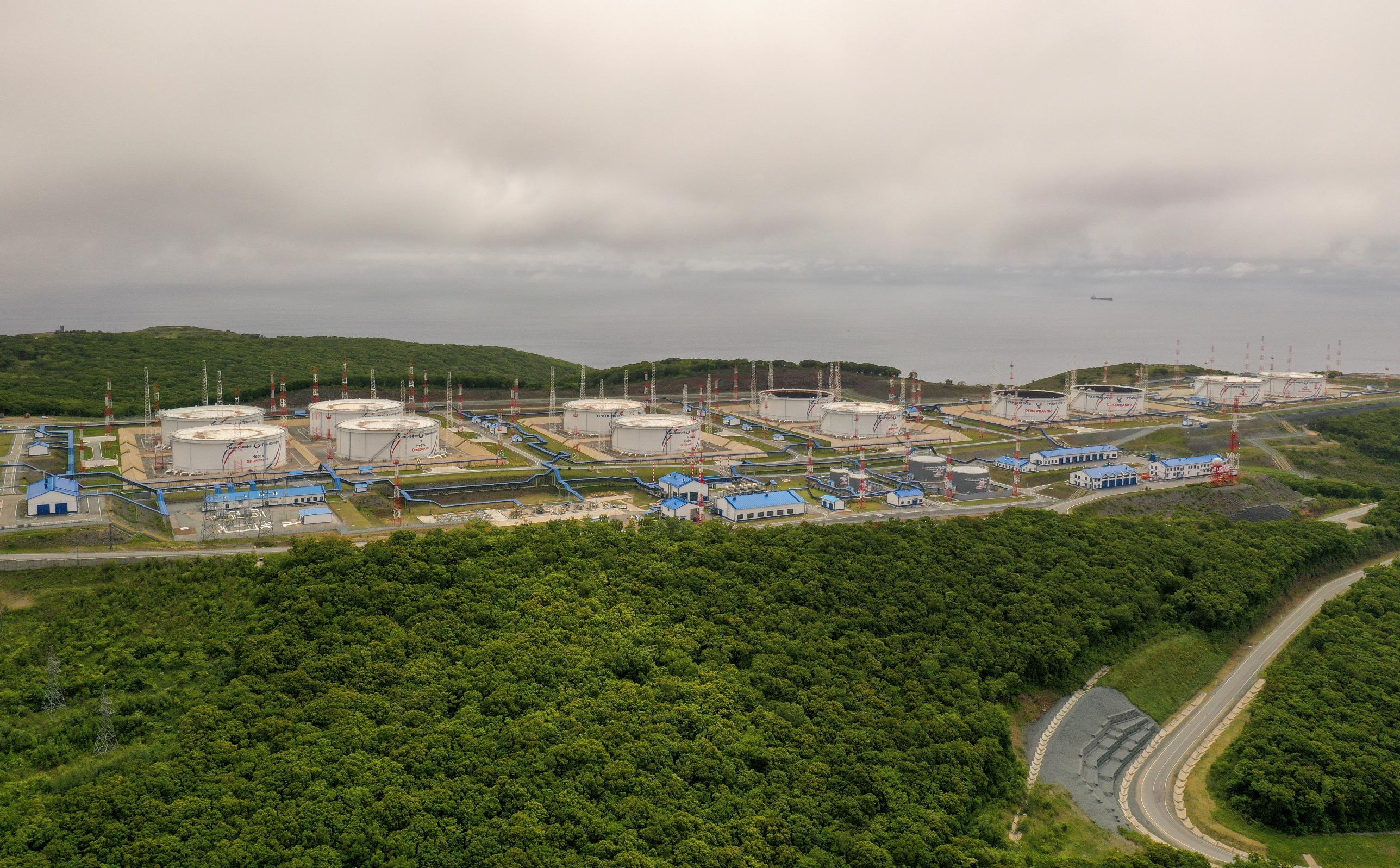
Israel agrees to ceasefire deal with Lebanon OPEC+ begins discussions, additional supply in the balance Trump says he will impose 25% tariff on Canadian, Mexican goods Crude oil not exempt from Trump tariffs, sources say HOUSTON, Nov 26 (Reuters) - Oil prices settled lower on Tuesday, extending the previous day's losses in choppy trade after Israel agreed to a ceasefire deal with Hezbollah, reducing oil's risk premium. Brent crude futures settled down 20 cents, or 0.27%, to $72.81 a barrel. U.S. West Texas Intermediate crude futures settled at $68.77 a barrel, down 17 cents, or 0.25%. The accord between Israel and armed group Hezbollah was expected to take effect on Wednesday, U.S. President Joe Biden said. Israeli Prime Minister Benjamin Netanyahu said he was ready to implement a ceasefire and would "respond forcefully to any violation" by Hezbollah. On Monday, oil prices fell more than $2 following multiple reports that the warring sides had agreed to terms of a ceasefire. A ceasefire could pressure crude oil prices because the U.S. administration would likely reduce sanctions on oil from Iran, a supporter of Hezbollah, StoneX analyst Alex Hodes said in a note. OPEC+ EYE OUTPUT HIKE DELAY Both benchmarks briefly jumped more than $1 per barrel during the session. "We popped and dropped around the time news came out of the resumption of OPEC talks," said Phil Flynn, senior analyst at Price Futures Group. OPEC+ nations are discussing a further delay to a planned oil-output hike that was due to start in January, two sources from the producer group said, ahead of Sunday's meeting to decide policy for early 2025. The group pumps about half the world's oil, and had planned to gradually roll back oil-production cuts with small increases over many months in 2024 and 2025. But a slowdown in Chinese and global demand, and rising output outside the group, have put a dampener on that plan. "There were embers in the fire this morning with OPEC+ looking to defer production increases again and the Trump tariffs, but those were not enough to move the needle to support prices anywhere above $70 a barrel for WTI," said Again Capital partner John Kilduff. TRUMP TARIFFS TO INCLUDE CRUDE OIL, SOURCES U.S. President-elect Donald Trump said he would impose a 25% tariff on all products coming into the U.S. from Mexico and Canada. Crude oil would not be exempt from the trade penalties, two sources familiar with the plan told Reuters on Tuesday. Maintaining the flow of energy products across the U.S. borders with Mexico and Canada is critical, the top U.S. oil and gas lobbying group, American Petroleum Institute, said. The vast majority of Canada's 4 million barrels per day of crude exports go to the U.S. Analysts had said it was unlikely Trump would impose tariffs on Canadian oil, which cannot be easily replaced since it differs from grades that the U.S. produces. Meanwhile, U.S. crude oil stocks fell while fuel inventories rose last week, market sources said, citing API figures on Tuesday. Crude stocks fell by 5.94 million barrels in the week ended Nov. 22, the sources said on condition of anonymity. Gasoline inventories rose by 1.81 million barrels and distillate stocks climbed by 2.54 million barrels, they said. Sign up here. https://www.reuters.com/business/energy/oil-falls-potential-deal-end-israel-hezbollah-conflict-2024-11-26/
2024-11-26 07:09
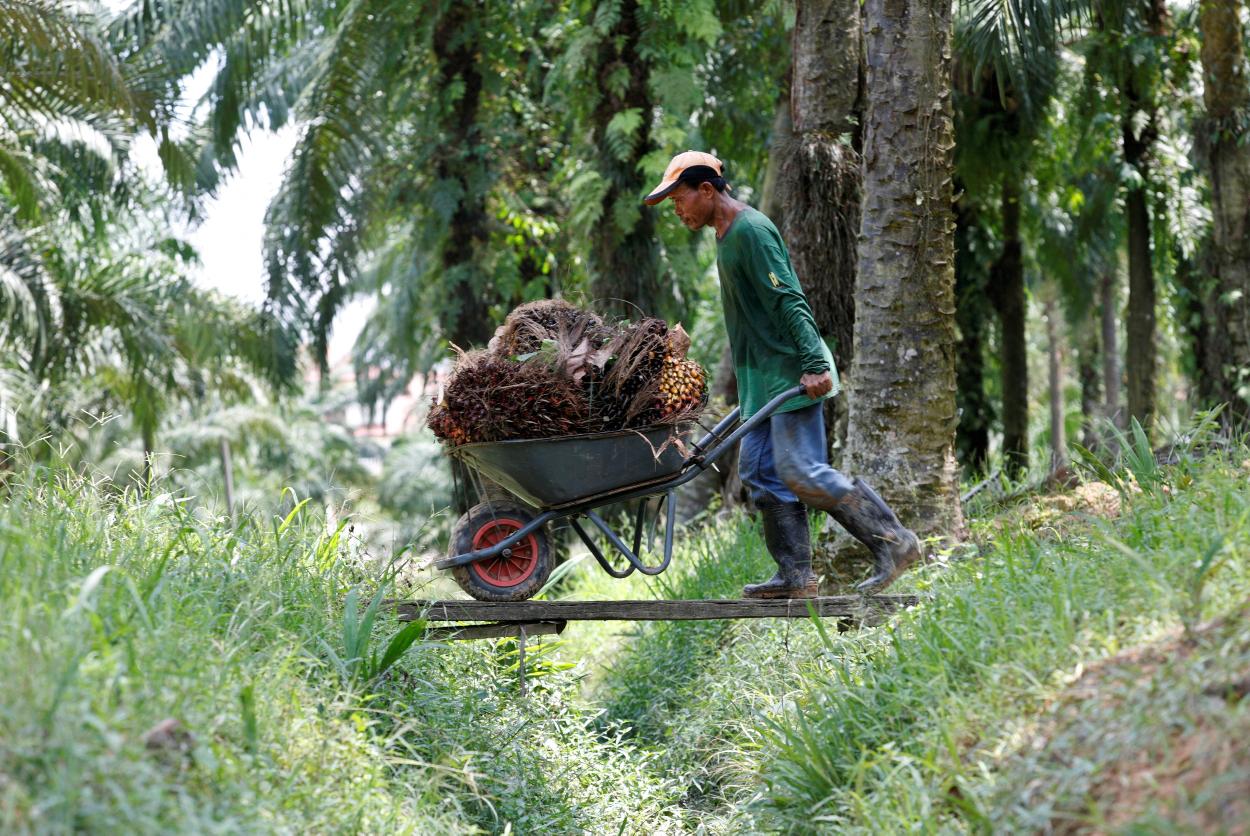
KUALA LUMPUR, Nov 26 (Reuters) - Malaysia plans to start producing sustainable aviation fuel (SAF) in 2027, with an initial production capacity of one million metric tons per year, Plantation and Commodities Minister Johari Abdul Ghani said on Tuesday. The production capacity will gradually increase based on factory output and feedstock availability, the minister told parliament. Malaysia, the world's second-largest palm oil producer, is in a strategic position to become one of the world's leading SAF producers, he said. Under the government's National Energy Transition Roadmap published in 2023, the government established an SAF blending mandate starting with 1%, aiming for a 47% blend by 2050. Johari added that EcoCeres Renewable Fuels Sdn Bhd and Petronas, in partnership with Enilive and Euglena, are constructing a SAF refinery and production plant with capacity of 350,000 and 650,000 metric tons per year, respectively. "With the development of these two plants, we will have the capacity to produce one million metric tons of SAF," he said, adding that any surplus could be exported to other non-producing SAF countries. He said the government was also considering various tax incentives to attract investors to Malaysia and establish the country as an SAF development hub. Johari added that SAF production would benefit small farmers and palm industry players as palm waste has a higher value than crude palm oil itself. In the Asean region, Singapore has announced that it plans to require all flights departing the country to use SAF starting in 2026 and plans to raise it to 3-5% by 2030, subject to global developments and the wider availability and adoption of SAF. In October, Indonesia flew its first commercial flight using palm oil-blended jet fuel. The flight operated by flag carrier Garuda Indonesia carried more than 100 passengers from the capital Jakarta to Surakarta city about 550 km (342 miles) away. Sign up here. https://www.reuters.com/business/energy/malaysia-plans-produce-sustainable-jet-fuel-2027-2024-11-26/
2024-11-26 07:03
LONDON, Nov 26 (Reuters) - It may just be the turn of currency markets to play 'bad cop' to the incoming U.S. administration's proposed tariff hikes - sideswiping its trade threats by catapulting the dollar higher. In recent decades, market protests have usually involved so-called bond vigilantes, creditors demanding sky-high lending rates in response to ill-advised government budgets and making the plans unaffordable in the process. But as Donald Trump's protectionist trade proposals - including a universal 10% import tariff and 60% charge on goods from China - now loom large, it's the foreign exchange markets that appear to be taking up the cudgels. Much to the chagrin of the President-elect and his advisers, the dollar (.DXY) , opens new tab is already surging to two-year highs against currencies of America's main trading rivals, offsetting the very competitiveness Trump's tariff plans aim to protect. A rising dollar helps restore the pricing power of overseas exporters selling into the United States, by flattering sales priced in their own currencies - allowing them to keep dollar prices down and retain market share despite the surcharges. The euro's near 7% drop in less than two months has partly offset the pain of a 10% charge that hasn't even been implemented yet. The Chinese yuan's 4% weakening over the same period is more modest given the draconian tariffs proposed against Beijing - but the direction of travel is also clear. CIRCULAR LOGIC Market arguments for strengthening the dollar hinge on the idea that Trump tariffs - when combined with stimulative U.S. tax cuts and deportation of immigrant workers - will depress confidence in overseas economies hit, while U.S. demand gets a boost and still-high inflation is aggravated. And in that scenario, the Federal Reserve might not cut its policy rates much further from here while other central banks are forced to step on the easing accelerator. This has two main impacts - it underscores a long-running trend toward U.S. 'exceptionalism' as the destination of choice for global investors and it potentially balloons the already wide interest rate gap in favor of holding dollars. Deutsche Bank, for example, thinks Fed rates will now not get below 4% in this cycle while European Central Bank rates will fall as low as 1.5%. That would leave an eventual gap of 250 basis points between the two policy rates compared to current market pricing for a peak of 180bp. And if the eventual tax-and-tariffs policy mix is more aggressive, it sees the euro/dollar exchange rate plunging below parity - more than 5% below current levels. China, the German bank reckons, will also allow the yuan to gradually weaken in that scenario. The whole conundrum partly explains why some Trump advisers appear keen to put political pressure on the Fed to adopt an easier monetary stance, even though Treasury Secretary nominee Scott Bessent has backed away from campaign comments about undermining the central bank with a "shadow" Fed boss. But with Fed resistance likely to be stiff, the dollar is sticking with its script. $20 TRILLION INVESTMENT FLOOD While textbooks suggest yawning U.S. trade gaps should drag on a dollar already some 10%-20% overvalued, these deficits have been overwhelmed in recent years by the torrent of overseas investment heading to U.S. assets on the country's exceptional economic and megacap business performance. And following Trump's election, global investors appear even more convinced that U.S. financial assets are the only game in town right now - merely catalyzing further dollar gains. America's net international investment position - essentially net foreign ownership of U.S. assets - expanded by more than $20 trillion over the past 20 years to some $22.5 trillion by the middle of this year. Just for context, that investment deficit is now almost three quarters of America's entire annual GDP and muffles the annual trillion dollar trade gap. There well may be a reckoning ahead given these dramatic numbers and frothy valuations. But currency markets have a habit of pushing to extremes until met with a change of tack. Rather than lance the boil, higher tariffs may just exaggerate the problem. Apart from being a ploy to secure other concessions, they may not even be worth the trouble. The opinions expressed here are those of the author, a columnist for Reuters Sign up here. https://www.reuters.com/markets/currencies/forget-bond-vigilantes-watch-currency-cops-mike-dolan-2024-11-26/