2024-11-24 05:58
SYDNEY, Nov 24 (Reuters) - A climate change protest off the coast of Australia's New South Wales State forced an inbound ship to turn back from the country's largest terminal for coal exports on Sunday, the port operator said. New South Wales police said 170 protesters were arrested on Sunday for refusing to move from the shipping channel near the Port of Newcastle. The port, some 170 km (105 miles) from the state capital Sydney, is the largest bulk shipping port on Australia's east coast. A Port of Newcastle spokesperson said disruption due to the protest was "minimal" but that an inbound vessel "aborted due to people in the channel and has been rescheduled to come in". Port operations would continue as normal on Sunday if police were able to keep the shipping channel clear, he said. Police said the harbour remained open despite "some serious disruptions". The climate activist group Rising Tide, which organised the 50-hour protest that started on Friday, said the vessel forced to turn around was a coal ship. Three people were arrested on Saturday after being removed from the water. Climate change is a divisive issue in Australia, the world's second-biggest exporter of thermal coal and the largest exporter of coking coal. A similar protest in November last year disrupted operations at the Port of Newcastle, forcing all shipping movements to cease temporarily. Sign up here. https://www.reuters.com/world/asia-pacific/australia-climate-change-protest-forces-ship-abort-arrival-coal-port-2024-11-24/

2024-11-24 05:57
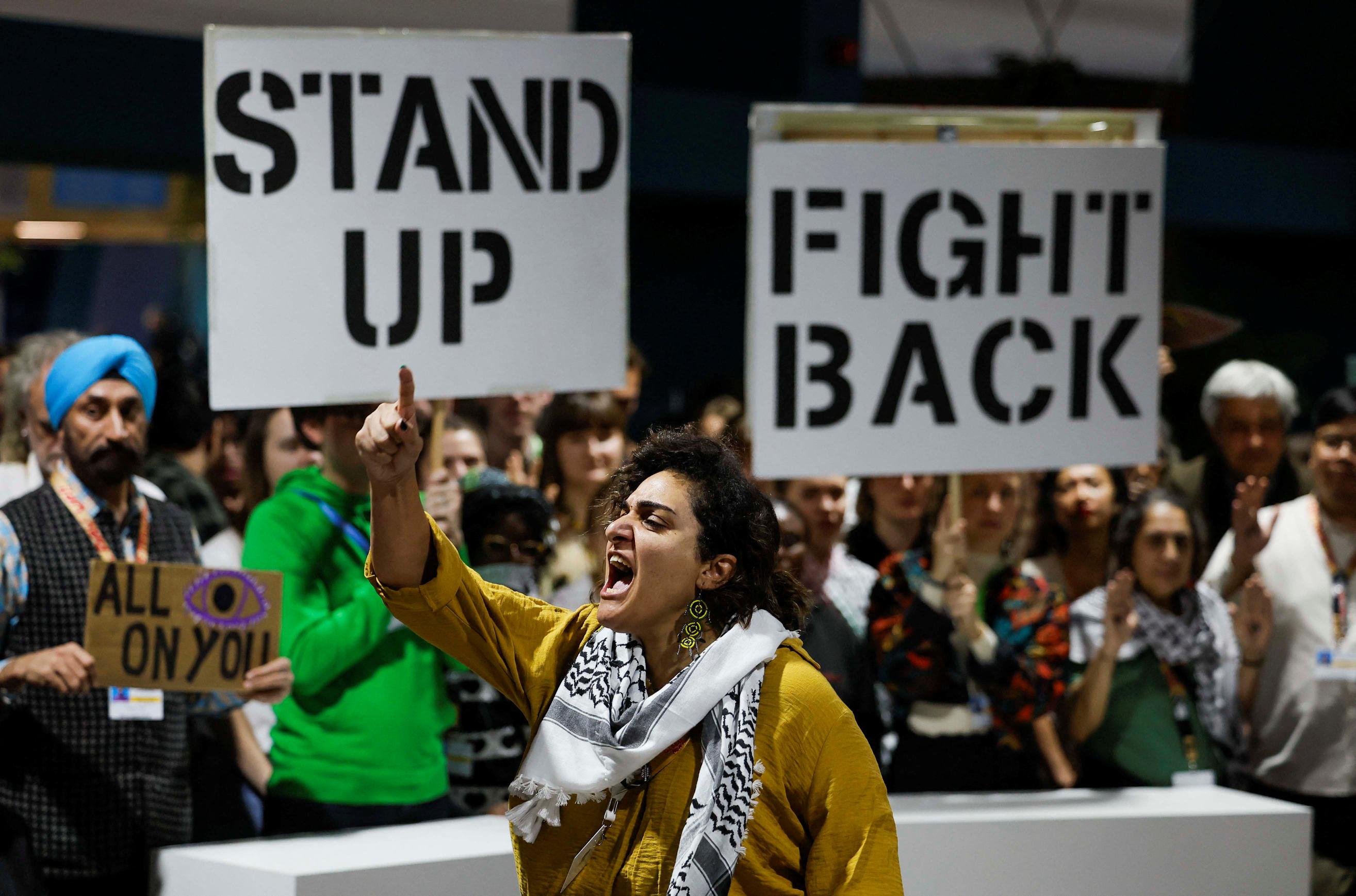
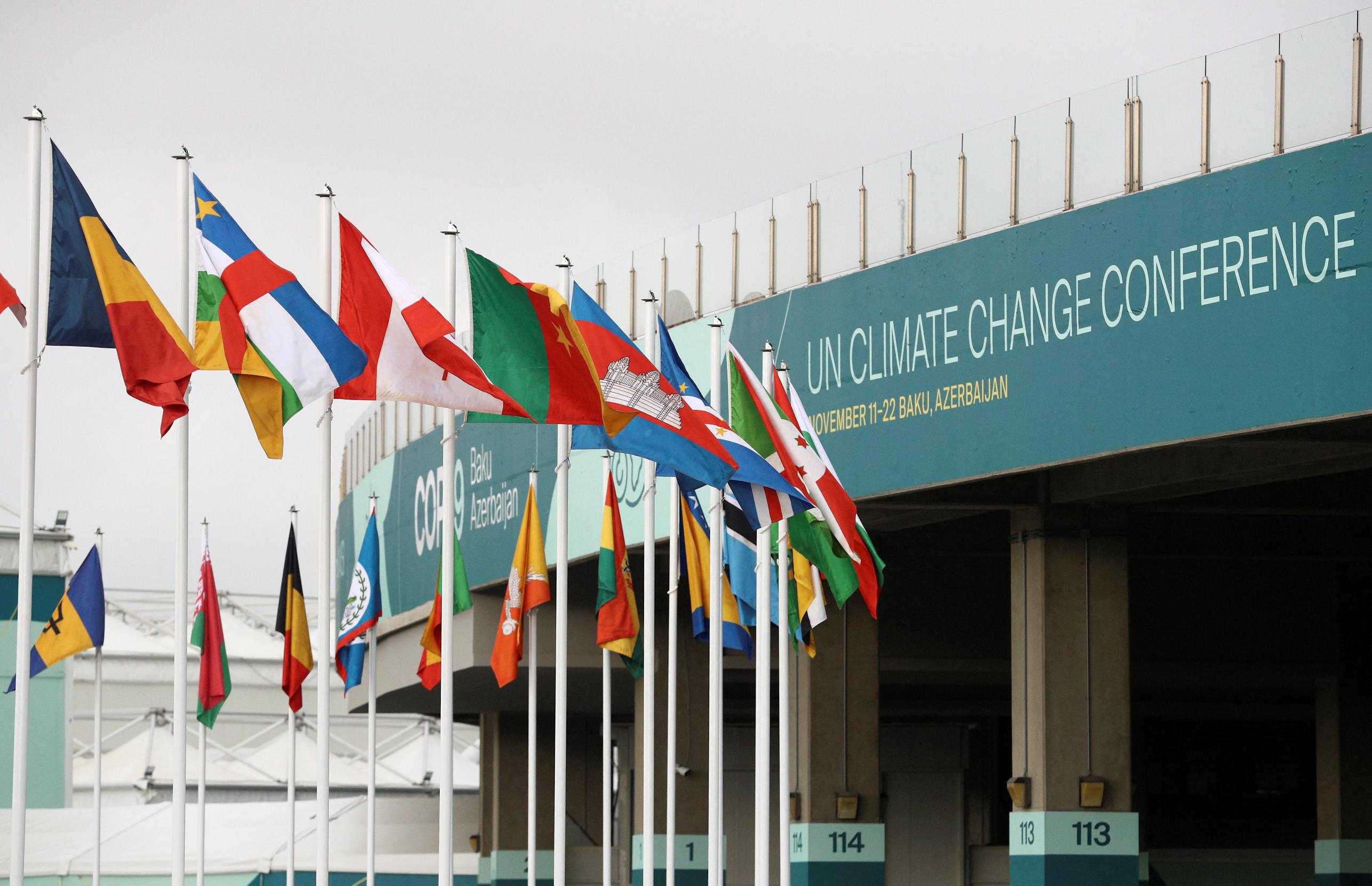
BAKU, Azerbaijan, Nov 24 (Reuters) - This year's U.N. climate summit delivered a deal on climate finance two days past deadline, after two weeks of tense negotiations. Here are some of the takeaways from the COP29 summit held in Azerbaijan's capital of Baku: CASH FOR CLIMATE REMAINS TIGHT The summit's main agenda item - setting a new annual target for global climate finance - had nations wrangling for two weeks. Even after reaching a deal for $300 billion a year by 2035, many developing countries said the amount was far too low. They also warned that the deadline for a decade away in 2035 would hold back the world's transition to clean energy. Some including India also lambasted wealthy nations for seeking to include contributions by developing countries in the annual target. TRUMP TAMPS THE MOOD Though he has yet to take office, climate denier Donald Trump's victory in the Nov. 5 presidential election soured the mood at COP29. Trump has vowed to remove the United States from global climate efforts, and has appointed another climate skeptic as his energy secretary. Trump's election meant the U.S. could offer little at COP29, despite being the world's biggest historical polluter and most responsible for climate change. It also curtailed ambitions on the finance target, with the world's biggest economy unlikely to contribute. GREEN LIGHT FOR CARBON CREDITS After nearly a decade of efforts to establish a rulebook for carbon credits, COP29 reached a deal to allow countries to begin establishing these credits to bring in funding and offset their emissions, or to trade them on a market exchange. There are still some smaller details to be worked out, such as the registry's structure and transparency obligations. But proponents hoped the boost to carbon offsetting will help draw billions of dollars into new projects to help the climate fight. COP PROCESS IN DOUBT Despite years of ballyhooed climate agreements, countries raised alarms about the fact that both greenhouse gas emissions and global temperatures are still rising. Countries have been hit by increasingly extreme weather, making clear that the pace of progress hasn't been fast enough to prevent a climate crisis. This year is on track to be the warmest ever on record, with evidence of climate impacts spiraling faster than expected. Widespread flooding has killed thousands and left millions hungry across Africa; deadly landslides have buried villages in Asia. Drought in South America has shrunk rivers - vital transport corridors - and livelihoods. And rain-triggered floods in both Spain and the United States have killed hundreds of people while wiping out billions in economic value. TRADE TENSIONS TO THE FORE Developing countries pushed hard at COP29 to open discussions about climate-related trade barriers, arguing that that their ability to invest in greening their economy was undermined by costly trade policies imposed by the world's wealthiest economies. In focus was Europe's planned carbon border tax (CBAM). But equally worrying is the prospect of Trump introducing broad tariffs on all imports. The the U.N. climate body agreed to add the issue to future summit agendas. FOSSIL FUEL INTERESTS This year's COP was the third in a row to be held in a fossil fuel producing country, with both the OPEC secretary general and the president of host country Azerbaijan telling the summit that oil and gas resources were "a gift from God." In the end, the summit failed to set steps for countries to build on last year's COP28 pledge to transition away from fossil fuels and triple renewable energy capacity this decade. Many negotiators saw that as a failure - and a sign that fossil fuel interests were overpowering climate talks. Sign up here. https://www.reuters.com/sustainability/cop/takeaways-cop29-climate-summit-azerbaijan-2024-11-24/
2024-11-23 20:08
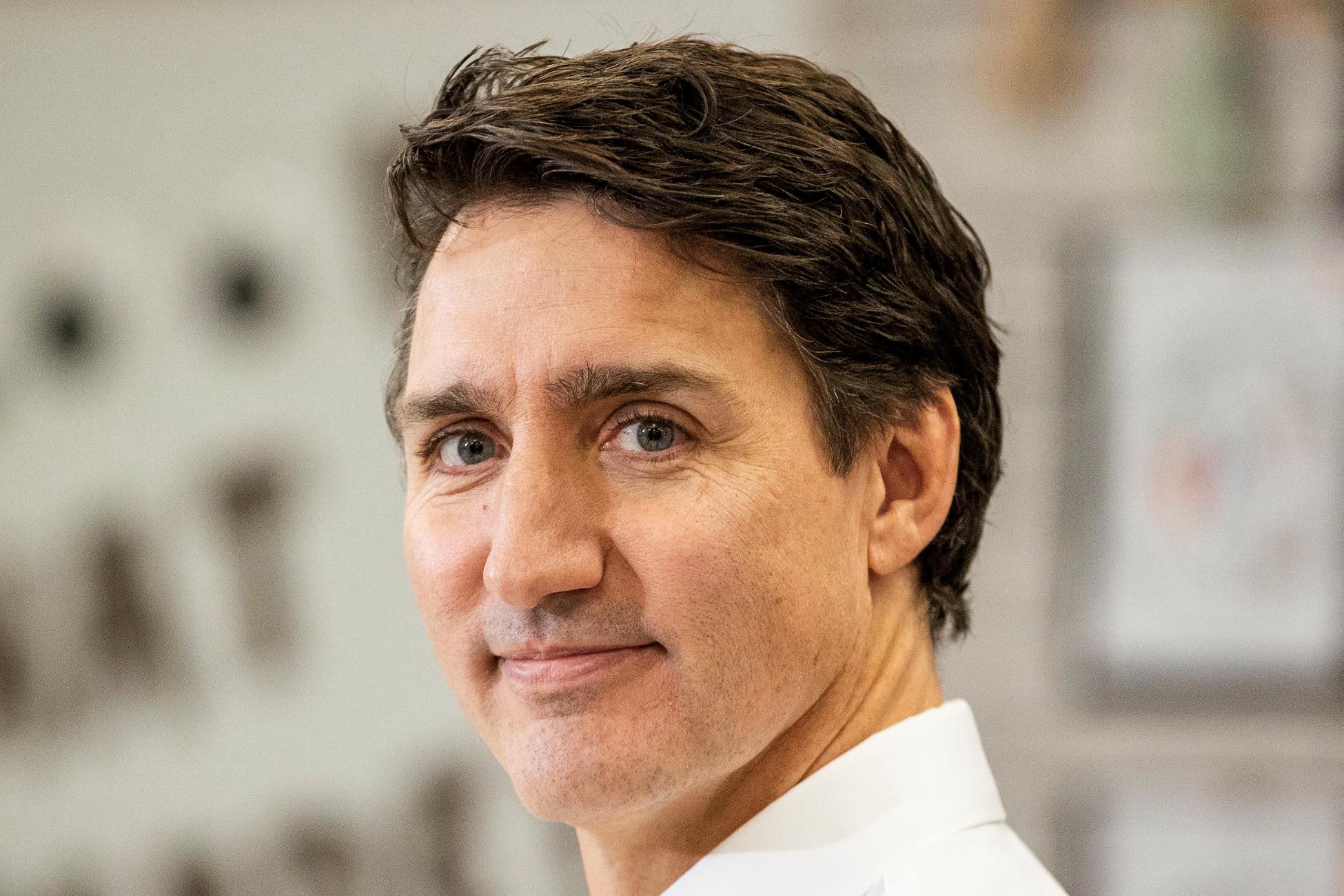
Nov 23 (Reuters) - Canadian Prime Minister Justin Trudeau on Saturday condemned violence and antisemitism at anti-NATO and pro-Palestinian protests in downtown Montreal on Friday night, where NATO delegates have gathered for the alliance's annual assembly. Around 300 delegates from NATO members and partner states are meeting in Montreal from Nov. 22-25. Local media reported that protesters burned an effigy of Israeli Prime Minister Benjamin Netanyahu and lit smoke bombs. Two separate protest groups merged into a march, and some protesters started throwing smoke bombs and metal objects at officers policing the demonstration, Montreal police said. Police used tear gas and batons to disperse the crowd and three people were arrested for assaulting officers and obstructing police work. Protesters set two cars on fire and smashed windows as the march was dispersed around 7 pm ET, police said. Videos and pictures posted to social media showed masked rioters burning flares and battering storefront windows. "What we saw on the streets of Montreal last night was appalling. Acts of antisemitism, intimidation, and violence must be condemned wherever we see them," Trudeau said in a post on social media website X. Pro-Palestinian protests have been taking place across Canada since the Israel-Gaza war started late last year. Israel's 13-month campaign in Gaza has killed more than 44,000 people and displaced nearly all the enclave's population at least once, according to Gaza officials. The war was launched in response to an attack by Hamas-led fighters who killed 1,200 people and captured more than 250 hostages in Israel on Oct. 7, 2023, Israel has said. Sign up here. https://www.reuters.com/world/americas/canadas-trudeau-condemns-violent-protests-nato-meets-montreal-2024-11-23/
2024-11-23 19:56
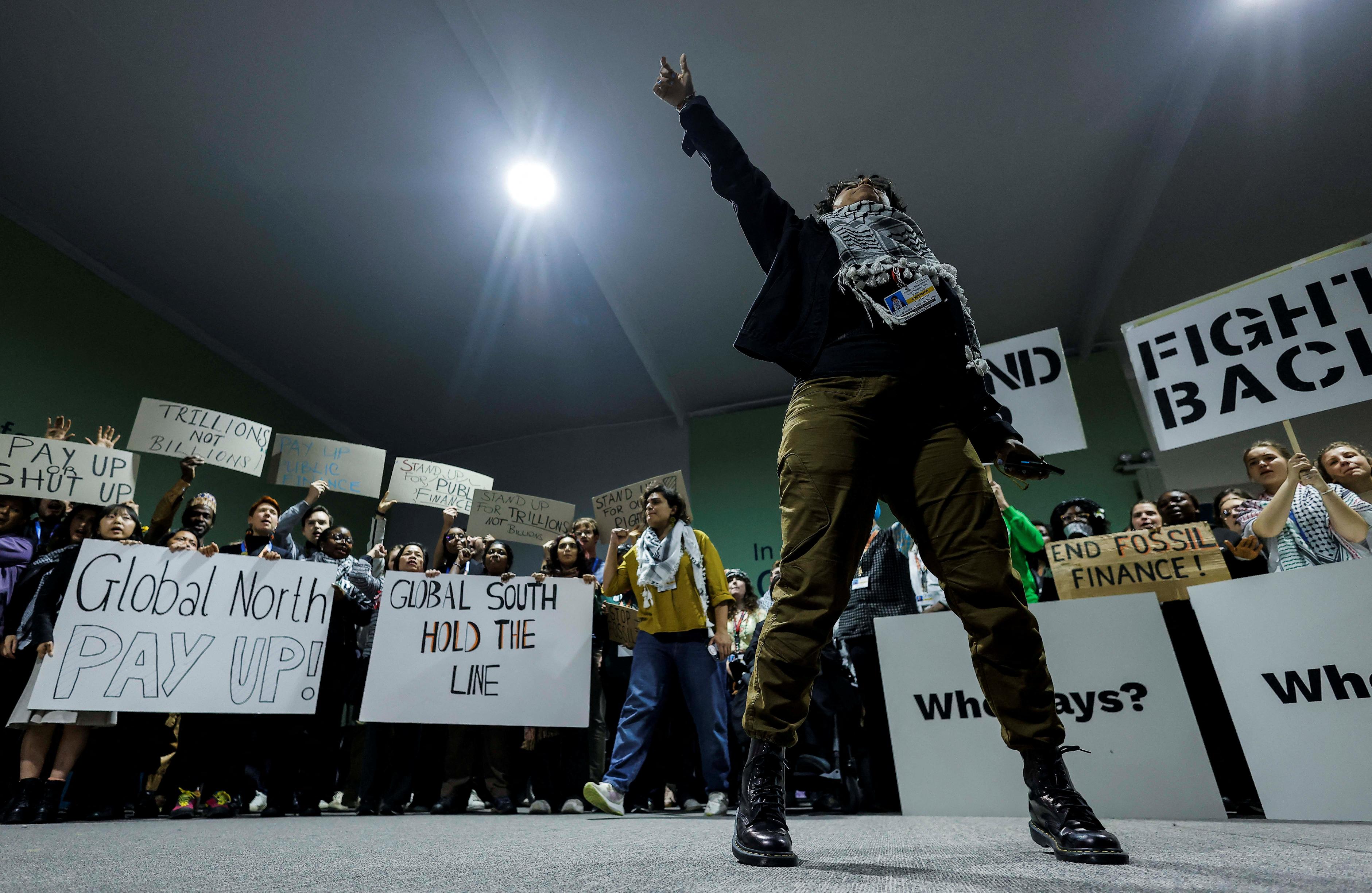
Rich governments would lead funding to help poorer countries Developing nations slam the deal as insufficient UN climate chief says impact depends on delivery Trump has pledged to remove US from climate pact BAKU, Nov 24 (Reuters) - Countries at the COP29 summit in Baku adopted a $300 billion a year global finance target on Sunday to help poorer nations cope with impacts of climate change, a deal its intended recipients criticised as woefully insufficient. The agreement, clinched in overtime at the two-week conference in Azerbaijan's capital, was meant to provide momentum for international efforts to curb global warming in a year destined to be the hottest on record. Some delegates gave the deal a standing ovation in the COP29 plenary hall. Others lambasted wealthy nations for not doing more and criticised the Azerbaijan host for hurriedly gavelling through the contentious plan. "I regret to say that this document is nothing more than an optical illusion," Indian delegation representative Chandni Raina told the closing session of the summit, minutes after the deal was gavelled in. "This, in our opinion, will not address the enormity of the challenge we all face. Therefore, we oppose the adoption of this document." United Nations climate chief Simon Stiell acknowledged the difficult negotiations that led to the agreement but hailed the outcome as an insurance policy for humanity against global warming. "It has been a difficult journey, but we've delivered a deal," Stiell said. "This deal will keep the clean energy boom growing and protect billions of lives. "But like any insurance policy, it only works if the premiums are paid in full, and on time." The agreement would provide $300 billion annually by 2035, boosting rich countries' previous commitment to provide $100 billion per year in climate finance by 2020. That earlier goal was met two years late, in 2022, and expires in 2025. The deal also lays the groundwork for next year's climate summit, to be held in the Amazon rainforest of Brazil, where countries are meant to map out the next decade of climate action. The summit cut to the heart of the debate over financial responsibility of industrialised countries - whose historic use of fossil fuels has caused the bulk of greenhouse gas emissions - to compensate others for worsening damage from climate change. It also laid bare divisions between wealthy governments constrained by tight domestic budgets and developing nations reeling from costs of storms, floods and droughts. Negotiations had been due to finish on Friday but ran into overtime as representatives from nearly 200 countries struggled to reach consensus. Talks were interrupted on Saturday as some developing countries and island nations walked away in frustration. "We are leaving with a small portion of the funding climate-vulnerable countries urgently need. It isn’t nearly enough, but it’s a start," said Tina Stege, Marshall Islands climate envoy. Nations have been seeking financing to deliver on the Paris Agreement goal of limiting global temperature rise to 1.5 degrees Celsius (2.7 degrees Fahrenheit) above pre-industrial levels - beyond which catastrophic climate impacts could occur. The world is currently on track for as much as 3.1 C (5.6 F) of warming by the end of this century, according to the 2024 U.N. Emissions Gap report, with global greenhouse gas emissions and fossil fuels use continuing to rise. Sunday's deal failed to set out detailed steps for how countries will act on last year's U.N. climate summit pledge to transition away from fossil fuels and triple renewable energy capacity this decade. Some negotiators said Saudi Arabia had attempted to block such a plan during the talks. "There's definitely a challenge in getting greater ambition when you're negotiating with the Saudis," said U.S. climate adviser John Podesta. A Saudi official did not immediately provide comment. WHAT COUNTS AS DEVELOPED NATION? The roster of countries required to contribute - about two dozen industrialised countries, including the U.S., European nations and Canada - dates back to a list decided during U.N. climate talks in 1992. European governments have demanded others pay in, including China, the world's second-biggest economy, and oil-rich Gulf states. The deal encourages developing countries to make contributions but does not require them. The agreement includes a broader goal of raising $1.3 trillion in climate finance annually by 2035 - which would include funding from all public and private sources and which economists say matches the sum needed to address global warming. Countries also agreed on rules for a global market to buy and sell carbon credits that proponents say could mobilise billions more dollars into new projects to fight global warming, from reforestation to deployment of clean energy technologies. Securing the climate finance deal was a challenge from the start. Donald Trump's U.S. presidential election victory this month has raised doubts among some negotiators that the world's largest economy would pay into any climate finance goal agreed in Baku. Trump, a Republican who takes office in January, has called climate change a hoax and promised to again remove the U.S. from international climate cooperation. President Joe Biden congratulated the COP29 participants for reaching what he called an historic agreement that would help mobilise needed funds, but said more work was needed. "While there is still substantial work ahead of us to achieve our climate goals, today’s outcome puts us one significant step closer. On behalf of the American people and future generations, we must continue to accelerate our work to keep a cleaner, safer, healthier planet within our grasp," Biden said in a statement. Western governments have seen global warming slip down the list of national priorities amid surging geopolitical tensions, including Russia’s war in Ukraine and expanding conflict in the Middle East, and rising inflation. The showdown over financing for developing countries comes in a year scientists predict will be the hottest on record. Climate woes are stacking up, with widespread flooding killing thousands across Africa, deadly landslides burying villages in Asia, and drought in South America shrinking rivers. Developed countries have not been spared. Torrential rain triggered floods in Valencia, Spain, last month that left more than 200 dead, and the U.S. so far this year has registered 24 billion-dollar disasters - just four fewer than last year. Sign up here. https://www.reuters.com/sustainability/sustainable-finance-reporting/wealthy-countries-back-raising-cop29-climate-deal-300-billion-sources-say-2024-11-23/
2024-11-23 19:10
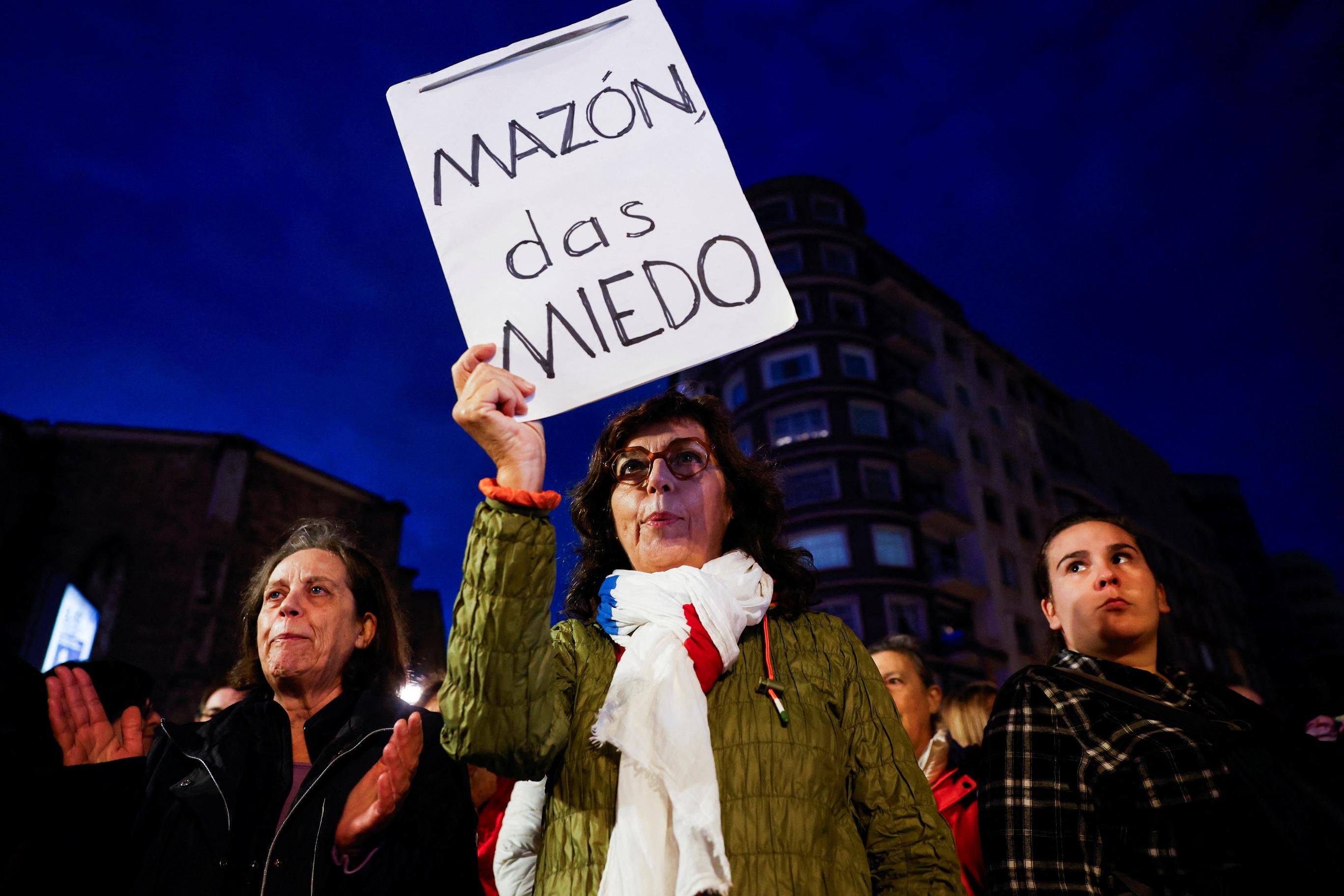
VALENCIA, Spain Nov 23 (Reuters) - Families and teachers protested in Valencia on Saturday to demand action over schools damaged by the deadly floods that killed over 220 people in eastern Spain and affected thousands of children's education. Holding posters demanding the resignation of Valencian leader Carlos Mazon, protesters marched through the Spanish city almost a month after the country's worst natural disaster in decades on Oct. 29. Controversy over the regional government's handling of the floods still rages, and a teachers' union accused it of leaving the clean-up to teachers and pupils. Five people remain missing in the Valencia region after torrential rains and flooding drowned people in cars and underground car parks, and collapsed homes. Thirty schools were still closed, the regional teachers' union STEPV said, leaving 13,000 children with nowhere to learn. About 5,000 people attended the demonstration, the Spanish government said. "We feel abandoned because, teachers, parents and volunteers have had to clean up the schools. We have seen cleaners in some schools but not enough," STEPV spokesperson Marc Candela told Reuters. A Valencian regional government spokeswoman said since Nov. 11, about 32,000 students from flood-hit areas have returned to school. “Extraordinary cleaning tasks are being carried out in educational centres," Daniel McEvoy, Valencian education minister, said. Mazon has been accused of sending flood warnings to residents too late. He has admitted he had made errors but refused to resign and said the body responsible for measuring water flows, run by the national government, failed to send sufficient warnings. Sign up here. https://www.reuters.com/world/europe/thousands-protest-valencia-over-lack-schools-after-deadly-floods-2024-11-23/
2024-11-23 18:01
Climate talks cap a decade of discussion U.S., EU agree late deal on how to track credits Could help billions of dollars flow to projects BAKU, Nov 23 (Reuters) - Countries agreed a deal at the COP29 climate conference on Saturday on rules for a global market to buy and sell carbon credits that proponents say will mobilise billions of dollars into new projects to help fight global warming. The agreement, clinched roughly a decade after international talks on forming the market began, hinged on how to ensure credibility in the system so it can reliably lead to reductions in greenhouse gas emissions driving climate change. Carbon credits are created through projects such as planting trees or putting up wind farms in a poorer country that receive one credit for every metric ton in emissions that they reduce or suck out of the atmosphere. Countries and companies can buy those credits to help reach their climate goals. After striking an agreement early in the two-week conference that will allow a centralised U.N. trading system to launch as soon as next year, negotiators spent much of the rest of their time in Azerbaijan trying to hammer out details of a separate bilateral system for countries to trade directly. Details to be worked out included how a registry to track credits would be structured, as well as how much information countries should share about their deals and what should happen when projects go wrong. Among the strongest voices was the European Union calling for stricter U.N. oversight and greater transparency over trades between nations, while the United States sought more autonomy over the deals struck. The COP29 presidency had published a draft deal ahead of the agreement that proposed allowing for some countries to issue carbon credits through a separate registry system, without that amounting to a U.N. seal of approval. The final text was a compromise after the EU secured registry services for countries that can't afford to set up their own ledgers for issuing and tracking credits, while the U.S. ensured that a transaction merely being recorded on such a registry does not qualify as a U.N. endorsement of the credits. By agreeing that the registry would not determine a credit's quality or endorse issuers, the EU had "gone way out of its way to accommodate the U.S.", said Pedro Barata, who tracked the talks for the non-profit Environmental Defense Fund. "It's still a viable international trading system... even if some people will say it has no teeth." While shoring up a global market for carbon credits was a key focus of talks in Baku, bilateral trading began in January when Switzerland bought credits from Thailand and dozens of other countries have already made agreements to transfer credits. But those deals remain limited and striking the right balance on a clear set of rules to ensure integrity and transparency without limiting countries' ability to participate should prompt a pick-up in deal flow. IETA, a business group that supports an expansion of carbon credit trading, has said a U.N.-backed market could be worth $250 billion a year by 2030, and count towards offsetting an extra 5 billion metric tons of carbon emissions annually. Sign up here. https://www.reuters.com/sustainability/sustainable-finance-reporting/cop29-agrees-deal-kick-start-global-carbon-credit-trading-2024-11-23/