2024-11-23 10:52
LONDON/DUBLIN, Nov 23 (Reuters) - Storm Bert battered Britain with snow, rain and strong winds on Saturday, killing one person and closing several railway lines, bridges and roads. The storm also hit Ireland, flooding roads in the west and cutting power to tens of thousands of customers. A man in his 60s died after a tree fell on a car on the A34 highway in southern England, local police said. The runway at the Newcastle airport in northeast England was covered in snow, briefly disrupting flights. In Scotland, some train services were suspended due to the weather, ScotRail said on X. The Severn Bridge, which connects Wales to England, was shut due to strong winds, the National Highways website showed. Snow covered roads and stranded cars in parts of the northern UK. Met Office Chief Meteorologist Jason Kelly termed the storm a "multi-hazard event", saying it was expected to bring snow, rain and wind to Britain for most of the weekend. In Ireland, the heavy rain led to flooding in parts of the west coast, making some roads impassable. The Irish Meteorological Service placed a "status red" rain warning - its highest level - for the counties of Cork and Galway from Friday night. Floodwater could be seen rising towards the top of parked cars in the Donegal town of Killybegs. Power company ESB Networks, which provides energy for the whole of Ireland, said high winds had led to power outages affecting 60,000 homes, farms and businesses overnight, mostly in the west and northwest. Sign up here. https://www.reuters.com/business/environment/storm-bert-causes-power-outages-disrupts-travel-uk-ireland-2024-11-23/

2024-11-23 06:39
BAKU, Nov 23 (Reuters) - A landmark agreement reached in Paris in 2015 to fight climate change requires countries to set targets and report on progress reducing national levels of planet-warming greenhouse gas emissions. However, it does not impose such requirements for emissions generated from fossil fuels they drill, mine and ship elsewhere. Climate Action Tracker, an independent scientific project that tracks government climate action, calculated the emissions impact of fossil fuel shipments from several top exporters. It used data from the International Energy Agency for 2022, the latest available for all countries analyzed. Here are their findings: (Note: emissions in megatons of CO2 equivalent) Sign up here. https://www.reuters.com/sustainability/climate-energy/climate-impact-fossil-fuel-exports-2024-11-23/
2024-11-23 06:35
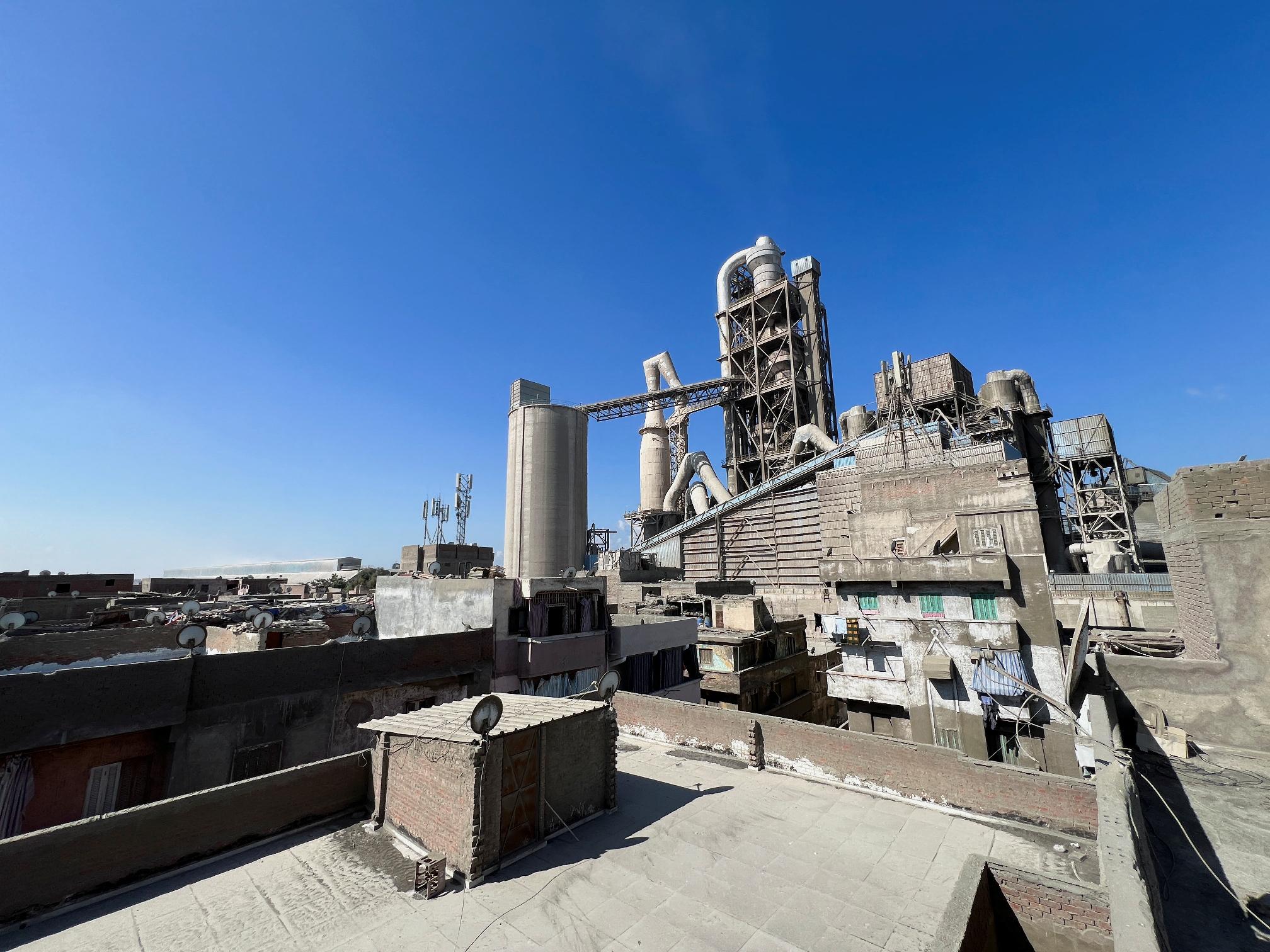
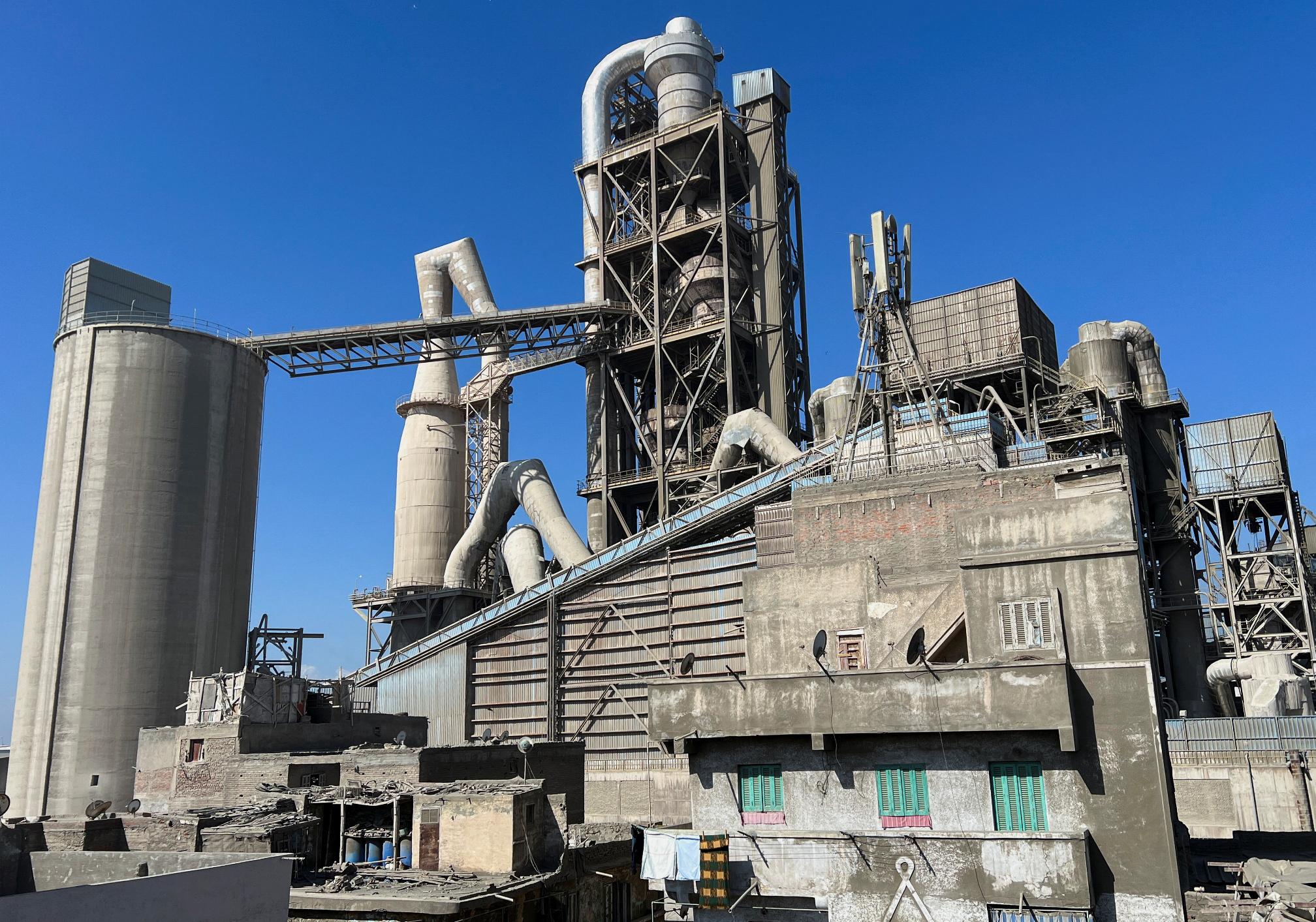
Fossil fuel exporters harm climate, pollute air, critics say US is growing coal supplier to North African cement industry Egypt says it needs financial support to clean up its emissions ALEXANDRIA, Egypt/BAKU, Nov 23 (Reuters) - Black dust coats streets and collects on rooftops in the neighbourhood adjoining a sprawling cement factory in the Egyptian city of Alexandria. Activists and local residents accuse the plant operated by the Alexandria Portland Cement Company (APCC), a subsidiary of Greece’s Titan Cement (TITC.BR) , opens new tab, of fouling the air by burning coal. "Every night, we see particles falling from their chimneys. Under street lights, you can clearly see the dust raining down," said Mostafa Mahmoud, a grocery store owner in the Wadi al-Qamar neighbourhood. Reuters could not independently verify the assertion. Titan Cement says the plant's emissions are within legal limits, and it plans to reduce its use of coal in coming years. Like many cement manufacturers in Egypt and across North Africa, the factory uses imported coal to fire its kilns. Lately, more and more of the region's coal is coming from the United States, according to U.S. export data. Fossil fuel exports have been a hot topic at the United Nations climate conference in Baku this year, with activists and delegates from some climate-vulnerable countries arguing nations should be held accountable for the pollution they send overseas - often to poor developing nations - in the form of oil, gas and coal. Some are seeking to get the question of how to do this onto the agenda at future climate summits. A landmark agreement reached in Paris in 2015 to fight climate change requires countries to set targets and report on progress reducing national levels of planet-warming greenhouse gas emissions. But it does not impose such requirements for emissions generated from fossil fuels they drill, mine and ship elsewhere. That has allowed countries like the United States, Norway, Australia and others to say they are making progress toward international climate goals while also producing and exporting fossil fuels at breakneck pace, said Bill Hare, co-founder of Climate Action Tracker, an independent scientific project that tracks government climate action. "Most of these fossil-fuel-exporting countries can get to look good with their domestic climate action," he said on the sidelines of the COP29 conference in Baku this week. "Their exported emissions are someone else's problem." U.S. fossil fuel exports – including coal, oil, gas and refined fuels – led to over 2 billion tons of carbon dioxide equivalent emissions in other countries in 2022, according to a calculation carried out by Climate Action Tracker and verified by Reuters using data from the International Energy Agency. That is equivalent to about a third of U.S. domestic emissions, the data showed. A years-long drilling boom has made the U.S. the world’s top oil and gas producer, while robust demand has lifted its coal exports for four years running, according to data from the U.S. Energy Information Administration (EIA). Asked how Washington squares its climate ambitions with its fossil fuel production and exports, President Joe Biden's climate adviser, Ali Zaidi, said strong energy output was needed to keep consumer prices low during a transition to cleaner fuels. "I don't think there is social license for a decarbonisation playbook that puts upward price pressure for retail consumers in the marketplace," Zaidi told Reuters. Incoming president Donald Trump, a climate change sceptic, has said he wants to further boost the nation's fossil fuel production. For other producers, greenhouse gas emissions from fossil fuel exports sometimes outweigh domestic emissions, Climate Action Tracker said. That was true for Norway, Australia and Canada in 2022, the most recent year for which data is available for all countries analysed. Reuters obtained exclusive access to the calculations. Norway's Ministry of Climate and Environment said it is up to other nations to manage their own carbon footprints. "Each country is responsible for reducing its own emissions," the ministry said in a statement to Reuters. Officials at the environment and climate ministries of Canada and Australia did not comment. Addressing the summit in Azerbaijan, host President Ilham Aliyev accused some Western politicians of double standards for lecturing his government about its oil and gas use, saying, "They better look at themselves." CEMENT AND BRICKMAKERS Most U.S. gas exports now go to European countries seeking to reduce dependence on Russia, while China has become one of the top buyers of U.S. crude and coal, according to the EIA figures. America's biggest growth market for coal, however, is North Africa. U.S. coal mines exported around 52.5 million short tons globally in the first half of 2024, up nearly 7% from the same period a year ago, the data showed. Much of the increase was driven by cement and brickmakers in Egypt and Morocco, which together took in more than 5 million short tons over the period, the EIA said in a recent report. "These customers value the high heat content of U.S. thermal coal, which makes their manufacturing operations more efficient," the report said. Meanwhile, U.S. domestic coal use has been sliding as cheap natural gas and subsidies for renewables like solar and wind drive coal-fired power plant closures, extending a more than 15-year decline in greenhouse gas emissions. Egypt's cement industry has relied on imported coal for nearly a decade, since persistent natural gas shortages forced many factories to look for alternatives, said Ahmed Shireen Korayem, vice chairman and board member at the Arab Union for Cement and Building Materials, a regional industry body. The U.S. is Egypt's largest supplier, accounting for 3.1 million of the 6.6 million metric tons of coal imported this year, according to data from the London Stock Exchange Group. Russia supplied most of the rest, 2.1 million metric tons. Its environment ministry referred questions to the foreign ministry, which did not immediately comment. Activists argue that the Egyptian government's decision to lift a longstanding ban on coal imports in 2015 to support an industry central to its economic development plans is harmful to the environment and health of communities like Wadi al-Qamar. Using data from the Alexandria plant's emissions-monitoring system, researchers from Egypt's Al-Azhar University, Cairo University and environment ministry simulated the dispersion of polluting dust and toxic gases between 2014 and 2020. The study , opens new tab, published in the Journal of Environmental Health Science and Engineering in 2022, concluded that the shift from using natural gas to coal as the dominant fuel lead to increased emissions and concentrations of total suspended particulates (TSP), nitrogen dioxide and sulfur dioxide. The concentrations were mostly within legal limits, however. Egypt’s greenhouse gas emissions from burning fossil fuels rose by more than a fifth in the decade ended in 2022, hitting 263 million metric tons of carbon dioxide, according to data from the Global Carbon Budget , opens new tab, a project led by Britain's Exeter University. Most of these emissions came from gas and oil, which remain Egypt's main energy sources. Coal accounted for 3.4% of the 2022 total, 9 million metric tons. The government committed in 2021 to phase out the use of coal and has asked companies that use it to introduce more renewable sources into their energy mix. But Heba Maatouk, a spokesperson for Egypt's environment ministry, said there was insufficient supply of alternatives, such as refuse-derived fuel (RDF) made from combustible trash. "If companies cannot get the RDF, they won't stop operating and will use coal to avoid losses," Maatouk told Reuters. LEGAL BATTLES Decarbonising the cement industry is a challenge, particularly in poorer developing nations like Egypt, because it requires vast amounts of energy, and technologies to keep emissions from the atmosphere are expensive. In his COP29 address last week, Egyptian Prime Minister Mostafa Madbouly said his country's plans to boost renewable energy to 42% of its power mix by 2030 depend on foreign support. Residents in the Wadi al-Qamar neighborhood have been engaged in a prolonged legal battle with the Alexandria cement factory, APCC, filing multiple lawsuits, said Hoda Nasrallah, a lawyer for the Egyptian Initiative for Personal Rights (EIPR). In 2016, community members backed by EIPR asked an administrative court in Alexandria to overturn amendments to the country's environmental regulations that allow heavy industries to use coal on health and environmental grounds, according to the rights group. APCC officials did not respond to a request for comment made through a legal representative. Titan Cement confirmed that the factory sources coal from the U.S. but did not elaborate. In a statement issued by its group corporate communications director, Lydia Yannakopoulou, the company said the plant had not violated any laws, had made 40 million euros in investments in pollution controls since 2010, and planned to reduce its use of coal in coming years as it ramps up use of alternatives. She said a court-appointed committee of experts from Alexandria University concluded there were no environmental violations resulting from the company’s emissions or operational processes, and the emissions were within legal limits. Nasrallah said lawyers representing the community believe the committee was headed by a company employee and have taken their case to Egypt's highest administrative court in Cairo. Neither side provided a copy of the committee's report, and Reuters could not independently verify their assertions. A ruling in the case is expected in December. Meanwhile, frustration is building among nearby residents like Hisham al-Akary, who says his family has lived in Wadi al-Qamar for generations and cannot afford to move. "This factory shouldn’t be here," he told Reuters. "We should stay, and they should leave." Sign up here. https://www.reuters.com/business/environment/how-big-fossil-fuel-producing-countries-export-emissions-abroad-2024-11-23/
2024-11-23 04:32
BAKU, Azerbaijan, Nov 23 (Reuters) - Russia has included the territories it occupies in Ukraine in its recent greenhouse gas inventory report to the United Nations, drawing protests from Ukrainian officials and activists at the COP29 climate summit this week. The move by Moscow comes as Russian President Vladimir Putin eyes potential peace deal negotiations with incoming U.S. President Donald Trump that could decide the fate of vast swathes of territory. "We see that Russia is using international platforms to legalise their actions, to legalise their occupation of our territory," Ukraine's Deputy Environment Minister Olga Yukhymchuk told Reuters. She said Ukraine is in touch with officials from the United Nations Framework Convention on Climate Change (UNFCCC), the U.N.'s main climate body, to ask it to resolve the dispute. Officials representing the Russian foreign ministry and the UNFCCC did not respond to requests for comment sent on Thursday. At issue is Russia's National Inventory Report of greenhouse gas emissions for 2022, which Moscow submitted to the UNFCCC on Nov. 8. In the submission, reviewed by Reuters, Russia said it could only provide data for 85 out of 89 of its territories "due to the absence of baseline data on land use for the territories of the Donetsk People's Republic, Luhansk People's Republic, Zaporizhzhia and Kherson regions, annexed in September 2022." Russia had already included emissions from Ukraine's Crimea region, annexed in 2014, in its last few reporting submissions to the UNFCCC. It also included Crimea's land development plans in a report to the U.N. Global Biodiverity Framework in 2020. Ukrainian Environment Minister Svitlana Grynchuk raised the issue in a speech to delegates at the COP29 summit earlier this week, saying Russia's reporting on Ukraine territories undermines the integrity of global climate efforts. Yukhymchuk told Reuters this concern is based on the risk of double-counting of emissions over territories that together exceed the size of Portugal and Azerbaijan. "It will bring us to a point that we do not achieve any of our goals if we don't have proper reporting under the Paris Agreement," she said. Nikki Reisch, director of the Center for International Environmental Law's Climate & Energy Program, said the dispute reflected how geopolitical turmoil was diverting the world's attention from the work of fighting global warming. "I think that is a sign of the times," said Reisch on the sidelines of the COP29 summit. "We're living amidst rampant conflicts, and that is certainly infecting these talks." Christina Voigt, a law professor at the University of Oslo, said Russia's reporting on Ukraine emissions violated Ukraine's sovereignty and could be illegal. "Claiming emissions is perhaps not illegal - but claiming emissions as if they were from their own territory, while they are in fact generated on another country's territory, is a unilateral declaration in violation of the international legal status of that territory," Voigt said. She said Russia's claim of the annexed lands' emissions could become even more problematic if Moscow eventually claims emissions reductions on these lands and offers them as offset credits to carbon markets. "This would indeed be an illegal appropriation of a good belonging to the other state," she said. Sign up here. https://www.reuters.com/world/europe/russias-claim-emissions-annexed-ukraine-regions-draws-protests-cop29-2024-11-23/
2024-11-22 21:58
CHISINAU, Nov 22 (Reuters) - Moldova's energy minister said on Friday he would meet in St. Petersburg next week with Russian gas company Gazprom to ensure stable electricity supplies after Russian strikes on the energy system in neighbouring Ukraine. Victor Parlicov said systematic strikes on Ukraine's power grid ran the risk of cutting off his country from what had become a reliable supply of electricity. WHY IT'S IMPORTANT Ex-Soviet republic Moldova, one of Europe's poorest countries, has been deeply affected by the war in Ukraine, with fragments of Russian drones repeatedly falling on its territory. Moldova receives most of its electricity from a thermal power station located in its separatist Transdniestria region, which needs gas supplies to operate. KEY QUOTES Parlicov on Jurnal TV: "The missile strikes in Ukraine are practically decoupling the country from a joint Ukraine-Moldova grid. Lines and transformer stations are being taken out of service." "I understand that this visit to St. Petersburg is sensitive, a visit to the Russian Federation, an aggressor country in the case of Ukraine. But these are the options: either you go and discuss or you don't go and don't discuss." CONTEXT Russian attacks have systematically targeted Ukraine's power grid for months and Moscow unleashed its largest airstrike in almost three months on Sunday, prompting power cuts. Moldova's pro-European President Maia Sandu has denounced Russia's invasion of Ukraine and in recent years, the country has turned to European suppliers for gas. But Russian gas, pumped through Ukraine, supplies the thermal plant in Transdniestria, which produces most of the power used in the rest of Moldova. If Ukraine goes through with its plan to end Russian transit, gas for that plant would have to pass through Turkey, Bulgaria and Romania. Gazprom could also supply gas for parts of Moldova under central government control. Sign up here. https://www.reuters.com/business/energy/moldova-minister-meet-russias-gazprom-ensure-power-supplies-2024-11-22/
2024-11-22 21:06
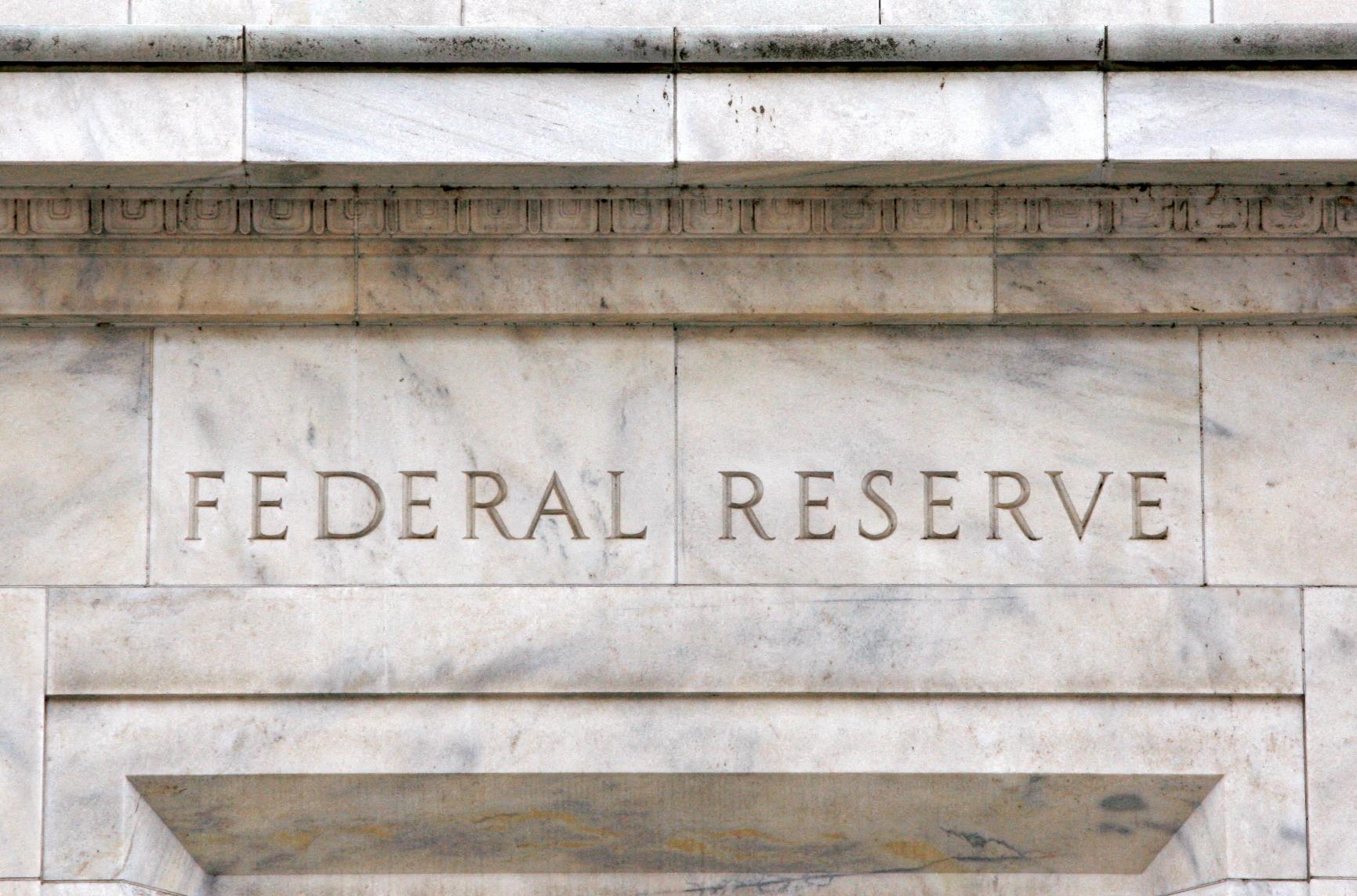
US fiscal debt sustainability top-cited risk in Fed survey Global trade risks include potential tariff barriers Trump's policies may fuel inflation and federal deficits WASHINGTON, Nov 22 (Reuters) - President-elect Donald Trump may have campaigned hard against high inflation, but by the time of his Nov. 5 election victory financial professionals had moved on from rising prices and begun worrying about rising U.S. debt, possible recession, and risks to global trade as among the top threats to the stability of the financial sector, according to a new Federal Reserve survey released on Friday. "Concerns over U.S. fiscal debt sustainability was the top-cited risk. It was noted that increased Treasury issuance could begin to crowd out private investment or constrain policy responses in an economic downturn," the U.S. central bank survey found, while a potential weakening of the economy and possibility of a global trade war moved higher on the list of worries. These concerns have also been reflected in recent bond market behavior, with yields on 10-year Treasury notes, for instance, rising sharply over the last two months despite the Fed having cut its benchmark lending rate twice by a total of 75 basis points. Alongside that, an estimate of Treasury term premium - a measure of the compensation that investors require to hold longer-term Treasury securities rather than shorter-term ones - was near the top of its range since 2010. Moreover, measures of interest rate volatility were above historic norms, in part due to "high uncertainty about the economic outlook and the associated path of monetary policy as well as heightened sensitivity to news about output growth, inflation, and the supply of Treasury securities." Meanwhile a potential weakening in the economy and the possibility of a global trade war moved higher on the list of worries. "Risks to global trade were specifically cited in this survey, with some respondents noting the potential for tariff barriers to prompt retaliatory protectionist policies that would negatively affect global trade flows and put renewed upward pressure on inflation," the survey found. "Others noted that a deterioration in global trade could depress economic activity and raise the risk of a downturn." "Persistent inflation" alongside tight Fed monetary policy had been cited as the top risk in a prior survey issued in the spring, but fell to sixth place, alongside global trade, in the current poll. TRUMP POLICIES The survey, published as part of the Fed's biannual financial stability report, was conducted among two dozen financial sector participants and observers from August to October. While that preceded Trump's election win, the poll highlights issues likely to be central in coming debates on taxes, tariffs, and other economic issues. Some economists see Trump's anticipated combination of tax cuts and import tariffs as potentially fueling both inflation and already large federal deficits at a time when bond markets have been keeping yields elevated on U.S. Treasury bonds. The list of near-term risks to stability published on Friday is reminiscent of the two 2019 financial stability reports, when "trade frictions" were the top concern after Trump had launched a trade war with China and had forced Mexico and Canada to renegotiate the North American Free Trade Agreement. The document also shows Trump inheriting a financial system that seems largely solid from many perspectives, but with some notable pressures emerging. Asset values "remained elevated," the report concluded, a concern since rich pricing can mean steeper reversals if sentiment or conditions change, with liquidity low and commercial property prices under stress. Household borrowing was "modest," but delinquency was rising on some types of loans, and businesses had borrowed heavily. Banks, many of them under Fed supervision with closely watched capital levels, "remained sound and resilient." One particular asset class, the "stablecoins" used as part of the cryptocurrency system, was called out as both growing and "vulnerable to runs." Sign up here. https://www.reuters.com/markets/us/fed-survey-finds-inflation-fading-risk-next-debt-trade-wars-2024-11-22/