2024-11-20 11:22
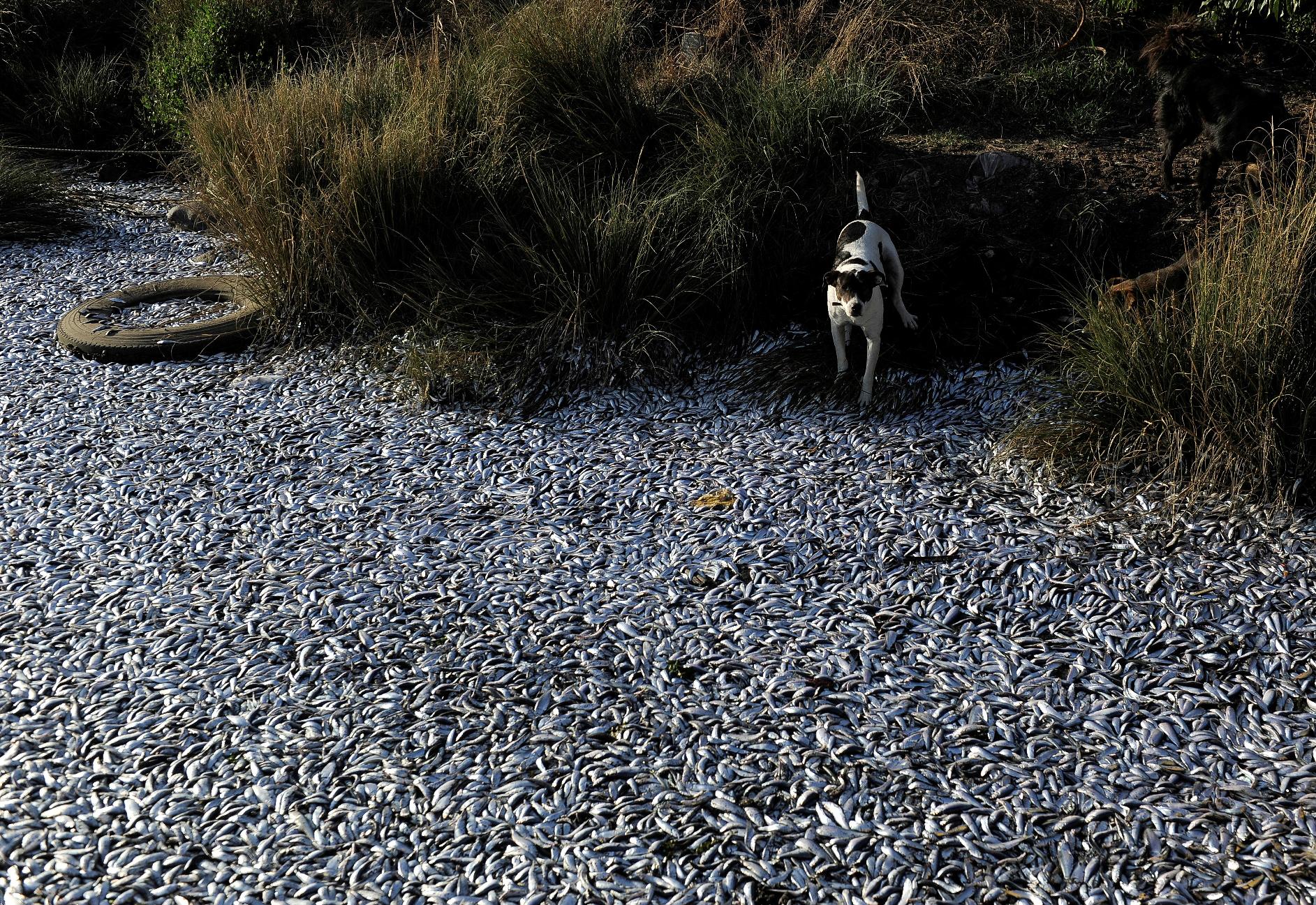
Locals worry lithium project endangers fish in Ascotan salt flat Fish adapted to extreme environment, facing threats from water extraction Experts urge mining safeguards to protect unique ecosystem ASCOTAN SALT FLAT, Chile, Nov 20 (Reuters) - At more than 3,700 meters (12,000 feet) above sea level, the "karachi" swims happily in dense salt flat waters, but locals worry a future lithium project will endanger this extreme-environment fish. The Orestias ascotanensis is a small ray-finned fish that grows to just 7.5 centimeters (3 inches), but has adapted to the Ascotan salt flat's high concentrations of heavy metals and variable salinity. The salt flat also sees high solar radiation and temperature variations that reach 26 Celsius (79 Fahrenheit) during the day and below freezing at night, according to Marco Mendez, a professor at the University of Chile who studies evolutionary biology. Scientists at the Millennium Institute's genome center have been studying the fish and found genes that allow it to resist each element of its hostile environment, from solar radiation to heavy metals to low oxygen levels. The fish has also evolved to do it quickly. "We've seen how they've done this in a short evolutionary time because there are other variants of this fish in less hostile environments," said Miguel Allende, director of the institute. "They've taken these genes and exacerbated them." While the fish can survive extreme environments, it still needs an environment to live in and residents say copper mining has reduced the fish population due to water extraction. "That's what's hurting them, when they take the water, the fish die," said Mauricio Anza, a local resident, who said people in the area are working to preserve the areas flora and fauna. But Ascotan is also one of the salt flats where the government plans to launch a private lithium mining project, something locals and experts say must come with guarantees to safeguard the ecosystem. "Mining activity, while important from an economic point of view, must be carried out with the aim of ensuring that this very particular environment is not lost forever," Allende said. Sign up here. https://www.reuters.com/business/environment/chiles-rare-salt-flat-fish-faces-threat-lithium-mining-project-2024-11-20/
2024-11-20 11:22
Preliminary deal for 100,000 metric tons over several years Arkansas must first set lithium royalty rate Exxon sees lithium demand rising despite Trump's EV comments Exxon still deciding on which direct lithium extraction technology to use HOUSTON, Nov 20 (Reuters) - Exxon Mobil (XOM.N) , opens new tab said on Wednesday it has signed a non-binding lithium supply deal with battery parts maker LG Chem (051910.KS) , opens new tab, the oil giant's second agreement to supply the electric vehicle battery metal from its proposed Arkansas project. Exxon last year announced plans to extract lithium from the Smackover Formation, an underground deposit of salty water known as brine that stretches from Florida through Arkansas and into Texas, using at least one type of direct lithium extraction (DLE) technology. Exxon and other oil companies such as Occidental Petroleum (OXY.N) , opens new tab and Equinor (EQNR.OL) , opens new tab are increasingly investing in lithium projects, partly due to their belief that extracting the metal from brine involves similar processes as petroleum extraction. The LG Chem agreement, which would require Arkansas officials to set a state lithium royalty rate to be finalized, is for up to 100,000 metric tons of the ultralight metal over several years. The move allows Exxon - which plans to self-fund its Arkansas project - to incorporate LG Chem's lithium quality specifications into its design plans. South Korea-based LG Chem plans to use the lithium at its Tennessee cathode facility, slated to open next year. "This is about building a relationship with a company that has the same ambitions as building out the North American (battery) supply chain as us," Patrick Howarth, head of Exxon's lithium business, told Reuters. Exxon expects lithium demand to rise despite U.S. President-elect Donald Trump's campaign vow to end the "EV mandate," Howarth said. "We know that the world's going to need a lot more lithium than it's producing today," he said. Financial terms of the deal - including the price per metric ton of lithium that LG Chem would pay Exxon - would be negotiated as part of any final contract. SK On, a unit of SK Innovation (096770.KS) , opens new tab, signed a non-binding lithium supply deal with Exxon in June. Despite recent lithium market turbulence, Howarth said Exxon has "seen really strong support from our potential customer base." ROYALTY Arkansas officials earlier this month rejected a proposed lithium royalty rate of 1.82% from Exxon and others. Officials have been debating a lithium royalty since at least 2018, with tension centering on how the metal should be valued given the cost for equipment to filter it from brine, which unlike oil typically has no intrinsic market value. Landowners want a higher rate, noting that most U.S. oil royalties pay between 8% and 12%. "It's one of the key regulatory issues that we need to resolve to bring these projects to market," Howarth said, adding that Exxon could leave Arkansas - where it has invested more than $100 million - if the rate was too high. Officials hinted a 2.5% rate could be acceptable, which Howarth said would be "in the range that we would be able to move forward." Exxon would need to formally propose a new rate, which is likely in the near future, he added. Exxon declined to say how much lithium it expects to produce annually in Arkansas, although the amount would depend on which DLE technology it chooses. "We're definitely narrowing down the selection," Howarth said. "But we're still keeping multiple providers in play." Sign up here. https://www.reuters.com/business/energy/exxon-mobil-signs-non-binding-lithium-supply-deal-with-lg-chem-2024-11-20/
2024-11-20 11:17
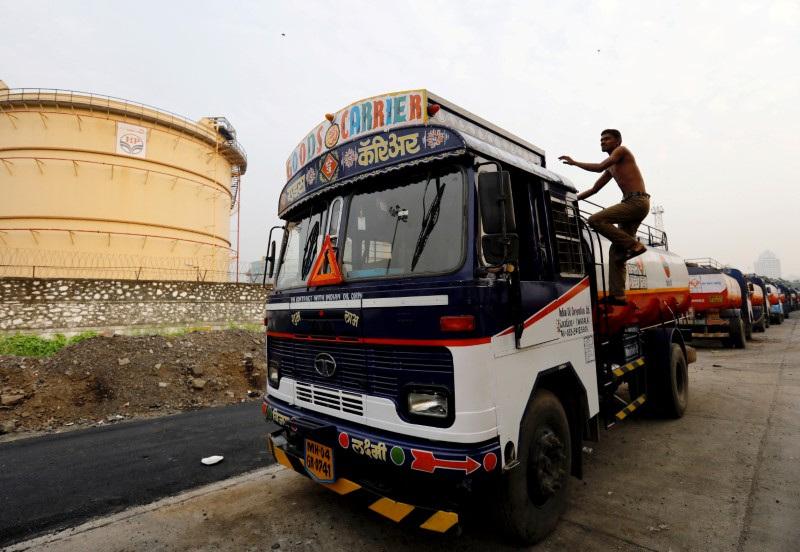
Volumes mostly bound for Singapore, Hong Kong, Malaysia Traders note tightening Asian supplies, and arbitrage opportunities Trend sustainability in December to hinge on Europe demand, Chinese exports SINGAPORE, Nov 20 (Reuters) - Asia's imports of jet fuel from India are set to hit multi-year highs in November ahead of peak winter demand after refinery outages and lower exports from China crimped supplies, according to industry sources and shiptracking data. Indian refiners have been processing large volumes of cheap Russian crude since the start of the Ukraine war in 2022 and have the flexibility of boosting fuel exports to either Europe or Asia depending on arbitrage economics. Indian aviation fuel arriving in hubs including Singapore, Hong Kong and Malaysia will probably hit around 2.7 million barrels in November, up at least 40% from October, shiptracking data from LSEG, Kpler and Vortexa showed, the highest since Kpler began compiling the data in 2017. More than half the jetfuel was bound for Singapore, according to Vortexa data. The jump in supplies from India will add to an expected rebound in output within Asia as refineries resume operations after maintenance. That could weigh on spot premiums as buyers will need some time to digest the cargoes, trade sources said. India's jet fuel pivot to Asia is probably the result of the closure of the arbitrage window to Europe, said Vortexa's head of APAC analysis, Serena Huang. "Seasonal kerosene stockpiling in Japan coupled with refinery outages (in Malaysia) over the past months have likely tightened supplies in Asia, presenting opportunities for more Asian jet/kero supplies to stay within the region rather than heading to the West," she added. Malaysia's jet fuel exports were at multi-year lows of 150,000 barrels so far in November, Vortexa data showed, while Japan's imports of jet fuel and kerosene are expected to hit nine-month high at 1.34 million barrels. Supply tightness was exacerbated by traders selling more Asian cargoes to the U.S. west coast amid lucrative arbitrage profits given lower production there from refinery outages, said another trader who is sending at least 450,000 barrels of fuel to the U.S in November. Weaker-than-expected aviation fuel demand and high production led to a ready supply of India barrels, said LSEG Oil Research senior analyst Charles Ong, adding that September consumption levels in India were still 16% below pre-pandemic levels. Whether India's jet fuel shipments to Asia remain high in December will depend on European demand and the impact on Chinese exports from lower tax rebates taking effect next month, a Singapore-based trade source said. China's jet fuel exports dropped to a 10-month low of 1.45 million metric tons (11.4 million barrels) in October, customs data showed, while trade sources estimated similar volumes for November. Earlier, Chinese oil majors ramped up gasoline exports at the expense of jet fuel for higher profits, a China-based trade source said, while key fuel supplier China Aviation Oil had issued rare tenders to buy November spot cargoes due to tight export quota availability. Sign up here. https://www.reuters.com/business/energy/asias-jet-fuel-imports-india-hit-multi-year-highs-november-2024-11-20/
2024-11-20 11:13
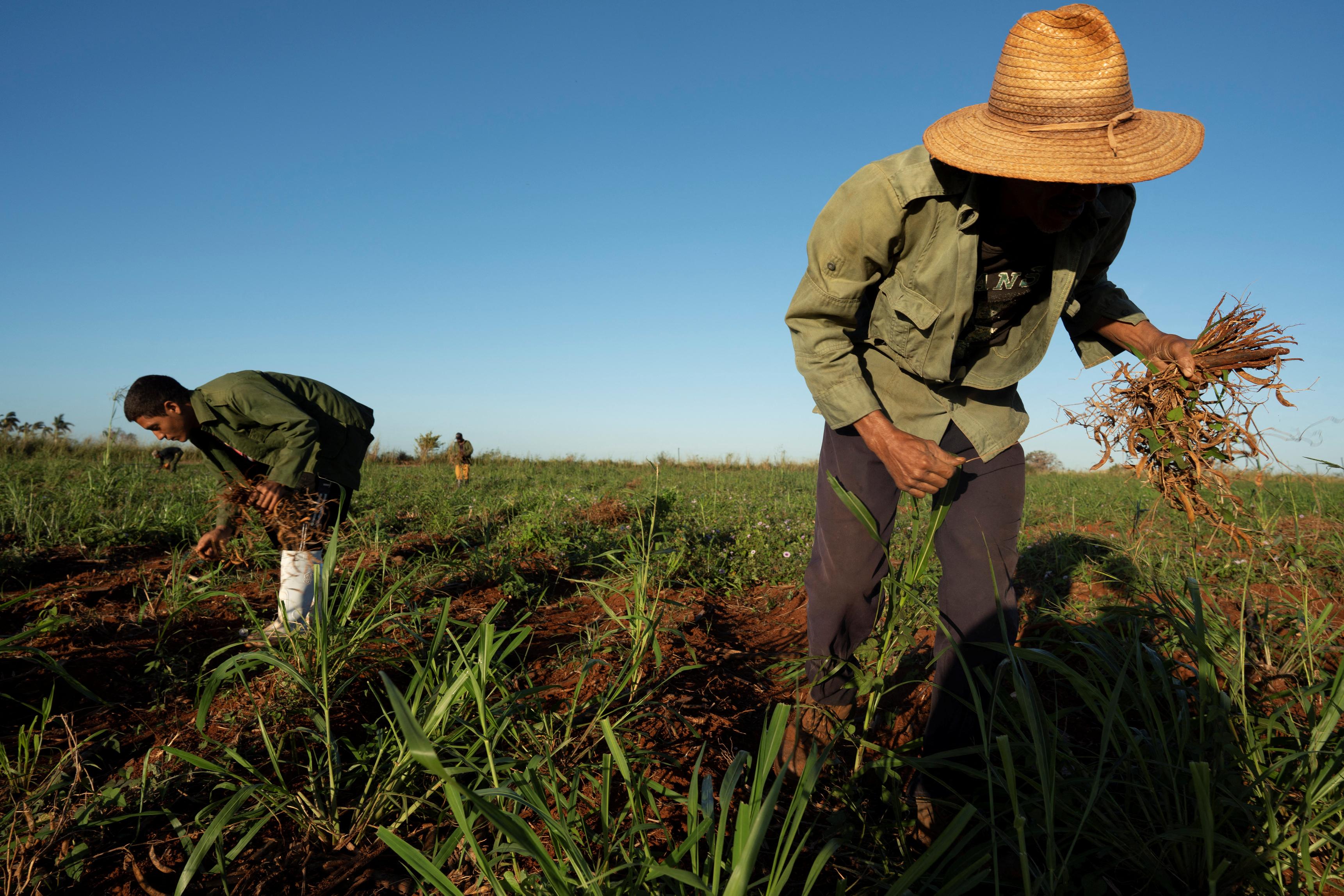
Rafael hits Cuban agriculture, food could become more scarce Cuban farmers struggle with power outages, lack of irrigation US sanctions, economic crisis exacerbate agricultural collapse CAIMITO, Cuba, Nov 20 (Reuters) - Cuban farmer Leonardo Abreu clambered over fallen banana plants in a field beside his home, taking stock of the wreckage two weeks after Category 3 Hurricane Rafael ripped across Cuba. He lost beans, yucca, mango and avocado trees and an almost unfathomable number of bananas. Fences, too. His power lines are down, his generator broken. He has not had electricity for two weeks. He has no water to irrigate crops. "We're starting again from scratch," said the 47-year old resident of Caimito, his head in his hands. "Everything has been wiped out." His family's pain will reverberate in Cuba's capital, Havana. Nearly 2 million residents there depend on farms like this one, in neighboring Artemisa province, for food. Even before the storm, Cubans across the island - including Havana - had seen prices soar, government subsidies dry up and food grow increasingly scarce, the result of the island's worst economic crisis in decades. The hurricane strike underscored the increasing vulnerability of Cuba's already ailing agricultural system - and difficulties many Cubans face finding food. "If you think things are bad now, wait a month," says Abreu, who has dedicated his life to farming on land he inherited from his grandfather. "We'll be eating the skins off the bananas." Farmers like Abreu "rescued" as many crops as they could ahead of and immediately after the storm, harvesting not quite ripe fruits and vegetables and rushing them to market. But replacing what was lost is the next big problem, said Jorge Luis Gonzalez, a 60-year-old rancher who followed his cattle through pasture on horseback on Monday. At best, he said, the winter planting season - when such staples as cabbage, lettuce and tomatoes take root - will be delayed. "We can't plant. There's no water. The pumps work with electricity and without it, we can't do anything," he said. Cuba's government said on Tuesday it had restored electricity to 62% of Artemisa province. FARM COLLAPSE The island's farm industry was already in freefall when Rafael hit. Cuba blames U.S. trade and economic sanctions, which the Communist-run government says make it difficult to purchase farm inputs and infrastructure. Agriculture Minister Ydael Perez Brito said in October farmers were working with just 10% of the fuel they need. Only 7% of farmland in Cuba is irrigated, he said, and the country had been able to buy only small quantities of fertilizer, chicken and pig feed in the past five years. A record-breaking exodus of migrants and poor pay have also drained the countryside of workers. Whatever the reason, agriculture's sharp decline is clear. Official statistics show the number of hens, including egg layers, has dropped 62% since 2020, while sows of reproductive age have dropped 73% during the same period. Both eggs and pork, once staples of the Cuban diet, have become scarce and expensive. Prices for fruits and vegetables have also soared, even as quantity and variety have plummeted. Inflation hit 30% in August, according to official statistics. Alejandro Castillo, a retired Havana resident, said he was growing worried about putting food on the table as he lugged a bag of vegetables outside a market in Havana. "I come to this market regularly and prices just keep going up. There are products here now, but what will be left for the end of the year?" Sign up here. https://www.reuters.com/world/cuban-agriculture-reels-hurricane-rafael-worsens-food-shortages-2024-11-20/
2024-11-20 11:07
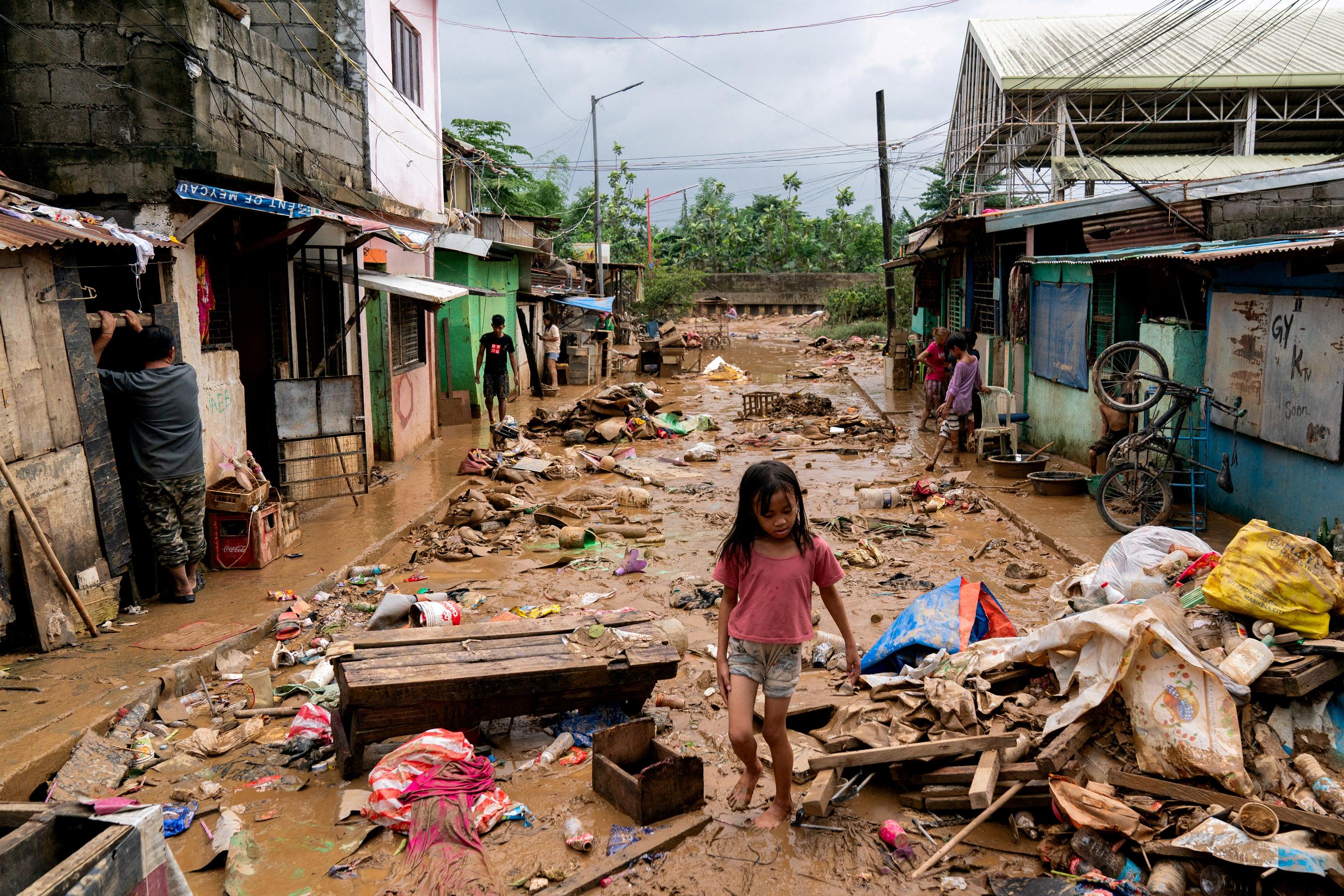
SINGAPORE, Nov 20 (Reuters) - An unusual cluster of typhoons in the West Pacific and a series of powerful hurricanes in the Atlantic are raising questions about the impact that climate change is having on tropical storms across the globe. As nations thrashed out the details of a new climate financing package at COP29 talks in Azerbaijan, the Philippines was hit by its sixth deadly typhoon in a month while the United States was recovering from two devastating hurricanes. Scientists say it remains unclear how much climate change is reshaping the storm season, or if it is responsible for the rare appearance of four tropical cyclones at the same time in the West Pacific - the first time this has happened in November since 1961. Higher sea surface temperatures speed up evaporation and provide additional "fuel" for tropical cyclones, boosting rainfall and wind speeds, they say. And the latest assessment by the Intergovernmental Panel on Climate Change (IPCC), published in 2023, expressed "high confidence" global warming would make storms more intense. The Philippines' latest supertyphoon Man-Yi landed on Saturday, forcing the evacuation of hundreds of thousands of residents. At least eight people died on Monday, adding to a death toll of more than 160 since October. "It is rare to see a cluster of four tropical cyclones in the western north Pacific at the same time," said Feng Xiangbo, a tropical storm researcher at Britain's University of Reading. "(But) blaming climate change ... for this unprecedented event this week is not straightforward," he added. Evidence suggests that while climate change is increasing storm intensity, it has also reduced their frequency, especially during what is typically the late season from October to November, Feng said. This year, atmospheric waves that have recently been active near the equator could be an alternative explanation for the unusual uptick, Feng said, but their relationship with climate change is unclear. The belt of high pressure known as the sub-tropical ridge, part of the global atmospheric circulation system, has been stronger and stretched further north and west than usual, according to Choy Chun Win, Senior Scientific Officer at the Hong Kong Observatory. The ridge could have steered the storms in a westerly direction, diverting them away from cooler waters and wind shears, which would normally weaken them, providing an explanation why four could coexist, he said. "However, more research is required to assess the contribution of climate change to the chance occurrence of the multiple tropical cyclones and the longer tropical cyclone season," he added. Ben Clarke, weather researcher with London's Grantham Institute on Climate Change and Environment, said it "would make sense" that rising ocean temperatures would extend the typhoon season, but the evidence is not conclusive. "There has been a clear recent increase in the number of tropical cyclones affecting the Philippines in its less active season from approximately December to February, but this doesn't tell us much about ... June-November," he said. STRONGER HURRICANES In an analysis published on Wednesday, U.S. weather researchers Climate Central said Atlantic hurricanes have intensified significantly this year as a result of record-breaking ocean warming. Since 2019, warmer temperatures have driven average wind speeds up by 18 miles per hour (29 kph) and pushed three hurricanes into the highest Category 5, the study said. The two deadly Category 5 hurricanes known as Helene and Milton, which hit Florida in September and October respectively, would have been unlikely without climate change, it said. Research is still ongoing on whether tropical cyclones are becoming more frequent, but there is high scientific confidence that warmer sea temperatures are driving up rainfall and causing higher storm surges, said Daniel Gilford, Climate Central's lead hurricane researcher. "While other factors contribute to each storm's strength, the impacts of elevated sea surface temperatures are prominent and significant," he said. "In the Atlantic, more than 80% of storms since 2019 were clearly influenced by warm ocean temperatures caused by carbon pollution." Sign up here. https://www.reuters.com/business/environment/is-climate-change-making-tropical-storms-more-frequent-scientists-say-its-2024-11-20/
2024-11-20 09:56
KAMPALA, Nov 20 (Reuters) - The Ugandan shilling posted a small loss on Wednesday, undermined by strong demand for hard currency from energy and other importers, traders said. At 0905 GMT commercial banks quoted the shilling at 3,690/3,700, compared to Tuesday's close of 3,678/3,688. Sign up here. https://www.reuters.com/markets/currencies/ugandan-shilling-loses-ground-surge-importer-demand-2024-11-20/