2024-11-19 15:05
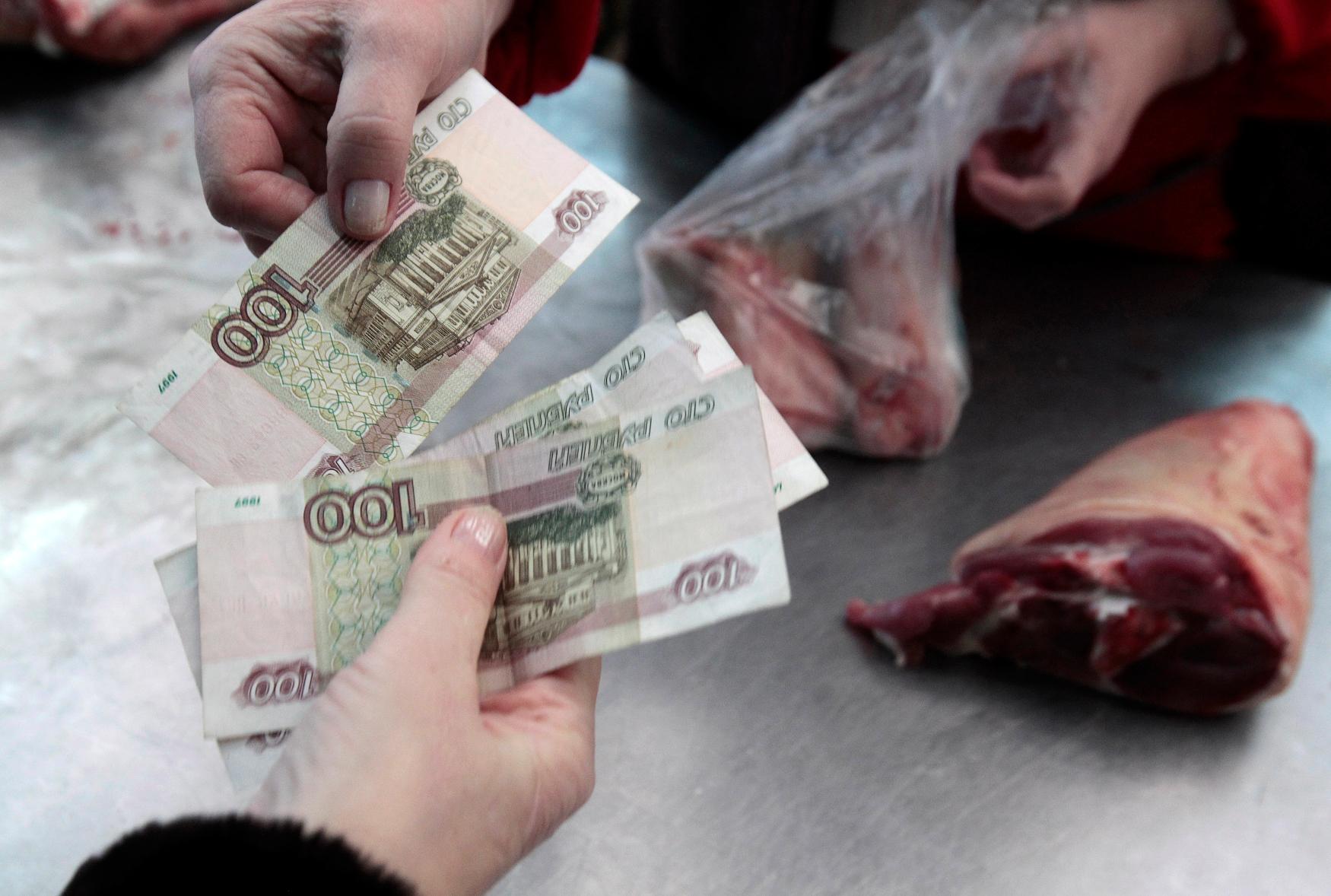
MOSCOW, Nov 19 (Reuters) - The official exchange rate of the Russian rouble weakened past 100 to the U.S. dollar for the first time since October 2023 after President Vladimir Putin lowered the nuclear strike threshold in escalating tensions with the United States over Ukraine. The central bank set the rouble exchange rate at 100.03 to the dollar, down from 99.94 on Monday. The rouble has been weakening since the start of Ukraine's incursion into the Kursk region on Aug. 6 and has lost nearly 19% in value since then, according to LSEG data. Western sanctions imposed on the Moscow Exchange (MOEX) and its clearing agent, the National Clearing Centre, on June 12 stopped all trade in dollars and euros at MOEX. The central bank sets its official dollar rate using over-the-counter (OTC) trade data from banks. This procedure makes the exchange rate opaque and volatile. One-day rouble-dollar futures, which trade on the Moscow exchange and are a guide for OTC market rates, were up 0.6% at 100.4. The updated Russian nuclear doctrine, establishing a framework for conditions under which Putin could order a strike from the world's biggest nuclear arsenal, was approved by him on Tuesday. Sign up here. https://www.reuters.com/markets/currencies/russian-rouble-official-rate-us-dollar-hits-100-mark-after-nuclear-doctrine-2024-11-19/
2024-11-19 14:19
BOGOTA, Nov 19 (Reuters) - Colombia needs to cut budget spending by 56 trillion pesos ($12.7 billion) to comply with its fiscal rule this year, an independent committee of experts said on Tuesday, a much higher figure than is being discussed publicly by officials. Colombia's government has already announced a 20 trillion peso spending cut and Finance Minister Ricardo Bonilla said last week it could increase that to 33 trillion pesos. The cut recommended by the Autonomous Fiscal Rule Committee (CARF) would be equivalent to 3.2% of gross domestic product, the report said, and was needed because tax collection is running below government projections. The Andean country may also require a budget trim of 39 trillion pesos in 2025, the committee added. The government's fiscal rule, created in 2011, imposes policy constraints meant to ensure the sustainability of public finances. "The finance plan for 2025 should reflect realistic goals for structural income that finances structural costs," the committee said in its report. "Going forward the country must identify and take structural measures that allow the consolidation of a sustained fiscal adjustment and ensure fiscal sustainability." The CARF warned in July that the country could need additional adjustments to comply with the fiscal rule in 2024 and 2025. Economic committees in Congress have rejected the government's proposed budget for 2025, meaning the government would need to push it through by decree. The government also hopes to push a 12 trillion tax reform through Congress to finance 2025 budget needs, but it has made slow progress. The finance ministry has set a fiscal deficit goal of 5.6% of GDP for 2024 and 5.1% of GDP for 2025. ($1 = 4,400.69 Colombian pesos) Sign up here. https://www.reuters.com/markets/colombia-requires-12-bln-budget-adjustment-comply-with-fiscal-rule-committee-2024-11-19/

2024-11-19 12:47
Maharashtra votes on Wednesday amid farmers' anger Modi's alliance promises stable farm policies Farmers say they have yet to benefit from easier exports Opinion polls predict tough fight for Modi alliance SATARA, India, Nov 19 (Reuters) - Indian Prime Minister Narendra Modi has taken several pro-farmer but inflation-stoking measures in recent months, such as easing curbs on rice and onion exports, but that may not prove enough for him to sway an election on Wednesday in a key state. Maharashtra, which includes the city of Mumbai, is a major grower of sugarcane, soybean, cotton and onions, but opinion polls - which have a patchy record in India - suggest Modi's alliance may struggle to retain the local legislature as farmers say they have yet to benefit from the recent measures. An opinion poll by Lok Poll, covering more than 86,000 people in Maharashtra, showed last week that a coalition of opposition parties including Congress could wrest back the state with up to 162 of the 288 seats. It said low prices for crops such as soybean and cotton were a factor. Other surveys have also said the BJP alliance could lose. Votes will be counted on Nov. 23. Modi's Bharatiya Janata Party (BJP) lost its parliamentary majority in national elections held between April and June partly due to farmers' anger with the export curbs, which they felt prioritised Indian consumers above growers by keeping domestic prices low. In that national election, opposition parties won two thirds of the parliamentary seats in Maharashtra. "We faced a setback during the parliamentary elections because of the restrictions on onion exports," senior BJP leader and Maharashtra deputy chief minister, Devendra Fadnavis, told an election rally on Sunday. "We have now lifted those curbs and Prime Minister Narendra Modi's government will not impose export bans abruptly." India has removed export restrictions on rice and onions, and raised the tariffs on imported edible oil in a bid to help local growers of mustard and soybean get better prices at home. TOO LATE But farmers say the steps have come too late, as they had already harvested and sold their produce like onions to traders, who are now benefiting from a surge in domestic prices. Retail inflation soared to its highest level in 14 months in October, partly due to high prices of edible oils, onions and tomatoes. "When we were selling onions in March and April, the government didn't allow exports," said farmer Mahesh Gore in Maharashtra's Nashik district. "We were forced to sell onions at 10 rupees per kg. If they had allowed exports then, we could have got double the price. Now prices are at 50 rupees, but only traders are benefiting." In recent years, India restricted onion exports whenever wholesale prices rose above 20 rupees. Other farmers say they are not getting a good price for crops like soybeans because of a global glut now. Mahesh Khade said he was barely getting 3,900 rupees per 100 kg now for soybeans compared with 4,600 rupees a decade ago. Prices of diesel, fertilisers, and other inputs have more than doubled in the same period. "They have ignored farmers' interests," Khade said, adding he would switch sides now and vote for the opposition. The BJP did not respond to requests for comment. ($1 = 84.38 rupees) Sign up here. https://www.reuters.com/world/india/modis-inflation-blowing-farm-pivot-may-not-be-enough-win-key-indian-state-2024-11-19/

2024-11-19 12:30
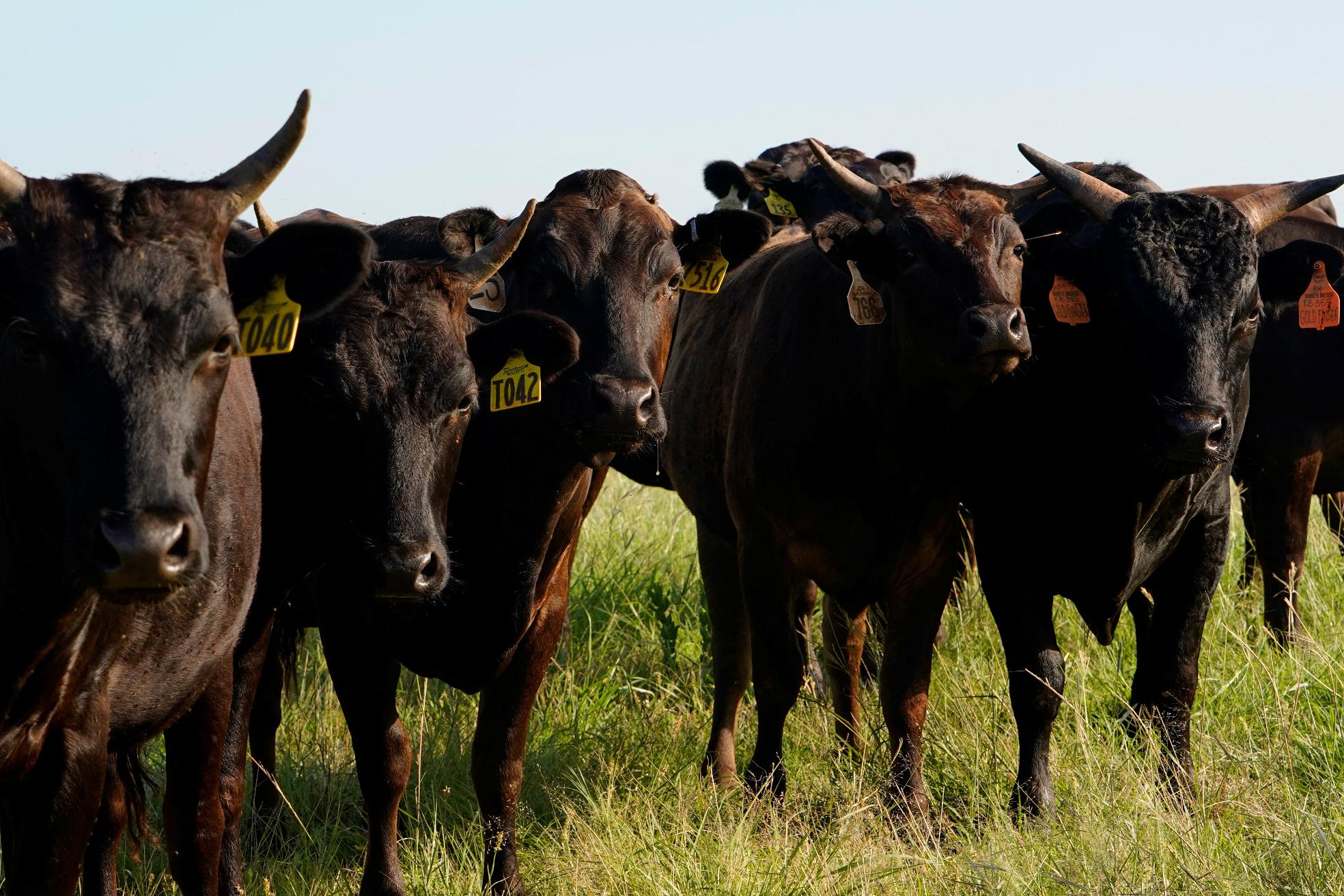
NAPERVILLE, Illinois, Nov 18 (Reuters) - U.S. agricultural exporters have seen a marked decline in business to China over the past year or so as trade tensions simmer, and Brazil’s increasing ability to supply product has not helped the U.S. cause. But now Brazil is looking to beef up – literally – its agricultural trade ties with China and capitalize on potential tariff escalations between the United States and China once President-elect Donald Trump begins his second term in January. Brazil Agriculture Minister Carlos Favaro said on Monday that farm agreements with China would be announced on Wednesday ahead of meetings with Chinese President Xi Jinping on the sidelines of the G20 summit in Brazil. Favaro told Brazilian media last week that Brazil would seize the opportunity if Trump clashes with China, as he did in his first term, effectively putting U.S. exporters on notice. Depending on the nature of Wednesday’s unveiling, it could deliver a blow to U.S. producers and be a boon to Brazilian ones as China is both countries’ biggest agricultural trade partner. The deals are expected to focus on fruit, beef and pork, and they could likely expand the number of approved Brazilian meatpackers for exports to China. No further details have been offered. Brazil and the United States are the world’s leading meat suppliers and China is a primary destination. The U.S. Department of Agriculture projects that in 2025, China will account for 18% of global beef, pork and chicken meat imports while 48% of total meat exports will come from the United States or Brazil. BEYOND BEEF Brazil has incentive to shore up business ties with China especially related to beef because as with soybeans, China is overwhelmingly Brazil’s top beef destination. U.S. beef customers are comparably more diversified, which is usually advantageous. Things looked promising for U.S. beef producers a few years ago when China burst into their market, but exports to China in the first nine months of 2024 were a four-year low for the period. Meanwhile, China’s 2024 beef imports are projected to be record high and Brazil’s year-to-date beef shipments to the Asian giant are also at all-time highs. A decline in U.S. beef production has contributed to lower exports, but China’s overall share of U.S. exports has also fallen versus the prior two years, yet another example of how U.S. agriculture is being increasingly edged out of China in favor of Brazil. Wednesday’s announcement may not offer a huge shakeup. Hailed as a historic move, China back in March cleared an additional 38 Brazilian meat exporters, bringing the total to 144. Shipments have not significantly increased since then, but some of this is explainable, such as China's pullback in overall pork imports this year. While China remains an important market for U.S. livestock and products, nothing would be more damaging than a further loss of bulk commodity business like soybeans. It is unclear if grains or oilseeds are part of the impending Brazil-China deals, though their inclusion would not be unprecedented. U.S. corn shipments to China plummeted last year after China two years ago cleared the way for Brazilian corn imports, and similar moves are possible in the future pending the direction of U.S. trade policy. Karen Braun is a market analyst for Reuters. Views expressed above are her own. Sign up here. https://www.reuters.com/markets/commodities/us-agriculture-crosshairs-brazil-china-cozy-up-2024-11-19/
2024-11-19 12:25
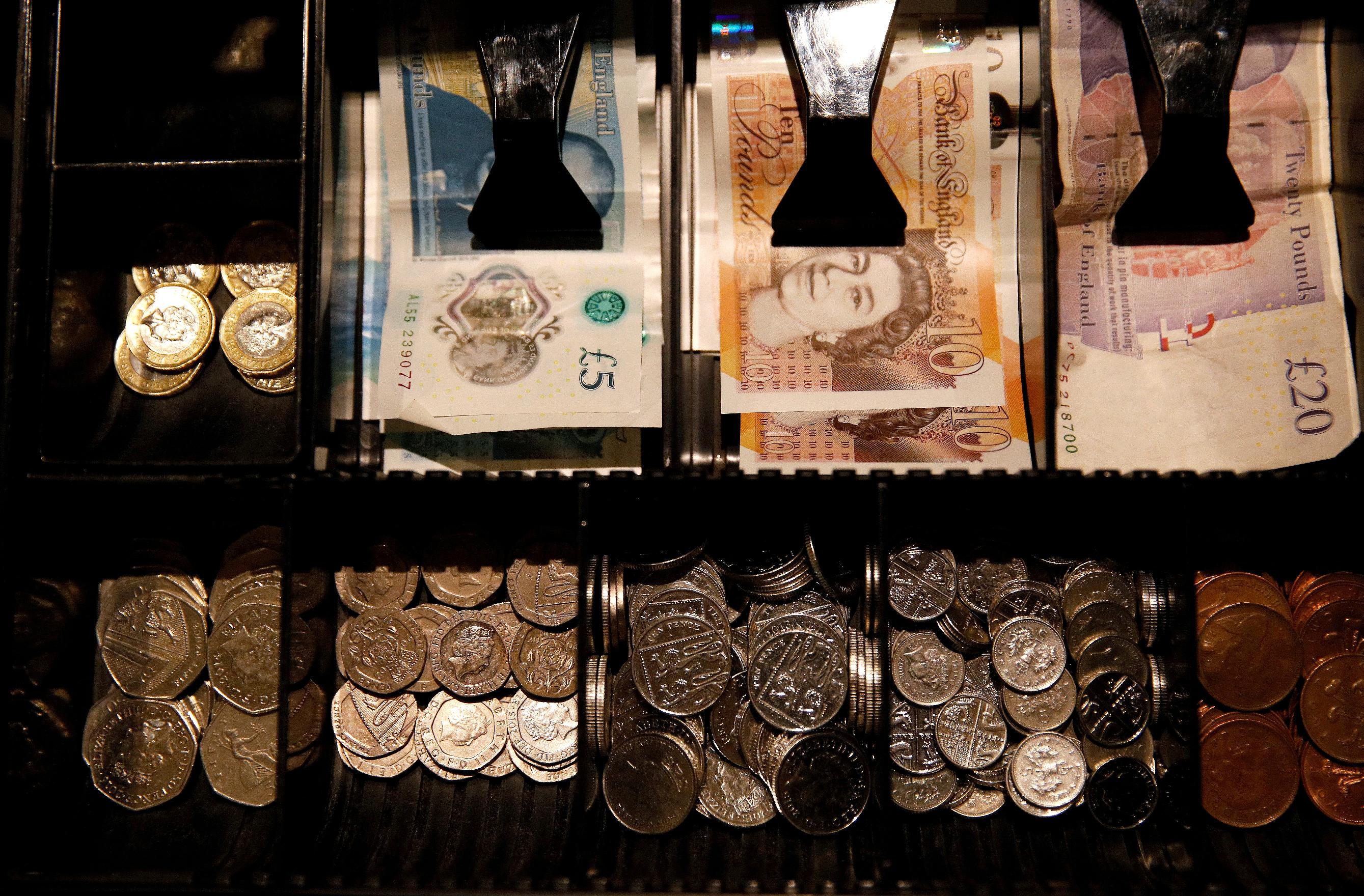
Nov 19 (Reuters) - The pound dropped to multi-week lows versus the yen and the Swiss Franc as investors rushed into safe-haven assets, after a warning from Russia over its updated nuclear doctrine. It fell versus the dollar after briefly breaking a 6-day falling streak the day before. President Vladimir Putin issued a warning to the United States on Tuesday, lowering the threshold for a nuclear strike just days after the administration of Joe Biden reportedly allowed Ukraine to fire American missiles deep into Russia. Investors bought into safe-haven currencies after Putin's warning, with analysts arguing markets had been too complacent about geopolitical risks. They perceive sterling as a risky currency, while the so-called safe-haven assets are seen as stable and reliable stores of value when markets are experiencing instability. The pound dropped 0.9% versus yen to 193.49, its lowest level since Oct. 8; it fell 0.4% against the Swiss Franc to 1.1140, its lowest since Nov. 1. It was down 0.4% versus the greenback at $1.2628. Barring geopolitical turmoil, several analysts expect the pound to strengthen against the euro as the UK is unlikely to be the focal point for the incoming U.S. administration. Investors expect the British economy to suffer less from the adverse impact of Trump's policies as the President-elect said he was ready to impose tariffs on China and the euro area. Markets await inflation data on Wednesday, which could provide clues about the Bank of England's monetary path. "Inflation data will be crucial for the next moves of the pound," said Francesco Pesole, forex strategist at ING. ING said it expected a substantial slowdown to 4.3% in core services inflation, adding it wouldn't be enough to "bring a December rate cut back into play." The BoE's most recently appointed interest rate-setter Alan Taylor said the central bank's gradual approach to cutting rates was in line with recent market pricing. Governor Andrew Bailey said the BoE needs to move gradually. The euro recently hit its lowest level since April 2022 on the monetary policy divergence. Markets priced in a European Central Bank deposit facility rate at 1.83% by the end of 2025 from the current 3.25%. The single currency was down 0.05% to 83.55 pence per pound. It hit 82.58 last week, its lowest since April 2022. Sign up here. https://www.reuters.com/markets/currencies/sterling-drops-versus-yen-dollar-swiss-franc-after-russian-warning-2024-11-19/
2024-11-19 12:23
Nov 19 (Reuters) - Octopus Energy's generation division on Tuesday said its joint venture with Germany's Skyborn Renewables was selected by the French government to bid in next year's offshore wind tender. The move marks Octopus' foray into early-stage offshore wind tenders globally, as it expands its footprint in the sector, the company said. Sign up here. https://www.reuters.com/business/energy/octopus-energys-jv-enters-french-offshore-wind-market-2024-11-19/