2024-11-14 07:01
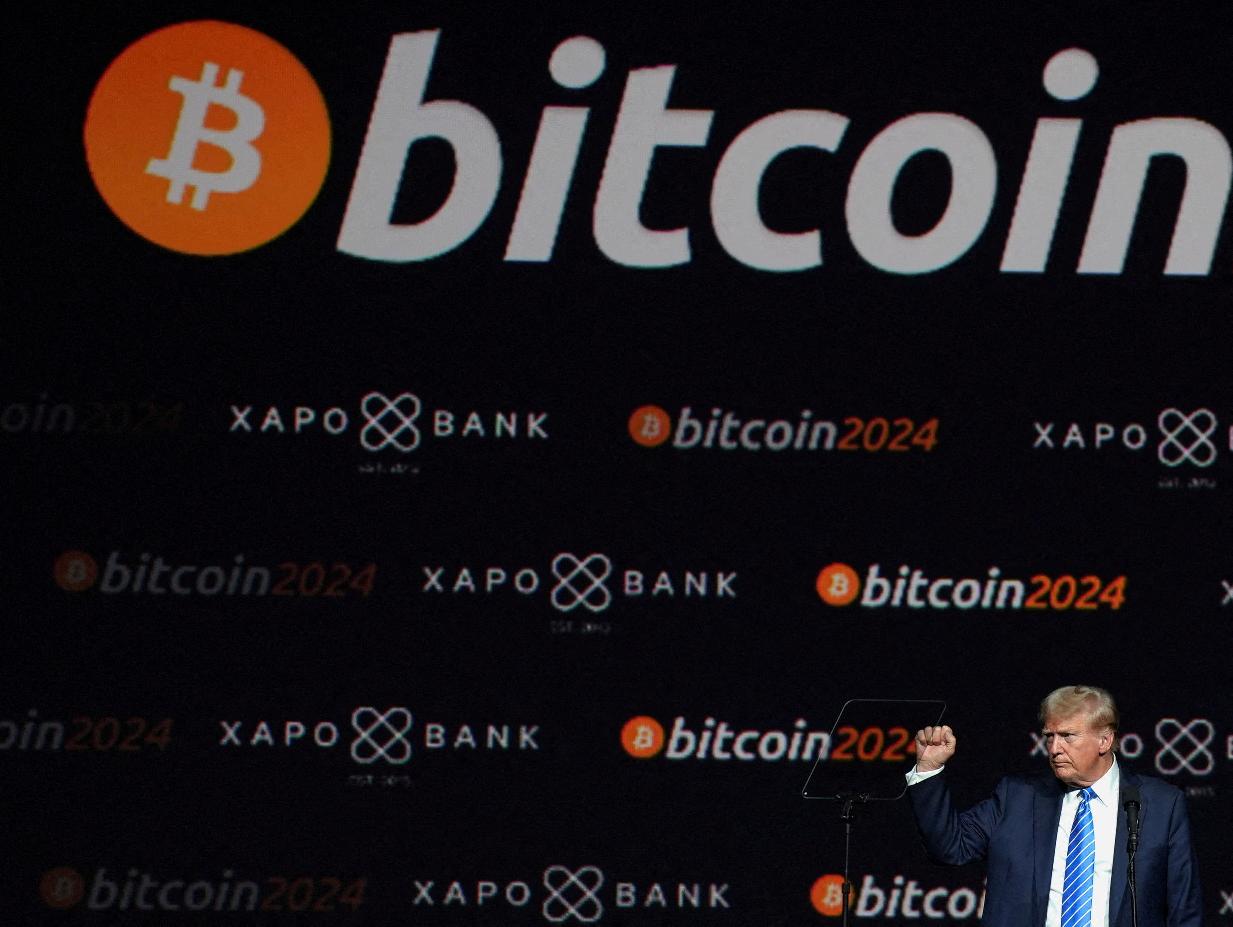
Crypto market value tops 2021 highs Investors see Trump as bullish for crypto Bitcoin takes a breather after breaking $90,000 SINGAPORE, Nov 14 (Reuters) - The global cryptocurrency market's value has topped $3 trillion as the election of Donald Trump as U.S. president spurred bets that friendlier U.S. regulation could usher in a new boom for all corners of the asset class. The sum market value of cryptocurrencies touched a high of nearly $3.2 trillion early on Nov. 14 in Asia, based on analytics and data aggregator CoinGecko, and was last just shy of that level. That puts it above the heady days of 2021, when pandemic-era stimulus pumped up speculative investments, and marks a revival from just a few months ago when crypto prices and turnover had flatlined. Bitcoin dominates the crypto market and the market value milestone coincided with the token's rise to a record $93,480 . "Generally the way this market goes is bitcoin will break out and then the rest of the altcoins will follow," said Matthew Dibb, chief investment officer at cryptocurrency asset manager Astronaut Capital. "So there is that gradual rotation of capital...and then we can expect the total market cap to increase." Trump's election, and that of several pro-crypto lawmakers to U.S. Congress, has driven the wave of euphoria by potentially clearing some uncertainty around U.S. regulations. Bitcoin, last trading around $91,500, has doubled this year and is up 30% since the U.S. election on Nov. 5 to $90,000. Smaller cryptocurrency ether is up about 33% since the vote to $3,220. Dogecoin , an alternative and volatile token promoted by billionaire Trump-ally Elon Musk, has gained 140%. Crypto exchange-traded funds have also been snapped up, possibly an indicator of buying by financial institutions which tend to shy away from directly holding cryptocurrencies. Spot bitcoin ETFs have attracted about $4.05 billion in net flows since Nov. 6, based on Refinitiv Lipper data, around 15% of the total inflows since they launched in January. "People wanted more exposure to crypto, clearly, from the Trump presidency and they wanted more risky asset exposure in general," said David Glass digital assets strategist at Citi. "From the crypto front, there's the story of removing regulatory headwinds, and the potential strategic bitcoin reserve." Trump has made reference to a U.S. "strategic bitcoin reserve", similar to that of gold, which would be held by the U.S. government, but the details are unclear. The current upsurge could have further to run. "Bitcoin enthusiasts are known for bold predictions, but hitting $100,000 by year-end seems feasible," said Carl Szantyr, founder and managing partner at Blockstone Capital. DEJA VU The explosive rally is the latest in the boom-bust roller coaster that had bitcoin below $20,000 at the start of last year, in the depths of the "crypto winter" that followed the collapse of brokerage FTX and other crypto projects. To be sure, cryptocurrencies' market value is dwarfed by traditional asset classes. At current prices, the value of the 209,000 tonnes of gold the World Gold Council says has been mined in history is worth nearly $19 trillion. The market capitalisation of the S&P 500 index (.SPX) , opens new tab is $50.6 trillion. Some parts of the ecosystem do also not show signs of recovery and others point to a degree of caution. Average sales prices for non-fungible tokens have been around $2,000 since May, according to NonFungible.com, which tracks the Ethereum and Ronin blockchains, and have kicked up, but only to about $2,700. In Singapore DBS Bank, which operates a digital exchange, said while trading had surged and it had executed more than one-third of last year's total volume in the first ten days of November, investors were not yet heading into the more obscure parts of the market. "We've not seen our clients shift their assets towards more exotic platforms or decentralised exchanges," said David Hui, chief commercial officer of DBS Digital Exchange. Still, those in the industry say the renewed attention will bring momentum. "There's increased interest and willingness to look at DeFi and other possibilities associated with blockchain," said Danny Chong, a co-founder of decentralised asset tracking platform Tranchess. "The heightened market capitalisation, which if sustained for a longer period, would likely also invite deeper interest into new and existing themes," he said, including tokenisation of real world assets and blockchain-based payment services. Sign up here. https://www.reuters.com/technology/crypto-market-capitalisation-hits-record-32-trillion-coingecko-says-2024-11-14/
2024-11-14 06:50
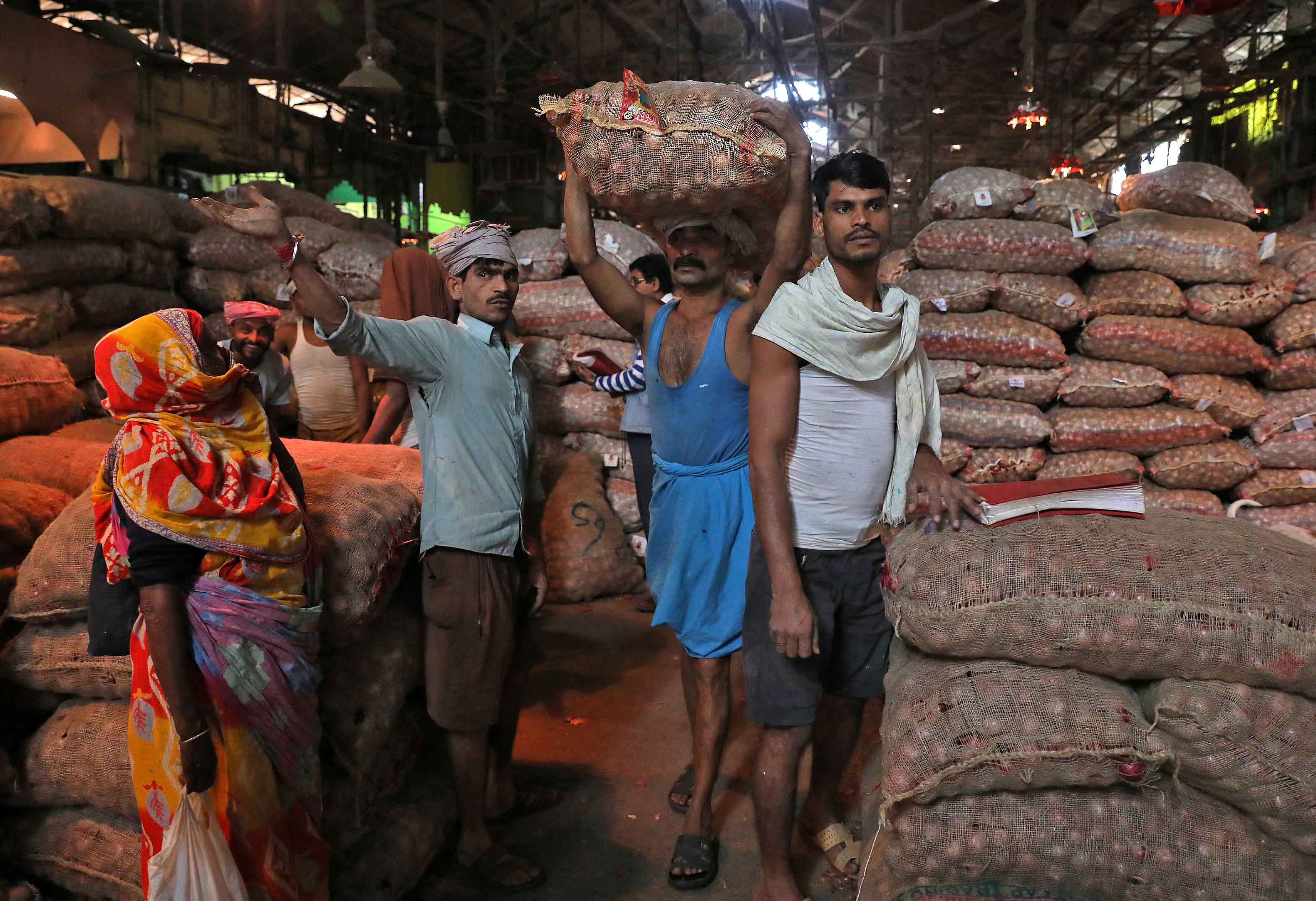
NEW DELHI, Nov 14 (Reuters) - India's wholesale price-based inflation (INWPI=ECI) , opens new tab accelerated to a four-month high of 2.36% year on year in October due to elevated food prices, government data released on Thursday showed. Inflation for October was higher than the 2.2% projected by economists in a Reuters poll, and up from 1.84% in September. Food prices rose 11.6% year on year, compared to a 9.5% gain in September, with vegetable prices soaring 63% on-year, compared to a 48.7% jump in September. Cereal prices rose 7.9% over last year versus an 8.1% rise a month ago. Prices of manufactured products rose 1.5% against a 1% rise in the previous month. Fuel and power prices dropped 5.8% from a 4% fall in September. Headline retail inflation, which is a key gauge for the country's central bank to decide policy rates, has averaged 5% over the past 12 months, but food inflation has held above 8%, as weather shocks elevated prices of vegetables, cereals and other essential food items. In October, retail inflation hit a 14-month high of 6.2% while food prices jumped 10.9%, dashing hopes of an interest cut. India's rate-setting panel had softened its policy stance in October to "neutral" but Reserve Bank of India Governor Shaktikanta Das has said the change did not mean there will be a rate cut in the very next meeting. Sign up here. https://www.reuters.com/world/india/indias-october-wholesale-prices-rise-236-year-2024-11-14/
2024-11-14 06:43
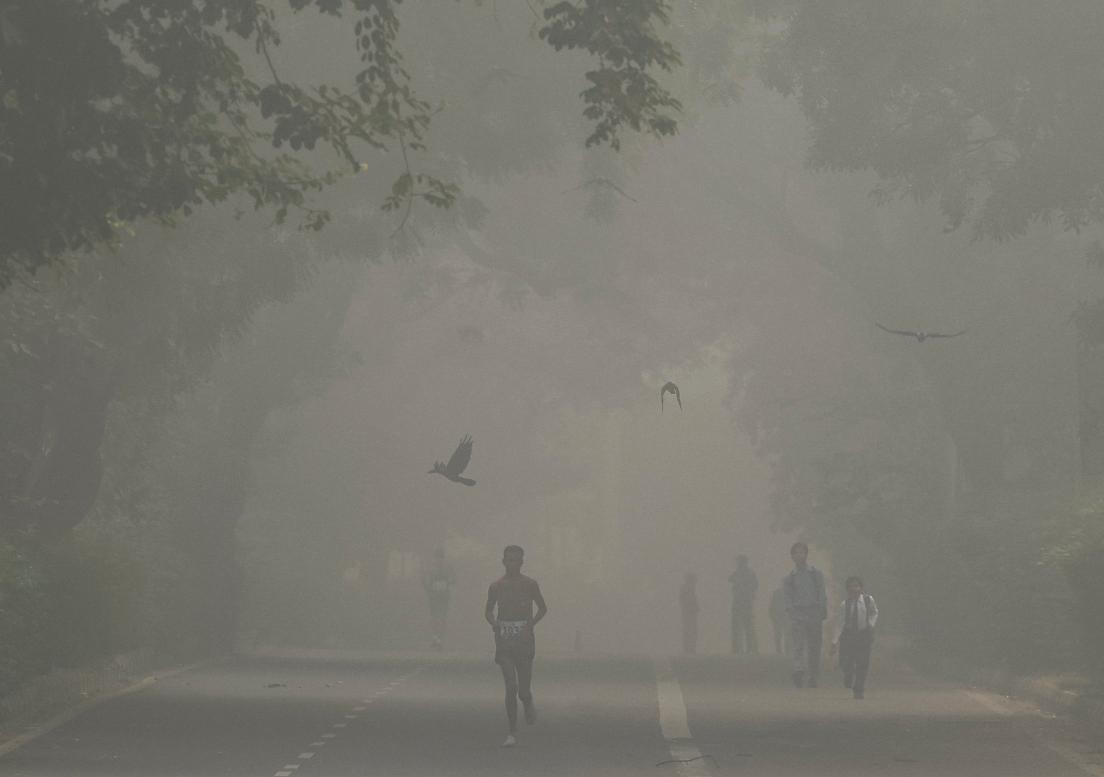
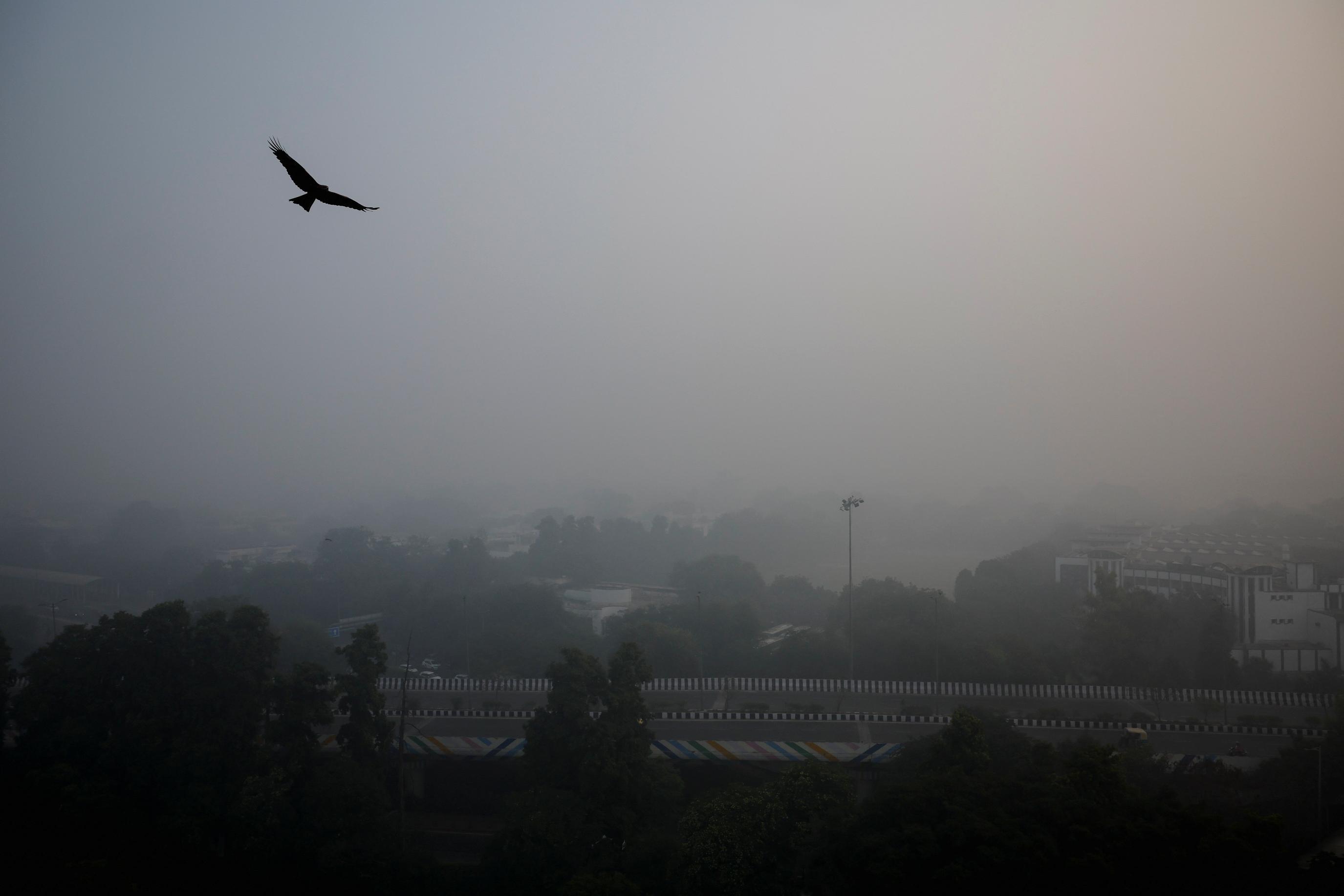
NEW DELHI, Nov 14 (Reuters) - Visibility fell sharply in Delhi this week as a toxic mixture of smoke and fog shrouded the Indian capital even before winter sets in. Here is a look at the problem, and what triggered it. HOW BAD WAS THE SMOG? Delhi was swathed in 'dense' to 'very dense' smog early on Wednesday and Thursday. Visibility in the 'very dense' category falls into a range of zero to 50 m (164 ft), while 'dense' refers to visibility over 50 m to 200 m (164 ft to 656 ft). The smog dispersed slightly on Thursday, when visibility stayed above 300 m (984 ft), after being too thick to see through in some areas the previous day, such as around the city's international airport. WHAT CAUSED THE SMOG? Officials blamed weather conditions such as high humidity that allows the formation of fog droplets, low wind speed, and a slight drop in minimum temperature, to 16.1 degrees Celsius (61 degrees F) on Thursday from 17.9 C (64 F) on Tuesday. WAS POLLUTION ALSO A FACTOR? Authorities said pollution also contributed, pushing New Delhi to pole position as the world's most polluted capital in Wednesday's live rankings by Swiss group IQAir. Daily air quality in the region crossed into the 'severe' category for the first time this season, or an index score higher than 400, which persisted on Thursday morning, with a reading of 430. DID SMOG AFFLICT DELHI ALONE? Dense smog has engulfed other parts of northern India, such as the states of Punjab and Uttar Pradesh, where visibility fell to zero in some areas on Thursday. Neighbouring Pakistan's Punjab province, which shares a border with India, also faces similar conditions. WILL DELHI'S SITUATION IMPROVE SOON? Delhi's pollution is likely to remain 'severe' on Friday, but is expected to improve to the 'very poor' category afterwards, falling in an index range of 300 to 400. Wind speed is also expected to increase from Friday. Authorities expect both factors to disperse the smog in the city and improve visibility. Sign up here. https://www.reuters.com/world/india/why-has-smog-hit-visibility-new-delhi-2024-11-14/
2024-11-14 06:42
Nov 14 (Reuters) - BayWa (BYWGnx.DE) , opens new tab reported on Thursday a net loss of more than half a billion euros for the first nine months of the year, hurt by impairment losses as the German agricultural group restructures its business. The Munich-based firm posted a consolidated net loss of 640.8 million euros ($676.11 million), compared with a net loss of 17.1 million euros a year earlier. The trader of farming supplies and produce has been grappling with rising borrowing costs. In July, it suspended its annual profit forecast, citing restructuring plans. BayWa concluded the first draft of its restructuring plan in September, which could include cost cuts and asset sales, and said it would continue talks with creditors and shareholders. It reported in September non-cash impairment losses of 222.2 million euros for the first half of the year, more than half of which was attributable to its renewable energy unit. The company did not provide an outlook for 2024, but said it expected the final restructuring report in December. Revenue came in at 16.02 billion euros for the first nine months of the year, below last year's 18.19 billion euros. ($1 = 0.9478 euros) Sign up here. https://www.reuters.com/markets/commodities/baywa-reports-fall-nine-month-revenue-2024-11-14/

2024-11-14 06:40
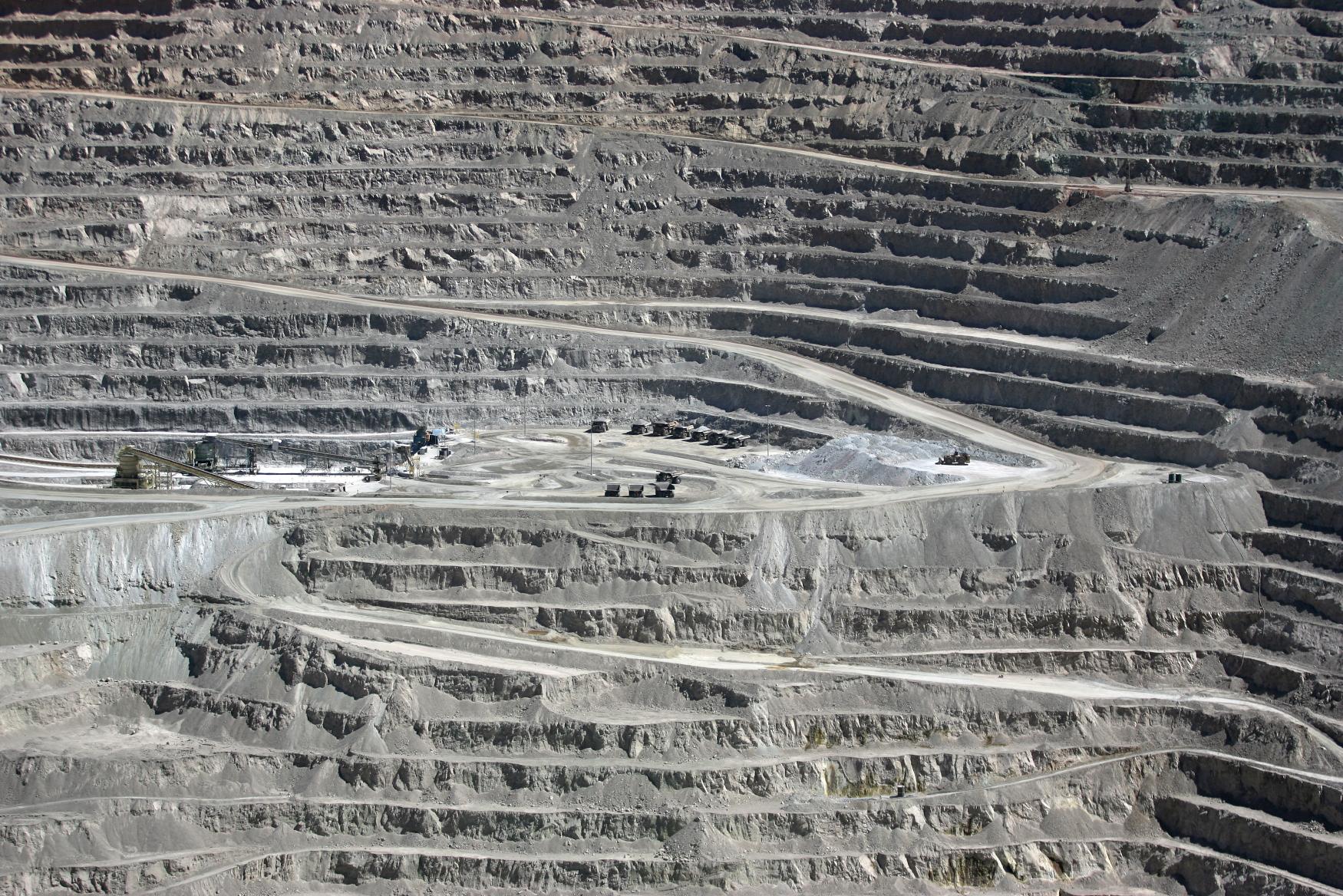
MELBOURNE, Nov 14 (Reuters) - BHP Group (BHP.AX) , opens new tab is likely to flesh out plans next week to spend at least $7 billion over the coming years to recover more metal from the world's biggest copper mine, Escondida in Chile, investors and analysts said on Thursday. The world's biggest listed miner will be hosting analysts and investors on a roadshow of its Escondida and Spence copper operations from Nov. 17-20. BHP did not respond to a request for comment about the presentation. Copper is key to BHP's growth plans as an essential metal for the global transition to cleaner energy, but its annual production is set to fall by around 300,000 metric tons to 1.6 million tons by the end of the decade. To keep output steady, BHP needs to show how it will extract more copper from diminishing ore grades at Escondida and justify higher spending, which it has estimated at between $7 billion and $12 billion over several years, according to UBS' analysis of BHP figures. "The cost to build everything is going up. That's the reality," said Andy Forster of Argo Investments. Those costs include a new concentrator at Escondida which analysts estimate between $5 billion and $6.5 billion alone. BHP has estimated capital spending including exploration in the current financial year at $10 billion, rising to $11 billion on average medium term. It is unclear how much of this Chilean spend is included in that existing capital spending outlook. "BHP has made it very public that they are still quite positive on the long term fundamentals of copper. That does mean capex and that does mean that we will have to transition to a period of incentive pricing," said RBC analyst Kaan Peker. Peker sees copper prices trending up towards $5 a pound or higher. LME copper last traded at $8,966 a ton ($4 a pound). There are four main ways to expand copper output in Chile: replacing the aging Los Colorados concentrator, debottlenecking its Laguna and Spence concentrators, and applying leaching technologies to unlock sulphide resources, BHP has said. Buying Anglo American (AAL.L) , opens new tab is "still BHP's best near-term option for copper," UBS said. UK takeover laws prevent BHP from making another approach for Anglo until late this month, after it was rebuffed earlier this year. "Anglo is making good progress with its restructuring and is expected to spin out Amplats after results in Mar/Apr-25. In our opinion, BHP (and others) are likely to re-evaluate Anglo after this," UBS said. BHP has not ruled out a renewed bid. Sign up here. https://www.reuters.com/markets/commodities/bhp-set-detail-copper-growth-plans-chile-roadshow-analysts-say-2024-11-14/
2024-11-14 06:38
Smog obscures Taj Mahal, the Golden Temple Government announces stricter pollution control measures for New Delhi Smog disrupts flights with 88% of departures delayed on Thursday Doctors report increase in children with allergies, coughs, asthma NEW DELHI, Nov 14 (Reuters) - India's government banned non-essential construction in New Delhi, the world's most polluted capital, and urged residents to avoid burning coal for heating, to combat worsening air quality that has disrupted flights and obscured the Taj Mahal. The new measures, which include sprinkling water with dust suppressants on roads, as well as mechanised sweeping that would help settle dust, will come into effect from Friday morning. Delhi's Chief Minister Atishi, who uses only one name, also directed all primary schools to shift to online classes. They also include a ban on non-essential construction and an appeal to citizens to use more public transport and avoid using coal and wood for heating, a government release said on Thursday, without saying how long the measures would be in place. Air quality in Northern India has deteriorated over the past week, with toxic smog obscuring India's famed monument to love, the Taj Mahal, about 220 km (136 miles) from New Delhi, as well as Sikhism's holiest shrine, the Golden Temple in Amritsar. New Delhi has a severe air quality level of 424, according to live rankings kept by Swiss group IQAir, the worst amongst global capitals. The city battles smog - a toxic mix of smoke and fog - every winter as cold air traps dust, emissions, and smoke from illegal farm fires. Around 38% of the pollution in New Delhi this year has been caused by stubble burning - a practice where stubble left after harvesting rice is burnt to clear fields - in the neighbouring states of Punjab and Haryana. Delhi flights faced delays, with tracking website Flightradar24 showing 88% of departures and 54% of arrivals were delayed as of Thursday afternoon due to smog. ALLERGIES, COUGHS, ASTHMA Officials blamed high pollution, combined with humidity, becalmed winds and a drop in temperature for the smog, which cut visibility to 300m (980 ft) at the city's international airport, which diverted flights in zero visibility on Wednesday. More patients flocked to hospitals, particularly children. "There has been a sudden increase in children with allergies, cough and cold ... and a rise in acute asthma attacks," Sahab Ram, a paediatrician in Punjab's Fazilka region, told news agency ANI. Delhi's minimum temperature fell to 16.1 degrees Celsius (61°F) on Thursday from 17 degrees C (63 degrees F) the previous day, weather officials said. Pollution in New Delhi is likely to stay in the "severe" category on Friday, the earth sciences ministry said, before improving to "very poor", or an index score of 300 to 400. The number of farm fires to clear fields in northern India has risen steadily this week to almost 2,300 on Wednesday from 1,200 on Monday, the ministry's website showed. Lahore, the capital of Pakistan's eastern province of Punjab, was rated the world's most polluted city on Thursday, in IQAir's rankings. Authorities there have also battled hazardous air this month. Sign up here. https://www.reuters.com/world/india/indias-toxic-smog-cuts-off-visibility-several-areas-2024-11-14/