2024-11-13 11:23
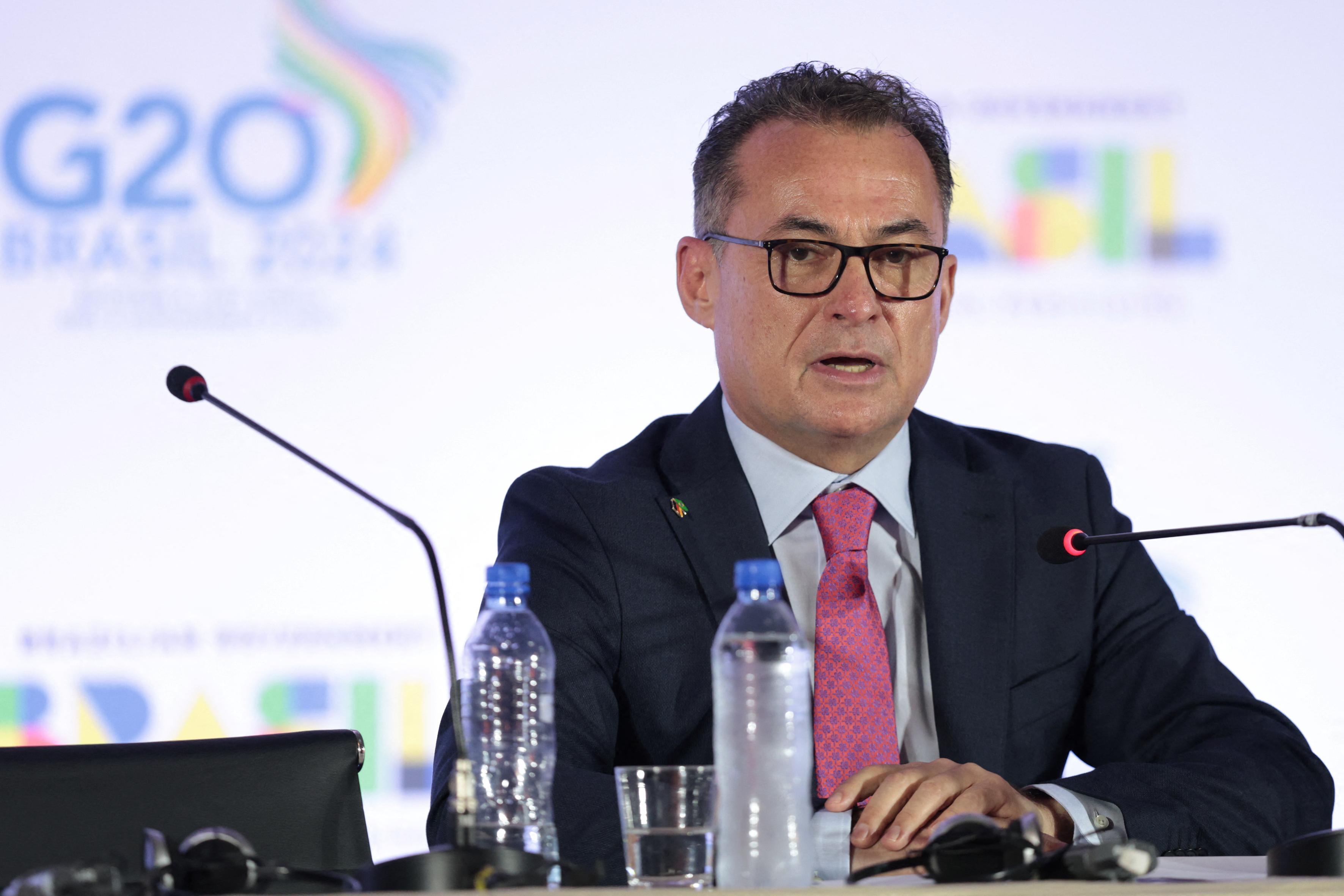
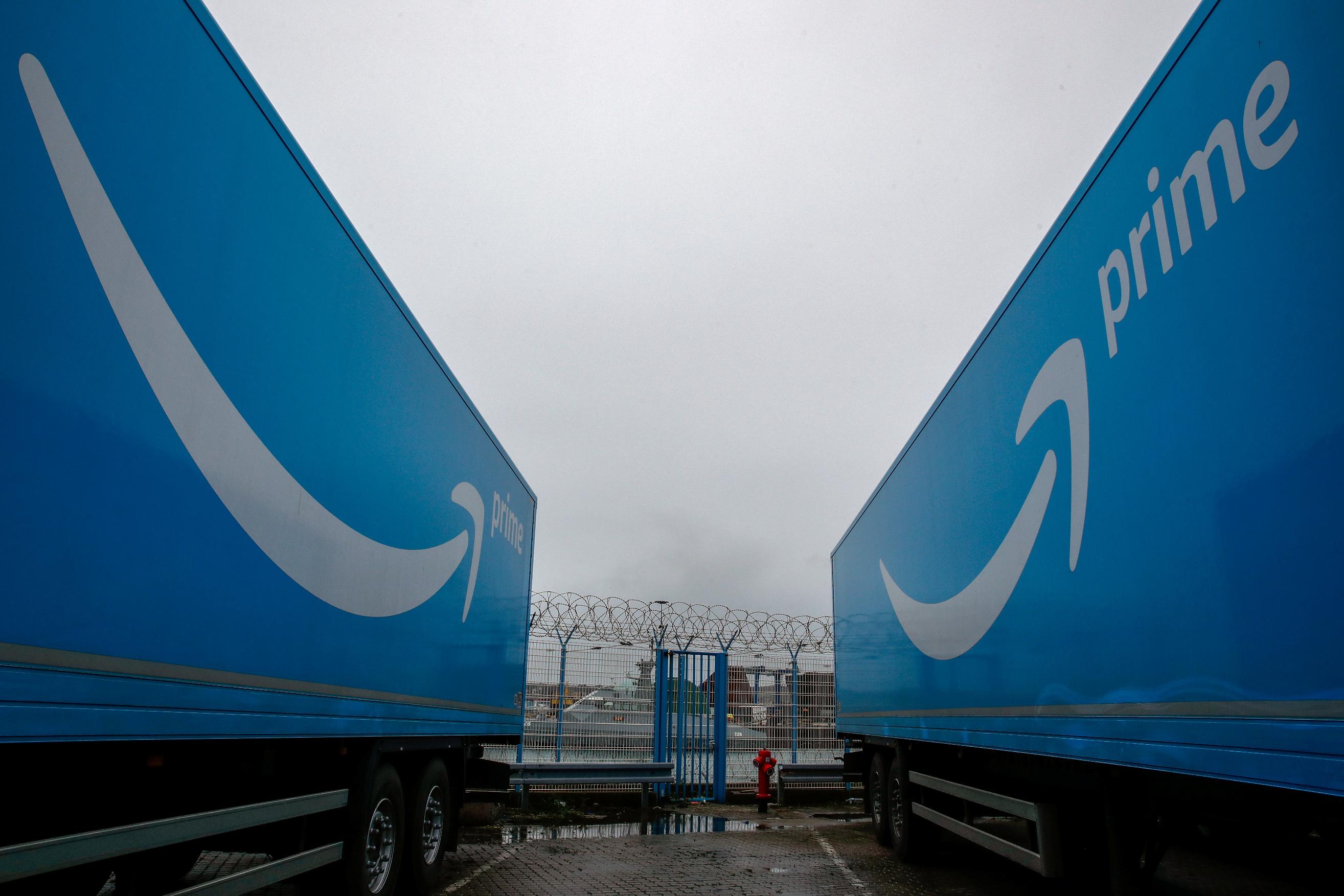
Nov 13 (Reuters) - Amazon.com and IKEA, in alliance with about three dozen other companies that depend on ocean freight, will invite shipping firms for the first time to bid on a contract in January to move their cargo on vessels powered by near-zero emissions e-fuels like e-methanol. The group known as the Zero Emissions Maritime Buyers Alliance wants to use the combined clout of its members, who have their own climate goals to meet, to create demand for e-fuels made with renewable electricity and carbon dioxide. Those fuels are in very short supply. The alliance wants to accelerate the ocean shipping industry's move toward net-zero greenhouse gas (GHG) emissions by 2050, even as U.S. President-elect Donald Trump is expected to pull out of international commitments to combat global warming. The world's fleet moves more than 80% of global trade and contributes about 3% of the world's GHG emissions. E-fuels are vital to fully decarbonizing ocean shipping because they have long-term potential to compete against fossil fuels on cost and supply, the alliance said. "This is how you get on path and on track to being net-zero," said alliance member Carl Berger, who leads sustainability and export operations for Amazon Global Logistics (AMZN.O) , opens new tab. The group's three- to five-year contracts for e-fuel transport are expected to begin in 2027. The cargo moved under the contract is estimated to be equivalent to at least 1.4 million 20-foot containers transported from Shanghai to Los Angeles. That would enable members to abate some 470,000 metric tonnes of GHG emissions that warm the planet and harm human health, the group said. Carriers such as Maersk (MAERSKb.CO) , opens new tab, Evergreen (2603.TW) , opens new tab and Ocean Network Express (ONE) have ordered ships that can operate on e-methanol and are working to secure supplies of that fuel. While alliance members hope their collective action will lower the cost of e-fuels, they expect to pay an undisclosed premium to help offset the higher cost versus fossil fuel. "Once that market gets going we'll start to see those costs come down," alliance CEO Ingrid Irigoyen said of e-fuel. Sign up here. https://www.reuters.com/sustainability/amazon-ikea-join-other-ocean-cargo-shippers-boost-demand-new-green-fuels-2024-11-13/
2024-11-13 11:15
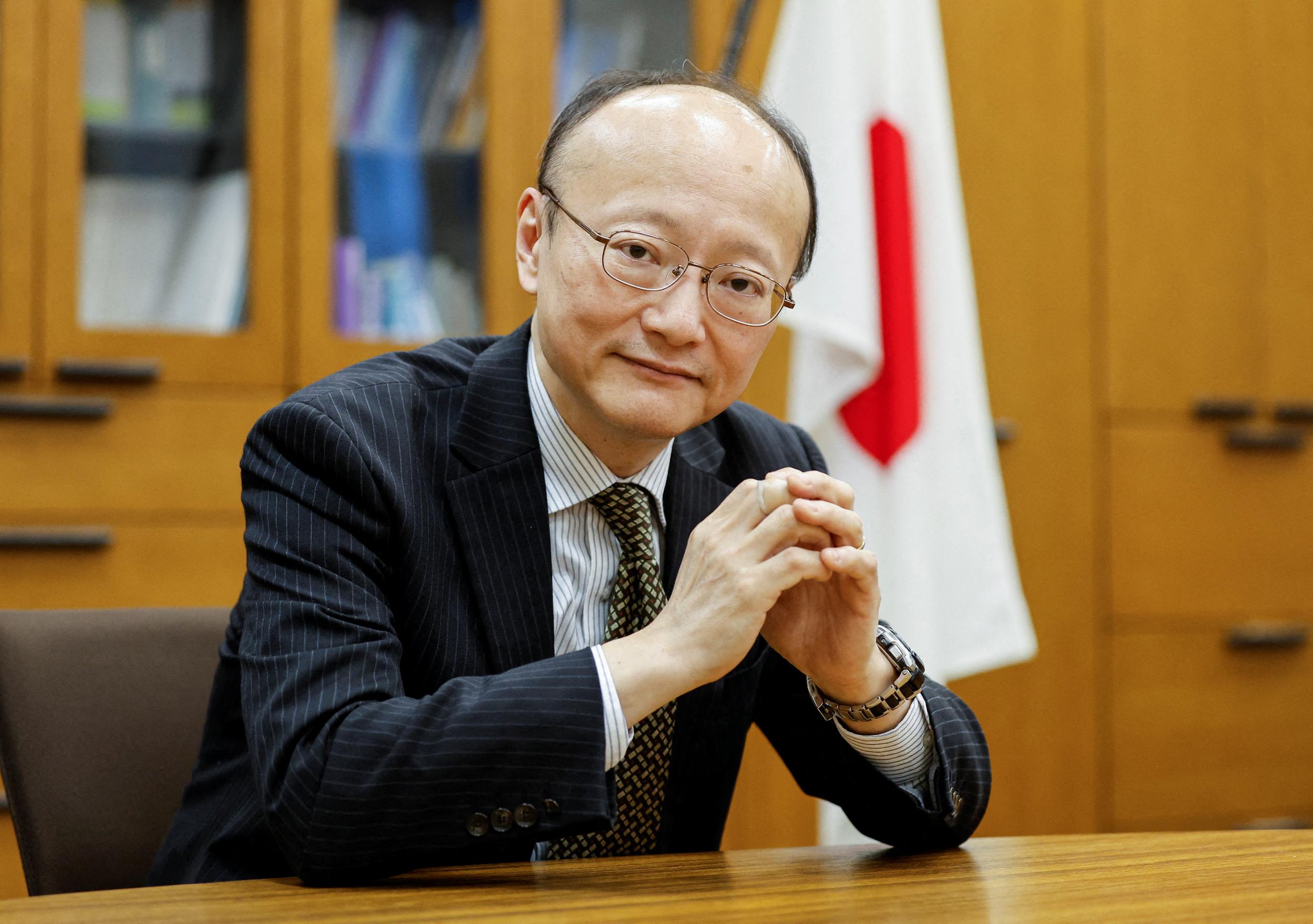
TOKYO, Nov 13 (Reuters) - Japan will act appropriately against excess movements on the foreign exchange market, former currency chief Masato Kanda told Reuters, issuing a warning as the country continues to feel pain from a weaker yen. Kanda, now a special adviser to Prime Minister Shigeru Ishiba and the finance ministry, said in an interview that currency market volatility had increased reflecting recent changes in monetary policies and political situations in major countries. "There is no change to our stance that we will need to respond appropriately to excess movements on the currency market as excessive foreign exchange volatility is undesirable," he said. Kanda's warning came as the Japanese currency weakened to a three-month low of near 155 to the dollar, edging closer to the 160 threshold that traders see as the authorities' line in the sand. During his three-year tenure as vice finance minister for international affairs, Kanda carried out the first yen-buying intervention for 24 years in 2022 and led the biggest yen-buying intervention on record this year. He stepped down at the end of July this year and is poised to become the next head of the Asian Development Bank. Japan's trade no longer generates a surplus due to a surge in the cost of energy imports and an increase in offshore production, reducing the weak yen's positive impact on exports. "We are observing a situation again where a weaker yen pushes up import costs and inflict pain on ordinary people's lives," said Kanda. Meanwhile, he said, the falling yen no longer prompts export-oriented companies to boost exports as they don't seek to increase market share with price reductions and instead shift production abroad. "All in all, there are more people who say the weak yen is more painful," he said. Kanda said that, while short-term movements are vastly driven by speculation, the only solution to stem the yen's weakness in longer term is to strengthen the economy through structural reforms. "The weak yen essentially means an outflow of wealth such as it increases expenditure for energy imports," he said. Sign up here. https://www.reuters.com/markets/asia/pain-weak-yen-deepens-japans-ex-currency-chief-kanda-warns-action-2024-11-13/
2024-11-13 11:07
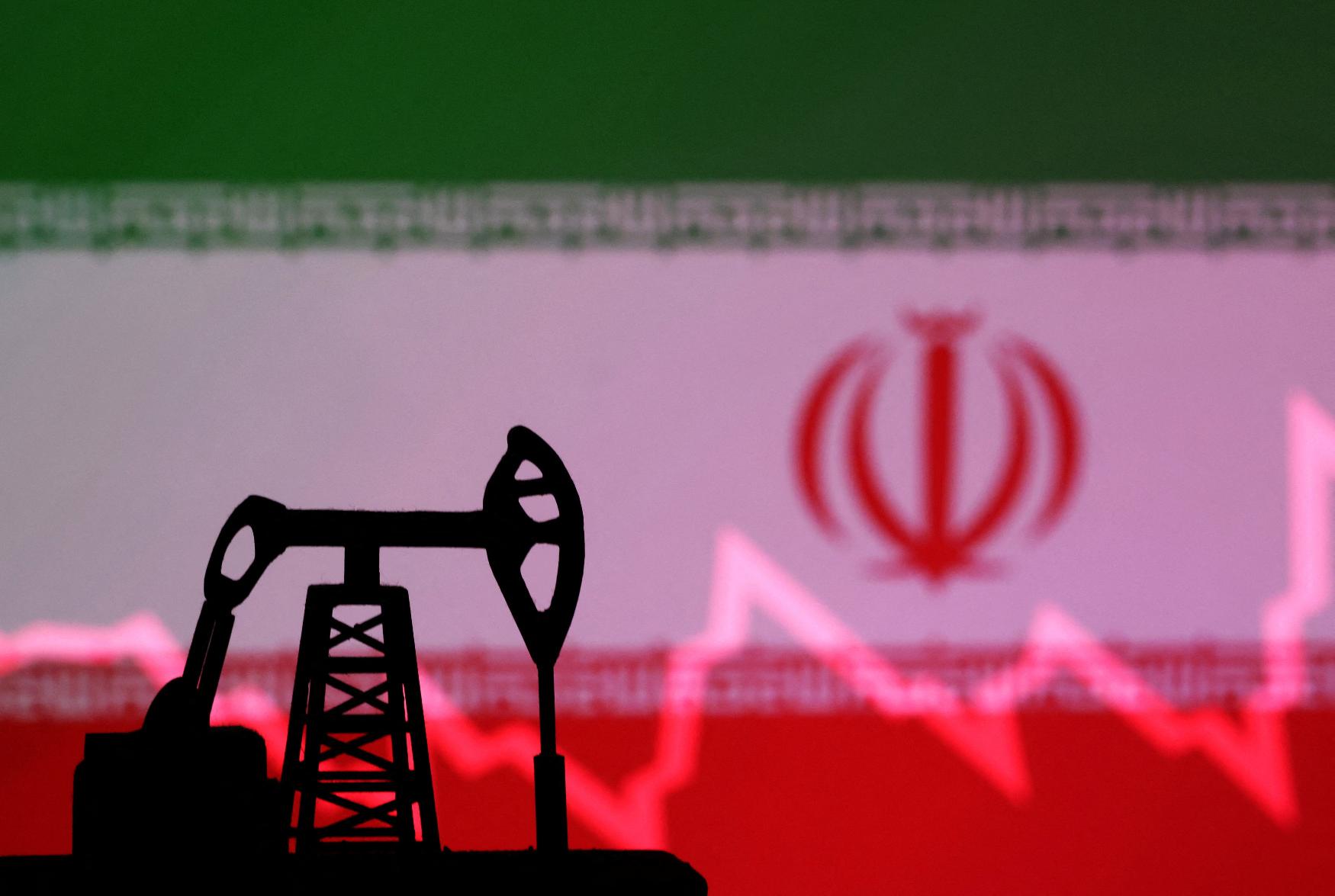
DUBAI, Nov 13 (Reuters) - Iran has made plans to sustain its oil production and export and is ready for possible oil restrictions from a Trump administration in the U.S., Oil Minister Mohsen Paknejad said on Wednesday, according to the oil ministry's news website Shana. In 2018, then-U.S. President Donald Trump withdrew from a 2015 nuclear pact with Iran and re-imposed sanctions which hurt Iran's oil sector, with production dropping to 2.1 million barrels per day (bpd) during his presidency. "Required measures have been taken. I will not go into detail but our colleagues within the oil sector have taken measures to deal with the restrictions that will occur and there is no reason to be concerned," Paknejad said. In recent years, Iranian oil production has rebounded to around 3.2 million barrels per day according to the Organisation of the Petroleum Exporting Countries, of which Iran is a member. Iranian oil exports have climbed this year to near multi-year highs of 1.7 million bpd despite U.S. sanctions. Chinese refiners buy most of its supply. Beijing says it doesn't recognise unilateral U.S. sanctions. Sign up here. https://www.reuters.com/world/middle-east/iran-ready-possible-oil-export-curbs-after-trump-election-2024-11-13/
2024-11-13 11:01
A look at the day ahead in U.S. and global markets by markets correspondent Naomi Rovnick. The ghosts of inflation past, present and future are haunting global markets on Wednesday as the U.S. October consumer prices report due later in the day threatens to raise fears about what President-elect Donald Trump's tax and tariff policies will bring. Economists polled by Reuters expect U.S. year-on-year inflation rose to 2.6% last month, adding to prospects of high-for-longer interest rates that have sent two-year Treasury yields to their highest since July as the dollar stands tall. A potential return to the inflation angst that dominated markets through 2022 and 2023 means the latest equity market rally, driven by Trump's anticipated business deregulation and tax cuts, looks vulnerable. Asian markets sagged on Wednesday, Wall Street futures imply another edge down from record levels hit last week and Europe's Stoxx 600 share index is flat. (.STOXX) , opens new tab Bitcoin has eased about 0.8% after its post-election surge close to $90,000. The euro, one of the major victims of Trump trades, is on course for its fourth consecutive daily drop on Wednesday after briefly falling trade below $1.06, around its weakest in a year. But while markets are gripped by expectations Trump will hike government borrowing and raise consumer prices with 60% import tariffs on China, he could move more cautiously. Voter anger about inflation, which rose about 20% in four years, was one reason for Trump's resounding election and sustained price rises could be politically toxic. The President-elect also wants to slash what he views as wasteful government spending and has tasked Tesla billionaire Elon Musk with leading an efficiency drive. Elsewhere in markets on Wednesday, a Japanese bond selloff driven by rate hike expectations has taken five-year yields to a 15-year high and the yen has dropped beyond 155 per dollar, around its weakest since July 30. Sterling, almost 7% lower in two months, remains in the spotlight ahead of finance minister Rachel Reeves and Bank of England Governor Andrew Bailey's closely-watched Mansion House speeches on Thursday. Key developments that could influence markets on Wednesday: -US CPI (Oct) -Dallas, St Louis, Kansas City Fed chiefs speak at separate events -BoE's Catherine Mann speaks Sign up here. https://www.reuters.com/markets/us/global-markets-view-usa-2024-11-13/
2024-11-13 10:30
LONDON, Nov 13 (Reuters) - High inflation in Britain has not been vanquished and it is more likely to overshoot than undershoot Bank of England forecasts over the medium term, BoE interest rate-setter Catherine Mann said on Wednesday. Mann cast the lone vote against cutting borrowing costs at a meeting of the BoE's Monetary Policy Committee last week which decided by an 8-1 margin to lower the Bank Rate to 4.75% from 5%, and she also opposed an initial rate cut in August. "We have an upside bias to inflation ... which tends to enable inflation to become embedded, and in that environment it's important to hold (interest rates) for longer," Mann said at a conference hosted by BNP Paribas. "When I have evidence that there has been a removal or moderation of inflation persistence - sufficient moderation of inflation persistence - then I will move in a bigger step," she said. Last week the BoE revised up its inflation forecasts due to a higher minimum wage and short-term fiscal stimulus in the first budget of the new Labour government. The BoE predicted inflation would rise from 1.7% in September to 2.5% by the end of the year and not return to its 2% target until mid 2027, a year later than it previously thought. Financial markets only expect the BoE to cut rates twice next year, compared with at least five quarter-point cuts they predict for the European Central Bank as the euro zone economy slows. Mann said services price inflation in Britain remained "pretty sticky", though there were some early signs that hospitality businesses were finding it harder to push through price rises or pay higher wages. Energy prices were more likely to rise than fall over the coming years, adding to the overall risk of higher inflation, she said. "There are some possibilities about downward pressure on inflation coming from export prices coming out of China, for example. But against that ... one piece of news that is downward bias, the rest of it is upward bias and likely to be more volatile going forward over the medium term," Mann said. U.S. President-elect Donald Trump's threat of high U.S. tariffs on imports from China might lead to more Chinese goods heading to Europe at discounted prices, analysts have said. Sign up here. https://www.reuters.com/world/uk/bank-englands-mann-sees-upward-inflation-risks-2024-11-13/

2024-11-13 10:27
BERLIN, Nov 13 (Reuters) - New tariffs planned by U.S. President-elect Donald Trump could cost Germany 1% in economic output if they come into effect, Bundesbank President Joachim Nagel said in an interview with Die Zeit newspaper published on Wednesday. "If the new tariffs actually materialise, we could even slip into negative territory," said Nagel, with Germany already facing weak growth this year and next. The German economy is not expected to grow at all in 2024 and will likely grow by less than 1% in 2025, according to the central banker. Nagel, who sits on the governing council of the European Central Bank, also expressed concern over the German job market outlook, telling Die Zeit: "The jobs that we are losing in industry may not be replaced as easily as before by new jobs in the service sector." He defended the ECB's current rates path as appropriate. The ECB has cut rates three times this year and further cuts at each of its meetings at least through to next April are fully priced in. "We are not exaggerating. There is still noticeable price pressure, which is mainly coming from the service sector due to wages," Nagel said. Sign up here. https://www.reuters.com/markets/europe/bundesbanks-nagel-trump-tariffs-could-cost-germany-1-economic-output-2024-11-13/