2024-11-12 19:53
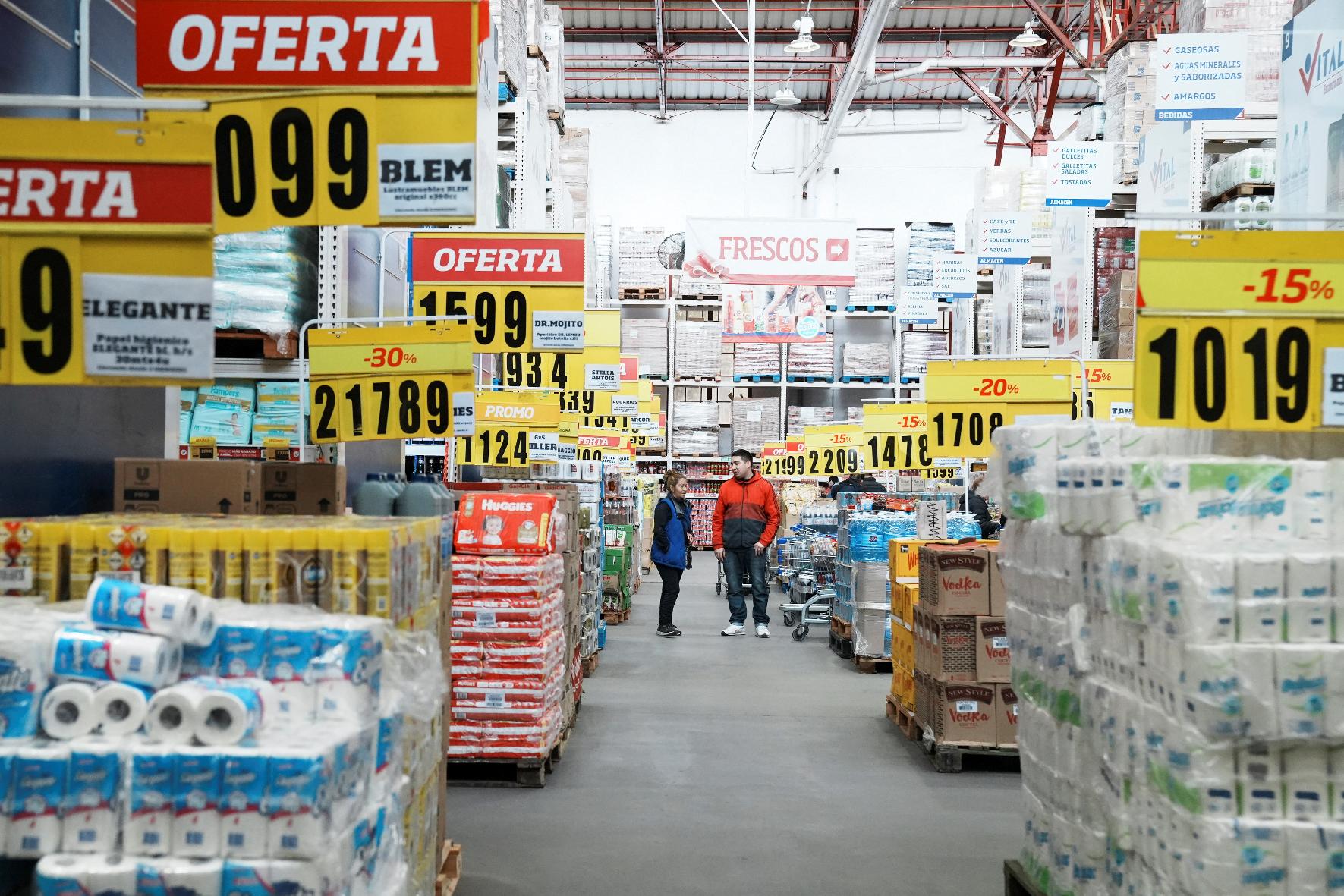
BUENOS AIRES, Nov 12 (Reuters) - Argentine inflation has dipped to 193%, landing below the 200% threshold for the first time in close to a year, data from statistics agency INDEC showed on Tuesday, as President Javier Milei's dramatic austerity agenda bears fruit. Slowing inflation, pulled back in part by the government's dramatic public spending adjustments, has however come at the cost of consumption in a battered economy where more than half of the country has fallen into poverty. Data from INDEC showed that monthly inflation slowed to 2.7% in October from 3.5% the previous month, its lowest since November 2021. The annual rate dipped below 200% for the first time since November last year. While rent and utility costs drove monthly price rises, up 5.4%, prices in transport, food and non-alcoholic drinks rose just 1.2% from the previous month. But the good news can be hard to grasp for Argentines who have had to tighten their belts to make it to the end of the month. The government has slashed subsidies on public services, and increased public sector layoffs. Inflation is still very high by global standards and has contributed to a deep fall in purchasing power. "Sales have been dropping a lot, perhaps people come more to buy on a daily basis, small quantities, and you can see the difference," said Maria Sunilda Correa, who works in a poultry store. Consumers are buying less beef in the famously steak-loving country after Milei ended the previous government's freeze on beef prices. Beef consumption fell in the first six months of the year to its lowest level in 13 years, according to a report by industry group Ciccra. "The price of meat has not gone up these months because there is very little consumption. As consumption goes down, sales also go down. And well, it is a bit complicated," said Gabriel Segovia, a 52-year-old butcher in Buenos Aires. Sign up here. https://www.reuters.com/markets/argentinas-inflation-rate-cools-consumers-still-feel-squeezed-2024-11-12/
2024-11-12 17:45
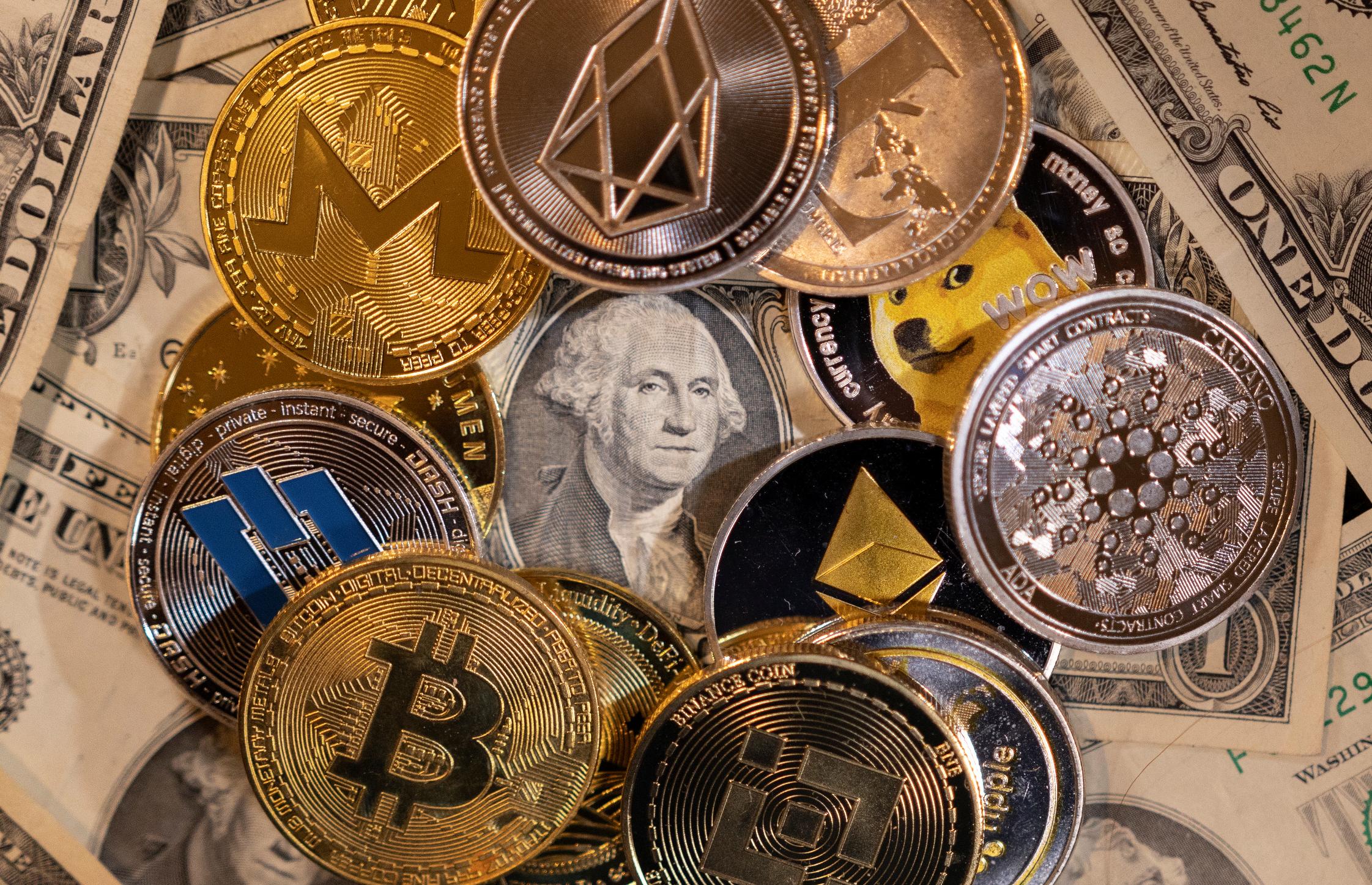
Nov 12 (Reuters) - American households that rely on services like check cashing and payday loans to make ends meet are more likely to hold cryptocurrencies, with all the risks they bring, than those who have more access to traditional banks, according to a government report released Tuesday. The report from the U.S. Federal Deposit Insurance Corporation also showed that one in eight shoppers using buy-now-pay-later (BNPL) services had made a payment late or missed it on at least one purchase. The findings are contained in the latest periodic survey of "underbanked" and "unbanked" households: those with little or no access to traditional banking. The FDIC surveyed 30,000 households in June 2023 as part of a series of surveys begun in the wake of the global financial crisis that began in 2007. The share of households deemed "unbanked," or those that did not use any checking or savings accounts, has fallen by about half since 2011 to 4.2%, or 5.6 million households, according to the survey. But large disparities remain among different groups, with poorer Black, Hispanic, Native American, Alaska Native and single-parent households, or those with working-age members who are disabled, substantially more likely to be unbanked. Such households were also much more likely to be underbanked, meaning they had access to bank accounts but had also met their needs over the prior 12 months by borrowing from pawn shops and title lenders, or used check cashing, among other services. Among all U.S. households, 14.2%, or 19 million, were underbanked. More than 6% of these held digital currencies, compared to 4.8% of households with full access to traditional banking. Nearly one in 10 underbanked households also used increasingly popular BNPL services, compared to only 3% of households considered fully banked. Nearly 13% of BNPL users reported missing payments or paying late, a figure that rose to more than 20% among the underbanked. Sign up here. https://www.reuters.com/markets/us/underbanked-households-more-likely-own-crypto-fdic-report-says-2024-11-12/
2024-11-12 15:52
NEW YORK, Nov 12 (Reuters) - Federal Reserve Governor Christopher Waller said Tuesday stablecoins are effectively “synthetic” dollars that can bring benefits to the financial system. Waller said these digital assets linked to the dollar “could have a lot of potential benefits” and “eliminate” inefficiencies in the financial system, as part of comments before The Clearing House Annual Conference 2024, held in New York. But he said legislation is needed to deal with safety issues as these types of assets are subject to runs that could destabilize the financial system. Sign up here. https://www.reuters.com/markets/currencies/feds-waller-stablecoins-could-bring-benefits-financial-system-2024-11-12/

2024-11-12 13:20
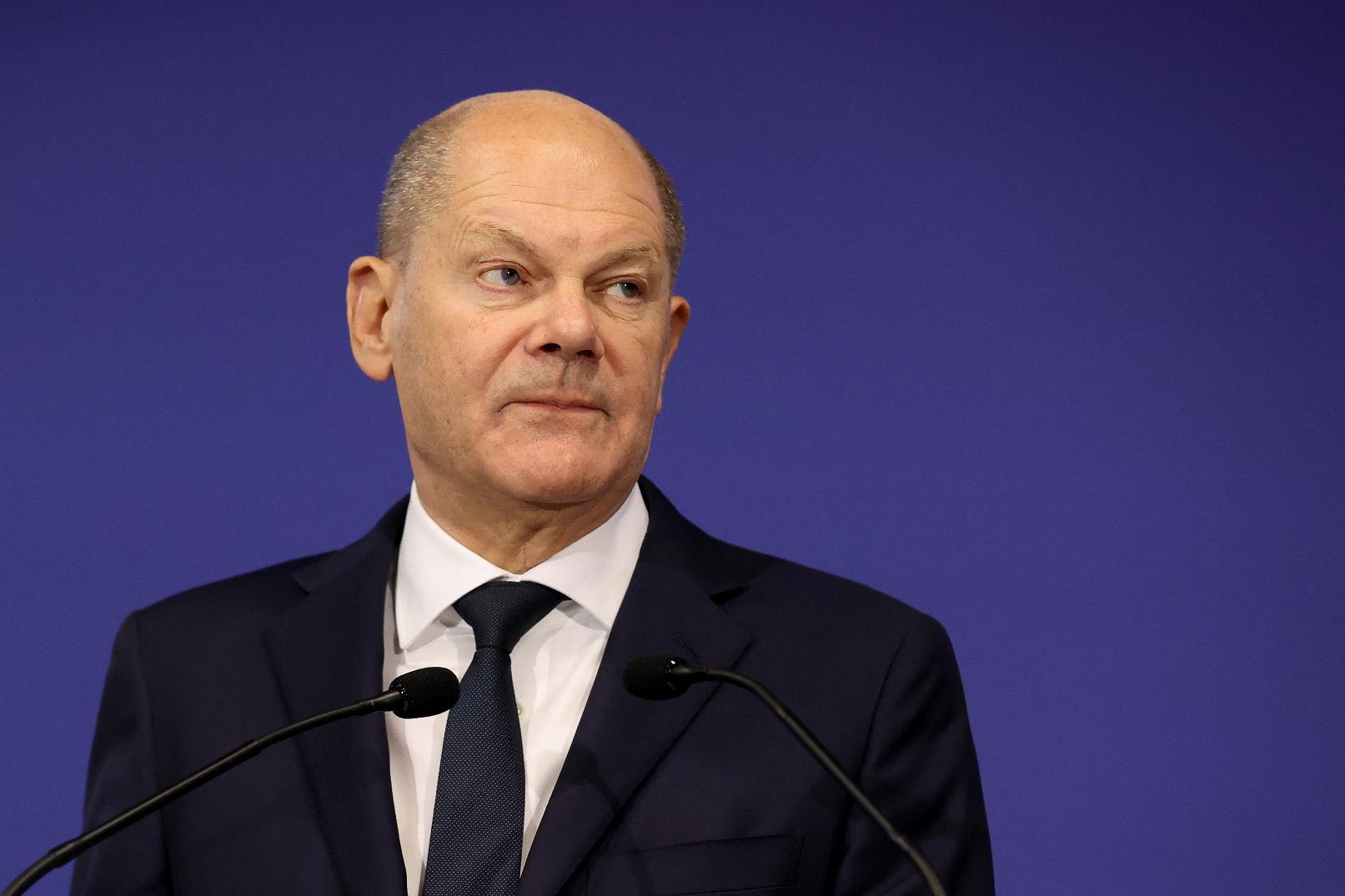
Markets bet German fiscal policy could loosen after election Higher growth would support European stocks and the euro Analysts uncertain about how much spending could rise LONDON, Nov 13 (Reuters) - The collapse of Germany's government could have a silver lining for the euro zone's ailing economy with potentially higher spending likely to support its currency and stock markets, even if the path remains uncertain. Markets are already moving in anticipation of more government borrowing that would help stimulate the economy, pushing a closely-watched bond market gauge of debt issuance to a record. One reason for the collapse of the ruling coalition was disagreement on whether to suspend Germany's debt brake, which limits borrowing, and the early read out from markets is that fresh elections in February could bring more certainty for an economy that just dodged recession. German stocks (.GDAXI) , opens new tab outperformed European peers (.STOXX) , opens new tab on news that the government collapsed last Wednesday, another sign of a more positive mood taking hold - just hours after Donald Trump's U.S. election win raised the threat of tariffs in a fresh blow to Europe's biggest economy. "The German growth dynamic has been anaemic and a large part of that has been self-inflicted as Germany has stuck with the debt brake at a time when the economy needs support," said Zurich Insurance Group's chief markets strategist Guy Miller. "The collapse of the coalition is constructive and we hope there could be more fiscal leeway in the 2025 budget." Friedrich Merz, leader of the conservative opposition Christian Democrats leading the polls, said on Wednesday that the debt brake could "of course" be reformed, having previously said Germany should stick to it. DEBT BRAKE DILEMMA Economists have long blamed the debt brake, adopted in 2009, for holding back Germany's economy, which is expected to shrink this year. A rise in government spending by 1% to 2% of output for 10 years could boost potential growth to at least 1% from around 0.5% currently, ING's head of global macro Carsten Brzeski estimates. "Germany is not in any public finance problem," Brzeski said, as given debt at just 63% of output, it has more room to spend than peers like France and Italy. "If you can combine reforms with looser fiscal policies, please do it," he added. The International Monetary Fund , opens new tab has also said Germany should consider easing its debt brake and any signs that higher spending is coming could bolster European shares. The pan-European STOXX 600 (.STOXX) , opens new tab is up just 5% this year, less than a quarter of the U.S. S&P 500's 25% gain (.SPX) , opens new tab. Hopes of a pro-growth policy turn "would be much needed for German equity valuations to re-rate," Barclays reckons. Citi expects tax cuts the conservatives have proposed would support equities. The euro, which fell to its lowest in a year just below $1.06 on Wednesday , with talk of a drop to parity resurfacing as tariff worries weigh, could also benefit. Societe Generale's chief FX strategist Kit Juckes notes that Germany overtook Japan this year as the country owning the most foreign assets, meaning it has plenty of capital that could be used to invest in its own economy. Such money "could be used to buy high-yielding German government bonds to get the economy moving," Juckes said, adding that could eventually have a "big impact" on the euro if the government signals a material change to its policy approach. The hope is a German policy turn could also open the door to more joint European spending. Trump's election may require the bloc, which already faces calls for massive investments to boost competitiveness, to increase defence spending. "A change in tone at the top in Germany is essential to move toward greater European integration," said Gilles Guibout, head of European equity strategies at AXA Investment Managers. He called the sacking of finance minister Christian Lindner, a fiscal hawk, "great news" for Europe, but added whether it will prove enough remains to be seen. HOLD ON! For sure, political uncertainty means more near-term pain for industry and could hurt sentiment. And it's not clear to what extent Merz's conservatives would be open to raising spending. On Wednesday Merz said he would not be open to reform if more money was spent on consumption and welfare policies, but "the answer may be different" if it were to boost investment. Previously, Merz said he wanted to see the right conditions to invest in pro-growth programmes. He has also opposed further common European Union debt. Economists are debating whether the debt brake itself could see reform or whether Germany could launch fresh off-budget spending, tough asks requiring a large majority in parliament. Goldman Sachs said last week it expected the conservatives would only support amending the debt brake for modest additional spending, around 0.5% of output, expecting fiscal policy to remain a "drag" on growth. Macquarie strategist Thierry Wizman recommended betting against the euro with no guarantee of a reformist government. For others, change is a matter of time. Davide Oneglia at consultancy TS Lombard expects snap elections to bring debates on Germany's growth model and EU security risks "to the fore in all their urgency". "The main risk to our view is that they fail to grasp the need of a paradigm shift and fall back on old, now unviable, economic recipes," he said. "A still harsher reckoning would then come for the German and EU economy." Sign up here. https://www.reuters.com/world/europe/german-government-collapse-could-have-silver-lining-europes-markets-2024-11-12/
2024-11-12 13:01
MUMBAI, Nov 12 (Reuters) - Indian wheat prices have jumped to a record high due to strong demand, limited supplies, and a delay in the government releasing stocks from its warehouses to augment supplies, industry officials said on Tuesday. The record prices are likely to lift retail inflation that surged to a 14-month high in October, driven by a jump in vegetable prices and dashing hopes of an interest rate cut by the central bank next month. Supplies are limited in the market, and stockists are unwilling to release wheat at lower prices, said Pramod Kumar, a flour miller. "If the government begins releasing stocks, supplies will improve, and prices will decrease, as they did last year." In September, New Delhi lowered the limit on wheat stocks that traders and millers can hold to help boost the grain's availability and moderate prices. But the curbs failed to bring down prices, which were trading around 30,000 rupees ($355.64) per metric ton in Indore in central state of Madhya Pradesh, up from 24,500 rupees in April and far above the government fixed minimum support price of 22,750 rupees for last season's crop. Traders anticipate that prices will rise further as the new season's crop is not expected to reach the market until March, said a Mumbai-based dealer with a global trade house. "Bulk buyers are feeling the squeeze, as they need to buy to keep their operations running. The government needs to start releasing stocks immediately, or prices will rise further," he said. India initially planned to sell wheat from its state reserves to bulk consumers from July, but this was delayed and there has been no subsequent update on its plans. Last year the government started selling wheat from its reserves in June, and between then and March 2024 it sold a record almost 10 million tons from stocks. That helped bulk buyers such as flour millers and biscuit makers to secure supplies at affordable costs. "The government is also holding lower stocks than usual, which is why it is delaying sales," said the dealer. Wheat stocks in state warehouses were 22.3 million tons at the start of November, slightly higher than the last year's 21.9 million tons, but far below five-year average of 32.5 million. Sign up here. https://www.reuters.com/markets/commodities/indian-wheat-prices-hit-record-high-strong-demand-supply-crunch-2024-11-12/

2024-11-12 13:00
Nov 12 (Reuters) - India's biggest winemaker Sula Vineyards (SULA.NS) , opens new tab, reported a 37% fall in second-quarter profit on Tuesday, as a slowdown in discretionary spending, especially in urban areas, dampened demand. Sula's consolidated net profit fell to 144.8 million rupees ($1.72 million) in the quarter ended Sept. 30, from 230.9 million rupees a year ago. "Q2 was a subdued quarter, due to a slowdown in consumer discretionary demand, particularly in urban areas where 90% of our sales are concentrated," Chief Executive Officer Rajeev Samant said in a statement. The company also faced technical issues with accessing New Delhi's Excise portal-used to place orders and update liquor stock-towards the end of the quarter, hurting sales, it said , opens new tab. Sula's own brands segment, which contributes about 90% of the total revenue, saw a marginal 0.3% rise in revenue during the quarter. Its smaller wine tourism segment saw a 0.8% increase in revenue. Sula's total revenue fell 1.1% during the quarter, while total expenses rose about 10%. The winemaker's earnings before interest, tax, depreciation, and amortization margin contracted to 24.2% from 31.4% a year ago. ($1 = 84.3560 Indian rupees) Sign up here. https://www.reuters.com/world/india/indias-sula-vineyards-posts-lower-q2-profit-tepid-urban-demand-2024-11-12/