2024-11-08 19:04
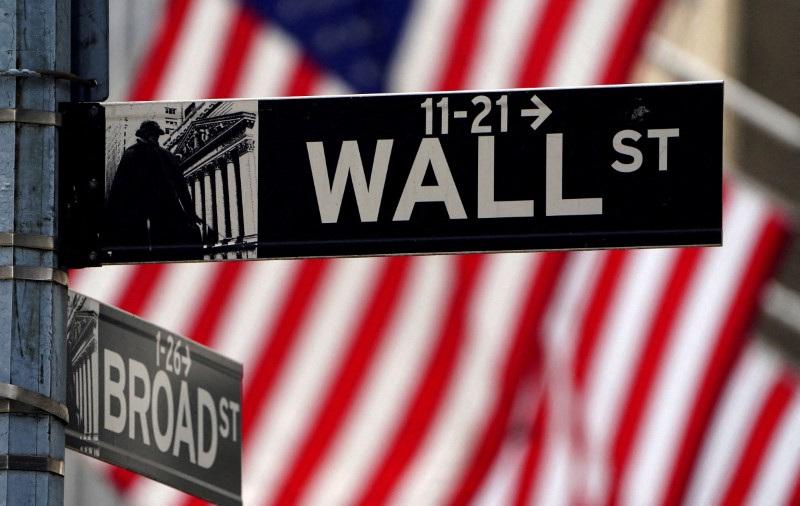
NEW YORK, Nov 8 (Reuters) - The U.S. fiscal health is at higher risk after the election of Republican Donald Trump as the next U.S. president and given the likely composition of Congress, said rating agency Moody's. U.S. budget deficits and government debt levels were largely projected to surge under either candidate in the Nov. 5 election, according to several estimates, although Democrat Kamala Harris was expected to add less debt than Trump. Trump's victory has contributed to a selloff in government bonds earlier this week as key elements of his economic plans such as tax cuts and tariffs are expected to lead to faster growth as well as higher inflation and wider budget deficits. As of Friday, Trump's Republicans appeared set to possibly win control of both chambers of Congress, a scenario that could allow for a faster implementation of new policies. "In the absence of policy measures to help limit fiscal deficits, the federal government's deteriorating fiscal strength will increasingly weigh on the US sovereign credit profile," Moody's said in a Nov. 7 note. "Given the fiscal policies Trump promised while campaigning, and the high likelihood of their passage because of the changing composition of Congress, the risks to US fiscal strength have increased," it added. Moody's remains the last of the three major rating agencies to maintain a top rating for the U.S. government. It lowered the outlook on its triple-A U.S. credit rating to "negative" from "stable" in November last year, and it typically "resolves" an outlook, meaning in case of a negative outlook it either brings it back to stable or goes ahead with a rating downgrade, within 18 to 24 months. "With Republican control of the Legislature and the Executive, policy shifts could be implemented quickly," said the agency. This raised the risk of "potentially abrupt and sweeping changes in tax, trade, immigration and climate policies that could particularly affect manufacturing, technology and retail," it said. Sign up here. https://www.reuters.com/markets/us/us-fiscal-health-risks-increase-after-trump-election-says-moodys-2024-11-08/
2024-11-08 19:02
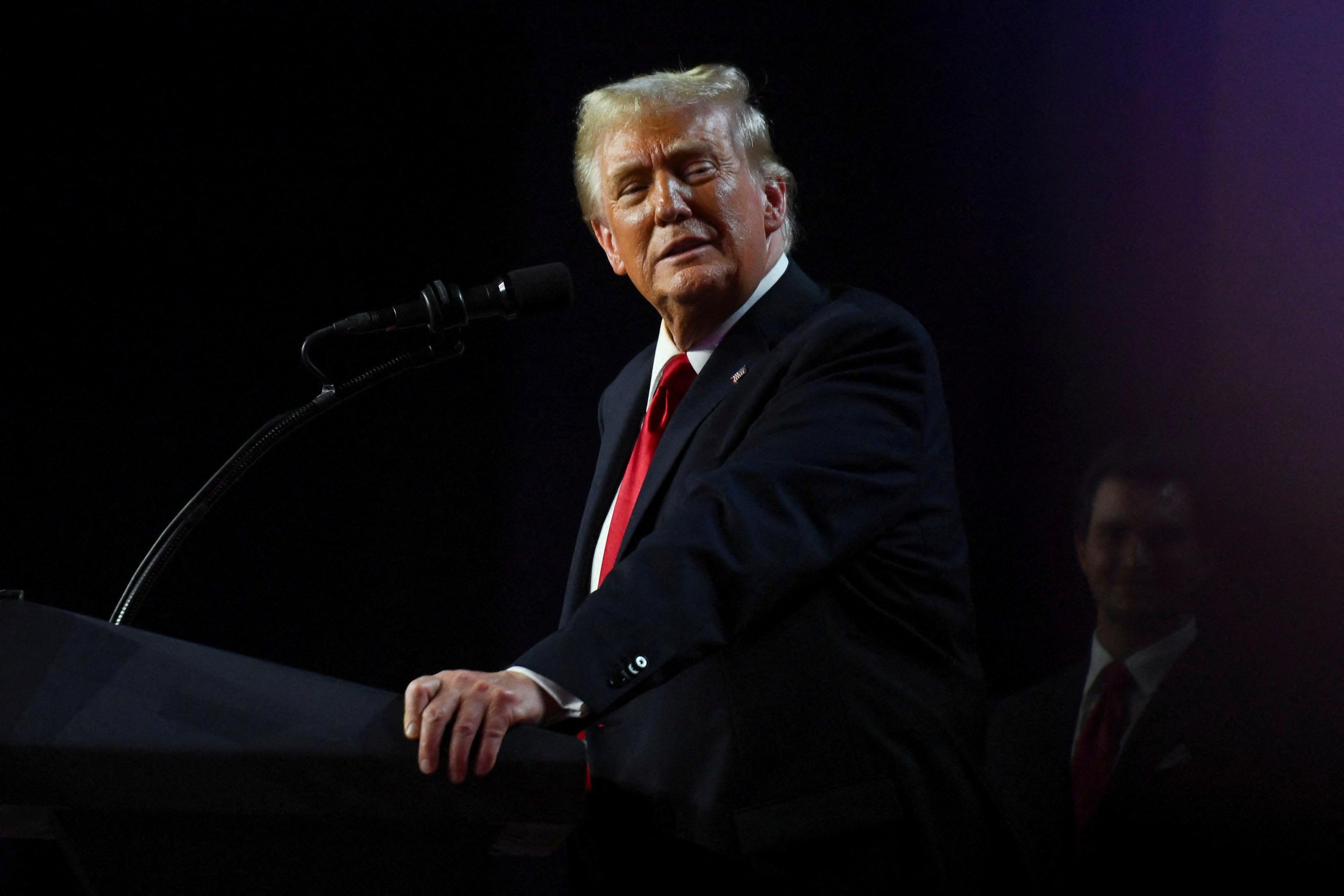
Wildfires burning in five New Jersey counties, mostly central and southern NYC warns residents about smoke, urges caution with outdoor gas and grills Farmers struggle to protect crops amid drought, high irrigation costs NEW YORK, Nov 8 (Reuters) - Wildfires were burning from one end of New Jersey to the other on Friday after one of the driest months on record, leading New York City to issue smoke warnings and forcing farmers to take steps to protect their harvests. The blazes were burning in five New Jersey counties, mostly in the central and southern parts of the state, on Thursday and Friday, the state Forest Fire Service reported on its Facebook page. The National Weather Service issued a red flag warning for the area due to strong winds that can make wildfires worse. "Those conditions - dry weather and gusty winds - have a potential to spread any fires that develop through today," said Matthew Tauber, a duty meteorologist at a local office of the National Weather Service. The New York City government warned residents that they may see or smell smoke from the wildfires and urged people to exercise caution using grills and outdoor gas during "increased brush fire risk." One of the wildfires was burning along the Palisades in New Jersey's Bergen County, across the George Washington Bridge from the city. Smoke from the blaze was wafting across the Hudson River into neighborhoods on the northern tip of Manhattan, video posted on social media showed. On the opposite end of the state, a fire in Gloucester County could be seen burning across the Delaware River from Philadelphia. At least three other fires were burning in Ocean, Camden and Burlington counties. The New York City area has not seen any significant rain since mid-September and no major rainfall is in the forecast. The National Weather Service expects a quarter to a third of an inch of rain (up to 0.8 cm) on Sunday night. "That's not a lot of precipitation," Tauber said. "It will take quite a bit to alleviate the dry conditions from the past five to six weeks." To be sure, the New Jersey wildfires - the largest on Friday was 360 acres (146 hectares)- were much smaller than those that typically break out in California. The Mountain Fire north of Los Angeles, for example, had already consumed more than 20,000 acres (8,094 hectares), Cal Fire said on Friday. But the outbreak across New Jersey - the most densely populated state in the country, according to the U.S. Census - highlights the extremely dry conditions affecting most or all of the state, which experienced a relatively wet spring. The past month was the driest October on record in Newark, the most populated city in New Jersey, since 1949, according to the weather service. New Jersey farmers say they are struggling to protect crops. "It's a crisis for all us growers," said Stephen Lee, 78, patriarch of Lee Brothers Cranberry Farm in Burlington County, a 130-acre farm of bogs and reservoirs he runs with his sons and grandsons. Burlington County stretches across a swath of southern New Jersey. "We're not at our breaking point, but it's a very tense situation right now," Lee said. "We haven't had any real rain for three months, going on four now. Without some serious rain, I don't know what we'll do." They are just now finishing harvest for the season and barely made it through with well water, bringing diesel fuel bills for the pumps to $800 a day, he said. But their reservoirs are "almost non-existent", and usually they drill 7 feet in the ground to hit the water table for their pumps. "Now we have to drill 28 feet down," he said. New Jersey is the third largest producer of cranberries in the United States, behind Wisconsin and Massachusetts. Bill Exley, 52, of Exley's Christmas Tree Farm in Monroeville, New Jersey, was out at sun-up on Friday checking the irrigation pumps on the farm he co-owns with his father, Bob Exley, 82. "This drought is killing us," he said, adding that he doesn't want to think about the bill for the electricity running pumps at the two farm locations, covering thousands of trees across 50 acres. Sign up here. https://www.reuters.com/world/us/new-jersey-wildfires-trigger-smoke-warnings-new-york-city-2024-11-08/
2024-11-08 18:43
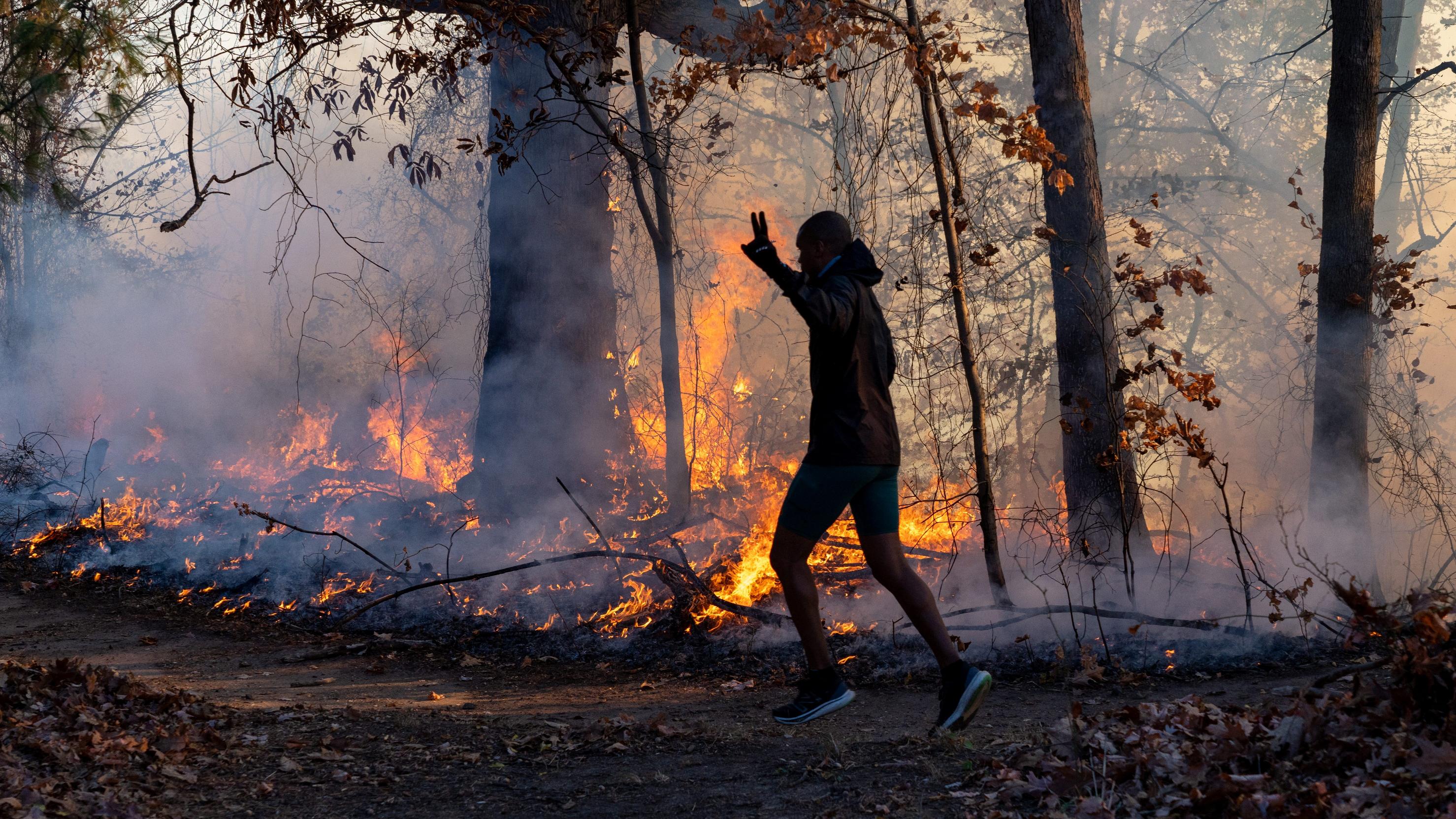
Nov 8 (Reuters) - The cryptocurrency industry, including heavyweights like Coinbase (COIN.O) , opens new tab and Ripple, spent more than $119 million backing pro-crypto U.S. congressional candidates, hoping to boost those who would pass crypto-friendly bills to promote digital assets. The effort succeeded on Tuesday, with many of the industry's chosen candidates winning their races, potentially ushering in a Congress poised to champion crypto like never before. Much of the sector's spending in 2024 came from supercharged political action committees, which can spend unlimited amounts of money. Fairshake, one of the most prominent PACs dedicated to supporting candidates with favorable views of crypto, spent more than $40 million during this election cycle, according to OpenSecrets. The spending data comes via both OpenSecrets and the Federal Election Commission. Here are the races where crypto has spent the most money, and whether the industry was ultimately successful in boosting their preferred candidate: 1. Ohio Senate: (R) Bernie Moreno vs. (D) Sherrod Brown (incumbent) The cryptocurrency industry spent by far the most amount of money attempting to unseat current Senate Banking Committee Chair Sherrod Brown in this year's elections, doling out $40.2 million on behalf of Brown's opponent, Republican Bernie Moreno. Moreno defeated Brown on Tuesday, Edison Research projected, in one of the most expensive Senate races in history, ousting one of crypto's biggest foes in Congress. Brown has been skeptical of cryptocurrencies, expressing particular concern about their use in financing groups deemed by the U.S. to be state sponsors of terrorism. Meanwhile, Moreno started a blockchain-based company and has said he will "lead the fight to defend crypto" in the Senate. Moreno enjoyed contributions from Defend American Jobs - an affiliate of Fairshake - as well as Coinbase CEO Brian Armstrong and Gemini co-founders Cameron and Tyler Winklevoss. 2. Michigan Senate: (R) Mike Rogers vs. (D) Elissa Slotkin Crypto spent $10 million supporting current U.S. Representative Elissa Slotkin of Michigan in her race for a vacated Senate seat, with contributions coming from Fairshake affiliate Protect Progress as well as Chris Larsen, the executive chairman of Ripple. Slotkin narrowly won her race, according to Edison Research. In Congress, Slotkin voted in favor of repealing a crypto-related accounting bulletin from the Securities and Exchange Commission, as well as a bill promulgated by Republican House Financial Services Committee Chair Patrick McHenry that would seek to develop a regulatory framework for crypto. 3. Arizona Senate: (R) Kari Lake vs. (D) Ruben Gallego Protect Progress, along with individual donors like Coinbase's Armstrong and Andreessen Horowitz general partners Chris Dixon and Ben Horowitz, spent $10 million supporting current U.S. Representative Ruben Gallego's campaign for an Arizona Senate seat. Gallego voted along with Slotkin in favor of legislation that the crypto industry supported. The race has not been called yet. 4. Massachusetts Senate: (R) John Deaton vs. (D) Elizabeth Warren (incumbent) The crypto industry spent $4.2 million propping up Massachusetts Senate candidate John Deaton in his race against Senator Elizabeth Warren, who has clashed with digital assets leaders numerous times. Warren, the incumbent, won re-election, Edison Research projects. Warren has called for applying stringent anti-money laundering standards to crypto, and has said crypto businesses are reticent to follow the same rules that other financial firms like banks comply with. With Brown having lost his Senate race in Ohio, Warren could become one of the top Democrats on the Senate Banking Committee next year. 5. West Virginia Senate: (R) Jim Justice vs. (D) Glenn Elliott Crypto spent $3 million supporting former West Virginia governor in his quest for Senate, led by Defend American Jobs, Armstrong, and the Coinbase Inc Innovation PAC. Justice won the Senate seat on Tuesday, Edison Research projects. On his website, Justice said earlier this year that the U.S. has "a tremendous opportunity" with crypto and blockchain innovation, and that he supports a regulatory framework for digital assets that "allows entrepreneurs to innovate, flourish and achieve their full potential." 6. Indiana Senate: (R) Jim Banks vs. (D) Valerie McCray Individual donors like Armstrong, Horowitz and Dixon along with the Coinbase Inc Innovation PAC and Defend American Jobs in the primary campaign spent $3 million to back Republican Indiana Senate candidate and current congressman Jim Banks, who won the Senate seat, according to Edison Research. Banks supported legislation backed by the crypto industry in Congress. 7. California 45th Congressional District: (R) Michelle Steel (incumbent) vs. (D) Derek Tran The crypto industry spent $2.8 million supporting Representative Michelle Steel's re-election campaign, led by Fairshake, Cameron and Tyler Winklevoss and the Coinbase Inc Innovation PAC. Steel voted in favor of legislation to repeal the U.S. Securities and Exchange Commission's accounting bulletin and create a regulatory framework for cryptocurrencies. The race has not been called yet. 8. Alabama 2nd Congressional District: (R) Caroleene Dobson vs. (D) Shomari Figures Crypto has spent $2.6 million backing Shomari Figures' congressional race for a brand new district in Alabama, a race that he won by a wide margin, according to a projection from Edison Research. That $2.6 million includes contributions from Protect Progress, the Winklevoss twins, Armstrong and the Coinbase Inc Innovation PAC. Figures signed onto a letter from Democrats in July asking the Democratic National Committee to soften its stance on crypto and include crypto-supportive language in the party's platform. On his website, Figures said that he would embrace digital assets to spur innovation and technological advancement. 9. North Carolina 1st Congressional District: (R) Laurie Buckhout vs. (D) Donald Davis (incumbent) Individual donors like Armstrong, Larsen and the Winklevoss twins along with Fairshake spent $2.3 million in the primary campaign on behalf of Representative Donald Davis' re-election campaign, which Davis won, Edison Research projects. Davis supported legislation backed by the crypto industry in Congress. 10. Colorado 8th Congressional District: (R) Gabe Evans vs. (D) Yadira Caraveo (incumbent) The crypto industry spent $2.3 million to back Yadira Caraveo's congressional campaign in Colorado, led by contributions from Fairshake, Armstrong, Dixon and Horowitz. Caraveo is the ranking member on the House Agriculture Committee's subcommittee on commodity markets, digital assets and rural development and has called for a regulatory framework for digital assets. The race has not been called yet. Sign up here. https://www.reuters.com/technology/us-congressional-races-where-crypto-is-hoping-big-payoffs-2024-11-08/
2024-11-08 18:28
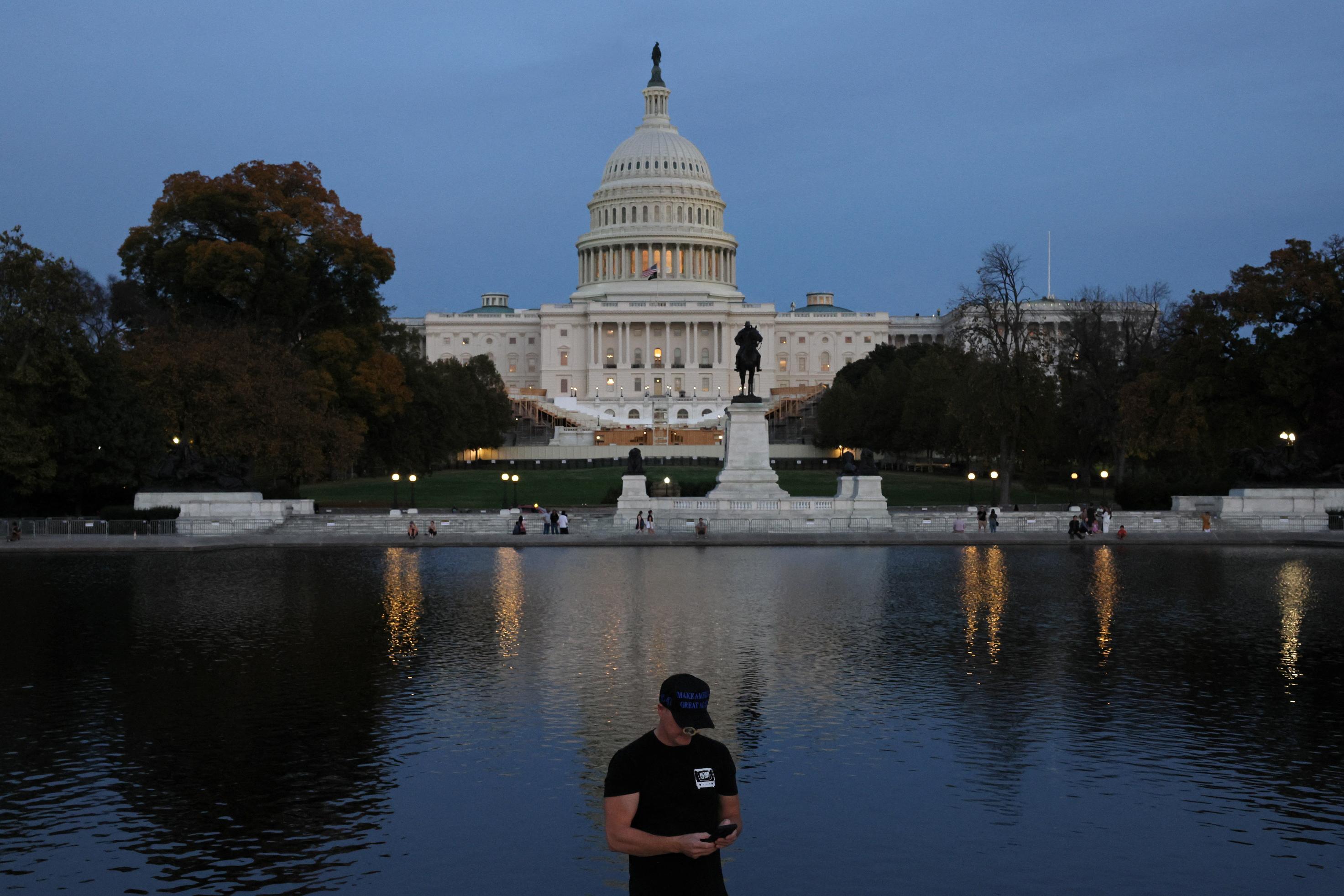
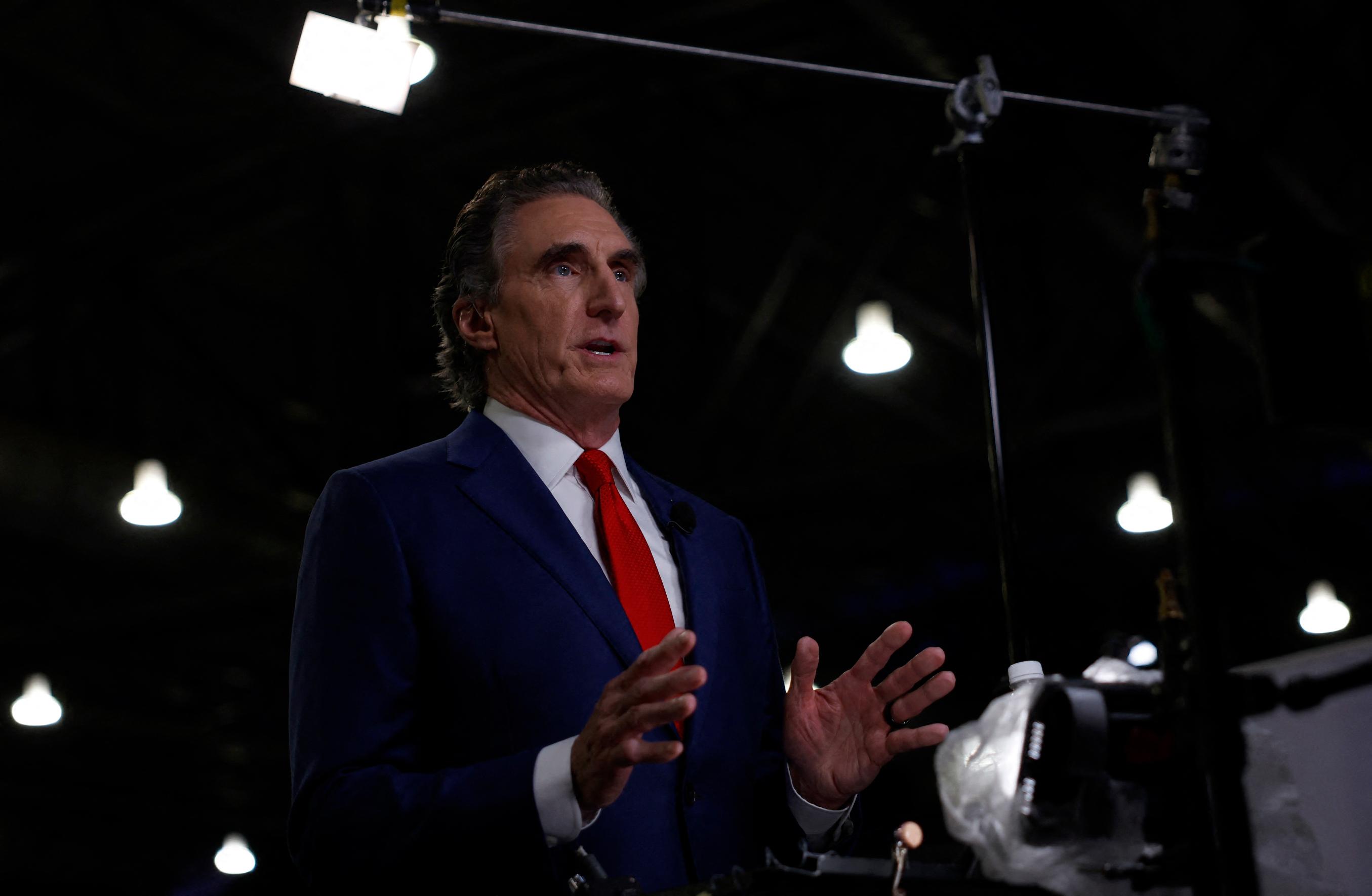
Nov 8 (Reuters) - President-elect Donald Trump is considering North Dakota Governor Doug Burgum to be his new "energy tsar", the Financial Times reported on Friday. Burgum is Trump's preferred candidate for the role, the newspaper reported citing people familiar with the discussions, adding that former energy secretary Dan Brouillette is also a contender. The new energy tsar role and its powers are not yet finalised, the FT reported. Sign up here. https://www.reuters.com/world/us/trump-considering-doug-burgum-new-energy-tsar-slash-regulations-ft-reports-2024-11-08/
2024-11-08 18:20
Trans-shipment plans could help move 5 million more containers Official worries proposed US tariffs could distort LNG trade HOUSTON, Nov 8 (Reuters) - The Panama Canal Authority could double in coming years the number of containers that move through the commercial waterway that links the Pacific and the Atlantic oceans, the canal's chief told a maritime conference on Friday. The authority, which has an $8 billion investment plan, is putting in place a water conservation strategy following a severe drought that forced ships between late 2023 and early 2024 to take alternative routes between the United States and Asia. As part of that, it is encouraging shippers to consolidate cargoes so less water is used for vessels to pass, particularly container ships, canal chief Ricaurte Vasquez said at the Houston International Maritime Conference. The canal is also planning to use its west bank lands to expand Panama's cargo transfer capacity, which allows shippers to offload containers, move them via rail, truck or vessel, and then reload them onto ships, he said. That would allow the canal to move at least an additional 5 million containers per year by 2045, from the current 8.3 million containers, Vasquez said. Container ships are its most important business segment. A prior expansion, which introduced a third set of locks in 2016, has allowed the waterway to focus more on container ships than bulk carriers. However, the canal in October began to see a return of bulk carriers, Vasquez said. CALL FOR RETURN Through a new long-term slot reservation system, the canal last month allocated about 40% of its largest locks' passage capacity for next year. Container ships and liquefied natural gas (LNG) vessels secured the most slots. The number of LNG vessels passing through the canal remains lower than usual, despite the lifting of drought-related restrictions, Vasquez said. U.S. LNG producers are still avoiding the canal, spurred by strong demand for U.S. LNG in Europe and competitive freight costs on alternative routes. But Asia's LNG demand is expected to bounce back next year, potentially increasing their need for the canal, they have said. However, the canal is "concerned" about a possible new trade war between China and the U.S. if President-elect Donald Trump follows through on his proposed high tariffs on Chinese goods. Such a scenario could introduce "distortions," especially for LNG trade, Vasquez said. "Energy products have become a major element in our customer base and in our profit base," he said, adding that the canal is exploring business opportunities with the Port of Houston, which acts as distribution center for many U.S. commodities. Sign up here. https://www.reuters.com/markets/commodities/panama-canal-could-double-number-containers-transiting-says-chief-2024-11-08/

2024-11-08 18:16
NEW YORK, Nov 8 (Reuters) - Investors will focus in the coming week on whether inflation trends can help sustain the record-breaking stock rally that has received a boost from Donald Trump's victory in the U.S. presidential race. The benchmark S&P 500 (.SPX) , opens new tab surged to an all-time high and hit the 6,000 level for the first time on Friday, as expectations of tax cuts and looser regulations under Trump helped lift the appetite for equities. A reassuring economic outlook from the Federal Reserve, which delivered a widely expected 25 basis point rate cut on Thursday, also helped boost sentiment. The central bank's ability to keep cutting rates, however, will be tested by whether incoming data shows inflation continuing to moderate. The Nov. 13 consumer price index report needs to "confirm that notion that inflation continues to head in the right direction," said Art Hogan, chief market strategist at B Riley Wealth. Investors believe Trump's proposals, in particular higher tariffs, could push up consumer prices. Meanwhile, U.S. data has been stronger than expected, with a recent report showing the economy grew at a solid 2.8% pace in the third quarter. CPI for October is expected to come in at an annual pace of 2.6%, according to economists polled by Reuters. That would be a slight uptick from the 2.4% pace in September, which was the smallest gain since 2021, but well below the four-decade highs reached in 2022 that led the Fed to hike interest rates. More robust inflation could further alter projections for the Fed's rate-cutting path, after expectations changed with Trump's election victory. Fed funds futures show investors are now expecting rates to decline to about 3.7% by the end of 2025 from the current 4.5%-4.75% range, about 100 basis points above estimates in September. Expectations of financial easing have helped boost stocks this year, along with solid corporate profits and excitement over the business potential of artificial intelligence. Michael Reynolds, vice president of investment strategy at Glenmede, said the neutral level for the Fed funds rate was about 3%, "and we ultimately expect the Fed to stop short of neutral." "We ultimately think that they do take that shallow path because inflation is still a risk," Reynolds said. "We just got through a period of well-above average inflation. Historically, that's come in waves." Adding to that risk is Trump's economic agenda that could juice inflation along with growth during his presidency. "We're a long way from knowing specifics around either tax policy or trade policy, but those are both on the table and will undoubtedly weigh into the Fed's calculus as they look ahead from here," said Jim Baird, chief investment officer with Plante Moran Financial Advisors. Investors also are continuing to adjust to the new political landscape, after big moves this week in the stock market's so-called "Trump trades." The small-cap Russell 2000 (.RUT) , opens new tab was up 8% on the week, with smaller, domestically focused companies expected to benefit from Trump's plans to increase tariffs on imports. The S&P 500 banks index (.SPXBK) , opens new tab was up about 7% with lenders poised to benefit from the Republican's expected efforts to slash regulations. The initial market reactions will be tested as Trump fleshes out his policy aims and starts to name political appointments. "Markets have started to digest Trump's victory," analysts at UBS Global Wealth Management said in a Thursday note. "As more detailed policy proposals emerge from the Trump transition team, investors should brace for further swings ahead." Sign up here. https://www.reuters.com/markets/us/wall-st-week-ahead-inflation-data-poses-test-stocks-rally-after-trump-win-2024-11-08/