2024-11-08 12:15
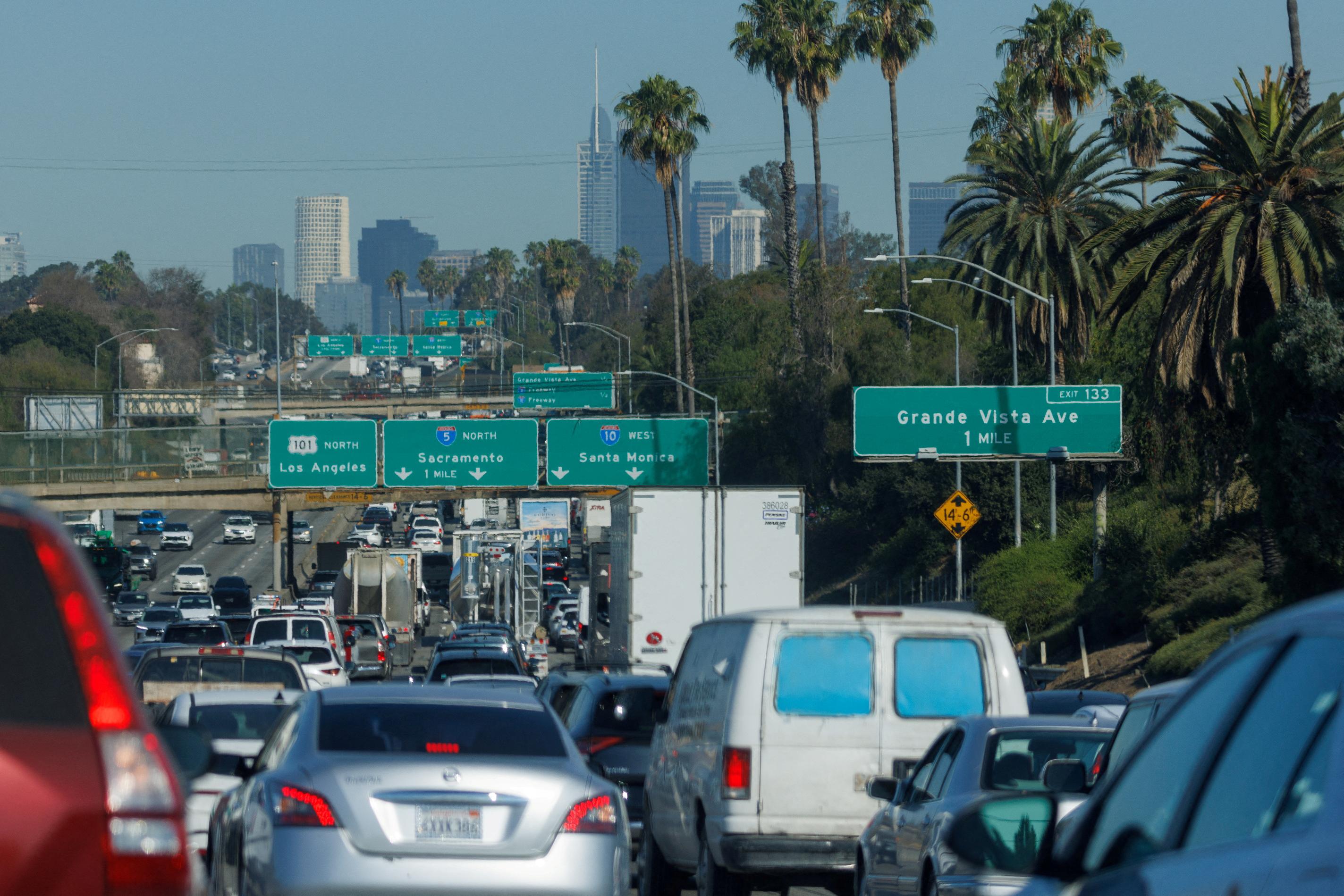
Nov 8 (Reuters) - California regulators voted on Friday to toughen a policy aimed at boosting low-carbon fuels to slash greenhouse gas emissions from the transportation sector and meet state climate change goals, despite criticism it would increase retail fuel prices. The 14-member California Air Resources Board voted 12 to 2 to approve changes to the state's influential Low Carbon Fuel Standard (LCFS). The vote followed nearly eight hours of testimony from supporters and opponents of the program, as well as a lengthy debate among board members. Several members said the changes were essential to preserving Democrat-led California's climate leadership following Donald Trump's presidential victory. Trump, a Republican, has pledged to rescind California's ability to set its own vehicle emission rules, as he did during his first term as U.S. president. "The world is watching California to see if we will maintain leadership or fracture under internal pressure for perfectionism," state Senator Henry Stern, a non-voting board member, said in a statement read at the meeting by fellow board member Hector De La Torre. "California has a long history of enacting visionary and affordable climate policies that are durable enough to endure major shifts in national politics like we just witnessed." The amendments to the LCFS, which has been in place since 2011, would require a deeper reduction in the carbon intensity of transportation fuels by 2030 in order for fuel producers to earn the program's tradable credits. Transportation accounts for about 50% of the state's greenhouse gas emissions. While biofuel producers and some state climate advocates backed the changes, critics including oil companies and consumer advocates said the change would increase gasoline costs for Californians. Environmental groups also argued that the policy would extend the production of oil and gas and prioritize fuels made from food crops and large dairy operations instead of encouraging a transition to electric vehicles. The LCFS requires fuel makers to buy tradable credits if their products generate more carbon emissions than a baseline set by regulators at the air resources board. Refiners that produce low-carbon fuels and gases can generate the credits to sell. The policy set off a boom in renewable diesel and biogas production in recent years that has sent credit prices down to around $70 from above $200 in 2020. The policy revisions are meant to prop up credit prices and encourage more low-carbon fuel production. As a result of the board's vote, the LCFS will require a 30% reduction in the carbon intensity of transportation fuels by 2030, up from 20%. The revisions will add a 90% carbon intensity reduction goal by 2045. Developers of projects that produce renewable fuels from organic waste supported the measures. Opponents voiced concern, however, about the potential for higher gasoline prices. In an analysis released last year, the board said the changes could increase the price of gasoline by 37 cents a gallon, on average, from 2024 through 2030. But the board has since said models cannot accurately predict future fuel prices. The board's internal environmental justice advisory committee had urged it to reject the revisions, citing an exemption for jet fuel producers and large subsidies for dairy methane projects, among other concerns. Sign up here. https://www.reuters.com/sustainability/climate-energy/california-vote-stricter-rules-low-carbon-fuels-policy-2024-11-08/
2024-11-08 12:09
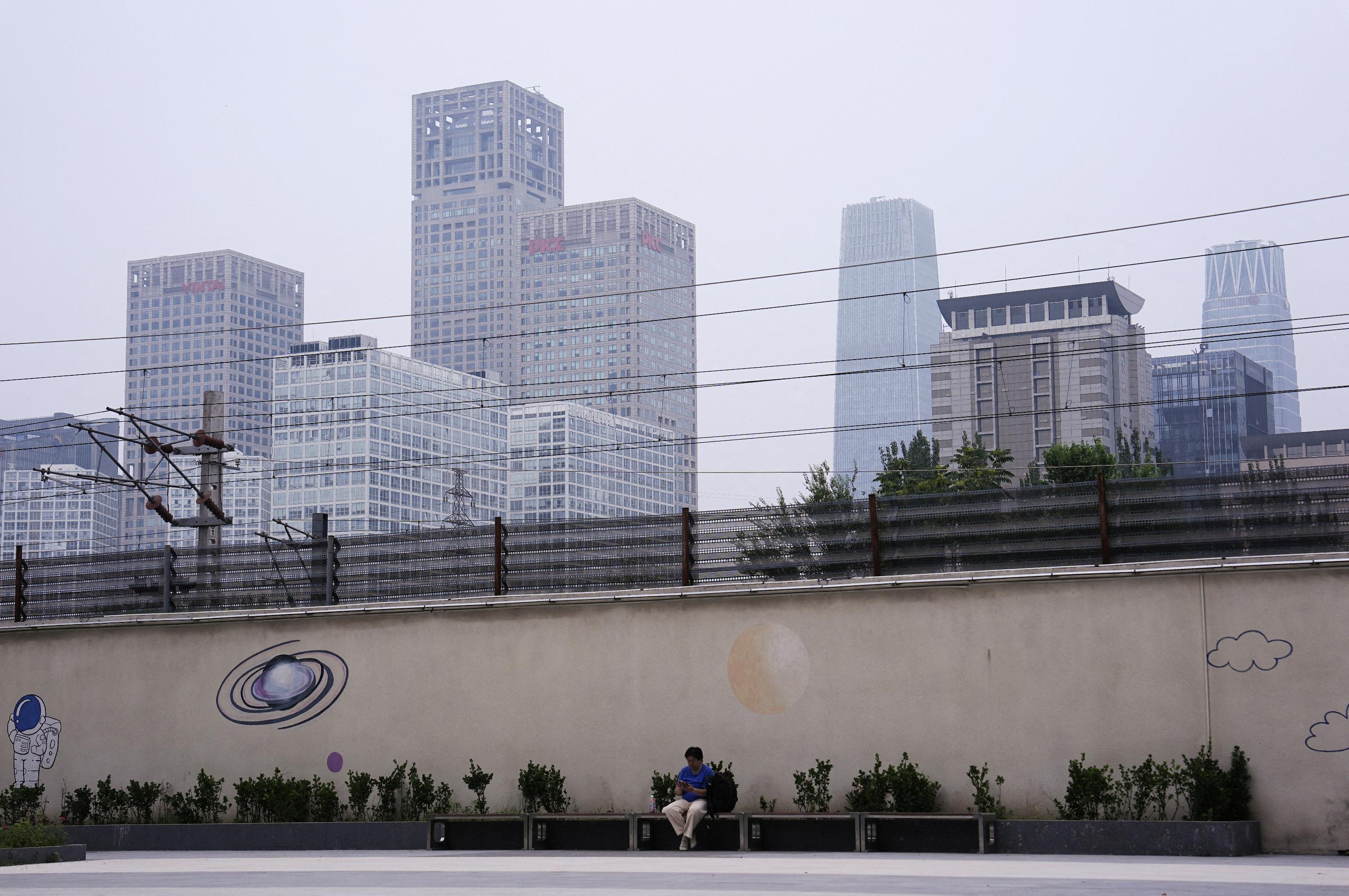
China's latest stimulus package in line with estimates Investors had wanted more after Trump's election win Chinese stocks to move on to price in Trump tariffs SHANGHAI/SINGAPORE, Nov 8 (Reuters) - Investors hoping China would announce extra fiscal buffers for an economy girding for another Donald Trump presidency were disappointed on Friday. China's top legislative body, the standing committee of the National People's Congress (NPC), did as was expected, approving bills to allow local governments to allocate 10 trillion yuan ($1.40 trillion) towards reducing off-balance sheet, or "hidden", debt. But investors had built their anticipation around the timing of the NPC and Trump's win just a couple of days earlier, and hence expectations of something special to pre-empt another round of fractious Sino-U.S. tensions and trade barriers. "I think markets are on the disappointed side as there were rumours that the policy could be larger if Trump won the U.S. election," said Lynn Song, ING's chief economist for Greater China. Reuters had reported last week authorities were considering a more than 10 trillion yuan ($1.4 trillion) plan to boost growth and help local governments address debt risks. After confirming that on Friday, Finance Minister Lan Foan signalled that more stimulus would come. Analysts say China needs to do more to support consumers as the world's second-largest economy tackles a property market downturn and weak confidence, and meet the Communist leadership's 5% growth goal. Donald Trump's return to the White House could bring fresh headwinds. Among other things, Trump has vowed to adopt blanket 60% tariffs on U.S. imports of Chinese goods. "It is going to disappoint the market because China needs more essentially," said UBP's Asia senior economist Carlos Casanova. Casanova said China needs a 23 trillion yuan package to resolve the local debt and property problems, which is about 15% of its economy, and is probably "going to hold back some of that fire power until they have a better idea of what President Trump is planning". Beijing has been ramping up efforts to boost the fragile economy. Since late September, it has rolled out interest rate cuts and property measures and kicked off an unprecedented 800 billion yuan ($111.60 billion) rescue package for the stock market. Stock prices rallied sharply in late September but have since lost momentum. The blue-chip CSI 300 Index (.CSI300) , opens new tab is still up 20% since then while the Hang Seng Index (.HSI) , opens new tab is down nearly 10% from an October peak. TURN TO TRUMP TRADE Investors who had been waiting to hear from the Standing Committee may also now move decisively to position for a second Trump presidency. So far, selling has been limited to exporters and even that has been relatively modest, with stock markets in Shanghai (.SSEC) , opens new tab and Hong Kong (.HSI) , opens new tab logging their best week in a month on Friday. Trump's threats of high tariffs seem so far to have been viewed as negotiable, and China's economy is seen as more insulated to trade restrictions than it was eight years ago. "We do think that China is in a good position to navigate tariff risk going forward, whatever may be proposed," said Robert St Clair, head of investment strategy at Fullerton Fund Management in Singapore, which is bullish on China's outlook. "There is a tension, but there is also an interdependence between China and the U.S.," he said. Some investors also see opportunity for China in a more inwardly focused U.S. administration. "Trump's America First policy is not just targeting China, but also the EU, Japan, South Korea, Taiwan and other allies, which could help China make breakthroughs against Western curbs," said Wan Chengshui, head of investment at Guangdong-based asset manager Golden Glede. ($1 = 7.1685 Chinese yuan renminbi) Sign up here. https://www.reuters.com/world/china/chinas-latest-stimulus-falls-short-expectations-2024-11-08/
2024-11-08 12:04
Nov 8 (Reuters) - U.S. solar company Suniva has started producing cells at its Georgia factory and is shipping them to customers, executives told Reuters, calling it a milestone in the effort to build a robust domestic solar supply chain. U.S. manufacturing of solar cells, which convert sunlight into electricity and are assembled into solar panels, had vanished for years due to competition from low priced imports, and Suniva is the first to resume commercial U.S. production of the silicon-based components. The company had filed for bankruptcy in 2017 but announced last year that it would restart its idled Norcross, Georgia factory thanks to incentives in President Joe Biden's landmark climate law, the Inflation Reduction Act. "It's an important step for the country," Suniva CEO Cristiano Amoruso said in an interview. "We've been big believers that to have a thriving U.S. solar supply chain, you have to go deeper and further than just module assembly." Biden's administration has sought to support the development of a complete U.S. solar supply chain to compete with China and shore up supplies needed to decarbonize the nation's power sector. President-elect Donald Trump has said he wants to repeal the IRA, but doing so would require an act of Congress and may face resistance from lawmakers in districts with new manufacturing plants. Suniva began producing test cells over the summer and started commercial production a few weeks ago, the company told Reuters. Heliene, a Canadian panel maker with a plant in Minnesota, has started receiving Suniva cells as part of a $400 million deal announced in March, both companies said. "Thanks to the ongoing reshoring of the solar industry's manufacturing sector, today Heliene has access to high quality US-made solar cells from Suniva," Heliene CEO Martin Pochtaruk said in a statement. There is strong demand for panels made with US-made cells because project builders can claim an additional 10% IRA tax credit for using domestic content. But development of cell capacity has lagged that of modules due to higher costs and competition from imports. There is more than 40 GW of operating U.S. module capacity, but less than 10 GW of cell capacity under construction, according to energy research firm Wood Mackenzie. Suniva did not say when it would reach full production capacity. It said last year that it aimed to produce about 1 gigawatt of cells per year, enough to power about 173,000 homes. Sign up here. https://www.reuters.com/business/energy/solar-manufacturer-suniva-resumes-production-american-made-cells-2024-11-08/

2024-11-08 11:53
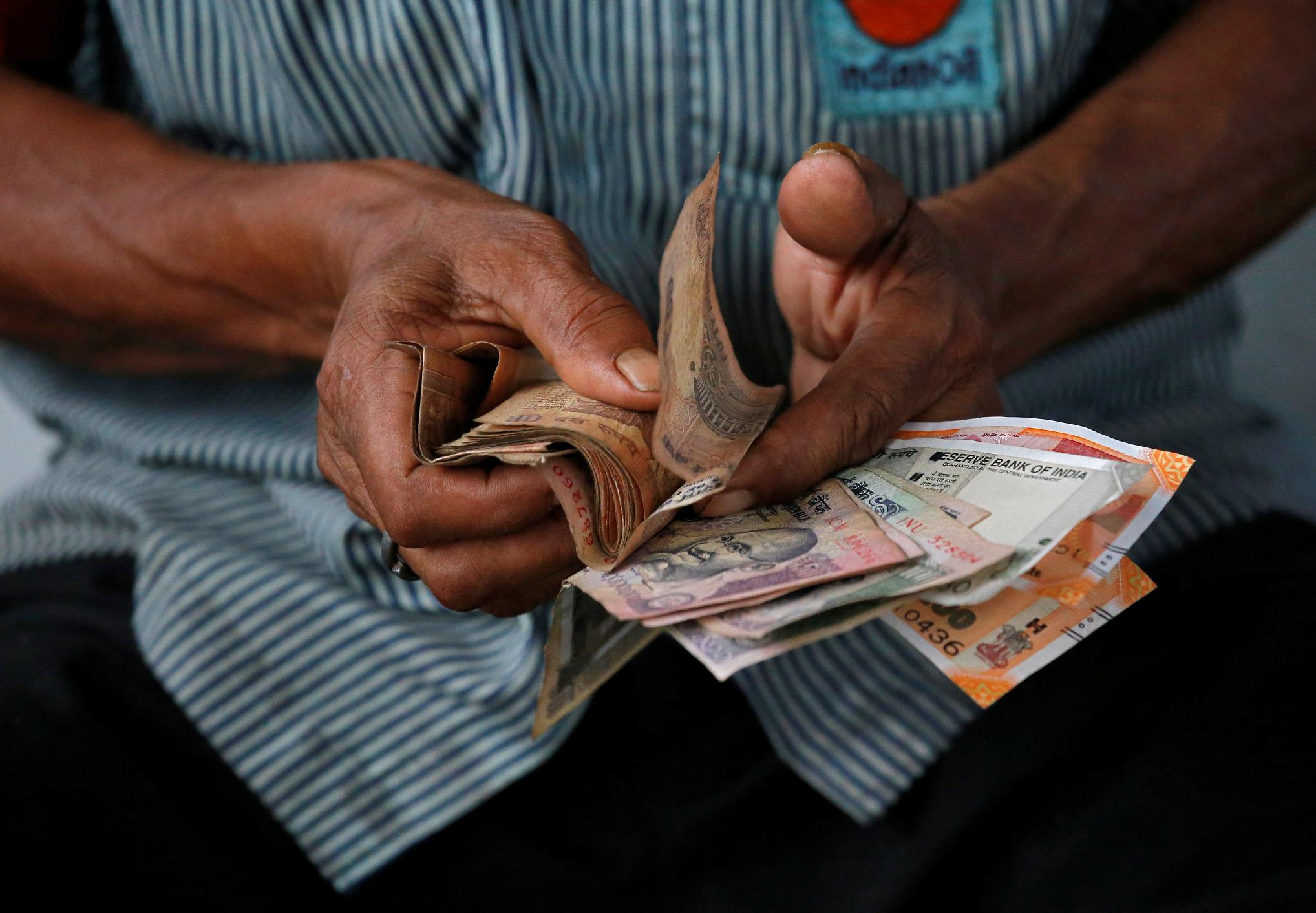
MUMBAI, Nov 8 (Reuters) - The Indian rupee weakened to a record low on Friday and logged its worst weekly fall since May, pressured by sustained outflows from local stocks and expectations of a stronger dollar after Donald Trump won the U.S. election. The rupee closed little changed at 84.3750 against the dollar, after declining to 84.38 late in the session, eclipsing its previous all-time low of 84.3775 hit on Thursday. State-run banks were spotted offering dollars through much of Friday, most likely on behalf of the Reserve Bank of India, which helped limit the currency's losses, traders said. Benchmark Indian equity indexes Nifty 50 (.NSEI) , opens new tab and BSE Sensex (.BSESN) , opens new tab ended down by 0.2% and 0.1%, resepectively and logged their fifth weekly fall in six. The Nifty is down 8.1% from its record high hit in late-September. Overseas investors have pulled out over $1.5 billion from Indian stocks over November so far, adding to the $11 billion of outflows in October. Meanwhile, Donald Trump's victory in the U.S. election earlier in the week boosted the dollar and U.S. bond yields, hurting most emerging market currencies. The dollar index touched a four-month high on Wednesday, but eventually pared gains. It was last quoted at 104.5, up 0.1% on the day, while Asian FX were mostly weaker, with the offshore Chinese yuan down 0.2% at 7.1689. The RBI may defend 84.50 in the near term, but the rupee is expected to continue declining gradually given expectations of dollar strength, said Abhilash Koikkara, head of forex and rates at Nuvama Professional Clients Group. Meanwhile, dollar-rupee forward premiums declined, with the 1-year implied yield down 3 basis points at 2.19%, on broad-based interbank and exporter receiving interest. Sign up here. https://www.reuters.com/markets/currencies/rupee-weakens-record-low-logs-worst-week-five-months-2024-11-08/
2024-11-08 11:41
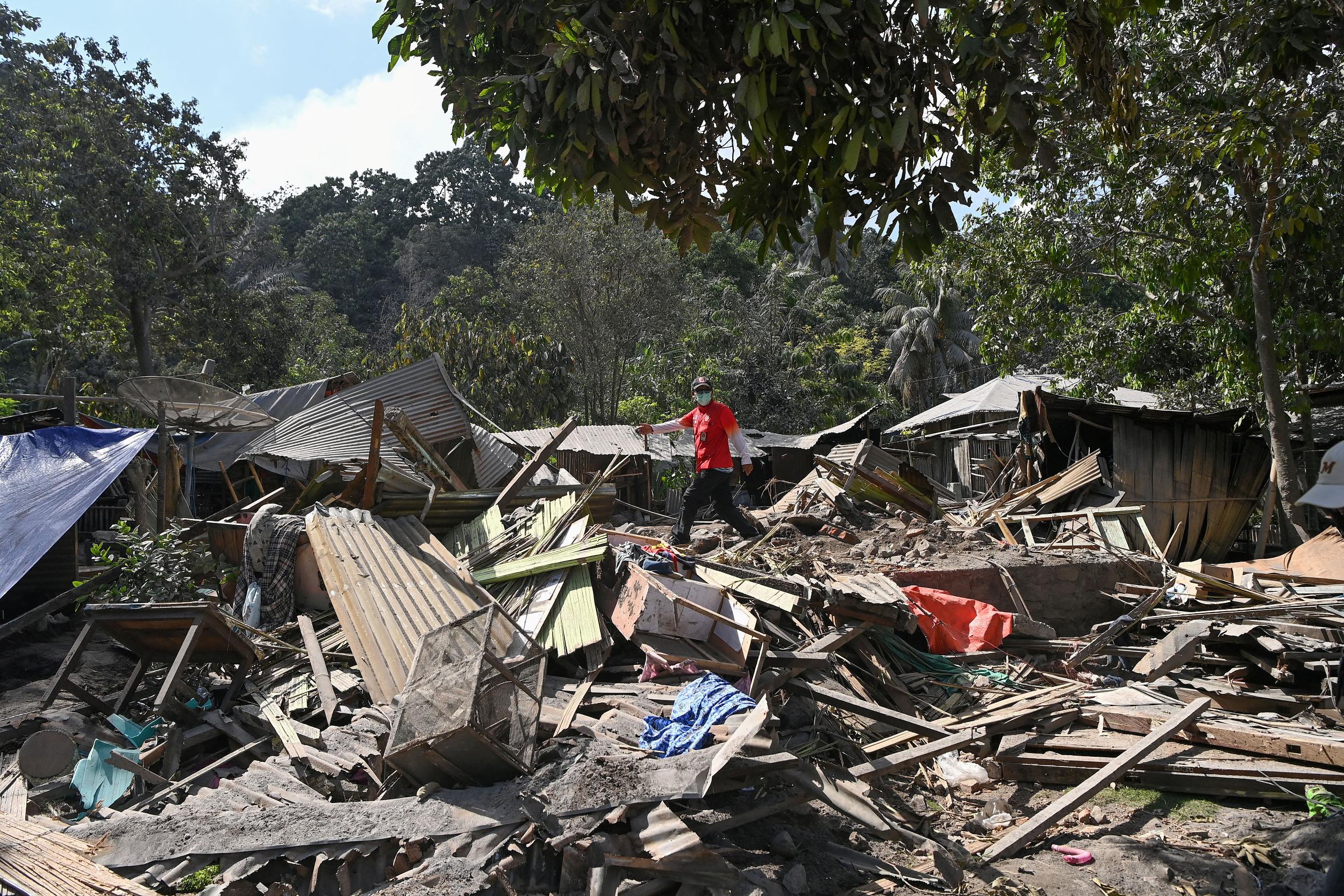
JAKARTA, Nov 8 (Reuters) - Indonesia's Mount Lewotobi Laki-laki erupted several times on Friday, belching volcanic ash that rose up to 10 km (32,800 ft) into the sky, officials said, following a big eruption on Sunday night that killed nine people. The eruption on the island of Flores in the province of East Nusa Tenggara has damaged more than 2,000 houses and caused thousands to evacuate. Abdul Muhari, spokesperson for the country's disaster mitigation agency, said the eruptions were "pretty significant" due to ash rains and sand-falls that reached far into the surrounding areas. Hadi Wijaya, chief of Indonesia's volcanology agency, said one eruption on Friday produced a towering ash column that reached eight km to 10 km high, adding volcanic matter and hot gas travelled across all directions from the volcano. Friday's eruption produced the highest column since the first eruption on Sunday, Abdul said. About 6,000 of the more than 16,000 people living in areas nearest the volcano had been evacuated to other villages, said Heronimus Lamawuran, a Flores government official. Abdul said supplies of food and masks for evacuees in several evacuation spots are enough and the situation is under control. Indonesia sits on the Pacific "Ring of Fire", an area of high seismic activity atop various tectonic plates. Sign up here. https://www.reuters.com/world/asia-pacific/indonesian-volcano-spews-ash-10-km-high-thousands-evacuate-2024-11-08/
2024-11-08 11:39
SANTIAGO, Nov 8 (Reuters) - Chile's state-run copper giant increased production by 5.2.% year-on-year in September for a total of 123,100 metric tons, the country's copper commission Cochilco said on Friday. Production at BHP's (BHP.AX) , opens new tab Escondida mine, the world's largest copper mine, dropped 5.4% to 101,500 tons while Collahuasi, another major copper mine jointly run by Glencore (GLEN.L) , opens new tab and Anglo American (AAL.L) , opens new tab, jumped 14% to 51,400. Codelco has been struggling to lift its output in 2024 after registering a 25-year-low in 2023, largely due to a number of accidents and management missteps. In July, it was revealed that the company was behind target to meet its 2024 production goals, but Codelco's Chairman Maximo Pacheco said its production would pick up in the second half of the year. On Thursday, Pacheco said that October was the company's best month so far and it was able to exceed its target for that month. Sign up here. https://www.reuters.com/markets/commodities/chiles-codelco-copper-production-rises-september-escondida-dips-2024-11-08/