2024-11-08 06:02
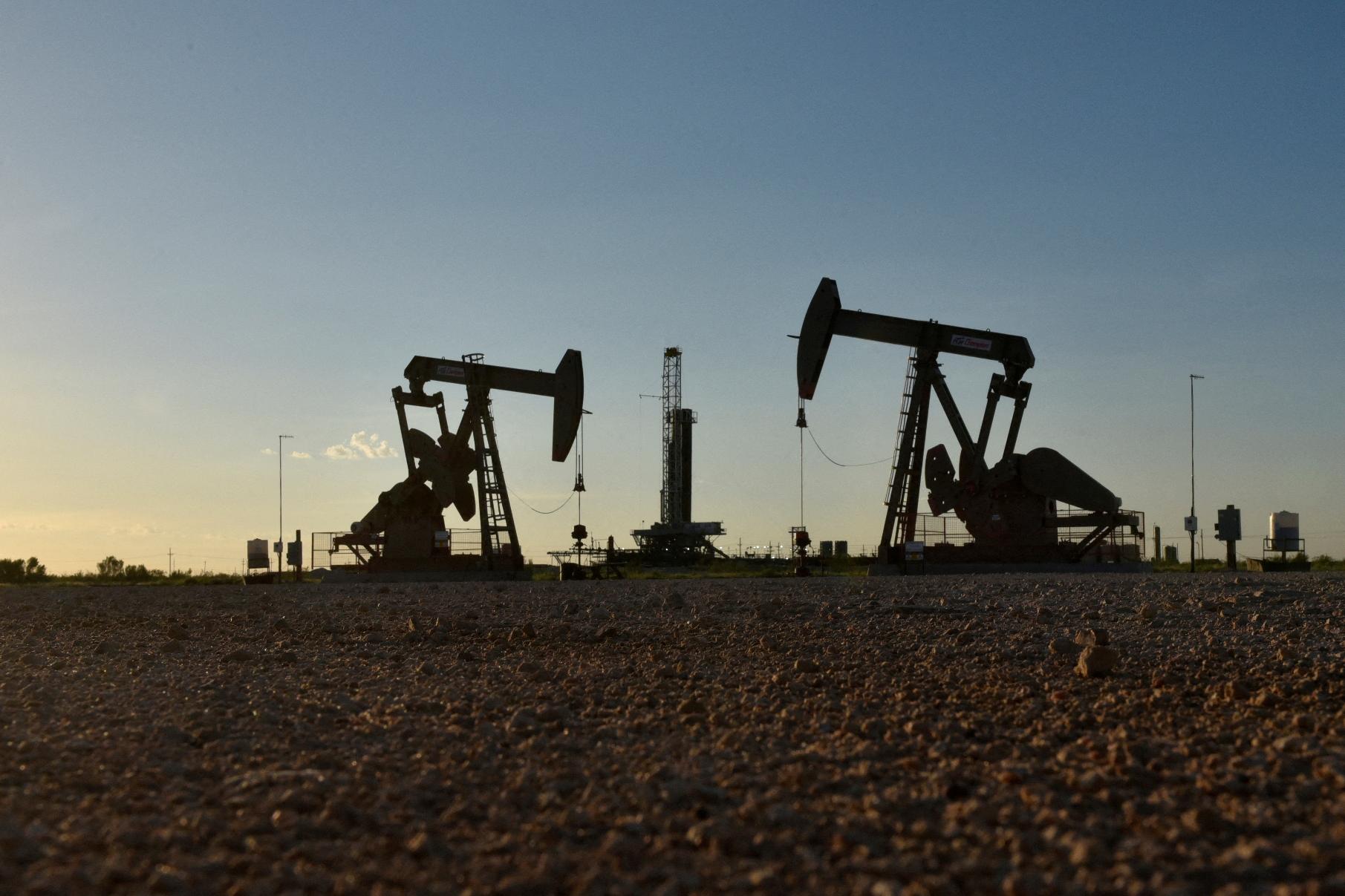
LITTLETON, Colorado, Nov 8 (Reuters) - Oil and gas producers in the United States expect to find it easier to ramp up production and exploration under the incoming second administration of Donald Trump. Finding local and lucrative markets for their wares may be the bigger challenge. Producers expect the new administration to streamline permit processes relating to fossil fuel extraction and distribution that should result in a climb in U.S. oil and natural gas output, which is already at record highs. That bodes well for firms that export liquefied natural gas, crude oil and refined fuels and will likely encourage further growth in U.S. export capacity of those products. However, energy exporters also run the risk of getting caught in trade-related crossfire should Trump's plan to impose steep tariffs on a slew of imported goods trigger retaliatory responses in consumer markets. EUROPEAN TARGET European nations are particularly likely to be targeted with tariffs by the incoming administration as the long-standing U.S. trade deficit with Europe - around $240 billion annually - is a major irritant for Trump allies. President-elect Trump said last month that Europe would "pay a big price" for not buying enough American exports and has threatened to impose blanket tariffs on European goods. However, Europe is also the single largest market for both U.S. LNG and crude oil exports, accounting for 49% of all U.S. LNG shipments and 47% of U.S. crude exports this year, according to ship-tracking data from Kpler. Since Russia's invasion of Ukraine in 2022, Europe has had to import record volumes of fuels and oil from other suppliers, and the U.S. has been the main beneficiary by shipping out record volumes of those commodities. In 2023, U.S. LNG export revenue was over $30 billion and two-thirds of all U.S. LNG shipments went to Europe, according to the U.S. Energy Information Administration and Kpler. The U.S. exported around $10 billion of crude oil in 2023, with just under half sent to Europe, EIA data showed. BIG MONEY Those U.S. LNG and oil shipments have resulted in a profit boom for U.S. exporters and valuable tax revenue for the U.S. Treasury which the next administration will want to protect. However, the high price tag of energy imports has also hurt European consumers and is accelerating Europe's energy transition away from fossil fuels. A slowdown in economic activity has also curbed industrial gas use and power consumption and has triggered a more than 20% drop in Europe's LNG imports over the first 10 months of 2024 from the same period of 2023. Europe's imports of U.S. crude oil have climbed to a record so far in 2024 but the continent's overall crude imports have contracted by around 1%, showed data from Kpler. This indicates that European energy product importers have scope to reduce purchases of U.S. LNG and crude as overall gas use remains stunted while crude supplies from alternative sellers are abundant. IN THE CROSSHAIRS? European policymakers are already planning responses to Trump's intended tariff impositions, wary of a potential deterioration in economic ties with a key trade partner while embroiled in a trade spat with China. Trade experts in Brussels - home to the European Union's policy arm - will want to avert any further souring in the region's economy and will likely seek to maintain strong ties with the U.S. during Trump's next term. However, they will not shy away from proposing tariff measures of their own during negotiations, if only to avert being steam-rolled by blanket tariff threats from the U.S. U.S. energy products are likely to be an attractive option for retaliatory tariffs as Europe can readily source LNG and oil from other keen sellers and thereby hurt U.S. suppliers without harming their own consumers. U.S. RISK On paper, U.S. energy product exporters could redirect cargoes to other buyers if Europe somehow becomes shut off during a trade scuffle. But in reality, the loss of European buyers would be a heavy blow to U.S. firms, especially LNG exporters. All current U.S. LNG export terminals are located on either the East Coast or in the U.S. Gulf and so are better situated to service a Pan-Atlantic trade route than across the Pacific to buyers in Asia. The U.S. to Europe journey is also only a fraction of the distance and time to major buyers in Asia. The roughly 12-day trip from Cove Point LNG terminal in Maryland to Wilhelmshaven in Germany - a major European LNG import hub - is a third of the time of the trip to Guangdong in China, the world's largest LNG buyer. Longer journeys mean longer turnaround times for LNG sellers, who need speedy vessel turnover to maximise revenue. So while U.S. sellers could feasibly maintain total export volumes by redirecting cargoes if Europe became off limits, they would most likely incur sharply higher shipping costs and longer return times if they had to go to Asia instead. Crude sellers would face similar woes if European buyers also opted for other sellers as global oil consumers are already well served by exporters from the Middle East and elsewhere. This means that while U.S. energy exporters can expect to boost output volumes under the next administration, they also face a growing risk of a trade skirmish with key European buyers that may make selling those extra volumes a challenge. Sign up here. https://www.reuters.com/business/energy/trump-led-oil-gas-export-boom-may-go-bust-europe-trade-spat-maguire-2024-11-08/
2024-11-08 05:35
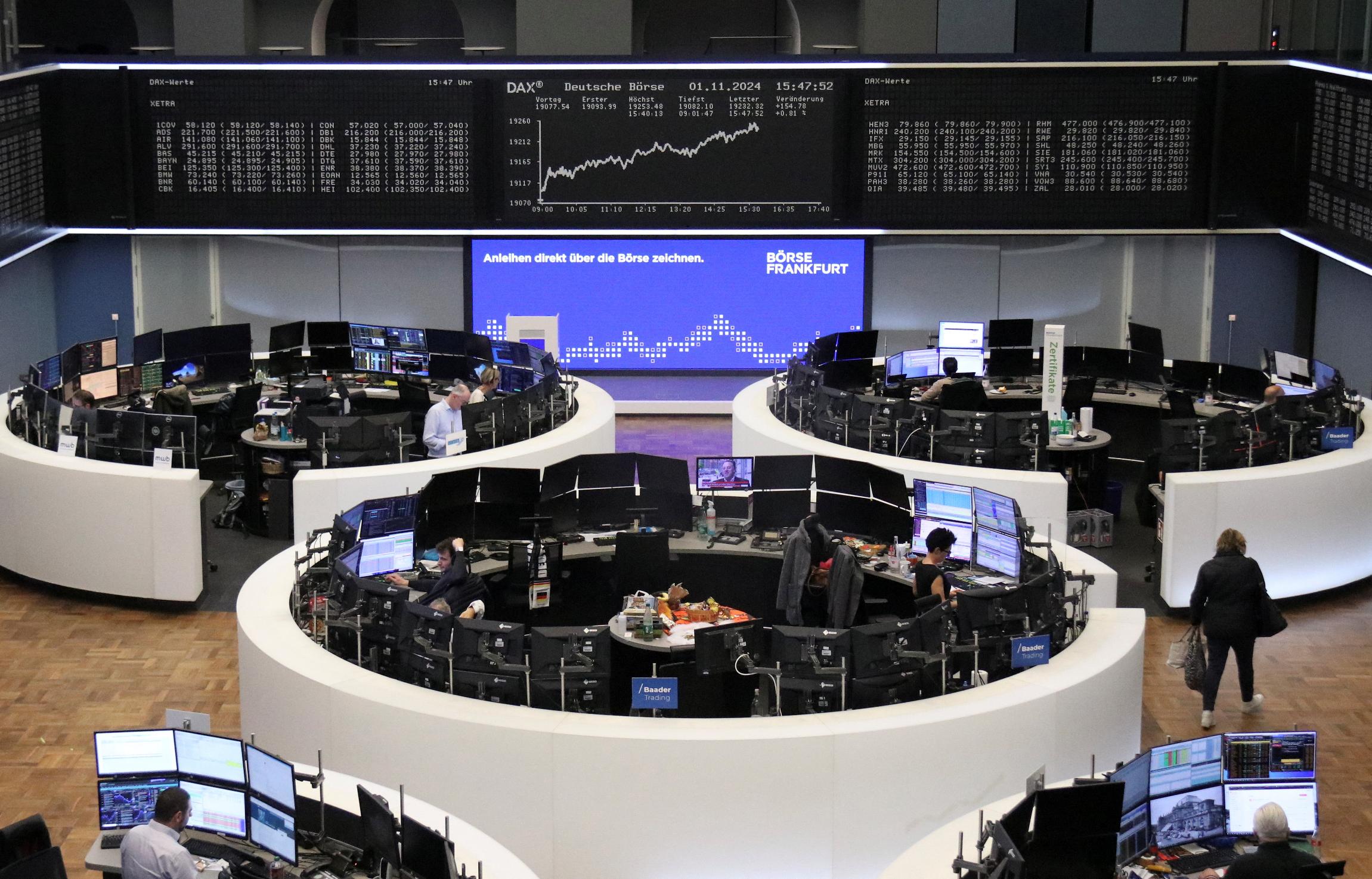
A look at the day ahead in European and global markets from Friday The prospects for both big fiscal spending and continued monetary easing in the world's biggest economy make for a powerful cocktail, emboldening global stocks to end on a high note after a wild week. Wall Street goes into Friday at record peaks, helping to pull MSCI's gauge of global equities to an all-time high with a 3.3% weekly advance. Even a market you might expect to be languishing under the weight of Donald Trump's proposed tariffs - China - is doing nothing of the sort. Chinese blue chips are up close to 6% this week, with more than half of that coming on Thursday, perhaps on expectations of a Beijing stimulus bazooka to counter the impact of any trade war. But markets have repeatedly been let down in recent weeks after bubbling up in anticipation of bold Chinese stimulus measures. The Standing Committee of China's National People's Congress wraps up its week-long session in the Beijing evening with a news conference that could pump up - or pop - expectations. Stock futures are pointing about 0.2% higher for Britain's FTSE and Germany's DAX right now, but Europe faces challenges, not least from the threat of blanket tariffs under Trump. The FTSE has sagged this week, particularly on Thursday after the Bank of England signalled the risk of higher inflation, slowing the likely pace of interest rate cuts. Germany looks closer to a snap election, after Chancellor Olaf Scholz's approach to the leader of the opposition conservatives, Friedrich Merz, was not only rebuffed, but had Merz calling for an immediate vote of no confidence. Scholz's awkward three-way coalition fell apart on Wednesday after he sacked finance minister Christian Lindner of the fiscally conservative Free Democrats at the culmination of long-running budget disputes. Any signs of resolution would be welcomed by investors, who sent one measure of debt risk to a record level on Thursday. Key developments that could influence markets on Friday: - China NPC Standing Committee readout - Italy, Sweden industrial production (both Sep) - Greece CPI (Oct) Sign up here. https://www.reuters.com/markets/europe/global-markets-view-europe-2024-11-08/
2024-11-08 05:24
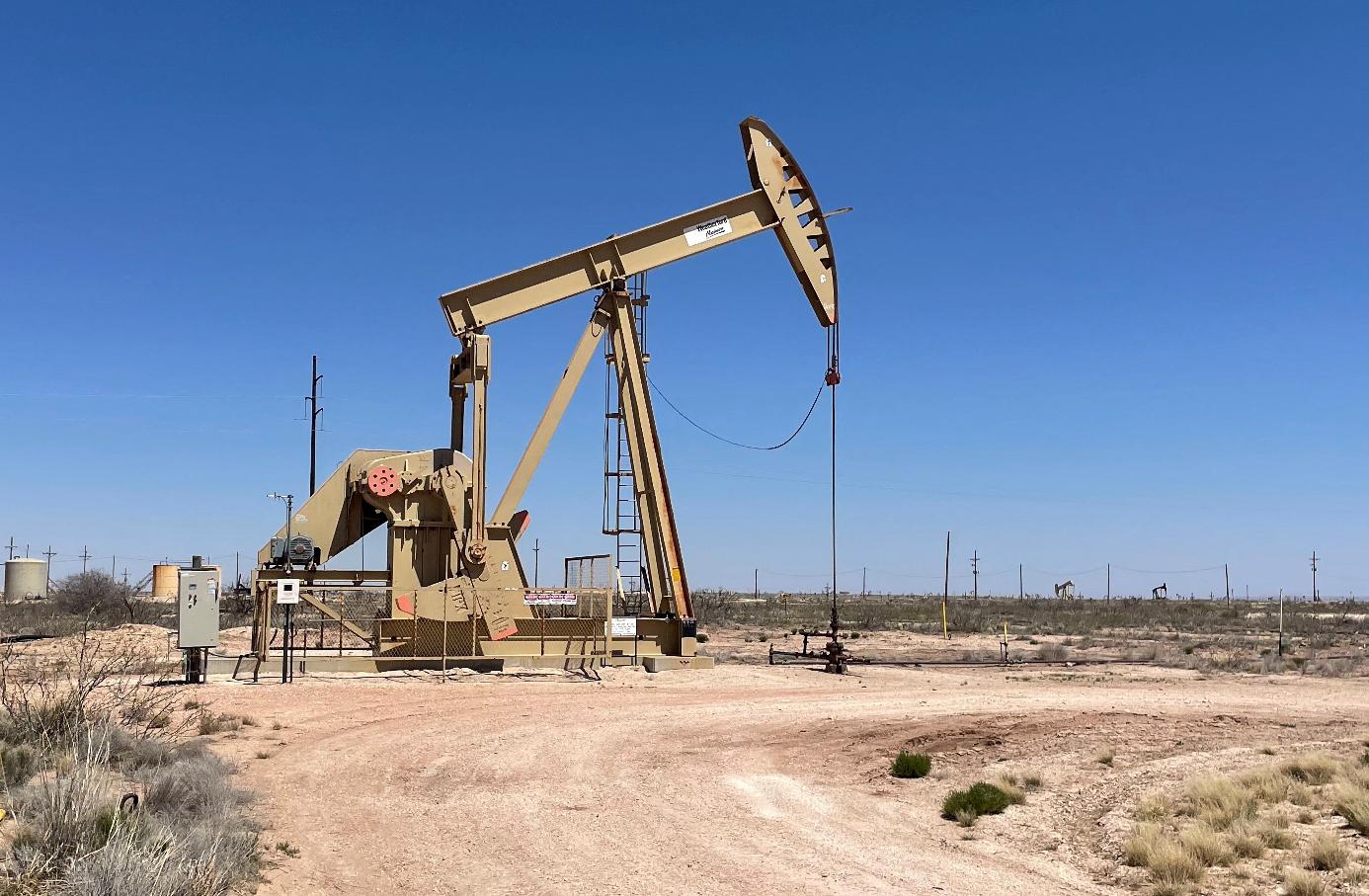
WTI settles 2.7% lower, as hurricane risk recedes; Brent falls 2.3% Over 23% of US Gulf of Mexico oil output shut in as of Friday China stimulus deemed insufficient to support oil demand On weekly basis, oil gained 1% on Trump victory in U.S. election NEW YORK, Nov 8 (Reuters) - Oil prices settled more than 2% lower on Friday as traders grew less fearful of prolonged supply disruptions from a hurricane in the U.S. Gulf of Mexico, while China's latest economic-stimulus packages failed to impress some oil traders. U.S. West Texas Intermediate futures led the decline and settled at 70.35 per barrel, down by 2.7%, or $1.98. Global benchmark Brent crude futures fell by 2.3%, or $1.76, to$73.87 per barrel. Energy producers shut in more than 23% of oil output in the U.S. Gulf of Mexico by Friday to brace against Hurricane Rafael. However, the latest forecasts on trajectory and intensity reduced the risks Rafael poses to oil production. "Threats of supply outages due to Hurricane Rafael are subsiding as the storms shifts to circling in the center of the Gulf of Mexico for the next five days or so," Alex Hodes, analyst at brokerage firm StoneX told clients in a note. The storm, which left a trail of destruction in Cuba this week, had weakened to a Category 2 hurricane on Friday, according to the U.S. National Hurricane Center's latest advisory. Meanwhile, top oil importer China's latest round of fiscal support disappointed oil investors. Chinese authorities announced a package easing debt-repayment strains for local governments, but those measures do little to directly target demand, UBS analyst Giovanni Staunovo said. "I guess some market participants were hoping for more stimulus measures coming from China," he said. "Hence, the disappointment weighing on prices earlier today." Deflationary pressures on the Chinese economy have been a heavy drag on oil prices this year, with customs data showing a sixth consecutive month of year-over-year declines in the country's crude oil imports for October. Despite Friday's losses, oil prices gained more than 1% week-over-week, drawing support from expectations of tighter sanctions on Iran and Venezuela by U.S. President-elect Donald Trump, which could cut oil supply to global markets. The U.S. Federal Reserve's decision to cut interest rates by a quarter percentage point on Thursday could also helped lift oil prices by more than 1% in the previous session. Sign up here. https://www.reuters.com/markets/commodities/oil-prices-fall-hurricane-rafael-expected-start-weakening-2024-11-08/
2024-11-08 05:09
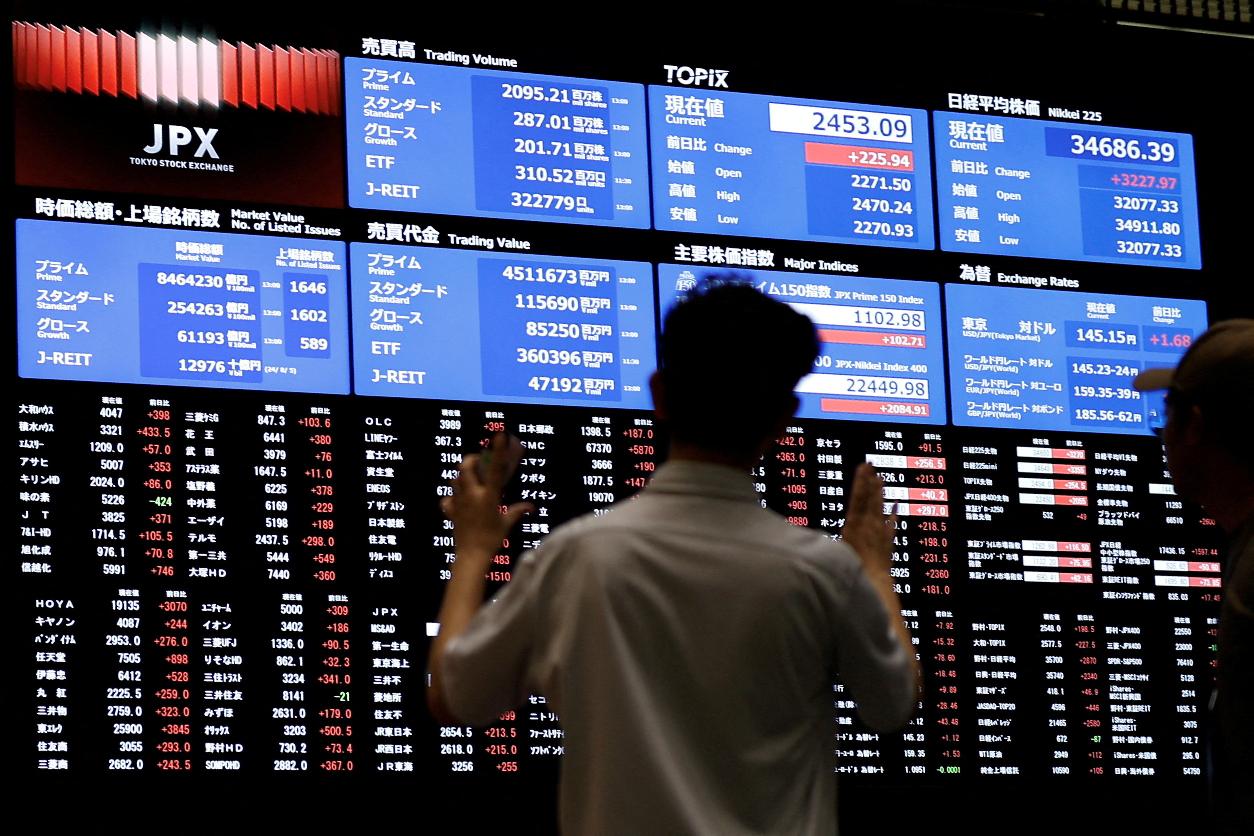
Nov 8 (Reuters) - Japanese investors aggressively divested their foreign asset holdings in the week to Nov. 2 on caution ahead of the U.S. presidential election, while the recent downtrend in the yen also prompted them to lock in profits. According to Ministry of Finance data, Japanese investors withdrew a robust 4.46 trillion yen ($29.22 billion) and 1.17 trillion yen respectively from foreign long-term bonds and equities, registering a fourth consecutive week of net sales in both segments. Republican Donald Trump was elected U.S. president on Tuesday with unexpectedly strong support. Betting markets had favoured a Trump win before the outcome was announced, but polls said it would be a close contest. A sharp decline in the yen so far in the fourth quarter, also prompted Japanese investors to lock in profits. Japanese investors acquired about 2.02 trillion yen of foreign stocks and 5.11 trillion yen of long-term bonds in the September quarter as the yen rallied about 11.98% against the dollar during that period. The yen has so far shed about 6.14% this quarter, creating profit-taking opportunities abroad. Concurrently, Japanese stocks gained about 139.4 billion yen of foreign inflows during the week in a sixth successive week of net purchases. Foreigners, however, sold a net 42.6 billion yen of long-term Japanese bonds last week following 277.9 billion yen of net purchases a week earlier. Japanese short-term bills, meanwhile, gained 23.3 billion yen of foreign inflows. ($1 = 152.6400 yen) Sign up here. https://www.reuters.com/markets/asia/japanese-investors-were-big-sellers-foreign-assets-before-us-election-2024-11-08/
2024-11-08 03:34
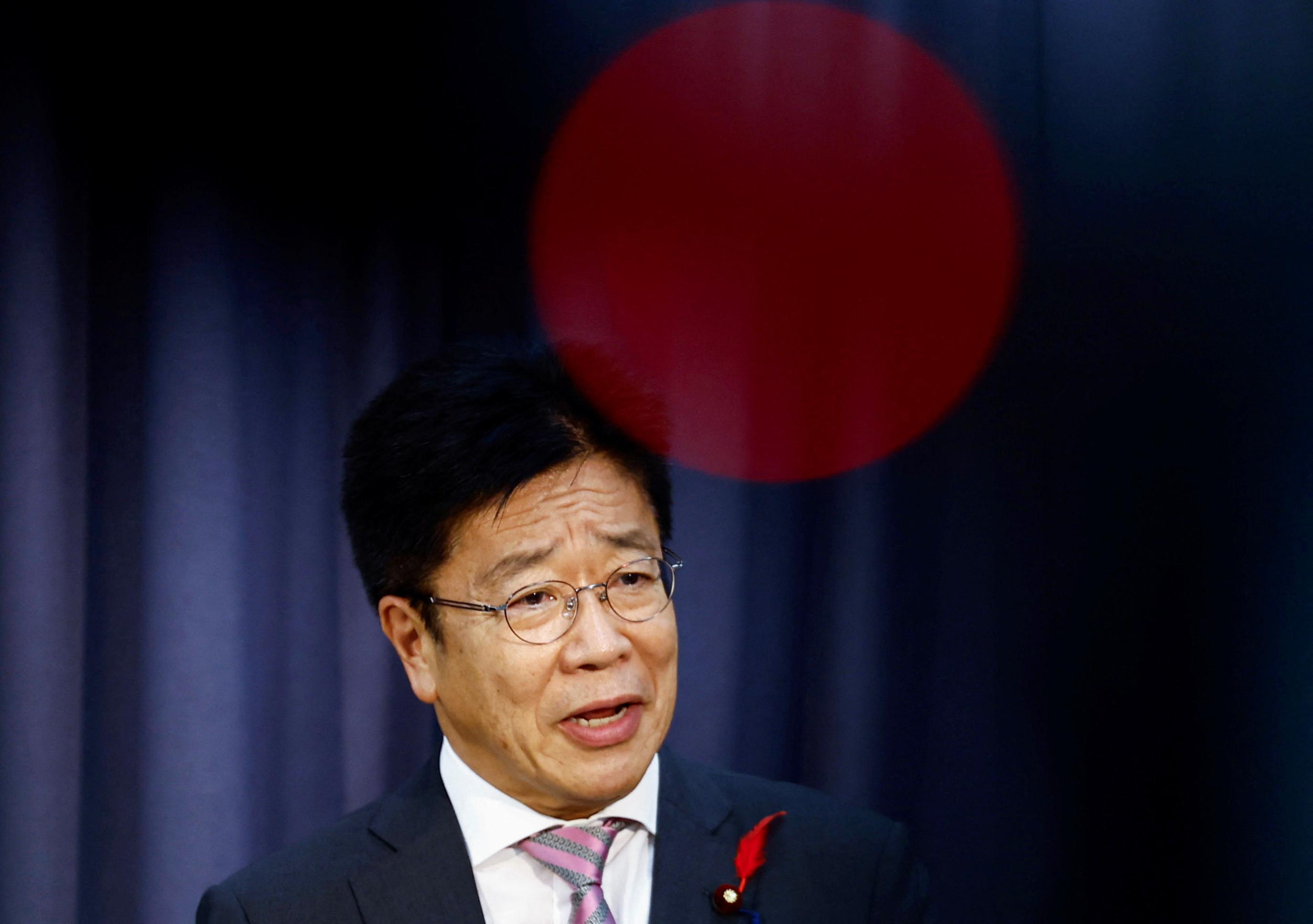
TOKYO, Nov 8 (Reuters) - Japanese authorities would take appropriate steps against excess moves in the foreign exchange market, Finance Minister Katsunobu Kato said on Friday, amid expectations that a Donald Trump U.S. presidency could boost the dollar and drive the yen down lower. "We are recently seeing one-sided and drastic moves on the currency market," Kato told a regular news conference. "We will closely monitor currency moves, including those driven by speculators, with utmost sense of urgency and will take appropriate actions against excess moves," he said. Kato's comments were mostly in line with those by top currency diplomat Atsushi Mimura the day earlier, which represented the government's strongest warning against speculative currency moves in recent months. On Trump's election victory, Kato said Japan will closely monitor its impact on the Japanese economy and finance that can be made through various channels in light of close economic ties between the two countries. The yen was hovering close to the 153 per dollar level on Friday morning. Sign up here. https://www.reuters.com/markets/currencies/japan-respond-appropriately-excess-fx-moves-finance-minister-says-2024-11-08/
2024-11-08 03:27
Bullion down 1.8% for the week Fed cuts interest rate by 25 bps on Thursday Election results to have no "near-term" impact on monetary policy, Powell says Silver, platinum and palladium log weekly declines Nov 8 (Reuters) - Gold prices dropped on Friday, logging their steepest weekly decline in over five months, pressured by a stronger dollar and as markets absorbed the implications of Donald Trump's victory and its potential impact on U.S. interest rate expectations. Spot gold fell 0.8% to $2,684.03 per ounce as of 01:40 p.m. ET (1840 GMT) and posted a 1.8% weekly decline. U.S. gold futures settled 0.4% lower at $2,694.80. The dollar index (.DXY) , opens new tab gained 0.6%, marking a weekly gain. "In the last month, the story has been the uncertainty risk of the election and if there was going to be normalisation of transition, but this election appeared to be very decisive on the White House," said Alex Ebkarian, chief operating officer at Allegiance Gold. "A lot of risk-on assets started benefiting in terms of the potential future implication of policies, so we had money go out of metals into these alternatives." The Federal Reserve on Thursday cut interest rates by 25 basis points, but indicated a cautious approach to further cuts. Trump's victory has fuelled questions about whether the Fed may proceed to cut rates at a slower and smaller pace, given the former president's tariff policy. However, Fed Chair Jerome Powell said the election results would have no "near-term" impact on monetary policy. The prospect of rate cuts, starting with the half basis point reduction in September, has underpinned gold's record rally this year. Although bullion is reputed as a hedge against inflation, higher interest rates reduce non-yielding gold's appeal. "Should markets restore the odds for a pre-Christmas Fed rate cut... that should help keep spot gold above the psychological $2700 level," Exinity Group Chief Market Analyst Han Tan said. On the physical front, gold demand in India faltered, while Japan and Singapore saw some buying. Spot silver fell 2.4% to $31.22 per ounce, platinum fell 2.9% to $968.04, palladium shed 3.5% to $988.80. All three metals posted weekly declines. Sign up here. https://www.reuters.com/markets/commodities/gold-ticks-lower-holds-near-key-2700-level-2024-11-08/