2026-02-09 06:50
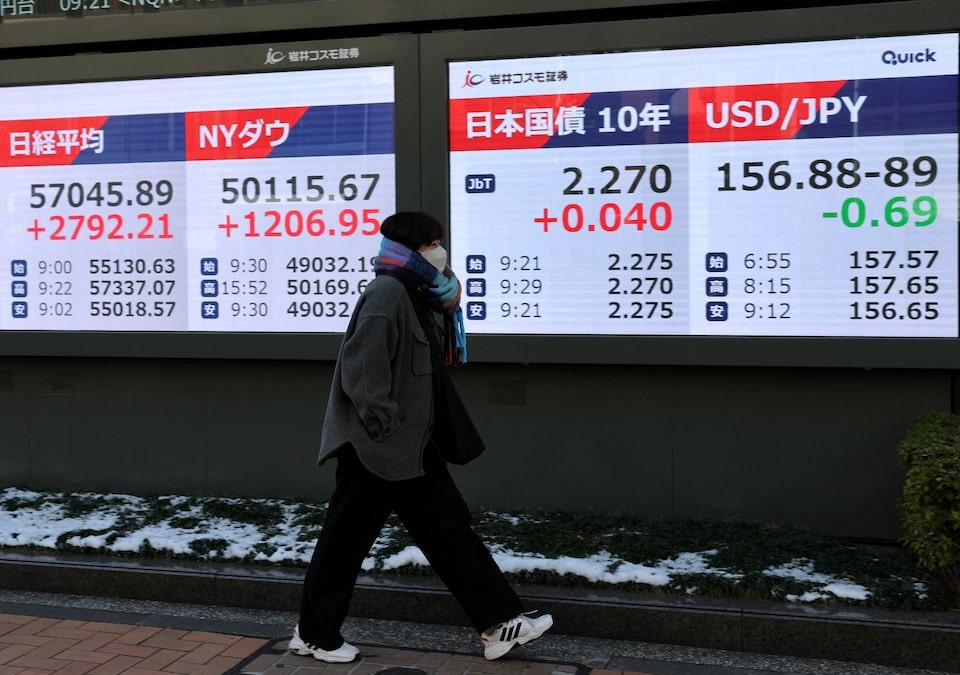
JOHANNESBURG, Feb 9 (Reuters) - The South African rand began the new week firmer in early trade on Monday, boosted mainly by stronger yellow precious metal prices. At 0638 GMT, the rand traded at 15.97 against the dollar , roughly up 0.5% on Friday's close. Sign up here. "Gold and platinum prices have recovered from their lows, offering some comfort that the ZAR would enjoy some renewed commodity price benefits through the week ahead," said ETM Analytics in a research note. The U.S. dollar last traded 0.2% weaker against a basket of currencies. Gold, a key South African export, traded just above the $5,000-per-ounce level as investors awaited key jobs and inflation data due later in the week to gauge U.S. interest rate trajectory. The domestic calendar this week features an annual mining conference in Cape Town from February 9-12, which will bring together some of the world's top mining investors and government officials to discuss the industry's outlook. South Africa's statistics agency will publish December mining and manufacturing figures on Thursday. "For now, South Africa's terms of trade remain favourable, and the outlook for the ZAR is similarly favourable, especially if foreign investors continue to position for a reduced risk profile," said ETM Analytics. South Africa's benchmark 2035 government bond was stronger in early deals, as the yield fell 2 basis points to 8.035%. https://www.reuters.com/world/africa/south-african-rand-starts-week-firmer-gold-rebounds-2026-02-09/
2026-02-09 06:37
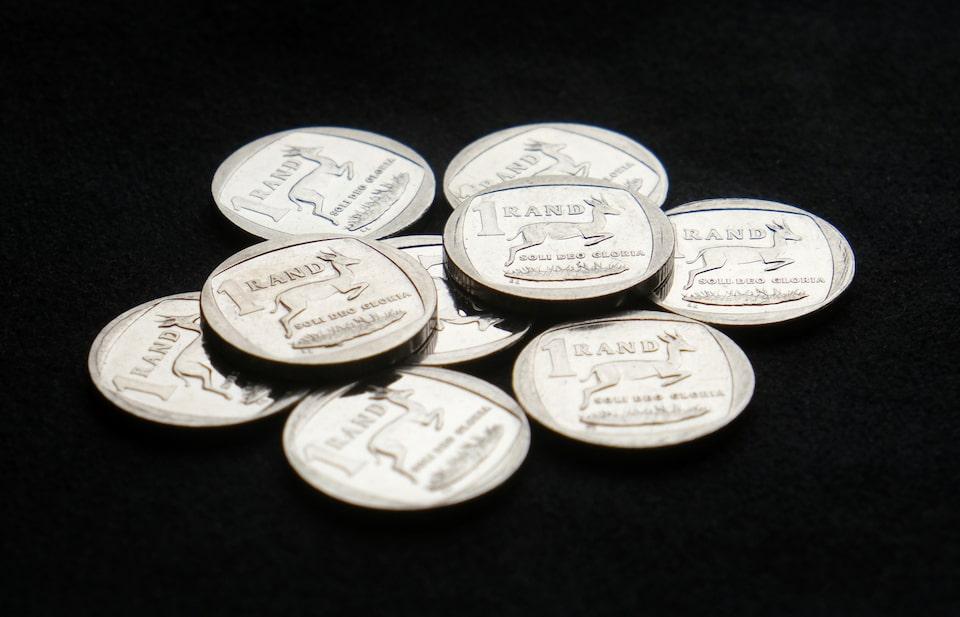
Japan has $1.4 trillion currency reserves, mostly held in U.S. Treasuries PM Takaichi notes recent yen weakness has boosted surplus from reserves Opposition lawmaker says size of reserves too excessive Analysts caution against using FX reserves to fund spending TOKYO, Feb 9 (Reuters) - Japan's massive foreign currency reserves, a priority war-chest for future yen interventions, have come under renewed scrutiny as Prime Minister Sanae Takaichi scours for funding to bankroll a controversial plan to suspend a consumption tax after her landslide election win. The focus on the $1.4 trillion stockpile, far larger than the annual state budget, underscores intense pressure on Tokyo to identify alternative funding sources for an estimated 5 trillion yen ($31.99 billion) annual revenue shortfall, a prospect that has unsettled financial markets. Sign up here. Following Sunday's decisive election victory, Takaichi pledged to speed up deliberation on suspending the 8% tax on food sales for two years without issuing new debt, saying details would need to be discussed with other parties. Some government officials, who spoke on condition of anonymity due to the sensitivity of the matter, say Takaichi may look to tap the surplus from the reserves after she noted in her campaign speech that Japan's foreign reserves were a major beneficiary of the weak yen and "performing very well." Asked about the possibility, Finance Minister Satsuki Katayama said in a television interview that it was conceivable that the large surplus could be put to use. "However, this touches on the issue of foreign-exchange intervention. From the standpoint of national interest, it is not desirable to disclose all the details of what is available," she added. Takaichi's tax-cut plans and expansionary fiscal agenda sent Japanese markets into a tailspin last month, with bond yields surging to record highs on concerns over the government's ability to fund the extra spending in a nation with the heaviest debt burden in the developed world. FISCAL MACHINE SHOULD NOT RELY ON FX RESERVES In the last fiscal year, Japan posted a record surplus of 5.4 trillion yen from a special government account for currency reserves, reflecting income from U.S. Treasuries accumulated during past bouts of dollar-buying intervention. Assets in the account, invested mainly in Treasuries, are funded through yen-denominated financing bills, with interest costs more than offset by returns thanks to the wide U.S.-Japan interest rate differential. There are precedents for diverting surplus to fund flagship policies. While budget rules require at least 30% of annual surplus to be retained in the account as a buffer against future losses, that requirement has at times been relaxed, allowing the entire amount to be transferred to the general account. "Currency reserves have at times been used for political purposes," one government official said. Saisuke Sakai, senior economist at Mizuho Research & Technologies, said: "Foreign currency reserves are, at their core, a safety mechanism to ensure currency stability." "Income generated from the reserves is certainly important, but it should not be relied on excessively as a permanent funding source as it fluctuates with markets and interest rates," he said. With any additional surplus likely to be small relative to the revenue shortfall, the largest opposition party is calling for more radical measures, proposing to fold Japan's foreign currency reserves and the central bank's ETF holdings into a sovereign wealth fund in search of higher returns. "The size of the reserves may be a bit excessive in light of the purpose of ensuring currency stability," opposition lawmaker Isamu Ueda told Reuters. "While U.S. Treasuries are extremely stable assets and do offer a certain level of return, I believe it would be possible to pursue a somewhat more proactive investment approach - without necessarily taking on significantly higher risk," he added. Several government officials privately dismiss the idea as unrealistic, with one noting that large-scale sales of Treasuries could irritate Washington at a time when the U.S. bond market remains sensitive. Japan is the largest holder of U.S. debt. "Some worry that Japan could be unable to intervene to curb yen weakness if its foreign currency reserves are insufficient," Hiroshi Watanabe, a former vice finance minister for international affairs, said in a recent interview. Fred Neumann, chief Asia economist at HSBC in Hong Kong, concurred, saying "it would be risky to sell reserves primarily for fiscal purposes, and not for exchange rate management, as this would lower available reserves for possible future intervention." ($1 = 156.2900 yen) https://www.reuters.com/world/asia-pacific/japans-14-trillion-fx-reserves-under-scrutiny-takaichi-hunts-revenue-sources-2026-02-09/
2026-02-09 06:12
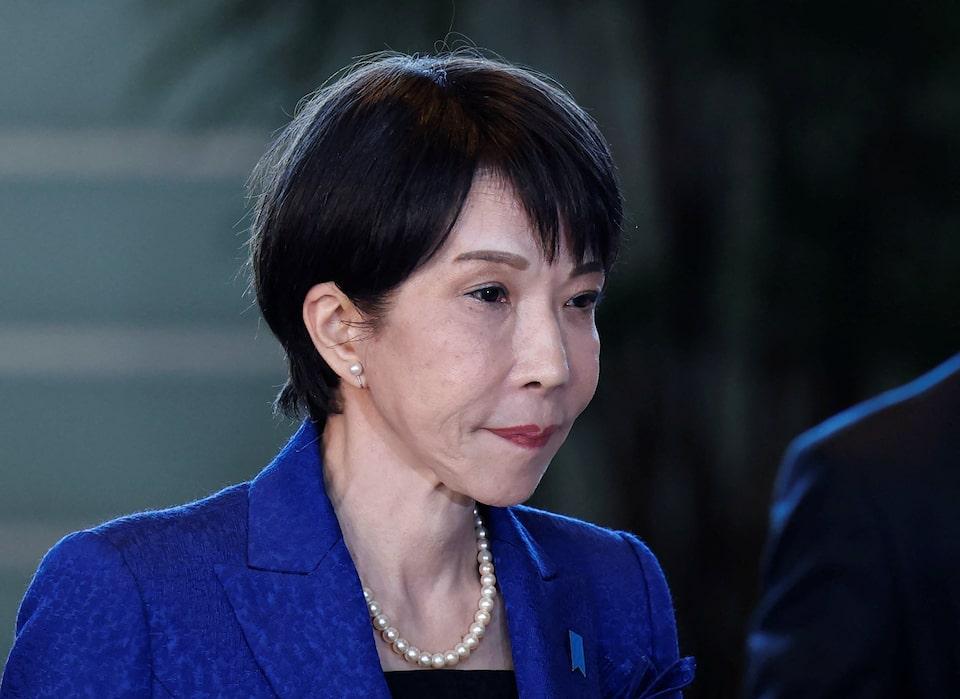
FSS chief says risks revealed by recent crypto market incident Most bitcoin retrieved after accidentally being given away by Bithumb South Korea plans to introduce another bill on digital assets SEOUL, Feb 9 (Reuters) - South Korea's financial market watchdog said on Monday local exchange Bithumb's unintentional giveaway of more than $40 billion in bitcoin to customers raises the need for tougher regulations to address the vulnerabilities of cryptocurrencies. The cryptocurrency exchange said on Saturday it had accidentally given away the bitcoin to customers as promotional rewards, triggering a sharp selloff on the exchange. Sign up here. Lee Chan-jin, governor of the Financial Supervisory Service (FSS), told a press conference that there was a need for improved regulatory mechanisms to address such risks, adding that authorities will seriously consider the problems revealed by the incident as they seek to bring digital assets under regulatory control with legislation. "It is a case that shows the structural problems of electronic systems for virtual assets. There are many areas we are seriously looking into, and we are particularly worried about the issue of electronic systems," Lee said. "There are tasks to significantly improve the regulatory system, as virtual assets are in the process of being brought into the legacy financial system," Lee said. South Korea introduced the Virtual Asset User Protection Act in July 2024 to better protect crypto investors following a market rout in 2022 triggered by the collapse of cryptocurrencies terraUSD and luna. The government aims to introduce another bill further widening regulatory control over digital assets, while discussions are also ongoing among policymakers and lawmakers over won-denominated stablecoins. "It is regrettable such an incident happened at a time when there were moves by financial firms to foster the industry, such as M&A deals, on expectations of more policy support, which will now be delayed," a market analyst said, requesting anonymity due to the sensitivity of the matter. Of the total 620,000 bitcoins given away by Bithumb on Friday, 99.7% were retrieved by the exchange, according to the initial investigation results by financial authorities. Of the 1,786 bitcoins already sold before the exchange suspended transactions, 93% were retrieved. On media reports that Bithumb gave away more bitcoin than it actually held, FSS's Lee said the issue of "ghost coins" would have to be resolved first for cryptocurrencies to become legacy financial assets. Those who already sold the accidentally given bitcoins are legally obligated to return them to the exchange, Lee added. On the government's policy plan to introduce spot bitcoin exchange-traded products, Lee said he would express cautious views that stability needed to be ensured for it to be regarded as a legacy financial asset. https://www.reuters.com/sustainability/boards-policy-regulation/south-korea-watchdog-says-40-billion-giveaway-shows-new-rules-needed-tackle-2026-02-09/

2026-02-09 06:02
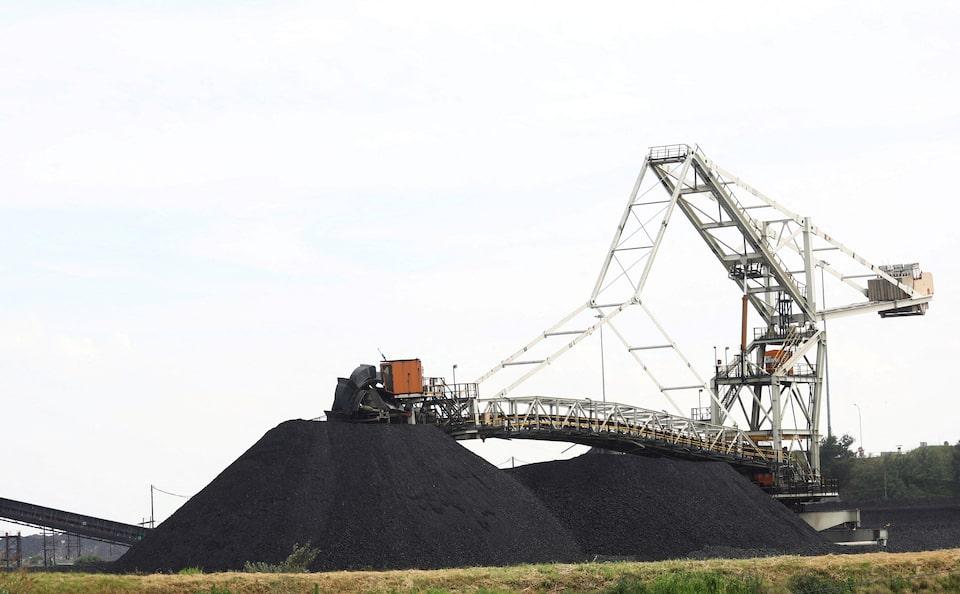
Reuters Open Interest (ROI) is your essential source for global financial commentary. CAPE TOWN, Feb 9 (Reuters) - Finding bullish exporters of thermal coal has been tricky of late given soft prices, lower demand from heavyweight buyers China and India, and for Indonesian miners an additional headache of uncertainty over government policy. But there is one group of coal exporters that seem quite ebullient. South Africa's miners are looking forward to increased demand from their top buyer India as well as improving rail infrastructure that will allow for higher volumes. Sign up here. However, the coal that South African producers see strong demand for is not for the traditional use of generating electricity; rather, it is for industrial processes such as making sponge iron and cement. The upbeat mood was very much in evidence at the South African Coal Conference, organised by McCloskey by OPIS last week in Cape Town. The basic message was that South Africa's rail network is finally being restored, with as much as 6 million metric tons more coal expected to be moved in 2026. South Africa's coal exports were 60.96 million tons in 2025, according to data compiled by commodity analysts Kpler, with half going to India. This was up from 58.13 million tons in 2024 and marked a third straight year of gains, although it should be noted that they are still shy of the 77.2 million recorded in 2018. If South Africa's miners can lift exports to around 65 million tons in 2026, they are confident that they have a growing market for their product. India is the world's largest producer of sponge iron, an intermediate product between iron ore and crude steel. It produced about 55.7 million tons in the 2024-25 fiscal year, according to the Sponge Iron Manufacturers Association, and analysts have estimated this may rise to around 75 million tons by 2030 given India's strong demand for steel. Each ton of sponge iron requires around 1.2 tons of coal to produce, and South African coal is in the sweet spot of the type needed for the process. Sponge iron production is generally most efficient when using coal with an energy content of around 5,000 to 5,500 kilocalories per kg (kcal/kg). While Australian, Russian and U.S. miners also produce similar quality coal, South Africa's proximity to India gives it an edge on a delivered cost basis. Indonesia, the world's largest coal exporter, generally produces lower energy coal, which is popular with Indian electric utilities because it is cheaper than grades from other producers. With little competition from Indonesia, South Africa is the supplier of choice to India's sponge iron producers, who struggle to source sufficient domestic coal as policy dictates that power companies have priority. If sponge iron production does rise by 20 million tons per annum by 2030, this implies additional coal demand of 24 million tons. South Africa will be unable to meet this by itself, but it stands to reason that the country's exporters will be able to sell whatever volumes they can ship given the strong demand. CEMENT HELPS India's cement producers also rely on imported coal, and they also expect to increase output from 453 million tons in the 2024-25 fiscal year to around 480 million in the current 12-month period. While cement production is less coal-intensive than sponge iron, it takes up to 250 kg of coal to make a ton of cement. This implies that rising cement output will boost India's coal demand by several million tons a year, and the domestic market is unlikely to be able to meet all the demand growth, meaning imports will once again come to the fore. The question is whether this demand will spark a rally in coal prices, which dropped to four-year lows in the middle of last year, and the recovery since then has been modest. Much will depend on coal demand for the grades produced by South Africa, and that means China and the developed economies of North Asia such as Japan and South Korea will be key. It's likely that demand for higher quality thermal coal from these countries will be flat to trending weaker as Japan and South Korea limit coal-fired power generation and China continues to roll out renewables at a rapid pace. But even if seaborne prices are relatively stable, South Africa's exporters should still be able to sell all they can ship given their relative advantage over their competitors. Enjoying this column? Check out Reuters Open Interest (ROI), your essential new source for global financial commentary. ROI delivers thought-provoking, data-driven analysis of everything from swap rates to soybeans. Markets are moving faster than ever. ROI can help you keep up. Follow ROI on LinkedIn , opens new tab and X , opens new tab. The views expressed here are those of the author, a columnist for Reuters. https://www.reuters.com/markets/commodities/indias-sponge-iron-boom-rides-rescue-south-african-coal-2026-02-09/
2026-02-09 05:35
Feb 9 (Reuters) - Adani Energy Solutions (ADAI.NS) , opens new tab has secured long-term financing from a consortium of Japanese banks, led by MUFG (8306.T) , opens new tab and SMBC (8316.T) , opens new tab, for a renewable power transmission project in northern India, it said on Monday. Adani Energy, part of the ports-to-power Adani conglomerate, said the project will supply power from Rajasthan's solar-rich regions to the country's national grid. Sign up here. It did not disclose further details regarding the financing. The project, connecting Bhadla in Rajasthan to Fatehpur in Uttar Pradesh, is scheduled to be commissioned by 2029 and will strengthen grid stability for energy-intensive urban and industrial centres, the company added. https://www.reuters.com/world/india/mufg-smbc-lead-japanese-bank-consortium-funding-adani-energys-energy-project-2026-02-09/

2026-02-09 05:32
A look at the day ahead in European and global markets from Wayne Cole. So, something political markets actually like. Japan's first female Prime Minister Sanae Takaichi knocked it out of the park in the election, sparking a 4.5% rally in the Nikkei to all-time highs. Indeed, the index broke 55,000, 56,000 and 57,000 for the first time, all in one go. Sign up here. It was an emphatic win as the LDP took 316 of the 465 seats in parliament's lower house, its best-ever result. With coalition partner, the Japan Innovation Party, Takaichi controls 352 seats and a supermajority of two-thirds. That clears the way for more defence spending, tax cuts, corporate reform and generally reflationary policy, assuming Takaichi actually follows through on her election pledges. While equity investors were pleased, the prospect of all this spending being funded by debt saw two-year JGB yields hit their highest since 1996 at 1.3%. The yen had already been sold in anticipation of the victory, so the knee-jerk position adjustment helped the currency to a modest bounce. The dollar dipped around 0.3% to 156.80 yen, while the euro and Swiss francs eased from early record highs. Longer term, Japan might now have a government and leader that lasts for more than a year or two, providing a welcome period of stability at a time of wrenching geopolitical change. That's a lot more than the UK can claim, with Prime Minister Starmer having to say goodbye to his chief political adviser over the weekend as the Mandelson affair claims another scalp. It's still not clear whether Starmer can cling to power, or who would replace him if he were ousted by the party, leaving gilts vulnerable to periodic debt scares. Elsewhere, the carnage in leveraged momentum plays looks to have calmed for the moment, with silver up another 3% and Bitcoin steady if rather punch drunk. Delays to U.S. data mean the payrolls report, retail sales and CPI will all be out this week, which could be the first time that's ever happened. Jobs are seen rising a modest 70,000, though statistical quirks in seasonality and the birth-death model mean forecasts range from a 10,000 drop to a 135,000 increase. Analysts also assume there will be large downward revisions to the level of payrolls last year. With markets now heavily priced for a June rate cut from the Fed, an upside surprise to any of the data would have an outsized impact. Key developments that could influence markets on Monday: - ECB speakers include President Christine Lagarde and board member Philip Lane. Bank of England policymaker Catherine Mann speaks - Fed speakers include governors Christopher Waller and Stephen Miran, Fed Bank of Atlanta President Raphael Bostic https://www.reuters.com/markets/europe/global-markets-view-europe-2026-02-09/