2024-11-07 11:41
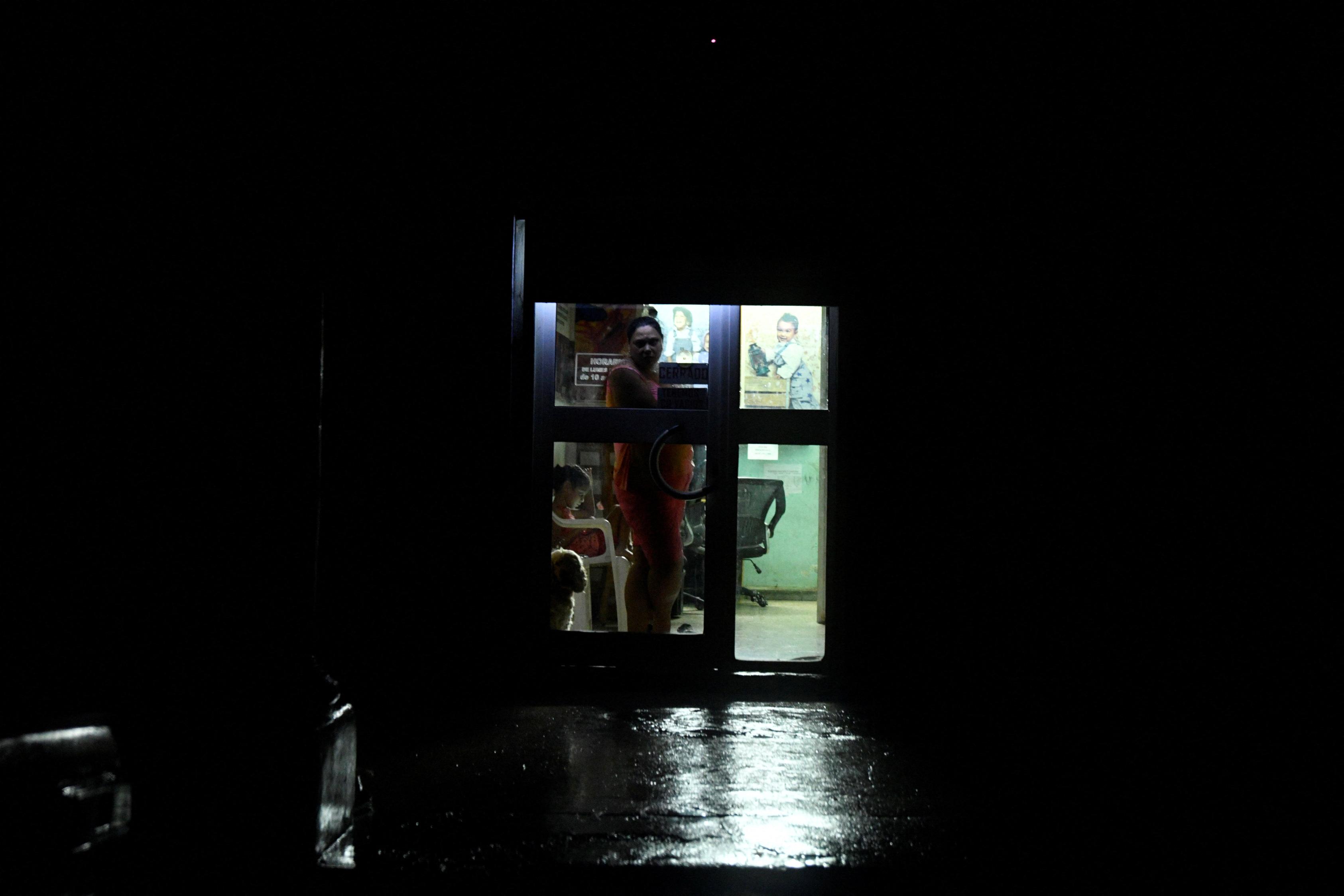
Hurricane Rafael damages homes, uproots trees, and topples telephone poles Energy and Mines Ministry warns of slow power restoration in western Cuba Cuba's electrical grid already struggled due to decrepit plants and reduced oil imports ARTEMISA, Cuba, Nov 7 (Reuters) - Cuban authorities said they had begun restoring power to the eastern half of the island on Thursday, a day after Hurricane Rafael knocked out the country's electrical grid, leaving 10 million people in the dark. The grid collapsed on Wednesday as Rafael tore across Cuba with top winds of more than 115 mph (185 kph), damaging homes, uprooting trees and toppling telephone poles. The hurricane had spun off westward into the Gulf of Mexico where it no longer posed an immediate threat to land, the Miami-based U.S. National Hurricane Center said. Rafael was the latest blow to the Communist-run country's already precarious electrical grid, which just two weeks ago collapsed multiple times, leaving many in the country without power for days and sparking scattered protests across the island. The Energy and Mines Ministry said on Thursday afternoon it was making progress restoring power to pockets of central and eastern Cuba, but warned the process would be slower in western parts of the island, which were hardest hit by the storm. Havana, the capital city of two million, was still without power late in the day on Thursday, and authorities had not said when it would be restored. The country's decrepit oil-fired generation plants have struggled to keep the lights on for decades, but this year the system collapsed into crisis as oil imports dropped off from allied countries Venezuela, Russia and Mexico. Rafael was the second hurricane to hit the island in less than a month after Oscar ravaged eastern Cuba in October, a one-two punch that was sapping more resources in a country already suffering shortages of food, fuel and medicine. Rolling blackouts lasting hours had become the norm across much of Cuba even before the two storms struck. Skies had brightened across Havana by late in the day on Thursday. Road crews and residents worked to clear downed tree limbs, trash and debris that blocked many roadways, though most shops, banks and most state agencies remained closed. More than 220,000 people were evacuated from low-lying and vulnerable areas, officials said, and most had returned to their homes on Thursday. No one died as a result of the storm. Officials re-opened Havana's airport at noon. Schools would stay closed until Monday, authorities said. Rafael grazed the Cayman Islands as a Category 1 cyclone on the five-step Saffir-Simpson hurricane scale before increasing strength in less than 24 hours to the much more powerful Category 3 that made landfall on Cuba's southwestern shore. BREAD BASKET Artemisa province, a farm province known as Havana's bread basket, took the brunt of the impact from the hurricane. Violent winds flattened several high tension power lines along the region's principal highway. Downed trees littered roadways in the provincial capital. The storm tore across farm fields just as the winter planting season was getting under way, destroying thousands of hectares (acres) of banana plants, yucca, beans, corn and rice, according to agriculture officials. Heavy winds and rain prompted authorities to protectively harvest ripening fruits and vegetables rather than take a total loss. "You have to see it to believe it," said Rosa Martinez, a 62-year-old resident of the nearby small town of Toledo. She said food was already scarce and too expensive. "If we were having trouble before, now its going to be even worse, that much I'm sure of." Sign up here. https://www.reuters.com/world/americas/cuba-left-without-electricity-after-hit-hurricane-rafael-2024-11-07/
2024-11-07 11:18
Farmers want Trump administration to boost US exports Trump vows tariffs against top soy-importer China US faces record agricultural trade deficit in 2025 CHICAGO, Nov 7 (Reuters) - U.S. farmers want something from President-elect Donald Trump that his trade policies mean he is unlikely to deliver: increased access to the market of top soy-importer China. Trump's Republican party enjoys wide support across the U.S. farm belt, where he won most states in Tuesday's election. Farmers typically back him even though the U.S. agriculture sector was one of the hardest hit during the U.S.-China trade war that Trump fought during his first administration. China targeted the U.S. farm community with retaliatory tariffs on imports of American agricultural goods, after Trump imposed tariffs on a wide range of goods from China. U.S. soy exports to China have never recovered - in fact, China has slashed its dependence on U.S. farm goods since the 2018 trade war. Farmers and two potential contenders for the position of Trump's agriculture secretary say they want his administration to focus on boosting U.S. exports and crafting trade deals to help revitalize the sector. "We really need to get out there and represent the U.S. products and make sure that we get some sales on the books," said Kip Tom, an Indiana corn and soy farmer who served as ambassador to the United Nations food agency during Trump's first term. But Trump is threatening new tariffs on Chinese imports, and China is likely to reciprocate. That would lead to less access, not more, to China's agriculture import market. Trump would also likely hit imports from other countries farmers would want to sell into with tariffs. Trump, who beat Democratic Vice President Kamala Harris in the presidential election, has vowed to impose a 60% tariff on Chinese goods and at least a 10% levy on all other imports in his second term. "I think it's terribly naive of anyone to think that the election of Trump and the Republican party will be positive for agriculture," said Jay O'Neil, a grain industry consultant and former economist at Kansas State University A new round of trade wars would come at a tough time. U.S. corn and soy prices tumbled to 2020 lows this year under pressure from massive harvests and intense competition for global export sales from rival supplier Brazil. That has hit the U.S. agriculture economy hard and reduced demand for tractors, combines and other agricultural equipment from companies like Deere & Co (DE.N) , opens new tab. The nation is projected to face a record $42.5 billion agricultural trade deficit in 2025, according to the U.S. Department of Agriculture. U.S. soybean exports to China fell to about 26.4 million metric tons last year from 36.1 million in 2016 and 31.7 million in 2017, before the last trade war, the agency said. Beijing failed to meet obligations for U.S. agricultural purchases under a 2020 trade deal signed with Trump to end the trade war, according to the Census Bureau. Still, farmers said they think a new dispute with Beijing would be short lived and less economically painful. "It won't be near as prolonged as it was the first time because they know he's serious," said Texas Agriculture Secretary Sid Miller, who worked to elect Trump. Miller and Tom are seen as potential contenders for USDA secretary. Trump's first administration kept farmers onside with generous subsidies to offset lost U.S. sales to China from the trade war. Soybean farmers received $5.4 billion more in aid than they lost in price impact, a University of California-Davis study found. Another trade war could cost soy farmers $3.6 billion to $5.9 billion in annual production value, depending on how the dispute plays out, according to an October study from the National Corn Growers Association and American Soybean Association. For corn, Brazil overtook the U.S. as China's top supplier in 2023, just one year after Beijing approved purchases from the South American agricultural powerhouse. "We've let Brazil and Argentina and Australia and New Zealand and everybody else beat us to the punch," Miller said. "We've got to reverse that trend." U.S. soybean exports to China were down 13% from a year ago through September and corn exports sank 71%, according to USDA data. Such declines worry Dave Kestel, a corn and soy grower in Manhattan, Illinois, who used a plow to carve "Trump" in giant letters in a farm field ahead of the election. Still, a trade battle with China could ultimately benefit U.S. workers, despite some temporary pain, he said. "People on the other side are saying 'Oh my god, he's going to impose these tariffs,'" said Kestel, who voted for Trump. "It's about bringing businesses back here again." Sign up here. https://www.reuters.com/markets/us-farmers-back-trump-face-pain-china-tariff-threats-2024-11-07/

2024-11-07 11:15
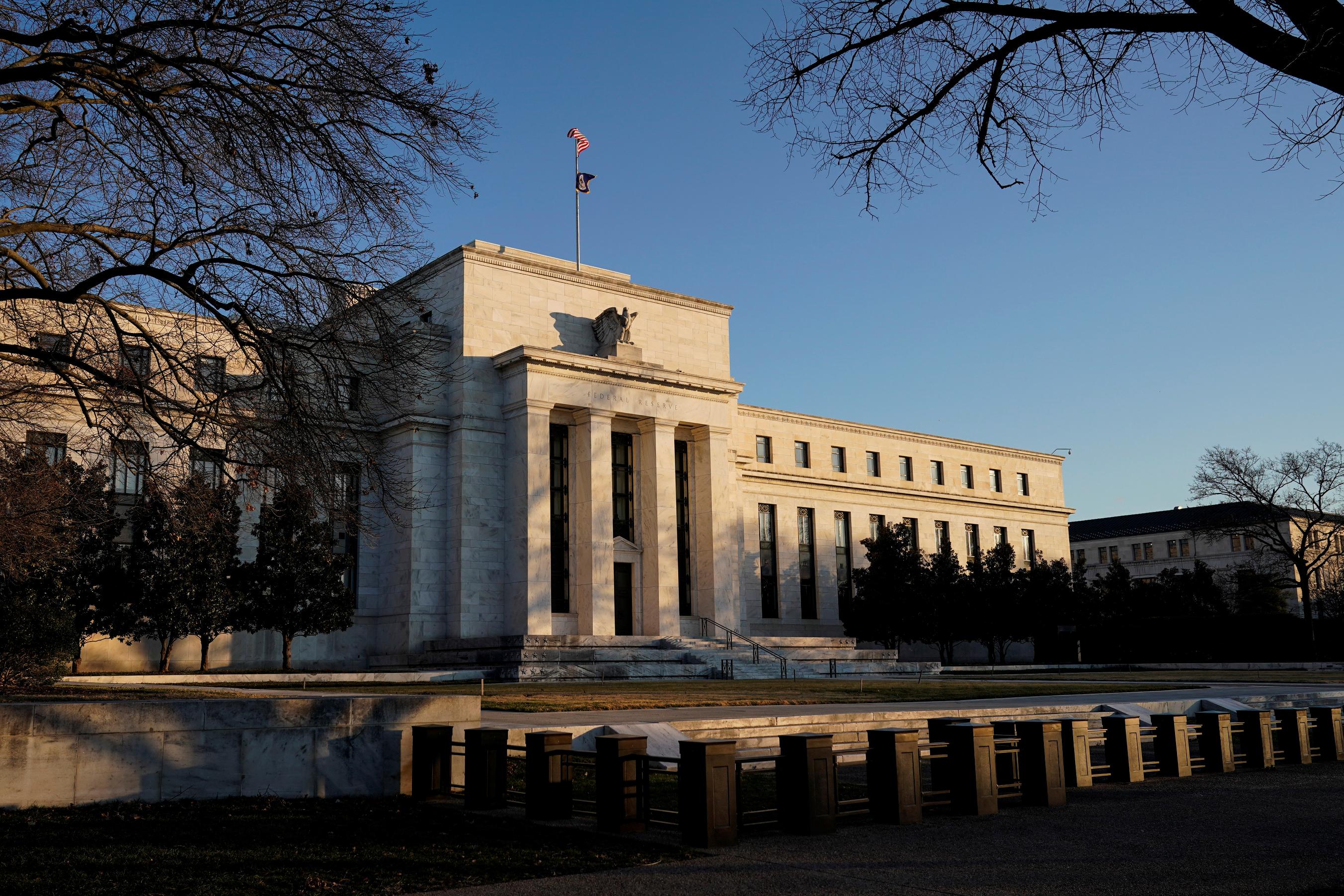
US central bank lowers policy rate to 4.50%-4.75% range Dollar slips from four-month high Silver up more than 1% Nov 7 (Reuters) - Gold prices rose more than 1% on Thursday, helped by a retreat in the U.S. dollar, while the Federal Reserve cut interest rates by a quarter of a percentage point as widely expected. Spot gold was up 1.2% at $2,691.36 per ounce as of 2:22 p.m. EST (1919 GMT), after dropping to a three-week low on Wednesday. U.S. gold futures settled 1.1% higher at $2,705.80. At the end of a two-day policy meeting, the U.S. central bank lowered the benchmark overnight interest rate to the 4.50%-4.75% range, with policymakers taking note of a job market that has "generally eased". Lower U.S. interest rates put pressure on the dollar and bond yields, increasing the appeal of non-yielding bullion. "Gold remains in a strong bull market and no event this week, from the election to today's Fed decision, is likely to change that," said Tai Wong, an independent metals trader. "Unless Powell leans towards a pause today, gold is likely to take back yesterday's knee-jerk losses," Wong added. The dollar index (.DXY) , opens new tab was down 0.6% against its rivals after rising to a four-month high after Republican former President Donald Trump's win in Tuesday's presidential election. Traders are currently pricing in another 25 basis point cut by the Fed in December, according to LSEG data. Investors now look forward to comments from Fed Chair Jerome Powell's press conference due at 2:30 p.m. ET for more cues on monetary policy path. With Trump's impending return to power, "any future rate reductions could well be more difficult to achieve due to concerns that higher prices and stickier inflation force central banks to keep policy restrictive for longer than they would like," independent analyst Michael Hewson wrote in a note. Elsewhere, spot silver rose 1.8% to $31.71 per ounce, platinum gained 0.6% to $992.65 and palladium shed 1.3% to $1,021.25. Sign up here. https://www.reuters.com/markets/commodities/gold-hits-over-3-week-low-dollar-gains-trump-win-fed-verdict-looms-2024-11-07/

2024-11-07 11:09
A look at the day ahead in U.S. and global markets from Mike Dolan World stocks and bond yields pushed higher after Donald Trump's clear U.S. election win and a collapse of Germany's coalition redrew trade and debt-raising maps worldwide - just ahead of likely interest rate cuts from U.S. and UK central banks. Wall Street stocks (.SPX) , opens new tab roared to record highs on Wednesday while the dollar and Treasury yields soared (.DXY) , opens new tab, as Trump's White House return brought what many see as his inflationary tariff raising and tax cut plans into view. Stock futures held those gains overnight and are higher again ahead of Thursday's bell, with the S&P500 now eyeing 6,000 for the first time. Treasury yields and the dollar pulled back a touch as the Federal Reserve is widely expected to deliver another quarter point rate cut later - even if futures now see as little as three such cuts over the subsequent year. Although Trump's fiscal powers rely on the yet-to-be-decided House of Representatives shift, the odds on a Republican 'clean sweep' of the Presidency and Congress have narrowed sharply. Markets now await details of Trump's cabinet - including his pick for Treasury Secretary. European debt markets initially went the opposite way to Treasuries on Wednesday as the trade hit from likely Trump tariffs was read as a further depressant on the euro economy. But Germany's ruling coalition collapsed on Wednesday as Chancellor Olaf Scholz sacked his finance minister Christian Lindner over his reluctance to lift spending and the so-called German 'debt brake' to revive the ailing economy - paving the way for a snap election early next year. The prospect of a loosening of Germany's tight budget rules sent German and euro zone sovereign debt yields surging more than 10 basis points on Thursday to near four-month highs. And that's helped the euro bounce from four month lows too. British markets, still digesting a planned surge in UK government borrowing after last week's budget there too, are now braced for the Bank of England's response on Thursday. The BoE is widely expected to deliver its second rate cut of the year - a quarter point to 4.75% - but higher growth and inflation forecasts from the budget have seen markets reduce expectations of further cuts next year to just two or three. Ten-year UK gilt yields ebbed slightly from 2024 highs set near 4.6% on Wednesday after the U.S. election result as the BoE decision was awaited. Sterling firmed a touch as the dollar retreated more broadly. Elsewhere in Europe, Sweden's Riksbank cut its policy rates by a half point as expected, while Norway's central bank held the line and left rates unchanged. In Asia, China's stock markets (.CSI300) , opens new tab, (.HSI) , opens new tab rebounded from Wednesday's hit on Trump's win and fears about his pledge to deliver severe tariff hikes on Chinese imports in particular. As Chinese factories rushed inventory to major markets in anticipation of further tariffs from both the U.S. and the European Union, October data showed China's exports grew at the fastest pace in over two years. How long that can last is an open question - and in an indication of how weak the domestic Chinese economy remains, imports fell 2.3%, compared with expectations for a drop of 1.5% - turning negative for the first time in four months. Details from this week's top Chinese leadership meeting on the size of the planned fiscal boost there are still awaited - speculation is rife that supports may be increased now that Trump is back at the helm in Washington. Back on Wall Street, the unfolding post-election political drama and Fed meeting hold sway - with weekly jobless numbers and productivity data the only macro inputs before the Fed decision and press conference. A heavy earnings season diary remains in the backdrop, with Qualcomm (QCOM.O) , opens new tab shares up almost 7% overnight after its latest results beat. Key developments that should provide more direction to U.S. markets later on Thursday: * Final results on US House of Representatives election awaited * US Federal Reserve policy decision and press conference from Fed Chair Jerome Powell * Bank of England policy decision, monetary policy report and press conference * US weekly jobless claims, Q3 productivity and unit labor costs, September consumer credit; Mexico October inflation * US corporate earnings: Airbnb, Expedia, News Corp, Moderna, Consolidated Edison, Halliburton, Molson Coors, Warner Brothers, Tapestry, Arista Networks, Axon, Motorola, Akami, Insulet, Corpay, Ralph Lauren, Hershey, Monster Beverage, Evergy, PG&E, Fortinet, Duke Energy, Vistra, Mettler Toledo, EOG etc * European Central Bank chief economist Philip Lane and Dutch central bank chief Klaas Knot speak Sign up here. https://www.reuters.com/markets/us/global-markets-view-usa-2024-11-07/
2024-11-07 11:06
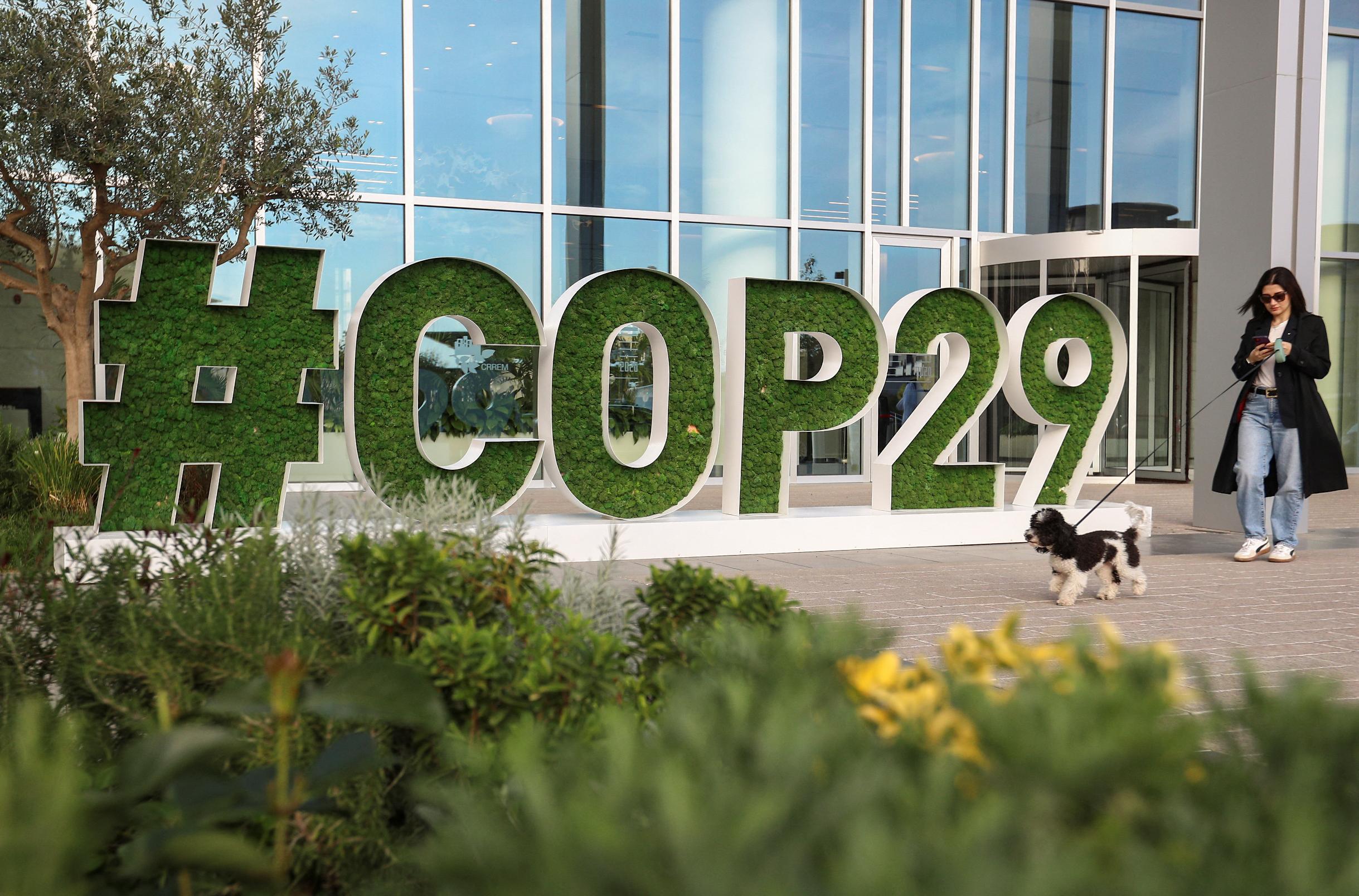
COP29 conference from Nov. 11-22 in Baku Trump has called climate change a hoax Trump expected to withdraw U.S. again from Paris agreement U.S. states and cities preparing to step up climate action WASHINGTON, Nov 7 (Reuters) - Donald Trump’s victory in the U.S. presidential election has darkened the outlook for a strong deal at the COP29 climate summit next week and will increase pressure on Europe and China to lead international progress in curbing planetary warming, according to climate negotiators. Trump, who has called climate change a hoax, has said he plans to withdraw the U.S. from the landmark 2015 Paris climate agreement at the start of his second presidency, and his policy advisers have floated removing the U.S. from the underlying UN Framework Convention on Climate Change (UNFCCC) ratified by the U.S. Senate in 1992. Climate negotiators and observers preparing for the COP29 conference from Nov. 11-22 in Baku, Azerbaijan, said Trump’s decisive win over Vice President Kamala Harris in Tuesday’s poll reduces the ability of countries to agree a new global finance target, or increase the pool of countries that should contribute - goals for the summit. The EU and U.S. had planned to push China and rich Gulf states to start paying into U.N. climate funds. "Pushing for more ambitious climate finance is going to be almost impossible without the U.S. buy-in, which will de-motivate developing countries from taking seriously the climate ambitions of the West," said Elisabetta Cornago, a senior research fellow at the Centre for European Reform. Jennifer Morgan, Germany's state secretary for international climate action, said it will be up to Germany and the European Union to maintain leadership in the climate finance discussions to ensure an acceptable result. However, on Thursday, German Chancellor Olaf Scholz cancelled plans to attend COP29, a chancellery spokesperson confirmed to Reuters, due to an unfolding political crisis at home. Failure to land a strong climate finance deal would be a particularly big setback for the 45-country group of Least Developed Countries in U.N. climate negotiations, which is demanding countries pay up. "Any attempt by anyone to sidestep shared responsibilities must be met with dismay," said Evans Njewa, chair of the bloc. TRANSITION WILL SURVIVE One climate minister from Latin America said that while the return of pro-oil drilling Trump and his likely Paris withdrawal are a setback to global climate efforts, the deployment of renewables is attracting trillions of dollars in investments and will continue despite his political maneuvers. “The election feels like a slap in the face to climate progress, but it won't stop the global push for clean energy," the official said. "Sticking with fossil fuels is a dead end." Germany’s Morgan agreed. "We have seen over the past years, through various election results, that the implementation of the Paris Agreement has gone forward," she said. Any weakening in the U.S. stance on tackling climate change, however, would make it vital for Europe and China to hold firm. The U.S., China, and the 27-country European Union are the world's biggest historical polluters. "If one of the three-legged pillars is wobbling or uncertain, the other two need to hold fast," a European diplomat told Reuters. Li Shuo, director of China Climate Hub at the Asia Society Policy Institute, said the loss of U.S.-China political leadership at COP29 and in the future needs to be filled by China and the EU. "A strengthened climate alliance with Europe and China at the centre is our best hope for the next few years," he said. U.S. states and cities, meanwhile, are planning to step up and fill the U.S. void at the upcoming climate summit to encourage other countries to keep working toward Paris climate goals. The U.S. Climate Alliance, America Is All In and Climate Mayors will send delegations to COP29. The groups were formed in 2017 after Trump withdrew the U.S. from the Paris Agreement the first time, a move the Biden administration reversed. They represent nearly two thirds of the U.S. population and three-quarters of U.S. GDP. A report by the University of Maryland in September found that if Biden administration climate laws and policies are rolled back, non-federal entities like states and cities can achieve a 48% emissions reduction by 2035 - falling short of previous U.S. commitments to reduce greenhouse emissions at least 50% compared to 2005 levels by 2030. Sign up here. https://www.reuters.com/business/environment/trump-win-worries-international-partners-ahead-cop29-climate-summit-2024-11-07/
2024-11-07 10:56
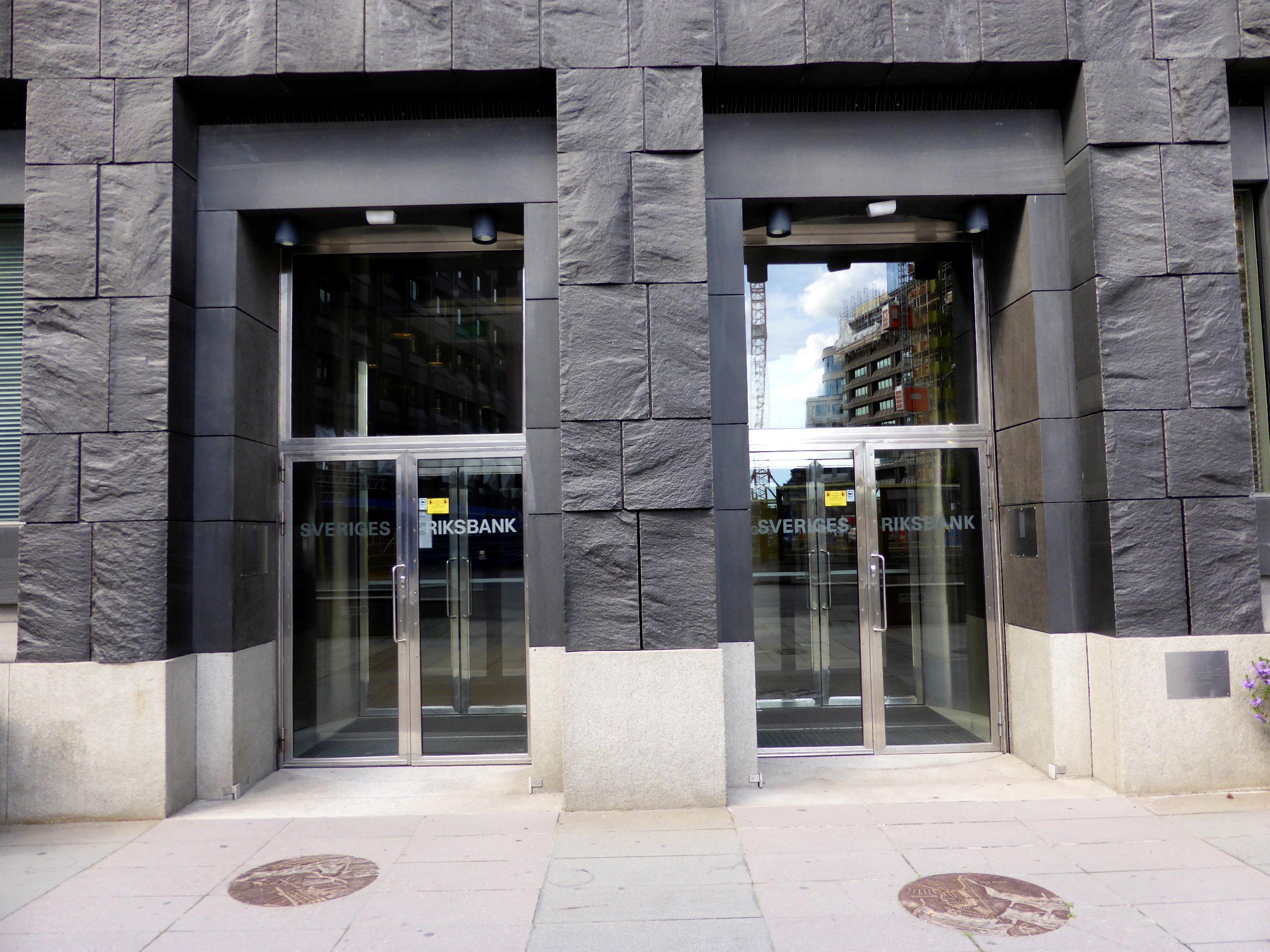
Policy rate cut to 2.75% from 3.25% Riksbank sees further cuts in December, H1 2025 STOCKHOLM, Nov 7 (Reuters) - Sweden's central bank cut its key interest rate to 2.75% from 3.25% on Thursday, as expected, and said that it would carry on easing policy in the months ahead though uncertainty about developments was exceptionally high. The pace of inflation - which peaked at over 10% in late 2022 - has dipped well below the central bank's 2% target, while the Swedish economy has stalled and is showing little sign of recovery in the short term. "If the outlook for inflation and economic activity remains unchanged, the policy rate may be cut again at the next monetary policy meeting in December and during the first half of 2025," the Riksbank said. Donald Trump's victory in the U.S. presidential election, however, has raised uncertainty with questions around how his policies will affect international trade, inflation and growth, the fight against climate change and support for Ukraine in its war with Russia. The Riksbank also pointed to problems in the German economy, fiscal policy challenges across Europe and conflict in the Middle East. "If the situation changes it could mean higher or lower rates and I say that with extra emphasis, because the level of uncertainty ...is greater than at recent meetings," Governor Erik Thedeen said. Sweden's central bank has now cut the policy rate four times this year, starting in May and analysts expect the Riksbank to keep cutting through the first half of next year. "The Riksbank is confident about the inflation outlook while the economy is weaker than expected, warranting swift easing of monetary policy," Nordea economist Torbjorn Isaksson said. "We keep our forecast of three more 25 basis point rate cuts (in December, January and May) and a policy rate at 2.00% in Q2 2025." The Swedish crown was slightly stronger against the euro after the announcement. The Bank of England will announce its rate decision at 1200 GMT and the U.S. Federal Reserve at 1900 GMT. The BOE and the Fed are each expected to deliver quarter point cuts. Norway's central bank kept rates on hold. Analysts in a Reuters poll had expected a half percentage point cut on Thursday. Sign up here. https://www.reuters.com/markets/rates-bonds/swedish-central-bank-cuts-key-rate-275-325-2024-11-07/